
Today, I’d like to explain rib cartilage rhinoplasty. These days, many people look into plastic surgery as a way to improve their image. Among the many types of cosmetic procedures, the shape of the nose is especially important because it sits at the center of the face and is one of its most prominent features. If the nose is not straight or well-balanced in shape, the harmony of the entire face can seem disrupted, so many people look for ways to improve it.

For this reason, people who are looking into rhinoplasty tend to first focus on the external appearance. The concerns may include a nose that is too low, a hump on the bridge, an upturned nose, a crooked nose, or a complex nasal shape. The nose is important not only for appearance but also as the organ responsible for breathing and smell. It is therefore an important part of the nose’s internal functional structure. Surgery that considers both the external appearance and the internal function of the nose can help prevent revision surgery caused by postoperative functional problems.
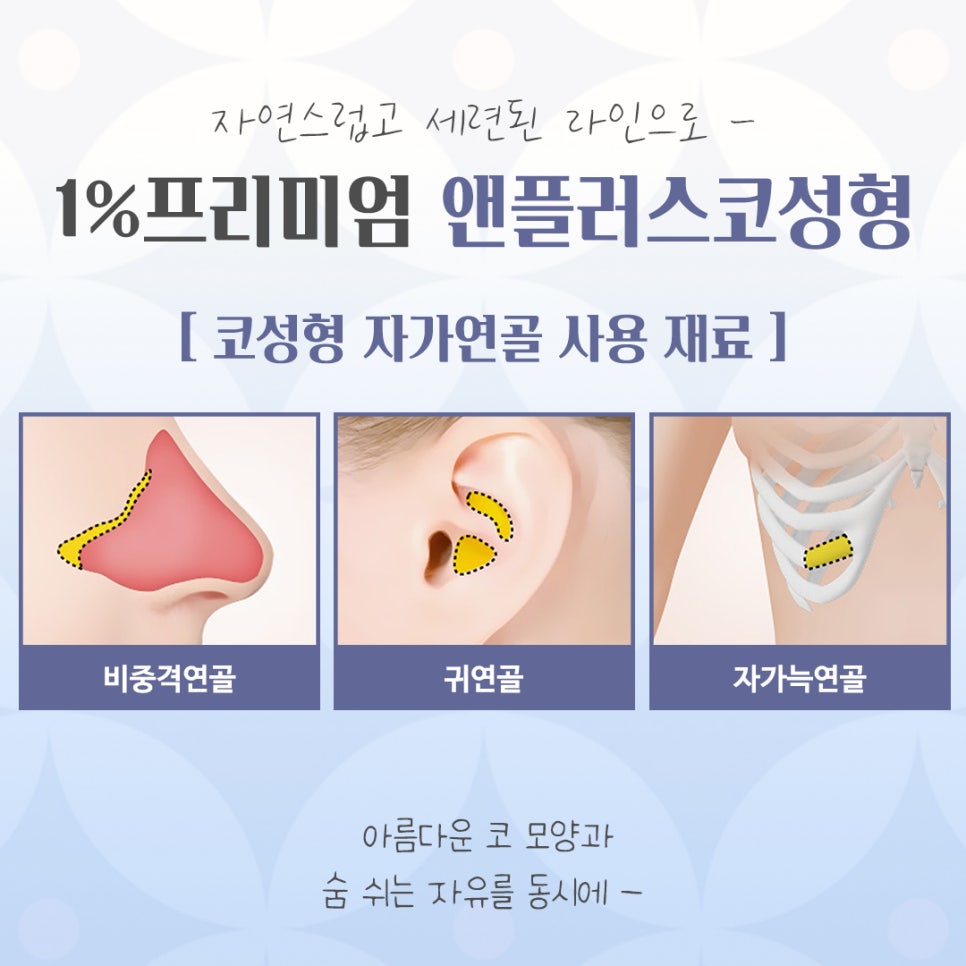
Those who are researching rhinoplasty should look more carefully into the materials used and choose the right material for their individual needs in order to achieve satisfactory results. To explain the materials used in rhinoplasty, the bridge is often improved with silicone, while the tip is improved with autologous cartilage. The autologous cartilage used for the tip includes septal cartilage, ear cartilage, and autologous rib cartilage. In the case of autologous cartilage, the most suitable material for each person can be selected and used through preoperative testing.

As for the silicone used for the bridge, rather than using a pre-made commercial silicone implant, it is carefully shaped by hand after considering various factors such as the person’s overall image, and the width, length, breadth, and height of the bridge. This allows for a more satisfying rib cartilage rhinoplasty procedure.

The rib cartilage rhinoplasty introduced today uses the cartilage at the front of the rib. If you look at the ribs in our body, there is a large bone at the back and cartilage at the front. This front cartilage is called rib cartilage, and it can be used as material for the nasal tip or bridge. Because it is autologous cartilage, it has the advantages of being large and firm. If rib cartilage rhinoplasty is performed, the risk of foreign-body reaction is significantly lower, and the surgery can be safer than general rhinoplasty, which is why interest in it has recently been increasing.

At N Plus, to perform safe and satisfying rib cartilage rhinoplasty, they conduct preoperative 3D-CT scans, internal endoscopy, various allergy tests, internal nasal function tests, and multi-angle photography to accurately understand the external and internal condition of each person’s nose. Based on the collected data, a surgical plan is established and carried out.

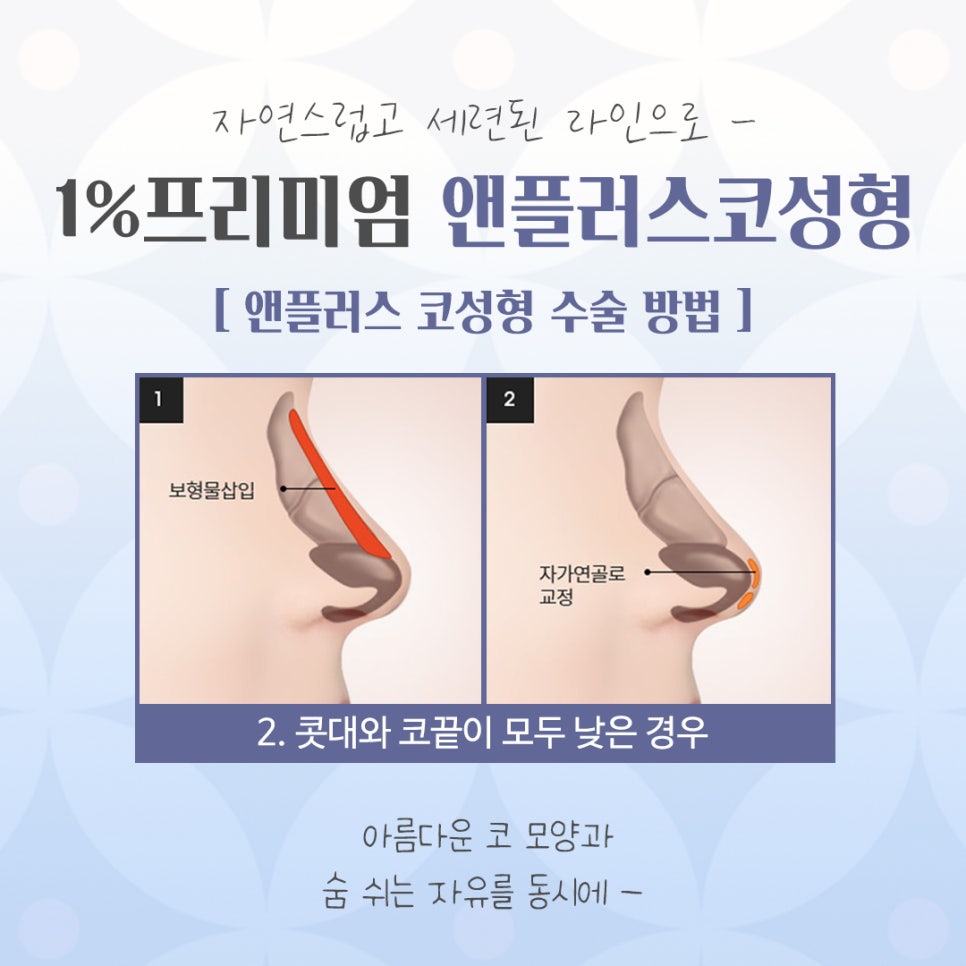
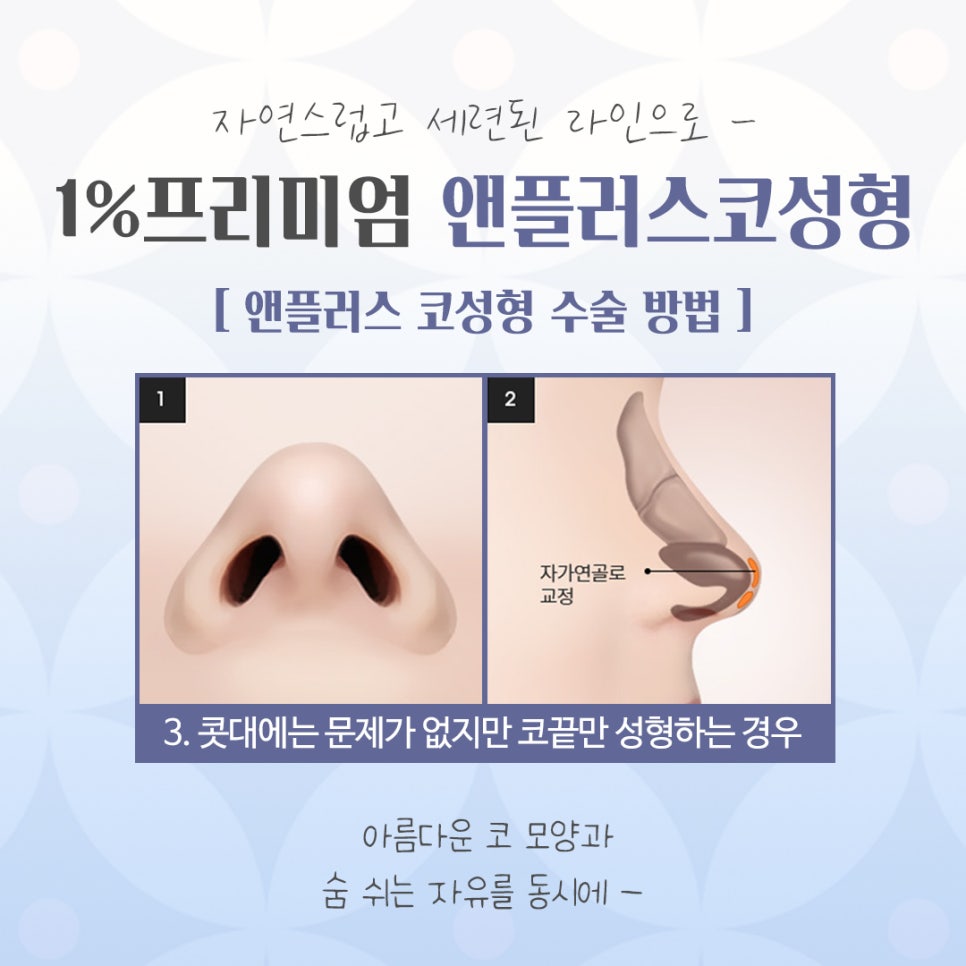
Rib cartilage rhinoplasty can be categorized cases such as when the bridge is low, when only the tip is low, or when the bridge is not a problem but only the tip is corrected. The bridge can be corrected with silicone insertion or rib cartilage, and the tip can be improved using rib cartilage to enhance the overall nasal line.
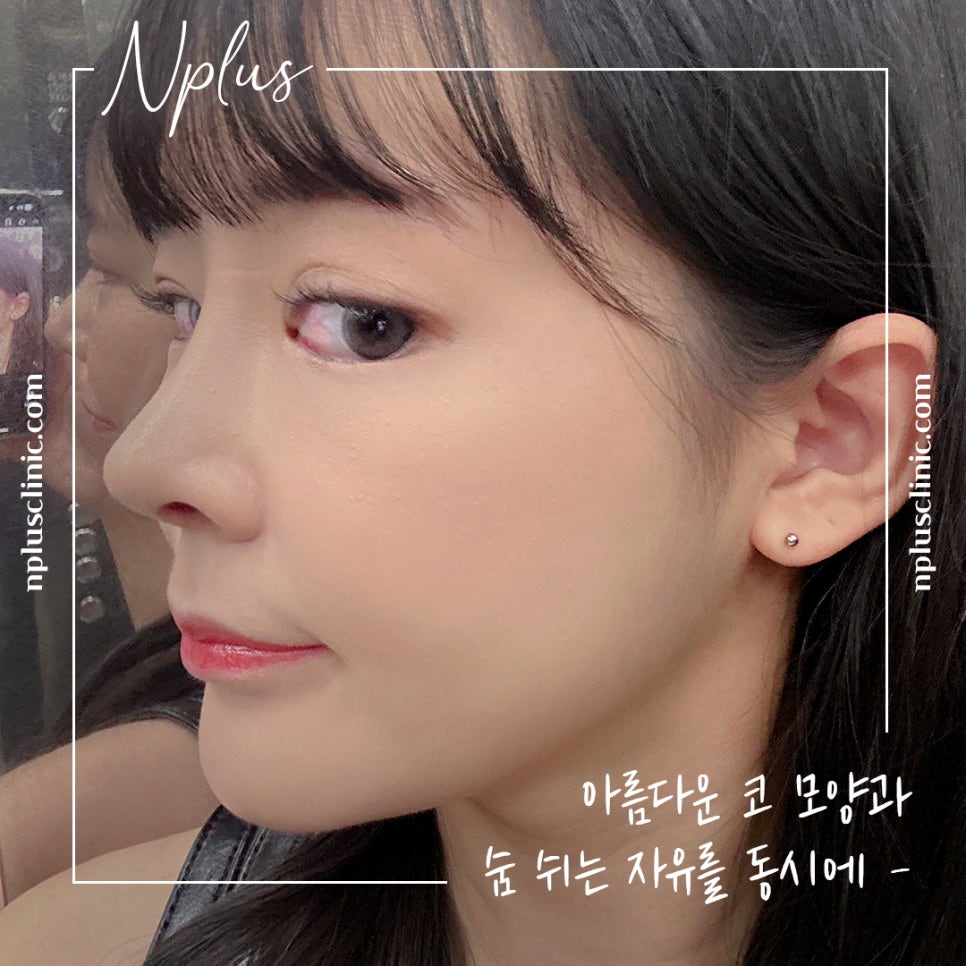
When looking into autologous rib rhinoplasty, it is important not to decide on surgery simply by looking at before-and-after photos and assuming that your nose is the same shape. In addition, it can be helpful to carefully check whether the medical staff have a strong understanding of nasal anatomy, whether they have extensive experience and expertise, whether the clinic is equipped with devices that can accurately assess the condition of your nose, and whether aftercare is clearly guaranteed.

At N Plus, Director Yun Hyun-cheol, who has over 20 years of experience, personally handles one-on-one consultations, surgical planning, the procedure itself, treatment, and follow-up care for rib cartilage rhinoplasty. This allows them to provide a high level of medical service from before surgery through aftercare. The aftercare provided after surgery is also covered by a one-year A/S warranty system, and they operate a surgery responsibility guarantee system that prepares for all possible postoperative situations such as pain, inflammation, and dissatisfaction with the shape, so you can receive clear aftercare benefits after surgery as well.
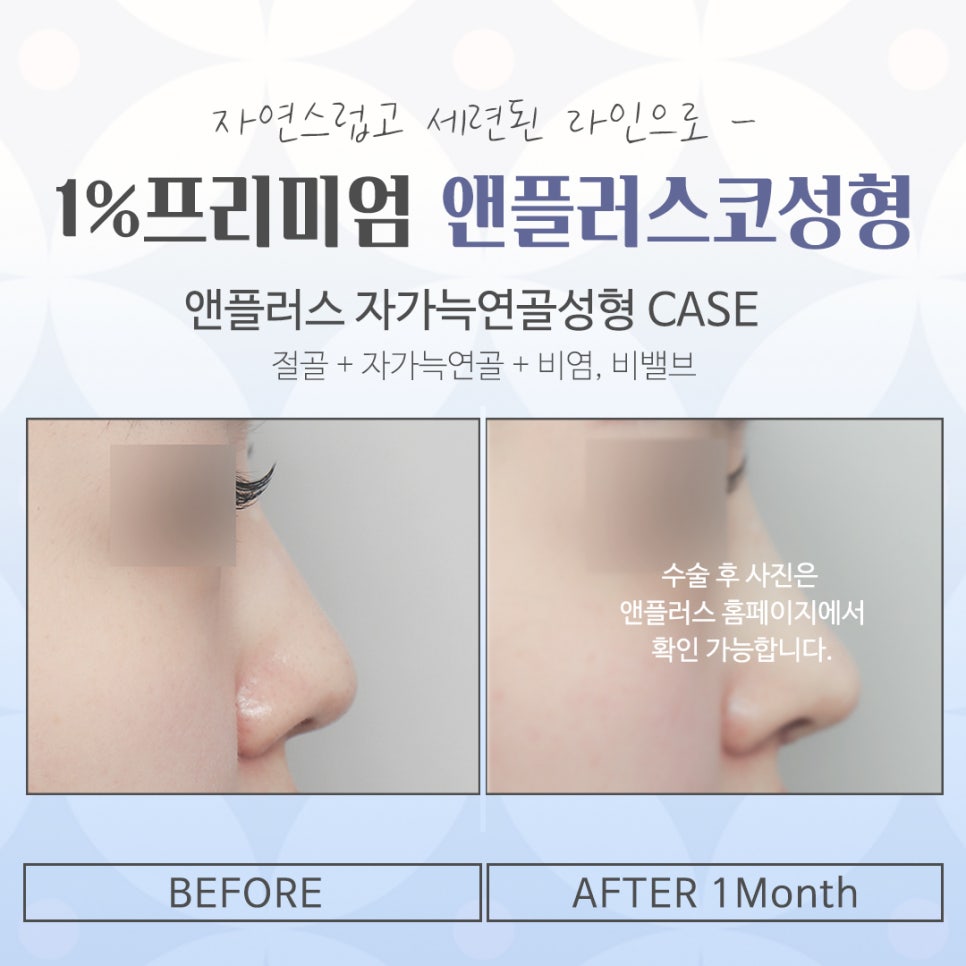
(The images above are before-and-after photos of rib cartilage rhinoplasty performed at N Plus.)
That concludes the explanation of rib cartilage rhinoplasty performed at N Plus. I hope this post is helpful for those who are currently looking into rib cartilage rhinoplasty because they want to improve the shape of their nose. Thank you.