
If you have searched for Hongdae Botox, you probably have been wondering about something like this.
"I got Botox, but I’m less satisfied than before... Could I be developing resistance?"
"I had it done two weeks ago—should we increase the amount a bit?"
These are the questions I have heard most often over the past 9 years of performing Botox procedures in Hongdae. Because Botox is such a versatile treatment, many people look for it, but at the same time, the part they worry about most is resistance.
Today, I want to talk about managing Botox resistance. This is the most important part of Botox treatment, and also the part that many people worry about. I will explain in detail the prevention methods for resistance and the proper treatment intervals that anyone considering Hongdae Botox should know.
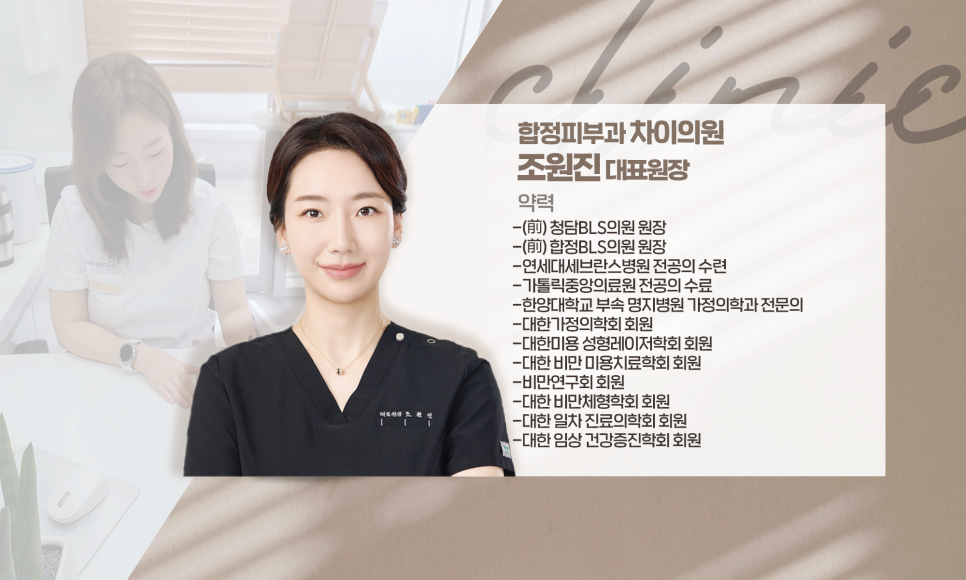
Hello, I’m Director Jo Won-jin of Chai Clinic.
Over the past 9 years of performing Botox procedures in Hongdae, I have met many people who were concerned about resistance.
Resistance does not mean that something severely harmful has happened to the body. It refers to the phenomenon where the satisfaction from Botox treatment disappears.
More specifically, the same dose of Botox may no longer produce the same changes as before, the duration of effect may become shorter, or there may be no response at all.
The most important point is that once resistance develops, it is difficult to reverse. Many people think that if they stop for 1–2 years and then get treated again, they will regain the same satisfaction, but the immune system has "memory cells," so resistance can develop again more quickly and more strongly.
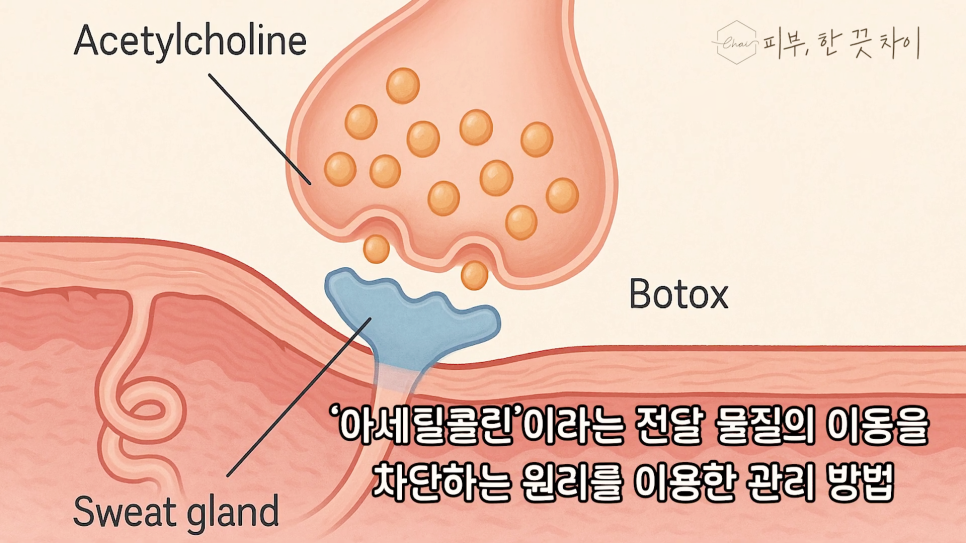
That is why, for those looking into Hongdae Botox, I want to emphasize that preventing resistance is more important than anything else.

I will tell you the four principles that must be followed to prevent resistance.
First, follow an appropriate treatment interval.
In the case of Botox, I do not recommend retreatment within 3 months. If you undergo another treatment in a short period because you are less satisfied, the likelihood that your body will recognize Botox as an antigen increases.
Second, booster shots should be avoided.
I have often seen people who, 2–3 weeks after getting Botox, say the results are not as good as they wanted and ask for a little more. It is fine to add an extra booster shot 2–3 weeks after the first Botox treatment, but if you keep getting booster shots after that, the risk of resistance can increase.
Third, you should not receive too large a dose at once.
The amount typically used for skin aesthetics is usually around 300U to 400U. If you receive more than that at one time, the likelihood of resistance developing rises significantly.
Fourth, choose the Botox product carefully.
For those worried about resistance, it is better to choose based on whether the product has a low resistance rate rather than whether it is imported or domestically produced.
Another concern for those considering Hongdae Botox, along with resistance, is side effects.
Most Botox side effects are not severe and often return to normal over time. For example, in the case of jaw Botox, because it is a treatment that blocks muscle movement, you may feel discomfort when chewing. Botox around the mouth can feel uncomfortable when speaking or smiling.
Forehead Botox can cause headaches because blocking forehead muscle movement makes the surrounding muscles work more. As the muscles become smaller, the temporalis muscle is naturally used more. If the temporalis muscle is used frequently, it can develop, change the shape of the head, and cause fatigue.
To reduce these side effects, as mentioned earlier, it is important to maintain proper treatment intervals and receive an appropriate amount.
Above all, the most important thing is to keep managing it consistently in one place. If you go to multiple places because of bait-level ultra-low prices, your treatment records become scattered and difficult to manage. Creating and maintaining your own Botox chart is the key to preventing resistance.

Today, I talked about the most important part of Hongdae Botox treatment: resistance management.
Botox is a "preventive treatment." There is also a long-term study showing that after more than a decade, identical twins who received Botox and those who did not were compared, and the skin condition of the person who had been consistently managed with Botox was much better.
So Botox should be seen not as a treatment that makes you dramatically beautiful, but as a treatment that manages wrinkles and helps prevent them in advance. With that long-term perspective, you can see how important resistance management is.
For those considering Hongdae Botox, a planned treatment schedule and choosing a trustworthy dermatology clinic are the most important things. I hope any preconceived notions or concerns about resistance have been resolved.
This has been Chai Clinic, customizing your beauty. Thank you.

[Homepage]
[KakaoTalk]


Click the image to connect by phone.

Click the image to go to Instagram.

Click the image to go to YouTube.