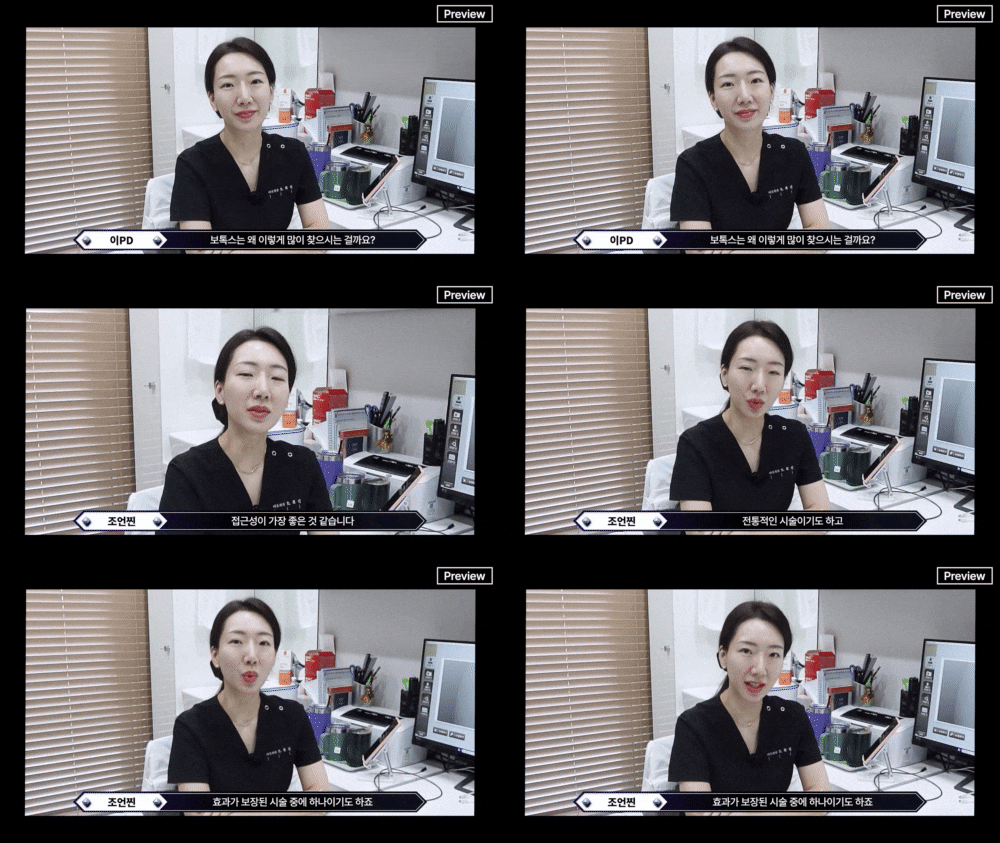
Botox is one of the most well-known aesthetic procedures for the skin, and it would not be an exaggeration to say that it is one of the most versatile. And because it is so versatile, it is also one of the procedures that people worry the most about in terms of side effects.
People searching for Botox in Hapjeong have probably also worried about side effects at least once. I have been performing Botox procedures in Hapjeong for 9 years and have listened to many people’s concerns and worries, so this is completely understandable.
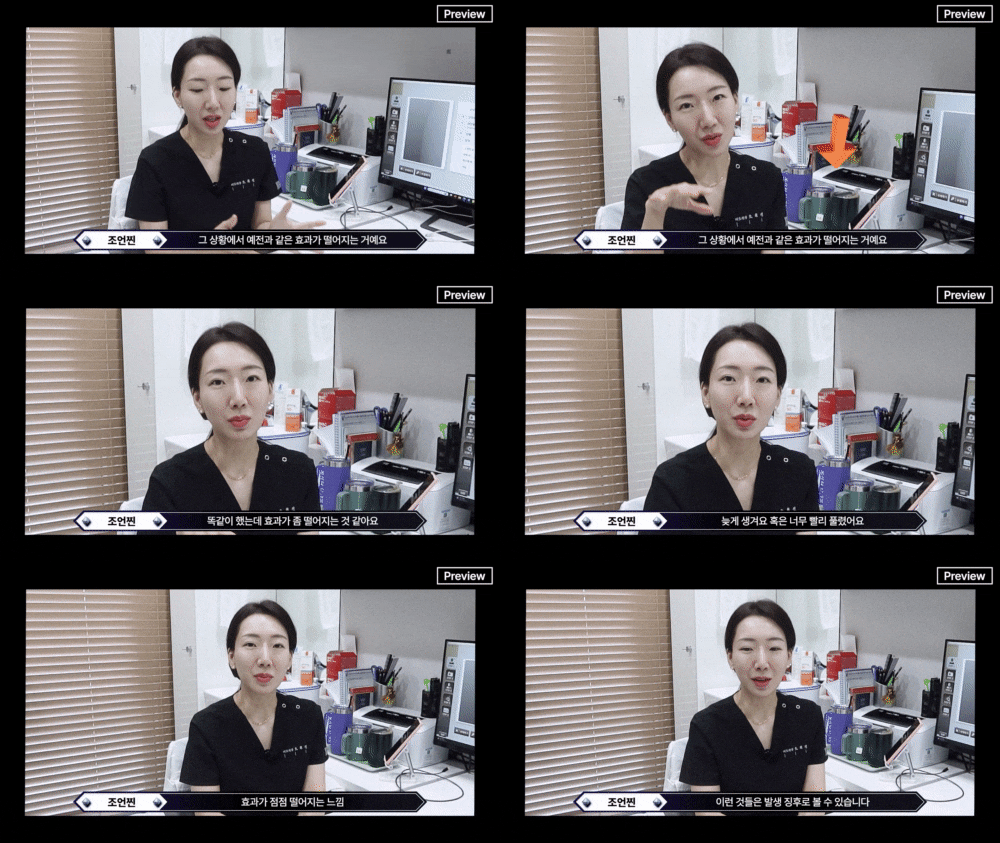
Because Botox is so popular in the aesthetic field, it is often misunderstood as an “easy procedure” precisely because of that popularity. But if it is done incorrectly, daily life can become uncomfortable for months, and in some cases you may even develop resistance and never fully enjoy the satisfaction of Botox treatments for the rest of your life.
Today, I will explain the “4-3-4 rule” that those considering Botox in Hapjeong must know. If you remember this rule, I believe it will help you receive a safer and more satisfying procedure.
Profile
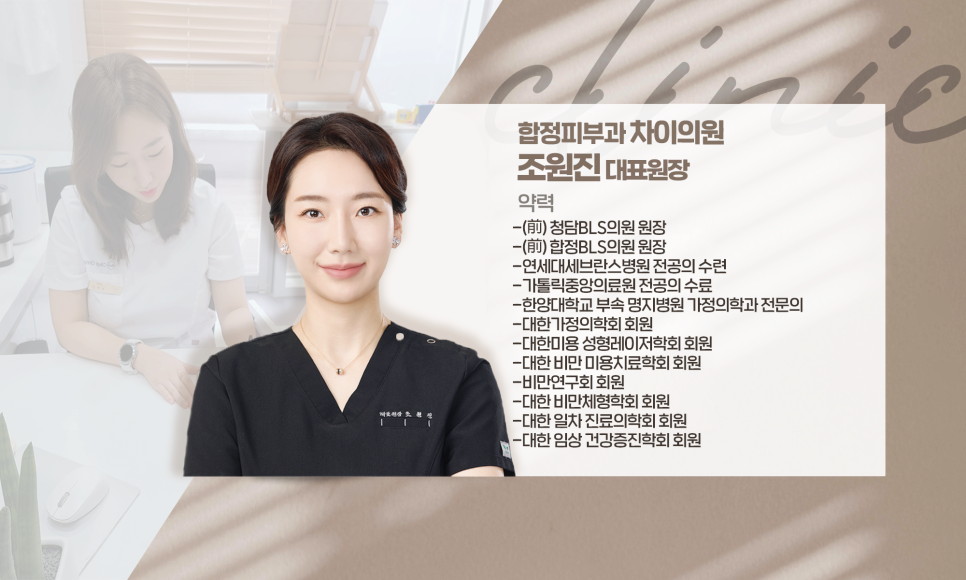
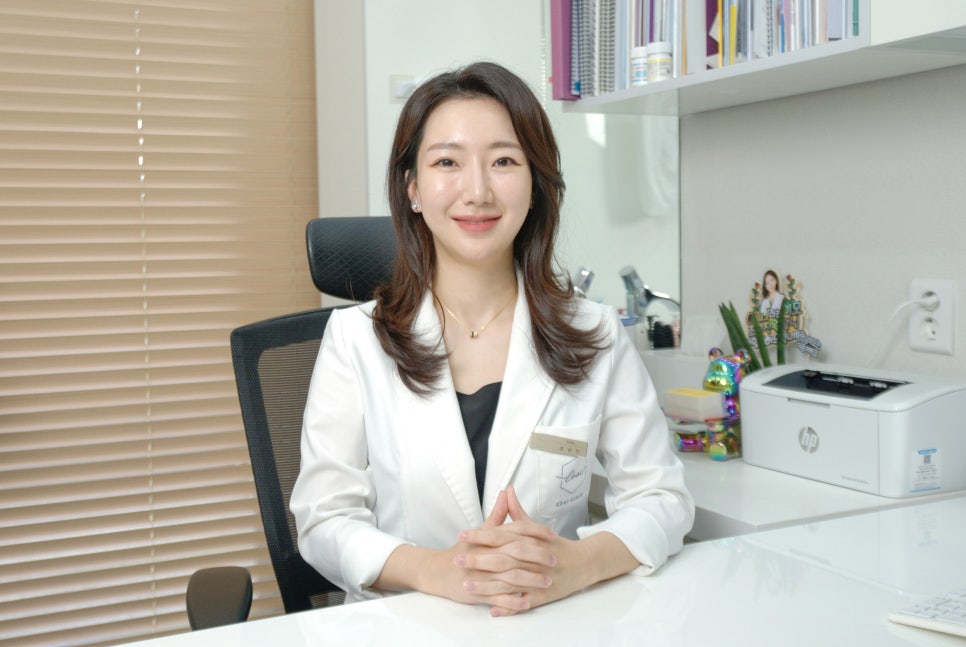
Hello, I’m Director Jo Won-jin of Chai Clinic.
Botox is a procedure that reduces muscle movement by blocking acetylcholine, a neurotransmitter, at the nerve endings. When muscle activity decreases, the muscles become smaller, which can improve or prevent wrinkles caused by active muscle movement.
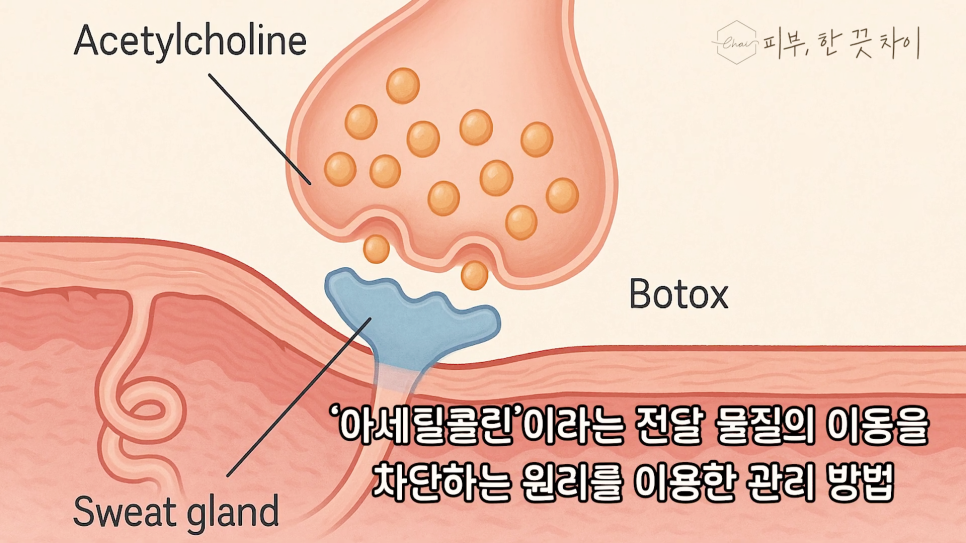
The principle is simple, but if the procedure is done incorrectly, irreversible problems can occur.
In particular, once resistance develops, it is difficult to recover. Because the immune system remembers the Botox ingredient, resistance can recur quickly even after a rest period. Although this varies from person to person, the best approach is to prevent resistance in the first place.
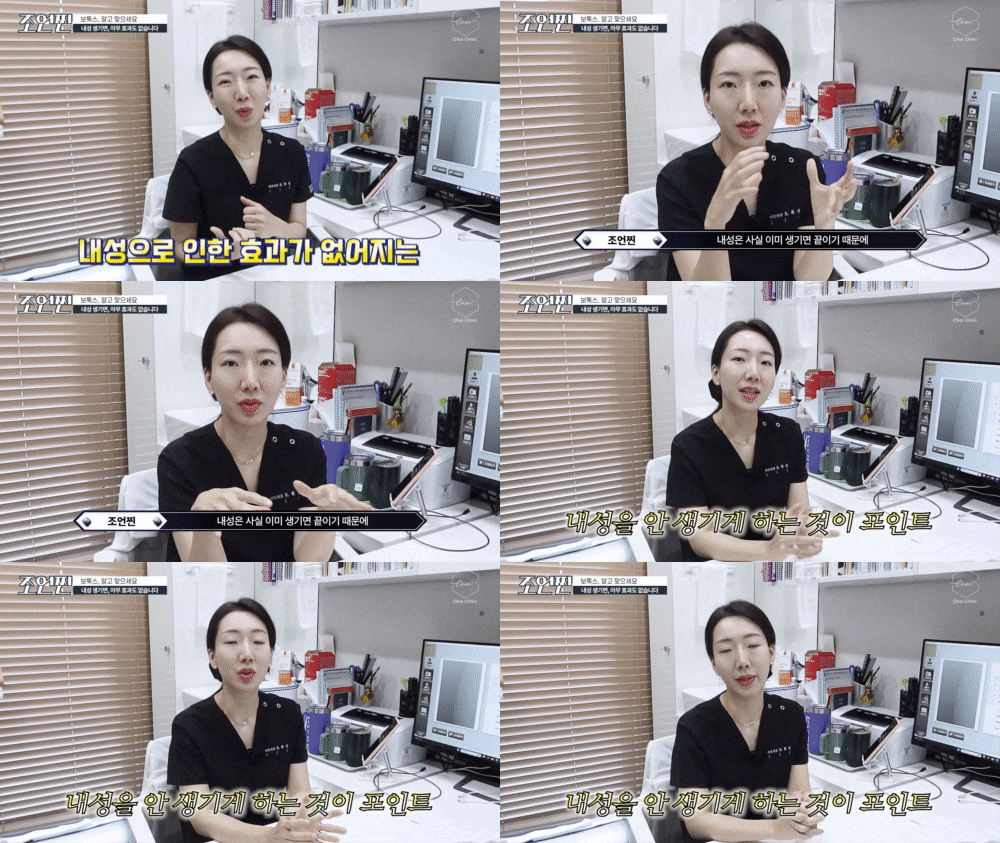
So if you are looking into Botox in Hapjeong, please remember the “4-3-4 rule.”
The 4 situations when you should not get Botox
First, the “4” refers to four cases in which you should absolutely not receive Botox.
The first is when you are pregnant or breastfeeding.

Because the effects of Botox ingredients on the fetus or breast milk have not been sufficiently proven, do not undergo the procedure during this period for the baby’s health.
The second is when you have a severe neuromuscular disorder.
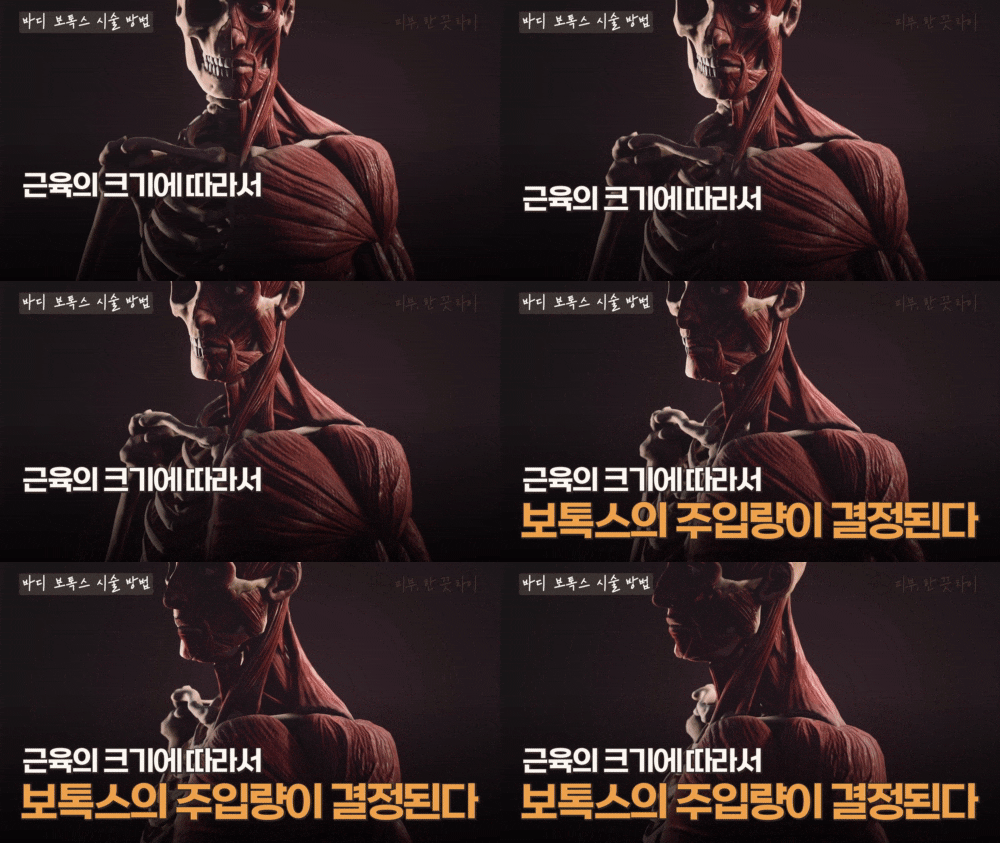
For those with neuromuscular disorders such as myasthenia gravis, muscle weakness may worsen further, making it dangerous.
The third is for those who have a herniated cervical disc and are considering trapezius Botox.
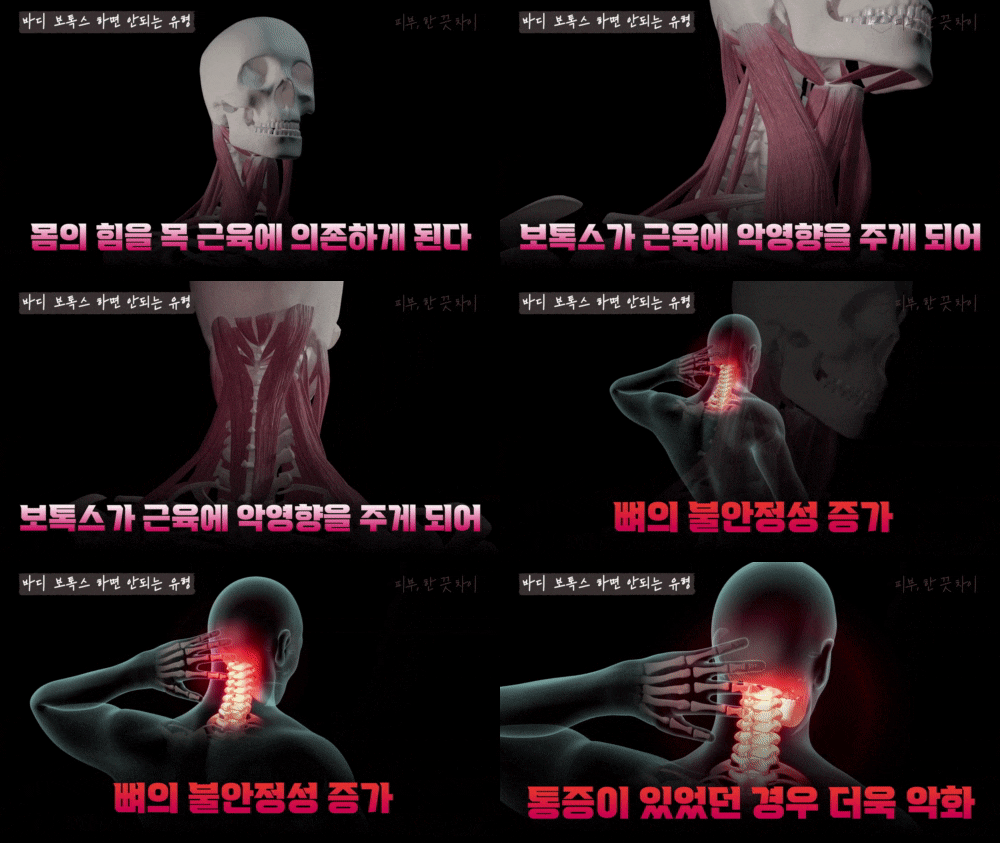
When muscles weaken due to Botox, they may no longer be able to support already unstable bones, and the disc condition may worsen. If you often experience tingling in your hands and feet or stiffness in the back of your neck, you should definitely avoid trapezius Botox.
The fourth is when you are allergic to botulinum toxin ingredients.
If you have previously experienced a severe allergic reaction, getting the procedure again is absolutely not allowed.
The 3 things you must never do after a Botox procedure
Next, the “3” refers to three actions you must never do after the procedure.
The first is lying down within 4 hours after the procedure.

Botox may spread to unintended areas, causing drooping eyelids or asymmetry.
The second is drinking alcohol and using a sauna within 24 hours.
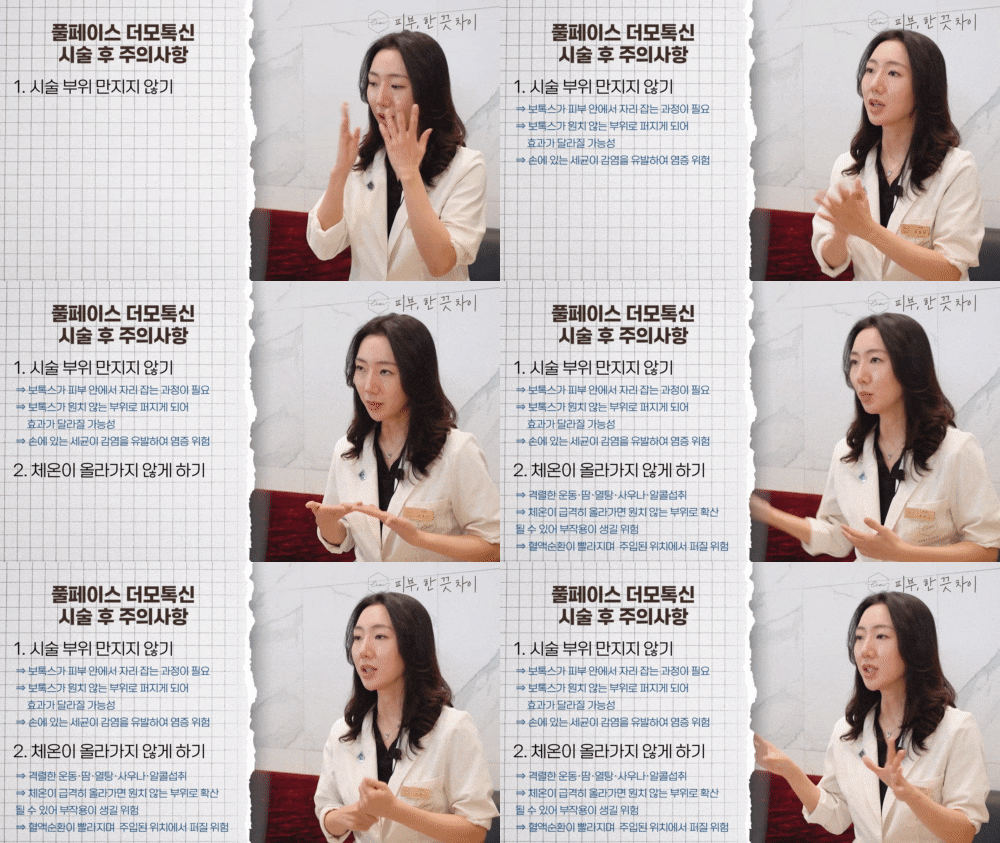
If blood flow increases and body temperature rises, the risk of Botox spreading increases.
The third is massage of the treated area and intense exercise for one week.

If you received square-jaw Botox in particular, avoid hard and chewy foods as well.
The 4 principles of resistance management
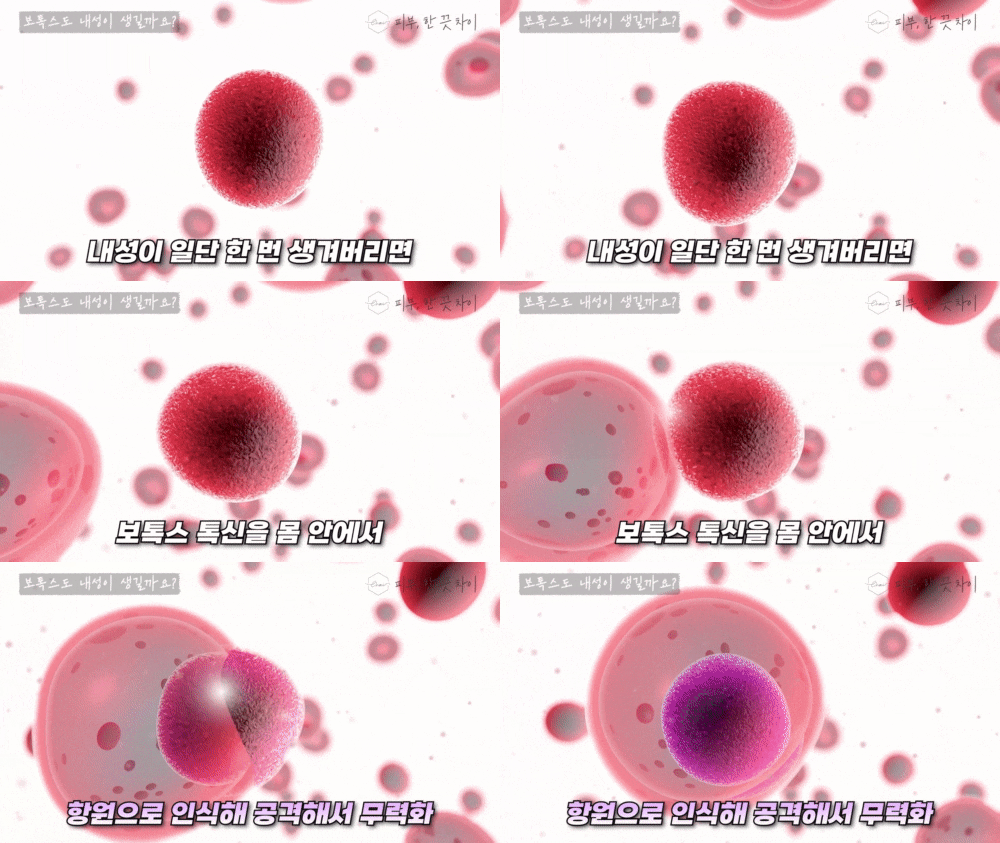
Lastly, the “4” refers to four principles of resistance management. This part is the most important.
The first principle is to keep at least a 3-month interval. If you get a repeat procedure in a short period because satisfaction has declined, the chances that your body will recognize Botox as an antigen increase sharply.
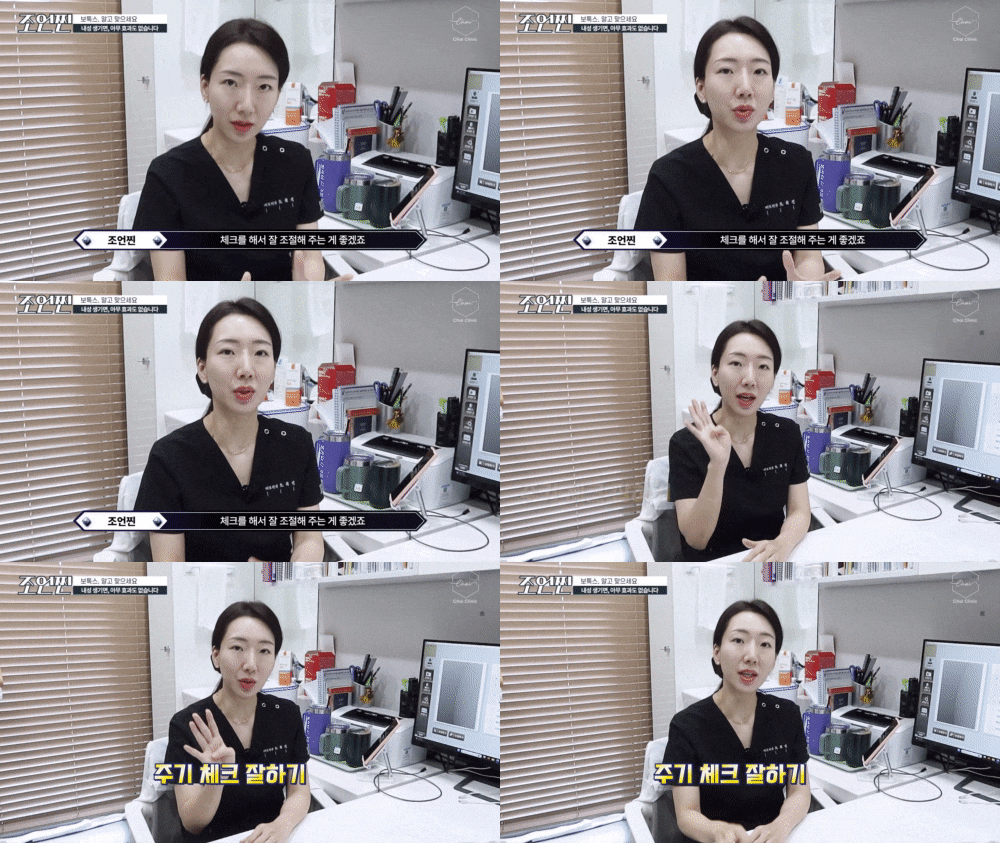
The second principle is to avoid booster shots. One touch-up 2 to 3 weeks after the procedure may be fine, but if you keep asking for “just a little more,” the resistance rate rises.
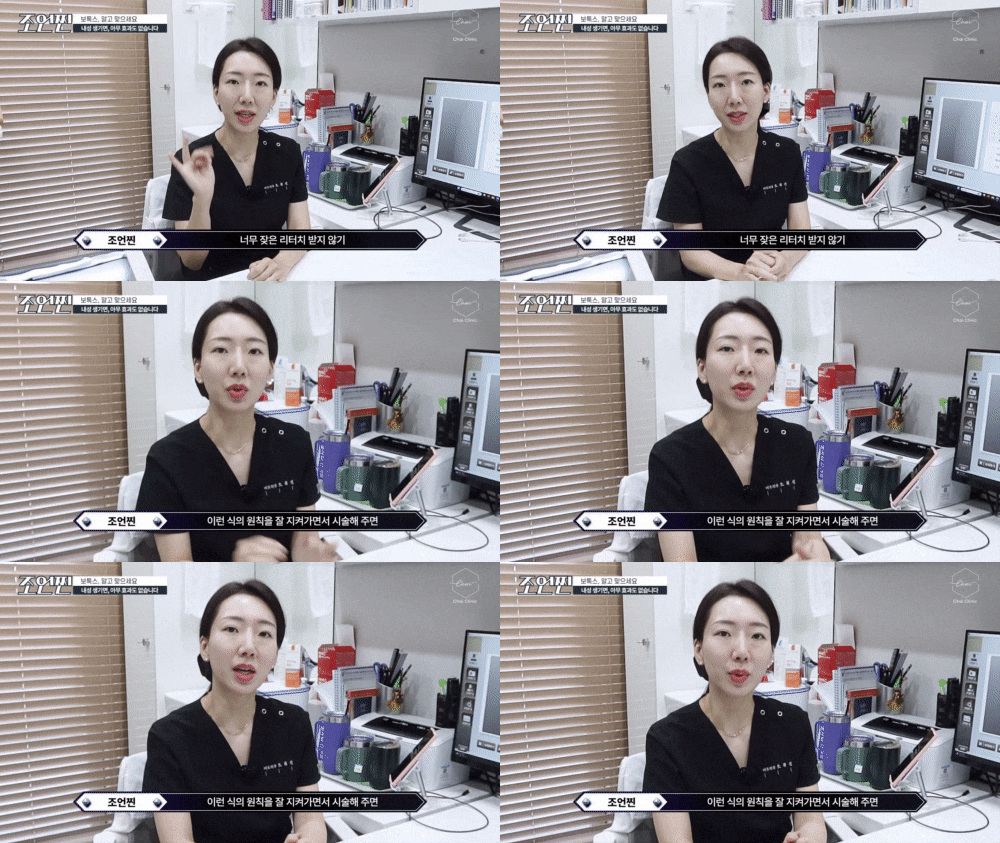
The third principle is to stick to an appropriate amount. For aesthetic purposes, this varies by area and individual, but we recommend 300U or less per session. Even if multiple areas are treated at the same time, excessive amounts can increase the risk of resistance.
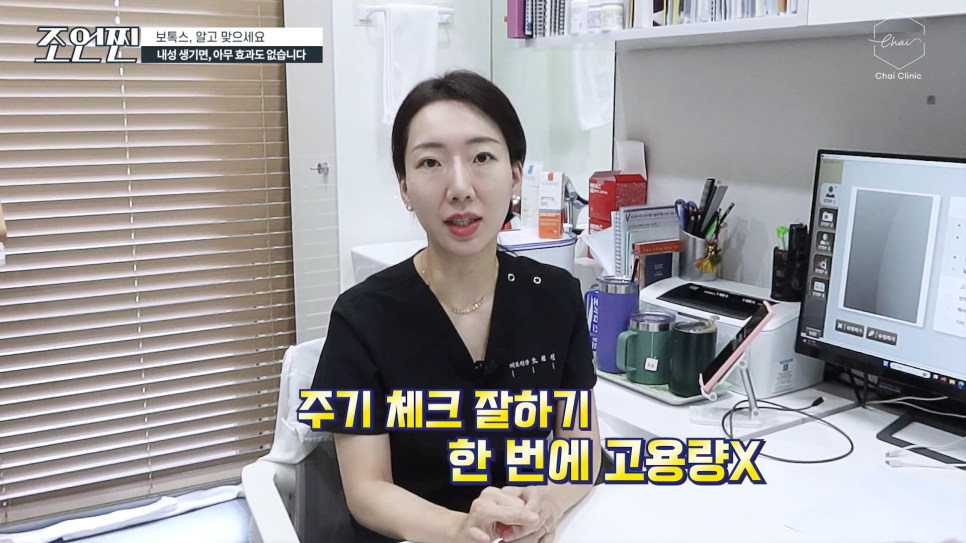
The fourth principle is to choose a purified product. Products with fewer unnecessary complex proteins have a lower chance of resistance. And keep using the same product consistently.
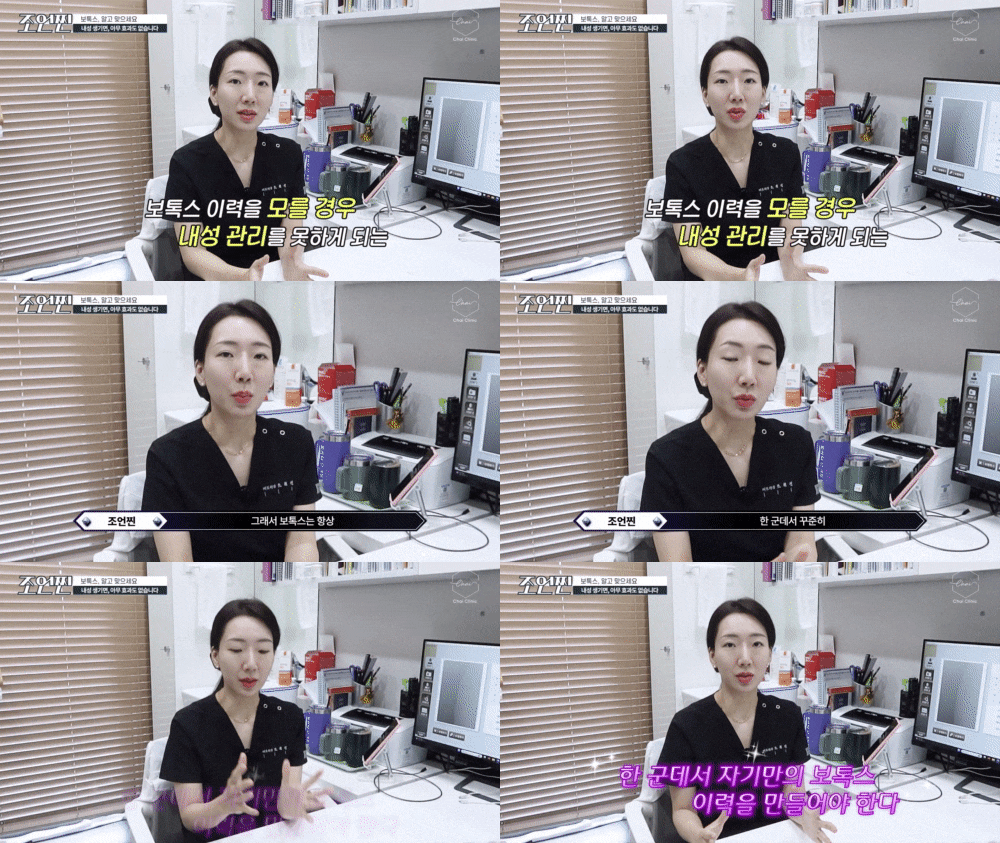
What I want to emphasize for those looking into Botox in Hapjeong is the importance of getting ongoing care in one place and creating your own “Botox chart.” If you get ultra-low-cost procedures at multiple places, your treatment records become scattered, making resistance management difficult.
Summary
Botox is a “preventive procedure.” In a case where one of identical twins received Botox and the other did not, a study conducted more than ten years later found that the skin condition of the twin who had been consistently managed with Botox was much better.
Because no two skin types in the world are the same, the treatment plan should differ depending on each person’s skin condition and the development of their muscles. If you are considering Botox in Hapjeong, be sure to remember the 4-3-4 rule discussed today, and make a careful decision after a detailed consultation process.
I hope this has been helpful for those looking into Botox in Hapjeong. I’ll wrap up here.
This was Chai Clinic, customizing your beauty. Thank you.

[Homepage]
[KakaoTalk]
Click the image to connect by phone.
Click the image to go to Instagram.
Click the image to go to YouTube.