Hello. I’m Dr. Jo Won-jin, and I’ve been treating patients for 10 years.
These days, I see more cases than expected of patients who come to me feeling disappointed after jaw Botox.
I got jaw Botox wrong,
and my face became peanut-shaped..
I got Botox, so why are my cheeks
sagging like a bulldog ㅠㅠ
Botox is a delicate procedure that must be planned by comprehensively analyzing everything,
including the patient’s unique facial bone structure, skin condition, and medical history.
Under the theme of 3 Cases Where You’ll Regret Masseter Botox in Hongdae,
I’ll explain three representative side effects and tips to help prevent them.
Table of Contents
- Cases where hollow cheeks occur
- Cases where deep cheek sagging occurs
- Cases where resistance develops and it no longer works
- Cases where hollow cheeks occur
The first is when the jaw may become slimmer, but the area below the cheekbones sinks deeply, creating hollow cheeks.
This often happens when each patient’s facial structure is not carefully examined,
and the procedure is performed in the same way for everyone.
Not long ago, a patient in their 30s came to me because of hollow cheeks, and this was exactly such a case.
They already had slightly prominent cheekbones and very little cheek fat.
For people like this, the risk of hollow cheeks is anatomically higher, so the injection site and dosage must be adjusted much more precisely.
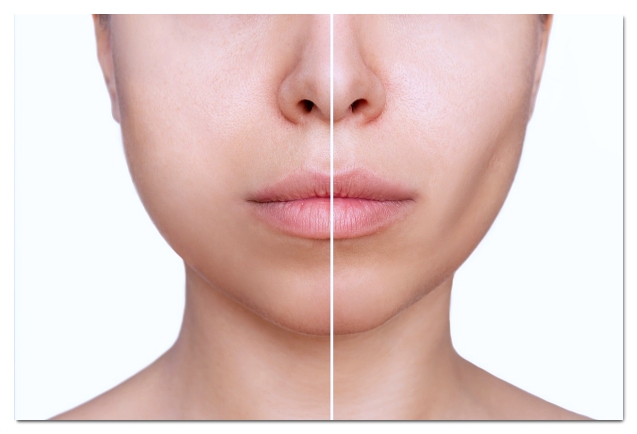
But what if the doctor performing the procedure does not carefully examine you in person,
or injects inappropriately into the risk area near the cheekbone above the muscle without considering these characteristics?
For people at high risk of hollow cheeks, unwanted side effects can appear as they are.
That is why you should always check whether, “Does the doctor performing the procedure carefully examine my face in person?”
The most basic standard for Hongdae masseter Botox to prevent hollow cheeks is for the doctor who will perform the procedure—not the consultation coordinator—to personally feel the muscle boundaries and thickness by hand,
and carefully assess the distribution of cheek fat before designing the treatment accordingly.
- Cases where deep cheek sagging occurs
The second is when, instead of a more defined jawline, the deep cheek area around the mouth sags like a bulldog.
This symptom often occurs when someone with thin skin and reduced elasticity receives only jaw Botox alone, without any other procedures.
In particular, this is more likely to happen in people in their 40s whose skin has become thinner and less firm.
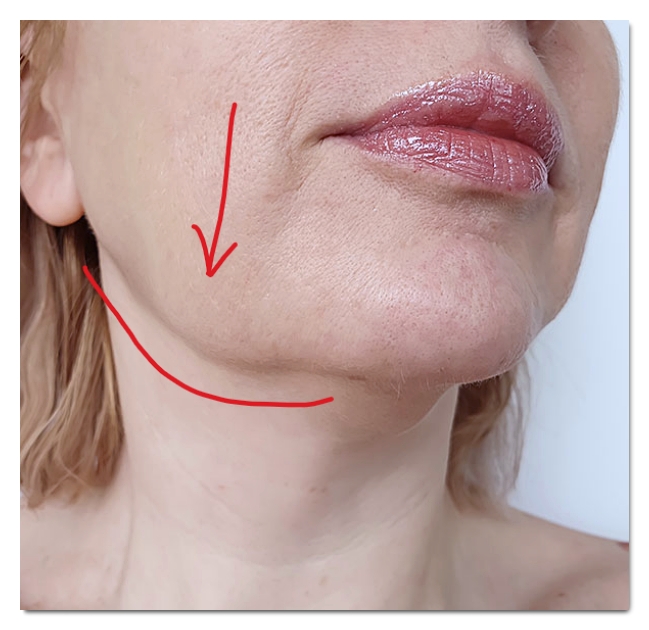
Our facial skin and fat are supported by the muscles underneath.
But if the skin is already sagging due to aging,
what happens if you suddenly reduce the volume of the one muscle that was still holding things up?
The skin that has lost support will collapse.
As the skin and fat shift downward, the sagging appears more pronounced.
That is why jaw Botox is generally not recommended for people whose skin elasticity has already decreased significantly or who are beginning to show signs of sagging.
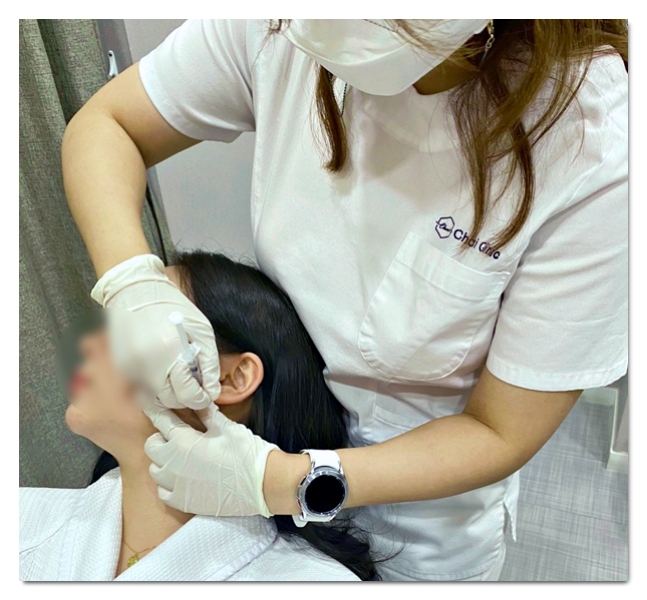
In such cases, rather than immediately reducing the muscle with Hongdae masseter Botox,
it is more appropriate to first consider other ways to improve the condition of your skin’s elasticity.
If you feel that your skin is thin or that its elasticity has declined,
have the medical staff carefully check your skin elasticity before the procedure,
and make sure to confirm in advance whether side effects such as deep cheek sagging may occur.
- Cases where resistance develops and it no longer works
“It worked really well at first, but now it doesn’t work no matter how much I get it done.”
Resistance develops when the body creates antibodies against the Botox protein.
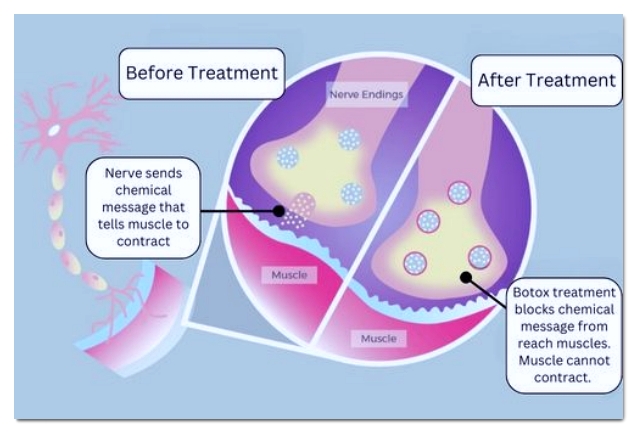
What is especially risky is the habit of getting event-based procedures here and there without keeping track of your treatment history.
If there are no accurate records, it becomes easy to repeat treatments at short intervals within “three months” based only on the feeling that “the effect seems to have dropped a bit.”
Moreover, people often combine Hongdae masseter Botox with body Botox for areas such as the trapezius or calves,
and end up receiving a cumulative high dose without even realizing it.
When a high dose is repeatedly introduced into the body at short intervals like this,
our body eventually goes into defense mode and produces antibodies.
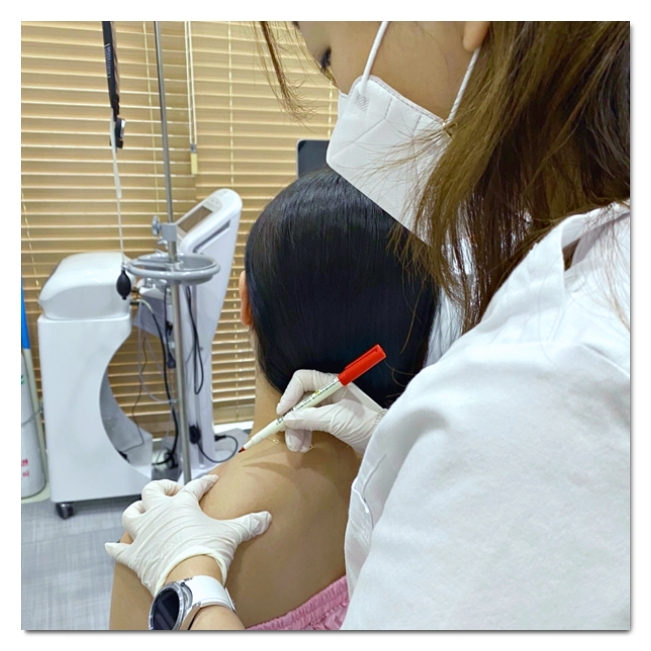
So the most reliable way to avoid resistance is to establish and follow a “systematic treatment plan.”
Keep a structured record of your history (product, dosage, date) in one place,
and be sure to follow a safe interval of at least 4 to 6 months.
Hongdae masseter Botox, 3-line summary
For regret-free jaw Botox, be sure to remember these three things.
- Prevent hollow cheeks: personalized design that considers your facial bone structure and amount of fat
- Prevent sagging: first assess skin elasticity and confirm expected side effects
- Prevent resistance: maintain dosage and intervals through systematic history management in one place
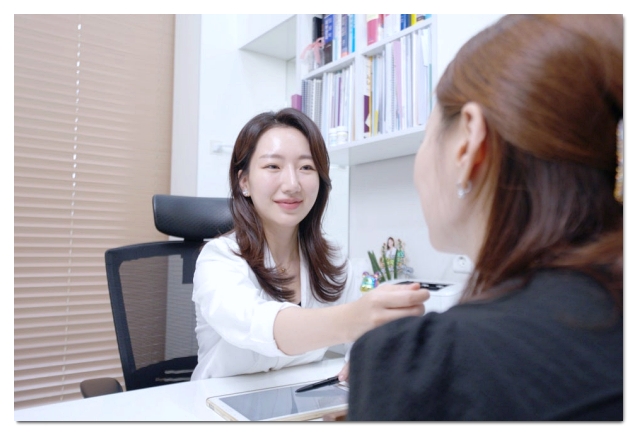
Today, I talked about cases where people regret jaw Botox and the three standards for avoiding them.
Perhaps these are standards that apply to all procedures.
In the end, it comes down to the question of “which clinic you choose.”
Before any procedure, I’ll leave you with one more article that you should definitely read.
Thank you. This was Dr. Jo Won-jin.