Hello, I’m Dr. Jo Won-jin, and I’ve been practicing medicine for 10 years.

How many shots do you need to get rid of nasolabial folds?
Can you remove the deep cheek area with Ulthera alone?
Because nasolabial folds and the deep cheek area are areas that can’t be covered with makeup, I get a lot of questions about them.
Under the topic “Hapjeong Ulthera for Nasolabial Folds and Deep Cheek Area: 3 Ways to Get It Done Like This,”
I’ll clearly explain how it should be done to get proper results in these areas, and what should be avoided.
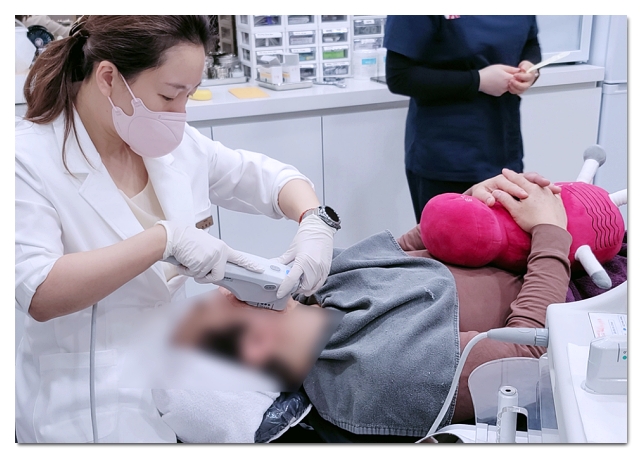
Table of Contents
- Get a design focused on the causes of nasolabial folds and the deep cheek area
- Have ultrasound confirmation and area-specific tip changes carefully performed
- Get an accurate diagnosis of whether it will be effective for your face
- Key summary of Ulthera for nasolabial folds and the deep cheek area
- Get a design focused on the causes of nasolabial folds and the deep cheek area
This is the most common misconception.
"If I’m concerned about nasolabial folds, just treat the nasolabial fold area."
"If the deep cheek area has sagged, just target that area."
That is not a fundamental solution.
Nasolabial folds are not really a problem of the fold itself, but rather a folded line created when the fat and skin in the upper area,
that is, the central cheek area (the front cheekbone area), can no longer support the weight and begins to sag downward.
The sagging deep cheek area, like jowls, is also the result of fat and skin along the jawline sagging in the direction of gravity.
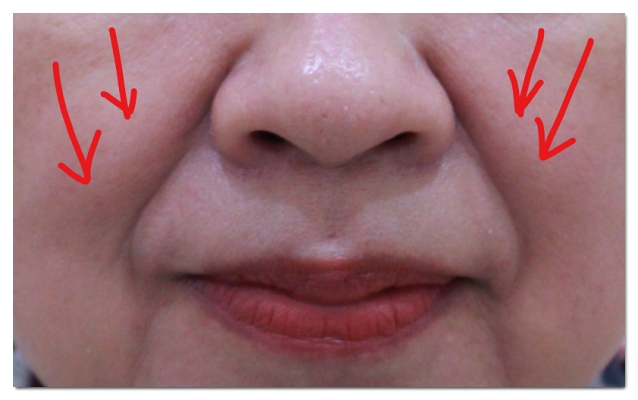
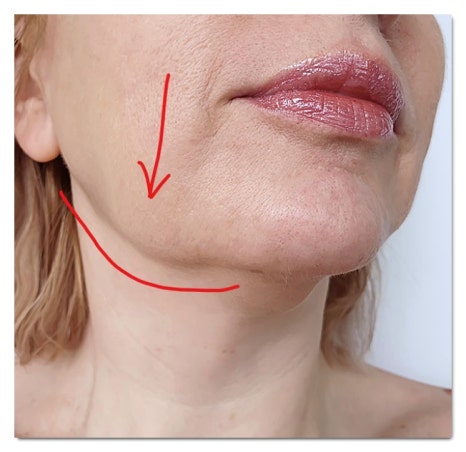
What happens if you ignore this cause and focus energy only on the folded or sagging area?
The effect may be minimal, or that area may be unnecessarily stimulated and appear even more sunken.
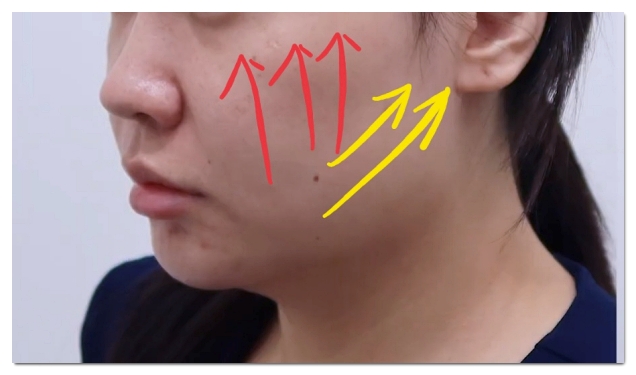
Therefore, from the central cheek area (front cheekbone), which is the cause of sagging, to the areas beside both ears,
a design that pulls upward and outward, taking the overall lifting direction into account, is necessary.
It is no exaggeration to say that this one-on-one customized lifting design accounts for 80% of the effect of Hapjeong Ulthera.
- Have ultrasound confirmation and area-specific tip changes carefully performed
The second point is the tip used to improve precision and safety.
A strength of Hapjeong Ulthera is that the procedure can be performed while viewing real-time ultrasound images.
Because the thickness down to the fascia layer differs from person to person and from area to area, the procedure should be done while checking the screen in real time.
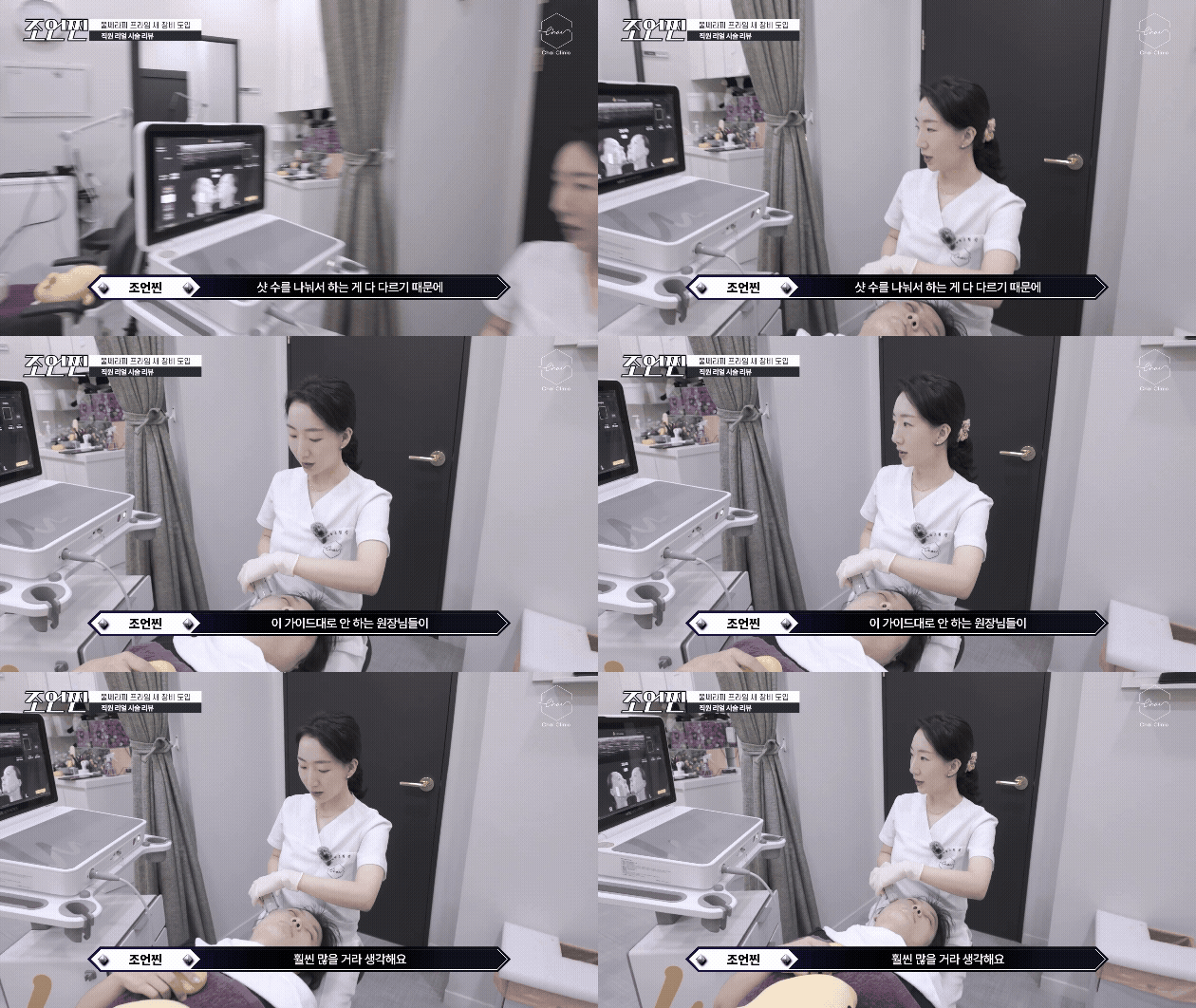
Sometimes people say they received Ulthera on both sides at the same time with both hands.
There is some logic to matching both sides symmetrically with both hands,
but checking two ultrasound screens alternately while also monitoring the treatment area? I think that may be difficult.
And because the face is less symmetrical than you might think, the number of shots and energy on each side may need to be different.
If you rely only on the practitioner’s intuition, there is a risk of burning the wrong fat layer, causing cheek hollowness, or reducing the effect.
In particular, around the nasolabial folds and jawline (deep cheek area), the skin is thin, and many important nerves connected to facial muscles pass through.
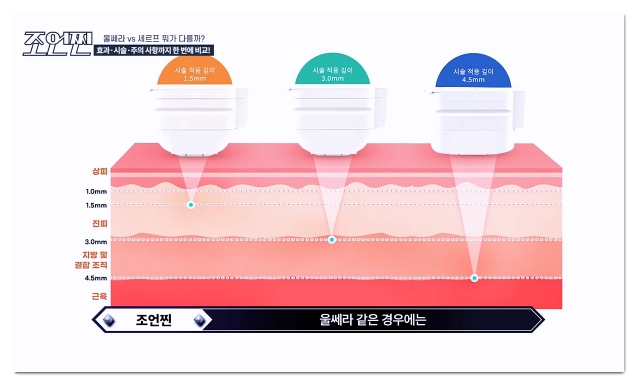
Therefore, this area must be treated with a shallower-depth tip.
While checking the ultrasound screen back and forth, it is important to avoid side effects (nerve damage, hollowness)
and deliver energy only to the exact target layer.
- Get an accurate diagnosis of whether it will be effective for your face
Ulthera is indeed one of the best lifting devices available today. But it is not a cure-all.
The role of Ulthera is contraction and tightening. In other words, it strengthens the deep support structure within the skin.
But what about these cases?
- When nasolabial folds have already become deeply fixed wrinkles
- When the volume inside the skin has decreased and the surface is sinking in the deep cheek area
In these cases, it may be difficult to achieve satisfactory results with Ulthera alone.
At times like this, it may be better to firm up the skin with a Thermage radiofrequency treatment that also improves elasticity,
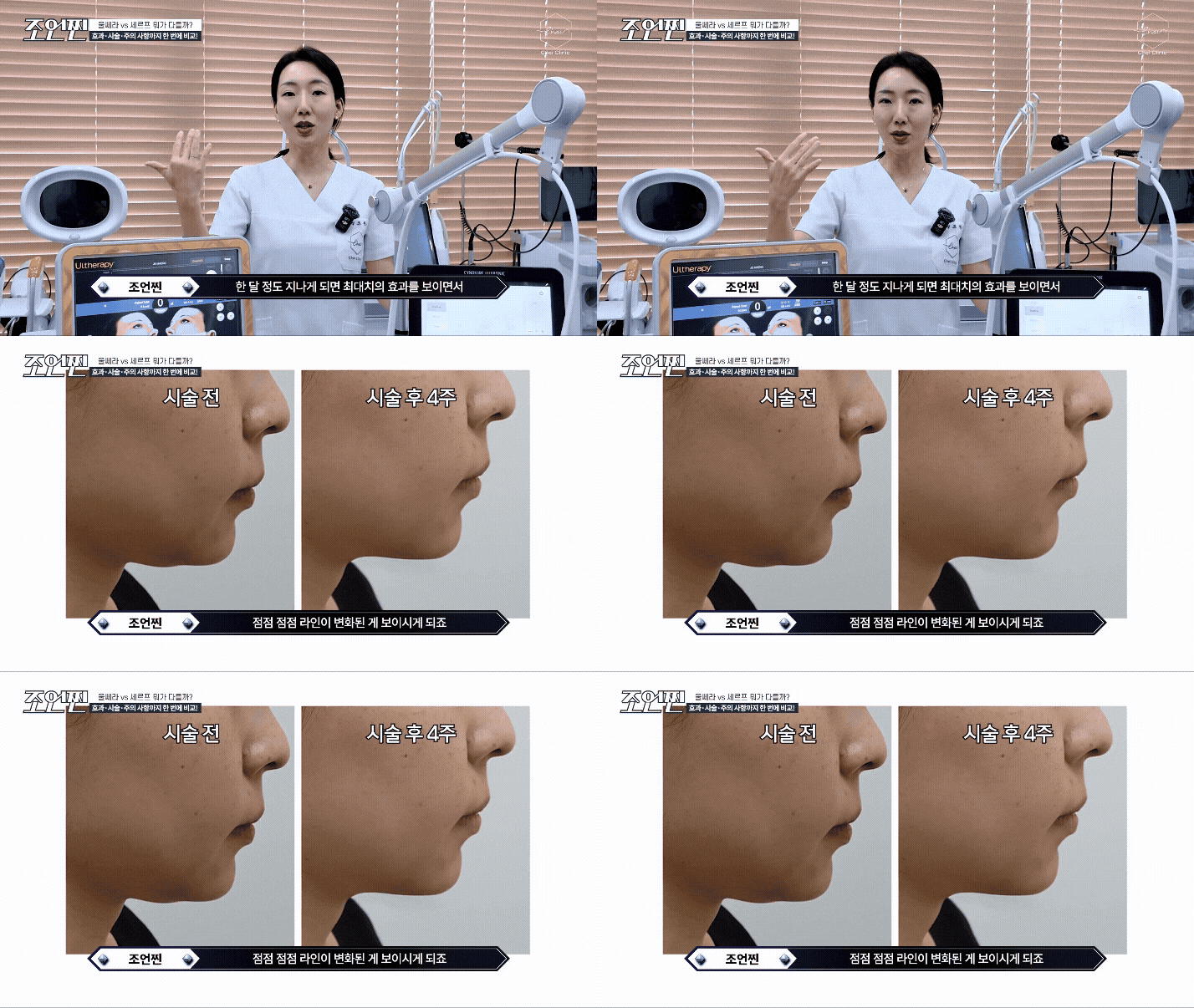
or to combine it with treatments such as Juvelook, which induce collagen production, in areas where the wrinkle line is already deeply set or where volume is lacking,
which is the proper way to produce results.
Rather than simply performing Hapjeong Ulthera because someone wants it,
you need to accurately diagnose whether the current issue is structural sagging, a loss of skin elasticity itself,
or both.
Only then can you establish the optimal treatment plan needed for your face.
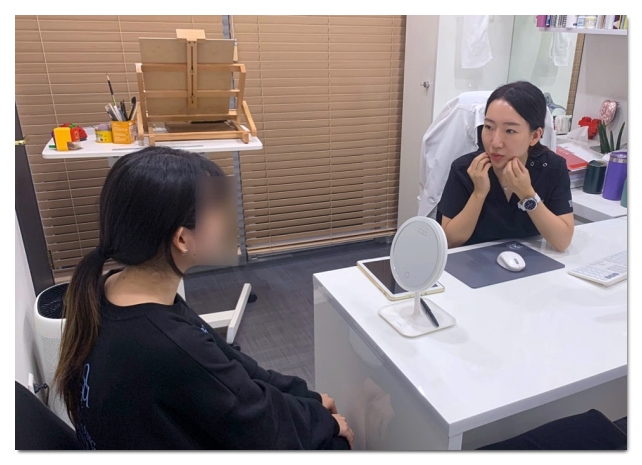
In fact, one dilemma with procedures is that you can only tell after receiving them whether a clinic is good or not.
That’s why I wrote a post about it.
I listed the standards I’ve developed from working in dermatology and thinking, “At the very least, a hospital like this should be okay.”
I hope you read it and find it helpful.
Key summary of Ulthera for nasolabial folds and the deep cheek area
- Address the cause: a customized design that identifies and lifts the root cause of nasolabial folds and the deep cheek area
- Safety/accuracy: careful treatment while viewing ultrasound images and changing tips by area
- Combined approach: diagnose your skin condition and, if necessary, combine it with other procedures
If you are considering Hapjeong Ulthera to improve nasolabial folds and the deep cheek area,
please be sure to check the three criteria mentioned today before undergoing the procedure.
Thank you. This was Jo Won-jin.