Hello, I’m Dr. Jo Won-jin, and I have been practicing medicine for 10 years.
I got thread lifting and ended up with a dent like a dimple..
Can it be removed?
When I smile or move, the thread sticks out..
If you have side effects, it is best to contact the place where you received the treatment whenever possible..
However, there are cases where I take a look because trust in the original clinic has dropped significantly.
Under the topic of how to avoid thread lifting side effects in Hongdae in 3 ways,
I have organized the 3 criteria you must check to achieve safe results without side effects.
Just by checking these, you should at least be able to avoid side effects such as dimpling, thread protrusion, and thread visibility.
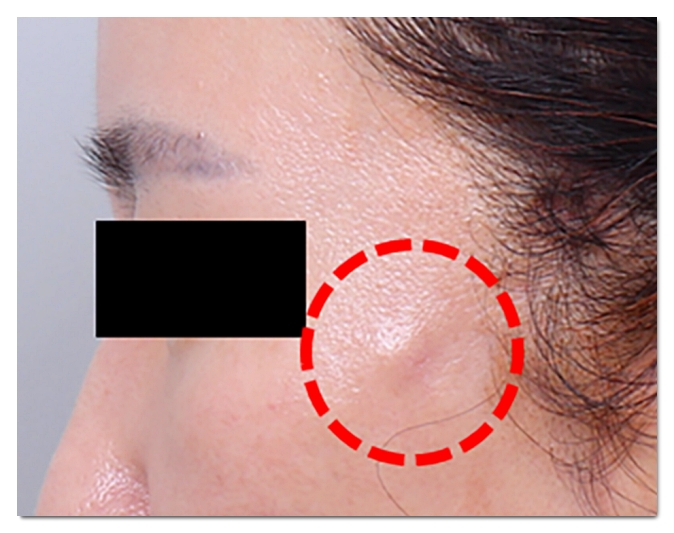
Excerpt from a paper related to thread lifting side effects
Table of contents
- Setting a depth that is not overly ambitious
The most important thing in thread lifting is which layer it is inserted into and how.
The thread must pass precisely through the fat layer beneath the skin.
What happens if depth control fails?
If the thread is inserted too deeply, it cannot firmly support the skin tissue.
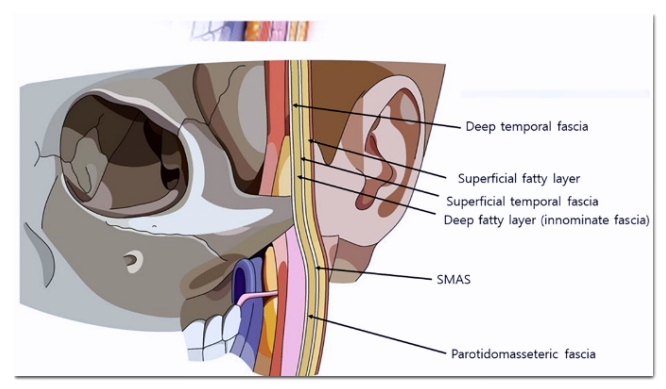
Because the lifting force becomes weak, even right after the procedure
you may think, “It doesn’t seem as effective as I expected.”
If you become too ambitious and insert it too shallowly, the problem is even bigger.
The skin surface can become uneven,
and the likelihood of dimpling, where the insertion site looks indented like a dimple, increases significantly.
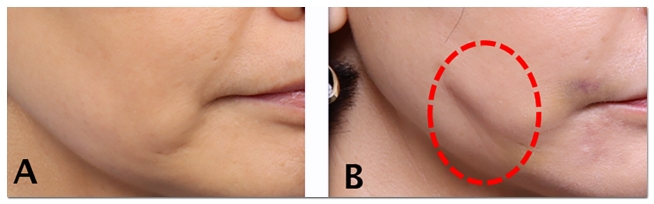
Excerpt from a paper related to thread lifting side effects
So rather than forcing a shallow layer and increasing the risk of side effects,
I prefer to perform the procedure at an appropriate and safe depth.
What if the pulling force is insufficient?
In that case, I recommend adding a few more threads to reinforce the force.
That is much more natural and safer.
- Designing with muscle movement and facial contour in mind
To put it simply, you need to take enough time to receive proper design and then undergo the procedure.
Some people have prominent cheekbones, while others worry about jawline fat.
The way each person uses their facial muscles is also different.
That is why mechanically inserting threads in the same way for everyone causes problems.
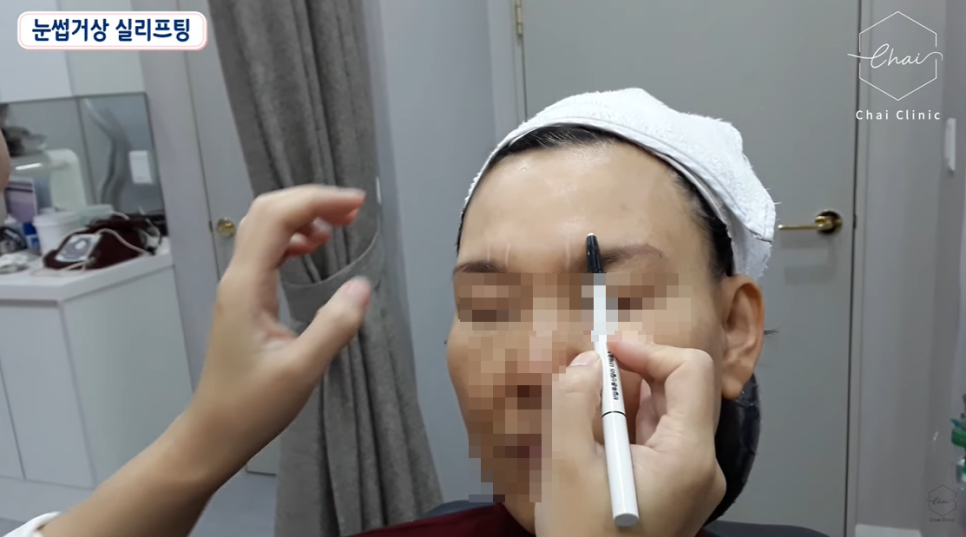
In fact, when I talk with people who came to see me after experiencing Hongdae thread lifting side effects at another clinic, there is a common pattern.
"The doctor only looked at my face briefly right before the procedure."
In many cases, they had undergone treatment at so-called factory-style dermatology clinics without detailed consultation with the doctor.
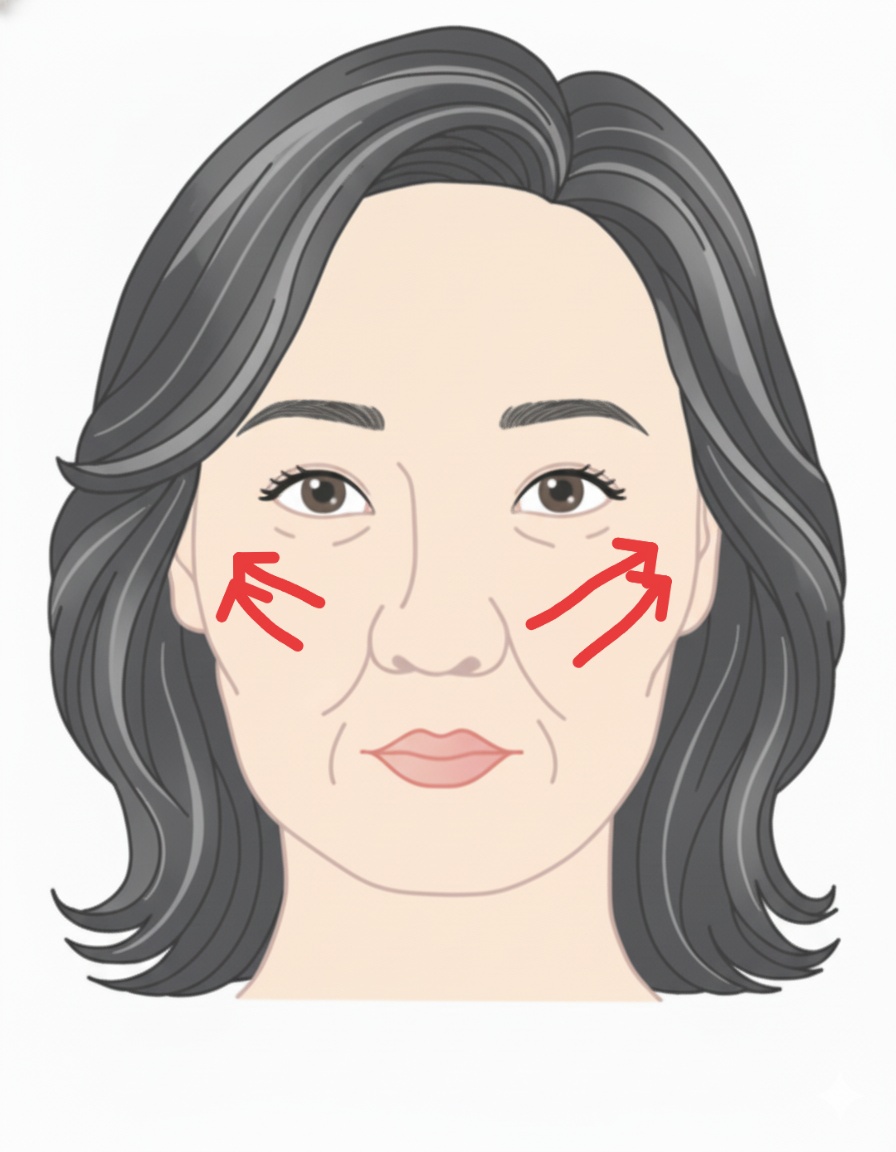 Especially if the face is somewhat broad, pulling in the wrong direction can make it look even wider.
And even when the cheekbones are prominent, the direction and design must be carefully set to avoid creating a toad-like facial shape.
If threads are inserted without careful examination, side effects such as dimpling, thread protrusion, and thread visibility can happen at any time.
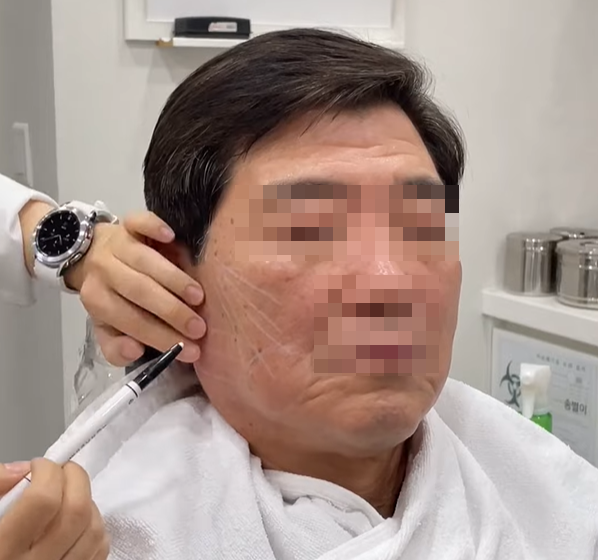
That is why it is essential for the doctor to personally feel the face and properly design the treatment before the procedure.
- Choosing threads that match skin thickness and fat volume
The third way to prevent Hongdae thread lifting side effects is the choice of material.
Are thicker, stronger threads always better? No.
If the skin is thin
What happens if you carelessly use thick threads just to increase the lifting effect?
The thread may show through the skin, or you may be able to feel its texture when touched.
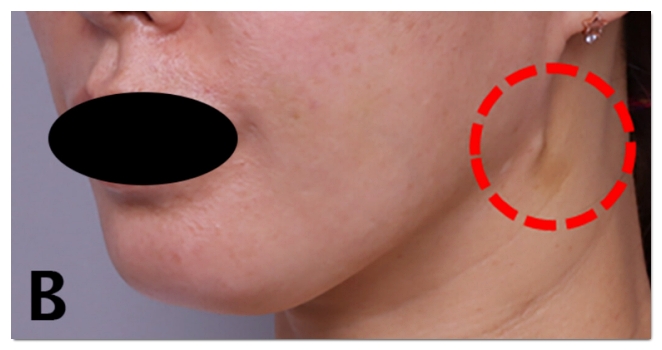
Excerpt from a paper related to thread lifting side effects
For such patients, a combination of thin threads that can still firmly support the tissue should be used.
In particular, the area around the mouth and the outer cheeks is prone to dimpling, so rather than strongly pulling cog threads, the design should focus mainly on volume threads.
If the face has a lot of fat
On the other hand, for people with a lot of facial fat, thread lifting alone may have only a limited effect.
There is a limit to lifting heavy fat with thread force alone.

In such cases, you should consider first reducing facial volume with contour injections or similar treatments,
or combining the treatment with laser lifting such as Ulthera, which contracts fat using strong energy.
The answer is not to insert threads unconditionally, but to find the procedure that matches your skin condition first.
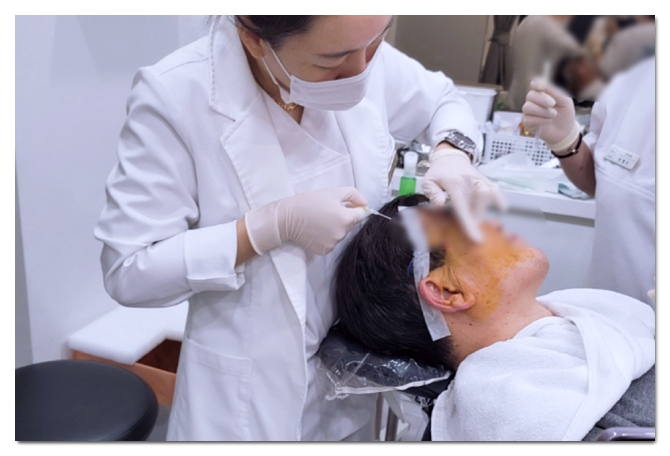
Then you may end up with even more concerns.
Do I need to look into another procedure as well?
Where can I find a place that truly recommends the treatment I need,
not just the procedure the clinic wants to sell?
If you are curious, be sure to read the post below.
At the very least, you should be able to avoid being overcharged while going to a dermatology clinic.
Summary of 3 ways to avoid Hongdae thread lifting side effects
-
Depth: If you become too ambitious and insert it too shallowly, dimpling will occur. Perform the procedure at a safe depth, and if necessary, increase the number of threads.
-
Consultation: Avoid factory-style procedures. The doctor must carefully examine my muscles and facial shape in person.
-
Customization: If the skin is thin, use thin and strong threads; if there is a lot of fat, first consider reducing volume.
In the end, the key to thread lifting is how accurately your face is understood and designed.
Please remember these three criteria, and choose a place you can trust with your precious face.
Thank you. This was Jo Won-jin.
<How to save money even in lifting procedures>