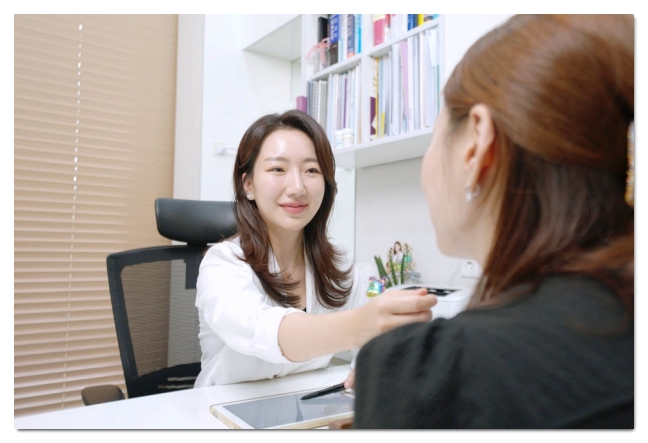
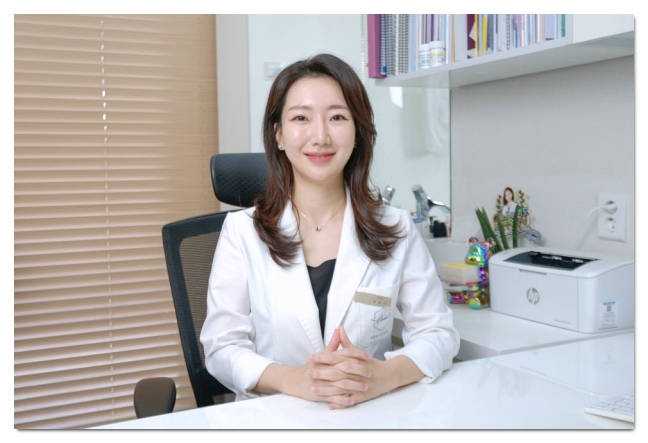
Hello, I’m Dr. Jo Won-jin, and I have been treating patients for 10 years.
If Ulthera still feels too expensive,
and you’re just starting out with lifting treatments,
Shurink is a very cost-effective option for people like that.
However, there is one drawback to Shurink.
Its basic penetration energy is weaker than Ulthera’s, and its maintenance period is shorter than Ulthera’s.
That is why people say, “I got Shurink, but I didn’t really see any effect.”
There are ways to offset this inherent limitation and achieve a firming effect that is just as good as Ulthera’s.
Under the topic of 3 Ways to Get the Most Out of Shurink in Hapjeong, Just Like Ulthera,
I’ll share tips on how to get stronger results for the same price, in other words, how to truly get your money’s worth.
Table of Contents
- Fill the energy as much as your skin can handle
- Switch depths by area
- Tilt your head back to receive the energy properly (the secret of the handpiece)
Summary: 3 criteria for getting the most out of Shurink
Hapjeong Shurink
- Fill the energy as much as your skin can handle
To make up for Shurink’s weaker output,
it should be done with the energy raised as high as possible within what your skin can tolerate.
But there is one secret here.
When the energy level (intensity) is increased, the machine’s shot speed slows down by design.
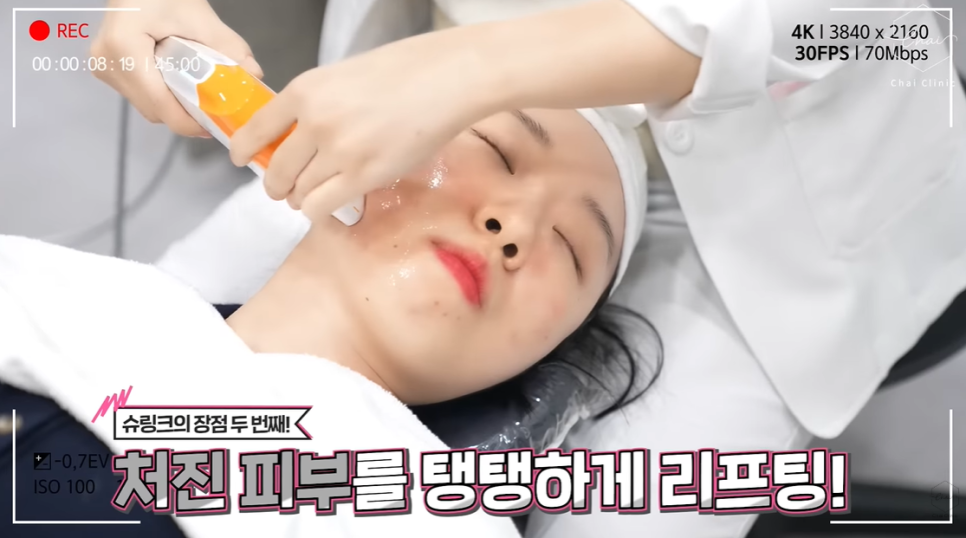
The stronger the shot, the more time the machine needs to build up energy,
so the procedure inevitably takes longer.
Because of turnover, the reason some places lower the energy and shoot quickly, or charge extra for stronger treatment,
is precisely because of this time.
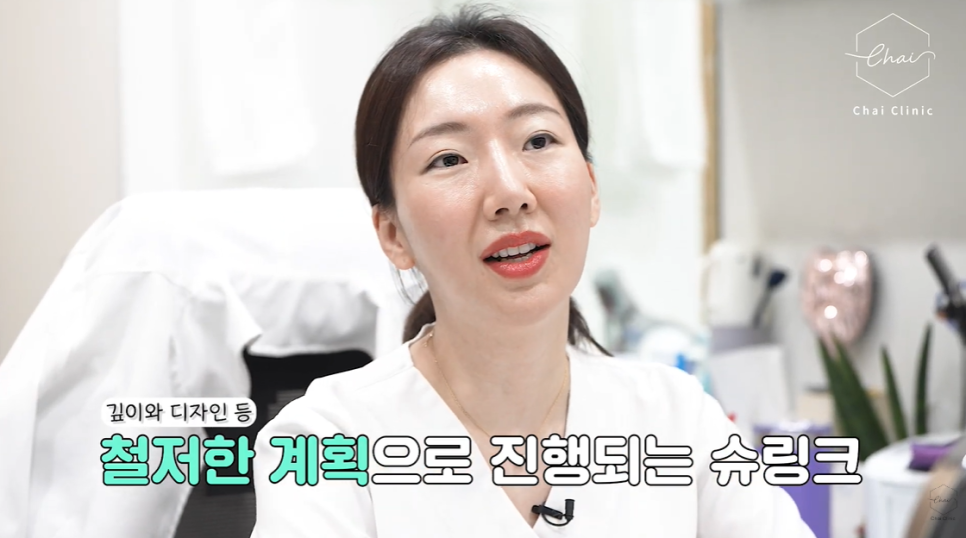
But the important thing is not how quickly the procedure ends, but how properly it is performed.
That is why I check skin thickness and increase the energy as much as possible up to the threshold it can handle.
That is why people with thicker skin sometimes say, “It seems to take a little longer than when I had it done before.”
Rather than saying, “Please finish quickly,”
it is better to say,
“Even if it takes time, please raise the energy sufficiently.”
That is the first secret to getting good results for the same money.
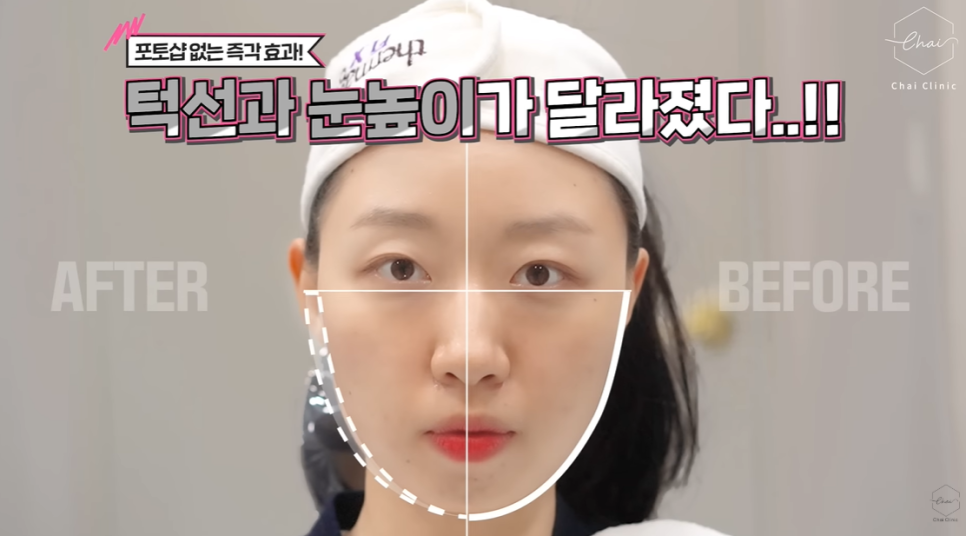
Hapjeong Shurink
2. Switch depths by area
Our face has different thicknesses in different areas.
The eye area and cheekbones are thin and sensitive, while the double chin and cheeks are thicker.
Ignoring this and treating the whole face with the same tip is naturally not a good approach.
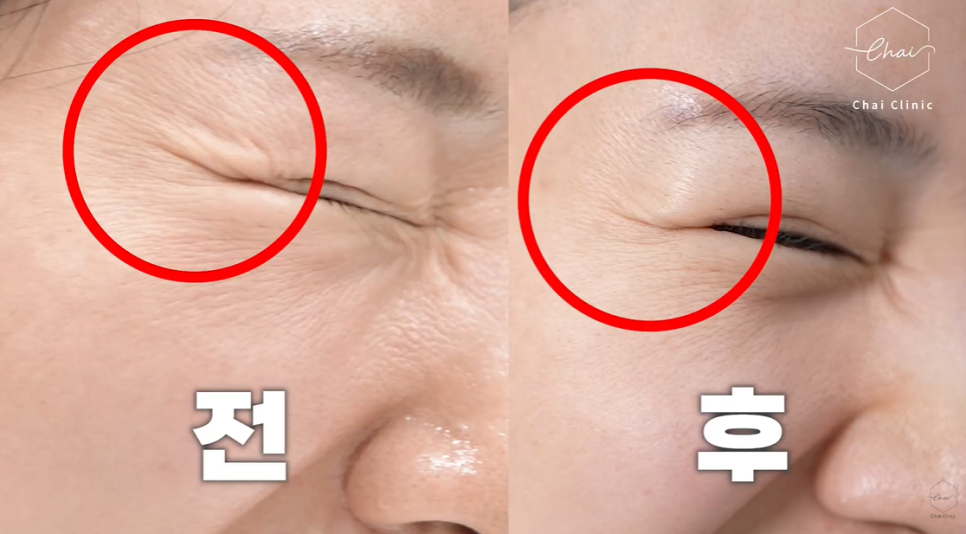
For thin areas like around the eyes, it is better to handle them delicately with a shallow-penetrating tip
and focus on tightening the skin by firing shots mainly into the dermis.
For thicker areas such as the double chin or jowls,
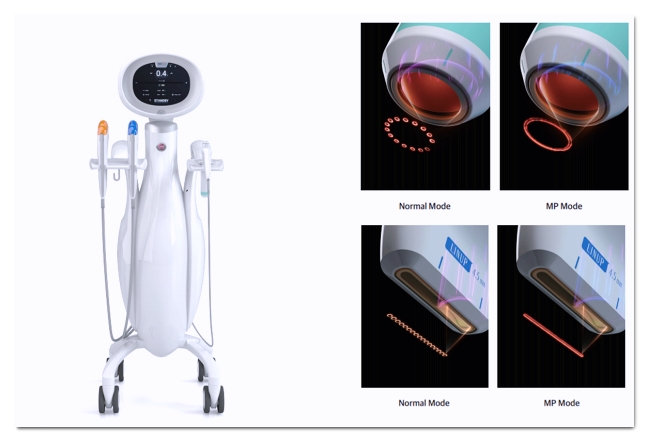
it is better to tighten firmly with a deeper-penetrating tip so that sagging tissue lifts back up.
Rather than simply filling a shot count,
it is better to check whether the provider chooses the tip according to the thickness of each area of your face.
Sometimes people say they developed hollow cheeks after Shurink treatment.
In the post below, I wrote about how to prevent side effects such as hollow cheeks.
(The treatment methods for Shurink and Ulthera are similar.)
Hapjeong Shurink
3. Tilt your head back to receive the energy properly (the secret of the handpiece)
Patients may not know this well,
but there is water inside the Shurink handpiece (the device that touches the face).
This water must fill all the way to the tip so that the ultrasound energy is delivered without omission,
but if the handpiece is tilted too much, gaps can form where the water does not reach.
This is especially a problem when treating lower areas such as under the chin or along the neck line.
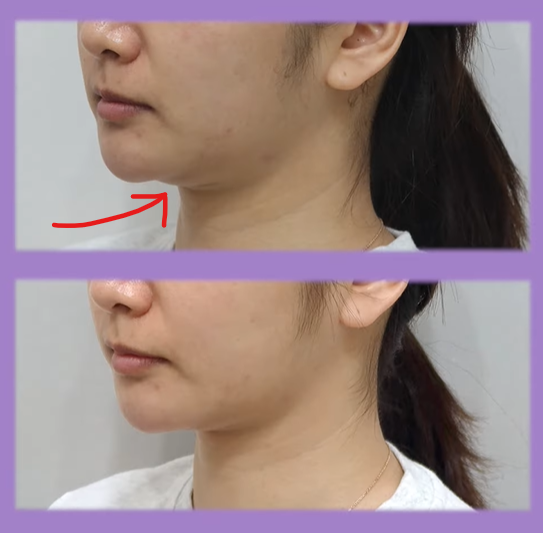
If you just lie down and receive treatment, the angle is not right, so there is a high chance the shots will be fired into empty space (energy loss).
That is why, even if it is inconvenient, the procedure should be done like this:
The design should be done while seated so the true line sagging from gravity can be seen.
When firing shots under the chin, the procedure should be performed with the head tilted backward.
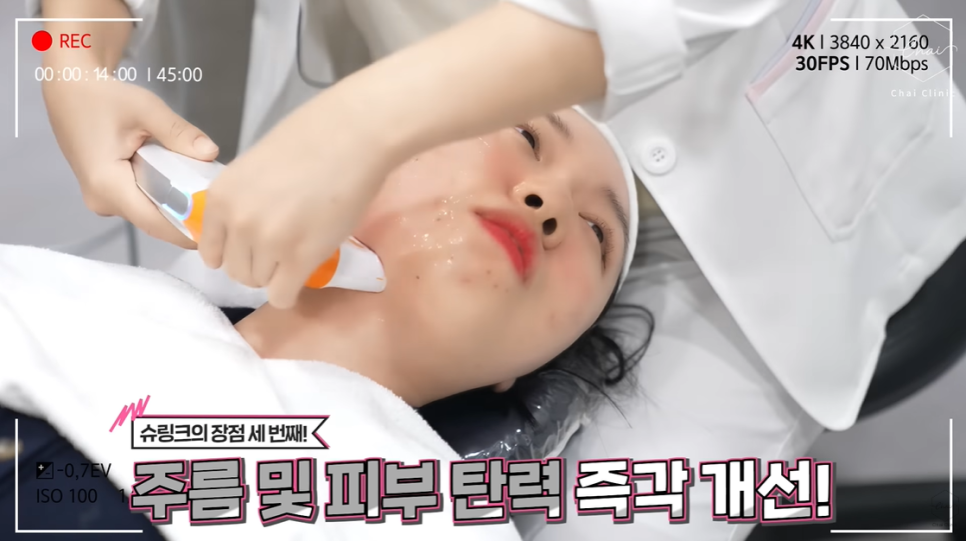
That way, the handpiece angle is correct and the energy is delivered 100%.
It may seem like a small difference, but these details add up and affect satisfaction after the procedure.
If you are wondering how to find a clinic that takes care of these details without being told,
be sure to read the post below.
Summary: 3 criteria for getting the most out of Shurink
- High energy: Does the clinic raise the energy sufficiently even if it takes time?
- Customized tips: Does it target different areas by switching tips?
- Positioning details: Does it do the design while seated, and tilt the head back during treatment to prevent energy loss?
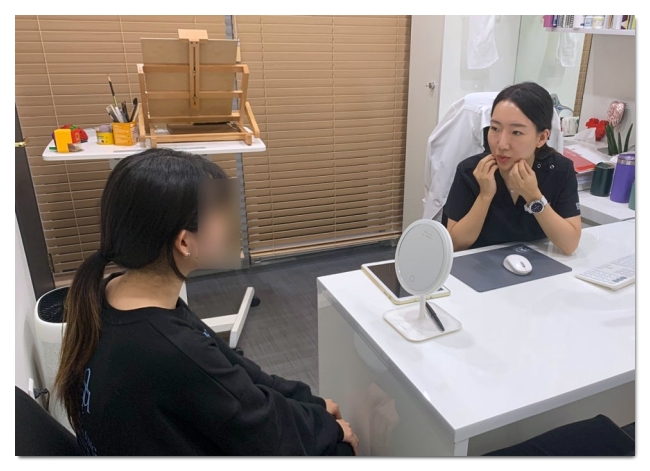
Hapjeong Shurink is one of those devices where the results can vary greatly depending on how it is used.
Rather than choosing based only on a low price,
it really needs the provider’s skill and strategy behind it for the cost-effectiveness to fully show.
I hope you receive a treatment you won’t regret, based on the know-how I shared today.
Thank you. This was Jo Won-jin.