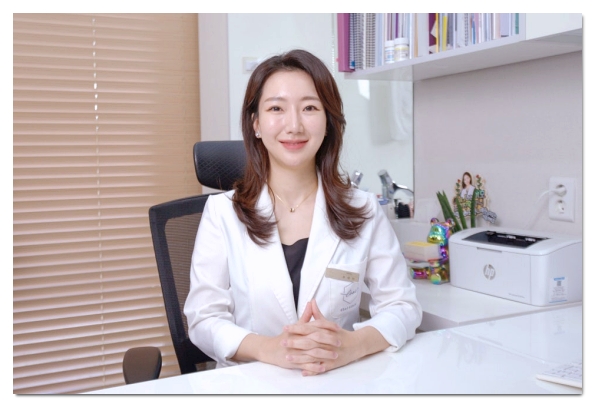
Hello. I’m Dr. Jo Won-jin, and I’ve been treating skin at Hongdae for 10 years.
My cheeks have thinned out and my face looks uneven,
so I look olderㅠㅠ
Many people come in with a peanut-shaped face as a side effect of cheek hollowness after treatments such as Ulthera or jaw Botox.
Today, under the topic of types of treatments for a peanut-shaped face and how to choose by type,
I’ll organize how far the line of a peanut-shaped face can be improved with non-surgical procedures only,
without major burdens such as surgery or fat grafting.
Key summary of treatments for a peanut-shaped face
-
A peanut-shaped face is divided into three causes: prominent cheekbones, hollow cheeks, and sagging
-
Prominent cheekbone type: temple filler, contour injections around the cheekbone area
-
Hollow cheek type: filler, Juvelook Volume, Sculptra, thread lifting
-
Sagging type: thread lifting, Ulthera, Shurink, Thermage FLX
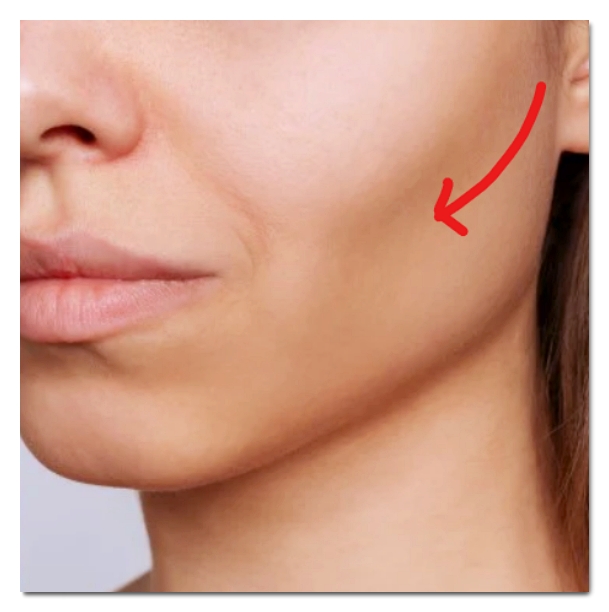
Table of contents
-
What is a peanut-shaped face
-
Three causes of a peanut-shaped face
-
Treatment methods for prominent cheekbones: filler, contour injections
-
Treatment methods for hollow cheeks: filler, Juvelook Volume, Sculptra, thread lifting
-
Treatment methods for sagging: thread lifting, Ulthera, Shurink, Thermage FLX, contour injections
-
What you must remember before treatment
-
Frequently asked questions (FAQ)
-
What is a peanut-shaped face
From the side, it refers to a face shape where the cheekbones stand out and the cheeks and temples below them are sunken, creating a narrow line.
From the front, only the cheekbones appear prominent, and the curvature becomes more obvious from the side or at a 45-degree angle.
- Three causes of a peanut-shaped face
This is the most important part in the diagnostic stage.
Even if it looks like the same peanut-shaped face, the treatment direction changes depending on the cause.
The first is when the cheekbones themselves are developed and protruding.
The second is a hollow-cheek type, where the cheekbones are ordinary but the cheeks sink in, making the cheekbones appear more prominent relatively.
The last is a sagging type, where overall sagging has progressed and the facial line has collapsed.
- Treatment methods for prominent cheekbones: filler, contour injections
For people with large cheekbones, it is not possible to reduce the cheekbones non-surgically.
So the approach changes: we fill the volume around the cheekbones to create visual balance,
and use a strategy of reducing the prominence by addressing thick fat sitting above the cheekbones.
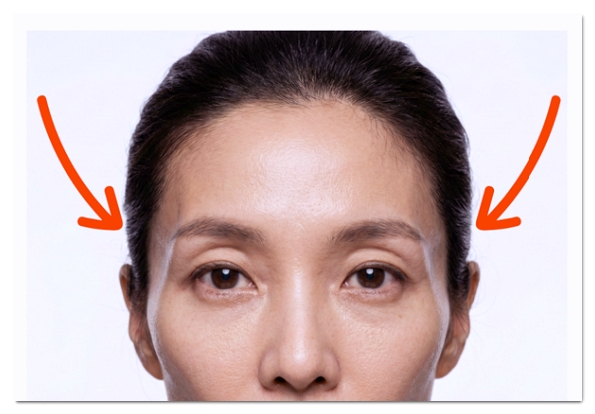
First, if filler is placed in the temples to fill the areas that are sunken compared to the cheekbones, the side profile line becomes smoother.
If there is thick fat above the cheekbones, carefully placed contour injections can further reduce the protruding appearance.
- Treatment methods for hollow cheeks: filler, Juvelook Volume, Sculptra, thread lifting
This is a case where the cheekbones are relatively average, but the cheeks are hollow and the face looks gaunt.
In such cases, the line can change significantly just by precisely filling the sunken areas.
Filler restores dimension to the front cheekbone and cheeks, gently connecting the flow of the side-profile line.
For those who feel filler is burdensome, collagen-stimulating injections such as Juvelook Volume or Sculptra
can gradually restore volume over time in a natural way.
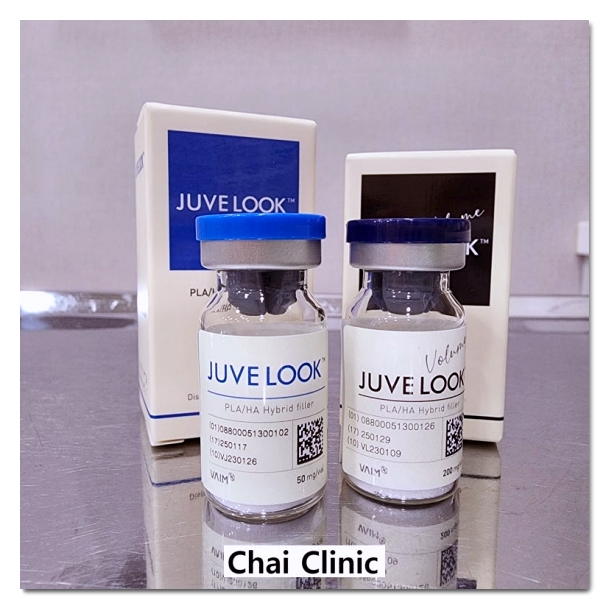
However, for Juvelook Volume or Sculptra, I usually do not recommend receiving the procedure on the same day as the consultation.
This is because the medication needs to go through a hydration process, and if that is not done properly, the risk of nodules increases.
For details, I wrote about it in the post below.
If sagging areas such as jowls are also present, thread lifting can be combined
to move the volume of the jowls toward the cheeks, addressing both volume and firmness at the same time.
It works well for people whose cheeks have thinned after weight loss, making the cheekbones look more prominent, or for those with a naturally slim build.
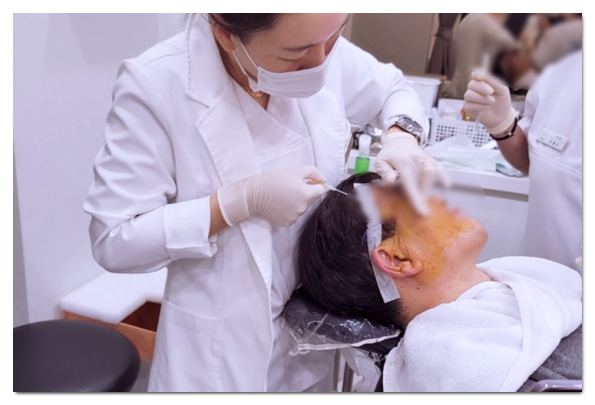
- Treatment methods for sagging: thread lifting, Ulthera, Shurink, Thermage FLX, contour injections
First, lifting lasers such as Ulthera, Shurink, and Thermage FLX are used to pull up the deeper layers of the skin and tighten the sagging line.
If you want an immediate effect, thread lifting is performed together to reinforce the line.
If contour injections are used on the jowl fat that has sagged below the mouth area, the jawline is restored and the line looks much neater.
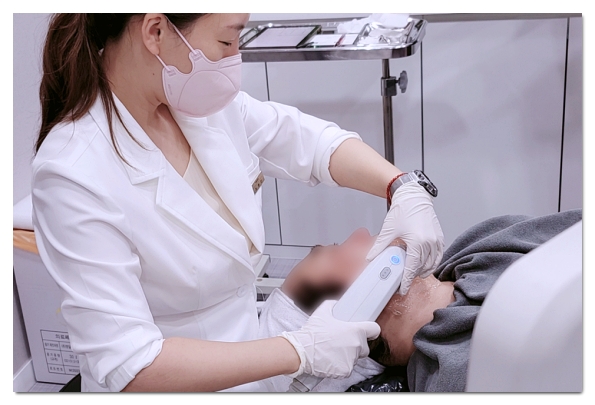
What I always say about treatments for a peanut-shaped face is that, with any laser, design and adjustment of the irradiation energy are important.
If the jowl area is sagging, you should not concentrate the shots only on that area; the treatment must be designed so that the area above it is lifted as well for real improvement.
For more details, please check the post below.
For people in their late 30s to 40s and older, where volume has decreased and sagging and jowls have both appeared,
a combination of procedures suited to their facial condition may be performed.
- What you must remember before treatment
A peanut-shaped face often shows multiple symptoms rather than just one problem.
So instead of a single procedure, you may need a combination of two or three.
However, with laser lifting, if the design is incorrect and excessive energy is delivered to the cheeks, cheek hollowness can worsen.
That is why, before treating a peanut-shaped face, it is important to carefully assess the skin condition and design the treatment to prevent the condition from becoming more severe.
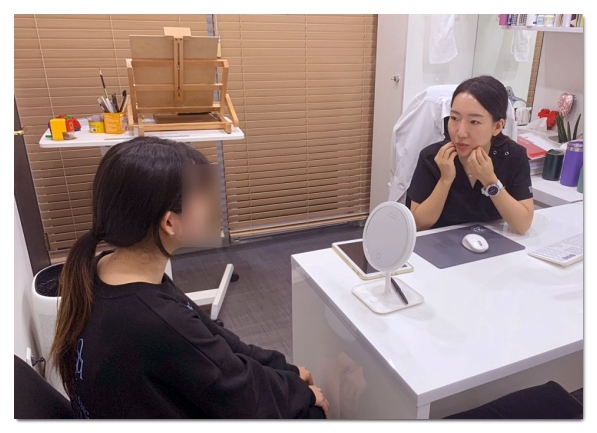
- Frequently asked questions (FAQ)
Q. Won’t filler make my face look bigger?
A. If the proper amount is precisely placed only in the sunken areas, the line is actually refined and the face can look smaller.
However, it is important not to overdo it and make it stand out too much.
Q. I got Ulthera and now have cheek hollowness; is this a sagging type? Can I get Ulthera again?
A. In fact, how it was performed matters more.
If cheek hollowness is a major concern, lifting with Thermage FLX or Shurink may be safer than Ulthera, which delivers energy deeper.
Closing
What matters in treatments for a peanut-shaped face is not what to reduce, but where to fill, where to refine,
and where to lift; the key is this balanced design.

Rather than worrying alone in front of the mirror,
please consider consulting a place that can accurately diagnose the condition of your skin in detail before treatment.
Thank you. This was Jo Won-jin.