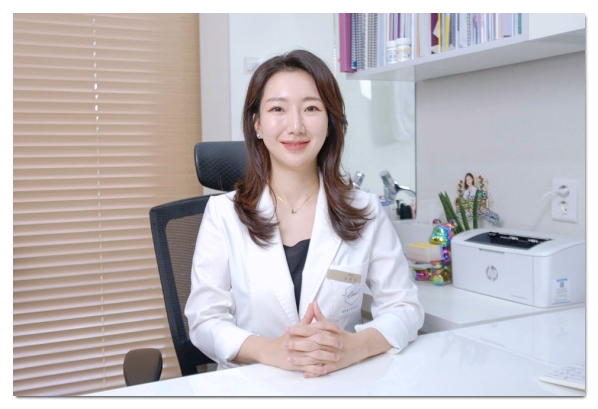
Hello. I’m Jo Won-jin, the head doctor of Chae Clinic, where I have been practicing dermatology in Hongdae for 10 years.
If you searched for Hongdae lifting recommendations, you were probably confused by how many types there are and which one you should get.
Shrink, Thermage, Ulthera, EMFACE, XERF, Potenza...
You may have heard the names, but it is surprisingly hard to find a post that clearly explains the differences.
In this post, I’ll first organize the main categories of lifting treatments,
and then guide you through how to choose based on your age and concerns.
Rather than recommending a specific procedure, the purpose of this post is to help you make a reasonable choice based on your skin condition.
Hongdae lifting recommendation summary
-
Lifting is divided into RF, HIFU, and combination procedures, and their mechanisms are different
-
For a first lifting treatment in your 20s to 30s, gentler options such as Shrink and Corege are a good choice
-
For more serious sagging care in your 40s and older, consider a combination of Thermage and Ulthera
-
If you want almost no downtime, consider next-generation options such as EMFACE
-
Rather than a clinic that only has one or two devices, choose a place that diagnoses you using multiple options
- Start with the big picture of lifting
Lifting devices are broadly divided into three categories according to how they work.
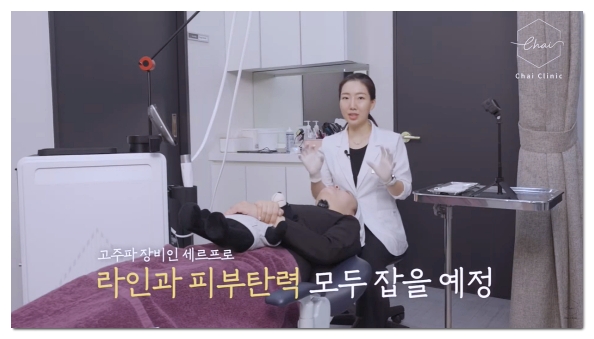
First, RF (radiofrequency) lifting.
This method stimulates the dermal layer of the skin with thermal energy to induce collagen regeneration.
Thermage FLX, Corege 2.0, MPR Torilifting, and XERF belong here.
It is suitable for superficial loss of elasticity, enlarged-looking pores, and fine wrinkles, and it tends to have little downtime.
Because you can often feel an immediate firming effect right after the procedure, many people are satisfied with it as their first lifting treatment.
Second, HIFU (ultrasound) lifting.
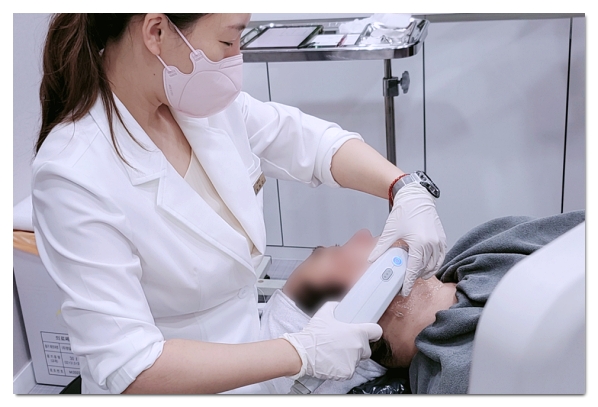
This method delivers ultrasound energy deep into the skin (the SMAS layer) to lift sagging tissue.
Ultherapy Prime, Universe Shrink, and Titanium lifting are representative examples.
It is more effective for deeper sagging, loose cheeks, and the jawline area, and its effects tend to last relatively long.
Third, combination and next-generation lifting.
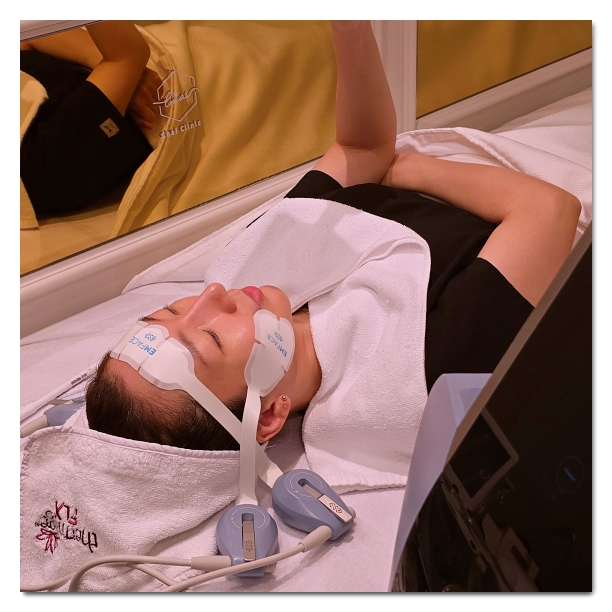
EMFACE combines muscle stimulation and skin lifting, so there is almost no downtime,
and Potenza Diamond Lifting can also improve pores and acne scars at the same time.
- Precautions when choosing a procedure by age group
Even the same procedure should be approached differently depending on age.
Late 20s to early 30s:
This is a period before serious sagging begins, so there is a wide range of treatment options.
However, rather than getting strong treatments frequently, receiving treatment at an appropriate intensity about once or twice a year is gentler on the skin.
Mid-to-late 30s:
This is when collagen synthesis begins to slow down,
and more people start to feel that a single procedure is not enough.
This is the time to consider combining radiofrequency lifting such as Thermage with ultrasound lifting such as Ulthera,
or pairing lifting with other procedures.
If you are combining it with Botox or fillers, consult the medical staff about the order and spacing of the procedures.
40s:
This is when the limits of a single procedure become more noticeable.
Rather than sticking to just one device, you need a combination approach suited to your skin condition.
In many cases, sagging is caused by volume loss, so instead of simple lifting,
it is better to receive a diagnosis that also considers whether volume procedures such as Juvelook Volume or Sculptra should be combined.
50s to 60s:
Non-surgical lifting is less about creating dramatic change and more about slowing the aging process.
Some people also combine it with more immediate lifting procedures such as thread lifting to create a visible improvement effect.
Start with realistic expectations, and make sure to have the face as well as
the neck and jawline assessed together for natural-looking results.
- Four things office workers in their 30s should consider
Downtime
EMFACE has almost no downtime,
Shrink and Corege cause only mild redness,
and Thermage may cause slight swelling right after the procedure.
Ulthera may cause temporary bruising depending on the area, so coordinate it with your schedule.
Price range
Even for the same procedure, the price can vary greatly depending on the number of shots, the area, and the type of tip.
Simply comparing prices is meaningless; you also need to look at the conditions under which the price is offered.
The lower the price seen in advertisements, the more carefully you should check the conditions.
Duration
Shrink is generally known to last about 3 to 6 months, while Thermage and Ulthera are said to last about 6 months to 1 year.
However, this varies from person to person, and daily sunscreen use and lifestyle habits also have a major impact.
- How to choose a good lifting clinic in Hongdae
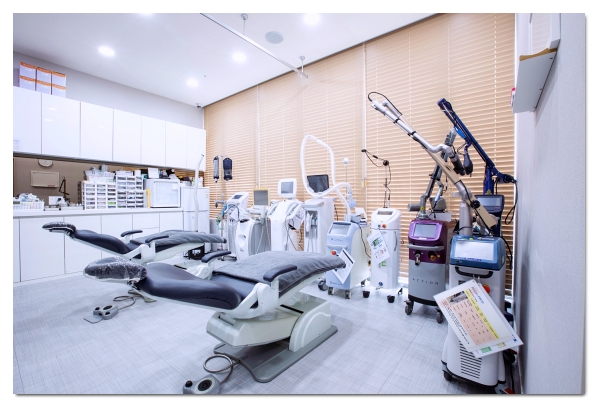
First, choose a clinic with a wide range of devices.
A clinic that operates only one or two devices is more likely to recommend those devices regardless of your skin condition.
Second, check whether the devices are genuine and officially imported.
Third, trust clinics that tell you to try one session first and then decide, rather than immediately recommending an expensive package at your first visit.
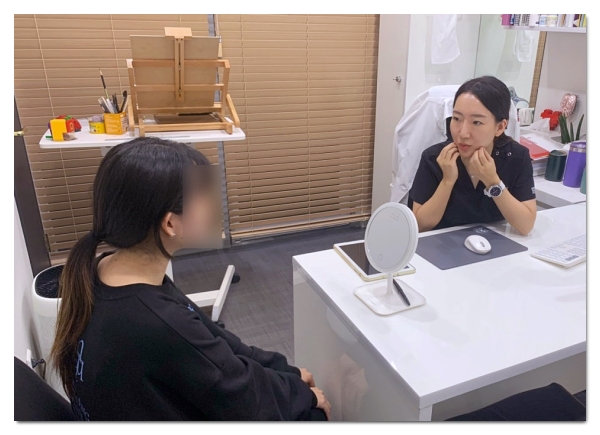
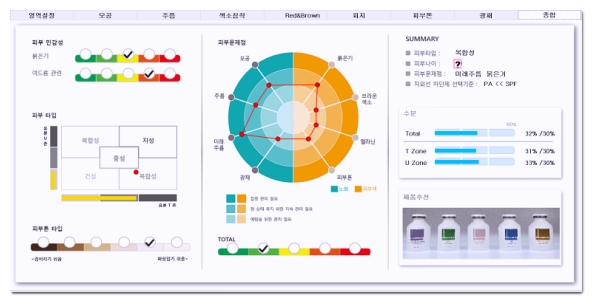
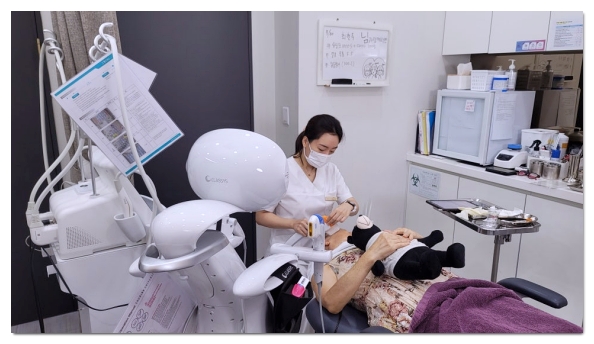
Fourth, check whether the medical staff personally diagnose you and design the treatment plan.
Frequently Asked Questions
Q. This is my first lifting treatment. What should I start with?
A. If it’s your first time, I recommend starting with a gentler RF-only procedure such as Shrink or Corege 2.0.
It is safer to try one session first, check how your skin responds, and then decide on additional treatment.
Q. I’m an office worker. Can I go back to work right after the procedure?
A. EMFACE or Shrink usually cause only mild redness right after the procedure, so makeup is possible the next day.
Thermage or Ulthera may cause slight swelling,
so if possible, it is more convenient to get them on a Friday or on a day when your schedule is flexible.
Q. Can I receive multiple procedures together?
A. RF and HIFU work at different depths, so they are often performed together.
However, you should discuss the interval and order with the medical staff in advance.
In closing
If you searched for Hongdae lifting recommendations,
what ultimately matters is finding a clinic that can accurately diagnose the procedure that suits your skin.
Rather than focusing on advertising phrases or reviews, prioritize clinics where the consultation provides
a specific diagnosis of your skin condition and a treatment plan.
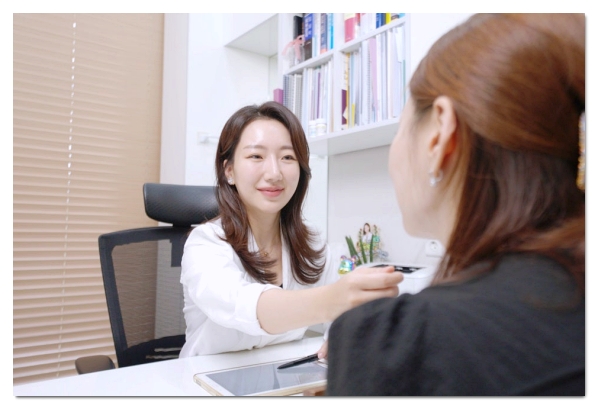
Rather than deciding at one clinic, compare consultations at two or three places,
so you can more clearly choose the procedure and clinic that are right for you.
Lifting is not a one-time procedure that ends after a single session; it is ongoing care that you carry along with your skin.
Please make your first choice carefully.
Thank you. This was Jo Won-jin.