Customized Skincare Routine by Skin Type!

Even when using the same product, some people’s skin becomes clearer,
while others may experience breakouts.
The reason is that skin types are different.
Skin is more delicate than you might think, and if you do not find the right
ingredients, formulas, and routine for your skin, it can actually
cause problems.
Especially during this time of year, when the weather gets warmer, the balance between sebum production and
moisture loss can easily be disrupted, so it is important to understand your
skin type well and adjust accordingly. In this post, I will introduce
skincare methods tailored to the four representative skin types
(oily, dry, combination, and sensitive). We will look at everything from the basic routine to
things to watch out for.
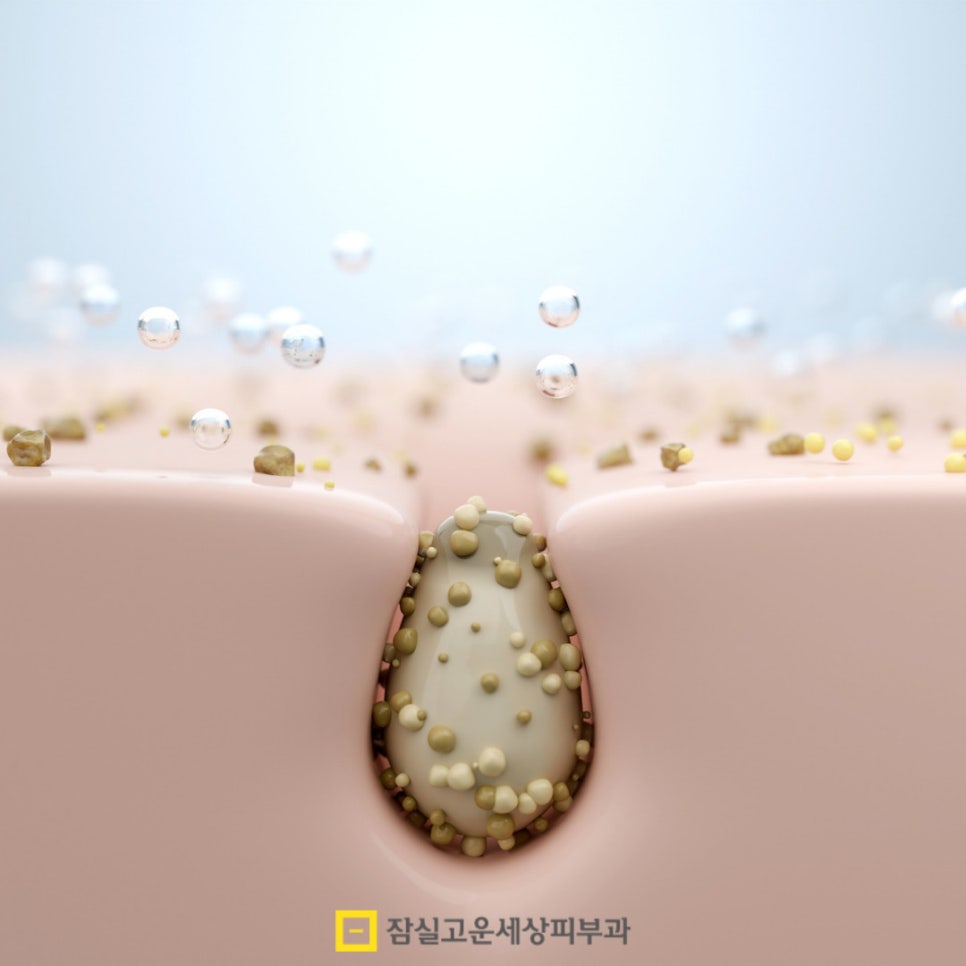
- You need to understand your skin type accurately first
- Characteristics of oily, dry, combination, and sensitive skin
Skin types are broadly divided into four categories.
Oily skin tends to look shiny for most of the day,
has enlarged pores, and produces a lot of sebum.
Dry skin, on the other hand, feels tight, gets flaky easily,
and is generally thin and dry.
Combination skin has an oily T-zone but dry cheeks or chin,
so care should differ depending on the area.
Sensitive skin reacts easily to external stimuli, and symptoms such as redness
and stinging often appear.
Accurately identifying your skin condition is the starting point of
customized skincare.
- Skin that changes with the seasons or lifestyle habits
Skin type is not fixed and can change depending on the season or
how you are feeling.
For example, skin that looks dry in winter because of the cold and dryness
may feel oily in summer due to increased sebum. Stress, lack of sleep, and hormonal
changes are also factors that can alter skin type.
So a skincare routine is not something you decide once and are done with;
you need flexibility to keep observing and adjusting it. Skin should be approached based on
what state it is in right now.
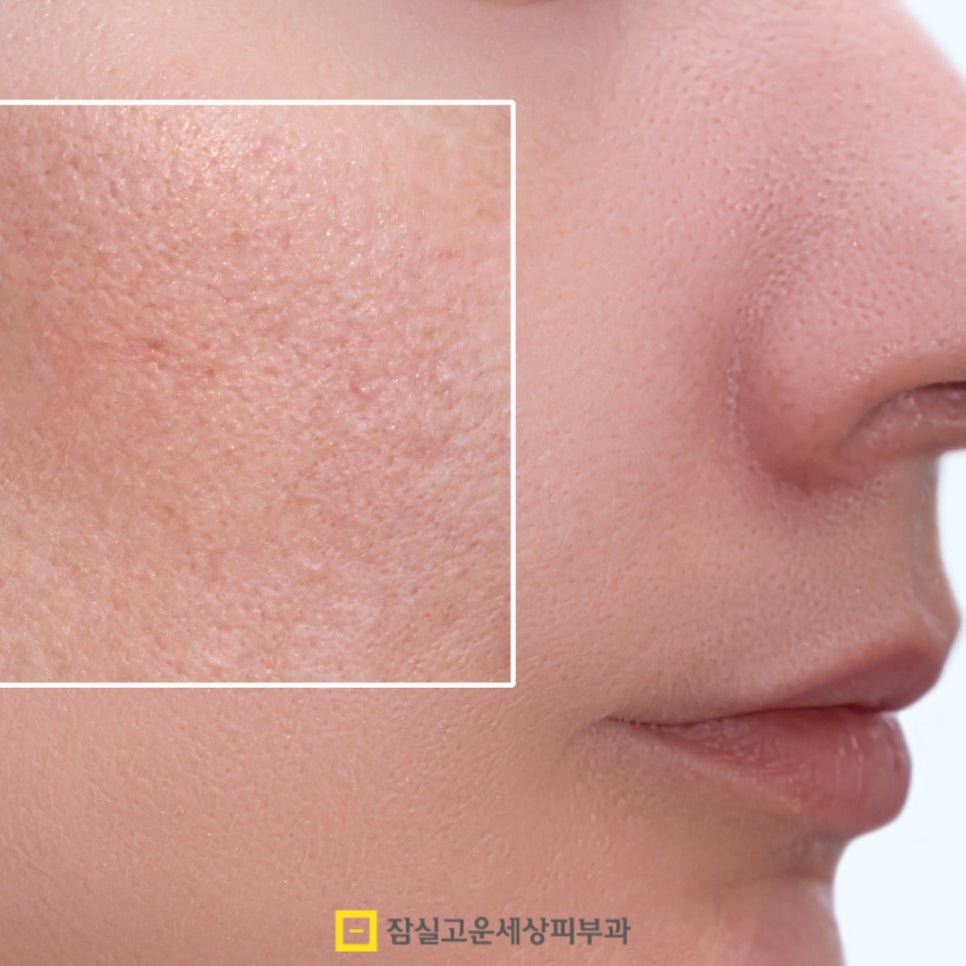
- How do basic routines differ by skin type?
- Oily skin – balancing sebum control and moisture care
People with oily skin often try to reduce sebum and end up neglecting
moisturizing. However, if moisture is lacking, sebum production can increase even more, so it is best to cleanse gently with a mild
slightly acidic cleanser about twice a day and balance oil and moisture with a refreshing hydrating
essence or gel-type cream.
Products containing sebum-controlling ingredients such as salicylic acid or
niacinamide can also be helpful,
but using them too often can be irritating,
so about 2–3 times a week is appropriate.
Finish with a water-based
sunscreen that also helps with pore care for a clean finish.
- Dry skin – barrier protection and deep hydration are key
Dry skin lacks both moisture and oil, so the skin barrier can easily become compromised. Cleansing should be brief
with lukewarm water, and it is better to choose a cream-type cleanser that is as non-irritating as possible.
After cleansing, layering moisture in the order of hydrating toner → moisturizing essence → cream
or oil is effective. In particular, choosing products that contain barrier-supporting ingredients such as ceramides, panthenol, and hyaluronic acid
can help protect the skin more stably.
- Combination skin – area-specific care is needed
Combination skin is a mixed type, with an oily T-zone and a tight-feeling U-zone. In this case, if you treat the whole face like oily skin,
the cheeks or chin can become dry, and if you treat it like dry skin,
breakouts are more likely to appear on the forehead and nose.
It is best to manage it by separating the areas: use a sebum-controlling toner or gel-type moisturizer
for the T-zone, and apply a more hydrating essence or
cream to the U-zone. Even when using sheet masks, using partial masks can be much more effective.

- Sensitive skin – minimizing irritation is the most important thing
Sensitive skin often reacts immediately when you change even one product. That is why checking ingredients is more important than anything else. Choose low-irritation products that do not contain artificial fragrance, alcohol, or colorants, and always do a patch test before trying a new product.
Products containing soothing ingredients such as madecassoside and panthenol can be helpful, and it is also better to keep the routine itself simple. Rather than going through many steps, just sticking to the basics—cleansing, hydration, and moisturizing—can help the skin feel more comfortable.
- Habits for adjusting your routine to your skin type
- Skin changes every day
Skin condition can change depending on the season, sleep, stress, menstrual cycle, and even
the food you ate the day before.
So a product that felt fine today may be irritating tomorrow, and a routine you normally use may suddenly not suit you.
In times like this, rather than blaming your skin, you need the habit of first checking
what your skin condition is right now. Because skin is never exactly the same, it is important to adjust flexibly.
- A routine should be organized in a way that suits you
Popular routines or products on social media or YouTube may be good, but the most important thing is whether they suit your skin.
A routine that works for someone else may actually be irritating for you.
Of course, it is hard to find the perfect routine overnight, but through different experiences,
slowly building your own combination is ultimately the most ideal skincare approach.

Do not miss the signals from your skin!
Skin sends us small signals every day.
When makeup does not go on well, when oil suddenly increases, or when unexpected breakouts appear,
all of these can be signs that the skin has lost its balance.
In that case, rather than blaming your skin, it is important to first look at your current skin condition.
Simply checking whether you may be repeating too many steps,
or conversely not providing enough care, can help you adjust your routine.
At this point, even if you are building a routine suited to your skin type,
there is no need for it to be complicated or burdensome.
Rather, consistently maintaining a simple structure that suits you is much more stable and effective.
Skin changes appear gradually, but that process definitely remains on the skin. So in the end, the best skincare is ‘your own sustainable way.’
It would be good to remember that.
▼ Directions to Jamsil Gounsesang Dermatology ▼
▼ Jamsil Gounsesang Dermatology Consultation Guide ▼

▼ Jamsil Gounsesang Dermatology Homepage ▼
This post is provided by Jamsil Gounsesang Dermatology for the provision of medical information in accordance with Article 56, Paragraph 1 of the Medical Service Act Advertising Act, and all procedures/surgeries carry the risk of side effects such as bleeding, infection, and nerve damage, so please proceed carefully after sufficient consultation with medical staff.