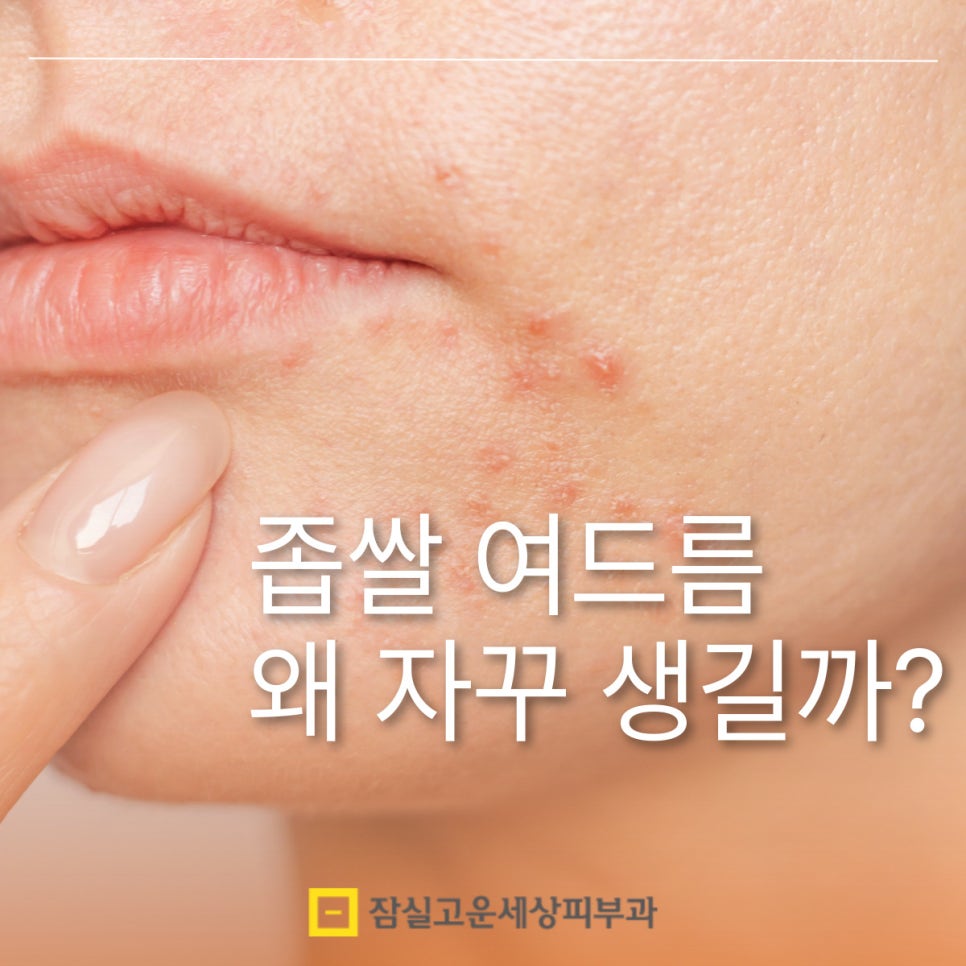
Tiny acne bumps,
why do they keep appearing?
Hello.
This is Jamsil GoUnSesang Dermatology.
When you look in the mirror, you may especially notice tiny acne bumps around the chin, forehead,
and the sides of the nose.
Even when you put on makeup, your skin does not look smooth, and when you touch it with your hand,
the rough texture makes you feel self-conscious.
Although it is not severe inflammation, it does not go away easily,
and because it keeps recurring, it becomes an even more frustrating skin issue.
Tiny acne bumps are not caused simply by excess sebum. They often occur when the shedding of dead skin cells and waste inside the skin does not happen smoothly, when skin care habits are incorrect, or when subtle changes related to sebum accumulate. Because the causes are somewhat different from inflammatory acne,
appropriate care is needed.
Today, we will explain in detail, step by step, from the main causes of tiny acne bumps to care methods that can be considered depending on skin type.
Although they may seem minor on the surface, if left untreated they can also lead to inflammatory acne, so manage them wisely with accurate information.
- Tiny acne bumps: why do they appear?
- When dead skin cells and sebum are not properly expelled
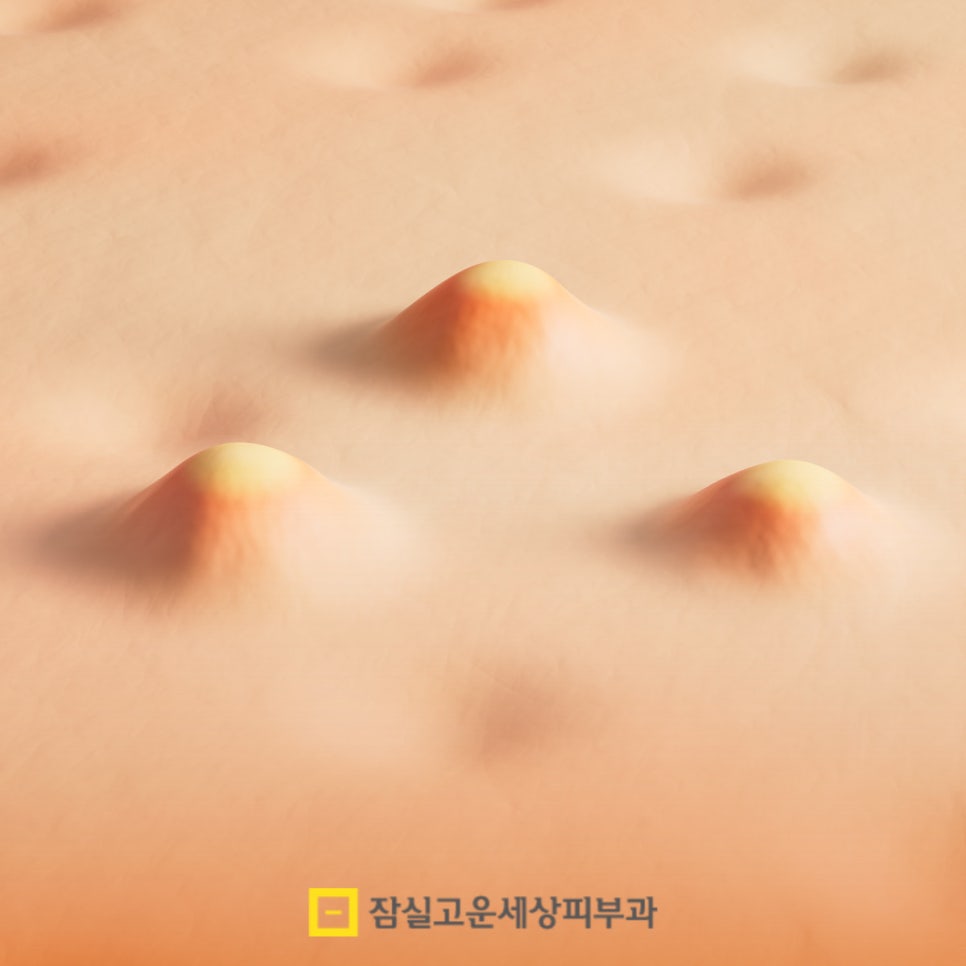
The most common cause of tiny acne bumps is that dead skin cells and sebum that have built up inside the pores are not properly expelled.
The skin regenerates on a regular cycle, and during this process, old dead skin cells should naturally shed.
If the turnover cycle slows down or exfoliation is not done properly, dead skin cells and sebum accumulate together inside the pores. The trapped sebum then feels like tiny bumps on the skin surface.
This often appears especially in the T-zone, forehead,
and around the chin, where sebum production is active.
- Using products that are too oily
If your skincare or makeup products contain a lot of oil, tiny acne bumps can form more easily.
Oil-rich products have the advantage of forming a thin film on the skin to help retain moisture, but at the same time they can block pores and interfere with sebum flow.
In particular, cleansing oils, heavy nourishing creams,
or sunscreen with a greasy finish can leave residue on the skin after use, which often becomes a cause of tiny acne bumps.
- Excessive sebum production
Tiny acne bumps also form easily when sebum production is high.
In particular, when hormones change rapidly, such as during puberty, before and after the menstrual cycle, or when stress is severe, sebum is secreted excessively.
Sebum itself is an essential component for the skin, but when there is too much of it, it can block pores and lead to skin trouble. The key is not to forcefully eliminate sebum, but to balance moisture and oil. When the skin lacks moisture, it tries to produce even more sebum.
- Insufficient cleansing or excessive cleansing
If cleansing is not done properly, waste and makeup residue can remain inside the pores and cause tiny acne bumps. On the other hand, washing your face several times a day or frequently using harsh cleansers with strong cleansing power can damage the skin barrier and excessively stimulate the sebaceous glands.
In such cases, the skin produces more sebum to protect itself, and as a result, tiny acne bumps can worsen. Washing gently twice a day with a mild, low-irritation, slightly acidic cleanser is the best approach.
 2. Characteristics of tiny acne bumps and how to distinguish them
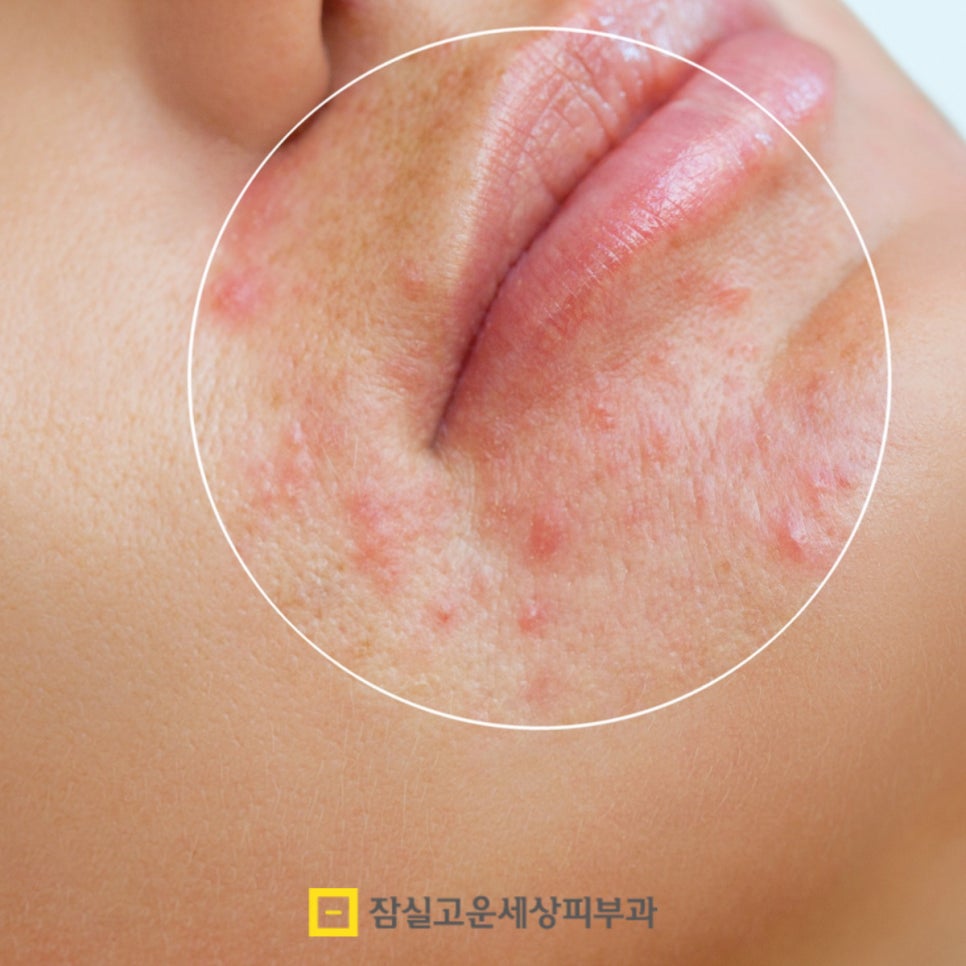
Tiny acne bumps are non-inflammatory comedones without inflammation.
Even if they do not look white on the surface, when you touch them with your hand, the skin feels bumpy and rough.
Most are called "whiteheads," and they are a form in which sebum and dead skin cells are trapped in a blocked pore.
Unlike blackheads, they are not visible on the surface, but the small raised bumps like tiny grains make the skin texture look uneven.
2. Characteristics of tiny acne bumps and how to distinguish them
Tiny acne bumps are non-inflammatory comedones without inflammation.
Even if they do not look white on the surface, when you touch them with your hand, the skin feels bumpy and rough.
Most are called "whiteheads," and they are a form in which sebum and dead skin cells are trapped in a blocked pore.
Unlike blackheads, they are not visible on the surface, but the small raised bumps like tiny grains make the skin texture look uneven.
These non-inflammatory acne lesions cause almost no pain and are easy to overlook, but if this state continues, they can develop into inflammatory acne.
If you squeeze the sebum forcefully or touch it with your hands, the pore wall can be damaged, and as bacteria enter, it can worsen into red, painful acne.
That is why it is important to manage them properly from the tiny-bump stage.
 3. How to manage and treat tiny acne bumps
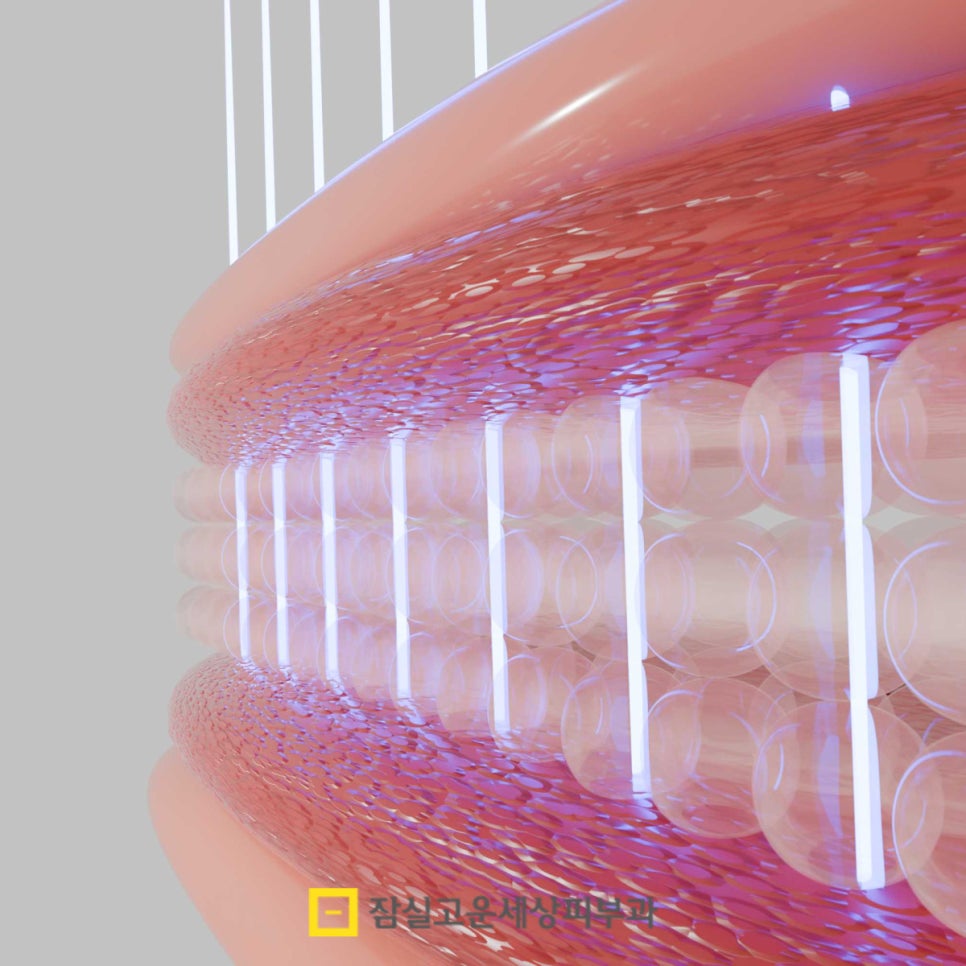
The first management method for tiny acne bumps is exfoliation.
In particular, chemical exfoliation using ingredients that help dissolve sebum and dead skin cells inside the pores is effective.
Ingredients such as salicylic acid (BHA), glycolic acid (AHA), and the gentler PHA can softly remove old dead skin cells on and within the skin and help sebum flow more smoothly.
3. How to manage and treat tiny acne bumps
The first management method for tiny acne bumps is exfoliation.
In particular, chemical exfoliation using ingredients that help dissolve sebum and dead skin cells inside the pores is effective.
Ingredients such as salicylic acid (BHA), glycolic acid (AHA), and the gentler PHA can softly remove old dead skin cells on and within the skin and help sebum flow more smoothly.
However, rather than using them every day, managing them regularly about 1 to 2 times a week helps reduce skin irritation.
The next important step is moisturizing and controlling sebum.
If the skin lacks moisture, sebum may be secreted even more, worsening tiny acne bumps. The key is to use a light moisturizer with good hydration and keep oiliness to a minimum.
In particular, during summer or after exercise, sebum may increase, so it is good to cleanse immediately and use soothing products.
If there are many tiny bumps or they keep recurring over a long period, receiving dermatological treatment is also a good option.
Typical treatments include comedone extraction, peeling procedures, low-irritation lasers, or mild scaling lasers, and depending on the skin condition, soothing injections or skin booster procedures may also be combined.
 Tiny acne bumps are also
signals from your skin!
Tiny acne bumps are not just a matter of rough skin texture;
they may be a small signal that the balance inside the skin has been disrupted.
The skin barrier may have weakened, or moisture and sebum may be out of balance.
That is why, rather than simply trying to force them away, the best solution is to understand your skin’s condition and consistently provide the care it needs.
Tiny acne bumps are also
signals from your skin!
Tiny acne bumps are not just a matter of rough skin texture;
they may be a small signal that the balance inside the skin has been disrupted.
The skin barrier may have weakened, or moisture and sebum may be out of balance.
That is why, rather than simply trying to force them away, the best solution is to understand your skin’s condition and consistently provide the care it needs.
Start practicing one step at a time from today.
Simply changing your cleansing habits, checking your products,
and adjusting your daily routine to be a little healthier can make a noticeable difference in your skin.
Your skin will recognize your effort and respond accordingly.
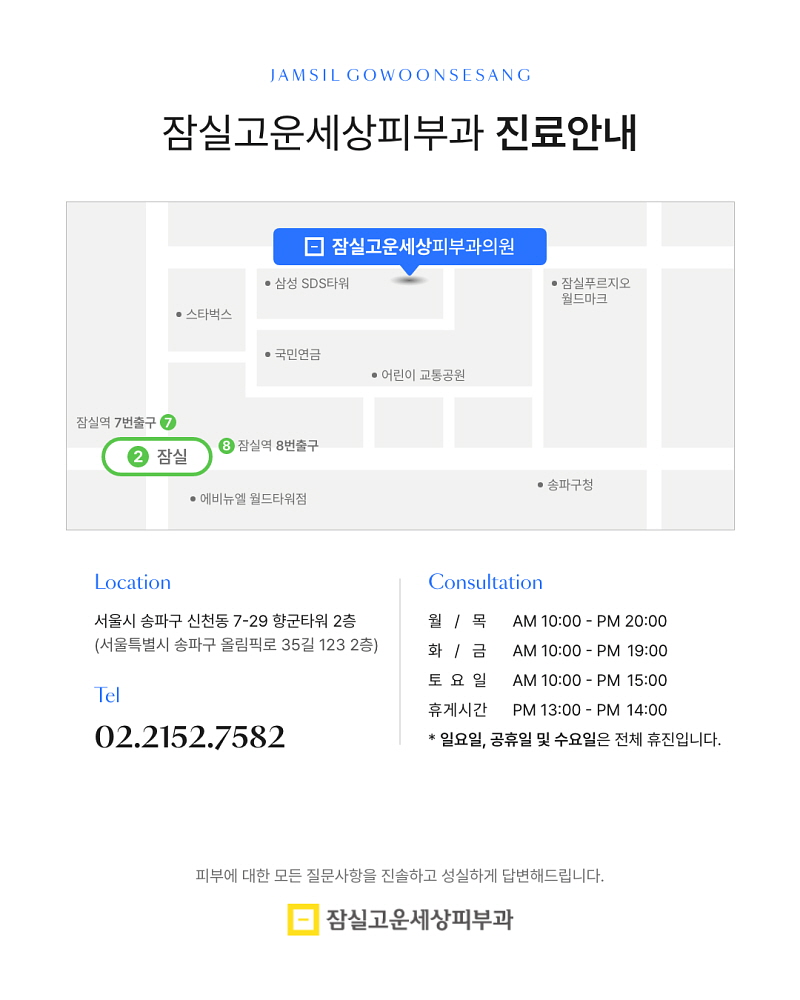
✨ Jamsil GoUnSesang Dermatology Directions ✨
✨ Jamsil GoUnSesang Dermatology Consultation Guide ✨
✨ Jamsil GoUnSesang Dermatology Website ✨
This article is provided by Jamsil GoUnSesang Dermatology to provide medical information in accordance with Article 56, Paragraph 1 of the Medical Advertising Act. All procedures/surgeries carry the risk of side effects such as bleeding, infection, and nerve damage, so please proceed carefully after sufficient consultation with medical professionals.