When your skin flares up,
there is a reason.

Hello.
This is Jamsil Go운세상 Dermatology ^^
No matter how good the skincare products are, or how faithfully you cleanse every day, some people find that their skin suddenly flares up only during seasonal changes. If your forehead and the area around your nose become oily, flakes start lifting, and itching or redness also appear, it may not simply be sensitive skin—you may want to suspect ‘seborrheic dermatitis.’
There is a misconception that seborrheic dermatitis is hard to cure, but in fact, it is a chronic skin condition whose symptoms can be adequately controlled with consistent care and personalized habits. Today, we’ll explain why seborrheic dermatitis occurs, how to manage it, and how to protect your skin so it doesn’t break down during seasonal changes.
‘Why does this recurring red flaking keep happening?’
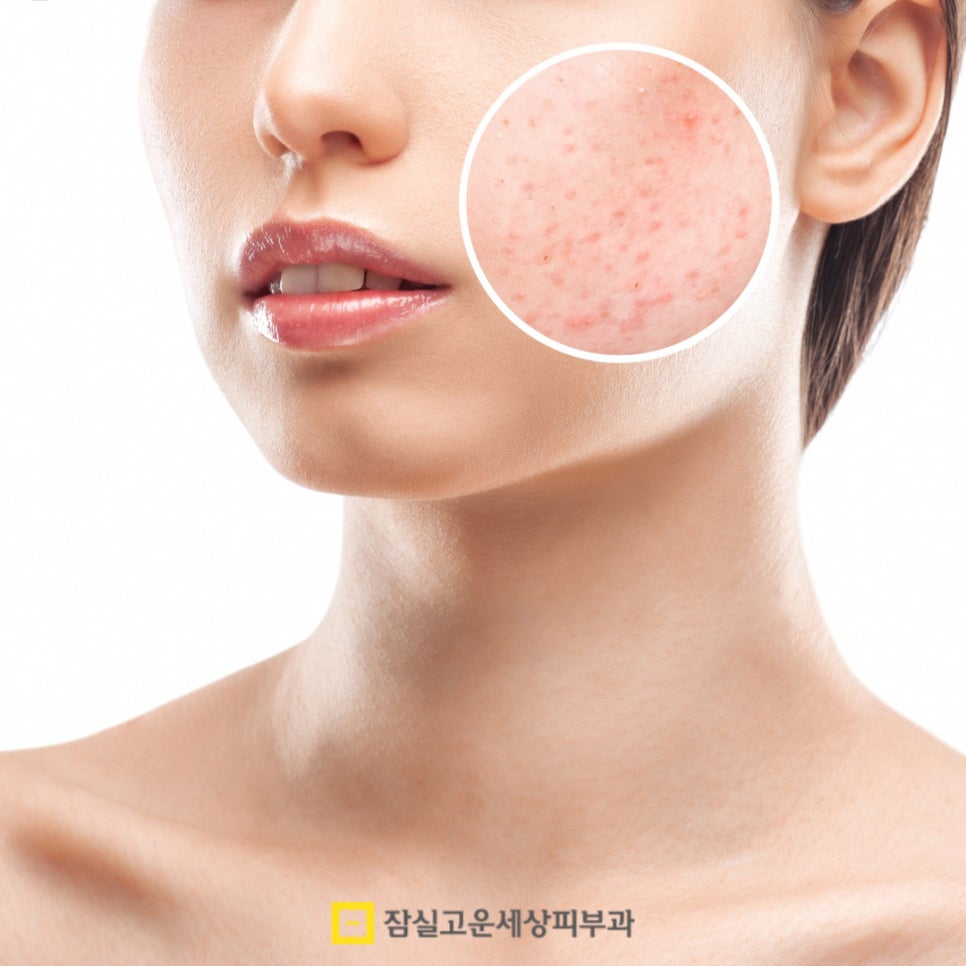
[Causes of seborrheic dermatitis]
Seborrheic dermatitis mainly occurs in areas with a high density of sebaceous glands, such as the face, scalp, and center of the chest.
The more sebum is produced, the more the fungus Malassezia multiplies excessively, and this fungus triggers inflammation that makes the skin red and itchy.
But the problem is not just on the surface of the skin. Internal health and lifestyle factors such as low physical stamina, lack of sleep, lowered immunity, and stress are also major causes that worsen seborrheic dermatitis. In some cases, symptoms improve simply by controlling sebum, while in others the same products may seem less effective depending on your condition. That is exactly why.
‘Itchy and greasy—could this just be dryness?’
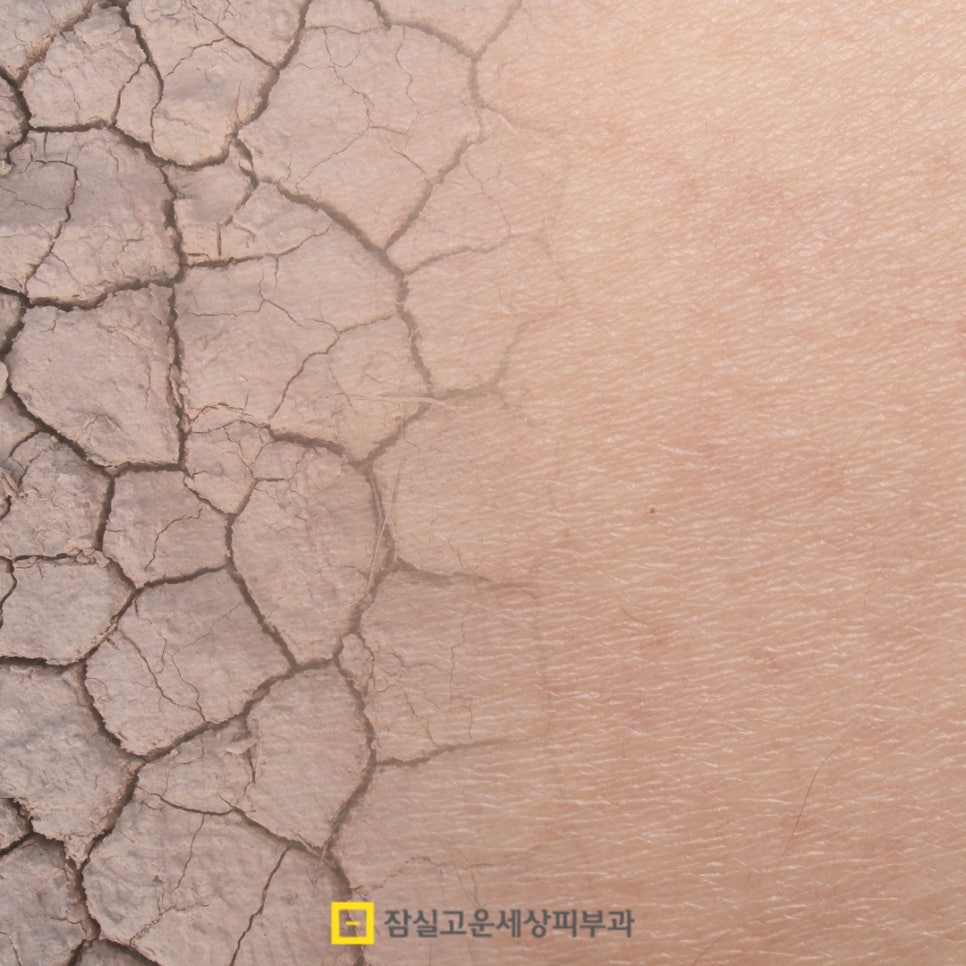
[Checklist of major symptoms of seborrheic dermatitis]
Seborrheic dermatitis is characterized by dryness and oiliness appearing at the same time. On the face, it commonly appears around the sides of the nose, forehead, between the eyebrows, behind the ears, and around the chin; on the scalp, it may look like greasy dandruff.
In the early stage, it begins with redness or mild itching, but if left untreated, it can worsen into crusts or greasy yellow flakes.
The problem is that these symptoms come and go depending on the weather or your condition. If managed incorrectly, they can get worse, so it is important to identify the symptoms early and respond with the right care.
‘To control the symptoms,
what skin habits should you change right now?’
[Five care routines for seborrheic dermatitis and troubled skin]
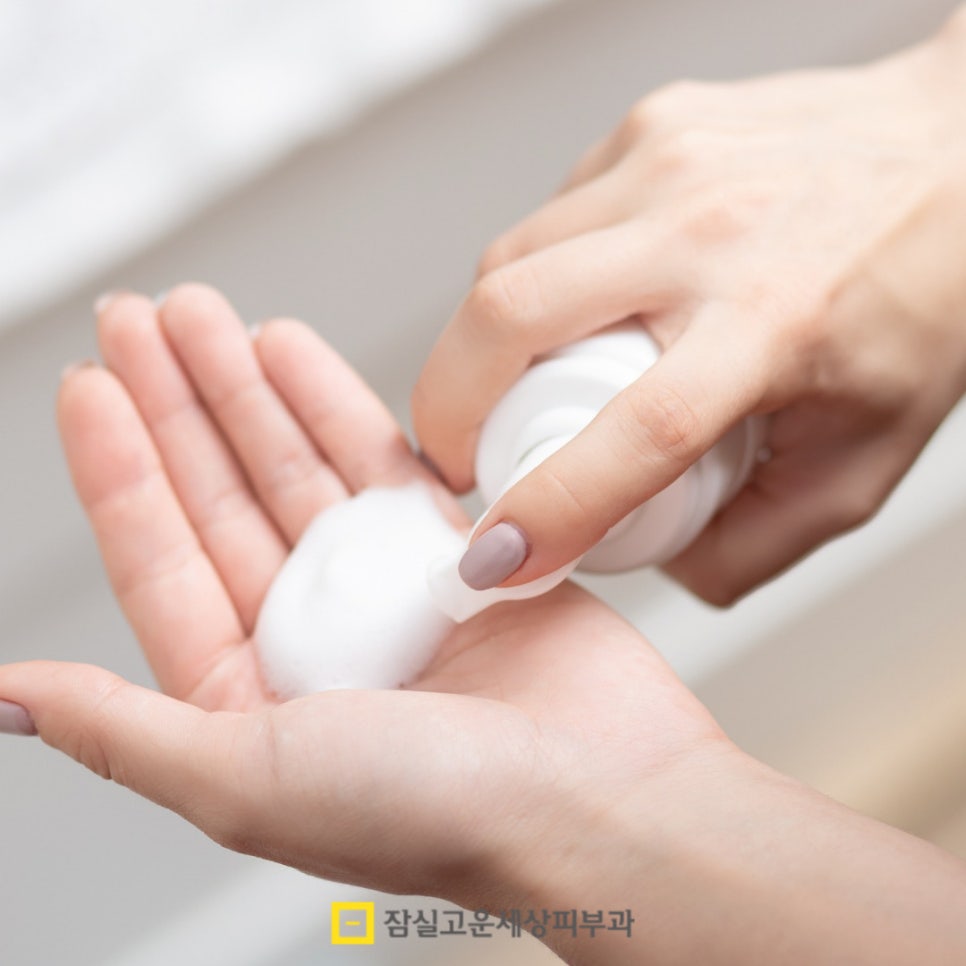
- Reconsider your cleanser first
When the skin barrier is weakened, irritating products can actually make symptoms worse.
Avoid cleansers with strong surfactants or artificial fragrances, and choose a mildly acidic, fragrance-free cleanser made for sensitive skin. When washing your face, use lukewarm water that is not too hot and gently rinse away impurities to minimize irritation.
- Moisturizing is an essential step
Even oily skin needs moisture. If the skin becomes dry, it will try to produce even more sebum, so lack of hydration can lead to excess oil production. Oily skin should use a lightweight, refreshing oil-free gel-type moisturizer, while dry skin should use a cream-type moisturizer that can replenish both water and oil, selected according to skin type.
- Keep masks under 20 minutes—too much can be harmful
Sheet masks are effective for soothing the skin and supplying moisture, but using them every day or leaving them on for more than 20 minutes can disrupt the balance of oil and moisture.
Especially if you have sensitive skin or a weakened skin barrier, it is safest to use them about 2 to 3 times a week for around 15 to 20 minutes. Please remember that excessive use can actually make the skin drier.
- Change what you eat, and your skin can change too.
If you are dealing with seborrheic dermatitis or sebum-related breakouts, you need to review your diet. Reduce greasy and irritating foods, dairy products, and instant foods, and switch to a diet centered on vegetables and fruits rich in antioxidants such as vitamins A, C, and E.
Drinking enough water—about 1.5 to 2 liters a day—is also essential for skin detoxification and maintaining hydration.
- Sleep and stress show up on your skin directly.
The time when skin regeneration is most active is between 10 p.m. and 2 a.m. If you do not get proper sleep during this period, skin recovery slows down, and immune function also declines, which can worsen breakouts.
Maintaining a regular sleep pattern and creating mental breathing room through meditation, light walks, or hobbies that help reduce stress can also be very helpful for skin health.
‘These habits you repeat without thinking
are poison to your skin.’
[Everyday mistakes that worsen seborrheic dermatitis]
- The habit of going to bed without washing your face
Dust, sebum, fine particles, and makeup residue that accumulate on the skin throughout the day are major causes of clogged pores and inflammation. Falling asleep in this state can worsen skin problems and intensify seborrheic dermatitis symptoms.
Even if you are tired, you need the habit of gently cleansing your face before bed.
- Using oil-based cosmetics indiscriminately
Using oil products without restraint because you are worried about dryness can be harmful for seborrheic dermatitis.
In particular, applying oils on top of skin in hot and humid weather or on skin that produces a lot of sebum can clog pores and trigger breakouts. It is important to choose lightweight products that suit your skin type.
- Leaving dry skin untreated
When the skin becomes dry, flakes appear and the skin barrier weakens, leaving it more exposed to external irritants.
As a result, itching and inflammatory reactions can become more severe, and seborrheic dermatitis symptoms may worsen. Regardless of skin type, moisture supply is essential, and consistently using a moisturizer helps relieve symptoms.
- Overusing cosmetics
Using multiple functional products at once can instead place excessive strain on the skin.
Especially when you have seborrheic dermatitis, because the skin barrier is damaged, clashes between cosmetic ingredients or frequent product changes can trigger breakouts.
Using products that suit your skin well in a simple routine is more effective than applying a lot.
- Neglecting smartphone hygiene
A smartphone, one of the items your hands touch most often, surprisingly carries a lot of bacteria.
It often comes into direct contact with the skin on your face when you answer calls, and bacteria on the phone surface can transfer to the skin and cause breakouts.
It is a good idea to wipe it with disinfecting tissues once or twice a day.

In the end, your lifestyle is your skin.
Problems including seborrheic dermatitis cannot be fully addressed with short-term care alone. What habits you repeat every day will determine your skin’s future.
No matter how good the treatment is, if your cleansing is wrong or stress keeps building up, breakouts will quickly return.
That is why what matters is not losing your direction, but setting a routine that suits your skin and faithfully following it.
If you cleansed a little more gently today, remembered your moisturizer, and drank one more glass of water, your skin has already remembered that effort.
Changes come slowly, but habits that are built honestly will surely return to your skin.
🧡How to get to Jamsil Go운세상 Dermatology🧡
🧡Jamsil Go운세상 Dermatology Treatment Information🧡

🧡Jamsil Go운세상 Dermatology Website🧡
This post is provided by Jamsil Go운세상 Dermatology for the purpose of providing medical information in accordance with Article 56, Paragraph 1 of the Medical Service Act. All procedures/surgeries carry the risk of side effects such as bleeding, infection, and nerve damage, so please proceed carefully after 충분히 consulting with medical professionals.