Skin conditions,
are not just simple breakouts.
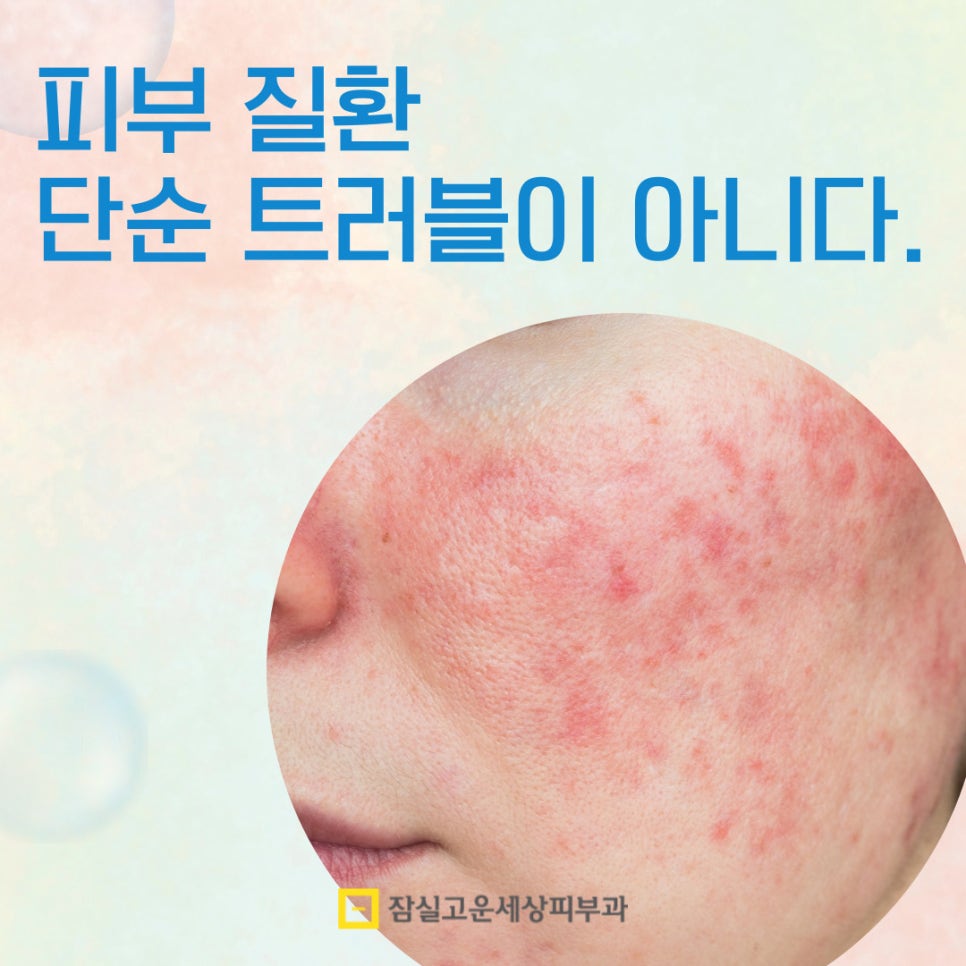
Itching, redness, stinging... these are skin problems
you may have experienced at least once in daily life.
Many people let them slide lightly, thinking they will
just pass. But did you know that repeated skin
breakouts like this may not be a simple temporary
reaction, but a sign of a skin condition?
In particular, the skin is the largest organ in the human
body and is exposed to external irritation the most,
so various conditions can easily appear.
If you know how different skin conditions develop,
what their symptoms are, and how to manage them,
you can detect and treat problems early.
Today, we will take a close look at the types of
typical skin conditions we often encounter, their causes,
and how to manage them in daily life. If you have basic
knowledge before going to the hospital, it becomes much
more possible to have a more accurate consultation,
so this article will be an important guide for your skin
health.
- Types and symptoms of skin conditions,
12 things good to know
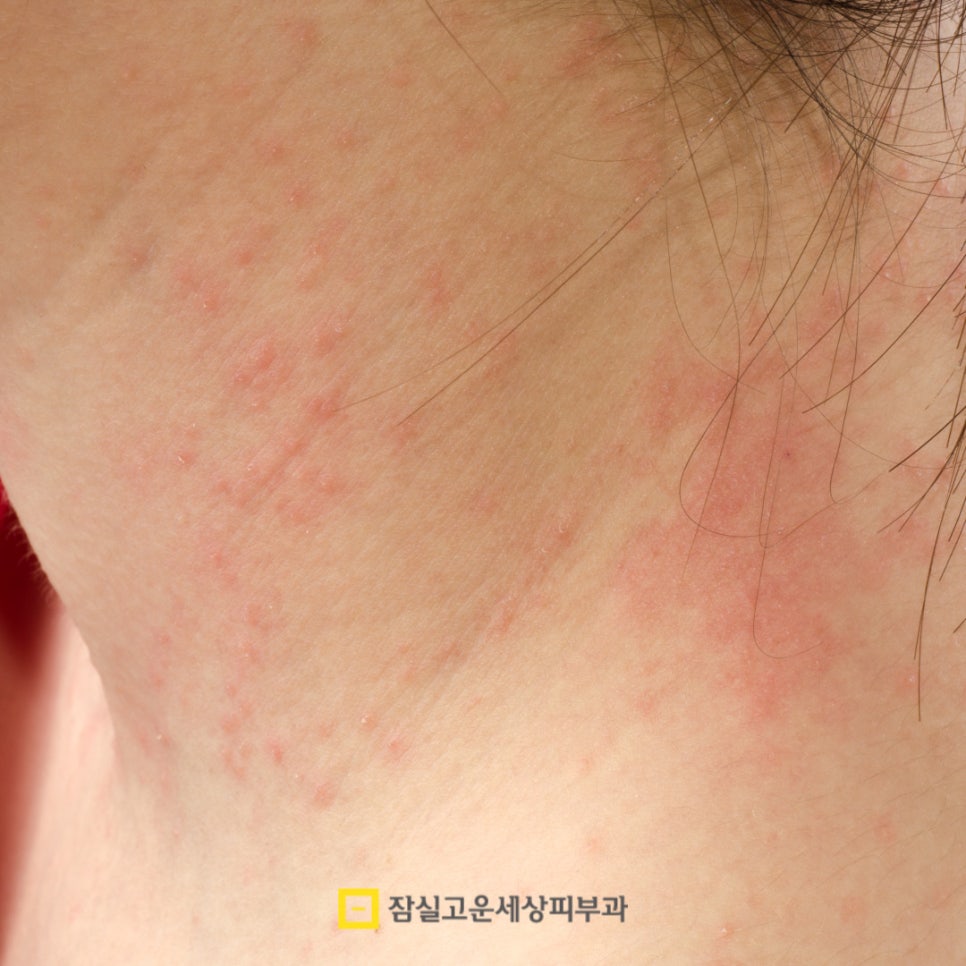
Skin conditions can be divided into several categories
depending on their causes and symptoms. Here, we will
focus on representative conditions that are common in
daily life.
- Atopic dermatitis
Atopic dermatitis is a chronic inflammatory skin
condition caused by a combination of genetic predisposition
and environmental factors. The skin becomes severely dry
and is accompanied by itching, with symptoms often
becoming worse at night. Because the skin barrier is weak,
it reacts sensitively to external irritation, and symptoms
may worsen when exposed to allergens, so consistent
moisturizing and allergy management are essential.
- Contact dermatitis
This is a condition in which an inflammatory reaction
appears on the skin due to contact with specific substances
such as metals, cosmetics, or detergents.
The contact area becomes red and itchy, and in severe
cases blisters may form. It is divided into allergic or
irritant reactions, and accurately identifying and avoiding
the causative substance is the most important prevention
and treatment method.
- Seborrheic dermatitis
Seborrheic dermatitis mainly appears on the scalp,
around the nose, behind the ears, and on the forehead,
where sebum secretion is high.
Oily scales or flakes form on red patches, and symptoms
may worsen with stress or seasonal changes. It is a
chronic condition that recurs often, and symptom relief
is possible only when medication is combined with good
hygiene.
- Psoriasis
Psoriasis occurs when an abnormality in the immune
system causes skin cells to multiply abnormally quickly.
It is characterized by red patches on the skin with layers
of silvery-white scales (keratin) building up on top, and
it mainly occurs on areas such as the elbows, knees,
and scalp. It is a chronic condition that is easy to recur,
and consistent treatment such as phototherapy or
immunomodulators is needed.
- Folliculitis
Folliculitis is a condition in which bacteria or fungi infect
hair follicles, causing inflammation.
It may look like tiny acne bumps, but because the cause
is a bacterial infection, hygiene management is important.
It often occurs, especially when a razor is used or when
sweat after exercise is not properly washed off, and
antibiotic treatment may be necessary.
- Shingles
This is a condition in which the chickenpox virus remains
dormant in the body and is reactivated when immunity
declines.
Blisters spread in a band-like pattern along one nerve
and are accompanied by severe pain. Starting antiviral
treatment early is very important for the prognosis, and
if treatment is delayed, aftereffects such as neuralgia may
remain.
- Ringworm (athlete’s foot)
A skin condition caused by a fungal infection, it occurs
easily in humid environments.
When it appears on the feet, it is called tinea pedis
(athlete’s foot), and when it appears on the body trunk,
it is called tinea corporis; itching and peeling skin are the
main symptoms. Treatment with antifungal medication is
common, and maintaining cleanliness and a dry
environment helps prevent recurrence.
- Warts
They occur due to infection with human papillomavirus
(HPV), and small, hard bumps form on the skin.
They can appear on various areas such as the hands,
feet, and face, and because they are contagious, early
treatment is important. Procedures such as cryotherapy
and laser removal may be needed, and managing immunity
alongside treatment can reduce recurrence.
- Hives
This condition is characterized by sudden wheals
(swollen rashes) and itching on the skin.
Food, medication, temperature changes, stress, and many
other factors can be causes, and although most cases
disappear within a few hours, repeated episodes can
progress to chronic hives. Identifying the cause is
important along with antihistamine treatment.
- Dyshidrotic eczema
A skin condition in which small blisters gather on the palms,
soles, and sides of the fingers, causing severe itching.
It is related to sweat, stress, allergies, and more, and because
it recurs often, continuous management is needed.
Symptoms are controlled with steroid ointment and
moisturizers.
- Erythematous lupus
A type of autoimmune disease, it is characterized by a
butterfly-shaped rash appearing on the face.
It can affect not only the skin but also the whole body,
including the joints and kidneys, so early diagnosis and
specialized treatment are very important.
You must thoroughly avoid ultraviolet exposure, and
long-term immune-regulating treatment may be needed.
- Melasma and freckles
These are pigmentary conditions in which ultraviolet
exposure causes excessive melanin production and brown
spots appear on the face. Melasma is characterized by
broad, blurred borders, while freckles are small, distinct
spots; sunscreen is essential for prevention and
improvement. In some cases, whitening agents and laser
treatment may be combined.
The skin is a barometer of health.
Because symptoms of each condition appear externally,
they are easy to misunderstand, but their underlying
causes are different. Rather than dismissing them as
simple breakouts, if you have any symptoms that match
those above, getting specialized consultation early is the
first step in protecting your skin health.
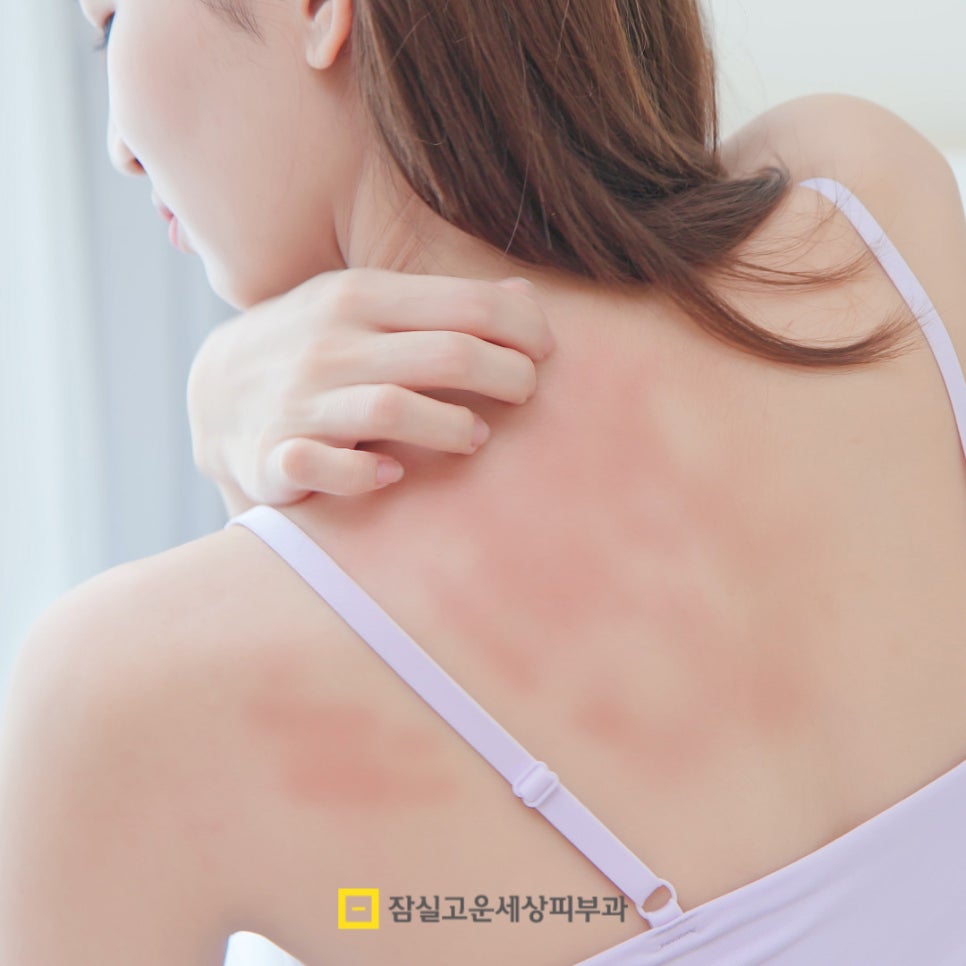
- Why do skin conditions happen?
5 key causes you need to know
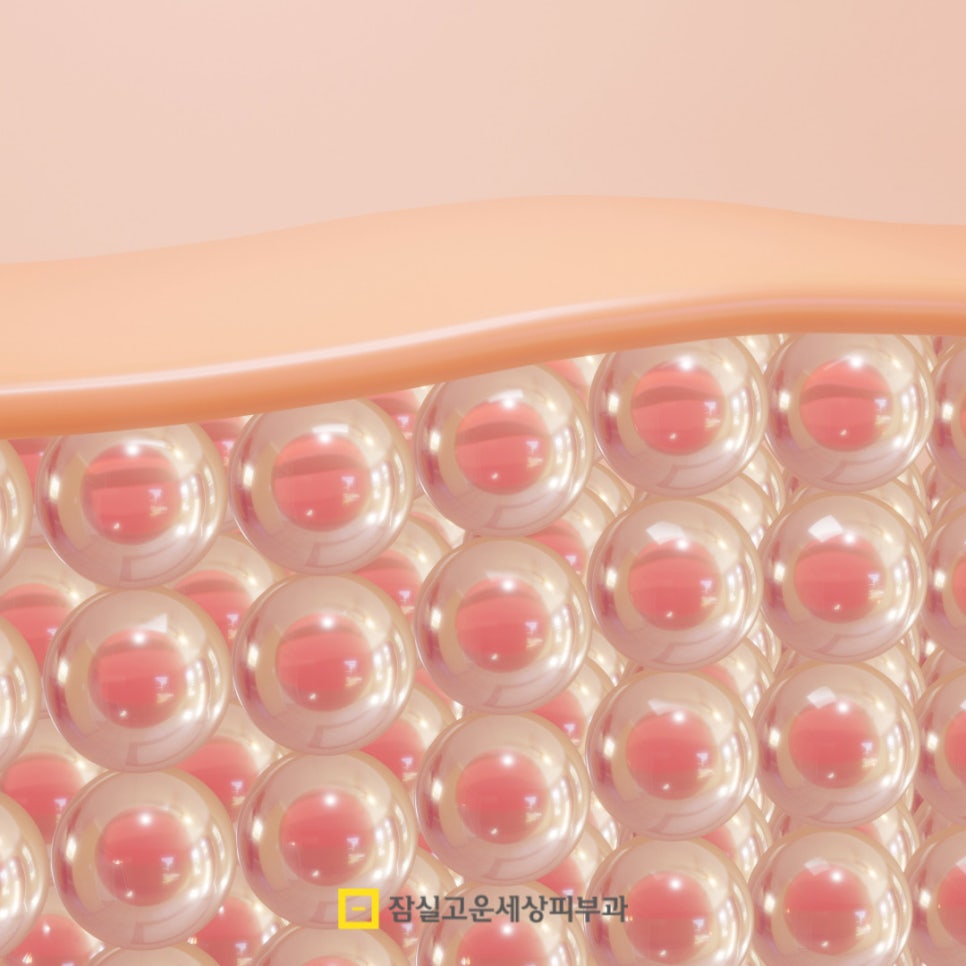
- Genetic predisposition
Some skin conditions become more likely to develop due to
family history. In particular, if a parent or sibling has a
similar condition such as atopic dermatitis or psoriasis,
the genetic tendency may be passed on to children.
In such cases, early management is important because
they react more sensitively to environmental changes.
- Environmental factors
There are many substances around us that can irritate the
skin. Various external substances such as pollen, dust
mites, fine dust, detergents, metals, and chemical products
can cause inflammatory reactions in the skin.
Especially for people with an allergic constitution,
repeated exposure to these irritants can worsen symptoms.
- Immune system abnormalities
The skin is an organ closely connected to the immune
system.
Autoimmune diseases, such as erythematous lupus and
psoriasis, occur when the immune system mistakes normal
skin cells for "foreign invaders" and attacks them,
causing inflammation and skin lesions. Such immune
abnormalities are difficult to treat in the short term and
often require long-term management.
- Stress and lifestyle habits
Mental and physical stress are representative factors that
worsen skin conditions. Excessive work, lack of sleep,
irregular meals, drinking, and smoking all lower the skin's
immunity, making the skin react more easily to external
irritation. In particular, chronic stress can disrupt hormonal
balance and repeatedly trigger breakouts.
- Damage to the skin barrier
The skin acts as a kind of "shield" that protects our body
from the outside. However, this protective barrier can be
easily damaged by washing the face too often, showering
with hot water, or repeatedly doing harsh exfoliation.
As a result, the skin loses moisture easily and becomes
sensitive to external irritation, making it more vulnerable
to various skin conditions.
Skin conditions occur through a complex combination of
these various factors. Rather than treating only the
symptoms visible on the surface, it is most important to
first identify the "causes" affecting your skin and improve
them through your lifestyle.
- The key to managing skin conditions:
Start by changing your lifestyle
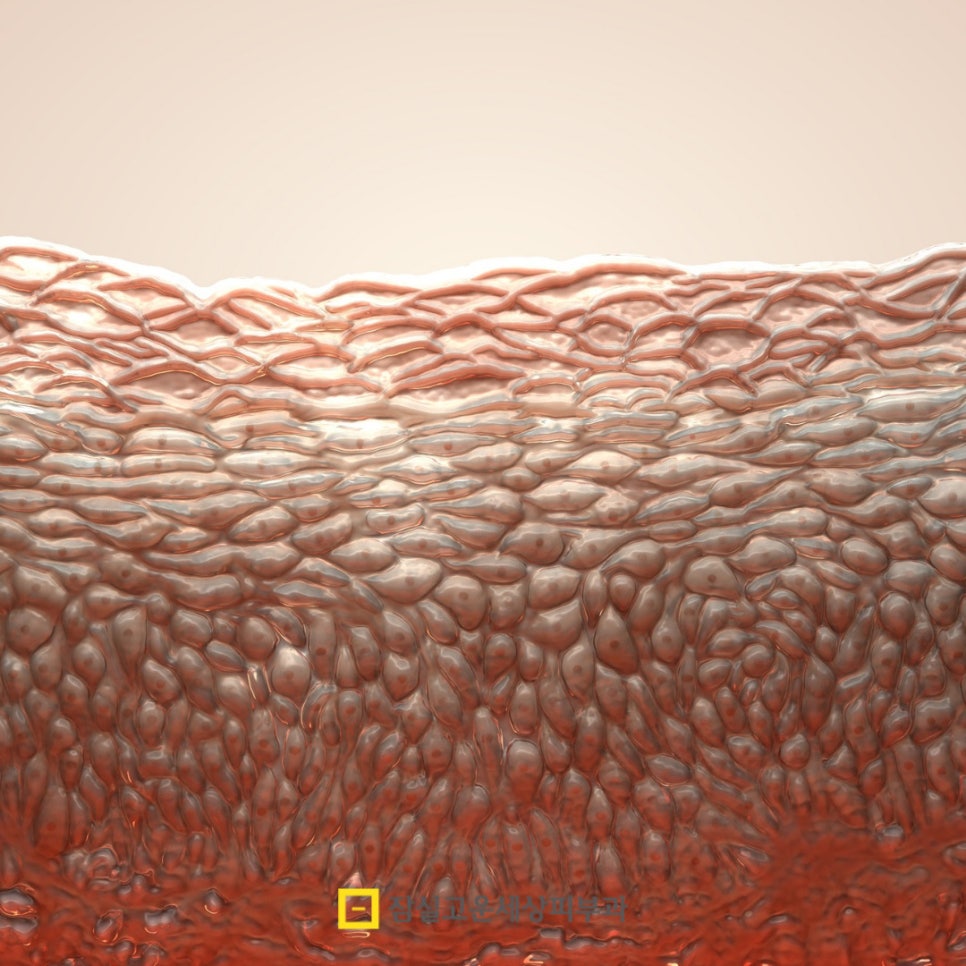
The skin is a delicate organ that reacts sensitively to
external irritation. Especially if you have a skin condition,
adjusting daily habits is just as important as simple
treatment. Below are management methods you must
follow to recover and maintain skin health.
- Moisturizing is the most basic essential
To keep the skin barrier strong, maintaining moisture is
the key. It is good to apply moisturizer immediately after
a shower, and to reapply it whenever your skin feels tight
or dry during the day.
Moisturizing not only helps prevent itching and worsening
inflammation, but also helps the skin become more
resistant to external irritation.
- Minimize skin irritation as much as possible
Showering with hot water, scrubbing hard, or washing your
face excessively several times a day damages the skin
barrier. In addition, tight clothing that fits closely to the
skin may cause inflammation due to friction, so it is better
to avoid it. For sensitive skin, reducing irritation and using
gentle products is advisable.
- Maintain a clean living environment
Mites, mold, and dust are major environmental factors that
can cause or worsen skin conditions.
Bedding and towels should be washed frequently, indoor
humidity should be properly controlled, and air purification
should also be taken care of. In particular, if you have
atopic dermatitis or allergic dermatitis, managing the
indoor environment is essential.
- Sunscreen is the foundation of skin protection
Ultraviolet rays not only cause pigmentation on the skin
but can also lower immune function and worsen various
skin conditions. It is good to use sunscreen that can block
UVA both outdoors and indoors. Be sure to apply it 30
minutes before going out, and make a habit of reapplying
it every 2 to 3 hours when you are out for a long time.
- Maintain a healthy diet and 충분한 sleep
Greasy foods, processed foods, and meals high in sugar
can trigger inflammatory responses and increase sebum
production. On the other hand, fresh vegetables and fruits
increase the skin's antioxidant function, and you should
also drink enough water so the skin does not become dry.
Also, 10 p.m. to 2 a.m. is the time when skin regeneration
is most active, so getting deep sleep during this period is
very important.
- Find ways to manage stress
Stress lowers skin immunity and triggers inflammatory
responses, worsening skin conditions.
Try stress-relief methods that suit you, such as meditation,
yoga, walking, or listening to music.
Mental health directly affects the skin condition and is also
very helpful for long-term skin recovery.
Treatment for skin conditions does not end simply with a
prescription at the hospital; it is a comprehensive process
of care made up of small habits in daily life.
If you consistently moisturize, minimize irritation, and
maintain a clean environment and healthy lifestyle pattern,
your skin will gradually regain a healthy balance.

"The skin is a mirror of the body and mind."
Healthy changes created by consistency
Skin conditions are by no means problems limited to the
skin.
They are comprehensive health signals that reflect the
state of our immune system, lifestyle habits, and even
psychological condition. Even if it is a small breakout, if it
repeats, it may be a sign of a condition rather than a
simple symptom, so do not ignore it and it is important to
visit a dermatologist for an accurate diagnosis.
And above all, what you should remember is that the skin
faithfully reflects daily habits.
The proper care routine built up day by day eventually
becomes the most powerful weapon for protecting skin
health. If your skin is struggling right now, please take
care of it a little more carefully starting today.
The skin definitely responds to consistency.
Thank you.
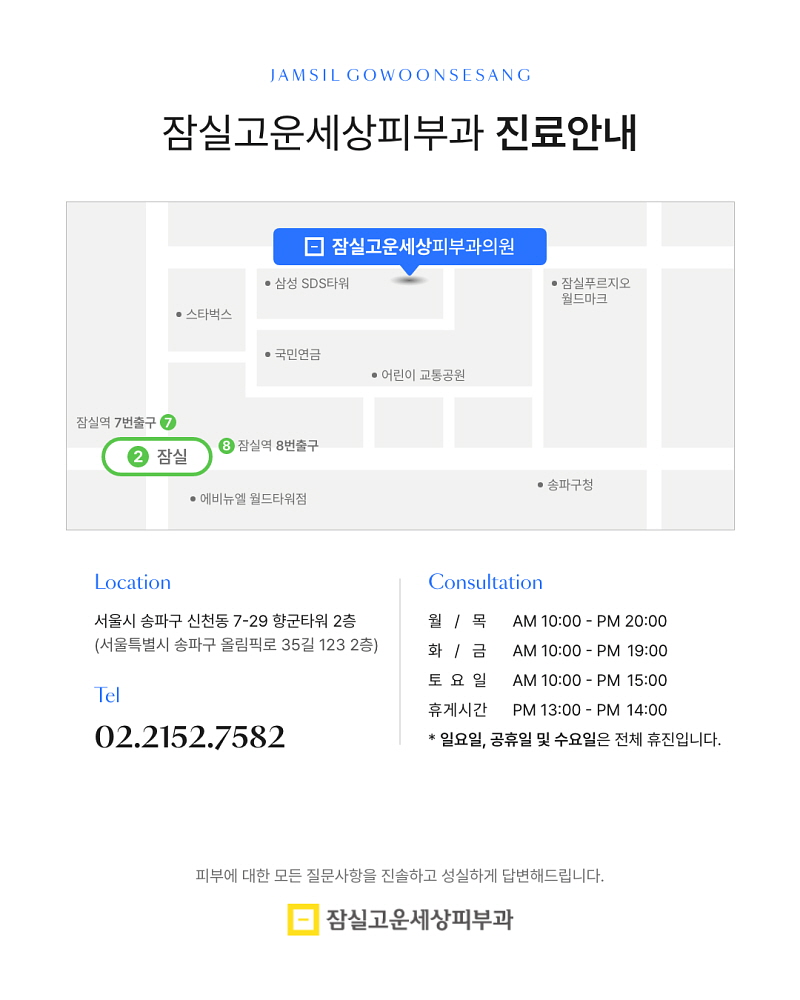
💛How to get to Jamsil Gounsesang Dermatology💛
💛Jamsil Gounsesang Dermatology consultation guide💛
💛Jamsil Gounsesang Dermatology homepage💛
This article is provided by Jamsil Gounsesang Dermatology
for the provision of medical information in accordance
with Article 56, Paragraph 1 of the Medical Advertising
Act. Since all procedures/surgeries carry the risk of side
effects such as bleeding, infection, and nerve damage,
please proceed carefully after sufficient consultation with
medical staff.