Keratosis pilaris,
It is not just a simple case of “chicken skin”!
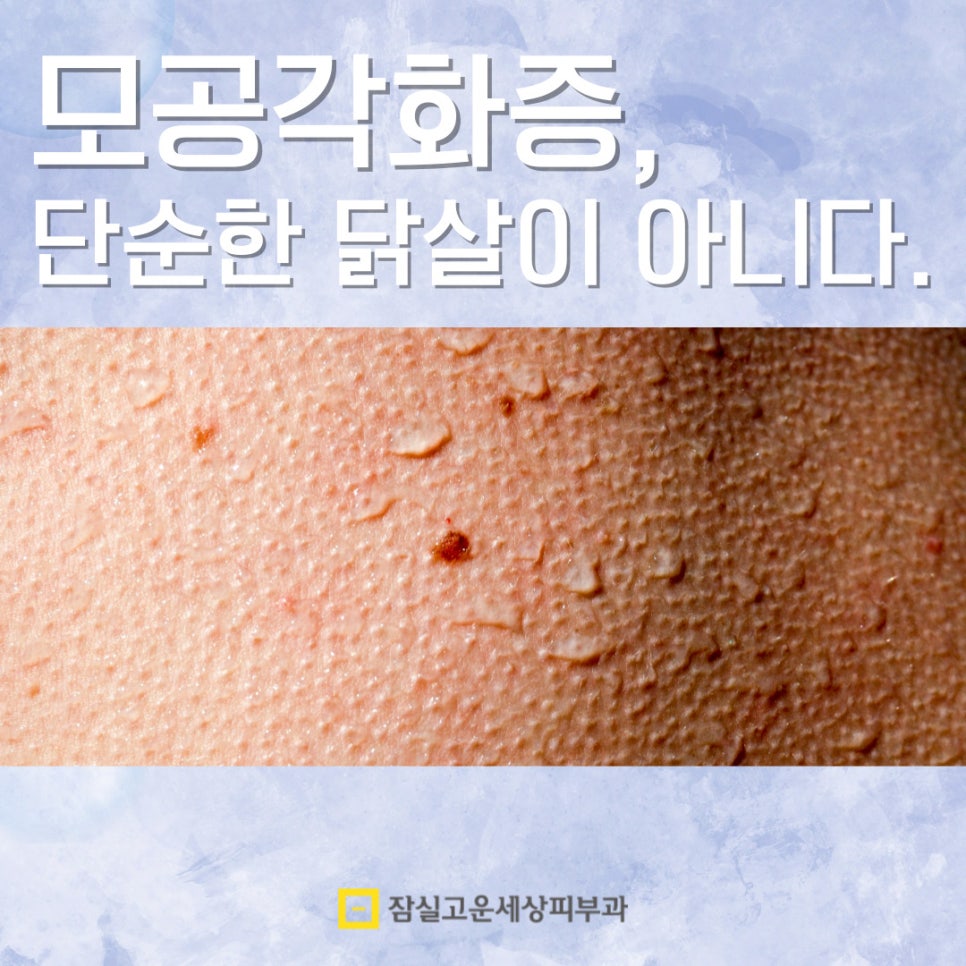
Hello.
This is Jamshil Gounsesang Dermatology Clinic!
Sometimes the skin on the inner arms, thighs, or buttocks feels especially rough
and bumpy.
Outwardly, it often looks like “chicken skin,” so many people simply
overlook it. But in fact, this may not be just a skin texture issue;
it could be a skin condition called keratosis pilaris.
Even if it does not itch or hurt, the rough texture and uneven skin surface
can still be stressful. It can feel even more noticeable as summer approaches
and it becomes time to wear shorter clothes.
Keratosis pilaris may improve over time even without special treatment, but
without systematic care, it can become more noticeable and worsen instead.
In this post, we will look at the causes and symptoms of keratosis pilaris,
the differences from other skin concerns, and effective care methods
and everyday precautions, one by one. Rough and dull-looking skin may, when
you understand it better, turn out to be a manageable issue.
What is keratosis pilaris?
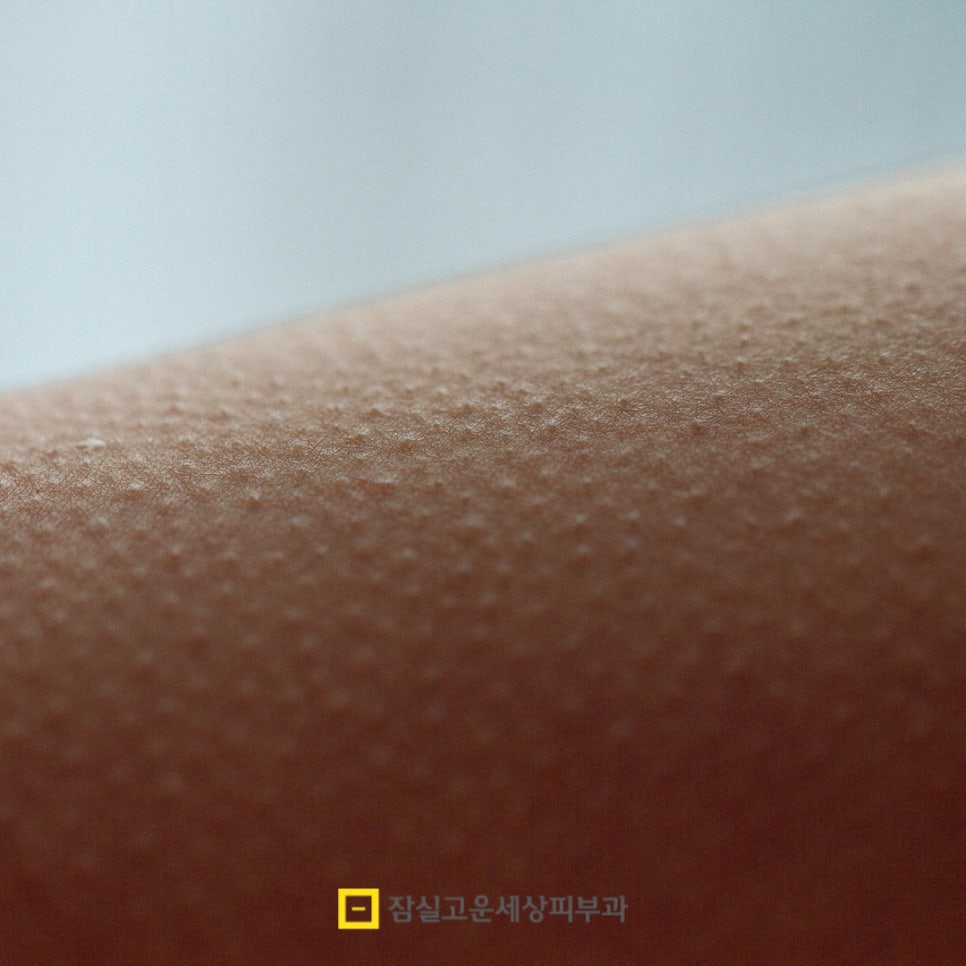
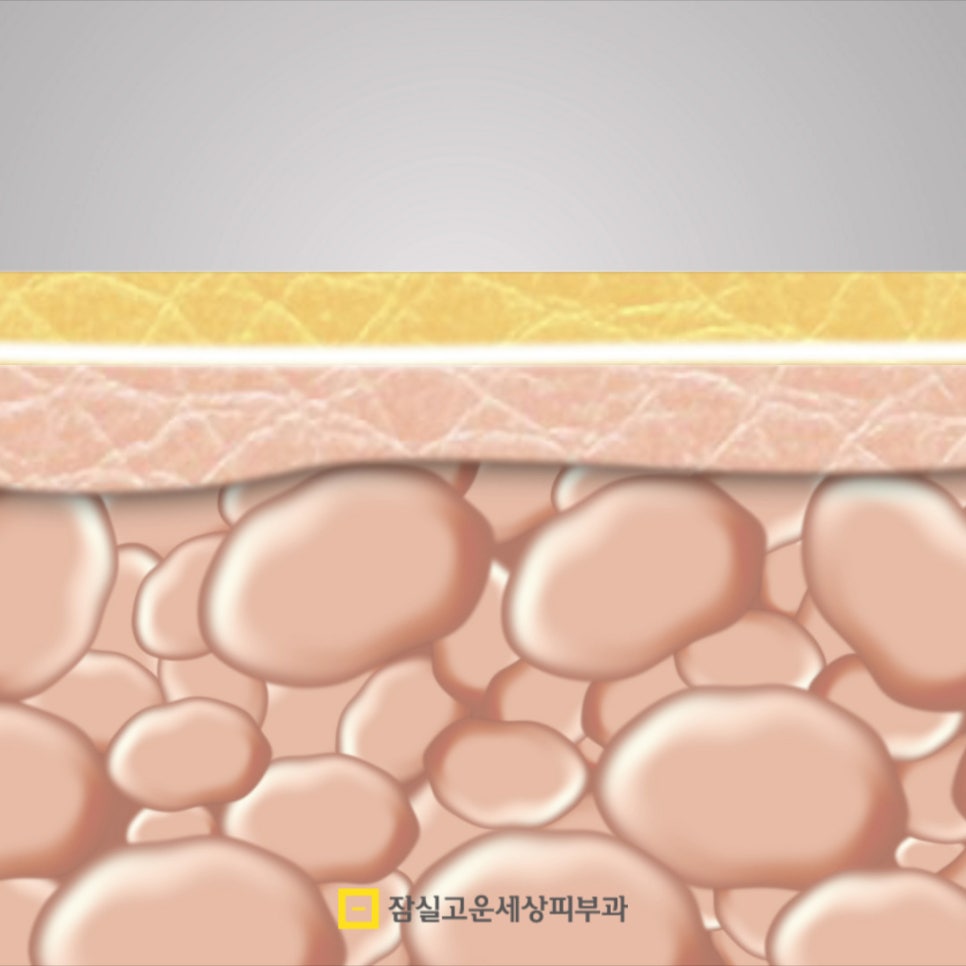
Keratosis pilaris is a condition in which hyperkeratosis occurs around the pores,
causing keratin to build up and making the skin surface feel bumpy.
Keratin normally plays an important role in protecting the skin, but when keratin
cells are produced in excess or do not shed properly, they can clog pores
and make the skin surface rough.
It usually appears on the outer upper arms, backs of the thighs, and buttocks,
and sometimes on the face or back as well. It is more common in people with dry skin
or atopic dermatitis. On lighter skin, it may look like red bumps, while on darker skin
it may look like brown pimples.
Why does it happen? The influence of genetics and skin type
Keratosis pilaris is a skin condition that is largely influenced by genetics. If
someone in the family has the same symptoms, the likelihood of developing it increases.
In fact, it is known that if one parent has the condition, the chance of it appearing in
the child is higher.
Skin type also has an effect.
People with dry skin, or during seasons with low humidity such as winter,
tend to experience worse symptoms. This is because the skin’s ability to retain moisture
decreases, leading to excessive buildup of keratin.
It is also known to be associated with atopic dermatitis, asthma, and an allergic tendency.
How do the symptoms appear?
Keratosis pilaris is characterized by little to no pain or itching. In most cases, the skin
feels rough and small bumps appear in a regular pattern. The skin may look bumpy like
chicken skin, and sometimes it is red or brown; in more severe cases, scratch marks or
pigmentation may appear.
It often occurs in areas with less sebum production and more friction, such as the upper
arms and inner thighs. Although it may look like pimples, it is a completely different
condition from inflammatory acne. It is easy to confuse it with tiny acne, but if it feels
firmer to the touch and the overall skin texture feels rough, it is more likely to be keratosis pilaris.
 How should it be managed?
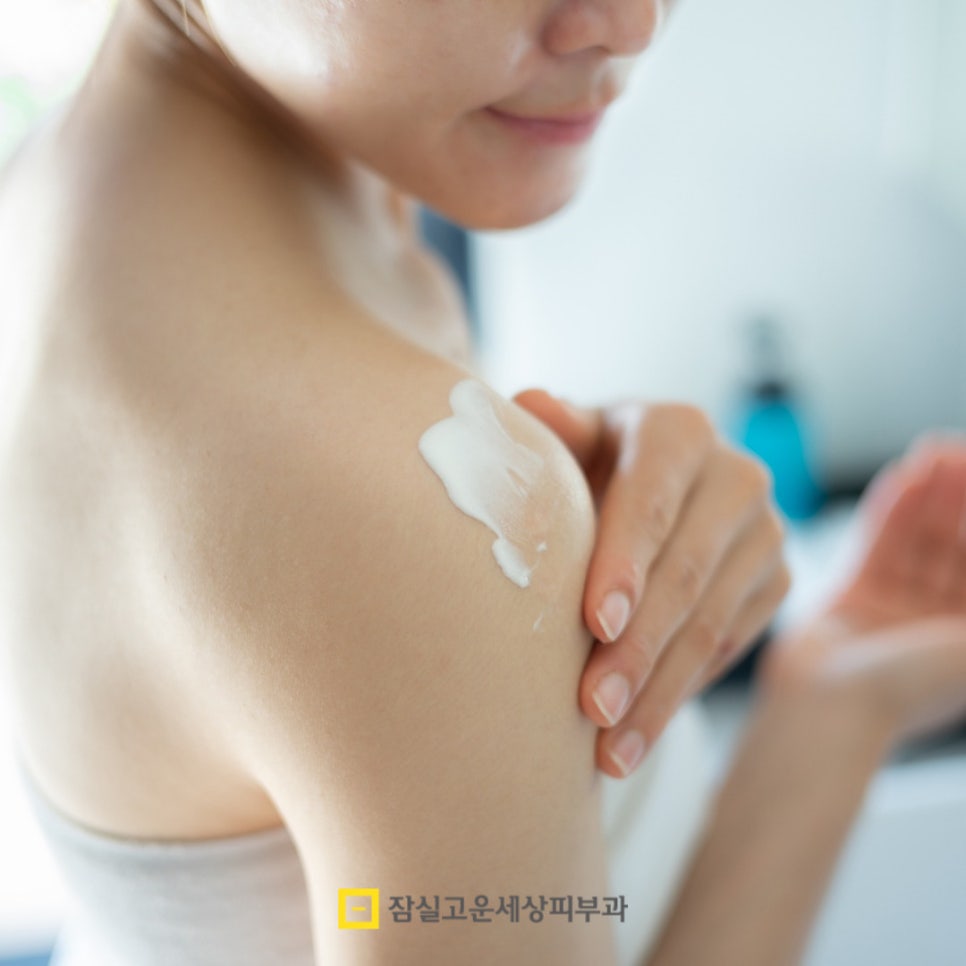
Keratosis pilaris cannot be completely eliminated, but it can be sufficiently
alleviated with consistent moisturizing and exfoliation care. The most important thing is
to moisturize thoroughly. Applying moisturizer before the skin dries after showering,
and especially using highly moisturizing products containing ingredients such as urea,
ceramides, glycerin, and shea butter, can help.
Also, rather than aggressively scraping off dead skin, it is better to use products that
gently dissolve keratin with appropriate chemical exfoliating ingredients (such as AHA,
LHA, and BHA). Using them about 2 to 3 times a week may help improve skin texture.
However, harsh scrubs or exfoliating washcloths should be avoided, as they can damage the
skin and worsen symptoms instead.
When the skin becomes sensitive, it is also important to care for it with lotions or creams
that contain soothing ingredients.
 When is hospital treatment needed?
Most cases of keratosis pilaris can be managed with a home skincare routine, but if the
symptoms are severe or pigmentation is noticeable, dermatology treatment may be worth
considering. In particular, laser toning, prescription retinoid creams, and glycolic acid
peels can help improve the keratin buildup and pigmentation around the pores.
If itching or inflammation is present, short-term use of steroid ointment may also be an option.
However, long-term use may cause side effects, so it is best to receive a diagnosis and
prescription from a specialist.
 Start by understanding your skin type!
Keratosis pilaris may look like a simple skin condition, but it is actually a complex issue
influenced by skin moisture levels, genetic factors, and even lifestyle habits.
In some cases it improves naturally over time, but it often remains into adulthood,
so consistent care is necessary.
If you want to make rough skin texture smoother, instead of short-term irritating methods,
start with daily care that strengthens the skin barrier and restores the balance of moisture
and oil. Skin responds honestly to change, even if it takes time.
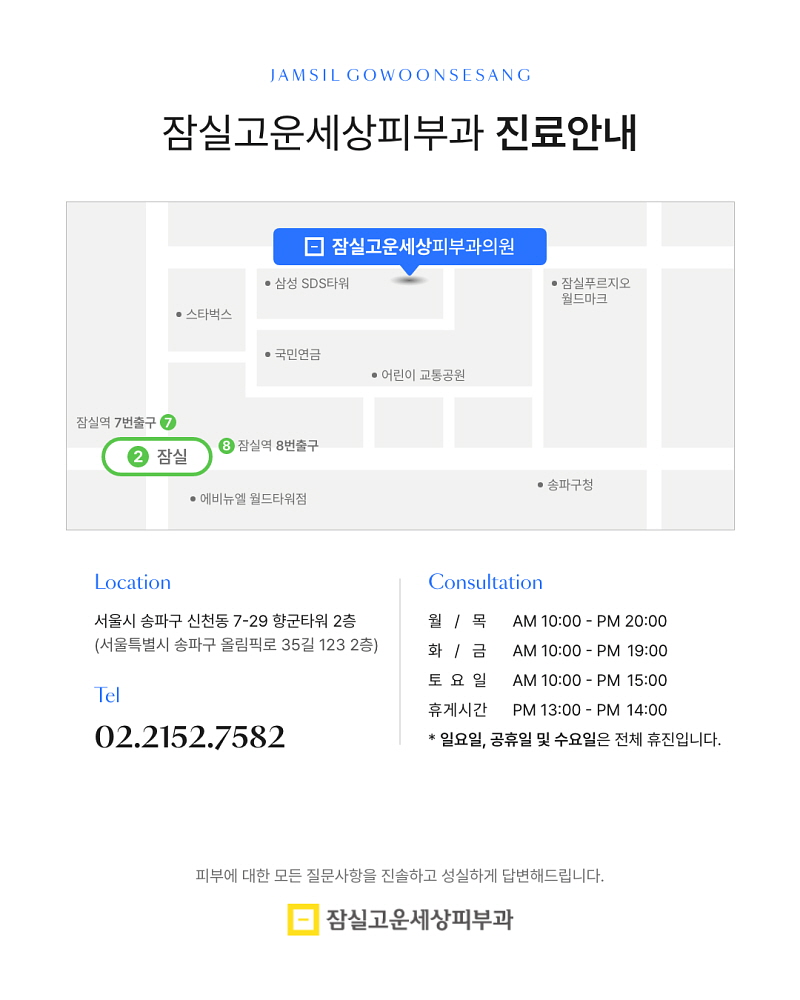
🧡How to find Jamshil Gounsesang Dermatology Clinic🧡
🧡Jamshil Gounsesang Dermatology Clinic treatment information🧡
🧡Jamshil Gounsesang Dermatology Clinic website🧡
This article was provided by Jamshil Gounsesang Dermatology Clinic for the purpose of providing medical information in accordance with Article 56, Paragraph 1 of the Medical Advertising Act. All procedures/surgeries carry the risk of side effects such as bleeding, infection, and nerve damage, so please proceed carefully after sufficient consultation with medical staff.