If you sweat unusually a lot,
could it be hyperhidrosis?
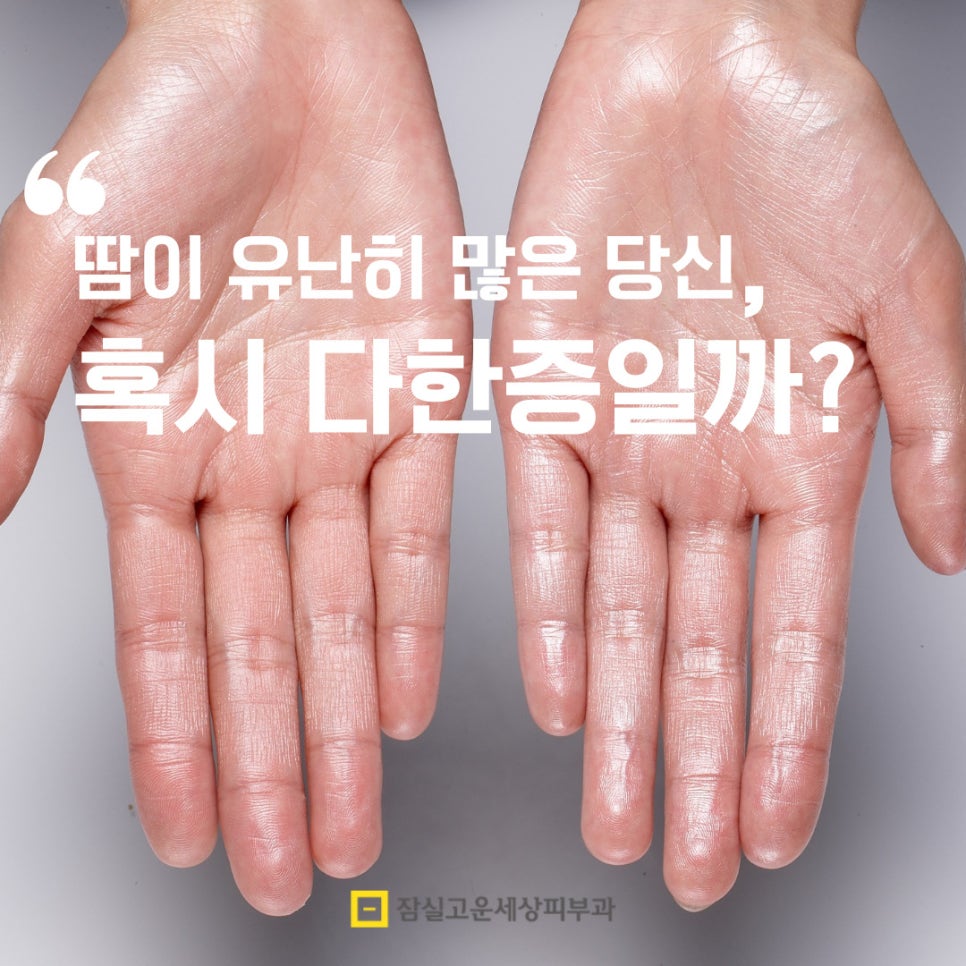
Hello. This is Jamsil Gounsesang Dermatology :)
When the weather gets warmer, there are people whose
palms or underarms sweat unusually heavily.
It is not just sweat from being hot or exercising.
If you have repeatedly had experiences like your answer sheet getting wet during an exam, or feeling embarrassed because your hands are slippery when shaking hands,
this may not simply be your body type, but a condition called ‘hyperhidrosis.’
Because hyperhidrosis is closely linked not only to discomfort caused by sweating, but also to psychological issues such as social avoidance, anxiety, and obsessive-compulsive symptoms, early and accurate management is important.
Today, we will organize the essential information you need to know about hyperhidrosis.
Why does hyperhidrosis occur?
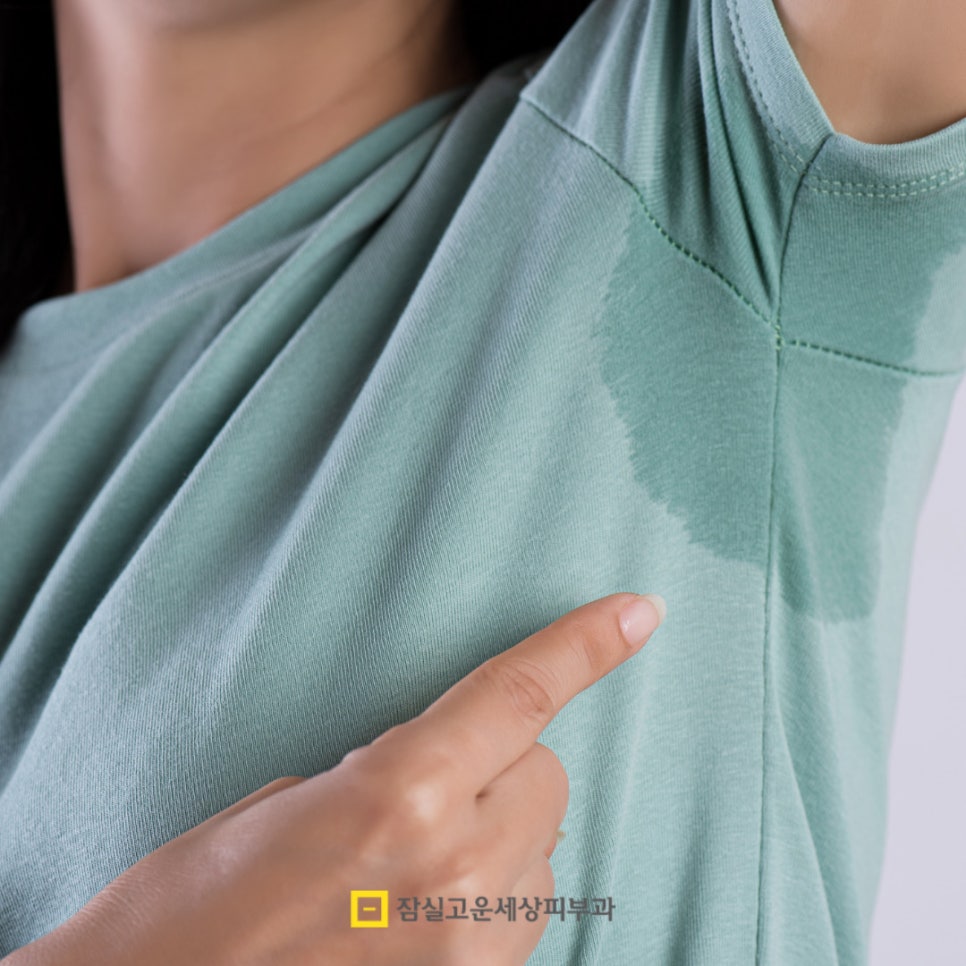
Hyperhidrosis is a condition in which the body repeatedly secretes more sweat than necessary.
When it appears without a clear cause, it is classified as ‘primary hyperhidrosis,’ and when it occurs due to a specific disease, it is classified as ‘secondary hyperhidrosis.’
Primary hyperhidrosis accounts for more than 90% of all patients with hyperhidrosis and usually affects localized areas such as the hands, feet, underarms, and face. It is known to occur mainly because the sympathetic nervous system becomes excessively stimulated or because central nervous system regulation does not work properly, and family history is also relatively common.
On the other hand, secondary hyperhidrosis is caused by various underlying conditions such as hyperthyroidism, diabetes, menopause, tuberculosis, and infectious diseases, and it usually presents as excessive sweating over the whole body. In such cases, treatment of the underlying disease should come first.
The impact of hyperhidrosis on daily life differs depending on the area affected.
When there is excessive sweating in the hands, it can be inconvenient when handling test papers, using a laptop keyboard, or shaking hands, and when there is excessive sweating in the underarms, clothes can get wet, making it hard not to worry about hygiene or appearance.
When the face sweats heavily, it directly affects appearance, so people often feel self-conscious in social situations. If the feet sweat heavily, wearing shoes can feel burdensome because of odor and discomfort.
These physical inconveniences eventually lead to emotional withdrawal, and if repeated, they can affect social life and relationships as well.
It often appears together with psychological issues.
Hyperhidrosis goes beyond the physiological symptom of simply ‘sweating a lot’ and is deeply connected to abnormalities in the autonomic nervous system. In particular, symptoms tend to worsen in tense or anxious situations, and obsessive behaviors such as repeatedly washing the hands or feet or wiping away sweat may accompany it.
These behaviors can develop into obsessive-compulsive disorder, social phobia, or social avoidance.
For example, when anxious thoughts repeat, such as “What if the other person feels uncomfortable seeing me sweat?” or “What if an awkward situation happens while shaking hands?”, people may avoid situations or avoid others altogether, creating another source of stress and leading to a vicious cycle that further worsens hyperhidrosis.
There are various treatment options available without surgery.
In most cases, hyperhidrosis is usually treated by starting with non-surgical treatment rather than surgery.
There are various treatment methods that can be applied depending on the location and severity of symptoms, as well as how much they interfere with daily life.
First, one of the simplest methods is topical antiperspirants. These are medications applied mainly to the hands, feet, and underarms, and they temporarily suppress sweat gland secretion. They contain ingredients such as aluminum chloride and are effective for mild localized hyperhidrosis.
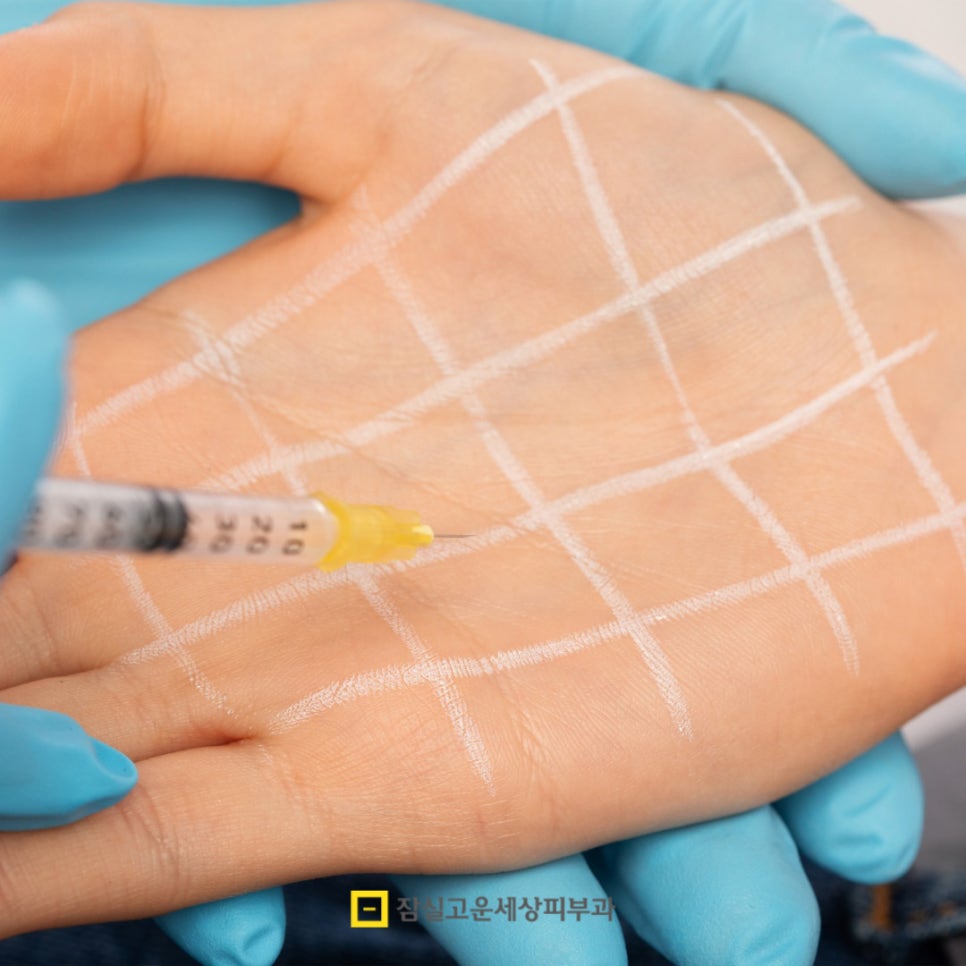
If the symptoms are more severe or need to be applied to a broader area, botulinum toxin (Botox) injections may be considered. This treatment works by blocking the nerve stimulation that goes to the sweat glands, thereby suppressing sweat production in the treated area. It is administered to the palms, soles, and underarms, and the effect usually lasts about 4 to 6 months after a single treatment.
For cases where there is persistent heavy sweating in the hands or feet, iontophoresis can also be used.
The principle is to suppress sweat gland activity by passing a weak electric current through the hands or feet while they are immersed in lukewarm water, and gradual improvement can be expected through repeated treatments 2 to 3 times a week.
In addition, there are oral treatments such as anticholinergic medications. These drugs have the effect of suppressing sweat secretion throughout the body, but they may cause side effects such as dry mouth, blurred vision, and difficulty urinating, so they must be taken only under the judgment of a specialist.
If these non-surgical treatments are not effective enough and daily life is severely disrupted by hyperhidrosis, surgical treatment may also be considered.
The most representative surgical method is endoscopic thoracic sympathectomy (ETS), which fundamentally suppresses sweat secretion by cutting or blocking the sympathetic nerves. However, because there is a risk of side effects such as compensatory hyperhidrosis, where sweating increases in other areas such as the back, thighs, and abdomen after surgery, sufficient consultation and careful judgment are absolutely necessary.
Hyperhidrosis treatment should not be approached simply as ‘reducing sweat,’ but in a way that improves quality of life and restores autonomic balance.
Before deciding whether surgery is needed, it is advisable to fully try the various treatment options.

Practicing healthy habits in daily life can greatly help relieve symptoms.
Although hyperhidrosis is a condition that is difficult to completely eliminate in a short time, even small efforts in daily life can greatly help reduce symptoms.
In particular, restoring autonomic balance and building habits that reduce tension can have a positive effect on controlling sweat secretion.
First, it is best to reduce stimulating foods such as spicy foods, caffeine, and alcohol as much as possible. Since these can stimulate the sympathetic nervous system and promote sweat secretion, they are factors that people with hyperhidrosis should avoid.
Instead, it is helpful to maintain a diet that is gentle on the stomach and rich in moisture.
Adequate sleep and regular exercise also play an important role in stabilizing the autonomic nervous system. In particular, between 10 p.m. and 2 a.m., hormones that help the body recover are actively secreted, so it is good to get deep sleep during this time. Light aerobic exercise has positive effects on both stress relief and autonomic regulation, so it is recommended to practice it consistently.
Relaxation techniques such as diaphragmatic breathing, meditation, and stretching are also effective in managing hyperhidrosis. These activities help reduce psychological tension and stabilize both the mind and body, helping to ease excessive sympathetic nervous system activity. In particular, if you apply them as a habit when you are tense or anxious, they can lead to a positive response in controlling sweat secretion.
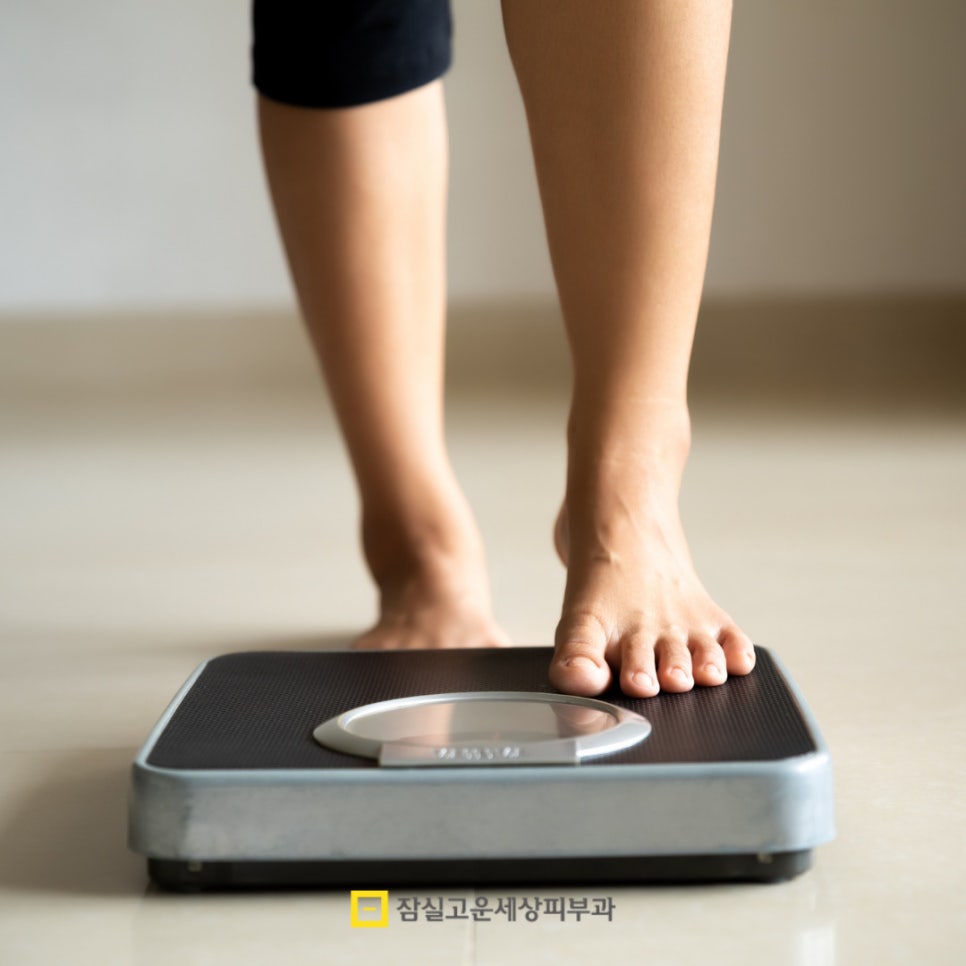
Weight management should not be overlooked either. Being overweight or obese can make it harder to regulate body temperature, and as a result, sweat secretion can become more active. Healthy eating habits and regular physical activity are beneficial not only for hyperhidrosis but also for overall health.
In addition, you should also pay attention to hygiene management, such as wearing breathable clothing and frequently washing and thoroughly drying areas that sweat heavily. Keeping the skin clean at all times can prevent the discomfort caused by sweat as well as secondary skin conditions.
Most importantly, do not hide hyperhidrosis or feel ashamed of it. Having a lot of sweat does not mean there is something wrong with you or that you are weak. Acknowledging it and seeking help from a specialist to carry out appropriate treatment and management is the healthiest response. Hyperhidrosis is a manageable condition, and it can be sufficiently improved through daily habits and treatment.

Having a lot of sweat may be a signal from your body.
Hyperhidrosis may not simply be a tendency to sweat a lot, but a condition in which overreactivity of the autonomic nervous system, emotional tension, and mental stress are intertwined.
Although it may seem minor on the surface, it can have a major impact on quality of life and emotional health, so it is important not to ignore it and to get help at the appropriate time.
Especially if hyperhidrosis is linked to anxiety, obsessive behaviors, or social avoidance, more effective results can be expected when psychological approaches are combined with physical treatment.
Do not endure the symptoms for too long.
The sweat your body is sending now may be a sign telling you about the tension and stress you have been carrying. With proper diagnosis and treatment, along with small daily habits, hyperhidrosis can be adequately controlled.
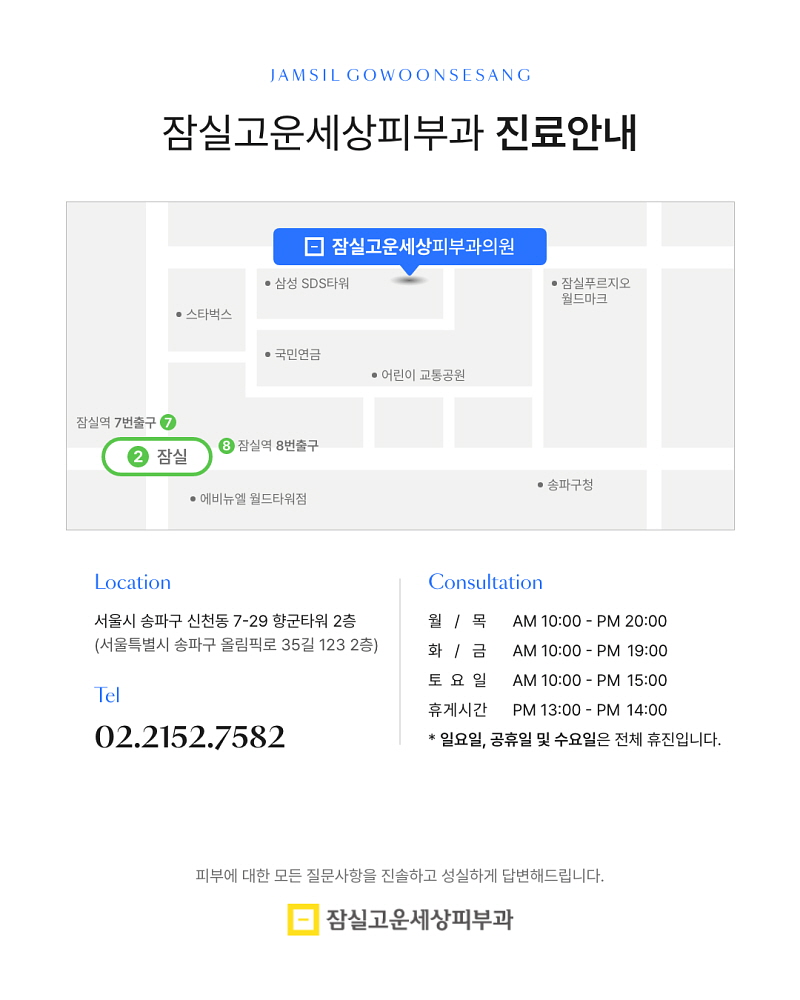
🌸Jamsil Gounsesang Dermatology Directions🌸
🌸Jamsil Gounsesang Dermatology Consultation Information🌸
🌸Jamsil Gounsesang Dermatology Homepage🌸
This article is provided by Jamsil Gounsesang Dermatology for the provision of medical information pursuant to Article 56, Paragraph 1 of the Medical Service Act, and all procedures/surgeries carry the risk of side effects such as bleeding, infection, and nerve damage, so please proceed carefully after sufficient consultation with medical staff.