Reducing irritation and protecting the skin barrier
is what matters now.

Hello, this is Jamsil Gounsesang Dermatology!
These days, with the weather being perfect for outdoor activities,
it is actually not the most welcoming season for your skin.
The large temperature difference between day and night, increasingly strong UV rays,
pollen, fine dust, and dry air...
It is a season when factors that can irritate the skin all come at once.
The skin barrier, which has weakened over the winter, can easily collapse
under these environmental changes, leading to dryness, breakouts,
and reduced elasticity.
At times like this, rather than irritating the skin recklessly or relying only on products,
it is more important than ever to understand the skin’s structure and condition
and follow a care routine suited to the season. Today, we will look step by step
at how to reduce skin concerns in this season and maintain the skin’s natural health.
Why does skin become sensitive
in spring and summer?
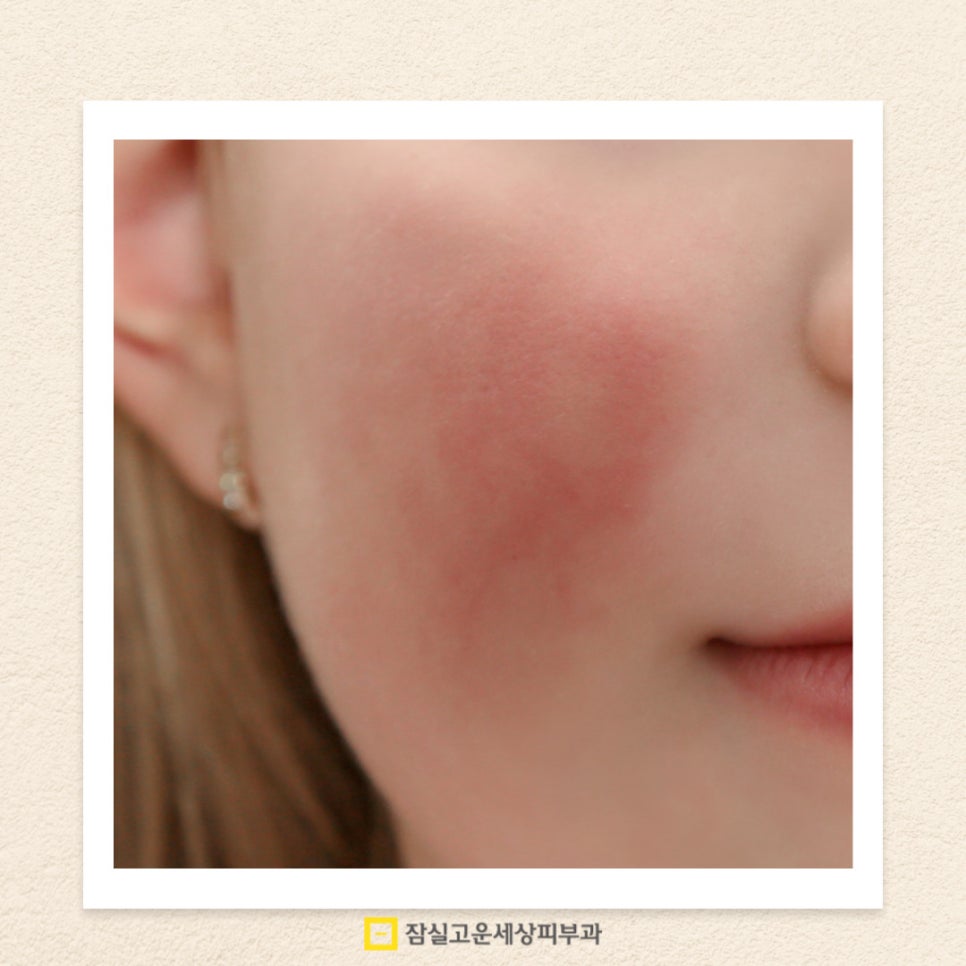
As the temperature begins to rise, several changes appear in the skin.
With the skin’s oil-water balance disrupted throughout winter and the barrier function weakened,
adding strong UV rays, yellow dust, pollen, and fine dust all at once
makes it inevitable for the skin to react sensitively.
In particular, even though the spring sun feels warm, the UV index is very high,
and UVA and UVB penetrate deep into the skin, causing pigmentation,
wrinkles, and loss of elasticity as part of aging.
Also, fine dust and pollen can stick to the skin’s surface,
clog pores, or trigger inflammatory reactions, so this is a time
when cleansing and calming care become even more important.
Basic among basics, sunscreen is essential
not only in summer but also in spring.
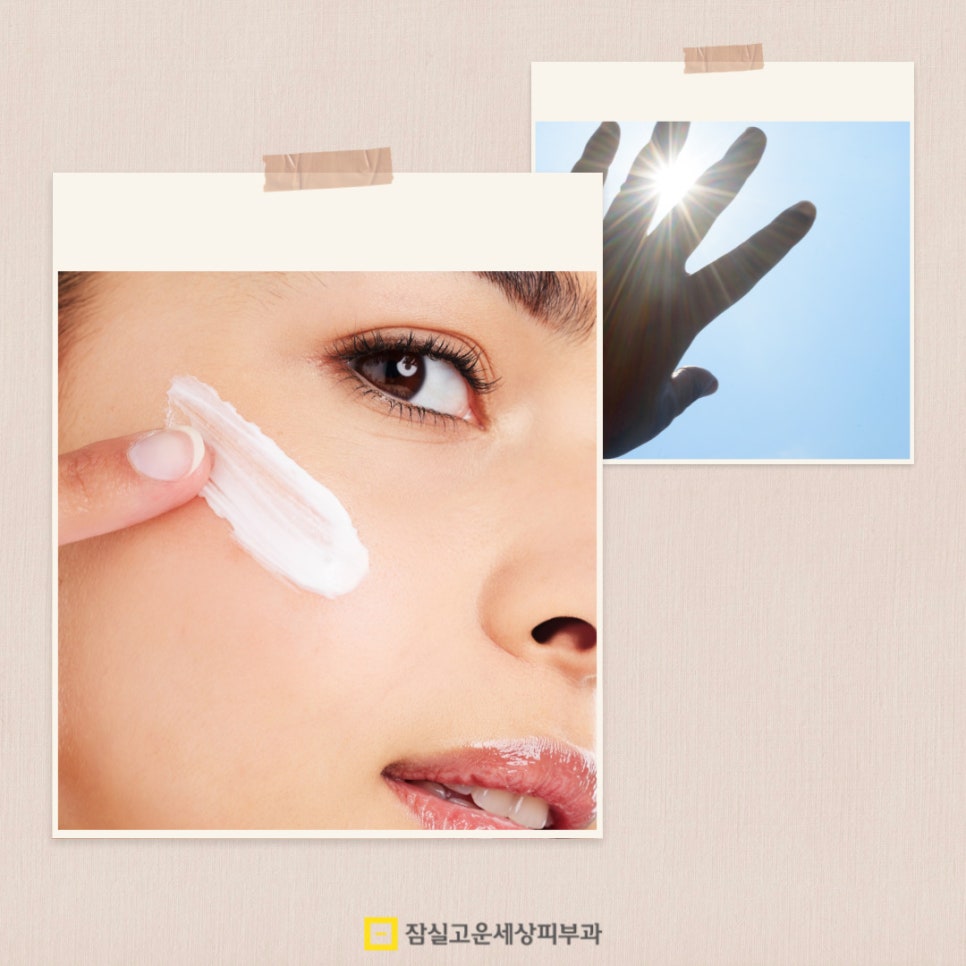
Not only in summer but also in spring, the very first thing to prioritize in skin care
is unquestionably sunscreen.
If you let your guard down because the sun does not feel hot,
UV rays that penetrate deep into the skin destroy collagen,
reduce elasticity, and cause pigmentation.
Even if you are outdoors or indoors, UV rays can enter through windows,
so it is a good idea to apply a product with SPF 30 or higher and PA++ or higher every day,
apply it 30 minutes before going out, and make a habit of reapplying every 2 to 3 hours.
When spending time outdoors, combining this with physical protection such as hats,
sunglasses, and parasols will make it even more effective.
A cleansing routine that protects the skin
from fine dust and pollen
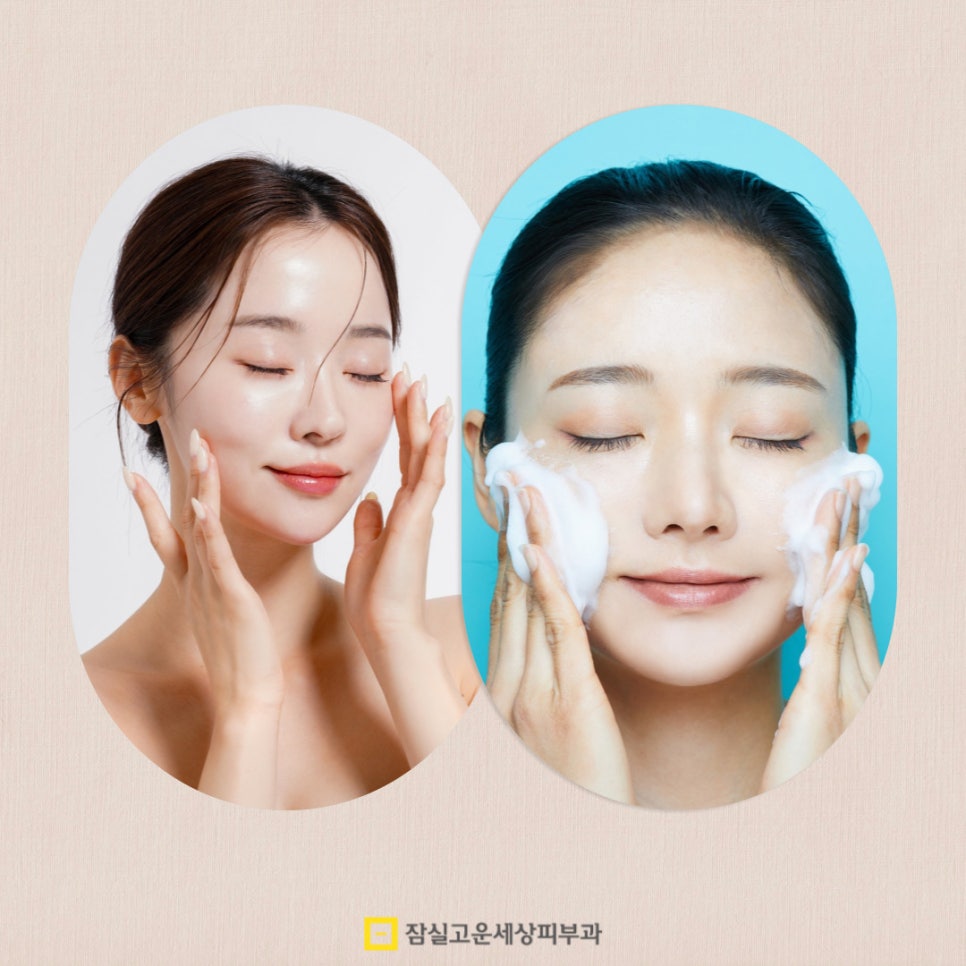
In a season like now, when fine dust levels are high and pollen is in the air,
various pollutants easily stick to the skin’s surface.
This can lead to breakouts, itching, redness,
or even skin inflammation symptoms, so thorough cleansing is essential.
After coming home, it is best to wash your face as soon as possible
to remove harmful substances left on the skin.
However, be careful, because excessive deep cleansing can also damage the skin’s protective barrier.
Keep cleansing within 3 minutes, use a low-irritation mildly acidic cleanser,
use double cleansing on days when you wear makeup,
and on days when you do not, a single cleanse is enough.
Limit deep-cleansing products to about once or twice a week,
and make sure to provide moisture quickly after washing your face.

Moisturizing and soothing are
key points for restoring the skin barrier.
As the temperature rises, sebum production increases, so the skin may look oily on the outside
while becoming dry on the inside. The temperature difference between indoors and outdoors
and dry winds can blow moisture out of the skin. At times like this,
more attention should be paid to hydration.
Using a cream-type moisturizer helps prevent moisture loss,
and combining it with a soothing mask pack once or twice a day is effective.
In particular, using products containing soothing ingredients such as cica, aloe,
and panthenol can help calm sensitive skin. However, for sensitive skin,
it is better to remove a mask pack immediately after use within 15 to 20 minutes,
and be careful because using it for too long or every day may instead weaken the skin barrier.
If you want to strengthen the skin barrier,
consider a skin booster as well.
Recently, skin booster procedures that inject active ingredients directly into the skin
to strengthen barrier function and replenish moisture and elasticity
have been drawing attention as a spring skin-care method.
Among them, the All-line Booster is popular as a procedure that comprehensively supplies
various ingredients at once.
Rejuran and Juvelook help promote collagen production in the skin and induce cell regeneration,
making them effective for improving wrinkles and restoring elasticity,
while exosomes and baby injections help improve skin tone and vitality
through antioxidant action.
In addition, SkinVive, Filorga, and water-glow injection ingredients
help keep the skin moist and radiant by supplying moisture deep into the skin.
The procedure is done with fine manual injections, has almost no recovery time,
and is considered a suitable care method for busy modern people because daily life can continue immediately.
However, since all skin procedures can work differently depending on an individual’s skin condition,
it is important to proceed only after 충분히 consulting with medical professionals.
Diet and sleep,
skin remembers habits inside the body too.
The skin reflects exactly how we eat, sleep, and live.
In spring, drinking enough water and frequently eating fruits and vegetables rich in vitamins
help strengthen the skin’s immunity and regenerative power.
On the other hand, overly oily foods and foods high in sugar can promote sebum production
and trigger breakouts, so caution is needed.
Also, the time between 10 p.m. and 2 a.m. is when skin regeneration is most active,
so getting sound sleep during this period is the most helpful for skin recovery.
When your daily rhythm falls apart, the skin balance is shaken too,
so keeping a regular sleep habit is fundamental.

Skin is all about
'recovery and maintenance.'
This is the season when skin is most easily affected by external irritants.
But even small changes in habits can be enough for the skin to recover.
Do not forget that sunscreen, cleansing, moisturizing, soothing,
and managing diet and sleep are all directly connected to skin health.
The skin remembers a balanced routine more than irritation.
Rather than expecting your skin to improve suddenly,
steadily practicing and maintaining a routine that suits you is the real key to skin recovery.
If your skin feels rough and sensitive right now,
start changing one thing at a time today.
You will be able to move toward healthier and more vibrant skin.
◼ Jamsil Gounsesang Dermatology Directions ◼
◼ Jamsil Gounsesang Dermatology Treatment Information ◼

◼ Jamsil Gounsesang Dermatology Website ◼
This article is provided by Jamsil Gounsesang Dermatology for the provision of medical information in accordance with Article 56, Paragraph 1 of the Medical Service Act.
All procedures/surgeries carry the risk of side effects such as bleeding, infection, and nerve damage, so please proceed cautiously after sufficient consultation with medical professionals.