From the causes of melasma to treatment methods,
and why prevention matters!

Hello. This is Jamsil Gounsesang Dermatology!
Has there ever been a time in summer when your face in the mirror seemed a little duller?
Especially on areas that catch sunlight well, such as around the cheekbones, the eye area, and the sides of the nose, you may notice dark shadows that look like patches.
That is melasma.
Melasma is a fairly common pigmentation disorder, but because it is difficult to treat and easily recurs, it is one of the skin concerns many people worry about.
In addition, during summer, ultraviolet rays become stronger and outdoor activities increase, making melasma appear darker and, in some cases, newly develop.
Many people think of melasma as something that simply comes with aging, or as a problem that will improve if they just use sunscreen well, but in reality, that is not the case.
Melasma is a chronic condition caused by a combination of factors such as ultraviolet rays, hormones, genetics, and lifestyle habits, and because of that, both treatment and management are not simple.
In today’s column, we will go step by step through the causes of worsening melasma in summer, the actual treatment process at a dermatology clinic, why it does not get resolved with just one or two treatments, and finally why prevention is more important than treatment for melasma.
Why melasma gets darker in summer
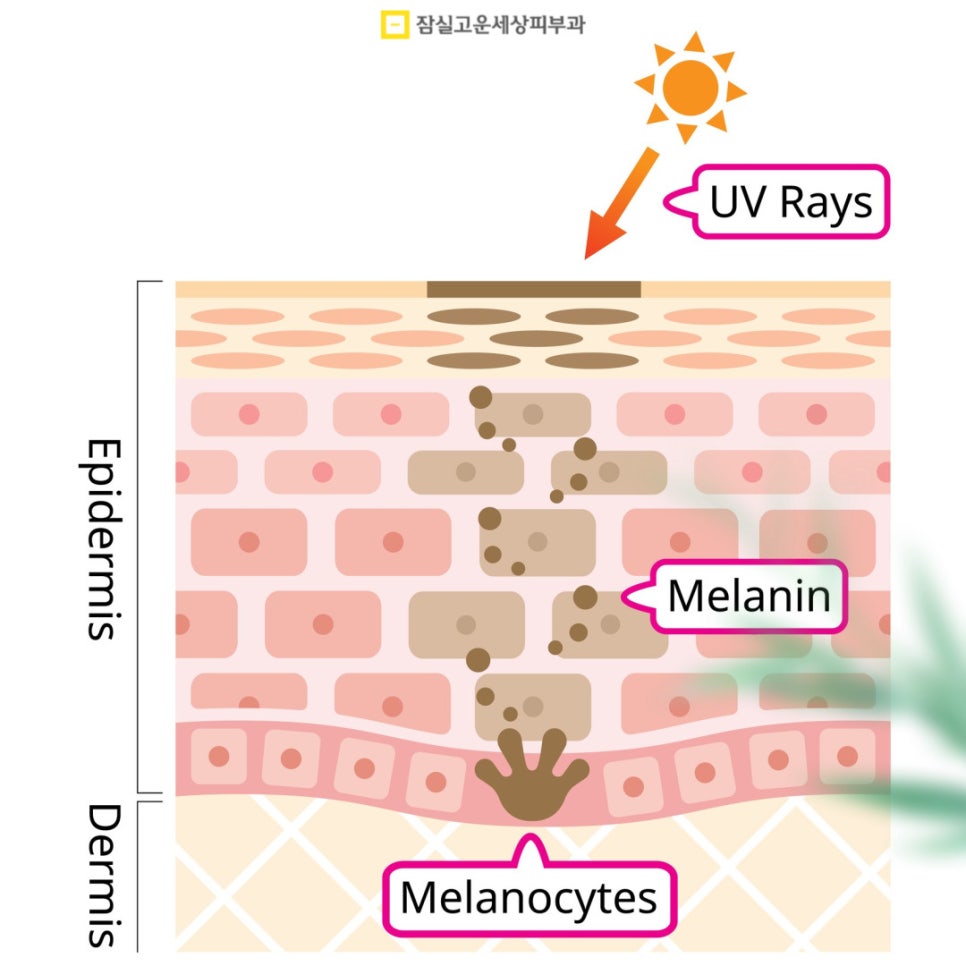 Before starting melasma treatment, we need to understand the environments in which melasma worsens in order to manage it properly.
Summer is the season when ultraviolet rays are at their strongest. Ultraviolet rays not only directly damage the skin, but also stimulate melanocyte cells, causing them to produce excessive pigment.
In particular, skin with melasma is already in a sensitive state, so it reacts much more sensitively to ultraviolet rays, and it is common for existing pigment to become darker or spread.
Ultraviolet rays are divided into two types: UVA penetrates deep into the dermis and causes pigment to become fixed within the skin, while UVB acts on the epidermis and plays a role in creating new pigment on the surface.
In other words, because it affects both the surface and the deeper layers, melasma has no choice but to become darker in summer.
On top of that, as sweat and sebum increase, outdoor activities become more frequent, and the skin dries out from air conditioner use, the skin barrier weakens and creates an environment where pigmentation disorders can worsen easily.
As these factors overlap, melasma becomes especially noticeable in summer, which is why treatment and prevention are even more important during this season.
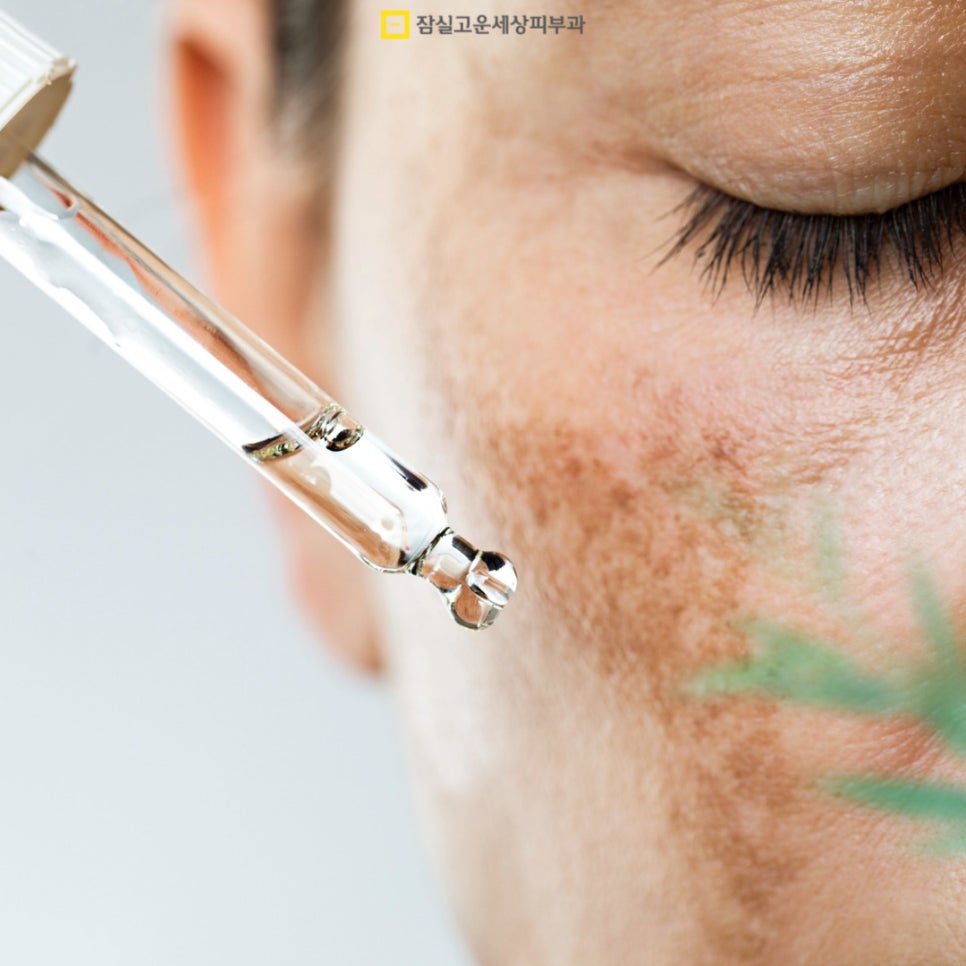 Melasma treatment at a dermatology clinic -
Why is 'laser only' not enough?
If you visited a clinic for treatment and wondered, 'Why do I have to do so many different things?' the reason is here.
Melasma treatment at a dermatology clinic -
Why is 'laser only' not enough?
If you visited a clinic for treatment and wondered, 'Why do I have to do so many different things?' the reason is here.
Melasma is not a condition that can be treated simply by removing the pigment in the skin.
Melasma can sometimes be limited to the epidermis (the outer layer of the skin), but in many cases, the pigment is located deep within the dermis.
Therefore, treatment that only acts on the epidermis has limitations.
At a dermatology clinic, the location and type of melasma are diagnosed first, and then a comprehensive treatment plan is created accordingly.
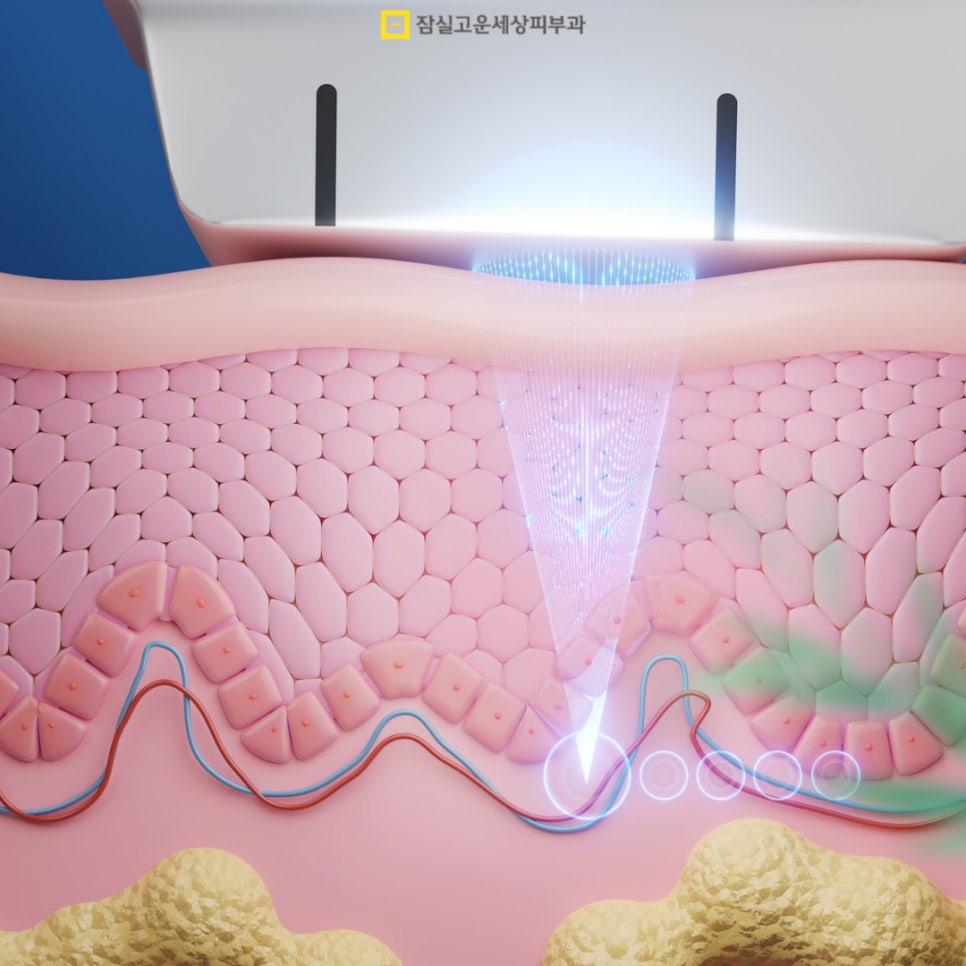 In general, laser toning is used.
This laser selectively breaks down only melanin pigment, minimizing damage to surrounding tissue and gradually reducing the pigment.
However, because laser treatment alone is often not enough, it is common to combine it with vitamin C iontophoresis, regenerative care, melasma-specific whitening ointments, oral medication (such as tranexamic acid), and more.
In general, laser toning is used.
This laser selectively breaks down only melanin pigment, minimizing damage to surrounding tissue and gradually reducing the pigment.
However, because laser treatment alone is often not enough, it is common to combine it with vitamin C iontophoresis, regenerative care, melasma-specific whitening ointments, oral medication (such as tranexamic acid), and more.
Recently, more refined adjunctive treatments such as pico laser, LDM water-glow lifting, and Melanox melasma injections have also been used in a variety of ways.
In the end, melasma treatment is a process of addressing one cause at a time according to the underlying reason.
Laser alone may not be enough, but when the treatments are appropriately combined, clear improvement is certainly possible.
Why is it difficult to see results from just one or two melasma treatments?
Many people stop treatment because they feel it is not working, but the first step is understanding that melasma is a long-term battle, not a short one.
Because pigment cells have spread deep into the skin and there are factors inside and outside the body that stimulate melanin, it is difficult to see noticeable improvement with just one or two laser or ointment treatments.
In addition, melasma is not simply pigmentation; it is a chronic inflammatory pigmentation disorder.
Many factors are involved, including genetics, hormonal changes (pregnancy, menopause, birth control pills), stress, lack of sleep, skin friction, and ultraviolet exposure. If the causes are not removed, melasma will come back.
Treatment does not end when treatment ends.
Because new pigment can still form during treatment, lasting results require consistent procedures over 5 to 10 sessions or more, along with lifestyle management.
If you expect only short-term treatment, you may be disappointed, and in some cases, incorrect procedures can make the skin more sensitive or darken the pigment further. That is why it is important to establish a treatment plan for melasma with consistency as a prerequisite.
 Prevention is more important than treatment for melasma
This is because melasma is difficult to erase once it appears, but it is highly preventable if managed in advance.
Prevention is more important than treatment for melasma
This is because melasma is difficult to erase once it appears, but it is highly preventable if managed in advance.
Treating melasma that has already formed requires a lot of time and money, and the recurrence rate is also fairly high.
However, if you follow basic preventive habits such as sun protection, improving lifestyle habits, and minimizing skin irritation, melasma may not develop or can be kept lighter even if it does appear.
First, sunscreen should be applied every day.
Ultraviolet rays are present even on cloudy days and indoors.
Rather than applying an SPF 30 to 50 product once in the morning and stopping there, you need the habit of reapplying every 2 to 3 hours.
Second, you should correct habits such as rubbing the skin too much when washing your face or massaging.
Melasma worsens with repeated friction as well, so gentle cleansing without irritation is recommended.
Third, managing sleep and stress is also important.
Because they directly affect hormonal changes and the skin’s regeneration cycle, internal health management is also an important part of prevention.
 So far, we have looked at why melasma gets worse in summer, the point that melasma is not simply pigmentation but a complex issue involving both the deeper layers of the skin and the overall condition of the body, and how important steady management is compared to short-term treatment.
Melasma is a common skin concern, but once it appears, it does not easily go away. In fact, it can become more sensitive or worsen during treatment, so rather than trying things recklessly, it is truly important to build up a basic understanding step by step first.
The skin is a signal connected to the body.
Lifestyle habits, emotional state, and environmental factors all seep into the skin and create changes.
That is why, instead of simply trying to remove melasma from the surface, we need to understand why it develops and how it repeats, and make small changes in daily life.
I sincerely hope this article has been of some help to those of you dealing with melasma.
Thank you.
🤍 Jamsil Gounsesang Dermatology Directions 🤍
🤍 Jamsil Gounsesang Dermatology Consultation Information 🤍

🤍 Jamsil Gounsesang Dermatology Website 🤍
This article is provided by Jamsil Gounsesang Dermatology for the provision of medical information in accordance with Article 56, Paragraph 1 of the Medical Service Act. All procedures/surgeries carry the risk of side effects such as bleeding, infection, and nerve damage, so please proceed carefully after sufficient consultation with medical professionals.