Elastic skin, as you get older,
needs even more care to be maintained

Hello, this is Jamsil Gounsesang Dermatology!
One day, while looking in the mirror,
I thought my cheeks used to feel firm before, but lately
the area around my mouth seems a little sunken.
Have you ever wondered whether the fine lines that appeared
around your eyes were not there before,
and whether they are just lines from smiling?
In fact, this is a change that most people experience
once around their 40s.
And at the center of it is a decrease in collagen.
Collagen is a key component responsible for the skin’s elasticity and moisture,
and it begins to gradually decline from the mid-20s. After the 40s,
the rate noticeably accelerates, and various signs of aging such as
reduced elasticity,
loss of volume, fine wrinkles, and sagging skin begin to appear one by one.
This article is not one that tells you the secret to preventing those changes.
It is a story that will serve as a starting point for understanding why skin changes,
why collagen is important,
and what you should start taking care of now so that,
as time passes, you can build skin that does not waver.
In the midst of busy daily life, we will now go step by step through the
key principles of skin elasticity that are easy to overlook,
as well as small practical habits for your skin.
After your 40s, when collagen decreases rapidly,
what changes?
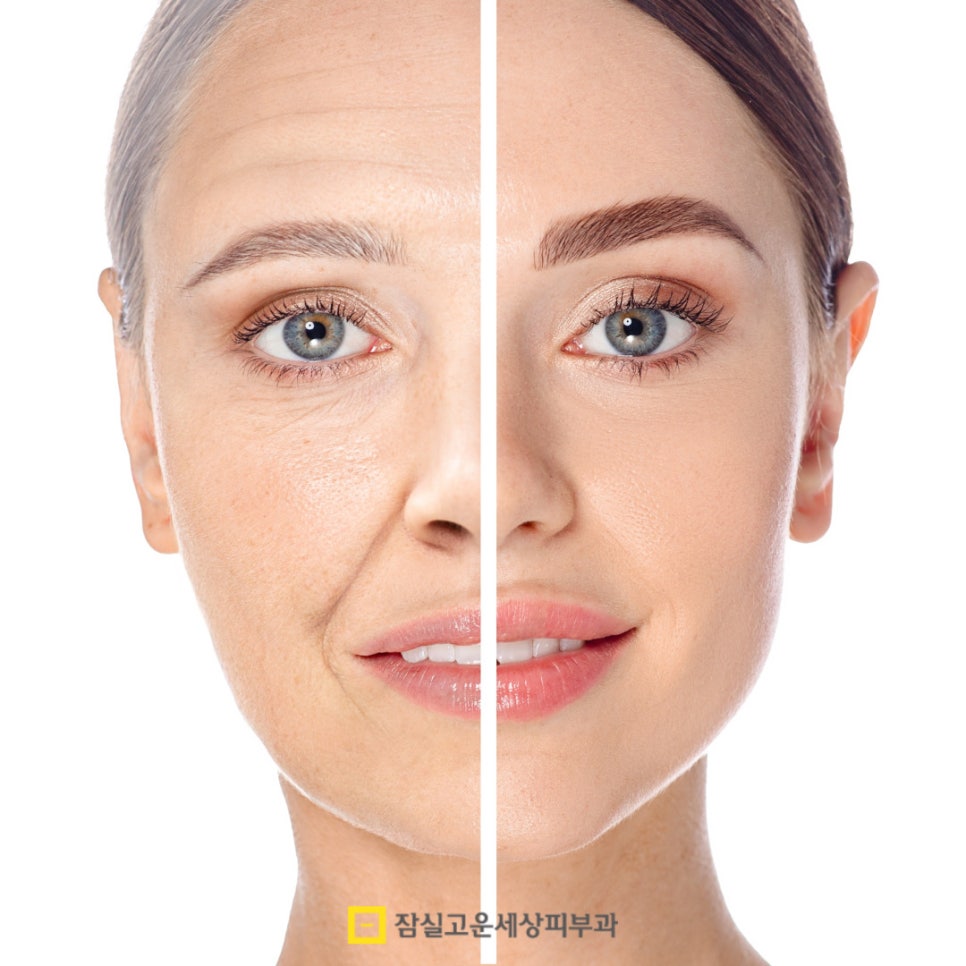
Collagen is a major protein that makes up more than about 70% of the skin’s dermis,
and it plays a role in firmly supporting the skin’s structure. The skin state we
commonly describe as “firm” or “elastic” is only possible when these collagen fibers are
well woven together like a net.
Collagen also has excellent ability to retain moisture within the skin, which has a decisive
impact on maintaining hydration, elasticity, and a smooth texture.
However, this important collagen naturally begins to decrease starting in the mid-20s.
According to research, it decreases by about 1% each year, and once you enter your 40s,
the rate rises much more sharply.
From this stage onward, it is not just a matter of reduced elasticity; visible signs of aging
such as fine lines around the eyes and mouth, volume loss around the nasolabial area,
and overall facial sagging gradually become more pronounced.
Furthermore, collagen is not a component limited to the skin.
It is a protein that forms an important structure in most connective tissues throughout the body,
including joints, blood vessels, muscles, cartilage, ligaments, and organ tissues, and it is a key
element responsible for the body’s overall “elasticity” and “flexibility.” When collagen decreases,
not only the skin but also functional changes such as joint pain, weakened muscle strength,
decreased vascular elasticity, and even delayed wound healing can occur.
In this way, a decrease in collagen is not simply a matter of aging in appearance.
It is also a sign that health signals inside and outside the body are quietly beginning to change.
Therefore, as much as trying to supplement collagen from the outside, it is important to create
a lifestyle environment in which collagen can be produced within the body. 꾸준히
Eating foods rich in vitamin C, zinc, amino acids, and antioxidants, and combining that with sun protection,
adequate sleep, stress management, and appropriate exercise is the most realistic and effective way
to slow collagen breakdown and help new collagen synthesis.
Food habits that help maintain skin elasticity
- 6 ingredients that help make collagen
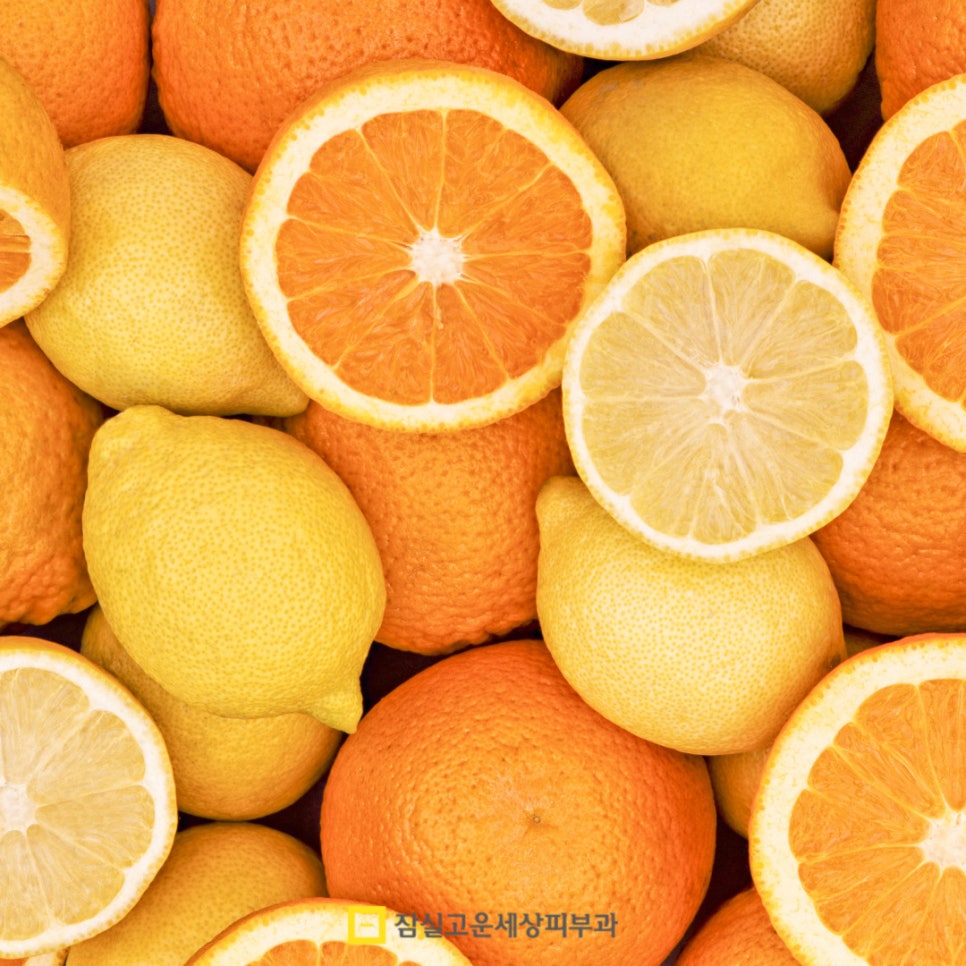
Because collagen is a protein, it is much more effective to consume nutrients through food that help the body synthesize it well,
rather than simply trying to replace it with supplements. In particular, foods rich in vitamin C, zinc,
and antioxidants are important.
① Citrus fruits (oranges, lemons, limes)
Rich in vitamin C, they play an essential role in collagen formation and also help prevent breakdown caused by ultraviolet rays or free radicals.
Adding lemon juice to salad or water makes them easy to use.
② Eggs
They are rich in key amino acids that make up collagen, such as proline and glycine. They are especially concentrated in the egg white,
and since they can be cooked in many different ways, they are good for consistent daily intake.
③ Bone broth
Bone broth slowly simmered over time is rich in natural collagen and gelatin, which is beneficial not only for the skin but also for joint health.
Using it in soups makes it easy to prepare a warm, nourishing meal.
④ Berries (strawberries, blueberries, etc.)
Rich in vitamin C and antioxidants such as anthocyanins and quercetin, they help prevent existing collagen from being broken down quickly.
Eating them with yogurt or in a smoothie can also improve nutrient absorption.
⑤ Leafy greens (spinach, kale, etc.)
Rich in vitamins, minerals, and chlorophyll, they promote collagen synthesis and reduce oxidative stress in the skin.
Simply adding a little to salads, stir-fries, or soup is enough.
⑥ Nuts and seeds (almonds, pumpkin seeds, chia seeds, etc.)
Rich in zinc, copper, and vitamin E, they help maintain skin elasticity and protect moisture.
Try having about one handful a day as a snack or adding them to salads.
Lifting strategies that vary by skin age
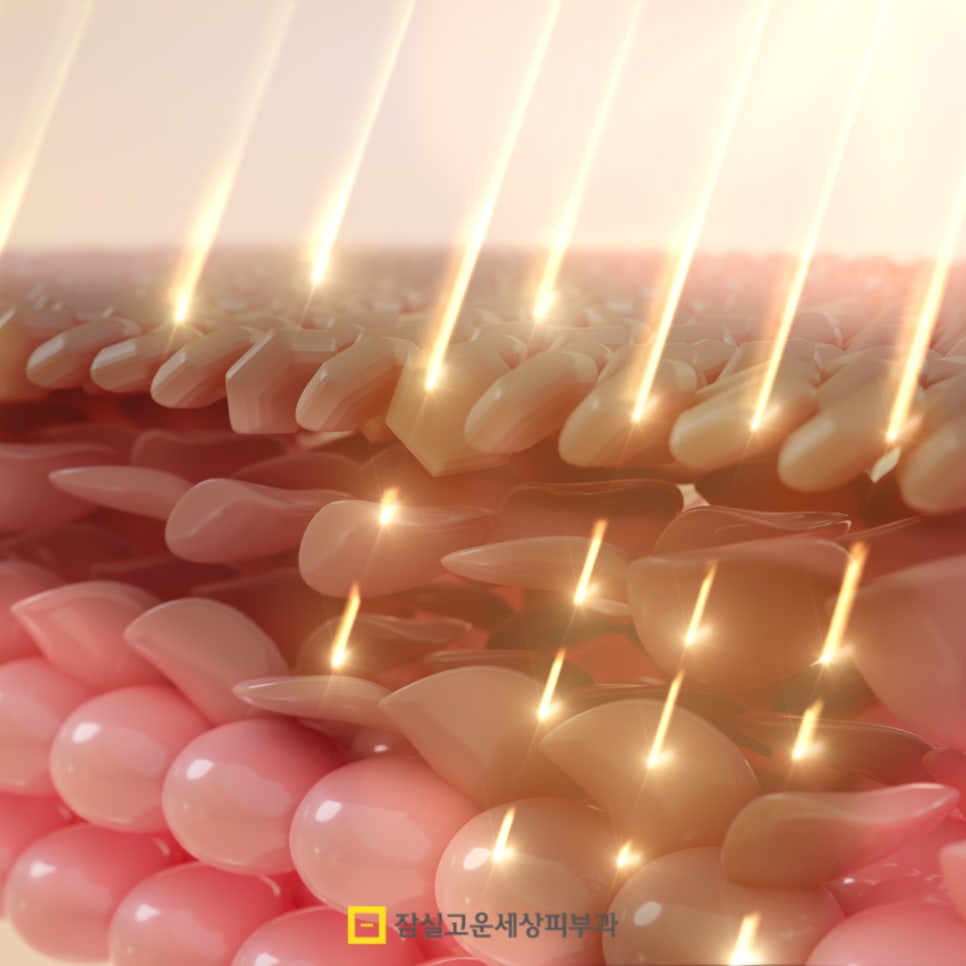
Because the rate at which collagen and elastic fibers break down differs from person to person, it is better to consider not just age
but also the current skin condition, degree of elasticity loss, and thickness when deciding on a lifting procedure.
In your 20s to early 30s, concerns are often more about localized loss of elasticity, such as under the chin or around the cheeks,
rather than sagging skin, so light lifting lasers or contour-focused procedures are appropriate.
From the late 30s to 40s, skin thickness and elasticity gradually decrease, and early wrinkles and reduced firmness begin,
so medium-intensity lifting procedures or care combined with skin boosters can be effective.
For those in their 50s and older, sagging becomes more noticeable and wrinkles deepen,
so combined treatments such as high-intensity lifting lasers, thread lifting, or stem cell procedures may be needed.
At this stage, considering Botox, volume enhancement, and skin regeneration procedures together can create synergy.
A procedure that awakens collagen
Among middle-aged and older adults where a decline in skin elasticity is noticeable, the skin’s natural collagen production ability is reduced,
so skin booster procedures are sometimes chosen as one way to compensate. A skin booster refers to a procedure that directly injects skin recovery ingredients
deep into the dermis rather than onto the surface of the skin to induce hydration, improved elasticity, and reduction of fine wrinkles.
Recently, skin boosters containing not only simple moisturizing ingredients or hyaluronic acid but also ingredients that promote collagen production
have been used. One representative material is PDO (Polydioxanone), a bioabsorbable material also used in medical sutures.
When injected into the skin, it is known to slowly break down over a certain period and induce collagen synthesis.
PDO particles are applied in a way different from fillers or thread lifting, and after being finely injected into the skin in the form of injections,
they induce a gradual tissue response, which may lead to increased skin density and improved elasticity.
The effect appears gradually starting 2 to 4 weeks after the procedure rather than immediately, and depending on the individual, it may last for several months.
Such procedures may also be applicable to relatively thin skin layers or sensitive areas (for example, around the eyes, neck, or back of the hands), but suitability can vary depending on skin condition,
constitution, and past procedure history, so sufficient consultation and diagnosis in advance are necessary.
Because the results and duration may vary depending on the treatment area, concentration, and dosage, it is advisable to proceed carefully through a personalized consultation with an experienced medical professional.
In addition, it should also be considered that skin boosters may be more effective when combined with other elasticity treatments and lifestyle care rather than used alone.
Daily habits for maintaining elasticity - skin also
needs time to 'eat, sleep, and rest'
In maintaining skin elasticity, one thing as important as procedures or specific foods is daily lifestyle habits.
Skin responds to external stimulation, but more fundamentally, its recovery ability and aging speed change depending on how we eat, sleep, and rest.
First of all, sufficient sleep is necessary. The skin has a tendency to recover the damage and fatigue accumulated during the day overnight.
In particular, the period from 10 p.m. to 2 a.m. is known as the time when growth hormone important for skin regeneration is actively secreted.
Getting deep sleep during this time helps skin cell recovery and collagen production proceed smoothly, which greatly helps maintain elasticity.
Also, sunscreen is one of the most basic habits that should be practiced every day. Many people apply sunscreen only on days when the sun is strong or when they are going outdoors,
but in fact ultraviolet rays also affect the skin subtly on cloudy days or indoors. In particular, UVA passes through windows and reaches the dermis,
gradually destroying collagen, so it is recommended to use sunscreen every day regardless of season or location.
Adequate water intake is also essential for maintaining skin health. When the body lacks moisture, skin cell function declines,
which can lead to reduced elasticity, increased dead skin cells, and a duller skin tone.
It is advisable to drink at least about 1.5 to 2 liters of water per day, divided throughout the day. In particular, beverages containing caffeine can cause diuretic effects,
so it is important to balance them appropriately with water.
Lastly, stress management and regular exercise are also essential. When stress continues, the hormone cortisol is secreted in excess,
and this hormone promotes collagen breakdown and makes the skin more sensitive, which can easily lead to inflammation or breakouts.
On the other hand, appropriate exercise improves blood circulation, increases the supply of oxygen and nutrients to skin cells,
and helps eliminate waste products, thereby promoting natural skin regeneration.
In the end, skin is like a mirror that reflects the rhythm of your body’s daily life.
Simply by sleeping well, eating well, and managing stress well, skin begins to gradually become healthier and more elastic.
A habit of caring for the whole body, rather than simple external care, is the true starting point of skin elasticity management.

Skin remembers tomorrow more than today.
Skin does not improve overnight, nor does it worsen overnight. The food I eat now, the time I sleep, the products I apply, and each procedure I undergo are all pieces that gradually change the skin of the future.
Rather than relying only on immediate results, think of it as building basic strength, supplementing collagen, and practicing routines that suit your skin one by one.
Your skin one month from now, and one year from now, can be different from what it is in the mirror tomorrow. Please remember that the small actions you take now are ultimately an investment in your skin for life.
💙 Directions to Jamsil Gounsesang Dermatology 💙
💙 Jamsil Gounsesang Dermatology Treatment Information 💙

💙 Jamsil Gounsesang Dermatology Homepage 💙
This article is provided by Jamsil Gounsesang Dermatology for the provision of medical information in accordance with Article 56, Paragraph 1 of the Medical Advertising Act. All procedures/surgeries carry the risk of side effects such as bleeding, infection, and nerve damage, so please proceed carefully after sufficient consultation with a medical professional.