Skin care information,
A practical guide
for clear skin that shines even in the heat!

Hello. This is Jamsil Gounsesang Dermatology :)
Every summer, skin that was usually fine suddenly turns shiny,
pores look uneven, and makeup feels like it can’t make it through
the day... Everyone has had the thought, “Was it like this just yesterday?”
On top of that, the moment you go outside, your face feels hot in no time,
and as sweat starts running down your forehead, small breakouts
often appear before you know it. In summer like this, skin becomes
more sensitive easily, and you may even feel that the more products
you apply, the more uncomfortable your skin becomes.
In fact, under strong ultraviolet rays, collagen in the dermis
slowly breaks down, causing a sharp loss of skin elasticity,
and sweat and sebum are secreted at the same time, blocking pores.
As a result, even smaller pimples may form, or makeup may float
on the skin in an instant and bother you all day long. Simply layering
moisturizer or toner is not enough to handle all these growing concerns.
That is why, during this season, you need a systematic routine that
starts with understanding how the skin environment changes and
can care for the underlying causes.
From sunscreen, proper cleansing, appropriate moisturizing, balancing oil
and moisture, essential nutrient intake, soothing irritated skin, customized
care by skin type, and even small changes in daily habits, you can reverse
the idea that “summer always ruins the skin.” In this post, I’ll explain eight
key care points, so if you try them step by step, you may find your skin
becoming smoother and more elastic before you know it. If you want to
feel like, “Today is fine, I’m confident,” even in hot weather, start following
along now.
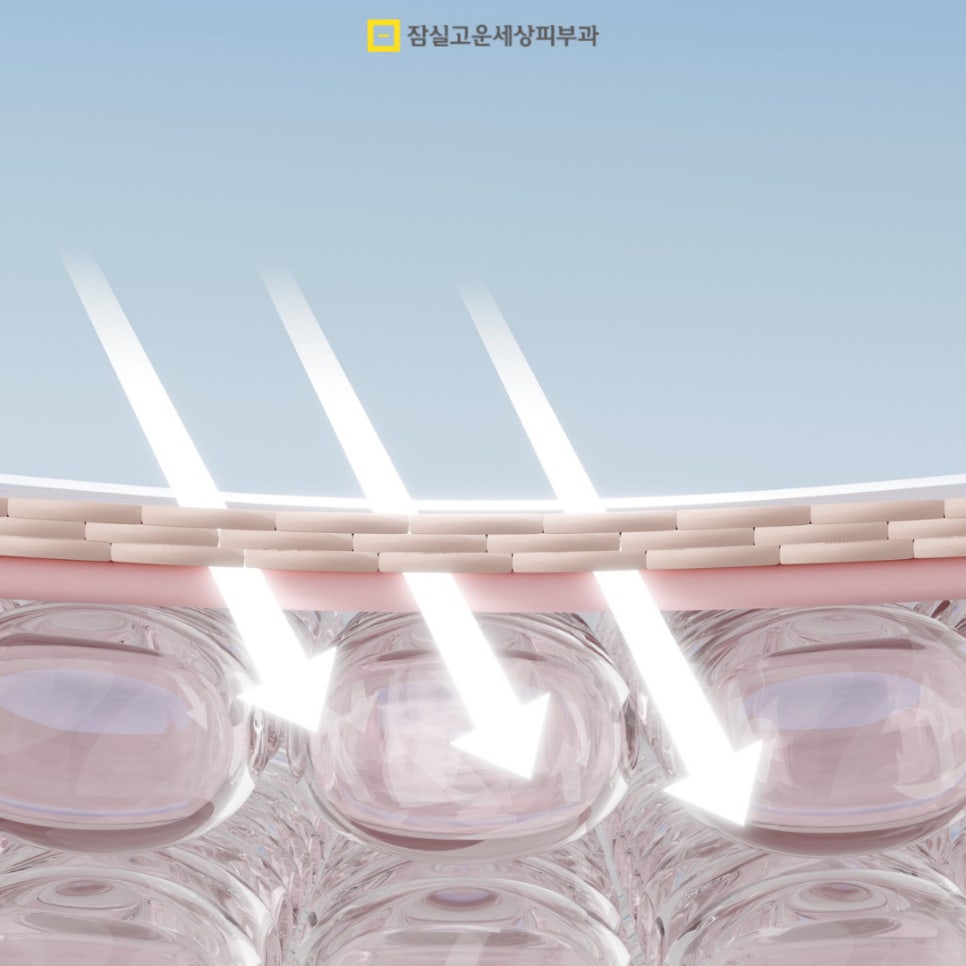
- Main causes of summer skin concerns
The reasons skin becomes sensitive so easily in summer can be
summarized into four main points.
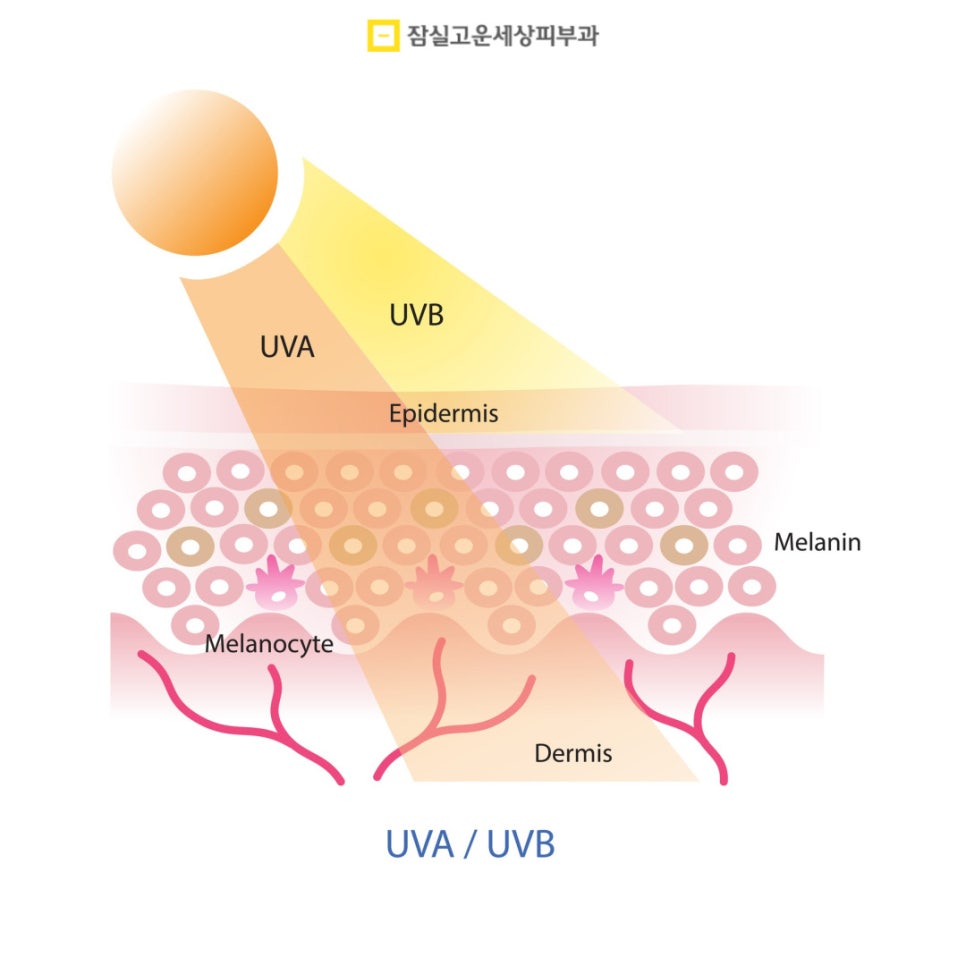
First, strong ultraviolet rays: UVA penetrates deep into the dermis,
destroying collagen and elastin, while UVB damages the epidermis,
causing melasma, freckles, and hyperpigmentation.
Second, in hot and humid weather, sweat and sebum are secreted
excessively, causing waste buildup in pores and potentially leading
to inflammatory acne or dermatitis.
Third, the salt and chlorine in seawater and pool water strip away
the skin’s natural protective barrier, accelerating moisture loss,
creating dead skin cells, and increasing irritation.
Fourth, when sand, dust, and pollutants stick to the skin, friction
and inflammatory responses occur, making skin texture rougher and
pores more noticeable.
These combined stresses make the skin more sensitive in summer
and contribute to reduced elasticity.
- Sunscreen protection that must be followed
When sunlight suddenly pours brightly outside the window, do you feel
your skin getting hot?
At times like this, the first thing to think about is sunscreen protection.
Ultraviolet rays are invisible, so they are easy to overlook, but because
they can slowly destroy collagen in the skin and cause hyperpigmentation,
preparing in advance is important.

First, when choosing a product, select an SPF between 30 and 50.
SPF 30 blocks about 97% of UVB, and SPF 50 blocks about 98%.
The higher the number, the slightly stronger the protection, but choosing
a number that is unnecessarily high may leave more residue on the skin
and feel heavy, so for people who are often outdoors, SPF 50 is generally
an acceptable choice.
And a PA rating of PA+++ or higher is good.
This indicates how much UVA, which penetrates deep into the skin and
destroys collagen, is blocked. A PA+++ product can be expected to provide
sufficient protection for both daily exposure and outdoor activities.
The timing of application is also very important.
About 20 minutes before going বাইরে, spread it evenly not only on the face
but also on the neck, behind the ears, and the backs of the hands—any area
that will be exposed to sunlight. For an adult, the amount needed for the
entire face is about 1/4 teaspoon (1.2 mL). If you dispense it onto the back
of your hand first and then cover the face and exposed areas once, that is
about the right amount. Don’t forget easy-to-miss areas like behind the ears,
the sides of the neck, the backs of the hands, and even above the ankles;
that is the key to maintaining effectiveness.
One application is not the end.
The protective layer on the skin can easily wear off over time due to sweat,
sebum, or moisture after water activities, so while outdoors you should
reapply every 2 to 3 hours. In particular, before and after swimming, or after
sweating heavily from exercise, it is recommended to lightly dry off any
remaining moisture on the skin and apply a fresh layer of sunscreen.
Lastly, applying sunscreen alone may not be enough, so try using physical
protection as well. Wearing a wide-brimmed hat can shade the face and neck
at the same time, and sunglasses with UV protection help protect the skin
around the eyes. Also, wearing long-sleeved clothing with good ventilation
reduces sun exposure to large areas such as the arms and shoulders,
making sun protection much more effective. Adding these small habits can
be a big help in keeping the skin healthy under the hot sun.
- Cleansing to remove impurities from pores without irritation

In summer, you need to remove excess sebum, sweat, and makeup residue
every day to prevent clogged pores and acne.
-
Choose a gentle cleanser
: Twice a day, in the morning and evening, lightly double cleanse using
lukewarm water (30–35°C) and a gentle water-based foam cleanser or gel
cleanser. Hot water or strong oil cleansers can overly dry the skin surface
and, in turn, promote excess sebum production, so it is better to avoid them.
-
Chemical exfoliation
: About once or twice a week, use a chemical exfoliant containing AHA
(such as glycolic acid) or BHA (such as salicylic acid) to gently dissolve dead
skin cells and impurities inside the pores. Physical scrubs can be irritating
if you have acne or inflamed areas, so caution is needed.
-
Wash your face immediately after sweating
: After outdoor exercise or heavy sweating, if you do not rinse quickly with
water, the salt and impurities left on the skin can cause irritation and lead to
breakouts.
- Restoring oil-water balance and strengthening moisture
When air conditioning blows on your skin for a long time, you may feel a
tightness as if your skin is gasping.
When you think, “It’s summer, so why does my skin feel this tight?” it may
be a sign that the balance of moisture and oil in your skin has been disrupted.
With more time spent in cooling environments, skin often ends up oily on the
outside but dry on the inside. At times like this, simply applying a light toner
is not enough. To keep your skin moisturized without inner tightness even in
summer, you need to restore the oil-water balance and carefully add suitable
moisture.
First, try choosing a gel- or lotion-type moisturizer.
During this season, products with less oil and enough hydration are more
suitable than heavy creams. For example, a lightweight gel moisturizer or a
fresh lotion-type moisturizer can cover the skin surface without stickiness
while also preventing inner tightness. In particular, because sweat and sebum
increase in summer and can irritate pores, it is important to choose a low-
irritation product with little alcohol and few artificial fragrances. It absorbs
comfortably even into sensitive summer skin, leaving only moisture behind
across the face.
But if you still think, “It still feels tight...” try using a small amount of face oil.
After the oil-water balance has been significantly disrupted in summer, the skin
needs a barrier function that ordinary moisturizers alone may not provide.
At this point, applying a tiny amount of face oil such as tamanu oil can surprisingly
relieve inner tightness. Tamanu oil contains a balanced ratio of linolenic acid and
oleic acid, helping even oily skin control excess sebum while also addressing
inner dryness.
In particular, the coumarin in tamanu oil has strong antioxidant and anti-
inflammatory effects, helping delay skin aging caused by ultraviolet rays;
calophyllic acid supports moisturizing and soothing; and calophyllolide helps
reduce inflammation and supports regeneration, allowing summer-irritated skin
to recover more quickly.
However, even natural ingredients require caution in some cases.
If you have a nut allergy or seborrheic acne, you should test a small amount on
the skin before use. Also, tamanu oil has almost no photosensitizing reaction,
but to prevent any possible increase in UV sensitivity, it is advisable to apply
only a small amount at night. That way, your face will not feel overheated in the
morning sunlight, and your skin will have enough time to regenerate overnight.
If you feel dry in summer, first cover the skin surface with a light gel or lotion
moisturizer to keep moisture from escaping. Then add just one or two drops of
tamanu oil on top, and you can feel the skin staying light and fresh while still
being moisturized deep down. This simple habit of restoring the oil-water balance
and strengthening moisture will help tighten pores and lead you to smoother,
more elastic summer skin.
- A healthy solution that fills the skin from within through nutrition
Summer skin care is not enough with external care alone.
To block the attack of free radicals created by ultraviolet rays and hot, humid
conditions, you need to build a strong defense from inside the body first. At this
time, the first thing to pay attention to is consuming antioxidant-rich foods.
Eating berries such as blueberries and raspberries, as well as fruits and vegetables
rich in vitamins C and E like kiwi and bell peppers, helps neutralize free radicals
and slow the breakdown of collagen. Maintaining a diet rich in antioxidants lets
you feel healthy radiance rising from within your skin.
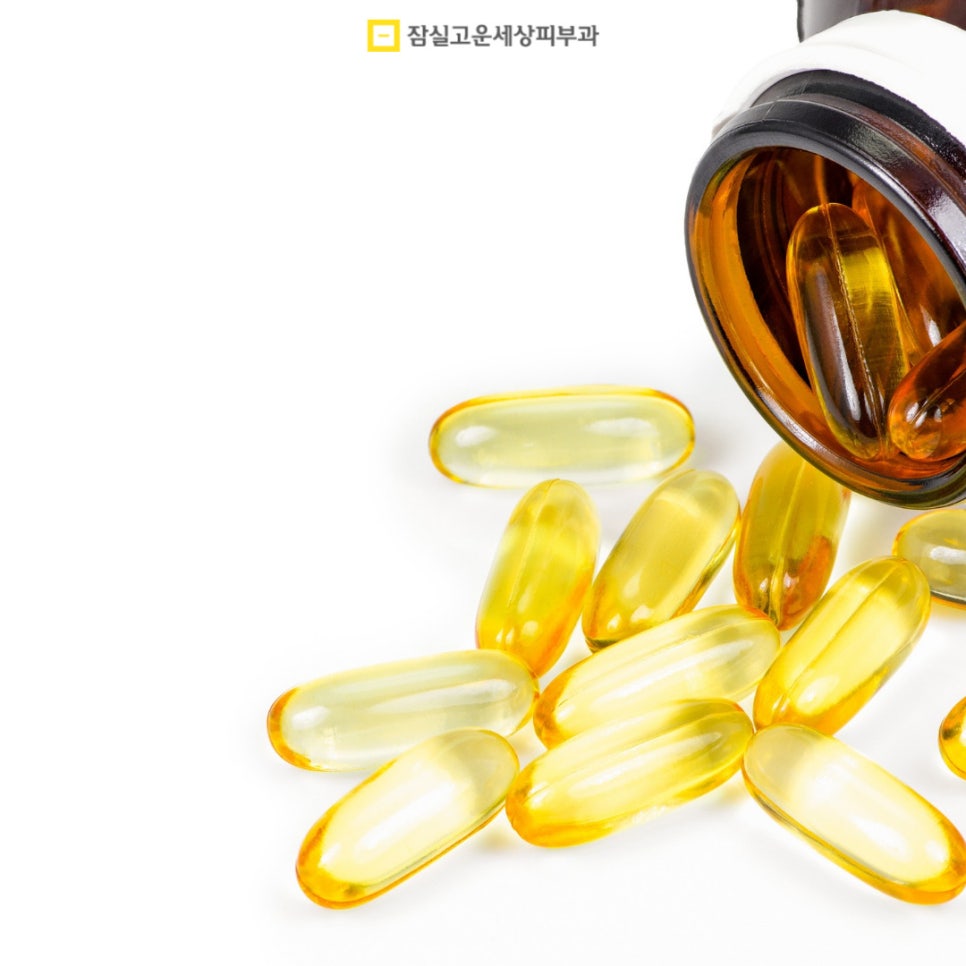
Omega-3 fatty acids also play a very important role.
Frequent consumption of foods rich in EPA and DHA, such as salmon, mackerel,
walnuts, and flaxseed, can help reduce inflammatory responses in the skin and
strengthen the damaged skin barrier, protecting the skin from ultraviolet rays and
external irritation. In fact, consistently maintaining a diet rich in omega-3 fatty
acids can make the skin feel more resilient, with less redness and greater stability
even under summer stress.
The importance of drinking water cannot be overstated.
If you make it a habit to drink enough water—about 1.5 to 2 liters per day—it
helps maintain the body’s moisture balance, allowing skin cells to stay hydrated
and preserve elasticity. In particular, the longer you spend under air conditioning,
the more easily moisture in the body evaporates, so if you keep a water bottle
beside your chair and sip it little by little, your skin will stay smoother and more
vibrant.
- Cooling and soothing care to minimize aftereffects of inflammation
Even so, when inflammation is unavoidable, quick soothing care is needed.
If redness appears on the face or small breakouts show up from sunlight, sweat,
or seawater irritation, try using a cooling gel or mask. Leave a cooling gel
containing aloe vera or azulene on the face for about 10 minutes, then rest for
5 minutes and repeat. As the skin temperature drops, inflammatory responses
are eased and blood flow in the dermis stabilizes. You can directly feel the cool
comfort as the skin surface settles down.

If you want faster recovery, you may consider a dermatology procedure.
In particular, regenerative laser treatments give the dermis a gentle stimulus to
promote collagen regeneration. As inflammation subsides, the skin texture can
feel noticeably softer, and elasticity may gradually return.
- Summer care by skin type
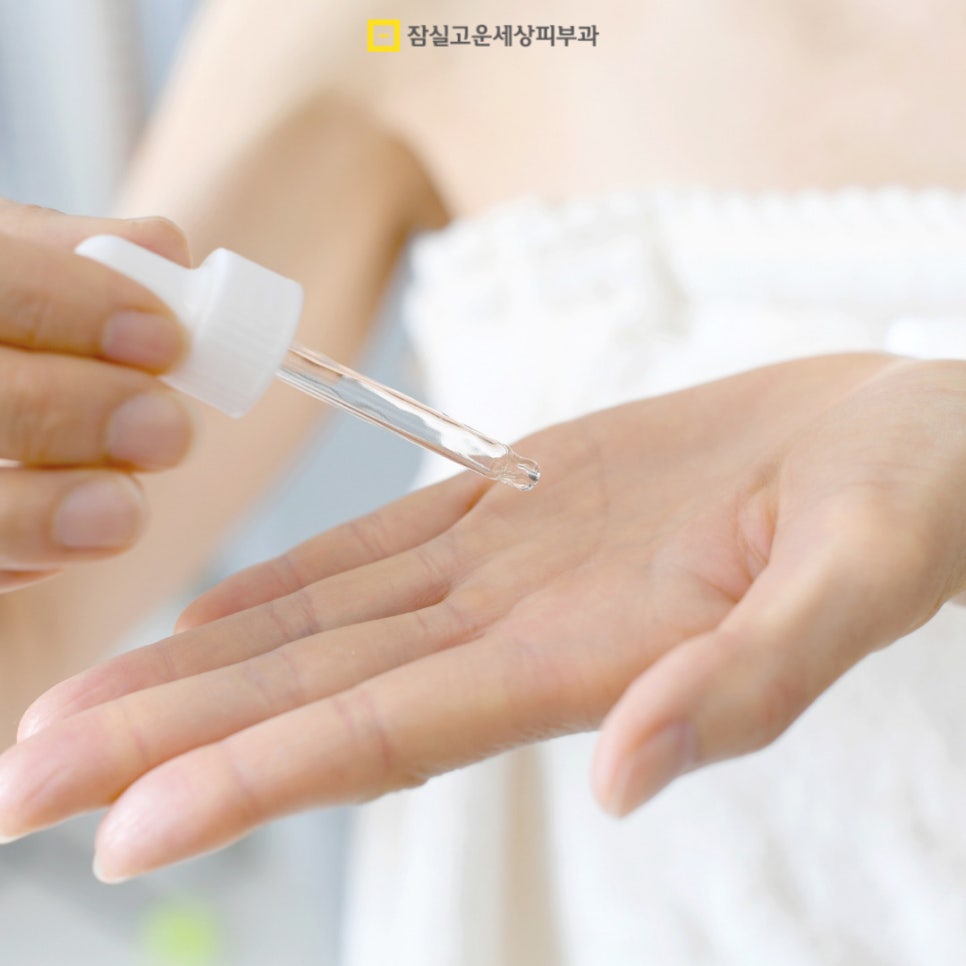
In summer, care tailored to your skin type is essential.
-
Oily skin
: Oily skin, which is prone to excess shine, can easily develop clogged pores in
summer when temperature and humidity are high due to increased sebum
production. In this case, minimize the amount of cosmetics you use as much as
possible, use toner and essence with low oil content, and gently remove sebum
with blotting paper whenever needed to prevent clogged pores. However, cleansing
products with strong cleansing power can damage the skin barrier and actually
promote more sebum production, so they should be avoided.
-
Dry skin
: Even in summer, skin can become dry easily from air conditioning. Moisturizers
should be in low-viscosity gel or lotion form, and the number of products used
should be minimized so that you lightly replenish moisture rather than layering
thick creams. Along with drinking water frequently to maintain the body’s moisture
balance, using cooling packs or cooling gels to lower skin temperature will help
reduce tightness and keep the skin comfortable.
- Skin elasticity completed through daily habits
To maintain skin elasticity properly, good cosmetics or procedures alone are not
enough; daily habits must support them.
First, enough sleep is very important.
In our body, growth hormone is secreted most actively between 10 p.m. and 2 a.m.,
helping regenerate damaged skin cells and support collagen production, so you
should sleep deeply during this time. Try to get at least 7 hours of quality sleep.
Managing stress is also essential.
When stress builds up, secretion of the hormone cortisol increases, making it
more likely for collagen to break down. Activities that relax both body and mind,
such as yoga or meditation, along with light walks or short breathing exercises,
help prevent stress from accumulating and greatly support maintaining skin
elasticity.
If exercise feels burdensome because of the summer heat, choose light activity.
Avoid the hottest time of day, and even a walk or some stretching in the relatively
cool morning or evening is enough. Moving your body lightly like this promotes
blood circulation, allowing oxygen and nutrients to be delivered more smoothly
to the skin, which in turn increases collagen synthesis and makes the skin much
firmer.
Lastly, you should create an environment that does not irritate the skin.
To minimize sweat and friction, wear loose cotton clothing, and keep the indoor
temperature around 26–28°C with air conditioning or a fan. If the temperature is
too low, the skin may become excessively dry, and if it is too high, sweat and sebum
production may increase and trigger breakouts. Paying attention to these small details
throughout daily life can help you experience skin that becomes smoother and more
resilient from within even during the hot summer.
Skin firmness completed in 8 steps during the heat

To summarize summer skin care information:
First, prevent collagen breakdown with sunscreen; second, remove impurities in
the pores cleanly with proper cleansing; third, follow precautions when receiving
skin booster procedures to help damaged skin recover; and fourth, minimize the
aftereffects of inflammation with cooling and soothing care.
Next, fill the skin from within through nutrition, prevent summer skin concerns
with customized care by skin type, and finally maintain skin health for the long
term through lifestyle management.
If you consistently practice these eight methods, you can keep your skin firm
and clear even from this summer’s heat and humidity. Build up small daily efforts
based on the skin care information shared here. Thank you!
Jamsil Gounsesang Dermatology Directions 🔽
Jamsil Gounsesang Dermatology Appointment Guide 🔽

Jamsil Gounsesang Dermatology Website Link 🔽
This article is provided by Jamsil Gounsesang Dermatology for the purpose of providing medical information in accordance with Article 56, Paragraph 1 of the Medical Advertising Act. All procedures/surgeries carry the risk of side effects such as bleeding, infection, and nerve damage, so please proceed carefully after sufficient consultation with medical staff.