Everything About Skin Aging,
From Causes to Prevention!
Hello, this is Jamsil Gounsesang Dermatology!
Have you ever looked in the mirror and thought, “When did these wrinkles start appearing?” Aging is a natural process that everyone goes through, but not many people fully understand how it works. In particular, skin aging is a topic of great interest because you can see it directly with your own eyes.
But aging is not simply an unavoidable fate that comes with getting older. If you understand the mechanism of aging and practice the right care methods, you can maintain healthy, youthful-looking skin for a long time.
Today, we’ll explain everything you should know, from the causes of skin aging to effective care methods, in an easy and detailed way.
Causes and Mechanisms of Aging
- The Process of Skin Aging
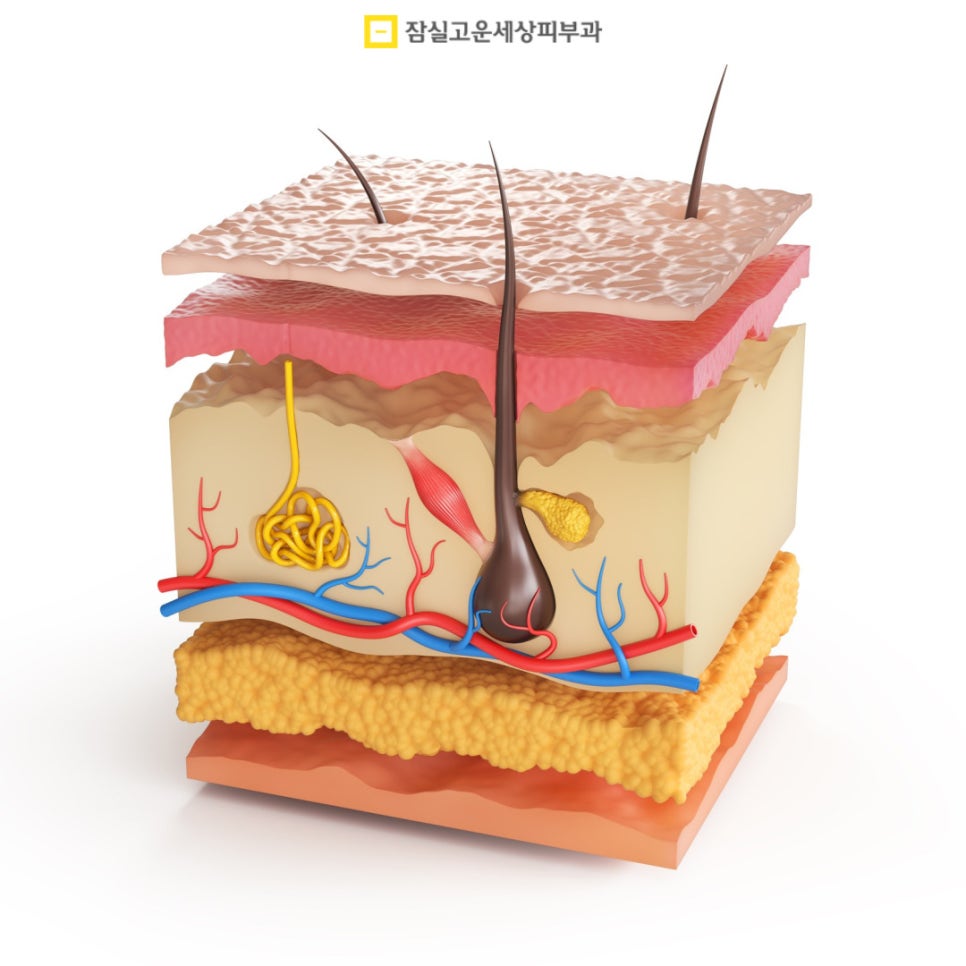
To properly understand skin aging, you first need to know how our skin is structured.
The skin consists of three layers: the epidermis, dermis, and subcutaneous tissue. Among these, changes in the dermis are most directly linked to aging. The dermis contains two important proteins: collagen and elastin.
Collagen acts like the steel framework of a building, firmly supporting the skin’s structure, while elastin works like a rubber band, allowing the skin to stretch and contract.
But the problem starts in the mid-20s.
Collagen production begins to decrease by about 1% each year. At the same time, existing collagen and elastin are damaged and altered by various factors such as ultraviolet rays, reactive oxygen species, and glycation. As these changes gradually accumulate, the skin loses elasticity and wrinkles begin to form. In addition, the rate at which skin cells are renewed also slows down.
The skin renewal cycle, which is about 28 days in your 20s, gradually lengthens with age and reaches around 40 days in your 40s. That is why the skin becomes dull and dead skin cells accumulate more easily.
- The Difference Between Intrinsic Aging and Extrinsic Aging
Skin aging can largely be divided into two types.
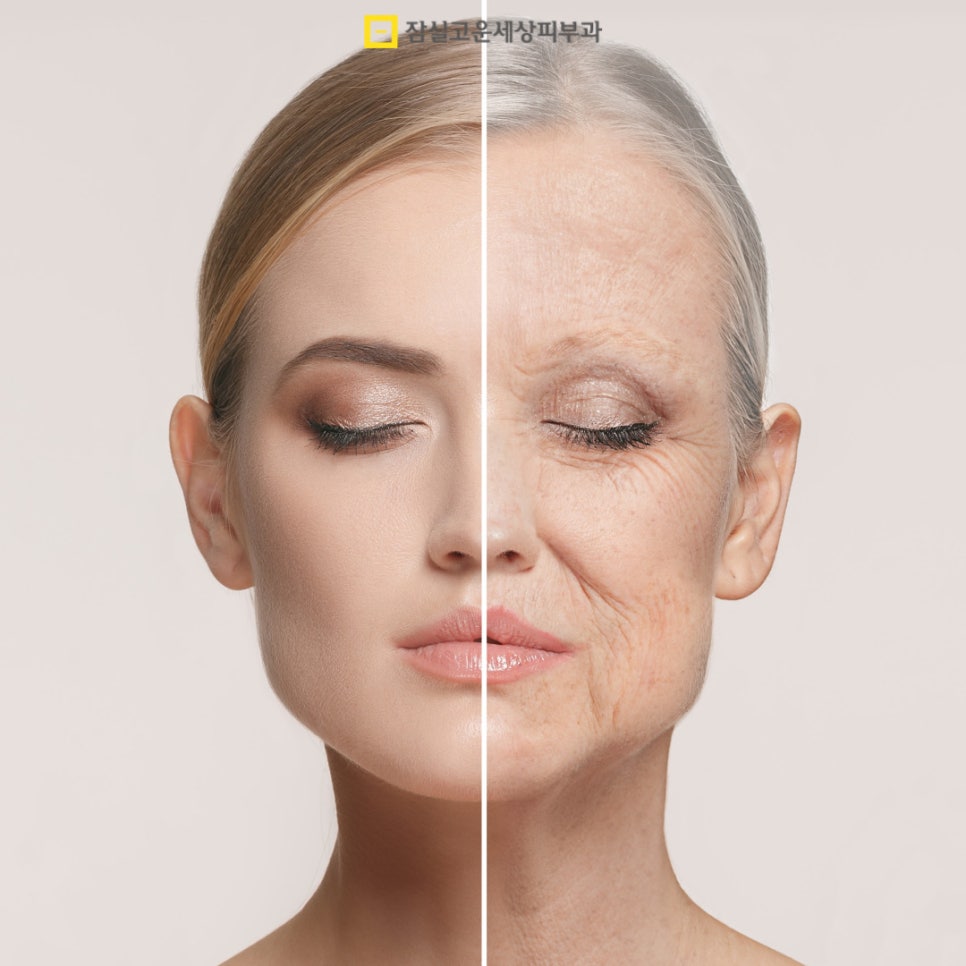
The first is intrinsic aging, which refers to natural changes that occur due to genetic factors and the passage of time. This is an unavoidable process, but fortunately it progresses slowly. With intrinsic aging alone, the skin becomes thinner, drier, and develops fine wrinkles.
On the other hand, extrinsic aging is something we can control to some extent. External environmental factors such as ultraviolet rays, air pollution, smoking, and excessive stress accelerate skin aging rapidly.
Ultraviolet rays are especially harmful.
It is said that more than 80% of overall skin aging is caused by ultraviolet exposure. Among UV rays, UVA can penetrate clouds and window glass, reaching deep into the dermis and destroying collagen, while UVB causes direct damage to the epidermis. Changes caused by extrinsic aging are much more dramatic than those caused by intrinsic aging. Deep, rough wrinkles, pigmentation, uneven skin texture, and visible blood vessels may appear. The good news is that extrinsic aging can be prevented to a large extent through proper care and prevention.
- Skin Changes by Age Group
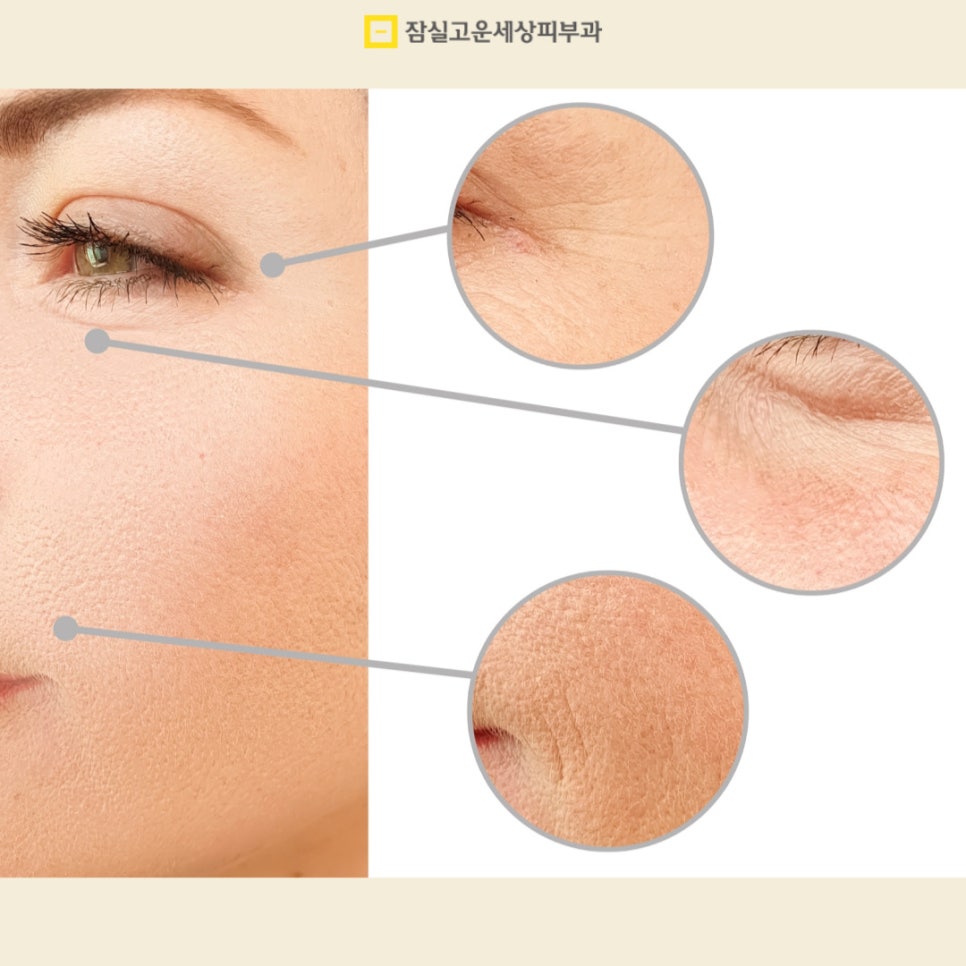
Because the way skin changes differs by age group, it is important to know the right care methods for each stage of life. In your 20s, skin renewal is at its peak and this is the golden period. But you should not let your guard down. Since collagen production starts to decline in the mid-20s, preventive care should begin then. Careful use of sunscreen and basic moisturizing are enough.
In your 30s, changes begin to become noticeable. Wrinkles around the eyes and mouth that only appeared when smiling start to remain even when your face is relaxed. The areas that frequently use facial muscles are where wrinkles appear first. From this stage onward, more active anti-aging care is needed.
Your 40s are a time when hormones have a major influence. In particular, for women, a decrease in estrogen causes the skin to become thinner and lose elasticity rapidly. Wrinkles deepen, and pigmentation such as melasma and blemishes also increases. At this point, home care alone has its limits, so it may be worth considering professional help.
After your 50s, the skin barrier function weakens significantly, leading to severe dryness. Along with deep wrinkles, sagging also becomes more noticeable. During this period, intensive care for firmness improvement along with strong moisturizing is needed.
Methods to Prevent and Improve Aging
- Effective Anti-Aging Ingredients
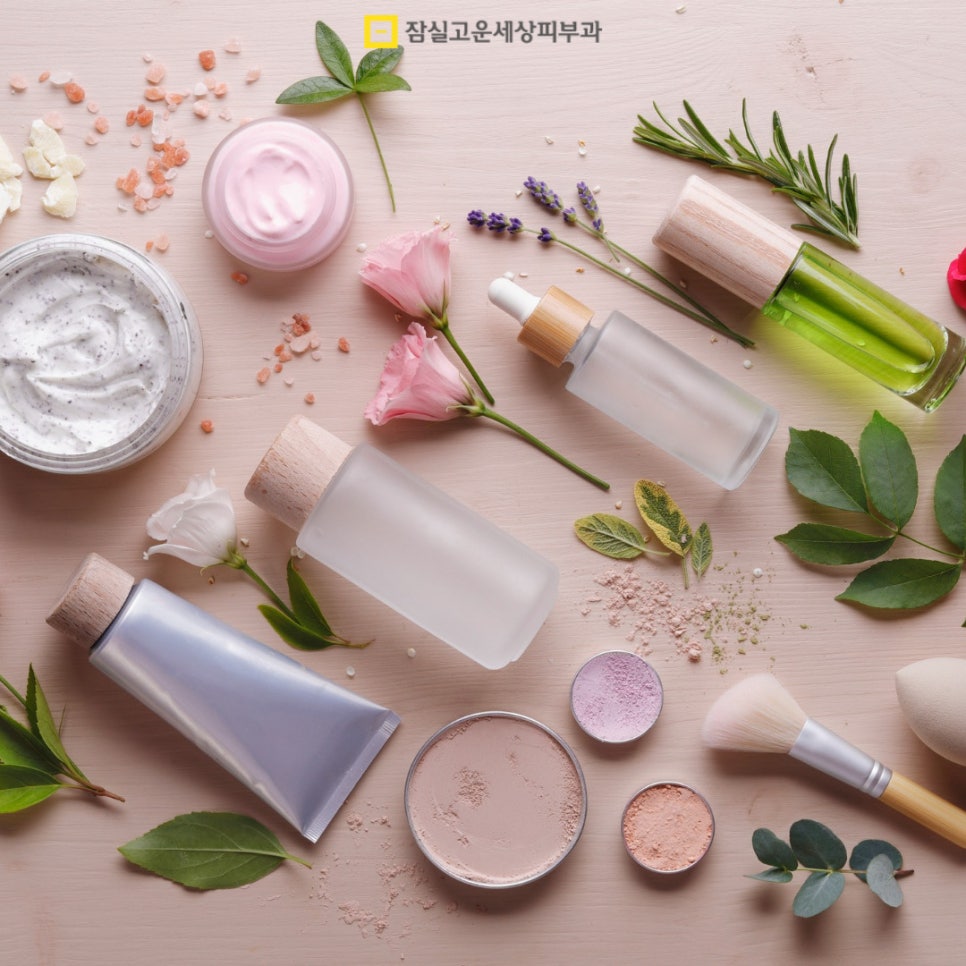
When choosing anti-aging cosmetics, it is important to check which ingredients they contain.
Each ingredient has a different mechanism of action.
Retinol, first of all, is a derivative of vitamin A and a representative anti-aging ingredient. It promotes cell turnover and increases collagen production, helping improve wrinkles and reduce pigmentation. However, because it can cause irritation when first used, it is better to start slowly with a low concentration.
Vitamin C is a powerful antioxidant that removes reactive oxygen species and also helps collagen synthesis. It also has a brightening effect, making it excellent for improving pigmentation. However, because it is an unstable ingredient that oxidizes easily in the air, you should choose products made with a stabilized form.
Niacinamide is a form of vitamin B3 that reduces inflammation and strengthens the skin barrier. It also helps reduce pores and control oil, so it can be used on various skin types.
Peptides are small protein fragments made of linked amino acids that stimulate collagen production and improve wrinkles. They cause almost no irritation, so they can be used safely even on sensitive skin.
Hyaluronic acid is an amazing moisturizing ingredient that can hold water up to 1,000 times its own weight. It supplies moisture to the skin, giving it a plumper appearance and softening wrinkles.
- Improving Lifestyle Habits
No matter how good your skincare products are, if your lifestyle habits are poor, they won’t help much. The impact of lifestyle habits on skin aging is much greater than you might think.
The most important thing is getting enough sleep.
From 10 p.m. to 2 a.m., growth hormone is secreted the most, and deep sleep during this time allows skin cell regeneration to occur actively. If you do not get enough sleep, cortisol, the stress hormone, increases, which promotes collagen breakdown and worsens inflammatory responses.
Diet is also very important. Eating too many sweet foods causes glycation, which alters collagen and elastin. The AGE substances created in this process are difficult to remove once formed, making the skin look yellowish and reducing elasticity. On the other hand, if you consistently eat antioxidant-rich berries such as blueberries and acai berries, as well as green tea and nuts, you can neutralize reactive oxygen species and slow aging.
Stress management is also essential.
Chronic stress continuously raises cortisol, worsening skin inflammation and accelerating aging. Regular exercise improves blood circulation and helps relieve stress, but too much exercise can actually increase reactive oxygen species, so it is important to maintain a moderate intensity.
- The Correct Way to Protect Against UV Rays
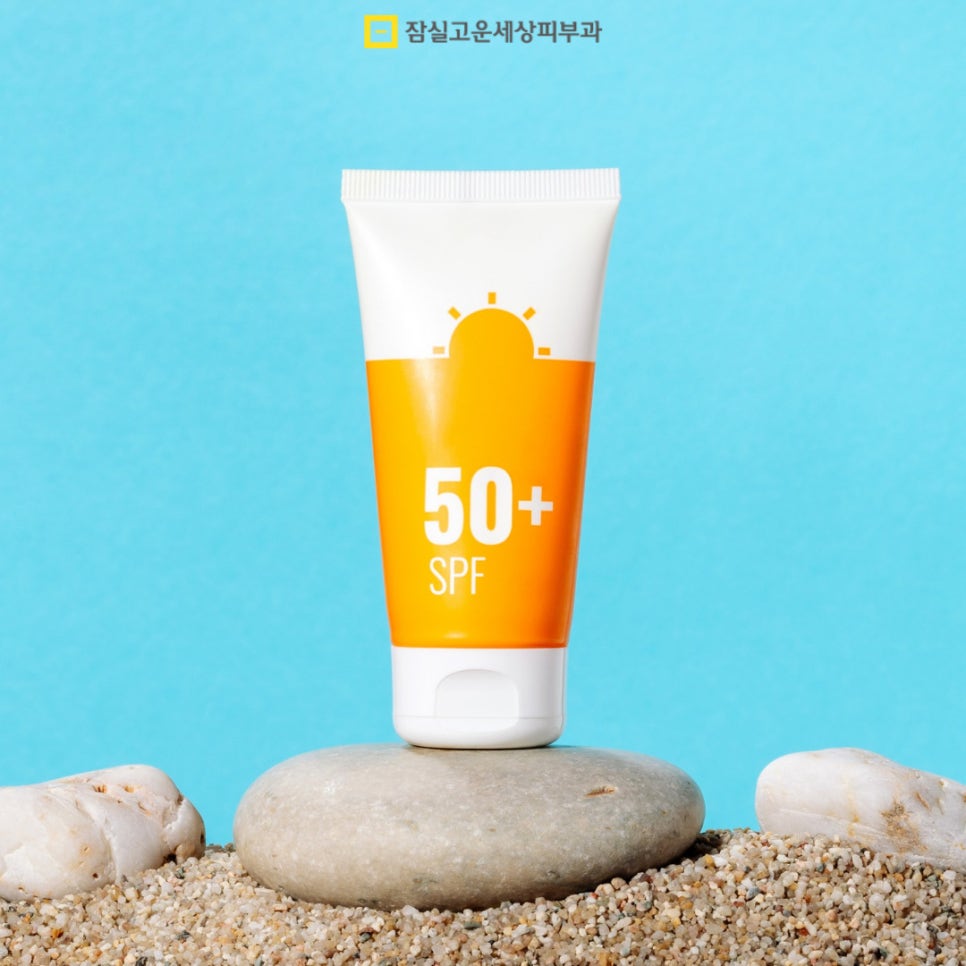
UV protection is the foundation of anti-aging. It is so important that it cannot be emphasized enough. When choosing sunscreen, you should check both the SPF and PA ratings.
SPF is an index that indicates how well it blocks UVB. For daily life, SPF 30 or higher is sufficient, and if you spend a lot of time outdoors, use an SPF 50+ product. PA is the UVA protection rating, and PA++++ is the highest grade.
To get proper protection, sunscreen must be applied in a sufficient amount.
For the entire face, about a coin-sized amount is appropriate, but most people apply far less than that, which reduces the actual protection. It is also important not to stop after applying it once, but to reapply every 2–3 hours. This is because sunscreen can be removed by sweat or sebum, and its effectiveness decreases over time.
Do not let your guard down even indoors. Since UVA can come through windows, apply sunscreen every day. Using physical protection along with chemical protection is even more effective. Blocking UV rays physically with a hat, sunglasses, long sleeves, or a parasol is also a very good method. In particular, from 10 a.m. to 2 p.m., UV rays are strongest, so try to stay in the shade or indoors during this time whenever possible.
The Key to Aging Care Is
Consistency!

Skin aging is a natural process that comes to everyone, but with the right knowledge and steady care, its pace can be significantly slowed. Remember that prevention is the most important thing. Careful UV protection and basic moisturizing starting in your 20s will determine the condition of your skin 10 or 20 years later.
The key to aging care is consistency.
Rather than expecting dramatic changes overnight, repeating small care habits every day is the true secret of anti-aging. Using cosmetics with appropriate ingredients, maintaining regular lifestyle habits, eating a balanced diet, getting enough sleep, and managing stress all connect and create synergy.
Finally, there is no need to view aging only negatively.
It is wise to accept the natural changes that come with age while making efforts to maintain healthy and beautiful skin.
Thank you!
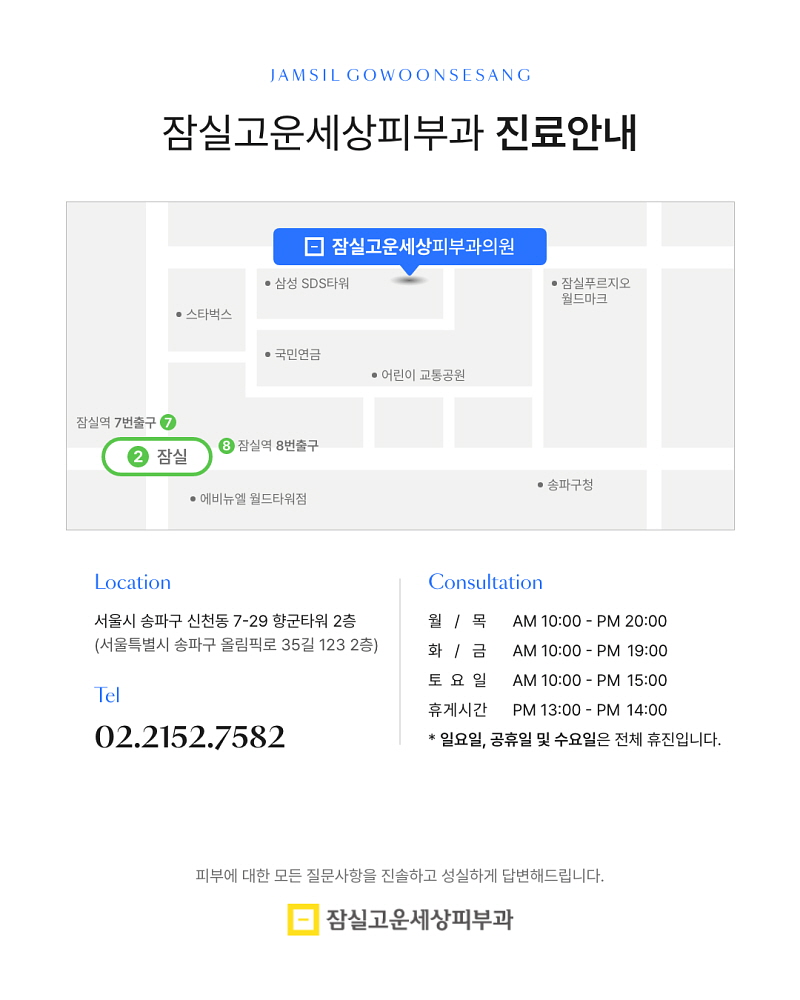
Directions to Jamsil Gounsesang Dermatology↓↓↓
Treatment Information at Jamsil Gounsesang Dermatology ↓↓↓
Go to Jamsil Gounsesang Dermatology Homepage ↓↓↓
In accordance with Article 56, Paragraph 1 of the Medical Advertising Act, this article is provided by Jamsil Gounsesang Dermatology for the purpose of providing medical information. All procedures/surgeries carry the risk of side effects such as bleeding, infection, and nerve damage, so please proceed carefully after sufficient consultation with medical professionals.