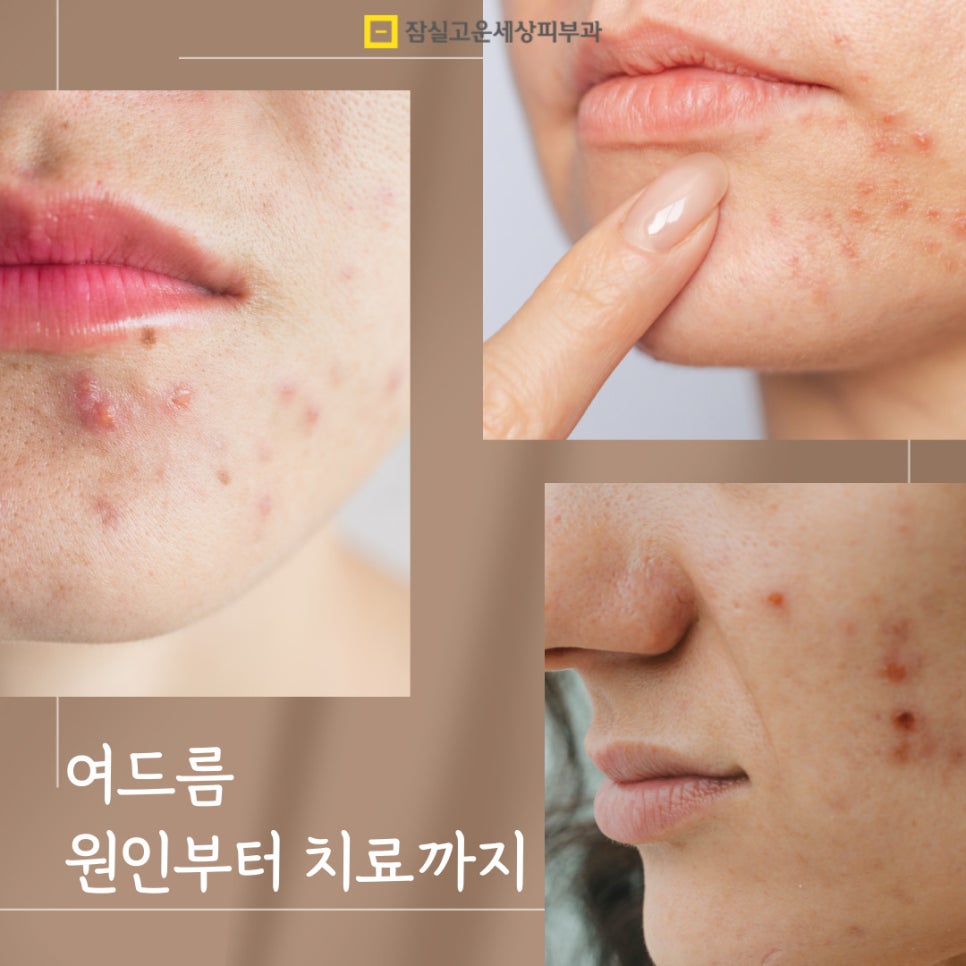
Complete Acne Mastery,
from Causes to Treatment!
Hello.
This is Jamsil Gounsesang Dermatology!
"Why am I the only one with such severe acne?"
You may have had that thought at least once.
Acne is not just a simple skin problem; it is a serious issue that can affect self-esteem and even interpersonal relationships.
Especially when acne suddenly appears at important moments, many of you have probably felt stressed.
But you should not dismiss acne as merely a "natural phenomenon during puberty" or leave it untreated thinking it will "get better on its own with age."
Acne is a legitimate skin condition that requires proper treatment and care. More importantly, it is essential to identify the cause of acne accurately and find the right solution for you. Today, we will take a thorough look at everything related to acne, from the fundamental reasons it develops to effective treatment methods.
Causes and Mechanism of Acne
- How acne develops
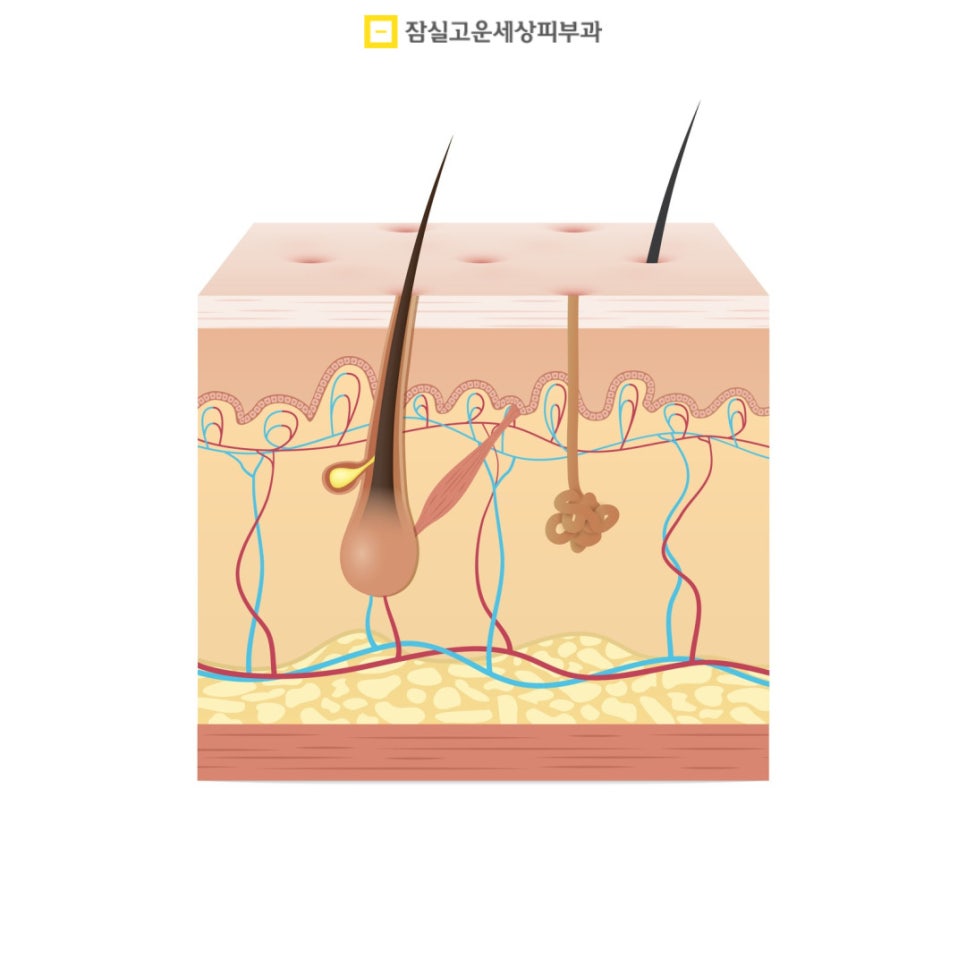
To understand acne accurately, we first need to understand the structure of our skin pores.
A pore is not simply a hole; it is a complex structure in which the sebaceous gland, hair follicle, and stratum corneum are intricately connected. Under normal circumstances, oil produced by the sebaceous glands is naturally released through the pores, helping protect the skin. However, when various factors act together, problems arise in this normal process.
The first stage is pore clogging.
Excess dead skin cells and increased sebum combine to block the pore opening, which is the starting point of acne. Inside the clogged pore, oxygen becomes limited, and anaerobic bacteria begin to multiply.
These bacteria break down sebum and produce inflammatory substances, and our body's immune system responds to this, triggering inflammation.
When the inflammation is limited to the skin surface, it becomes a red pimple, and if it progresses deeper, it develops into a pus-filled pustule or a deep cystic acne lesion.
This entire process usually takes about 2-3 weeks, which means that the acne that appears today is actually the result of a process that began 2-3 weeks ago. Understanding this mechanism helps explain why acne treatment takes time and why prevention is important.
- Types and characteristics of acne
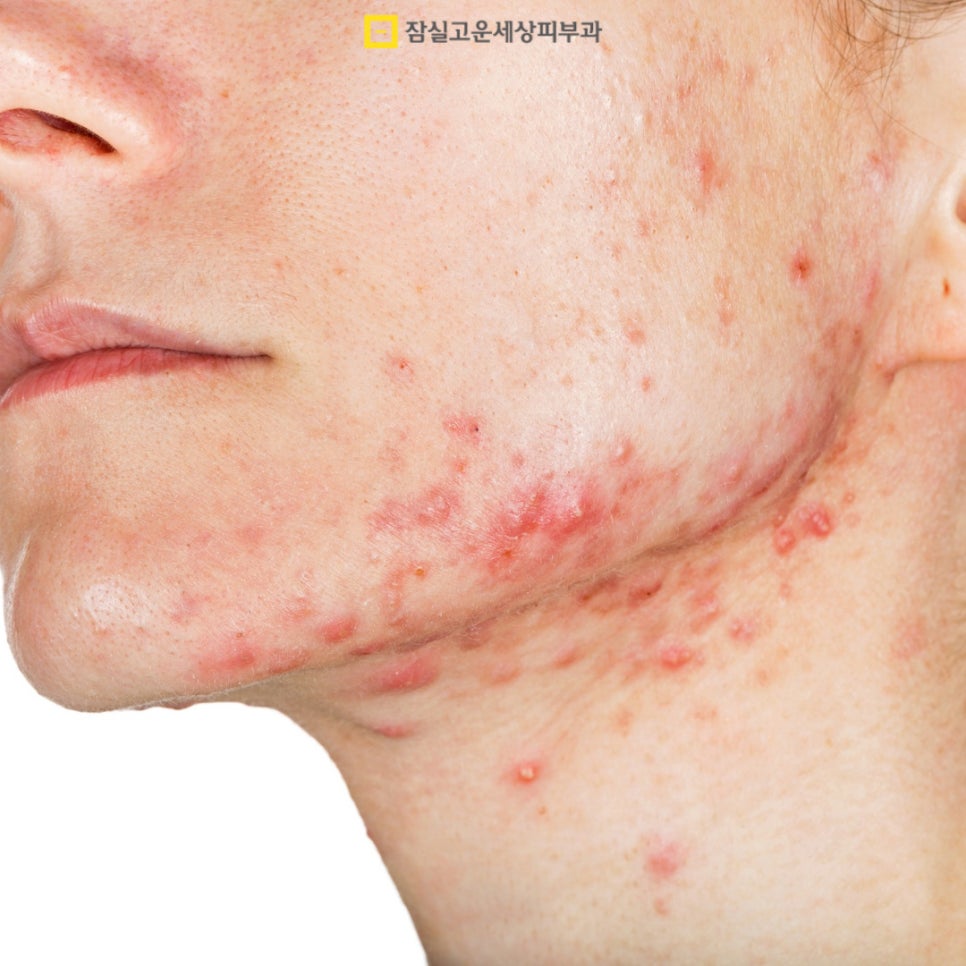
Acne is divided into several types depending on the degree and depth of inflammation. Knowing the characteristics of each type helps in choosing the appropriate treatment.
The mildest form is non-inflammatory acne, or comedones.
Blackheads and whiteheads fall into this category. Since no inflammatory response has occurred yet, they can often be managed easily with proper care alone.
The next stage is inflammatory acne, or papules.
These appear as small, red bumps and are often painful to the touch. At this stage, inflammation has started, but pus has not yet formed.
When papules progress further, they become pustules.
This is the typical acne appearance with white pus visible in the center. Many people try to squeeze them by hand at this stage, but improper squeezing can push the inflammation deeper, so caution is needed.
The most severe form is cystic acne.
A large lump can be felt deep within the skin, and it is often accompanied by severe pain.
Such acne is difficult to heal naturally and is highly likely to leave scars, so professional treatment is necessary. In addition, these lesions vary by area.
The T-zone (forehead, nose, chin) has active sebum production, so inflammatory acne tends to develop easily there, while the U-zone (cheeks, jawline) is more strongly influenced by hormones, making it a common area for adult acne. Body acne on the back or chest is strongly affected by friction and sweat, so it often worsens in the summer. The pattern also differs by age: adolescent acne is mainly inflammatory acne centered on the T-zone, while adult acne is characterized by deeper lesions centered on the U-zone.
- Factors that influence acne development
Acne is not caused by a single factor; it develops through the combined effects of multiple factors.
The biggest influence is hormones.
In particular, the male hormone androgen promotes sebum production and is a major cause of acne.
That is why acne increases sharply during puberty, and why it often worsens before menstruation in women.
Genetic factors cannot be ignored either.
If even one parent had severe acne, your own chances of developing acne increase. The size of the sebaceous glands, the amount of sebum produced, and the degree of inflammatory response are all influenced by genetics.
Lifestyle habits also have a major impact on acne.
Stress increases the hormone cortisol, which promotes sebum production and worsens inflammation.
Lack of sleep can also cause hormonal imbalance and worsen acne.
The relationship between diet and acne has long been debated, but recent studies have found that high-sugar foods and dairy products may worsen acne. In particular, foods with a high glycemic index are known to increase insulin secretion, which in turn promotes androgen secretion and can aggravate acne.
Poor skincare habits can also worsen acne.
Harsh cleansing or excessive exfoliation can damage the skin barrier and worsen inflammation, while insufficient cleansing can clog pores and trigger acne.
Methods for Preventing and Improving Acne
- Professional treatments and prescription medications
If acne is severe or keeps recurring, the surest approach is to get help from a dermatologist. Many acne medications currently available have scientifically proven effectiveness, so with proper treatment, significant improvement can be expected.
The most widely used treatments are retinoid medications.
Ingredients such as tretinoin and adapalene fall into this category, and they help prevent pores from clogging and clear pores that are already blocked. They also promote cell turnover, which helps acne marks recover faster. However, dryness or increased flaking may occur at first, so they should be used by gradually increasing the concentration.
Antibiotics are also effective for inflammatory acne.
Tetracycline antibiotics such as doxycycline and minocycline are commonly used, and they help suppress the growth of acne-causing bacteria and reduce inflammation.
However, long-term use can lead to resistance, so they are generally used for only about 3-4 months.
For women, hormonal treatment may also be considered.
Medications such as birth control pills or spironolactone can improve acne by suppressing the action of androgens.
In the case of severe cystic acne, a powerful medication called isotretinoin (Roaccutane) may be used.
This medication can fundamentally treat acne by dramatically reducing sebum production, but because it may have side effects, it must be used under the supervision of a specialist.
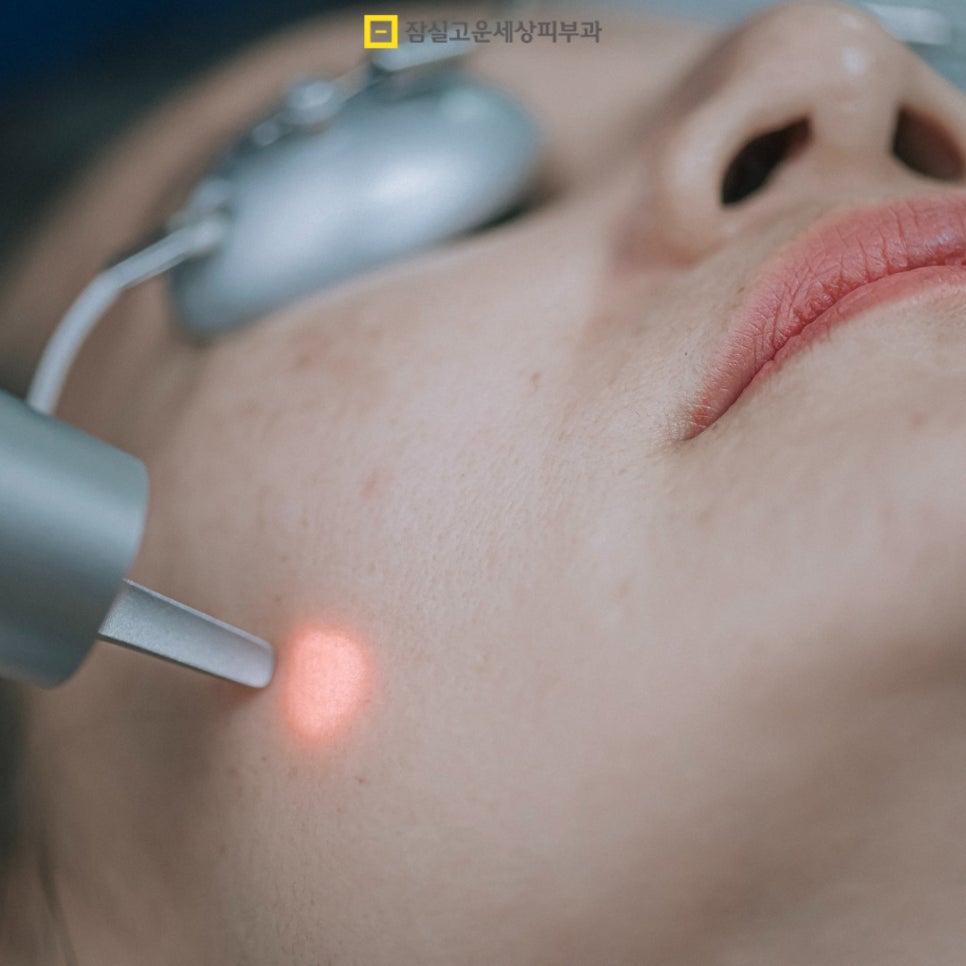
Procedural treatments include PDT (photodynamic therapy), IPL, and laser treatment.
These treatments help kill acne-causing bacteria and suppress the activity of the sebaceous glands.
- Proper skincare and lifestyle management
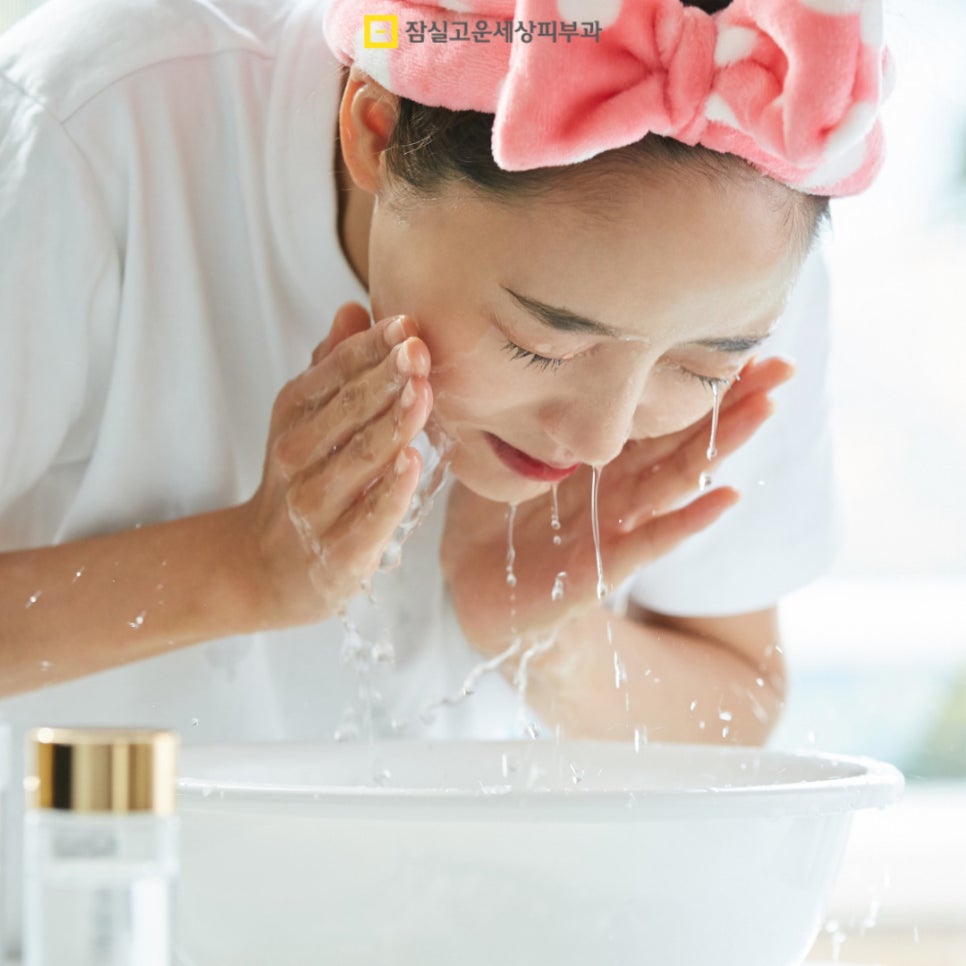
The most important part of acne care is proper cleansing.
Washing gently twice a day with lukewarm water is the basic rule.
Rubbing too hard or using hot water can irritate the skin and worsen inflammation.
Choose a cleanser with a mildly acidic pH of around 5.5, and using products containing acne treatment ingredients such as salicylic acid or benzoyl peroxide can also help. However, if you use strong products every day, your skin may become dry, so it is important to adjust based on your skin condition.
Moisturizing is also essential for acne-prone skin.
If you neglect moisturizing just because you have acne, your skin may produce even more oil, creating a vicious cycle. It is better to lightly moisturize with non-comedogenic or oil-free products.
Sun protection is also important.
Ultraviolet rays can worsen inflammation and make acne marks darker, so it is best to apply a sunscreen with SPF 30 or higher every day. When choosing cosmetics, prioritize non-comedogenic products, and rather than layering too many products, it is better for acne-prone skin to keep things simple and use only essential products.
If you wear makeup, it is important to remove it completely at night, and you should be careful to prevent makeup residue from clogging pores through double cleansing.
Above all, the most important thing when acne appears is never to squeeze it with your hands.
Squeezing with your hands can push bacteria deeper, worsen inflammation, and increase the risk of scarring.
If it really needs to be removed, it is safer to have it professionally extracted at a dermatologist's office.
- Lifestyle improvements and prevention strategies
Acne is often difficult to fully resolve with external care alone.
It is important to improve lifestyle habits and address the underlying causes.
The most important thing is getting enough sleep.
Lack of sleep can increase the stress hormone cortisol and worsen acne.
Also, skin regeneration is active during sleep, so getting enough rest helps acne recover faster. It is best to maintain a regular sleep schedule of 7-8 hours a night.
Stress management is also essential.
Chronic stress causes hormonal imbalance and worsens acne.
It is important to build habits that reduce stress through regular exercise, hobbies, meditation, and similar activities.
Improving your diet can also help manage acne.
It is better to reduce foods with a high glycemic index (white rice, bread, snacks, etc.) and dairy products, and instead increase whole grains, fresh fruits and vegetables, and fish rich in omega-3.
Adequate water intake is also important, and drinking about 1.5-2 liters of water a day helps flush out waste from the body and maintain skin hydration.
Environmental factors should also be considered.
Pillowcases should be changed 2-3 times a week, and items that touch the face, such as smartphones and glasses, should be disinfected regularly. Keep hair from touching the face, and correct the habit of touching your face frequently with your hands.
Above all, consistent care is important.
Acne treatment often does not show results in the short term, so you need to manage it consistently for at least 2-3 months to see real effects.
"Acne"
can be treated.

The most important weapons in the war against acne are "accurate information" and "persistent patience."
Do not be tempted by unverified folk remedies circulating on the internet or sweet promises like "a miracle product that makes acne disappear in 3 days."
Acne is a more complex condition than many people think, but it is a problem that modern medicine can treat sufficiently.
The important thing is to accurately identify your own acne type and choose the right treatment for it. If your acne is mild, proper home care alone may be enough to improve it, and if your acne is severe, do not hesitate to seek help from a dermatologist.
Remember: there is no need to shrink back because of acne.
It is a very common problem experienced by billions of people around the world, and with the right approach, it can definitely be addressed. Starting tomorrow, practice the proper cleansing method, and if necessary, seek help from a professional.
Imagine having clear skin six months from now, and start a smart battle against acne today!
Thank you!
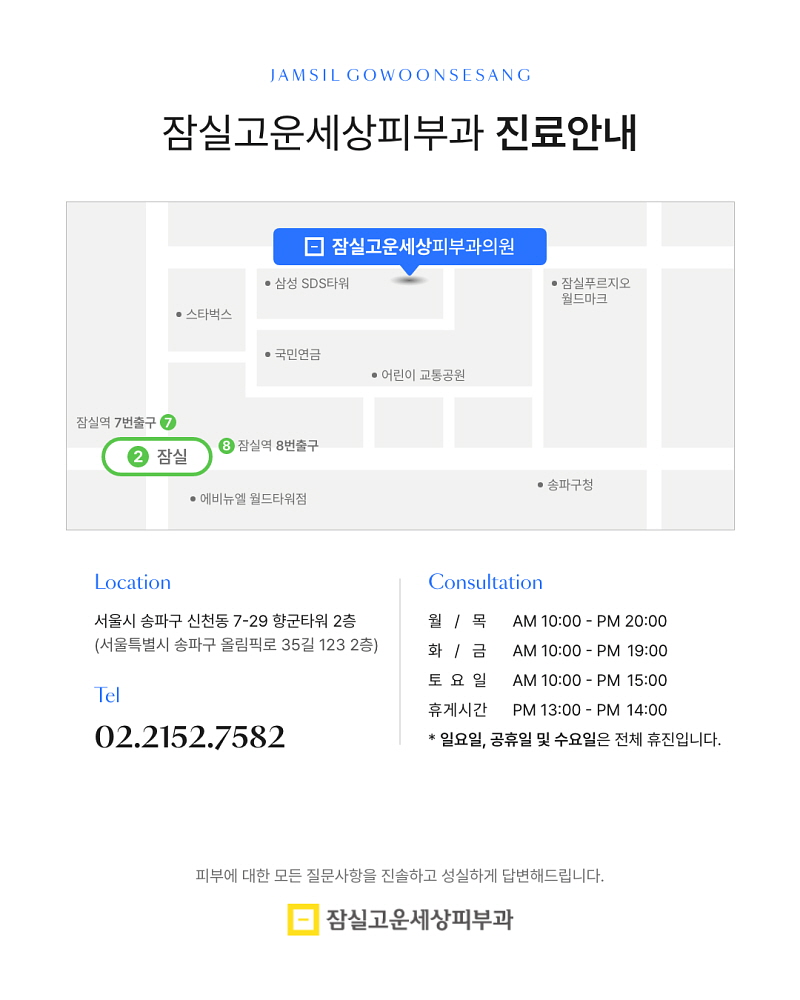
🧡 Directions to Jamsil Gounsesang Dermatology 🧡
🧡 Jamsil Gounsesang Dermatology Clinic Information 🧡
🧡 Go to the Jamsil Gounsesang Dermatology homepage 🧡
This article is provided by Jamsil Gounsesang Dermatology for the provision of medical information in accordance with Article 56, Paragraph 1 of the Medical Advertising Act. All procedures/surgeries carry the risk of side effects such as bleeding, infection, and nerve damage, so please proceed carefully after sufficient consultation with medical staff.