Whiteheads Completely Solved,
From Causes to Care!
Hello!
This is Jamsil Good Skin Dermatology.
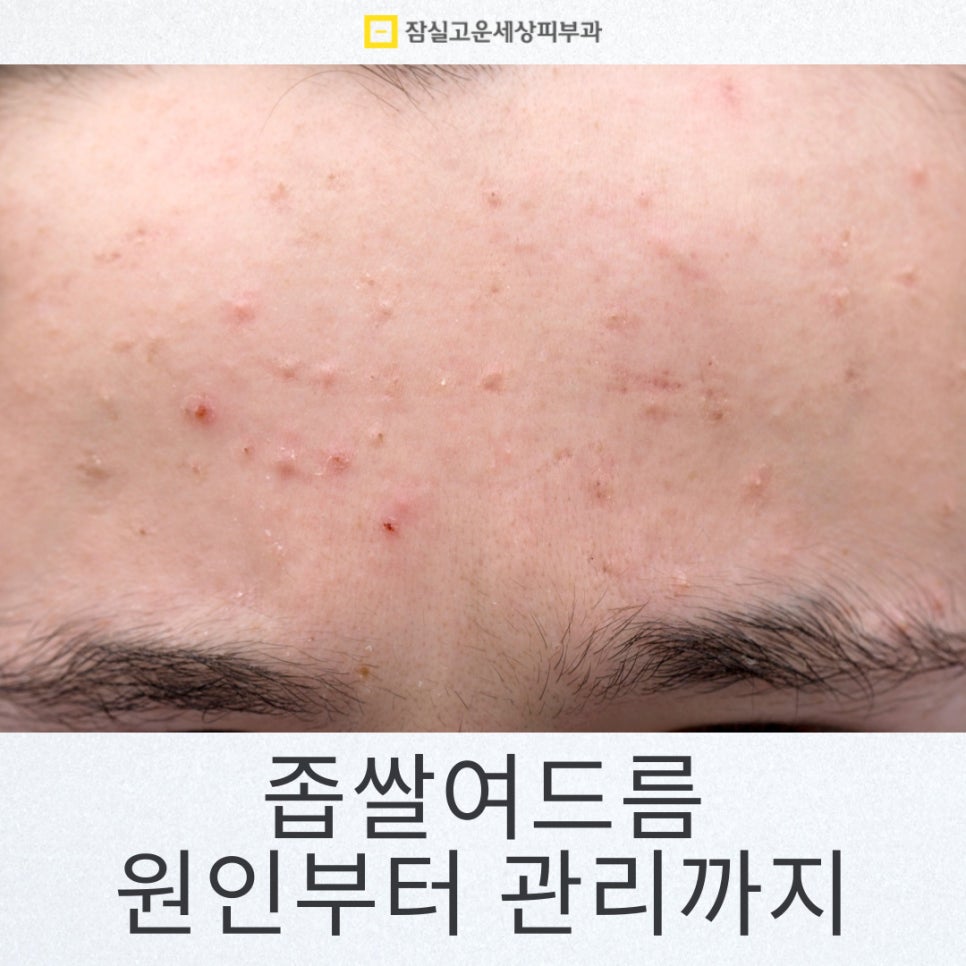
If you look closely in the mirror, you may have noticed small bumps
rising on the surface of your skin, right?
Those are whiteheads. You may often wonder, “Can I squeeze this?”
, “Why do they keep appearing?”, or “They don’t even cover well
with makeup, so it’s stressful.”
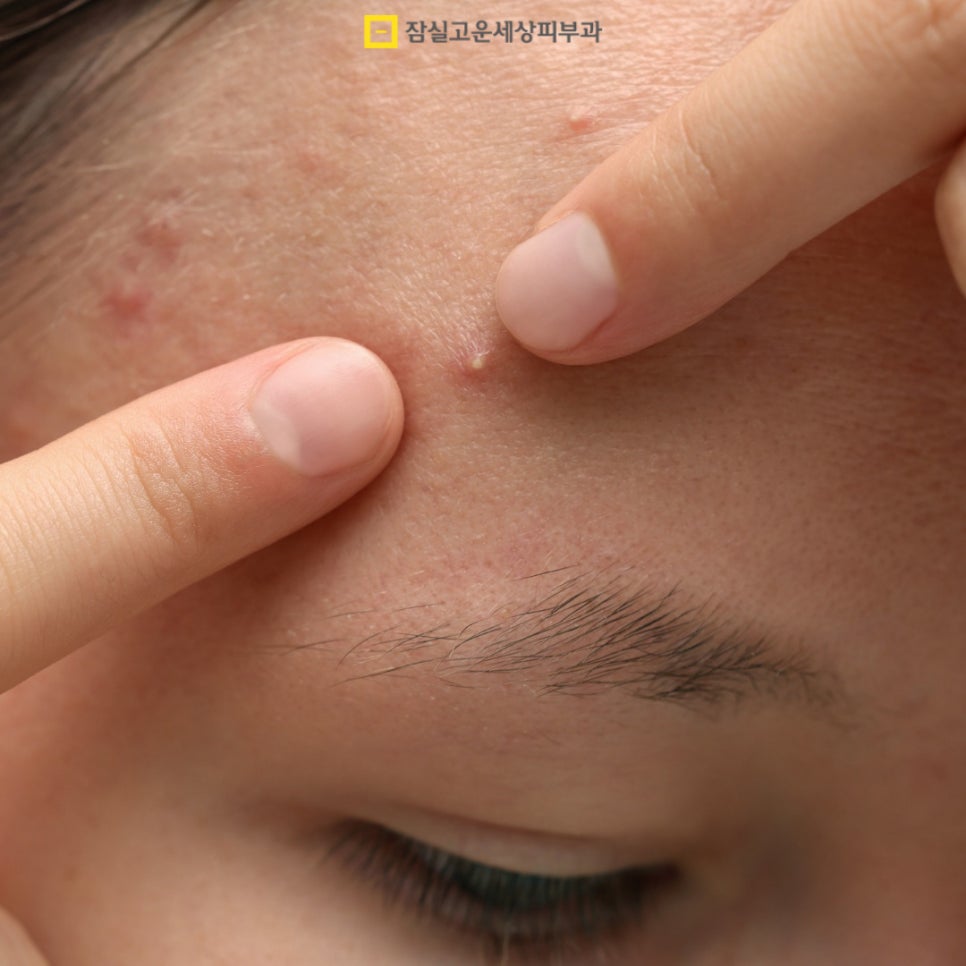
Whiteheads are less noticeable than inflammatory acne,
but they make the skin look rough and prevent makeup from
sitting well, so they are a skin concern that many people
worry about more than expected. In particular, they often
appear concentrated on the forehead, cheeks, and chin,
damaging the skin’s overall texture. However, if you identify
the cause accurately and practice the right care methods,
whiteheads can be improved sufficiently. Today, we’ll explain
in detail practical information, from why whiteheads appear
to effective ways to address them.
Causes and Mechanism of Whiteheads
- How whiteheads form
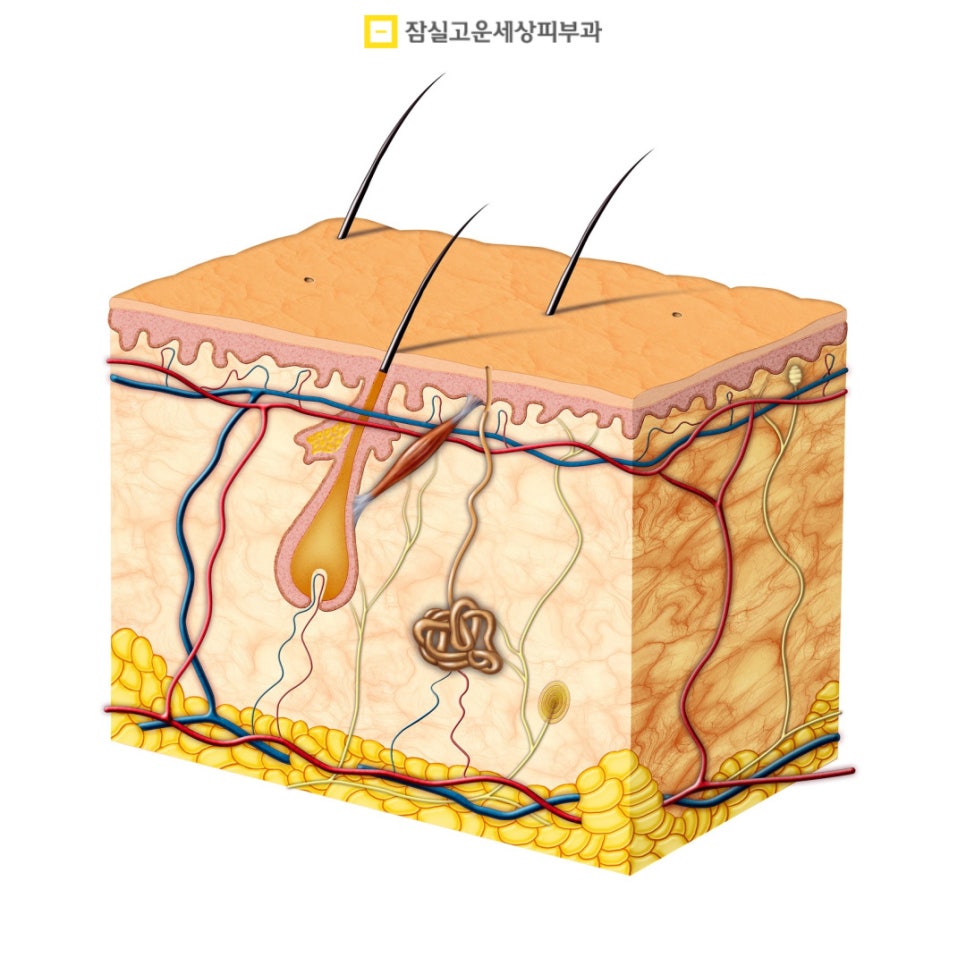
To understand whiteheads, you first need to know the structure
of skin pores.
Pores are connected to sebaceous glands, so oil produced by
the sebaceous glands comes out through the pores onto the skin
surface. The problem is the blockage that occurs in this process.
Oil from the sebaceous glands and dead skin cells that should
naturally shed from the skin clump together at the pore opening,
forming a small plug.
If the pore is not completely blocked and remains slightly open,
it oxidizes on contact with air and becomes a blackhead, which
looks like a dark dot. If the pore is completely blocked and does
not come into contact with air, it becomes a whitehead that looks
like a small white bump. Whiteheads, in particular, are trapped
inside the skin and are not easily expelled.
As sebum and dead skin cells continue to build up inside the pore,
they form a small sac and protrude as a bump on the skin surface.
Bacteria associated with acne may also proliferate in this process,
but because there is not yet a strong inflammatory reaction, there
is no redness, swelling, or pus. However, if left untreated, it can
develop into inflammatory acne, so early care is important.
- Types and characteristics of whiteheads
Whiteheads are broadly divided into two types.
Knowing the characteristics of each helps you choose the right care method. A whitehead is, quite literally, shaped like a small white bump. The pore is completely blocked, so the contents do not
contact air and appear white.
They commonly appear on the forehead, nose, and chin, and although
they are small at about 1–2 mm, they feel bumpy when touched.
Whiteheads are deep inside the skin, so they are difficult to
expel on their own, and trying to squeeze them forcibly can cause
inflammation.
Blackheads form when the pore is open and the contents meet air,
oxidize, and turn black.
They appear most often around the nose, especially the tip and the
sides of the nostrils, and occur more frequently in people with
larger pores.
Blackheads are easier to remove than whiteheads, but once a pore
has formed them, it tends to remain enlarged, so recurrence is
easy. The pattern also differs by age. In the teens, T-zone types
that mainly appear on the forehead and nose are common, while in
the 20s and 30s, U-zone types that appear along the cheeks and jawline increase. After the 40s, whiteheads tend to appear more around
the chin due to hormonal changes.
- Factors that influence whitehead formation
Why is it that, even in the same environment, some people have
almost no whiteheads while others get many?
It’s because several factors act together.
The biggest influence is genetic factors.
Many things, such as sebum production, pore size, and the speed at
which dead skin cells are produced, are largely determined by genes.
If even one parent had severe acne, you may also be prone to
whiteheads.
Hormonal changes are also an important factor.
In particular, male hormones called androgens increase sebum
production and trigger whiteheads. That is why whiteheads can
worsen during periods of rapid hormonal change such as puberty,
before menstruation, during pregnancy, and during menopause.
Skincare habits also have a major effect.
Using cosmetics that are too oily or damaging the skin barrier with
overcleansing can actually increase sebum production.
Conversely, if you neglect cleansing and do not properly remove dead
skin cells and makeup residue, pores can become blocked more easily.
Environmental factors also cannot be ignored.
Air pollutants such as fine dust and yellow dust can clog pores, and
staying in humid or greasy environments for long periods can worsen
whiteheads.
Prevention and Improvement Methods for Whiteheads
- Professional treatments and procedures
When whiteheads are too numerous or do not improve well with self-care,
professional treatment is effective. There are various treatment options,
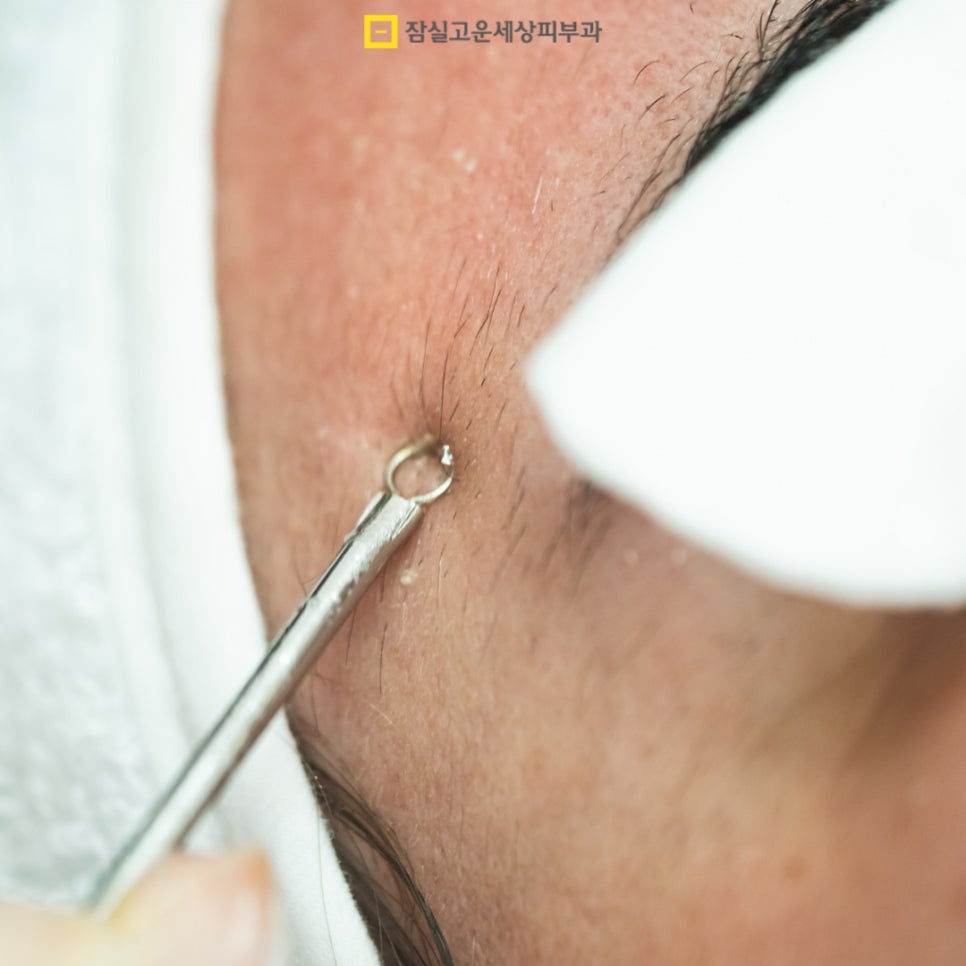
so they can be chosen according to skin condition. The most immediate
effect is extraction treatment.
This is a method of safely removing the contents inside the pores with
professional tools and techniques, which is completely different from
squeezing them yourself. Because the skin is properly softened first and
the procedure is performed under sterile conditions, they can be removed
cleanly without inflammation or scarring.
Chemical peeling is also a very effective treatment.
It uses acidic ingredients such as AHA or BHA to gently remove the outer
layer of dead skin cells and clear the pores. In particular, salicylic acid
dissolves well in oil, so it penetrates deeply into the pores and is excellent
for removing sebum and dead skin cells.
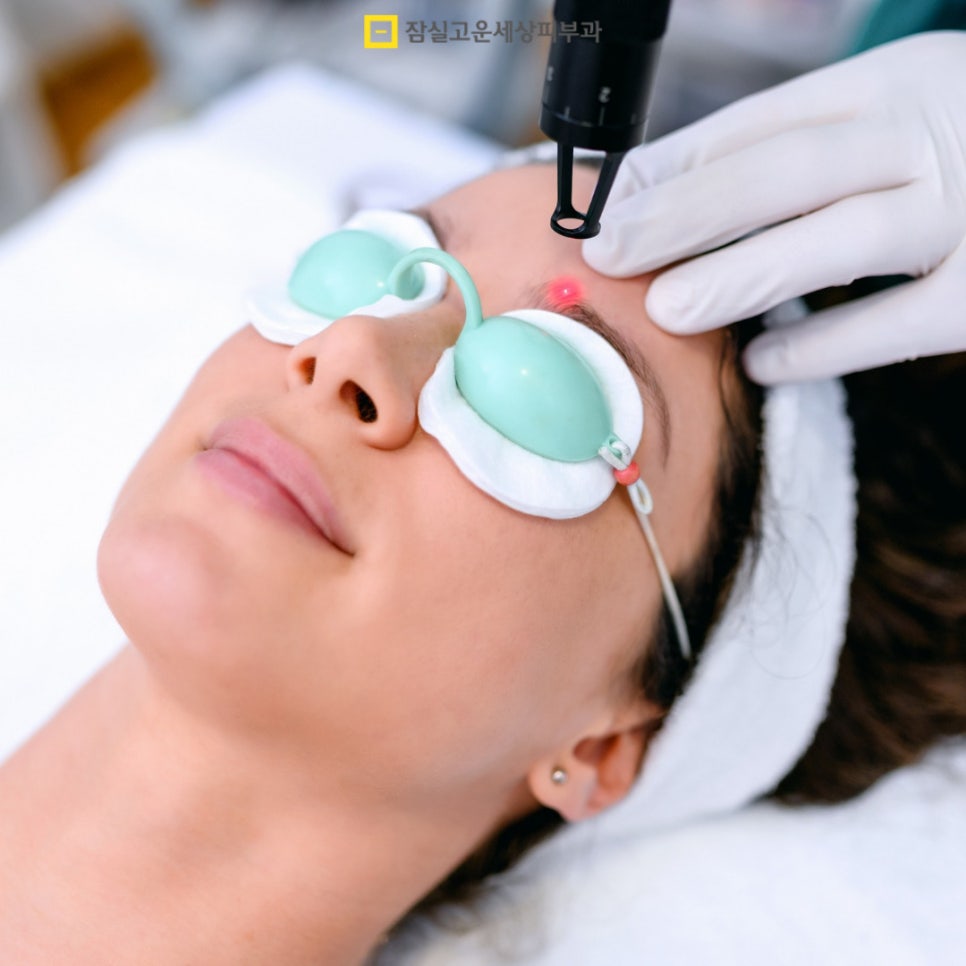
Laser treatment is also a good option.
Treatments such as erbium:YAG laser or IPL can help control sebaceous gland
activity and reduce pore size.
Recently, mild peeling treatments such as LHA peeling and yellow peeling
have also been widely used. They are less irritating than conventional peels
while still providing consistent effects, so they can be used even on sensitive
skin.
The number of treatment sessions varies by individual, but noticeable
improvement can usually be expected after about 3 to 5 sessions at 2- to 4-week intervals.
- Proper home care methods
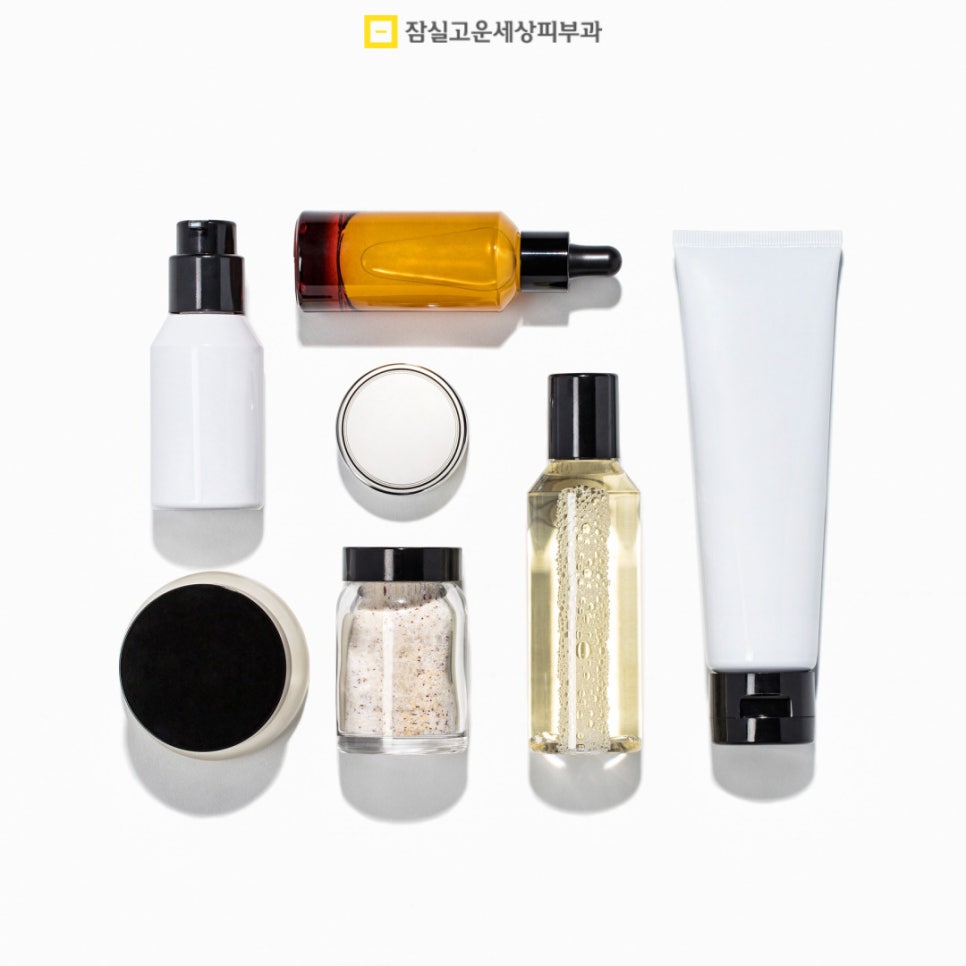
Home care is also very important for improving whiteheads.
If you know the right methods and practice them consistently, you can achieve effects comparable to professional treatment.
The basics are proper cleansing. Use a mildly acidic cleanser that is not too
irritating, wash gently twice a day with lukewarm water.
A cleansing time of about 30 seconds to 1 minute is appropriate, and rubbing
too long or using hot water can damage the skin barrier.
Using ingredients for dead skin cell care is also helpful.
BHA (salicylic acid) is excellent for dissolving sebum and dead skin cells inside
the pores, and AHA (glycolic acid, lactic acid) gently removes dead skin cells
on the skin surface. However, when using them for the first time, it is important
to start with low-concentration products and give your skin time to adjust.
Retinol is also an effective ingredient. It promotes cell renewal, helps prevent
pore blockage, and speeds up the expulsion of existing whiteheads. However,
it may initially increase dryness or flaking, so moisturizing care should be
provided alongside it.
Niacinamide helps regulate sebum production and reduce pore size, making it
good for preventing whiteheads. Another advantage is that it causes almost no
irritation, so it can be used daily.
Moisturizing is also a step you should never skip.
If you neglect moisturizing because you have whiteheads, the skin may secrete
even more oil, creating a vicious cycle. It is best to choose a non-comedogenic
product or a lightweight gel-type moisturizer.
Above all, you should never squeeze them with your hands. Squeezing with your
nails can damage the surrounding tissue and cause inflammation, which can
lead to even bigger problems.
- Lifestyle improvements and prevention methods
Whiteheads are closely related to lifestyle, so daily habits are very important.
Small changes can add up to major improvement.
First, it is important to maintain proper eating habits.
Excessive intake of sugary foods or greasy foods can increase sebum production.
In particular, try to reduce chocolate, snacks, and fried foods as much as possible,
and instead try to eat plenty of fresh fruits and vegetables and stay well hydrated.
Fish and nuts rich in omega-3 can help reduce inflammation.
Adequate sleep is also essential for skin health.
From 10 p.m. to 2 a.m. is the time when skin regeneration is most active, so it is
best to be in deep sleep during this time.
Lack of sleep can cause hormonal imbalance and increase sebum production.
Stress management is also important. Chronic stress can increase cortisol secretion
and worsen whiteheads. Try to build habits that relieve stress through regular
exercise, hobbies, meditation, and similar activities.
If you have to wear a mask for long periods, it is good to take it off from time to time
to let it ventilate, and disposable masks should be replaced with a new one every day.
Choosing cosmetics is also important. Select products labeled non-comedogenic, and
rather than using too many products at once, keeping things simple with only the
essential items will reduce the burden on your skin.
Lastly, patience is important.
Improving whiteheads does not happen overnight, and it usually takes at least 4 to 8 weeks.
If you keep caring for them consistently, you will definitely see improvement.

Whiteheads are a problem that can improve much faster than many other skin concerns.
If the right methods are applied, noticeable changes can be seen within 2 to 4 weeks.
There are many things you can start doing today.
Even using just one BHA product properly can help you directly experience unclogged pores, and changing only your cleansing method can significantly reduce the formation of new whiteheads.
There is no need to change all your cosmetics or spend a lot of money.
Simply adjusting how you use the products you already have can be enough to bring improvement.
In particular, prevention is much easier than treatment for whiteheads.
Once they have been cleared up, simple care alone can help maintain smooth skin.
Stop sighing at the mirror and start now. In a month, the image you see in the mirror will definitely look different. Whiteheads are an opponent you can conquer more easily than you might think!
🧡 Directions to Jamsil Good Skin Dermatology 🧡
🧡 Jamsil Good Skin Dermatology Clinic Information 🧡

🧡 Go to the Jamsil Good Skin Dermatology website 🧡
This article is provided by Jamsil Good Skin Dermatology for the purpose of offering medical information in accordance with Article 56, Paragraph 1 of the Medical Service Act Advertising Regulations. All procedures/surgeries carry the risk of side effects such as bleeding, infection, and nerve damage, so please proceed carefully after sufficient consultation with medical staff.