Complete Guide to Skincare Information!
Smart Product Selection and
Care Tips

Hello!
This is Jamsil Gounsesang Dermatology :)
Have you ever looked in the mirror every day and thought, “Why does my skin look like this?” The skincare market is full of products, each labeled as “innovative” or “groundbreaking,” but finding one that suits you is not easy. The bigger problem is that misinformation spreads as if it were established fact.
Beliefs like “the more expensive the product, the better it is,” “the more you apply, the more effective it is,” and “it should show immediate results” often end up damaging the skin instead. In reality, using the right ingredients in the right way is far more important. I’ll organize and share information that can help you make reasonable choices based on scientific evidence, without being swayed by cosmetics companies’ marketing.
Smart Product Selection Criteria
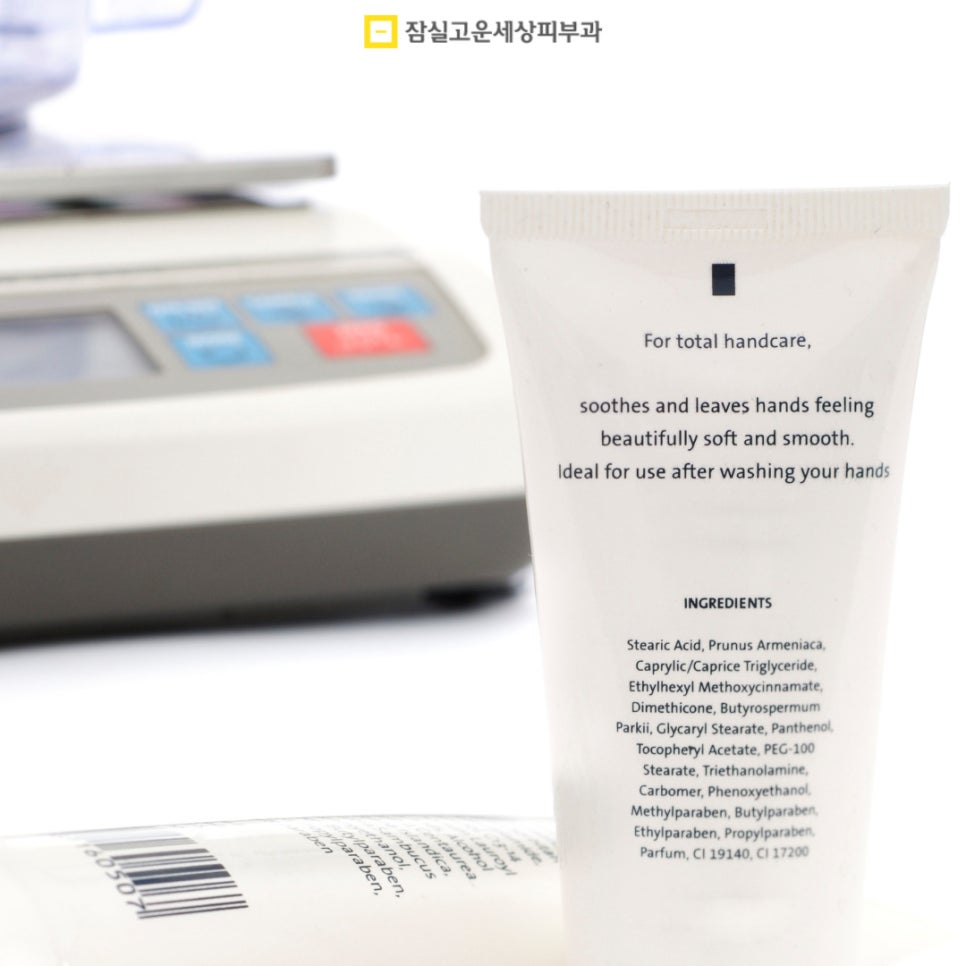
- How to Read Ingredient Lists and Key Points
When buying cosmetics, the first thing to check is not the brand name or the price, but the ingredient list.
However, ingredient lists are full of complex chemical names, so it can be hard to know where to start.
The important thing is that you do not need to know every ingredient. A few key principles are enough.
First, ingredient lists are written in order of concentration, from highest to lowest. You can think of the first 5–6 ingredients as making up most of the product, while ingredients listed near the end are only present in small amounts. So if an ingredient you expect to be effective appears too far down the list, its actual effect may be limited.
Basic ingredients like water (aqua), glycerin, and butylene glycol naturally appear near the top, and you should pay close attention to the ingredients that come after them.

There are also ingredients you may want to avoid. If alcohol (ethanol) appears near the top of the list, it can dry out the skin, and people sensitive to preservatives such as parabens or MIT/CMIT should avoid them. Fragrance, parfum can also be irritating for sensitive skin.
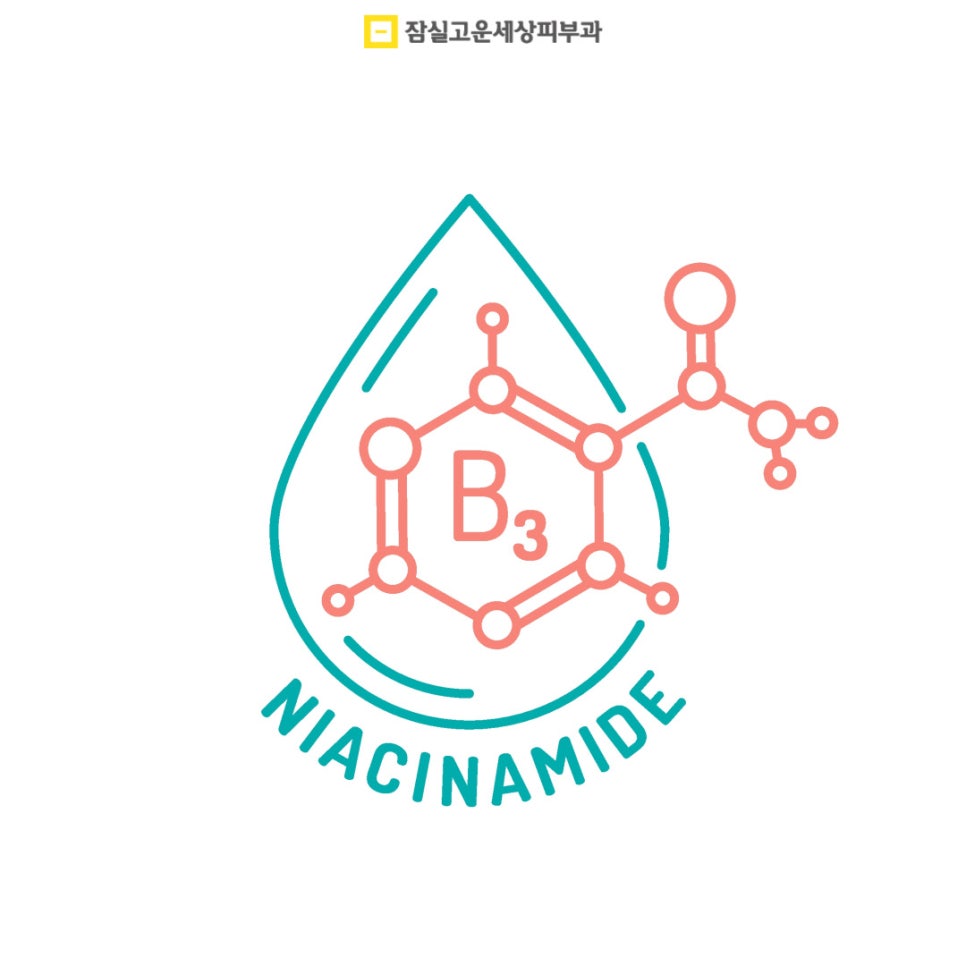
On the other hand, there are ingredients worth looking for.
Niacinamide is a versatile ingredient that helps reduce inflammation and control sebum, while ceramides are essential for strengthening the skin barrier. Hyaluronic acid is recognized for moisturizing, and adenosine is recognized as an ingredient effective for improving wrinkles. Concentration also matters: vitamin C is typically appropriate at 10–20%, and niacinamide at 5–10%. If the concentration is too high, it can be irritating; if too low, the effect may be minimal. However, concentrations are often not disclosed, so it is helpful to use the ingredient list order as a reference.
- Product Selection Guide by Skin Type
Knowing your skin type accurately is the basis for choosing products. But many people misidentify their skin type.
Here is a simple way to test it.
At night, wash your face as usual, apply nothing, and go to sleep. When you wake up in the morning, check your skin condition. If your whole face feels tight and flaky, it is dry skin. If only the T-zone is oily while the cheeks are fine, it is combination skin. If the entire face is oily, it is oily skin. If it turns red or stings, it is sensitive skin.
For dry skin, it is best to choose rich cream-type products.
Products rich in oily ingredients such as ceramides, cholesterol, and squalane are helpful, and alcohol-containing products are best avoided. For cleansers, choose gentle products such as oil cleansers or cream cleansers.
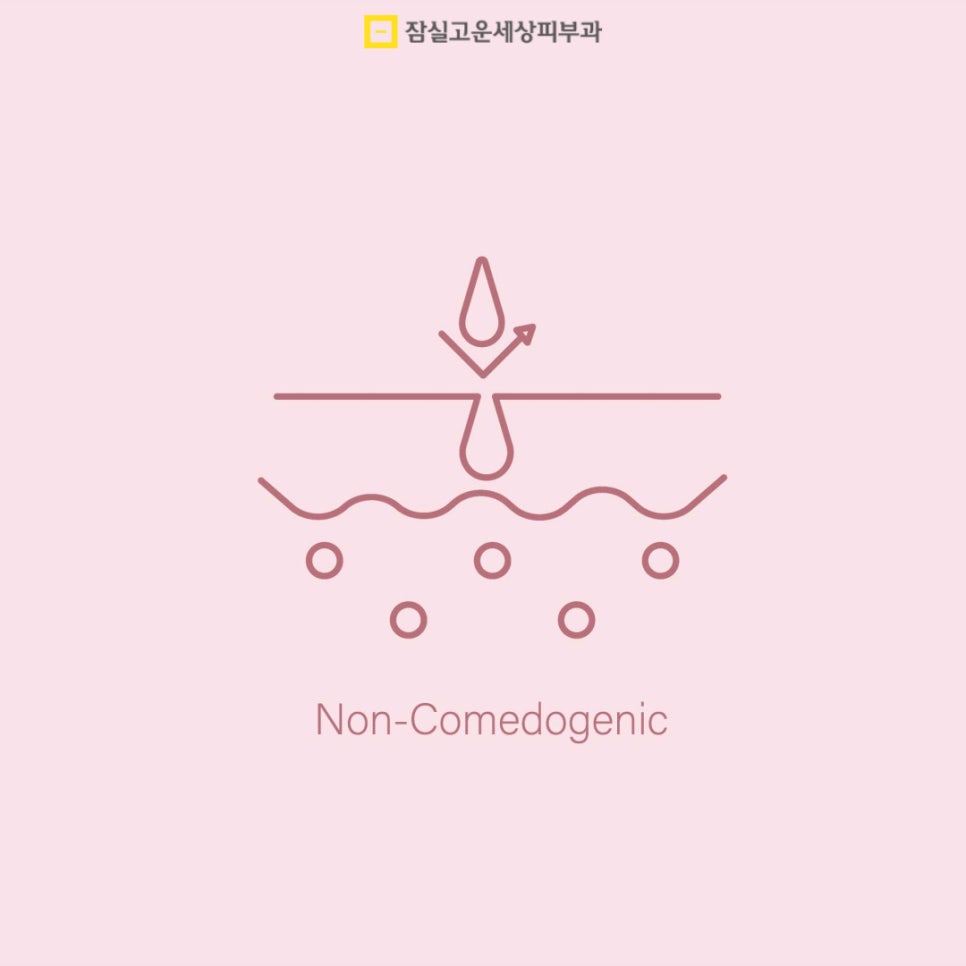
Oily skin should choose products with a light texture.
Gel or lotion types are good, and look for non-comedogenic products (products that do not clog pores). Products containing sebum-controlling ingredients such as niacinamide or salicylic acid can be helpful, and heavy creams or oils are best avoided.
Combination skin is the most difficult type to manage.
Ideally, you would use different products for different areas, but if that is inconvenient, you can choose products with a medium texture and use extra products only on the areas that need them.
For sensitive skin, it is important to choose products with simple ingredient lists.
Look for products without fragrance, alcohol, or strong preservatives, and be sure to do a patch test before using any new product. Also, since skin condition can change with the seasons, it is a good idea to separate products for summer and winter use.
- Characteristics of Cosmetic Brands and Selection Criteria
Each brand has its own characteristics and strengths.
An expensive brand is not always better, and a cheaper brand is not always worse.
What matters is finding a brand that fits your skin concerns and budget.
Korean cosmetic brands often specialize in moisturizing and soothing.
In particular, there are many products that make use of natural ingredients, and they tend to offer good quality for the price. That is also why products such as snail secret cream and cica cream have become popular worldwide.
European brands often conduct in-depth research on safety and efficacy.
In particular, French pharmacy brands are well developed for sensitive skin, and many products have simple yet effective formulas.
American brands often feature products with high concentrations of functional ingredients.
They are characterized by products using high concentrations of ingredients such as retinol, vitamin C, and AHA/BHA. However, they can be irritating, so caution is needed for sensitive skin.
Japanese brands are strong in delicate textures and user feel.
In particular, sunscreens and base makeup products tend to be highly refined. When choosing a brand, it is better to judge based on real reviews and ingredients rather than marketing phrases. Also, prioritize products developed with dermatologists’ involvement or those that have gone through clinical testing.
A strategy by price range is also needed. If your budget is limited, invest in basic products (cleanser, moisturizer, sunscreen) and add functional products one by one over time.
Practical Skincare Tips
- Seasonal Skincare Strategy
It is important to adjust your skincare routine according to the environmental changes your skin goes through each season.
Many people use the same products all year round, but that can be inefficient.
In spring, seasonal transition breakouts and allergies are the main issues.
As external irritants such as pollen and fine dust increase, the skin can become more sensitive. At this time, use products with soothing ingredients and, after going out, remove pollutants thoroughly with a careful cleanse. Also, since UV rays start getting stronger, you should begin using sunscreen in earnest.
In summer, high temperatures, humidity, and strong UV rays are the main enemies.
Sebum production increases and pores are more likely to get clogged, making acne and blackheads more likely. At this time, switch to products with a lighter texture and pay attention to exfoliation and pore care. Upgrade your sunscreen to SPF 50+ PA++++ and reapply every 2–3 hours. Even indoors, air conditioning can cause dryness, so do not neglect moisturizing.
Autumn is the time when skin recovers from summer damage.
Since pigmentation and wrinkles caused by UV exposure start to become more noticeable, it is a good time to begin focused anti-aging care. It is also a suitable time to introduce functional ingredients such as vitamin C or retinol.
In winter, the extremely dry environment can easily damage the skin barrier.
At this time, moisturizing is the top priority.
Use a richer cream than usual, and it is important to apply moisturizer within 3 minutes after washing your face. It is also good to maintain indoor humidity at around 40–60% using a humidifier.
- Proper Product Use and Order
Even the same product can work very differently depending on how it is used.
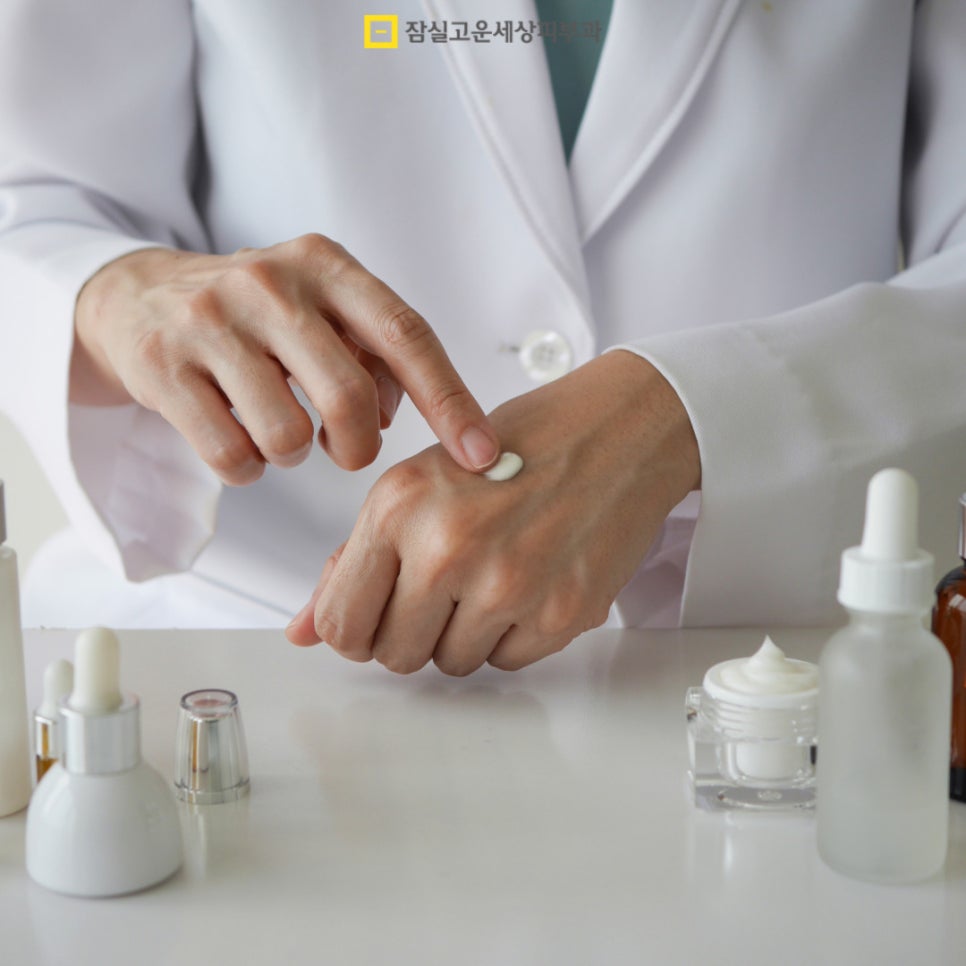
Many people only vaguely know how to use products, or use them the wrong way. The most basic rule is to apply products from the thinnest texture to the thickest.
Toners → essences → serums → creams should be applied in that order so each product can absorb properly.
It is also important to allow enough absorption time between each step.
Usually 30 seconds to 1 minute is enough, and when applying the next product, there should be no stickiness if it has been properly absorbed.
The amount used also matters. A toner amount about the size of a 500-won coin, 1–2 drops of essence or serum, and a pea-sized amount of cream are appropriate. Applying too much can prevent absorption and may clog pores.
Sunscreen, in particular, should be applied in an amount about the size of a 500-won coin for the entire face to achieve proper protection. Most people apply less than half the recommended amount, so the actual protective effect is often reduced.
Functional ingredients require special care.
Retinol should be used only at night, and at first you should start with 1–2 times per week and gradually increase. Vitamin C is best used in the morning and should be used together with sunscreen. AHA/BHA has exfoliating effects, so for a few days after use you may see more flaking; this is a normal reaction.
How you apply products also matters. The basic method is to apply gently from the center of the face outward and from bottom to top, and to tap more gently on sensitive areas such as around the eyes and mouth.
- Customized Care Based on Skin Condition
Skin is not the same every day.
Adjusting your routine flexibly according to your condition is the secret of a true skincare expert.
On days when your skin is especially dry, increase the moisturizing steps compared to usual. It is good to apply toner multiple times, use essence and serum together, and switch to a richer cream.
Conversely, on days when your skin is shiny and sticky, reduce the moisturizing steps or switch to lighter products. In particular, during summer or before menstruation, sebum production increases, so this kind of adjustment is necessary.
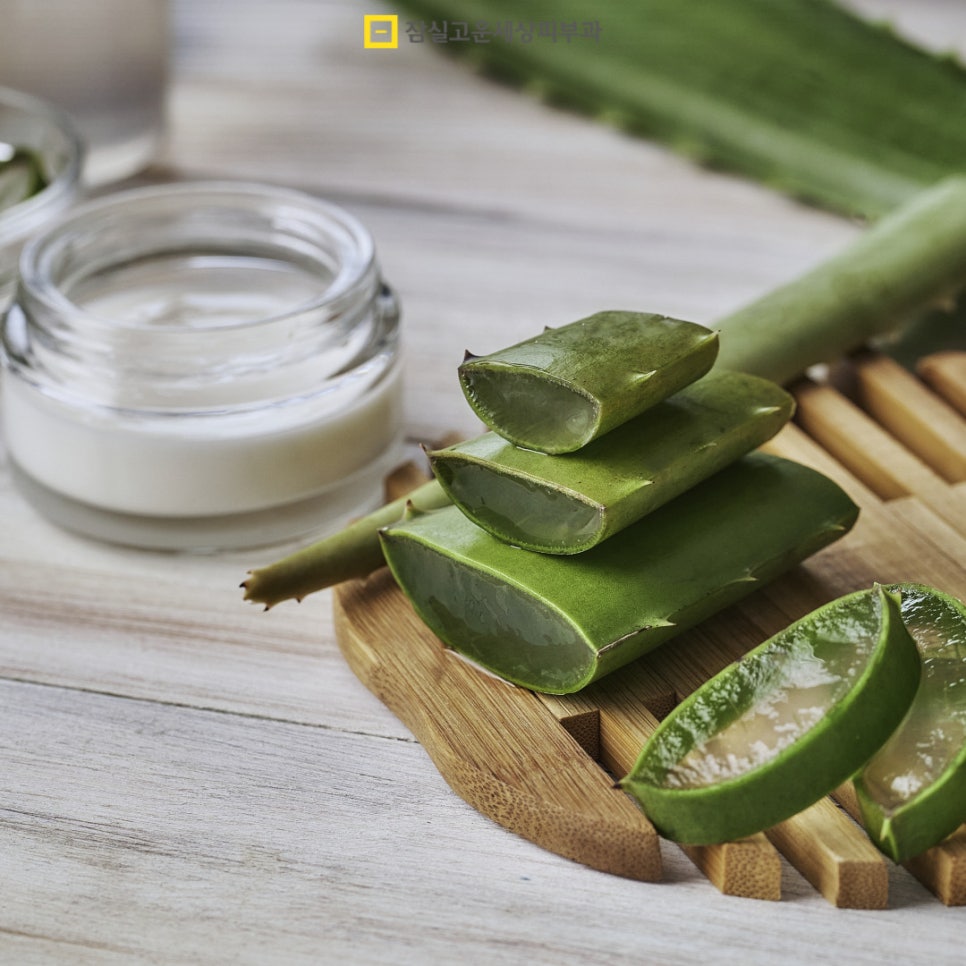
On days when your skin is sensitive, temporarily stop using functional products and switch to products containing soothing ingredients. Ingredients such as aloe, centella asiatica, and panthenol can help.
When breakouts occur, it is best to do spot care only on the affected area. If you apply acne products to the entire face, even normal areas can become dry. Use a spot treatment product, or apply products containing salicylic acid or benzoyl peroxide only to the affected area.
When you are under a lot of stress or sleep-deprived, skin regeneration can slow down. At such times, pay extra attention to antioxidant ingredients such as vitamin C and niacinamide, and it can also be helpful to use a sheet mask for intensive care.
During seasonal transitions, it is better to use gentler products than usual and avoid introducing new products. Your skin may be sensitive while adapting to environmental changes.
Skin condition also changes depending on the menstrual cycle.
Before menstruation, sebum production increases and breakouts are more likely, so pay attention to exfoliation and pore care. During menstruation, the skin becomes more sensitive, so it is best to avoid irritating products.
Skincare is an area with no single correct answer.
But with accurate information and a systematic approach, you can get the results you want much more efficiently. The most important thing is to put it into action right now. Starting today, make it a habit to check the ingredient list when buying cosmetics. Understand your skin type accurately and choose products that suit it. And do not forget to adjust your products according to the season and your skin condition.
🧡 Directions to Jamsil Gounsesang Dermatology! 🧡
🧡 Jamsil Gounsesang Dermatology Treatment Information! 🧡

🧡 Go to the Jamsil Gounsesang Dermatology Website! 🧡
This post is provided by Jamsil Gounsesang Dermatology for the purpose of providing medical information in accordance with Article 56, Paragraph 1 of the Medical Advertising Act. All procedures/surgeries carry the risk of side effects such as bleeding, infection, and nerve damage, so please proceed carefully after sufficient consultation with medical professionals.