Small bumps on the skin,
Everything you need to know
about flat warts!
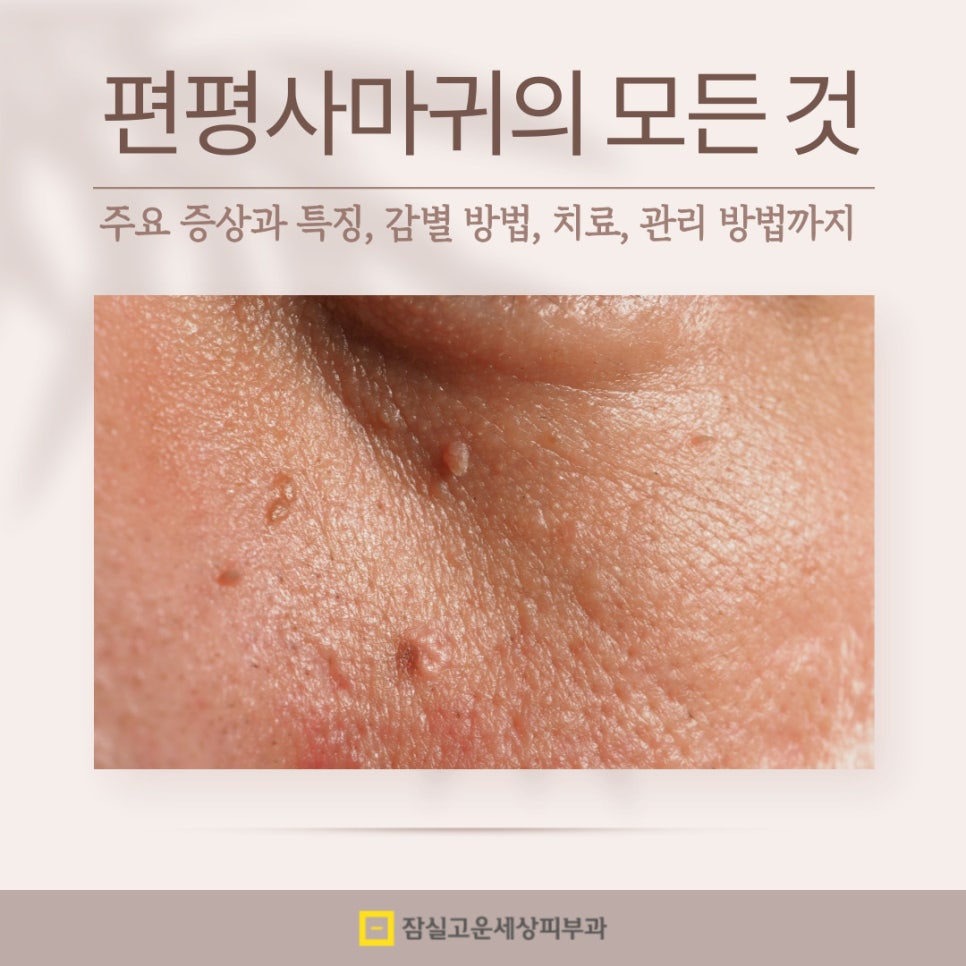
Hello, this is Jamsil Gounsesang Dermatology!
If small, millet-like bumps start appearing one by one on the face, neck, or the backs of the hands, it is worth suspecting flat warts at least once. In the early stages, they are easy to mistake for simple breakouts or dead skin, but flat warts are a viral infectious skin disease, so accurate information and proper care are necessary. Today, we will take a detailed look at the causes, symptoms, treatment methods, and prevention of flat warts.
- What are flat warts?
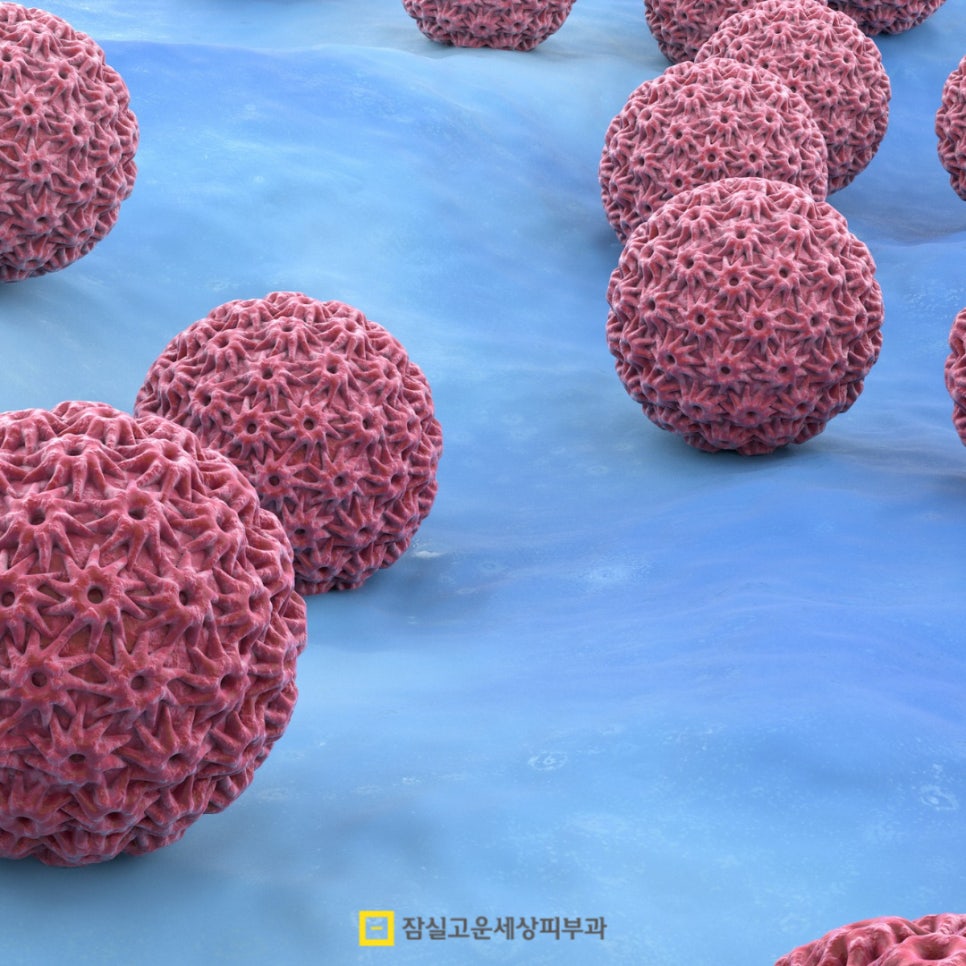
Flat warts are a benign skin condition caused by infection with the human papillomavirus.
In particular, low-risk viruses such as HPV types 3 and 10 are known to be the main causes. This virus infects the epidermal layer of the skin, causing abnormal cell proliferation, and as a result, lesions in the form of small bumps appear.
The biggest characteristic of flat warts, as their name suggests, is that they have a “flat” shape.
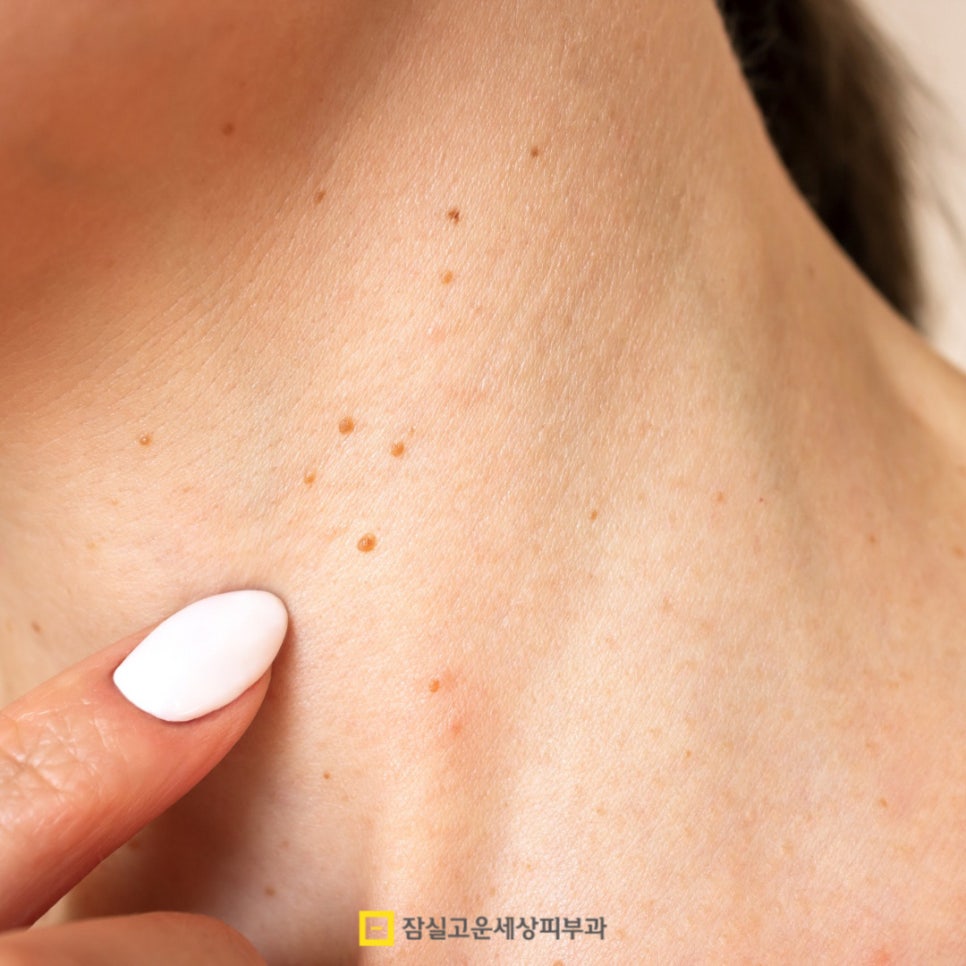
Unlike ordinary warts, they do not protrude much and remain almost level with the skin surface, and they are very small, usually about 1 to 4 mm in size. At first, they are similar in color to the surrounding skin, but over time they often gradually turn light brown or yellowish-brown.
This condition usually occurs on exposed areas such as the face, neck, backs of the hands, and forearms, and is especially common in younger people. If the virus becomes active in a weakened immune state, the number of lesions may increase rapidly or spread to a wider area, so caution is needed.
Main symptoms and characteristics of flat warts
Flat warts can be divided into active and inactive types, and each shows different characteristics.
In the case of active flat warts, new lesions appear at a relatively fast pace, and existing lesions also tend to grow. At this time, the area around the lesions may become slightly red or accompanied by itching, and patients can easily observe the spread of the lesions with the naked eye.
On the other hand, inactive flat warts show little to no increase or spread of lesions, and the color often becomes darker. Itching is also rare, and most patients do not feel much discomfort. However, being inactive does not mean they are completely safe, and they can become active again whenever the immune system weakens.
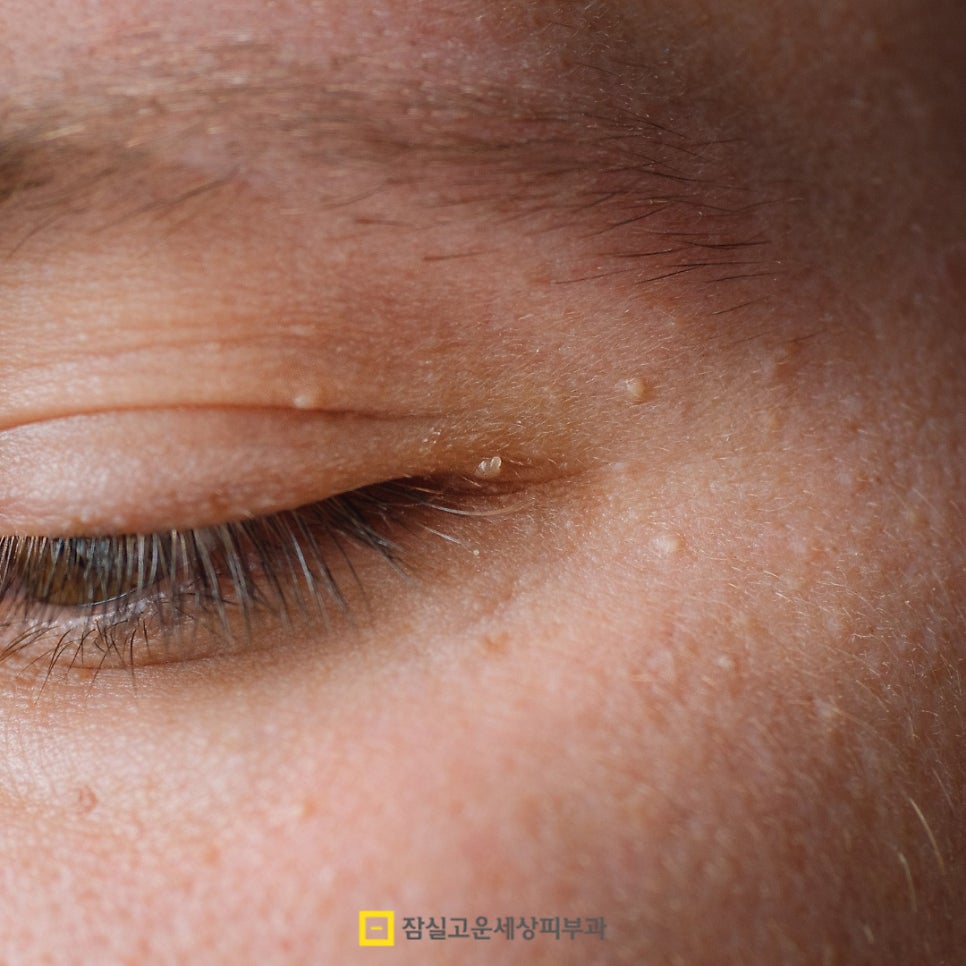
Another characteristic of flat warts is that they appear in clusters.
They may start with just one or two, but over time they can spread outward and increase to dozens or even hundreds. In particular, as the virus spreads through tiny wounds caused during shaving, massage, or skincare, they may appear in a line.
There is almost no pain, but many people experience stress due to cosmetic concerns or burden from others' attention. Especially when they occur on the face, they are difficult to completely cover even with makeup, so many patients experience psychological distress.
Transmission routes and risk factors for flat warts

Because flat warts are a viral disease, they can spread through various routes.
The most common route of transmission is direct skin contact. The virus can spread through touching another area with hands that have touched the part with flat warts, or through direct skin contact with an infected person.
Indirect transmission is also an important route.
The virus can spread through razors, towels, makeup tools, clothing, and other items, and shared belongings in particular increase the risk of infection. Since infection can also occur in public places such as beauty salons or bathhouses, it is best to use personal hygiene items.
Among the major risk factors for flat warts, weakened immunity is the most important.
When the immune system is weakened due to excessive stress, lack of sleep, nutritional imbalance, or overwork, resistance to the virus decreases and the risk of infection increases. In addition, when the skin barrier is damaged due to atopic dermatitis or eczema, the virus can penetrate more easily.
By age group, they occur especially often in young people in their teens to 30s, which is thought to be because the skin is relatively delicate during this period and there are many opportunities to be exposed to the virus due to active outdoor activities. In the case of women, the risk of infection during cosmetic use or aesthetic procedures may be higher than in men.
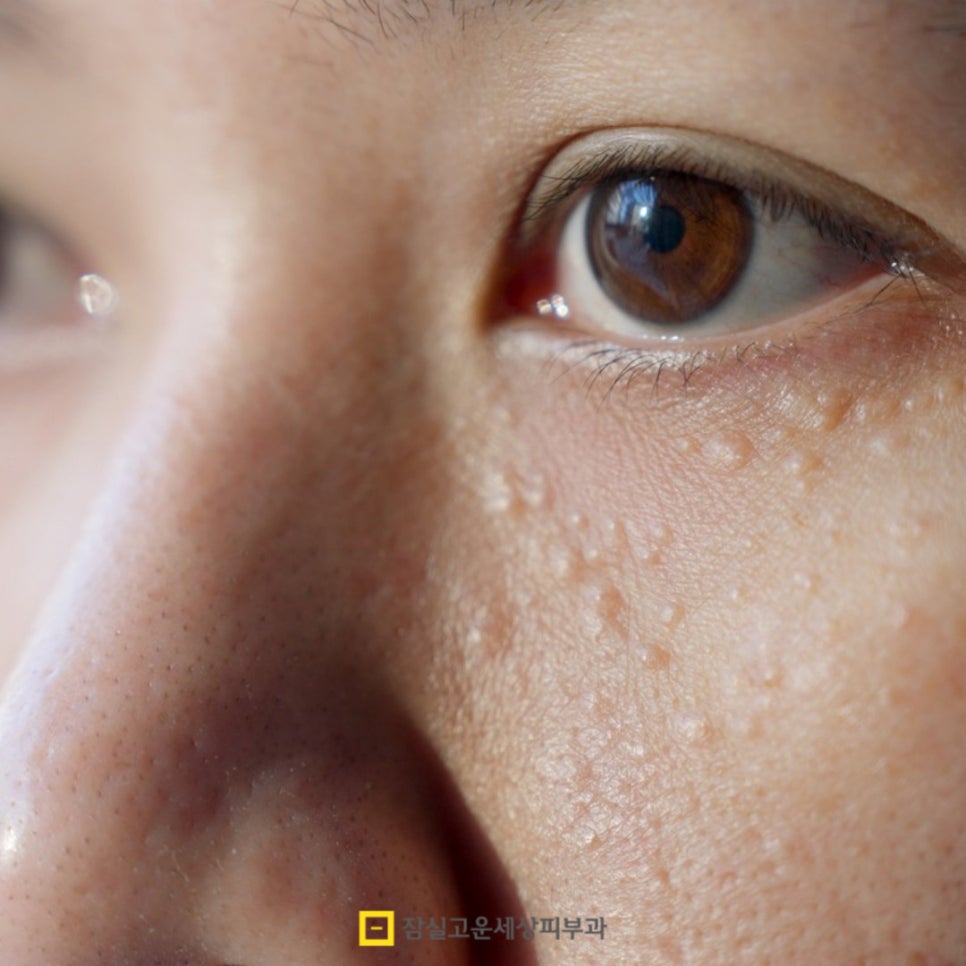
- Diagnosis and differential diagnosis of flat warts
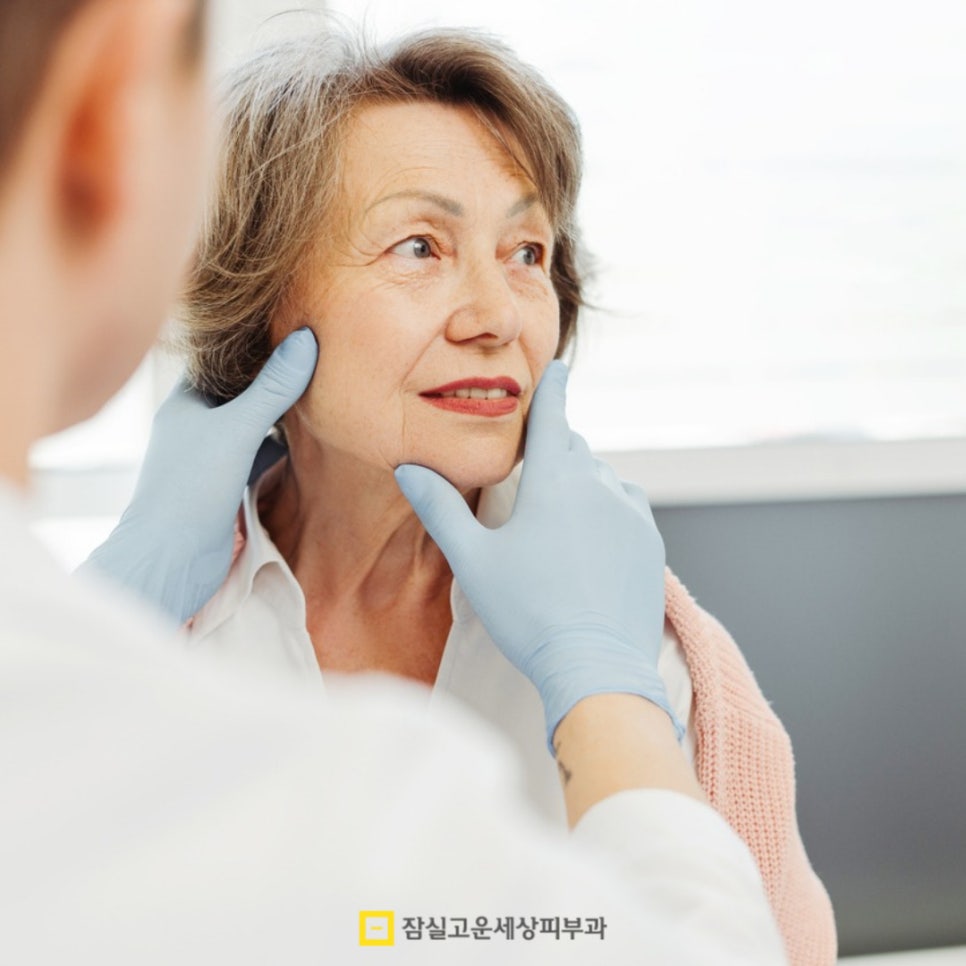
The diagnosis of flat warts mainly relies on clinical observation. A dermatologist makes a diagnosis by comprehensively observing the size, shape, color, and distribution pattern of the lesions. In particular, if multiple small flat papules gather together and occur on exposed areas such as the face or backs of the hands, flat warts can be suspected.
If necessary, a dermatoscope (skin magnifier) may be used to observe the lesions in detail. Flat warts often show tiny papillomatous structures or pinpoint bleeding spots on the surface, and these findings can help with diagnosis.
There are several diseases that must be distinguished from flat warts. Seborrheic keratosis is a benign tumor that develops with age and may look similar to flat warts, but it generally differs in that it is larger, has a rough surface, and occurs mainly after middle age.
Flat pigmented lesions, lentigines, and juvenile melanoma are also conditions that require differential diagnosis. In particular, if a flat wart has turned dark in color, it may be important to distinguish it from malignant lesions, so an accurate diagnosis by a specialist is necessary. In suspicious cases, a biopsy may be performed for confirmation.
Various treatment methods for flat warts
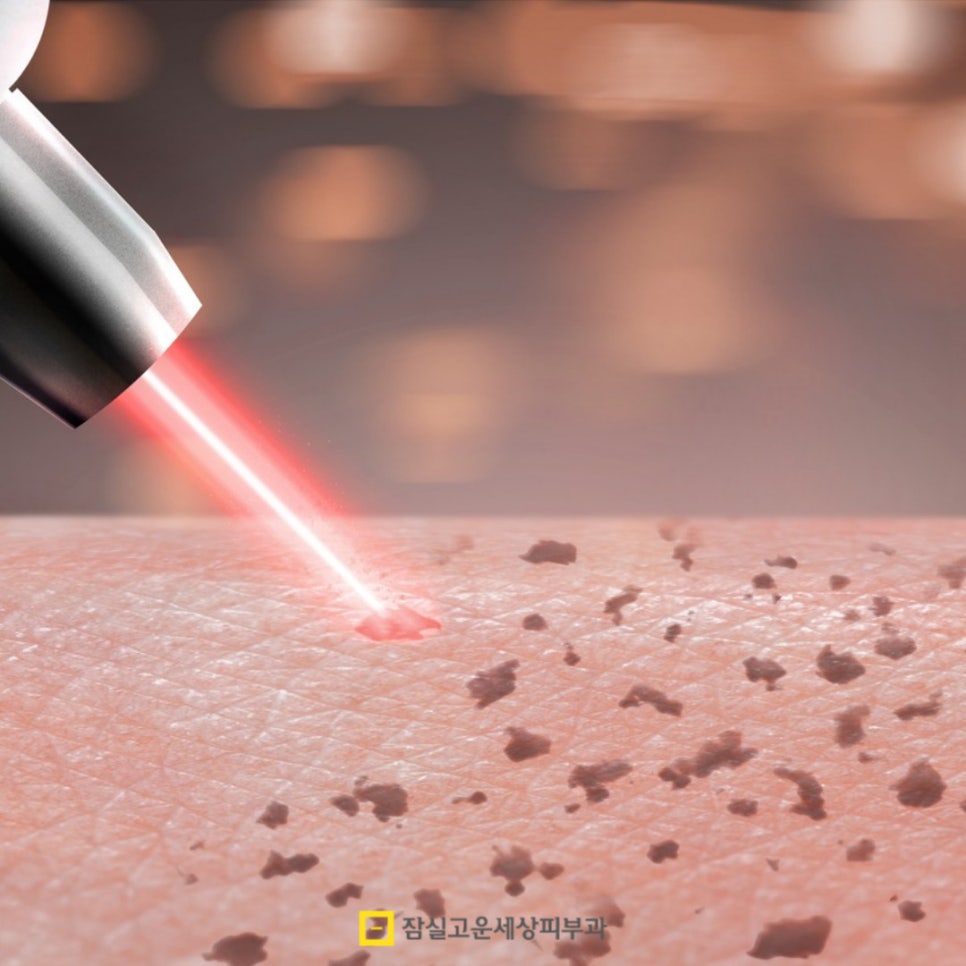
The key to treating flat warts is not simply removing the visible lesions, but effectively eliminating the virus and preventing recurrence. The treatments currently used can be broadly divided into physical removal procedures, immunotherapy, and topical agents.
Laser treatment is one of the most widely used methods at present.
CO2 laser works by deeply burning and removing the lesion, and its advantage is that it can completely destroy the area containing the virus.
Cryotherapy is a method of freezing and destroying the lesion using liquid nitrogen.
It has the advantage of being relatively simple and inexpensive, but side effects such as hyperpigmentation or hypopigmentation may occur. Electrocautery is a method of burning the lesion using electric current, and it has the advantage of stopping bleeding at the same time.
Topical agents include imiquimod cream and tretinoin.
Imiquimod promotes an immune response to eliminate the virus, and is especially useful when lesions are present over a wide area. However, redness or irritation may occur during use, so it should be used carefully under a doctor's instructions.

Post-treatment care and recurrence prevention
After treatment for flat warts, proper care is very important.
Immediately after treatment, keep the wound area clean and apply the prescribed ointment regularly. If a scab forms, do not forcibly remove it; it is better to wait until it falls off naturally.
Minimizing exposure to ultraviolet rays is also an important part of care.
Since the treated area may temporarily develop hyperpigmentation or hypopigmentation, applying enough sunscreen when going out and wearing a hat or long-sleeved clothing can be helpful.
To prevent recurrence, immune system management is above all important.
Get enough sleep, exercise regularly, and improve overall health through a balanced diet. Stress management is also important, as chronic stress can lower immune function and increase the risk of viral reactivation.
Even after treatment, regular follow-up is necessary.
In general, it is recommended to visit a dermatologist at 3 months, 6 months, and 1 year after treatment to check for recurrence. If a new lesion is found, early treatment is more effective and can shorten the treatment period.
Lifestyle habits for preventing flat warts
To prevent flat warts, it is important to follow precautions in daily life.
The most basic measure is to maintain thorough personal hygiene. It is best to wash your hands frequently, reduce the habit of touching your face, and not share personal items with others.
Minimizing skin irritation is also an important preventive measure. Excessive scrubbing or peeling can damage the skin barrier and make viral penetration easier, so it should be avoided. When washing your face, use a gentle cleanser, and it is better to gently pat the skin dry with a soft towel rather than a rough one.
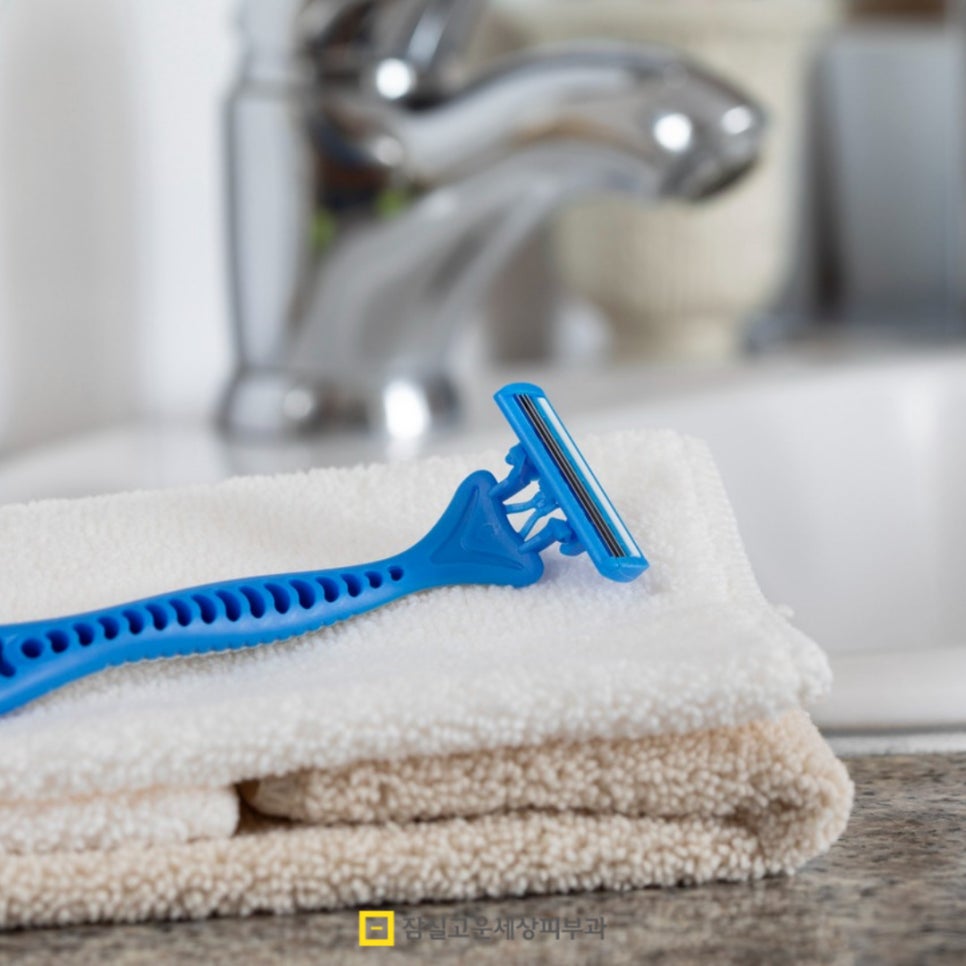
Special care is needed when shaving.
Razor blades should be used only for personal use and replaced frequently. Clean and disinfect shaving tools before and after shaving, and after shaving, it is helpful to apply an aftershave or lotion with soothing effects.
Clothing and bedding should also be washed and replaced regularly.
In particular, pillowcases and towels that come into direct contact with the face or neck should be replaced more often. If possible, it is important to wash them at a high temperature and dry them thoroughly to completely eliminate the virus.
Fundamental care through strengthening immunity

Since flat warts are a viral disease, if the body's immune system functions normally, it can effectively suppress the virus. Therefore, strengthening immunity can be said to be the most fundamental solution for treatment and prevention.
Improving the quality and quantity of sleep is the first step toward boosting immunity.
For adults, getting enough sleep for 7-8 hours a day and maintaining a regular sleep pattern is important. Using a smartphone or computer late at night can lower sleep quality, so it is best to avoid it.
Regular exercise also greatly helps improve immunity.
However, excessive exercise can instead reduce immune function, so it is important to consistently engage in exercise of appropriate intensity that matches your physical condition. Walking, jogging, swimming, and yoga can be good choices.
Nutritional management is also directly linked to immunity.
Vitamin C, vitamin D, zinc, and selenium are nutrients that play important roles in immune function. It is best to consume enough fresh fruits and vegetables and reduce processed foods and sugary foods. If necessary, taking appropriate supplements after consulting a doctor may also be helpful.

Flat warts,
Early care is key
Flat warts begin as small, barely noticeable lesions, but if left untreated, they can gradually spread to wider areas and become more difficult to treat.
Above all, it is important to understand that this is a viral infectious disease and to recognize that it is a condition that requires medical treatment, not simply a cosmetic issue.
If found early and diagnosed accurately by a specialist, treatment can be relatively easy to begin. However, even after treatment, the virus may not be completely eliminated, so continued care and follow-up are necessary.
The most important thing is to maintain good immunity in everyday life. If you strengthen your body's natural defense system through enough sleep, regular exercise, a balanced diet, and stress management, you will be able to prevent not only flat warts but also other viral diseases.
If you notice small bumps or changes on your skin, please do not judge on your own and see a dermatologist. With an accurate diagnosis, appropriate treatment, and consistent care, you will be able to maintain healthy and clear skin.
Thank you.
[ Jamsil Gounsesang Dermatology Directions! ]
💛 Jamsil Gounsesang Dermatology Treatment Information 💛

💛 Go to the Jamsil Gounsesang Dermatology homepage 💛
In accordance with Article 56, Paragraph 1 of the Medical Service Act, this article is provided by Jamsil Gounsesang Dermatology for the provision of medical information. All procedures/surgeries carry the risk of side effects such as bleeding, infection, and nerve damage, so please proceed carefully after sufficient consultation with medical staff.