The Ultimate Guide to Beating Back Acne and Chest Acne in Summer!
The Perfect Guide for Cool Outfits
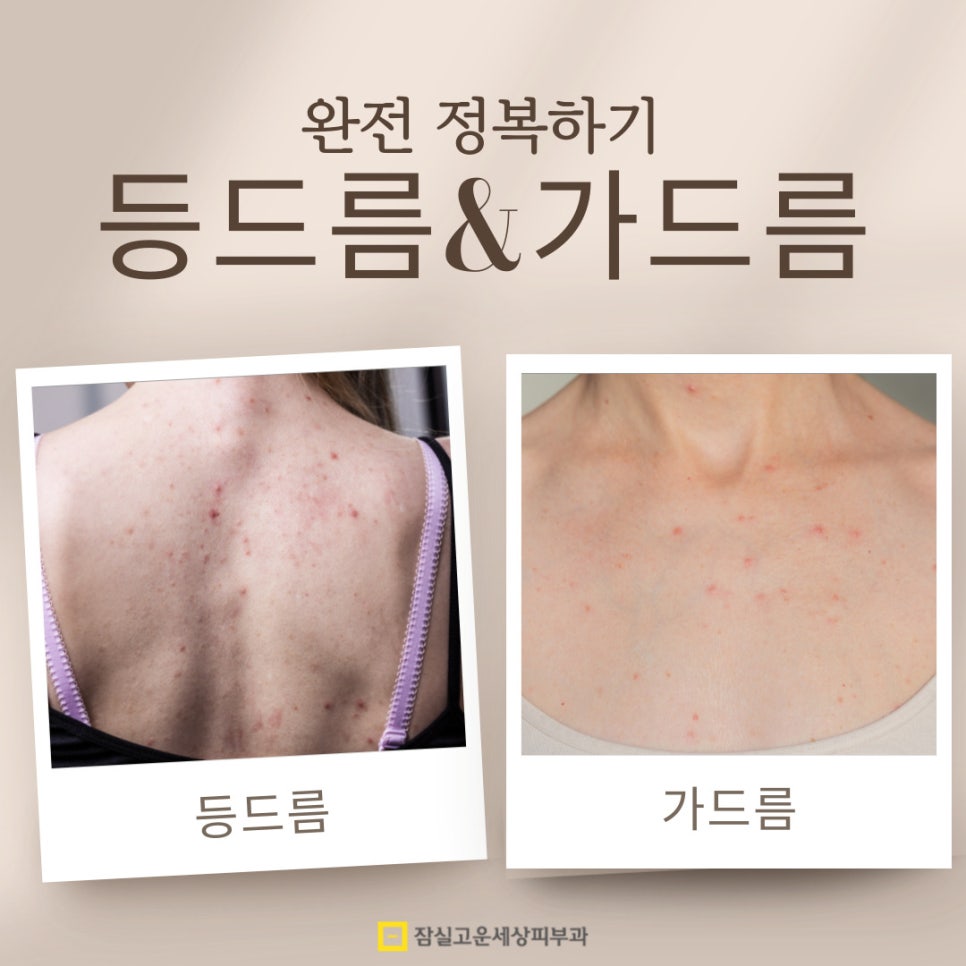
Hello! This is Jamsil Gounsesang Dermatology Clinic.
As the weather gets warmer and warmer, the season for wearing cool tank tops and short-sleeved shirts is approaching. However, many people hesitate because of acne on their back and chest. I think everyone has this kind of concern.
Today, we’ll take a detailed look at back acne and chest acne, which many people worry about, and kindly explain effective care methods and treatment options.
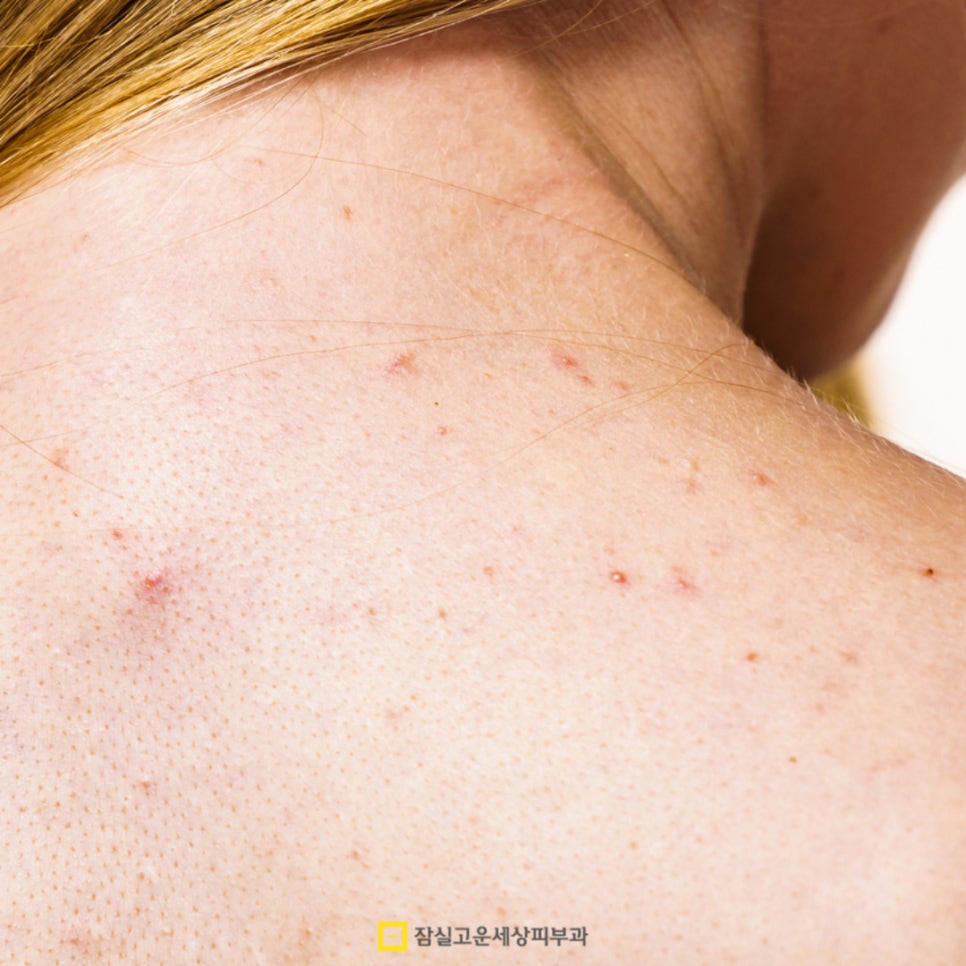
Why does acne appear especially on the back and chest?
- The unique structure of the skin
Compared with the face, the skin on the back and chest is much thicker, and the density of sebaceous glands is higher. In simple terms, that means there are more oil glands. Because of this, sebum (oil) secretion increases, and the thick skin makes pores more likely to clog.
Especially in summer, sweat and sebum are secreted together and can pool inside the pores, making inflammation more likely. This is why it forms deeper than facial acne and does not heal easily.
- Hidden irritants in daily life
The things we do carelessly in daily life can worsen back acne and chest acne.
For example,
tight clothing, bag straps, or continuous pressure from a bra can cause friction on the skin, clog pores, and worsen inflammation. Rough cotton fabrics or bedding can also increase skin irritation and trigger breakouts.
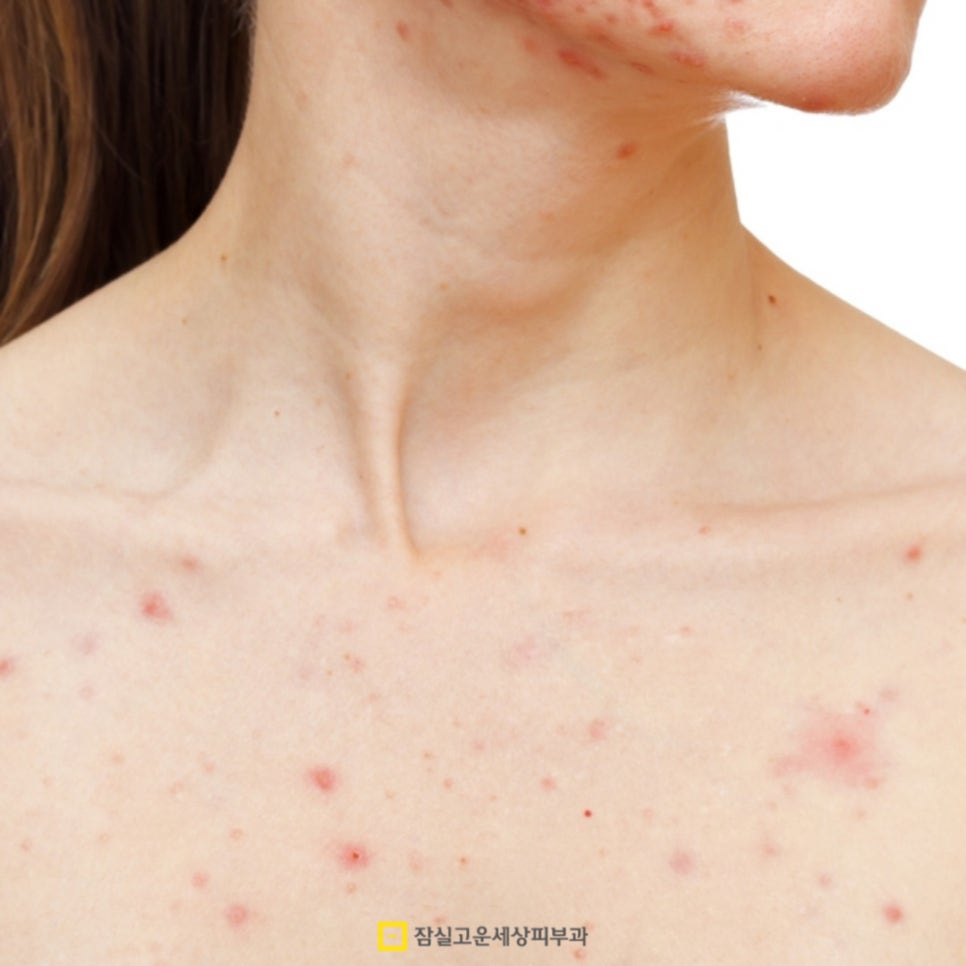
Showering habits are also an essential part of acne care.
If shampoo or conditioner remains on the back, it can clog pores and help acne-causing bacteria multiply, and if you scrub the skin too much with a rough exfoliating towel, excessive dead skin may be removed and the skin barrier can actually become weaker. Long showers with hot water can also dry out the skin, disrupt sebum balance, and ultimately make acne worse, so caution is needed.
Also, after exercising, you should shower as soon as possible so sweat and waste products do not remain on the skin.
Stress, lack of sleep, excessive intake of oily foods, smoking, and too much alcohol also disrupt hormonal balance and increase sebum secretion, so adjusting these lifestyle habits alone can greatly help prevent acne.
Professional treatment methods
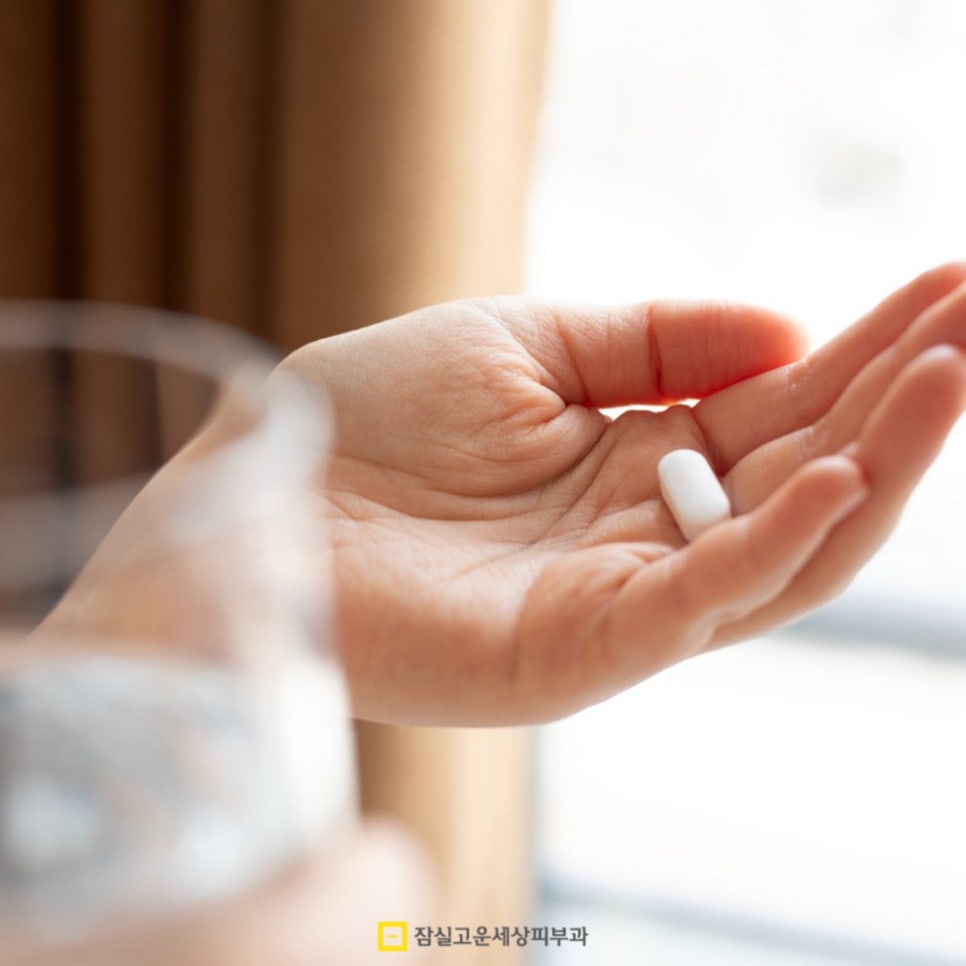
Severe back acne or chest acne can be difficult to manage on your own. In such cases, getting help from a dermatologist is also a good option.
[Oral medication treatment] helps reduce inflammation from the root.
Isotretinoin (Roaccutane) makes the sebaceous glands smaller and noticeably reduces sebum production. It is usually taken for 4 to 6 months under strict supervision by a specialist. For women who may become pregnant, special caution and counseling are essential to prevent the risk of birth defects.
[Antibiotics] help suppress inflammatory acne bacteria and relieve swelling and pain. Medications such as doxycycline or minocycline are commonly used. In women suspected of having hormonal acne, treatments that balance hormones, such as hormonal contraceptives or spironolactone, can also be effective.
[Topical medication treatment] acts directly on the skin surface to keep pores clear and remove acne bacteria. Retinoids such as tretinoin or adapalene gently remove dead skin cells and clear waste from inside pores, but during the first 2 to 3 weeks, irritation such as dryness or stinging may occur, so it is better to increase the amount gradually.
Benzoyl peroxide has a strong antibacterial effect and directly kills acne bacteria, but because it has a bleaching effect, it may fade the color of clothing or bedding if it touches them. Therefore, it is safer to apply it only to the affected area and wash your hands thoroughly afterward.
Procedural treatments
Procedural treatments include methods that can directly address inflammation not only on the skin surface but also inside the skin.
Plasma treatment uses high-energy plasma to effectively eliminate acne bacteria and quickly calm inflammation. Usually, if you receive about 3 to 5 sessions at 2- to 3-week intervals, you can expect noticeable improvement.
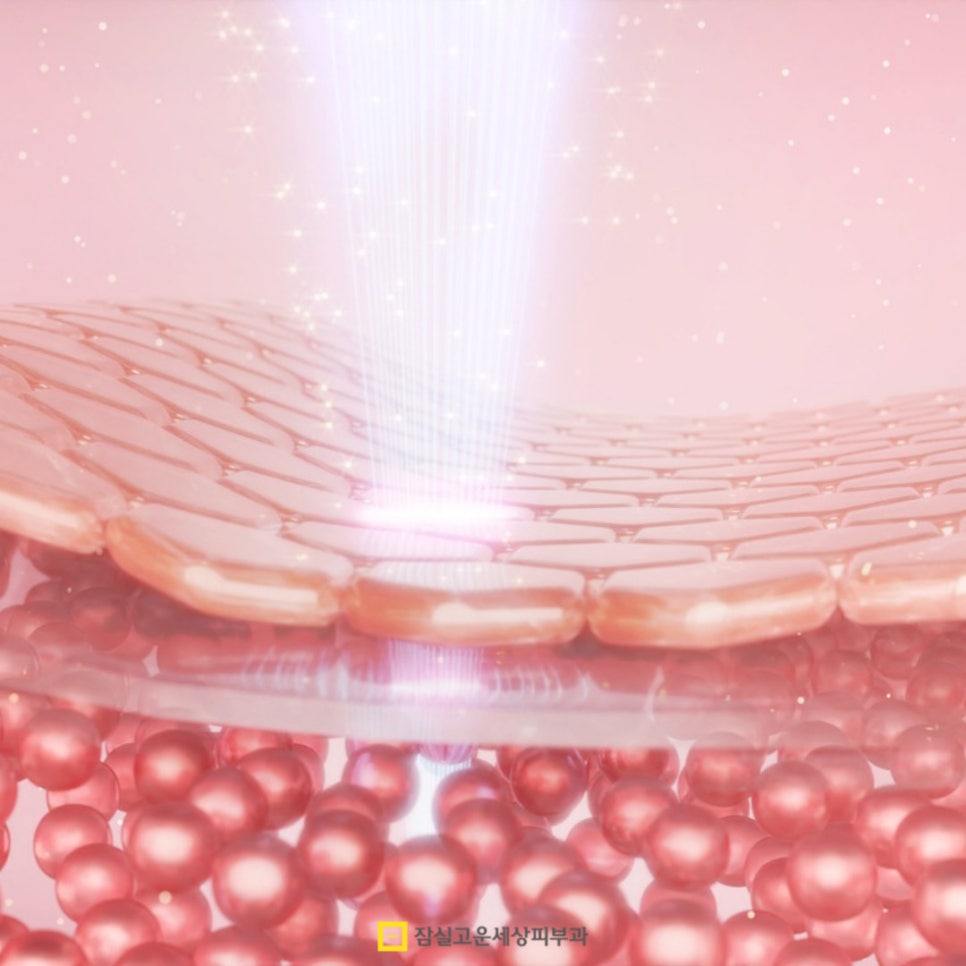
Another method, Photodynamic Therapy (PDT), works by shining light of a special wavelength onto the skin to selectively destroy acne bacteria. Right after the procedure, the skin may temporarily become red, but after a few days it will naturally calm down and return to a clear skin tone.
These procedures are especially useful for acne patients who do not improve well with medication alone, and it is recommended to proceed after consulting a specialist according to your individual skin condition.
Smart care methods you can do at home
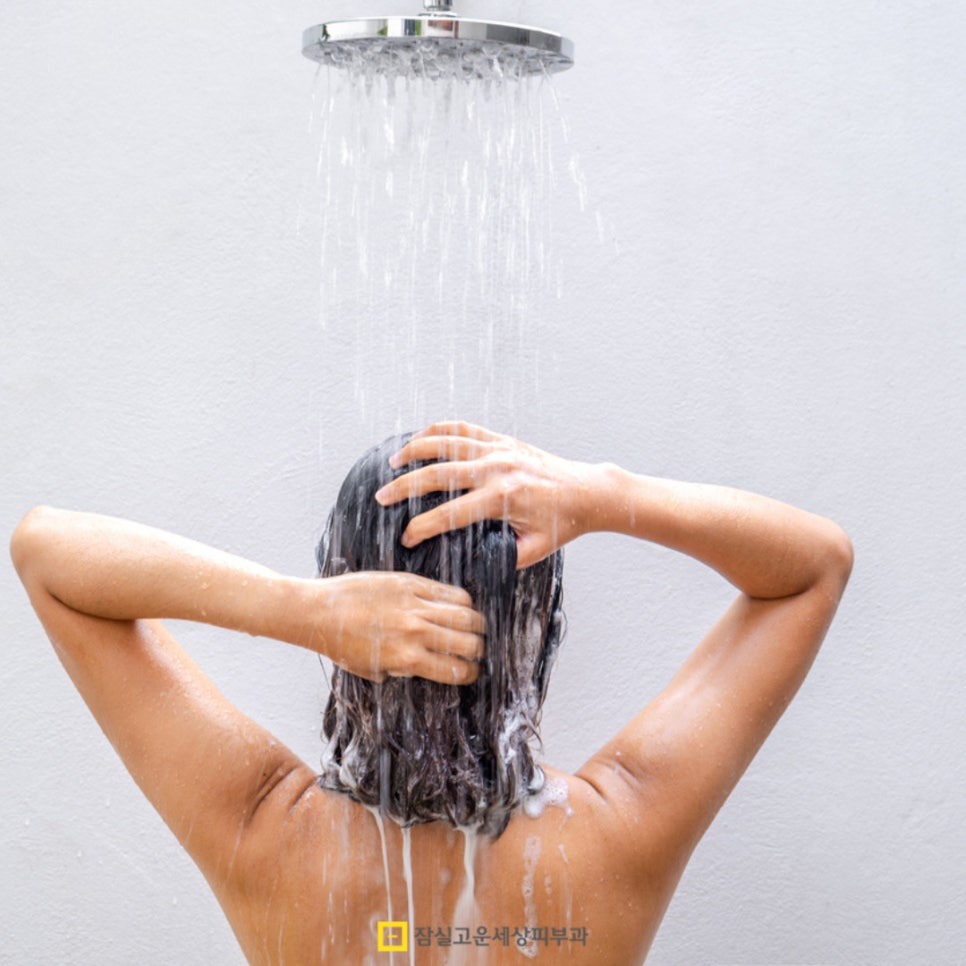
If you combine professional treatment with daily care, you can see results much faster.
Proper cleansing and shower habits are the starting point for preventing skin troubles.
The order of showering is surprisingly important. First, wash your hair so shampoo or conditioner residue does not get onto your body, then wash your face, and finally wash your body to reduce clogged pores on the back.
At this time, the water temperature should not be too hot, because hot water irritates the skin and strips away essential oils. Lukewarm water around 36 to 38 degrees Celsius is best. For body wash, choose a mildly acidic product with a pH of about 5.5, and it is more effective to choose a gentle product containing salicylic acid or sulfur. Rather than products with a strong fragrance, fragrance-free or lightly scented body wash minimizes skin irritation.
Clothing and bedding management also play a major role in preventing acne.
For clothing that touches the skin, 100% cotton with good breathability is ideal, and silk or bamboo fabric are also good alternatives. Synthetic fibers make it difficult to wick away sweat and can easily trap moisture, which may worsen sebum secretion, so it is better to avoid them. Change underwear and pajamas daily so bacteria do not build up on the skin, and when washing them, rinse thoroughly so no detergent residue remains. In particular, fabric softeners contain many fragrances and chemical ingredients that can irritate the skin, so it is better to use as little as possible or skip them.
After showering, you should pay attention to moisturizing and exfoliation.
Even if you have back acne or chest acne, if moisturizing is neglected, dryness can actually increase sebum secretion and worsen breakouts. Choose a lightweight lotion containing ceramides or hyaluronic acid, check that the product has been tested as non-comedogenic, and apply it within 3 minutes after showering for the best effect.
Exfoliation is appropriate 1 to 2 times a week, and using a chemical exfoliant with salicylic acid (BHA), which gently dissolves dead skin deep inside pores, is less irritating to the skin than a scrub.

Exercise and lifestyle habits are also essential in managing back and chest acne.
Right after exercising, be sure to shower so sweat and waste products do not remain on the skin, and wear workout clothes made of material that absorbs sweat well and is breathable. When using gym equipment, make it a habit to wipe it down with disinfectant spray beforehand to maintain hygiene.
Stress and lack of sleep cause hormonal imbalance and promote sebum secretion, so it is better to get enough sleep for 7 to 8 hours every day and manage stress with relaxation exercises such as meditation or yoga.
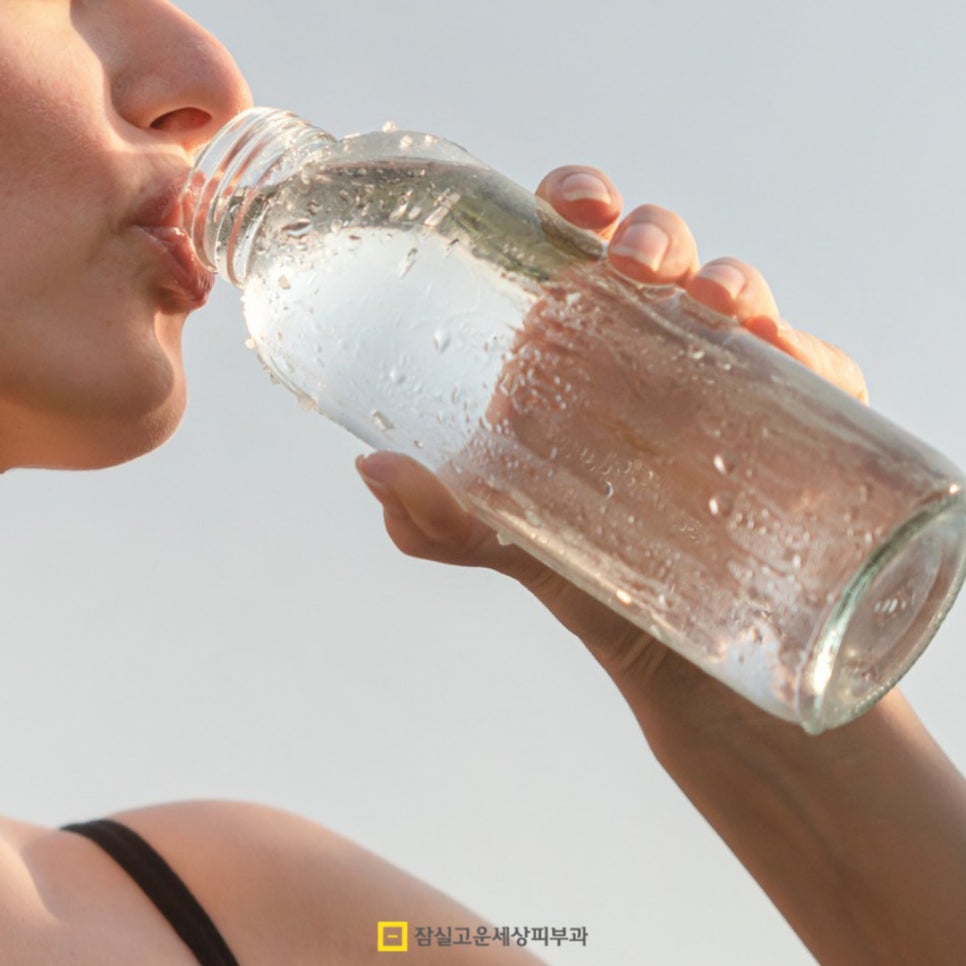
Finally, it is time to review your eating habits.
Oily and sugary foods can excessively stimulate sebum secretion, so reduce your intake, and adjust dairy consumption as needed depending on your body.
Instead, drink 1.5 to 2 liters of water a day to maintain your body’s moisture balance, and frequently consume fruits and vegetables rich in vitamins A, C, and E, which is very helpful for skin health. These small daily habits come together to create clear skin without back acne or chest acne.
If any of these apply, please be sure to visit a hospital
If the following symptoms appear, it is best to visit a hospital without delay.
If acne becomes pustular and pus comes out, or if you feel severe pain when touching it, the inflammation may already be progressing. If the surrounding skin swells severely and becomes red and raised, or if systemic symptoms such as fever or chills are accompanied, immediate medical attention is needed because there is a risk that the local infection may spread throughout the body.
If the situation is difficult to improve with self-care alone, we recommend consulting a dermatologist.
If acne does not improve even after consistent care for more than 3 months, or if acne marks or scars begin to remain, early treatment is important. If hyperpigmentation is gradually worsening, or if acne is causing significant stress in daily life, a professional approach is necessary.
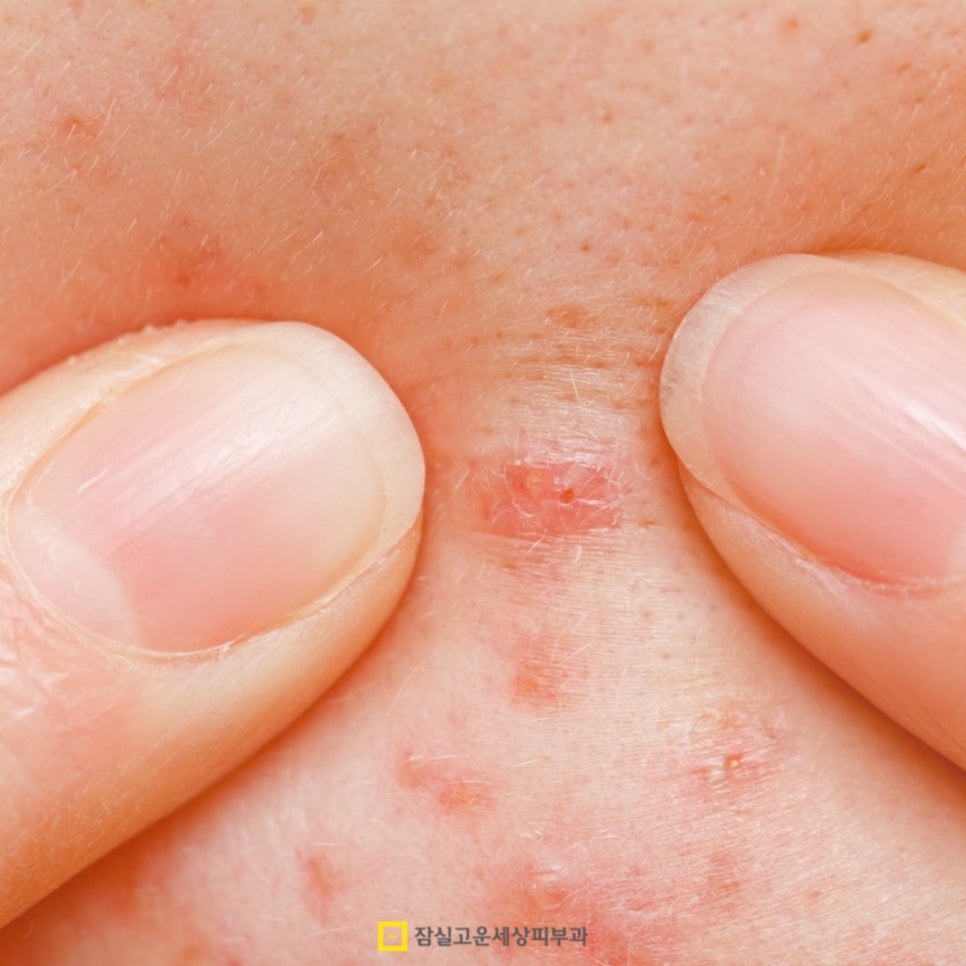
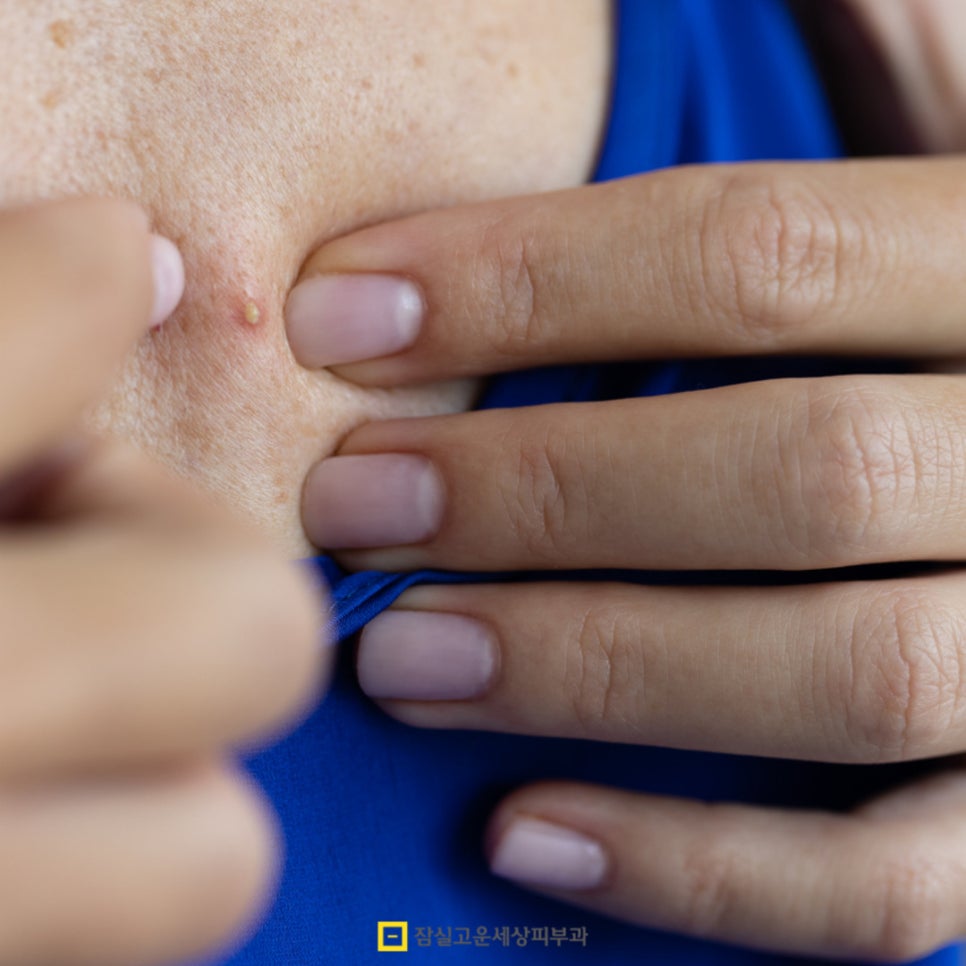
Above all, never squeeze acne with your hands or use irritating products.
Squeezing it by hand increases the risk of bacterial infection and can cause scars or hyperpigmentation. Also, be careful because the inflammation may spread deeper and actually worsen the condition. Toners with a high alcohol content, rough scrub products, and strongly scented body products can also irritate the skin and worsen acne, so it is better to avoid them.
Step-by-step care plan
1st step: Basic care (1 to 2 weeks)
For the first 1 to 2 weeks, focus on establishing proper shower habits.
Correct your shower routine so shampoo and conditioner residue does not remain on the body, and get into the habit of rinsing lightly with lukewarm water at 36 to 38 degrees Celsius. In addition, switching to a gentle body wash with a pH around 5.5 that minimizes skin irritation, and changing to 100% cotton or other breathable clothing and bedding to reduce skin friction, completes the basic care.
2nd step: Active care (3 to 4 weeks)
If showering and changing clothes are not enough, introduce an exfoliating product in weeks 3 to 4 to smooth out old dead skin inside the pores. Use a chemical exfoliant with salicylic acid (BHA) or a low-irritation enzyme ingredient about 1 to 2 times a week, and apply a lightweight moisturizer containing ceramides/hyaluronic acid within 3 minutes after showering to maintain the skin’s moisture balance. At the same time, improve lifestyle habits such as getting enough sleep, managing stress, and reducing oily foods to adjust the internal environment as well.
3rd step: Professional care (1 to 2 months)
If improvement is slow even after nearly two months of effort, it is time to consult a dermatologist. At this point, it may be good to combine oral medications, topical treatments, and professional procedures such as lasers or plasma. While receiving treatment at the clinic, if you consistently maintain the cleansing/exfoliation/moisturizing routine you have been doing at home, you can worry less about back acne and chest acne. The biggest secret is to keep up the careful care without giving up.
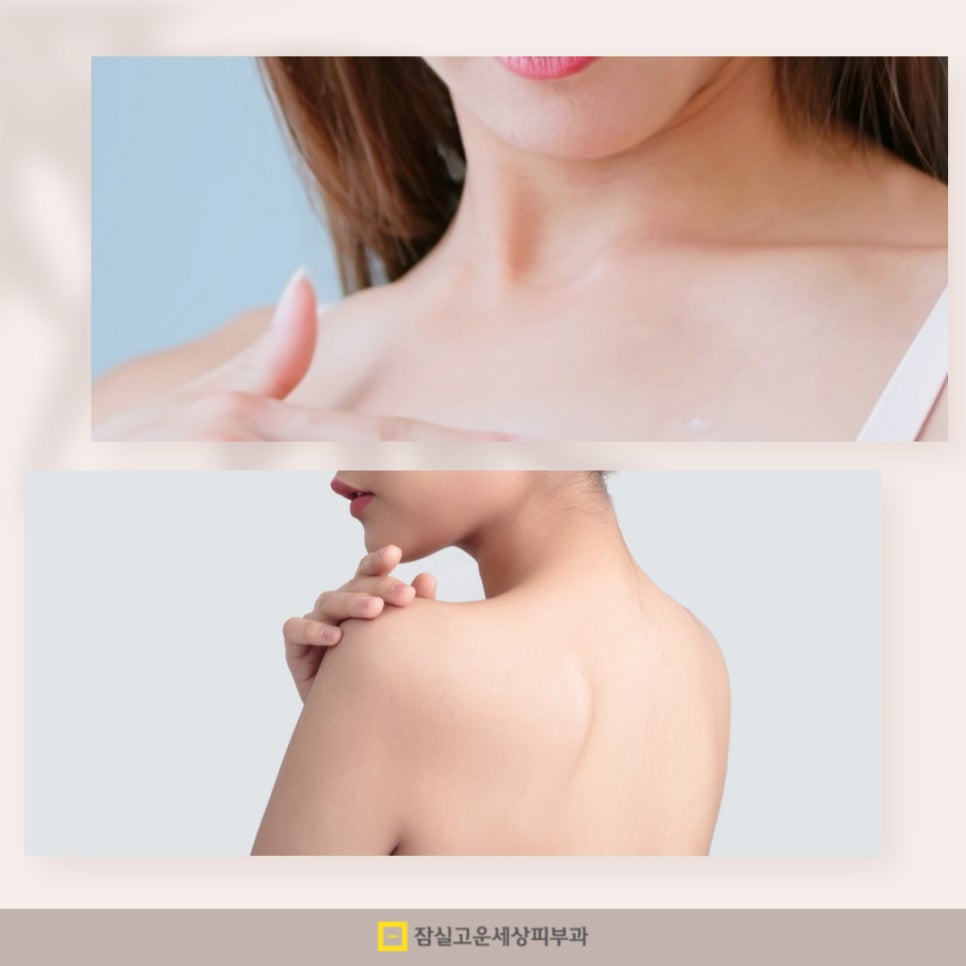
In closing
Back acne and chest acne do not appear overnight, and they do not disappear overnight either. But with the right understanding and consistent care, they are problems that can definitely improve.
What matters most is having patience and managing it consistently.
At first, the changes may seem small, but after 2 to 3 months, you will definitely be able to feel the difference. And if it is difficult to solve on your own, we recommend not hesitating to seek help from a dermatologist. When professional treatment and proper home care come together, improvement can be much faster and safer.
This summer, show off healthy, beautiful skin with confident and cool outfits! We’re cheering for all of you!
[ Directions to Jamsil Gounsesang Dermatology Clinic! ]
💛 Jamsil Gounsesang Dermatology Clinic Treatment Information 💛
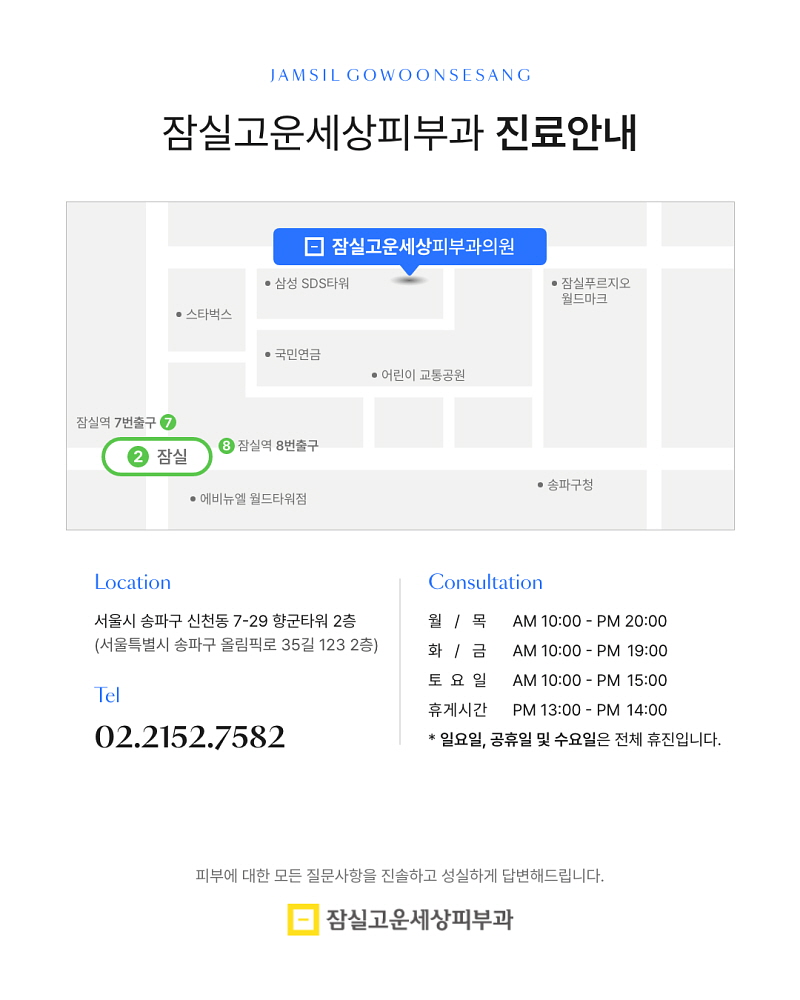
💛 Jamsil Gounsesang Dermatology Clinic Homepage Link 💛
This article is provided by Jamsil Gounsesang Dermatology Clinic for the provision of medical information in accordance with Article 56, Paragraph 1 of the Medical Advertising Act. All procedures/surgeries carry the risk of side effects such as bleeding, infection, and nerve damage, so please proceed carefully after充分 consultation with medical staff.