Skin Aging Slowed Down
Supplement & Food Guide

Hello :) This is Jamsil Gounsesang Dermatology!
When you stand in front of the mirror and notice that the fine lines around your eyes have become more visible, or that the area under your cheekbones seems hollow, you may suddenly feel disheartened, thinking, “Has my skin really changed this much?” You look at the subtle wrinkles in the same spot every morning and hope, “Will it get a little better today?” but as time passes, elasticity does not return, dryness leads to flaking, and even your skin tone can start to look dull.
In this way, signs of aging are not only visible on the surface; they are closely connected to nutrient status in the body, such as decreased collagen and elastin in the dermis, a shortage of hyaluronic acid that helps retain moisture, excess melanin production, and inflammatory responses. No matter how expensive a cosmetic product is or how many procedures are available to refine skin texture, it should not be overlooked that the skin structure cannot remain strong if the body does not have enough basic raw materials.
If you are worried about loss of elasticity, moisture loss, worsening blemishes, or recurring skin trouble, the key supplements and fruits that help support collagen production introduced in this article may be useful. Small changes in your daily diet and supplementation that fill the skin from within can be the first step toward achieving “slow aging” skin that looks healthier as you get older.

Supplements for Collagen Synthesis and Wrinkle Improvement
As the amount of collagen in the dermis decreases with age, skin loses elasticity and fine lines appear. Low-molecular-weight collagen peptides have a small molecular size, allowing efficient absorption in the gastrointestinal tract and directly helping regenerate collagen in damaged dermal tissue.
Taking 5 g a day consistently promotes collagen synthesis and lays the foundation for maintaining skin elasticity. Adding 500 to 1,000 mg of vitamin C can further increase the activity of enzymes essential for collagen production while also inhibiting melanin production, which may help promote a more even complexion.
In a study published in the Journal of Clinical Nutrition, women aged 25 to 60 who took this combination for 12 weeks were reported to have an average improvement of more than 25% in dermal elasticity. However, since absorption rates and needs may differ from person to person, it is advisable to consult a medical professional before taking it.
Supplements for Moisture and Barrier Strengthening
When dry skin causes itching or flaking, you may feel stressed by the tight, sensitive feeling across your face. In such cases, you need to replenish internal moisturizing factors to improve water retention from the inside out.
First, taking hyaluronic acid daily at 120 to 200 mg can help create a moisture reservoir in the dermis because the molecule itself attracts water. In a study in the International Journal of Dermatology Physiology, the group that took hyaluronic acid reportedly improved skin moisture retention by more than twice compared with the control group.

If you add 1,000 to 2,000 mg of omega-3 fatty acids per day, the skin lipid layer becomes stronger, damaged stratum corneum recovers more quickly, and anti-inflammatory effects reduce sensitivity. In particular, EPA and DHA help alleviate itching and redness by suppressing the production of inflammatory mediators.
Also, if vitamin D synthesis becomes insufficient due to long hours indoors, skin immune function may decline and its defenses may weaken. In such cases, supplementing about 1,000 IU of vitamin D a day can help support skin cell regeneration and barrier strengthening.
However, since the required amount of all supplements may vary depending on individual health conditions, consultation with a medical professional is recommended before starting.
Supplements for Brightening and Tone Improvement
If your face looks dull and you seem more sallow than usual in the mirror, makeup may not be enough to hide it and you can still end up looking tired. To address concerns about complexion, you need nutrients that help regulate melanin production and transport within the skin.
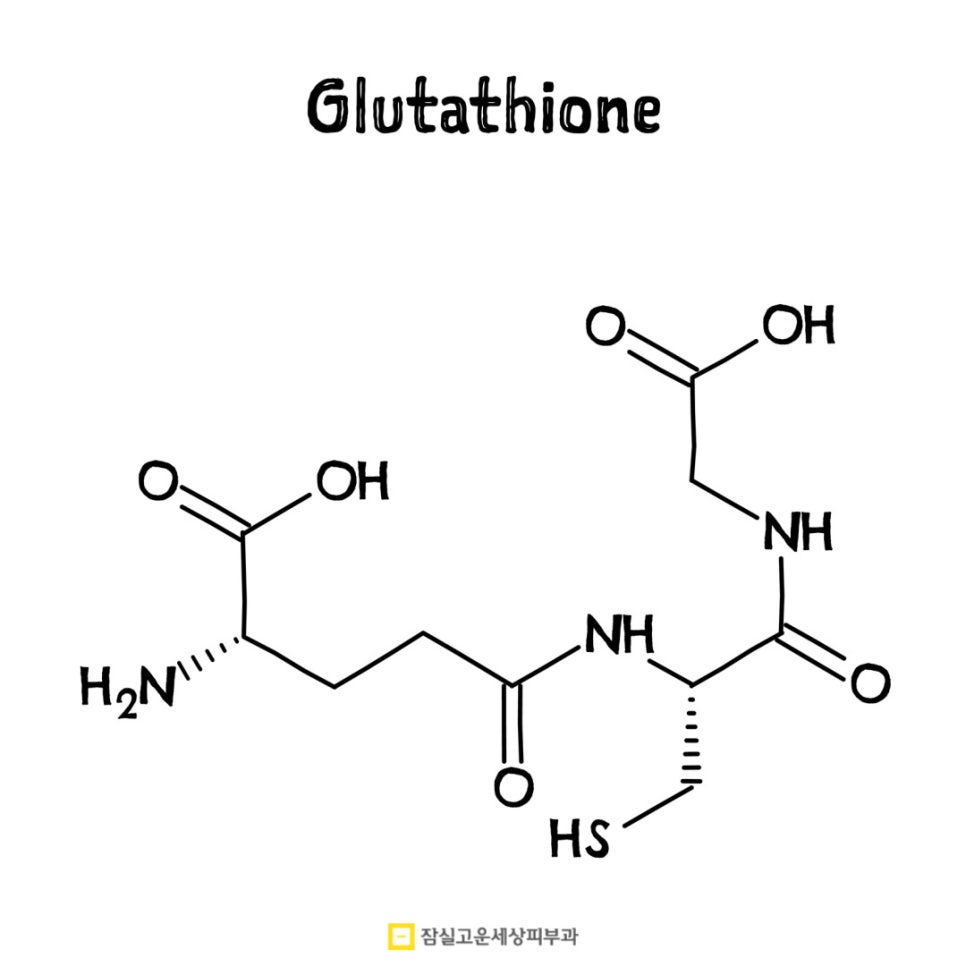
First, taking glutathione at 250 to 500 mg helps strengthen the body's antioxidant system, protect cells from excessive free radicals, and directly inhibit melanin production. Adding 20 to 50 mg of niacinamide (vitamin B3) not only blocks the pathway by which melanin moves to the skin surface, but also strengthens the stratum corneum and reduces moisture loss.
Especially when taken together with 500 to 1,000 mg of vitamin C, the antioxidant effect and promotion of collagen synthesis occur at the same time, enhancing the brightening effect synergistically.
When taken consistently every day, you may expect a gradual brightening of skin tone, but since the appropriate dosage and absorption rate may vary by person, it is recommended to start after consulting a professional.
Supplements for Improving Acne and Skin Trouble
When you look in the mirror and see red breakouts that often appear along the jawline and cheeks, you may feel frustrated and wonder, “Why did this happen again?” Recurrent inflammatory acne weakens the skin barrier, and excessive sebum production blocks pores, creating a vicious cycle that triggers more breakouts. In such cases, external products alone have limitations.
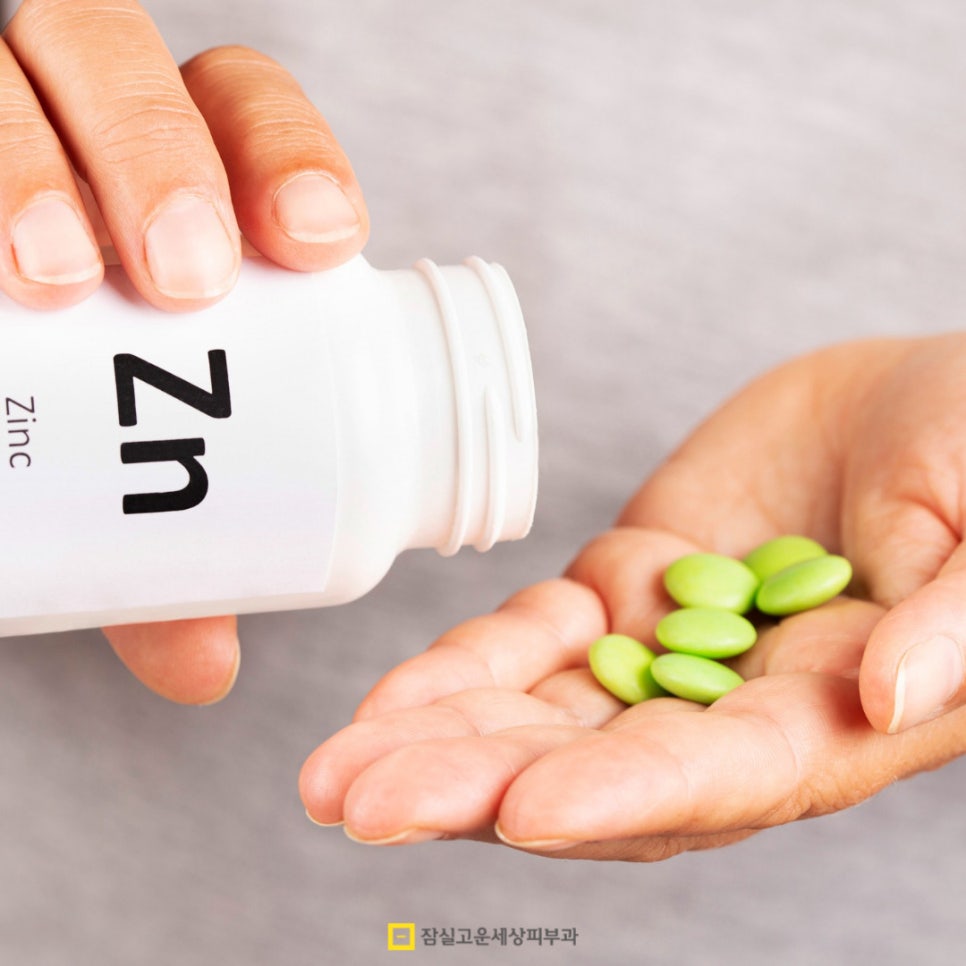
First, taking zinc 15 to 30 mg once a day helps regulate the activity of the sebaceous glands and reduce inflammation through its strong anti-inflammatory action. At the same time, taking biotin (vitamin B7) 2,000 to 5,000 μg together promotes keratin synthesis, strengthens the damaged stratum corneum, and supports gentle recovery of the skin barrier.
Adding 1,000 to 2,000 mg of omega-3 fatty acids can further suppress the production of inflammatory mediators through EPA and DHA, easing redness and pain while helping prevent clogged pores by reducing excess sebum secretion inside the pores. By addressing the causes of breakouts from within, you can expect more fundamental improvement that is difficult to achieve with external treatment alone.
However, since the dosage may vary depending on an individual's health condition and whether they are taking other medications, consultation with a medical professional before starting is recommended.
5 Fruits That Help Collagen Synthesis
A fresh piece of fruit can be an important key to collagen regeneration in the skin. Try adding the following five fruits, which are rich in vitamin C, antioxidants, and digestive enzymes, to your diet.
- Kiwi
One kiwi (about 100 g) contains 93 mg of vitamin C, efficiently replenishing antioxidants needed for collagen synthesis. Its abundant dietary fiber also helps bowel movement, and potassium promotes sodium excretion, contributing to blood pressure control. Cutting it in half and eating it on an empty stomach in the morning can help maximize absorption while minimizing digestive 부담.
- Orange
Per 100 g, oranges contain 43 to 53 mg of vitamin C along with flavonoids and beta-carotene, which help inhibit collagen-degrading enzymes and brighten the skin tone. The white inner peel (pith) also contains many antioxidants, so eat it together with the flesh as much as possible, but check the sugar content if you drink it as juice.
- Pineapple
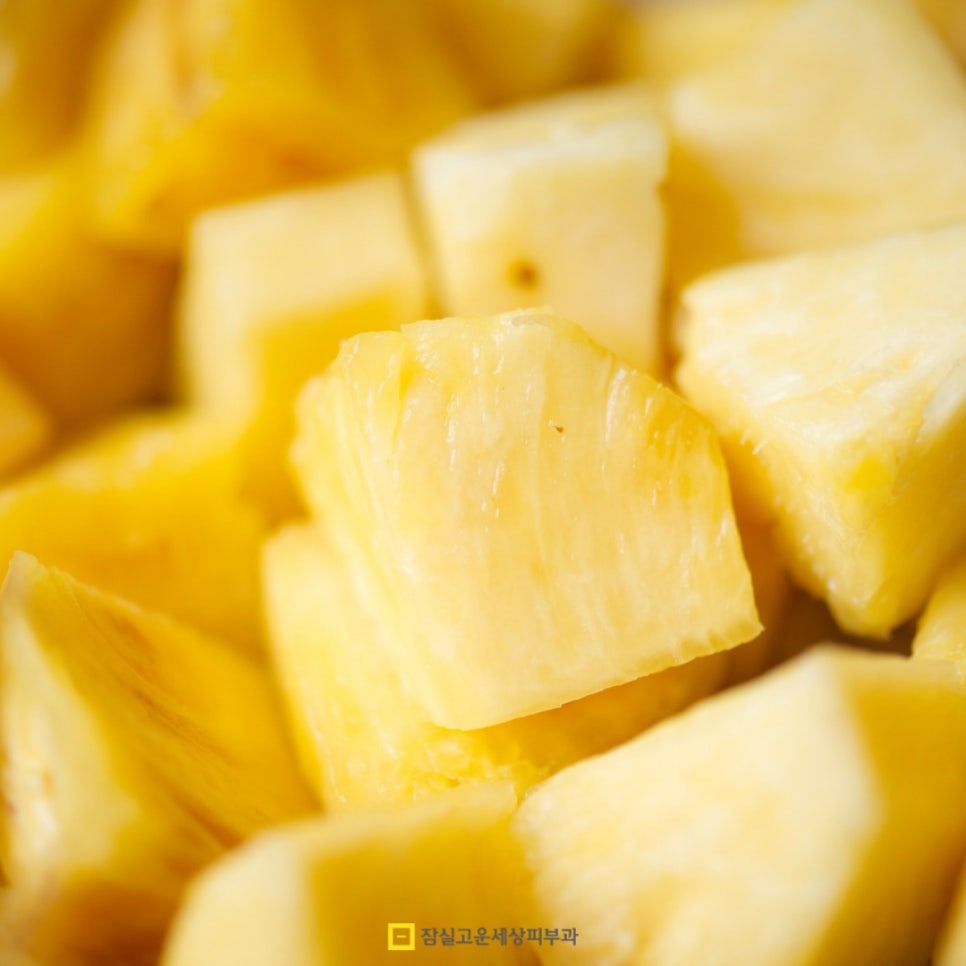
Pineapple contains bromelain, a protein-digesting enzyme that helps regulate inflammatory responses and supports tissue repair. It also contains 47 to 55 mg of vitamin C per 100 g, providing both collagen synthesis support and antioxidant protection. However, if you have a sensitive stomach acid condition, limit your intake to about 1 to 2 pieces after meals.

- Pomegranate
Pomegranate contains powerful antioxidants such as ellagic acid and plant estrogen-like compounds, which help slow collagen breakdown and increase moisture retention in the barrier. If you drink it as juice, choose an unsweetened product and keep intake to no more than one glass a day. If you are taking blood pressure medication or anticoagulants, it is safer to consult a professional before drinking it.
- Strawberry
Strawberries contain 59 mg of vitamin C per 100 g, helping collagen formation and reducing cell damage. Antioxidants such as anthocyanins and quercetin help relieve inflammation caused by ultraviolet rays and strengthen the skin’s protective barrier. To maintain freshness, wash them thoroughly right before eating, and if you have diabetes, limit intake to 5 to 6 berries per day.
Including these fruits regularly in your diet can help naturally support collagen production in the body while preserving moisture and elasticity in the skin. However, consider your individual health condition and any allergies, and consume an appropriate amount; if needed, consult a professional.
Precautions When Taking Supplements
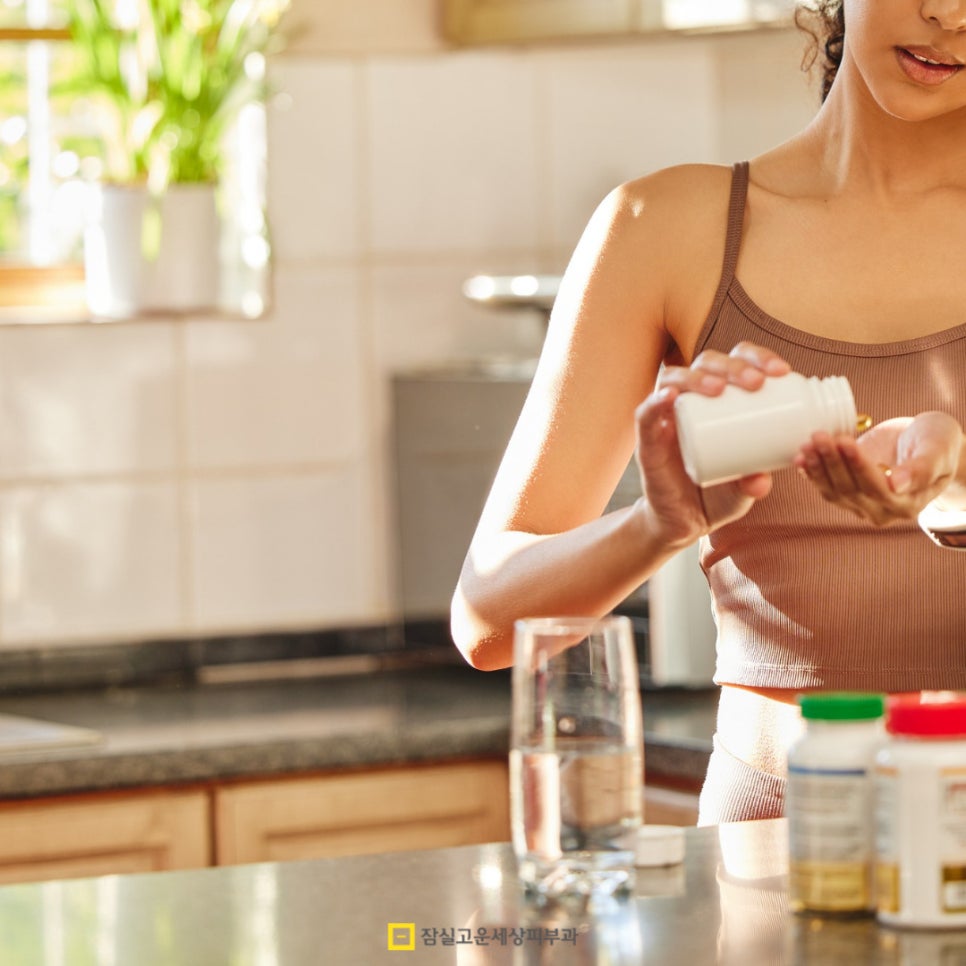
When taking supplements, even a small mistake can instead harm your health. Why not follow the three principles below for safe and effective supplementation?
First, optimize absorption.
For water-soluble vitamins such as vitamin C, taking them in divided doses of 1,000 mg rather than all at once can help maintain stable blood levels. On the other hand, fat-soluble vitamins (A, D, E, K) should be taken with fat so that absorption improves through micelle formation in the intestines. If you take these vitamins alone on an empty stomach, absorption may decrease, so take them after or during meals.
Second, consider interactions between nutrients.
Zinc and iron, as well as selenium and zinc, can interfere with each other's absorption when taken on the same timeline due to competition, so it is better to take them separately at least 2 hours apart.
Finally, be cautious about the risk of overdose.
In particular, fat-soluble vitamin A and the trace element selenium can cause toxic symptoms when accumulated, so be sure to check the daily upper limit for each product and avoid exceeding the recommended amount.
If you follow these basic rules, supplement use becomes much safer and the benefits for skin health can be maximized.

Lastly, what I want to emphasize is that no matter how excellent a cosmetic product or procedure may be, skin aging cannot be completely prevented without “eating habits.”
This is because the proteins that make up skin elasticity and the barrier, such as collagen and elastin, the lipids essential for moisture retention, and the antioxidant system that removes free radicals are all created from or protected by nutrients in our bodies.
Therefore, if fine lines are deepening, dryness is becoming severe, skin tone is turning dull, or you are struggling with frequent breakouts, please take an appropriate amount of supplements such as vitamins, minerals, omega-3, hyaluronic acid, and glutathione, and consistently include fruits like kiwi, orange, pineapple, pomegranate, and strawberry that help support collagen production.
Do not forget that it is most effective to balance overall nutrition by replenishing the nutrients introduced above in a well-rounded way rather than focusing on only a single ingredient. Making one small change to your diet today can help make your skin healthier and brighter tomorrow.
Thank you.
📍 Directions to Jamsil Gounsesang Dermatology 📍
📍 Jamsil Gounsesang Dermatology Clinic Information 📍

📍 Go to Jamsil Gounsesang Dermatology Homepage 📍
This post is provided by Jamsil Gounsesang Dermatology for the purpose of providing medical information in accordance with Article 56, Paragraph 1 of the Medical Advertising Act. All procedures/surgeries carry the risk of side effects such as bleeding, infection, and nerve damage, so please proceed carefully after 충분히 consulting with the medical staff.