Acne, from Daily Habits to
Expert Care!
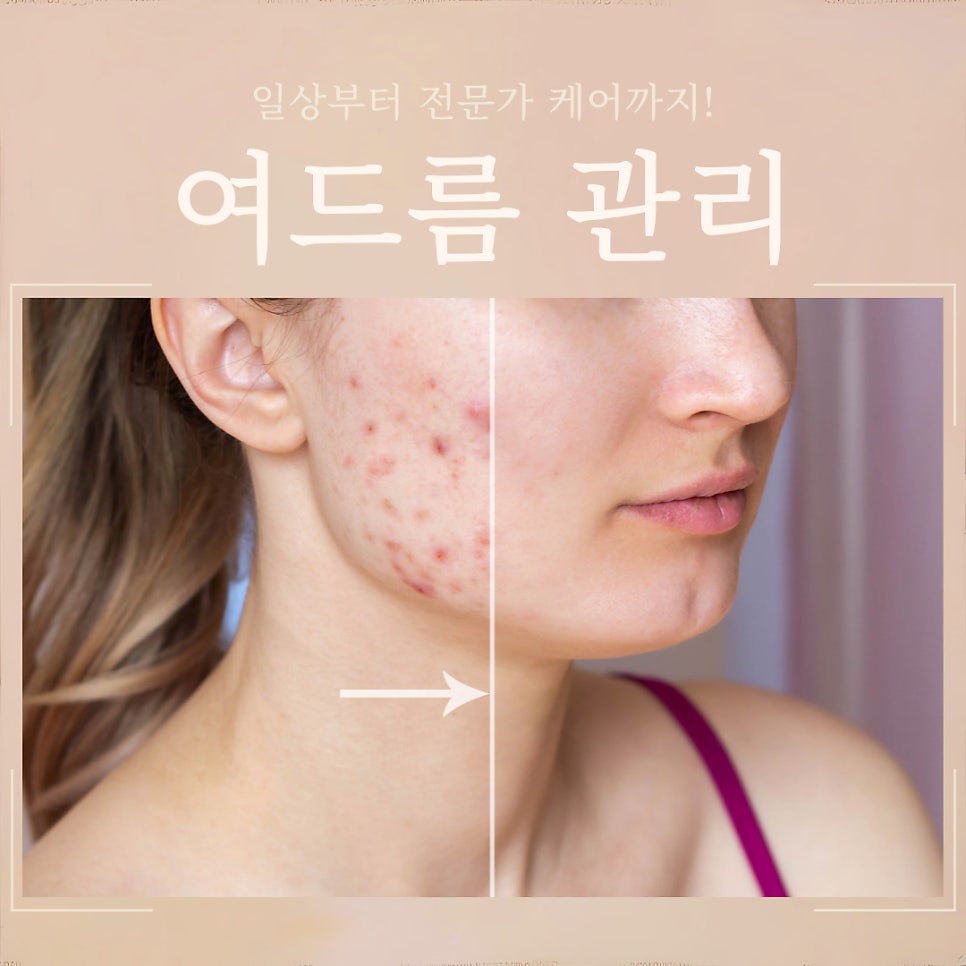
Hello.
This is Jamsil Gounsesang Dermatology Clinic!
A 4-Step Routine That Manages Acne from the Root
Each time you spot a small red bump in the mirror,
you may find yourself wondering, “Why is my skin like this?”
and the concern can grow deeper.
Acne is not simply a problem of oily skin,
but a complex condition that occurs as hormonal changes,
irregular lifestyle habits, and bacterial overgrowth in a weakened skin
barrier become intertwined. Therefore, simply applying cosmetics
or using temporary measures to cover up symptoms makes it difficult
to achieve fundamental improvement.
In today’s post, we will clearly point out the hidden causes
of acne and guide you systematically through four stages:
prevention habits you can practice in daily life,
safe self-care methods to use when you need quick help,
and professional treatment when necessary.
Take a look at this routine now and move one step closer
to clear, healthy skin without worrying about red bumps.
Building the Ground Where Acne Grows
Through Lifestyle Habits

When one trouble spot you casually brush off with “Did another one
pop up?” every morning keeps adding up, your skin can eventually
become irritated and exhausted. But acne is not simply a matter of
“washing your face wrong.”
Our sleep rhythm, the food on our table, stress levels,
and even drinking and smoking habits are all deeply connected to
the condition of the skin.
First, getting 7 to 8 hours of regular sleep every night is the
first step in acne care. Growth hormone secreted during sufficient
sleep helps skin cell regeneration, and by suppressing the secretion
of cortisol, the stress hormone, it helps prevent excessive sebum
production. On the other hand, irregular sleep stimulates inflammatory
hormones, making small breakouts less likely to calm down easily.

Next, diet management is important.
Sugary foods and greasy fast food that sharply raise blood sugar can
stimulate sebaceous glands and clog pores. Instead, choosing a low-GI
(glycemic index) diet made up of fruits, vegetables, whole grains,
and proteins (such as fish and tofu) can help keep blood sugar
fluctuations mild and stabilize sebum production.

It is also worth finding ways to manage stress.
Light walks, yoga, meditation, and hobbies can help relax the mind and body,
and as a result, balance hormones and reduce breakouts. Lastly, frequent
drinking and smoking increase free radicals and interfere with blood
circulation, which can worsen inflammation, so avoiding them as much
as possible is a great help in preventing acne.
In this way, small changes that look at sleep, diet, stress,
and lifestyle habits are the starting point for turning the “ground where acne grows”
into a healthy one.
Protecting the Skin Barrier with Gentle Cleansing &
Moisturizing
When fine dust and sebum left on the face build up and make your skin
feel “congested,” you may have repeatedly washed your face without restraint,
causing irritation. However, excessive cleansing or harsh scrubs can
actually dry out the skin and signal the sebaceous glands to “produce more,”
which may worsen breakouts.
Therefore, wash your face twice a day with lukewarm water and a mildly acidic,
low-irritation cleanser, lathering it well and gently rolling it over the skin
along the grain of the skin. At this time, lightly rubbing with the whole palm
is enough to get an effective result rather than putting strength into your fingertips.
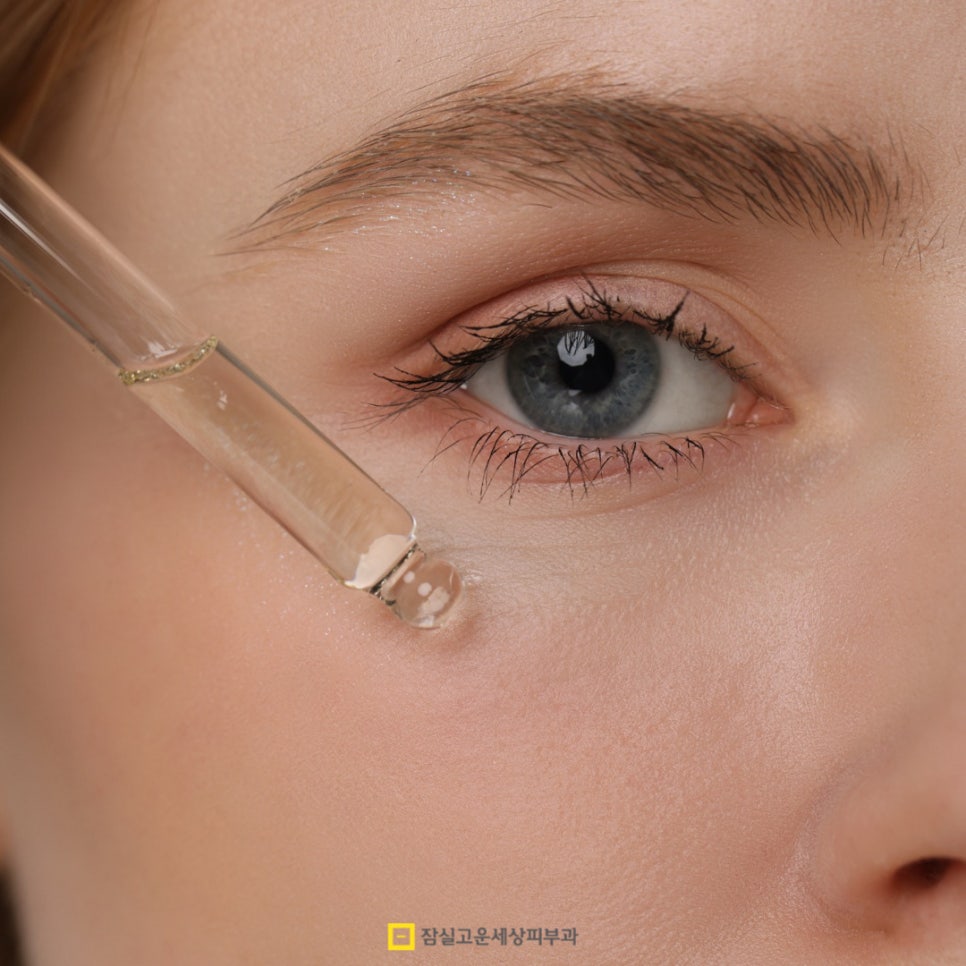
Immediately after cleansing is when the skin is most vulnerable, so you should
apply a moisturizer or serum containing hyaluronic acid and ceramides right away
to prevent moisture loss. Hyaluronic acid firmly holds water between molecules,
and ceramides restore the lipid barrier, protecting the skin from external
irritation and inflammation.
By combining gentle cleansing with thorough moisturizing like this, the weakened
skin barrier can gradually recover and the vicious cycle of acne can be broken.
Please remember that your daily cleansing routine is an important starting point
for building “healthy skin resilience.”
In Emergencies, a 5-Step Expert Self-Extraction Care Routine
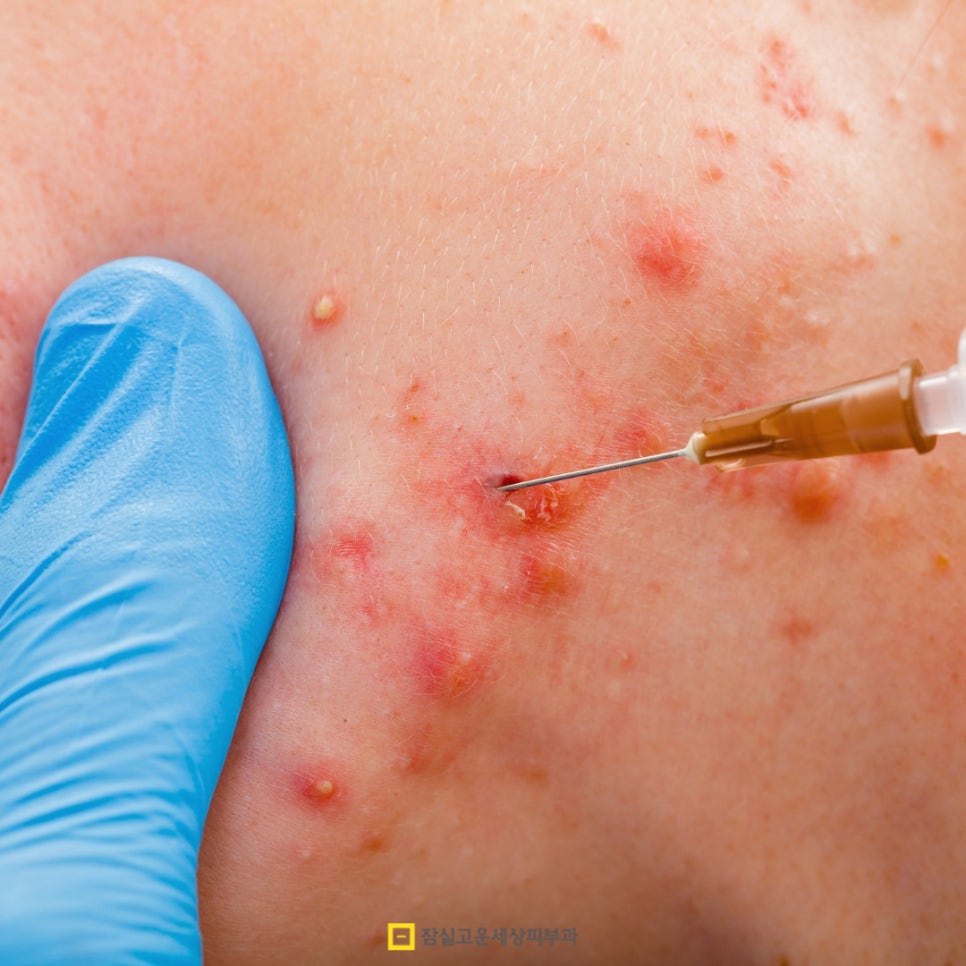
If a sudden pustular pimple pops up right before “an important appointment tomorrow,”
follow these five steps one by one before squeezing it with your fingers at random.
You must remember that improper extraction can actually worsen inflammation
and leave scars.
First, thoroughly disinfect the pimple area and your hands with an alcohol pad
or a pharmacy disinfectant. Only when everything is clean can you prevent secondary
infection by blocking residual bacteria from entering.
Next, use a sterile extractor or a disinfected handkerchief to gently hold and
pull the surrounding skin, repeating the motion until the whitehead naturally
“opens.” This process reduces damage to the pore wall compared to squeezing it
out recklessly.
After the whitehead bursts and the sebum is discharged, disinfect once more to
remove any remaining bacteria.
If you leave the area reddish and untreated, inflammation is more likely to recur.
Then, spread a thin layer of anti-trouble lotion containing zinc to take advantage
of both its antibacterial and drying effects.
Zinc effectively helps control moisture in acne-prone areas.
Finally, applying an acne patch containing zinc and salicylic acid can provide a
protective barrier as well as anti-inflammatory and astringent effects. The patch
blocks external irritation while preventing bacterial intrusion and helping promote
recovery, which can minimize red marks.
If you calmly follow these five steps, you can manage emergency acne at home with
relative safety. However, if the area remains red or the pain does not go away,
it is best to see a dermatologist quickly.
Complete Skin Care Without Recurrence Through Proper Professional Treatment
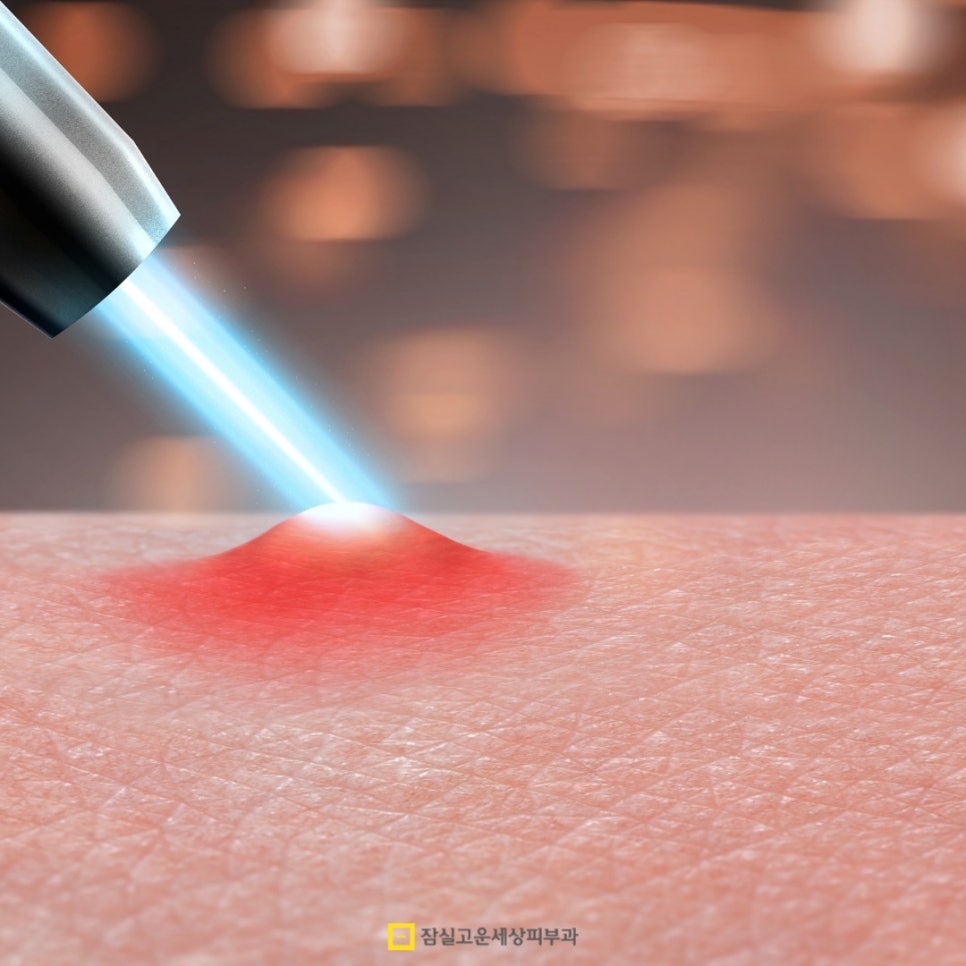
If acne does not subside with home care alone and red marks or scars become more
noticeable, it is time to seek professional help. In dermatology clinics, the following
customized treatments are provided according to each patient’s acne type and stage.
- Medication treatment
: Antibiotics, sebum-regulating agents, and topical agents are used to target both
excess sebum secretion and inflammation at the same time. Representative topical
agents include benzoyl peroxide and retinoids, which help keep pores clear and
gently remove dead skin buildup.
- Professional extraction and lesion injections
: Instead of self-extraction, comedones are safely removed using special extraction
instruments in a hygienic environment, and if necessary, triamcinolone injections
are used to quickly calm the inflammatory response.
- Laser and PDT/PTT procedures
: Specific wavelengths of light are used to selectively shrink sebaceous glands or
improve post-inflammatory redness and scar tissue. Photodynamic therapy (PDT) reduces
sebaceous glands and lowers recurrence rates, and Gold PTT uses thermal energy to
tighten pores without scarring.
- Agnes procedure
: Tiny insulated needles directly destroy the sebaceous glands to remove the root cause
of pustular acne. It is effective for those with recurring whiteheads and pustular lesions.
These procedures are best not used alone, but combined in sequence according to the skin
condition and acne stage, so that optimal results can be expected at minimal cost.
We recommend consulting with a specialist to create a treatment plan that is right for your skin.

The Power of Small Habits,
An Invitation to Clear, Resilient Skin.
Imagine the joy of looking into the mirror each morning and seeing that the red bumps
your eyes once caught are gone, replaced by clear and resilient skin texture.
This kind of change is not the result of special magic, but of small actions built up one by one.
Support skin regeneration even while you sleep with enough rest and stabilize blood sugar
with a balanced diet to improve your “internal environment,” strengthen your “skin barrier”
with lukewarm water and low-irritation cleansing, and when emergency response is needed,
use sterile disinfection and systematic extraction care to “respond quickly to crises.”
If you add a specialist’s customized medication and procedure-based treatment to this,
you can effectively suppress recurring inflammation and prevent recurrence.
Change does not happen overnight, but if you steadily practice these four steps, you will
find that healthy skin resilience has quietly taken root.
Thank you.
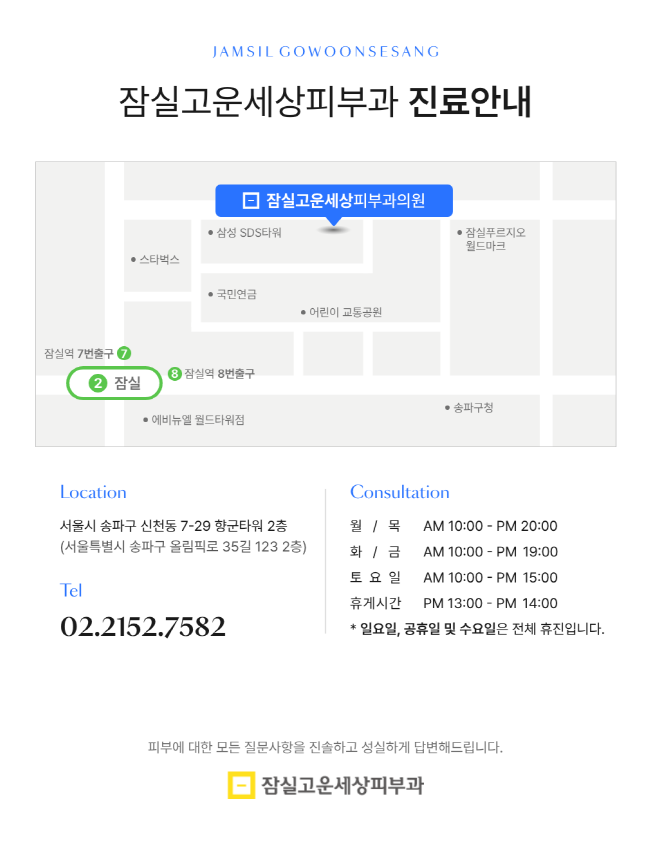
[ Directions to Jamsil Gounsesang Dermatology Clinic ]
[ Jamsil Gounsesang Dermatology Clinic Information ]
[ Jamsil Gounsesang Dermatology Clinic Website ]
This article is provided by Jamsil Gounsesang Dermatology Clinic for the purpose of providing medical information in accordance with Article 56, Paragraph 1 of the Medical Service Act Advertising Regulations. All procedures/surgeries carry the risk of side effects such as bleeding, infection, and nerve damage, so please proceed carefully after sufficient consultation with medical staff.