Warts, seborrheic keratosis, lentigines
How to Tell Them Apart and a Treatment Guide
Hello! This is Jamsil Gounsesang Dermatology Clinic.
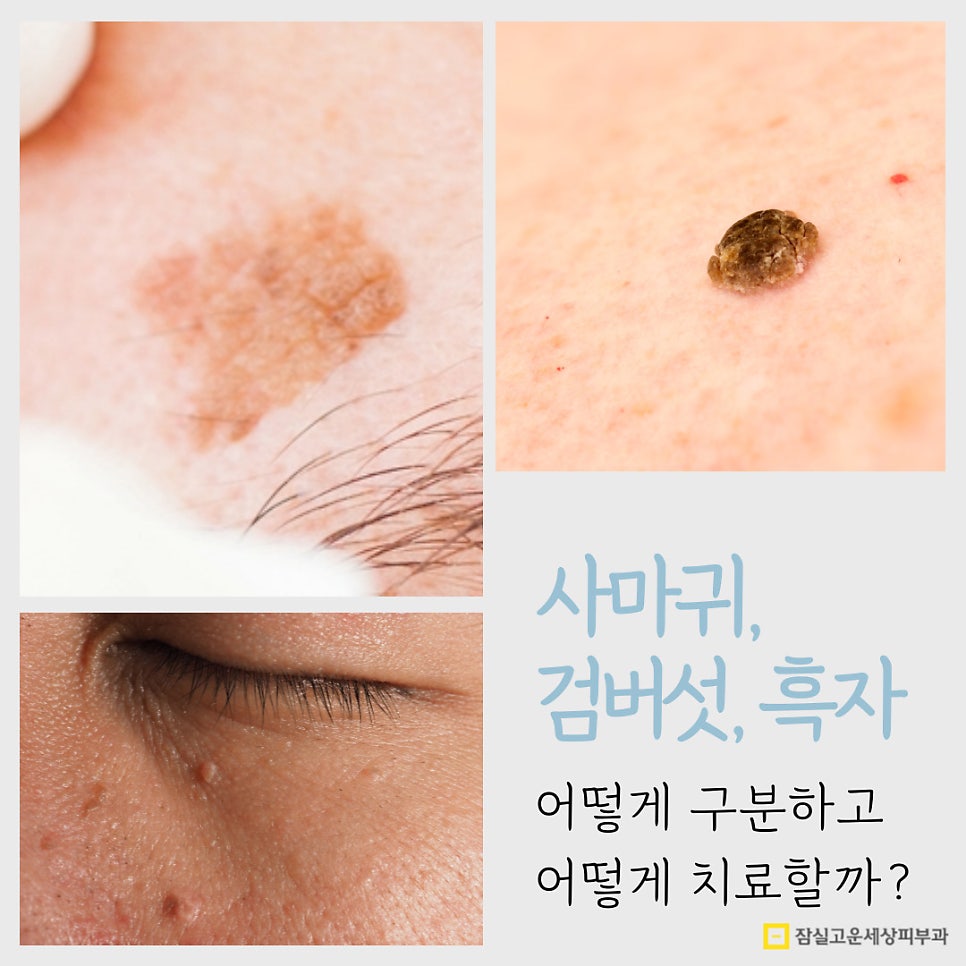
Brown spots that suddenly appear on the skin, rough raised bumps,
or lesions that look like moles but become darker in color are skin changes
that everyone encounters at least once or twice in daily life.
When you notice these changes, it is natural to feel startled and anxious.
However, even though they may all look similar on the surface, warts,
seborrheic keratosis, and lentigines each have different causes and
require very different treatment approaches.
The biggest problem is using a wrong self-diagnosis or unverified folk remedies.
In such cases, the lesion may spread or secondary problems such as
pigmentation may occur, and in severe cases it may lead to inflammation or infection.
Information easily found on the internet is not always accurate, and general advice
that does not consider an individual’s skin condition and the characteristics of the
lesion can be harmful instead.
Therefore, accurately knowing how to distinguish what kind of skin change it is,
and what appropriate treatment should be used, is the first step in protecting skin health.
In this article, we will look in detail at the characteristics and treatments of three
skin lesions that are most commonly confused.
Warts, seborrheic keratosis, lentigines
- Their shape, cause, and treatment are different
- Warts (Verruca)
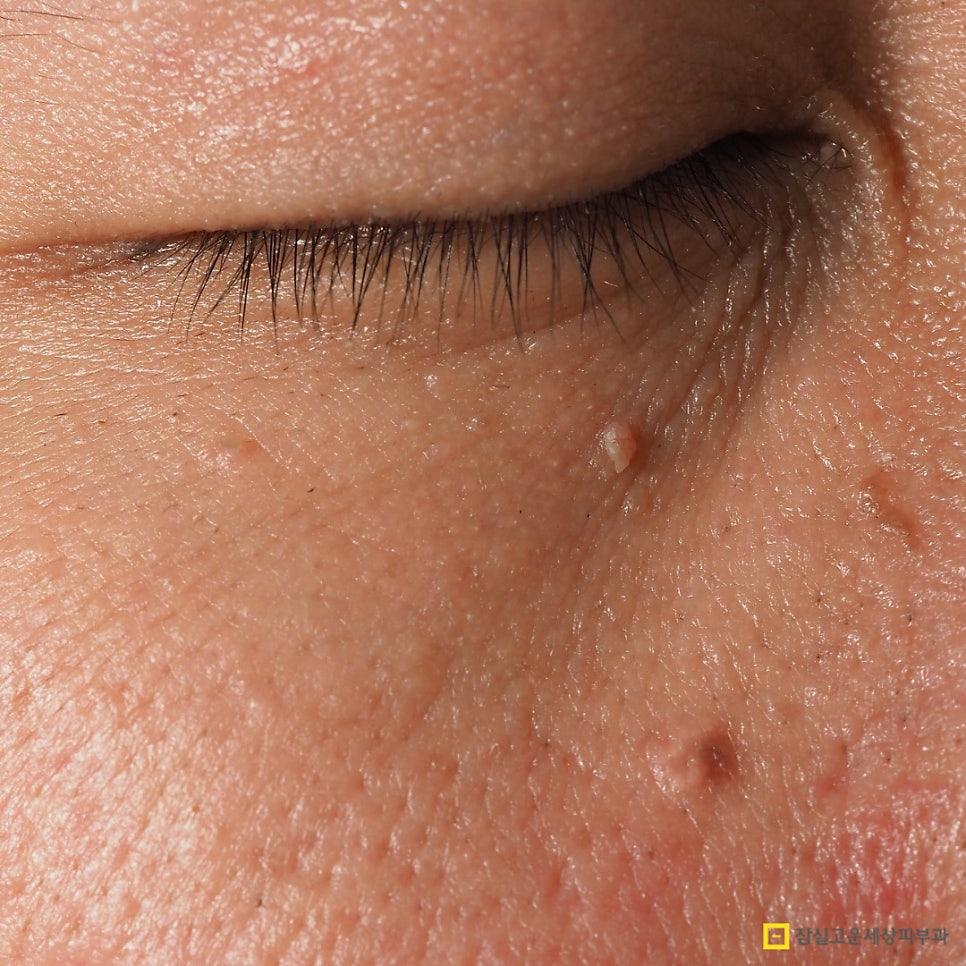
Warts are infectious skin lesions caused by the human papillomavirus.
This virus is very common and enters the skin through small wounds or scratches,
causing infection. Externally, they appear as raised, rough, and thickened lesions,
and because the surface is often coarse and deeply rooted, they feel hard to the touch.
A characteristic appearance of warts is the presence of small black dots on the surface,
which are caused by blocked blood vessels. They mainly occur on the hands, feet,
face, and neck, and tend to develop or spread especially when immunity is weakened.
In children, they can also appear more easily when they have the habit of biting their nails
or frequently touching wounds.
The biggest issue with warts is that they are contagious.
They can spread not only to other parts of the same person’s body, but also to other people.
In particular, the risk of infection increases when walking barefoot in humid public places
such as swimming pools or gyms.
Treatment for warts varies depending on the location, depth, size, and number of lesions.
Commonly used treatments include cryotherapy (liquid nitrogen), radiofrequency,
CO2 laser, and repeated topical immunotherapy agents (such as ImmuCream).
In some cases, intralesional injections that induce an autoimmune response
(such as interferon or bleomycin) may also be considered, and if recurrence is frequent,
ongoing follow-up and immune status checks are necessary.
After treatment, it is important to confirm that the lesion has been completely removed,
and to manage immunity and hygiene to prevent recurrence.
- Seborrheic keratosis
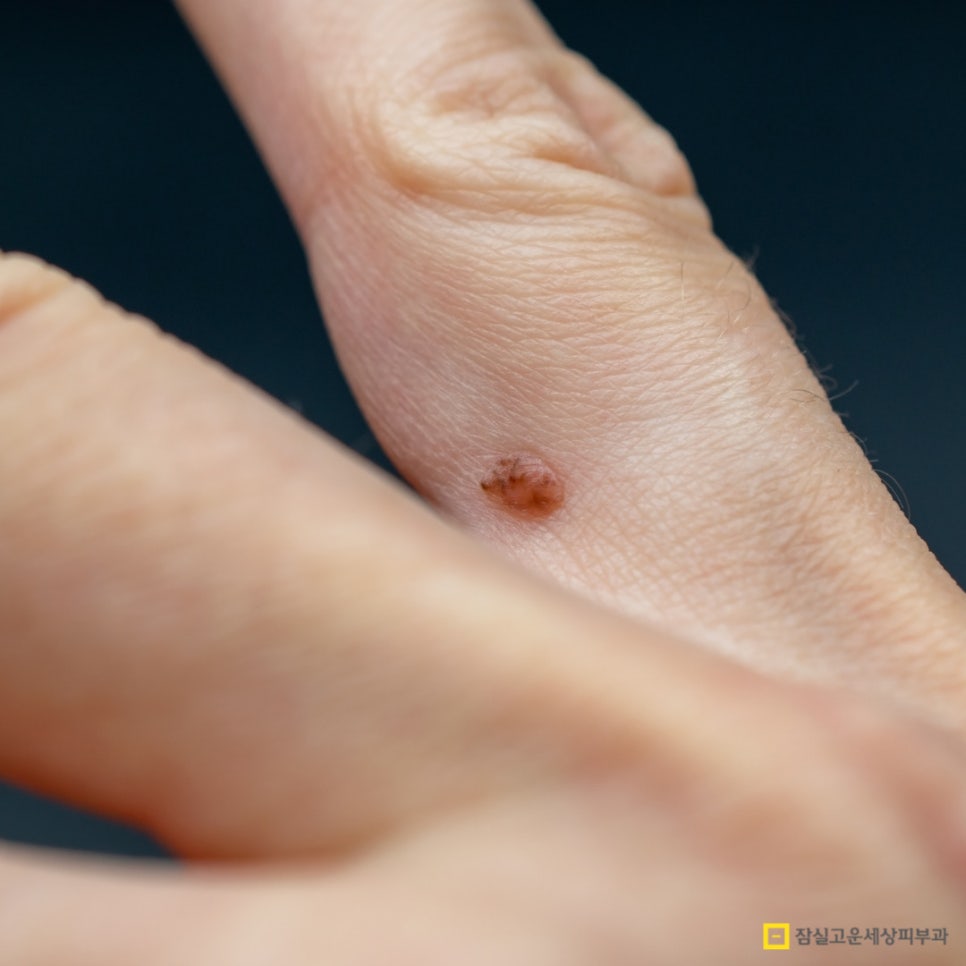
Seborrheic keratosis is a benign tumor that develops due to the proliferation of
keratinocytes associated with aging.
Because of the name, some people mistakenly think it is related to mushrooms,
but in reality it is a natural aging phenomenon that occurs as the skin’s stratum
corneum thickens. It usually begins to appear in middle age and tends to increase in
number and size as people get older.
Seborrheic keratosis appears as slightly elevated brown to dark brown flat or raised lesions
on the skin surface. A characteristic feature is that some parts may flake off when scratched,
and the texture can look as if a thin layer of wax has been applied. The surface is rough,
there is a lot of keratin, and it can sometimes look greasy.
Seborrheic keratosis is not contagious, so it does not spread to other people,
and the chance of becoming malignant is very low. In most cases, removal is done for
cosmetic reasons, when the lesion keeps growing, or when it is irritated by catching on clothing.
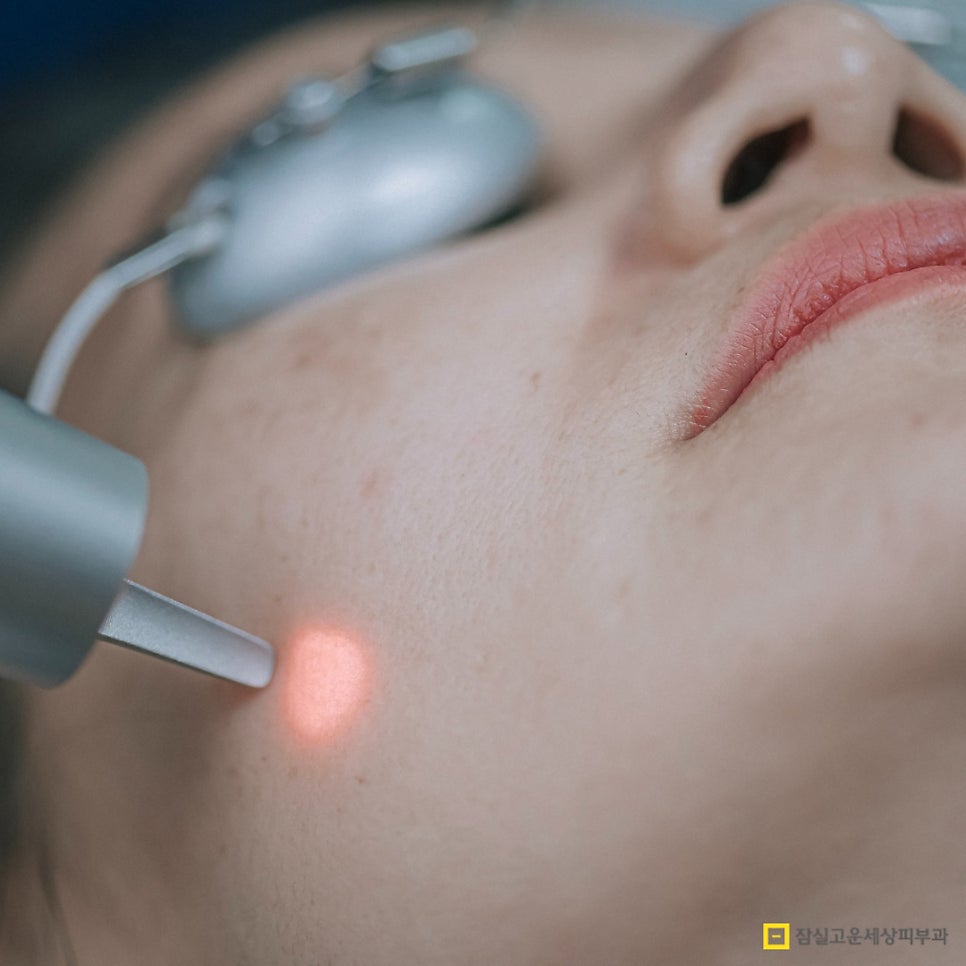
Treatment can be relatively simple and performed with CO₂ laser, radiofrequency,
or Q-switched laser. The procedure is usually done after local anesthesia,
and the treatment time is relatively short. However, temporary pigmentation may remain after removal,
so sun protection and moisturizing care must be used together.
In rare cases, if there is pain, bleeding, a rapid change in size, or a change in color,
a biopsy may be necessary.
This is to rule out the very rare possibility of malignant change.
- Lentigo
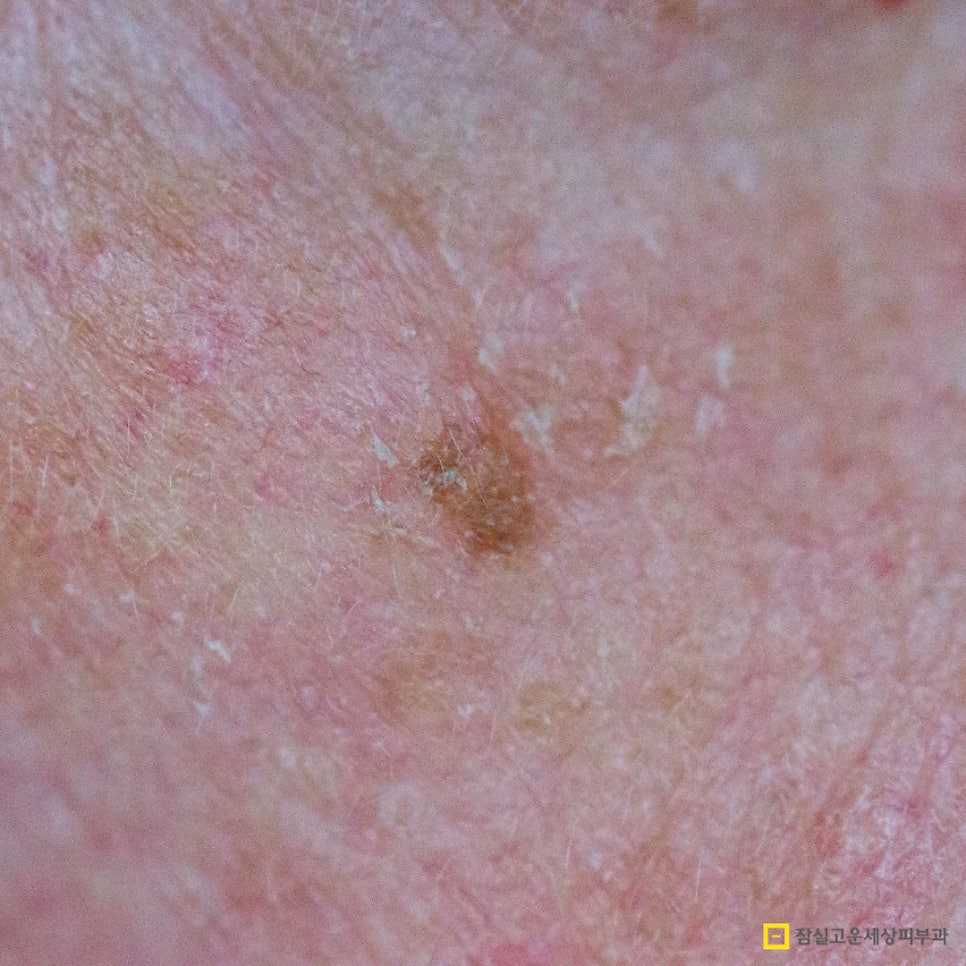
Lentigines are pigmented lesions that occur when melanocytes produce excess melanin due to
continuous exposure to ultraviolet light.
They are easy to confuse with melasma in general, but compared with melasma,
they have clearer borders and appear as flat spots on the skin surface. In particular,
melasma is closely related to hormonal changes, whereas lentigines are mainly caused by
ultraviolet exposure and aging.
Lentigines commonly appear on areas exposed to the sun such as the face, backs of the hands,
arms, and shoulders, and their color ranges from light brown to dark brown or blackish brown.
Their size can also vary from tiny spots to coin-sized lesions.
As people get older, both the size and number tend to increase, and they are especially common
in people who spend a lot of time outdoors.
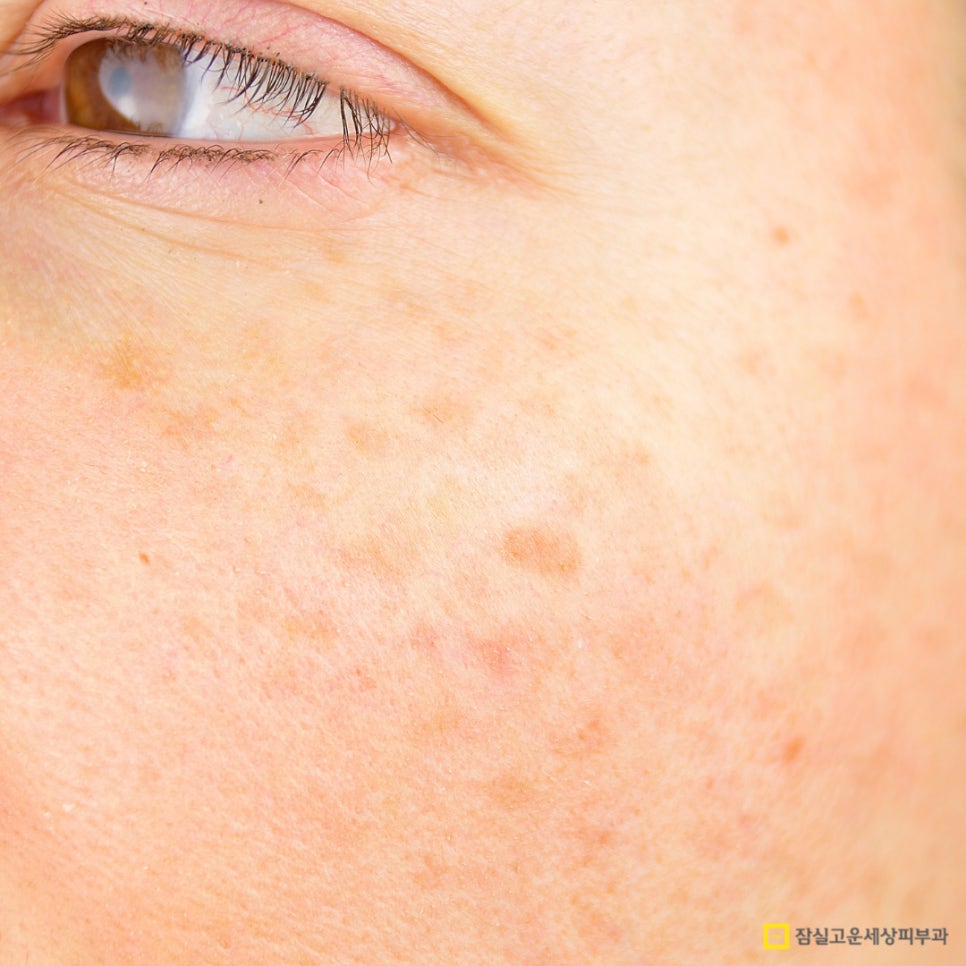
The most important feature of lentigines is that they lie flat on the skin surface.
They do not protrude when touched, and the surface is usually smooth.
However, over time, the color may become darker or the lesion may grow larger.
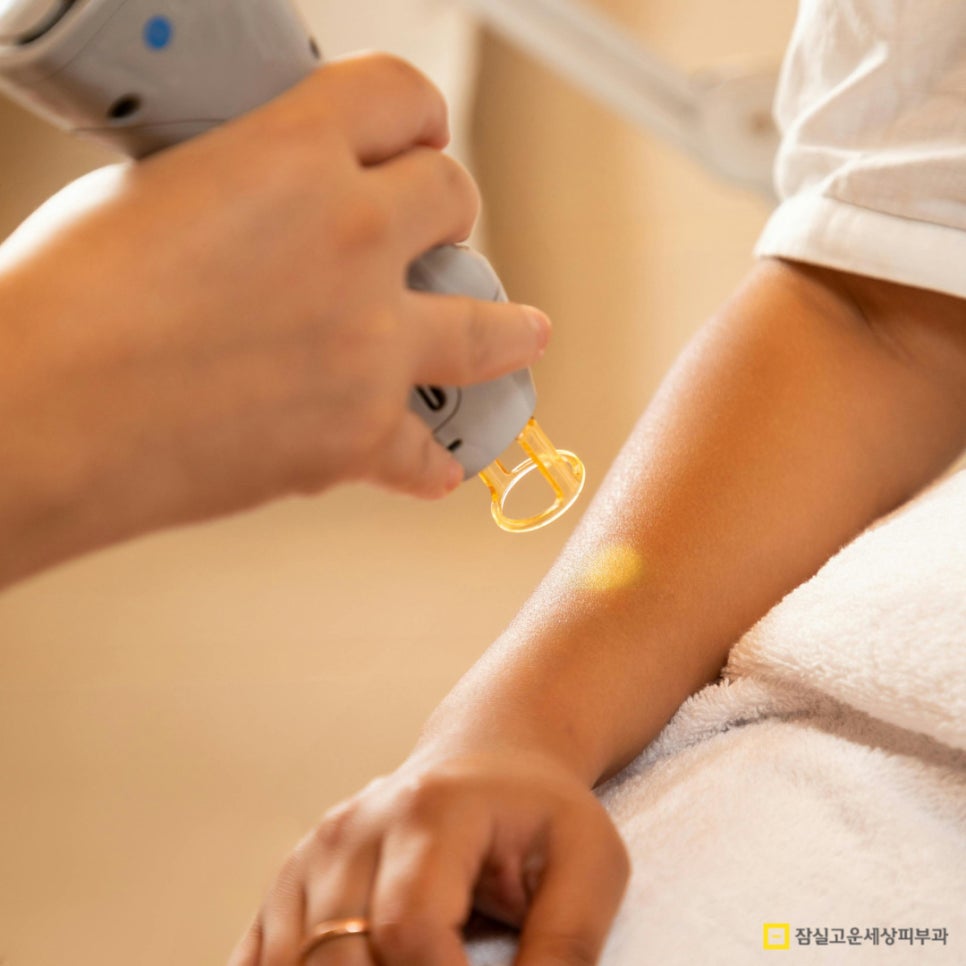
Treatment for lentigines is usually performed using pigmentation treatment devices.
Common examples include the Q-switched Nd:YAG laser (1064 nm), ruby laser,
and IPL (intense pulsed light). Each treatment works by selectively destroying pigment,
and the appropriate option varies depending on the patient’s skin type and the depth of the lesion.
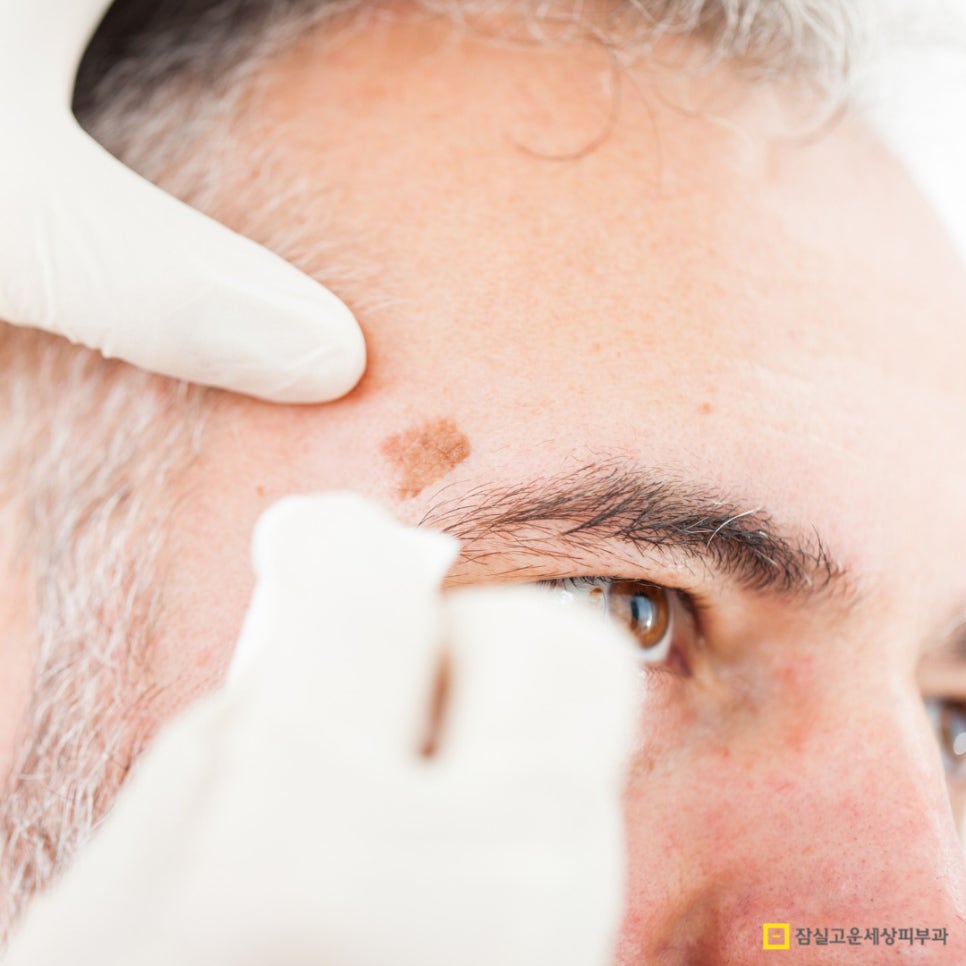
In some cases, a single treatment may be enough depending on skin type or lesion depth,
but usually 3 to 5 repeated treatments at 2- to 3-week intervals are recommended.
After treatment, temporary pigmentation may appear, but it usually recovers naturally within a few months.
After pigmentation treatment, sun protection, regenerative care, and whitening products are very important.
In particular, sunscreen should be applied carefully for several weeks after treatment,
and strong ultraviolet exposure should be avoided.
Unregulated whitening cosmetics or laser treatments without a dermatologic diagnosis can instead
cause skin irritation and hyperpigmentation, so caution is needed.
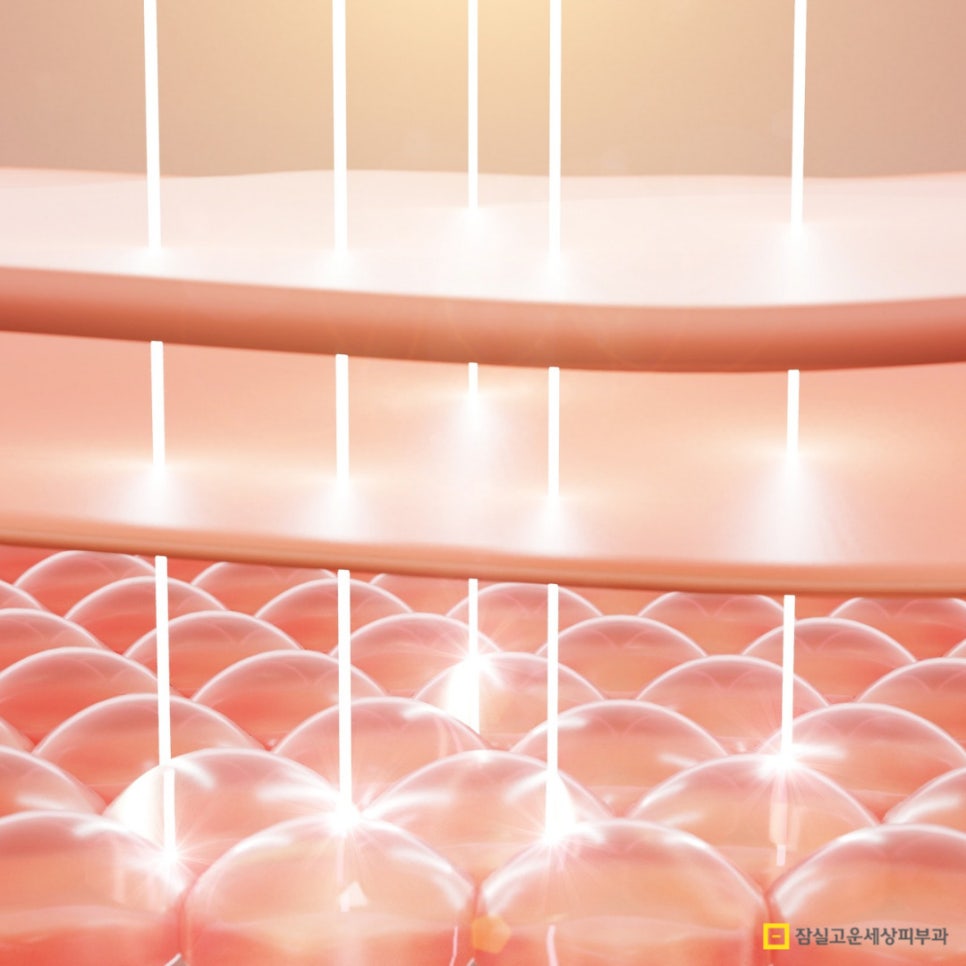
Even if they look similar,
skin lesions
start with different treatment methods
Warts, seborrheic keratosis, and lentigines may look like similar brown lesions on the surface,
but their causes and treatment methods are completely different. Understanding these differences
is not just academic knowledge; it is directly connected to treatment success rates and the prevention
of side effects.
In particular, infectious lesions such as warts can spread to surrounding areas or become chronic
if they are not addressed quickly in the early stages. Because transmission between family members
is also possible, if symptoms are suspected, it is best to see a specialist right away. On the other hand,
seborrheic keratosis and lentigines are typical skin responses to ultraviolet exposure and aging,
so the intensity of care should be adjusted according to the individual’s skin condition and lifestyle.
Also, the aftercare differs for each lesion. Warts require immune management to help prevent recurrence,
seborrheic keratosis requires antioxidant care to help prevent additional lesions, and lentigines require
sun protection and ongoing pigment management.
Accurate identification of a lesion is the starting point for effective treatment.
Rather than making a quick judgment based only on appearance, it is safest to understand your skin condition
accurately through a professional diagnosis and choose a personalized treatment method accordingly,
so that you can protect both skin health and appearance. In particular, when the lesion changes or new
symptoms appear, it is important to consult a specialist without delay.
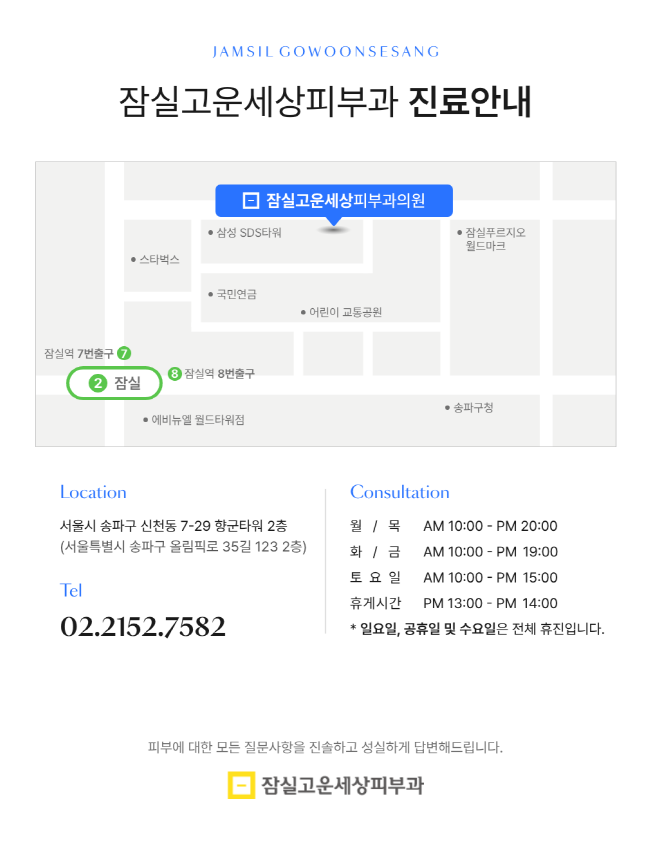
▽ Jamsil Gounsesang Dermatology Clinic Directions ▽
▽ Jamsil Gounsesang Dermatology Clinic Information ▽
▽ Jamsil Gounsesang Dermatology Clinic Website ▽
This article is provided by Jamsil Gounsesang Dermatology Clinic for the purpose of providing medical information in accordance with Article 56, Paragraph 1 of the Medical Advertising Act. All procedures/surgeries carry the risk of side effects such as bleeding, infection, and nerve damage, so please proceed carefully after sufficient consultation with the medical staff.