Acne Management Diet,
'Foods to Avoid
VS Recommended Foods'
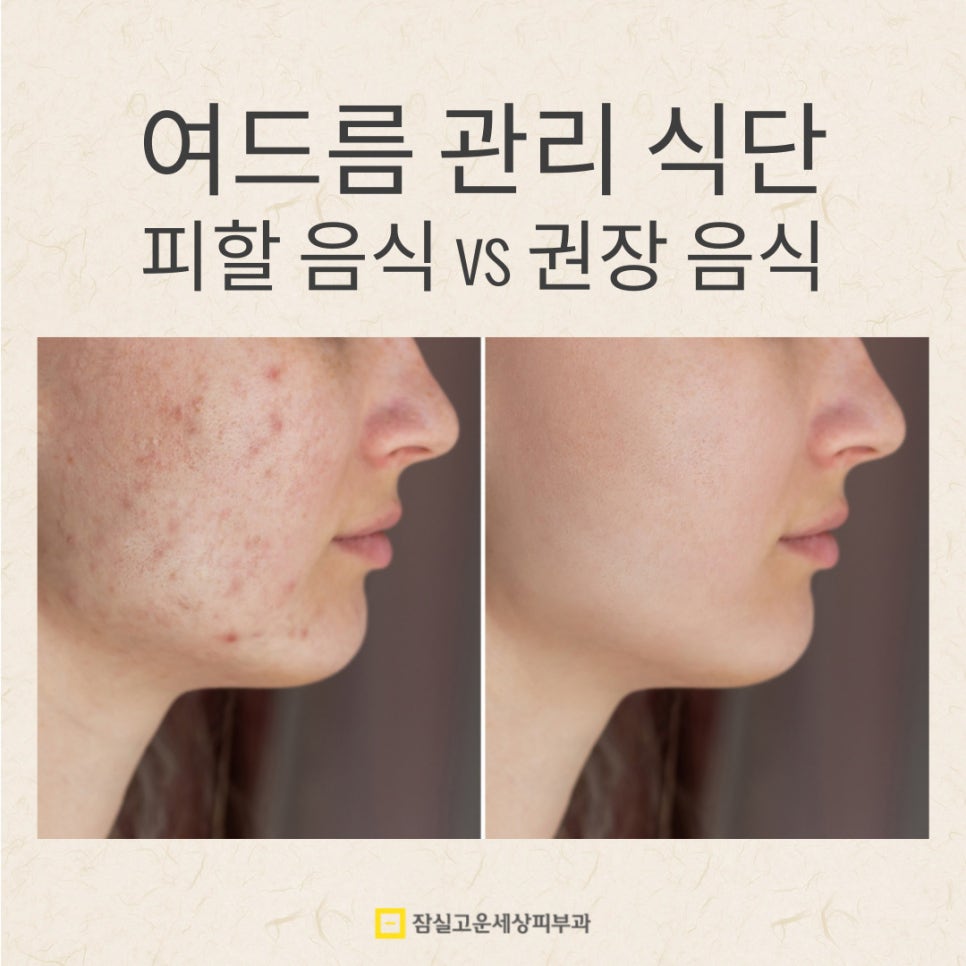
Hello! This is Jamsil Gounsesang Dermatology Clinic.
Have you ever found yourself unconsciously
lowering your head every time you face acne marks in the mirror?
It may be surprising, but it is clear that small choices at the dining table can encourage excess sebum production
and lead to repeated red inflammation. Recent studies show that certain foods can disrupt hormone balance in our body,
intensify inflammatory responses, and directly promote acne development.
In this column, centered on the keyword “acne management diet,” we will organize, step by step,
a list of foods to avoid and foods to actively include that you can put into practice right away at the table.
From three meals a day to snacks,
small changes can be the decisive starting point for calming inflammatory acne.
- Reduce Blood Sugar Spikes

Eating a slice of white bread and a sugary drink quickly in the morning may make you feel energized right away,
but did you know that the resulting “blood sugar spike” can worsen acne?
High glycemic index (GI) foods rapidly raise blood sugar in a short time,
and in the process promote the secretion of insulin and insulin-like growth factor IGF-1.
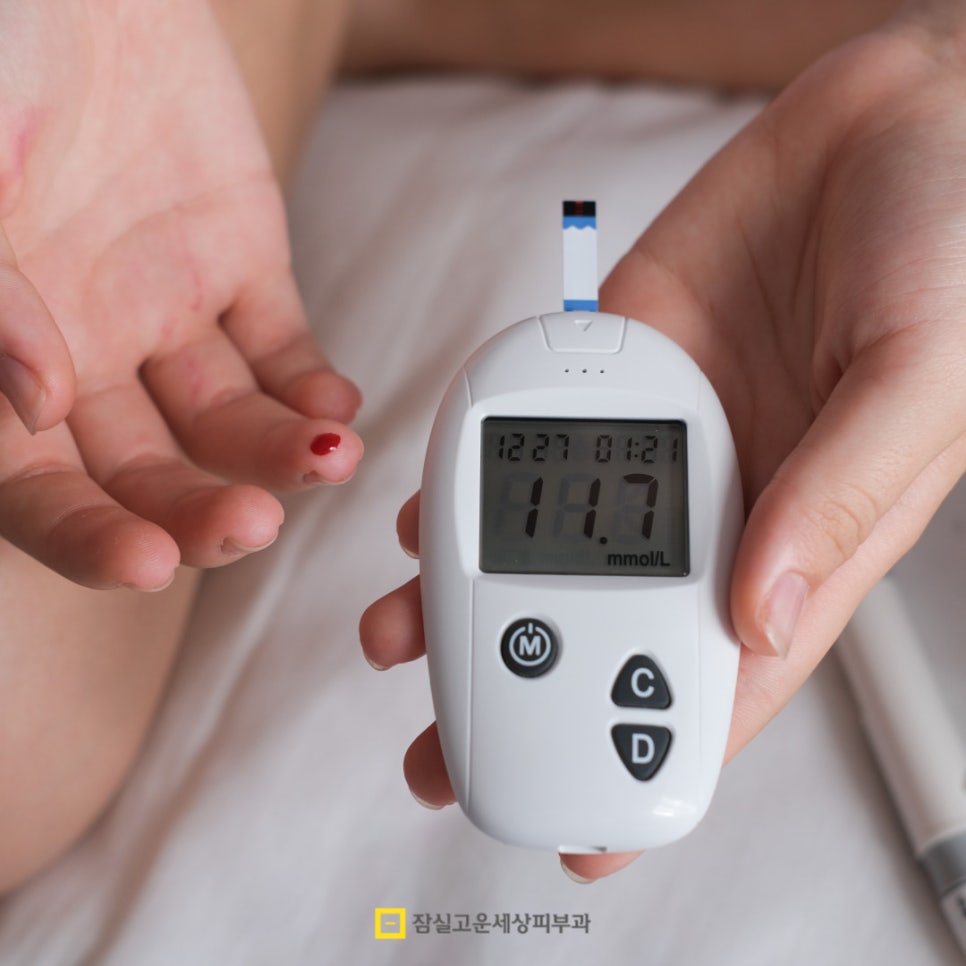
When IGF-1 increases, sebaceous gland activity becomes excessive and inflammatory responses are promoted,
causing excess sebum to build up on the skin’s surface and making acne easier to develop. Examples include white bread,
breads made from refined grains, sugary snacks or drinks, processed cereal, white potatoes, and breakfast cereals with added sugar.
If you cannot completely avoid this kind of diet, try choosing alternative foods that raise blood sugar more slowly,
such as whole-grain bread or unsweetened drinks. Small changes help suppress the rise in blood sugar and, as a result,
reduce sebum production and inflammation, making a big difference in maintaining clear skin.
- Check Your Skin’s Reaction to Dairy
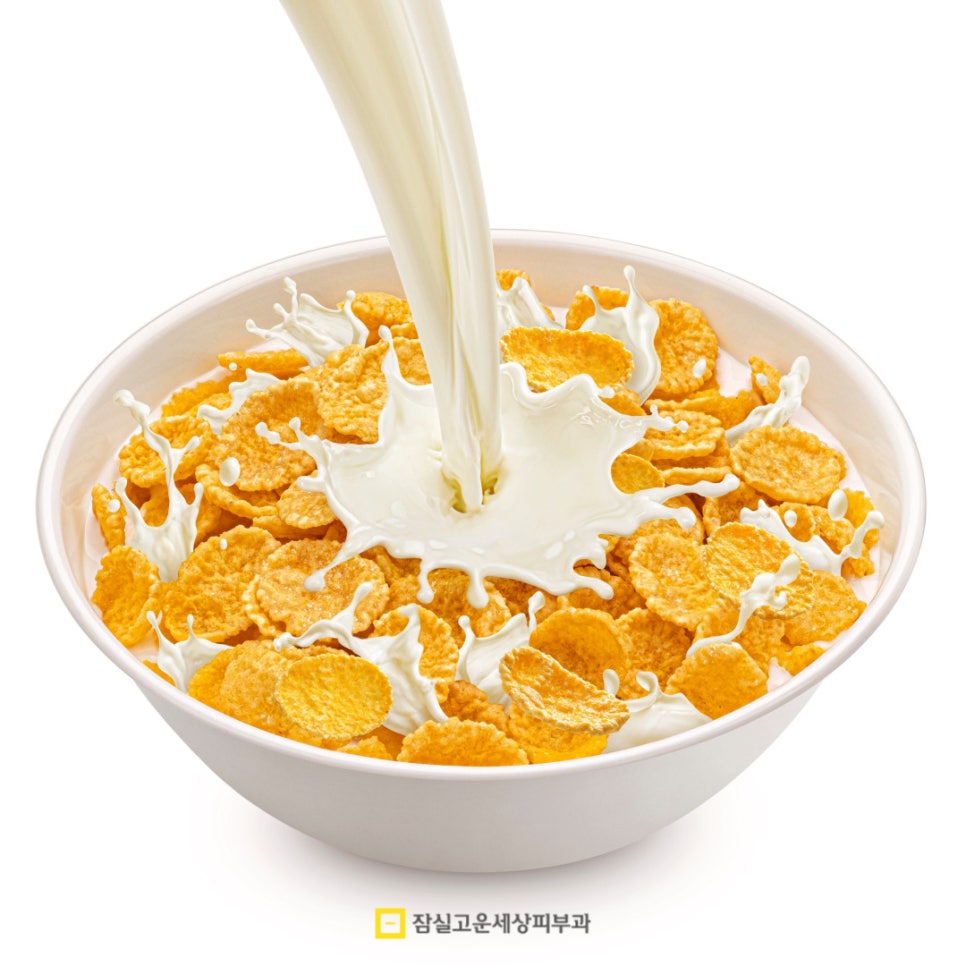
Have you ever thought about what effect a glass of milk poured over cereal in the morning might have on your skin?
Some studies report that dairy consumption, especially low-fat milk, may be associated with acne development.
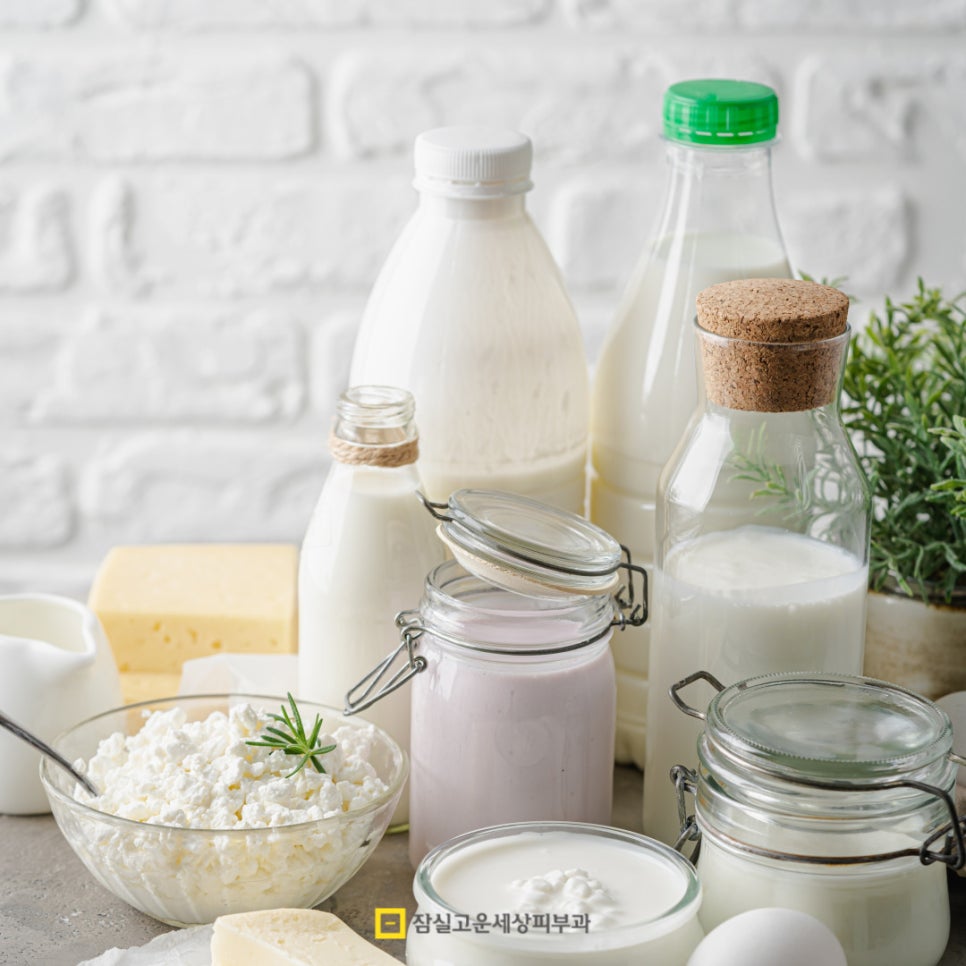
Milk naturally contains small amounts of hormones, and it is pointed out that its proteins stimulate insulin secretion,
further increasing IGF-1 levels. These hormonal changes may stimulate sebaceous glands and promote excess sebum production
and inflammation, creating an environment where acne is more likely to recur.
Not all dairy products have the same effect, but it is important to check whether your skin responds sensitively.
A simple method is to keep a food diary and record the days you consume milk, yogurt, or cheese, along with changes in your skin condition.
If changes are noticeable, reduce your milk intake or switch to another alternative beverage, and if your condition does not improve after that,
consult a dermatologist. Limiting your intake only to the extent that suits you is helpful for acne management.
- Reduce Saturated and Trans Fat Intake
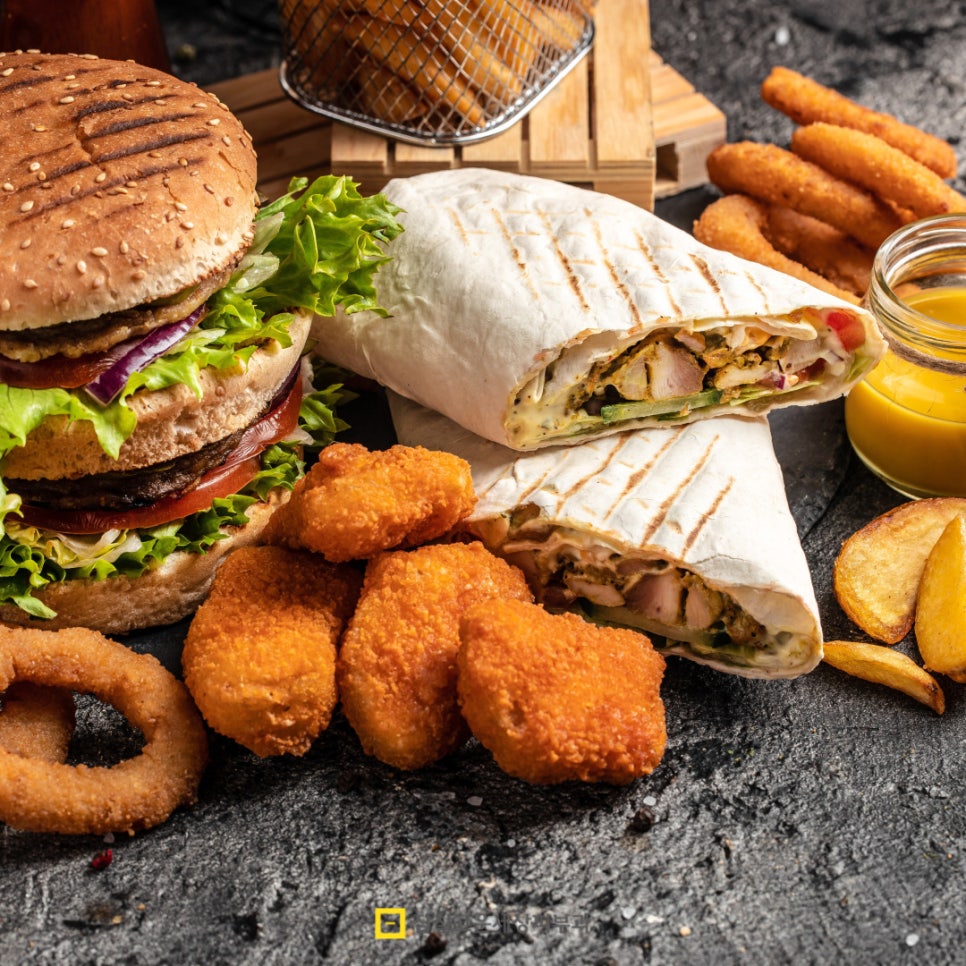
“One piece of chicken, one sweet doughnut bite”
Did you know that this momentary satisfaction can leave behind an unwelcome guest on your skin?
Fried foods, processed snacks, some red meats, and partially hydrogenated oils used in bakery products are rich in saturated fat and trans fat.
These fats are major contributors to increased systemic inflammation in the body. When inflammation grows, hormone balance is disrupted
and sensitivity to insulin declines, which overly activates sebaceous glands. As a result, excess sebum is produced,
pores become clogged, and inflammatory acne develops more easily.
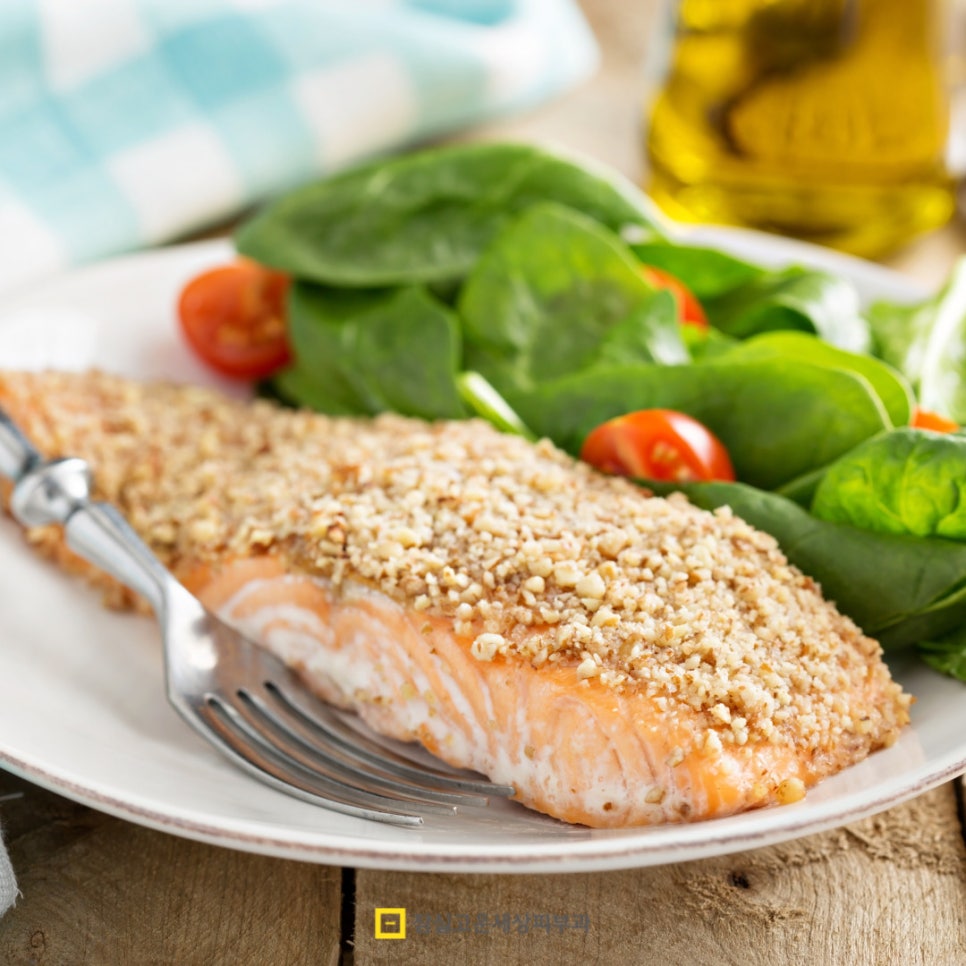
So when choosing fried foods or processed snacks for regular meals or snacks, try substituting baked fish, nuts,
or fresh vegetables.
Even if you enjoy a small amount of red meat, choose lean cuts, and build the habit of choosing whole-grain bread
or unsweetened snacks instead of bakery items. This helps lower inflammation levels and leads to clearer skin.
- Manage Skin from Within with Acne-Fighting Foods

There is a reason people say, “When you fill your mouth with a handful of berries, not only does the sweetness on your lips feel good,
but the inflammation inside your skin seems to calm down too.” Certain nutrients are very effective at suppressing inflammation
and helping damaged skin recover quickly.
First, berries (strawberries, blueberries, raspberries) and dark leafy greens (spinach, kale), which are considered powerful antioxidants,
protect against cell damage caused by free radicals and reduce inflammatory responses, helping suppress acne outbreaks.
Vitamin A, C, and E found abundantly in bell peppers, carrots, and sweet potatoes also have antioxidant and anti-inflammatory effects,
and catechins in green tea and antioxidants in dark chocolate with more than 70% cocoa help skin regeneration.
Omega-3 fatty acids can be obtained from blue-backed fish such as salmon, mackerel, and sardines, or from chia seeds, flaxseeds, and walnuts.
These fatty acids reduce the production of inflammatory mediators in the body, stabilize sebaceous glands, and improve insulin sensitivity,
helping prevent acne from worsening.
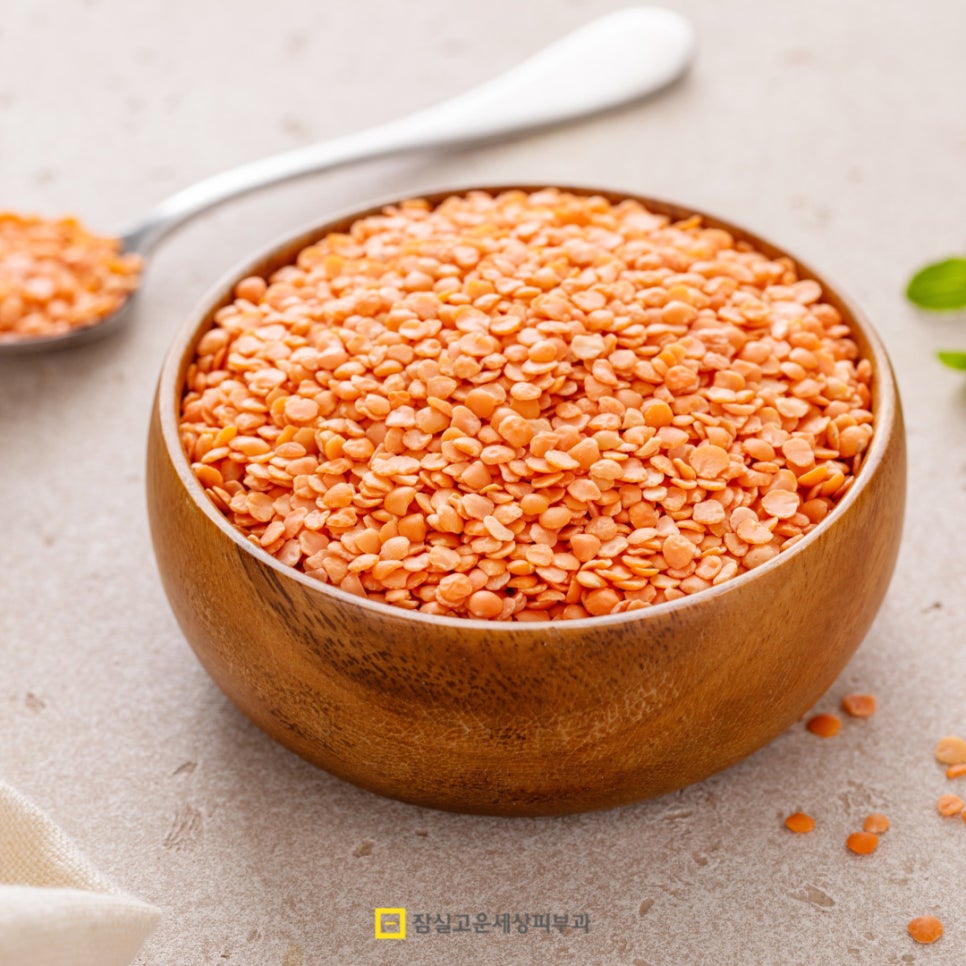
Zinc is an essential mineral for skin wound healing and oil production control. It can be effectively obtained through chicken, turkey,
seafood such as oysters and crab, as well as pumpkin seeds, lentils, and chickpeas.

Lastly, don’t forget that gut health is directly linked to skin health. Low-sugar yogurt and kefir,
and fermented foods such as kimchi, sauerkraut, and kombucha provide probiotics,
help balance the gut and reduce systemic inflammation.
And adequate hydration is essential.
Try to keep skin cells moisturized with at least 8 glasses of water a day, foods with high water content like cucumbers and watermelon,
and a glass of water with lemon or mint. If you regularly include these foods in your diet, you may feel your skin becoming healthier from within.
- Example Acne Management Diet
If you want to feel like your skin is becoming clearer, try placing ingredients that help suppress inflammation and support regeneration
in each meal. From breakfast to dinner, refer to the balanced sample diet below and let’s look together at how each meal contributes to skin health.

- Breakfast: Try topping Greek yogurt with berries (strawberries, blueberries, raspberries) and chia seeds.
The probiotics in yogurt help regulate the gut environment, the antioxidants in berries reduce free radical damage,
and the omega-3 in chia seeds suppresses inflammatory responses.
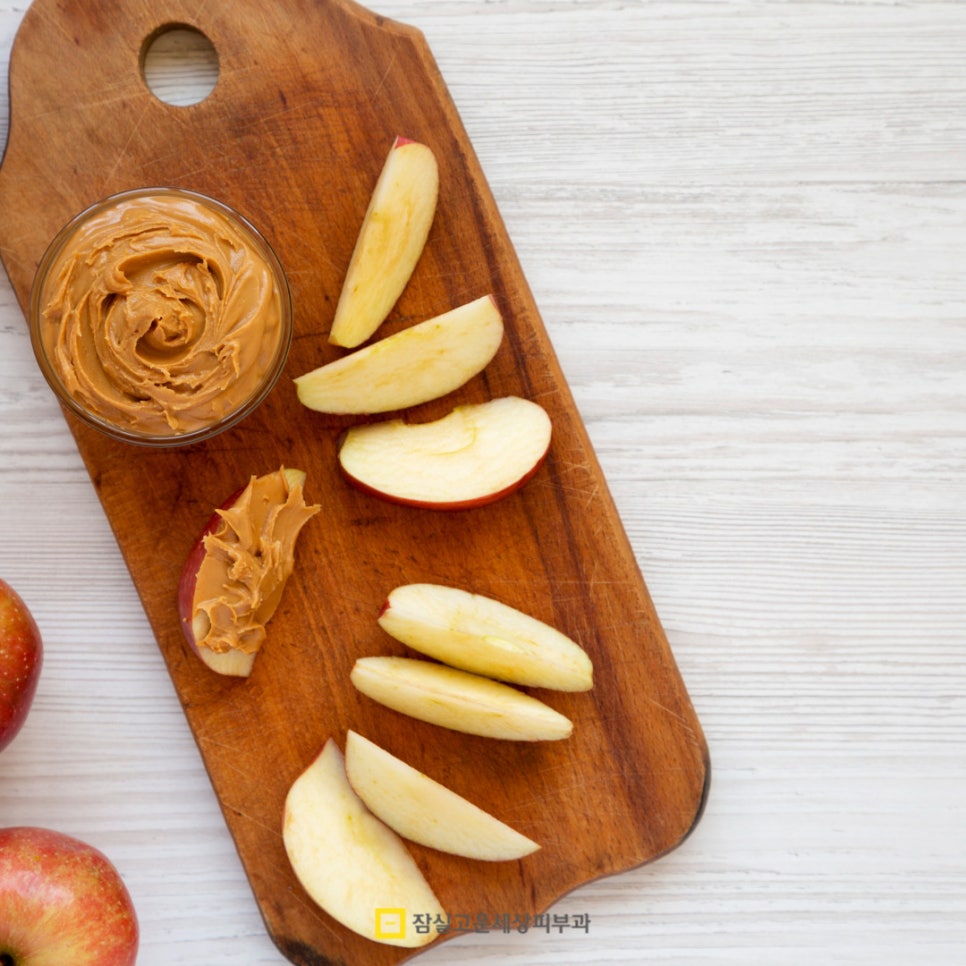
- Morning snack: Apple slices with unsweetened almond butter can provide light protein and dietary fiber.
The soluble fiber in apples helps moderate blood sugar rises, and the healthy fats in almond butter help reduce saturated fat intake.
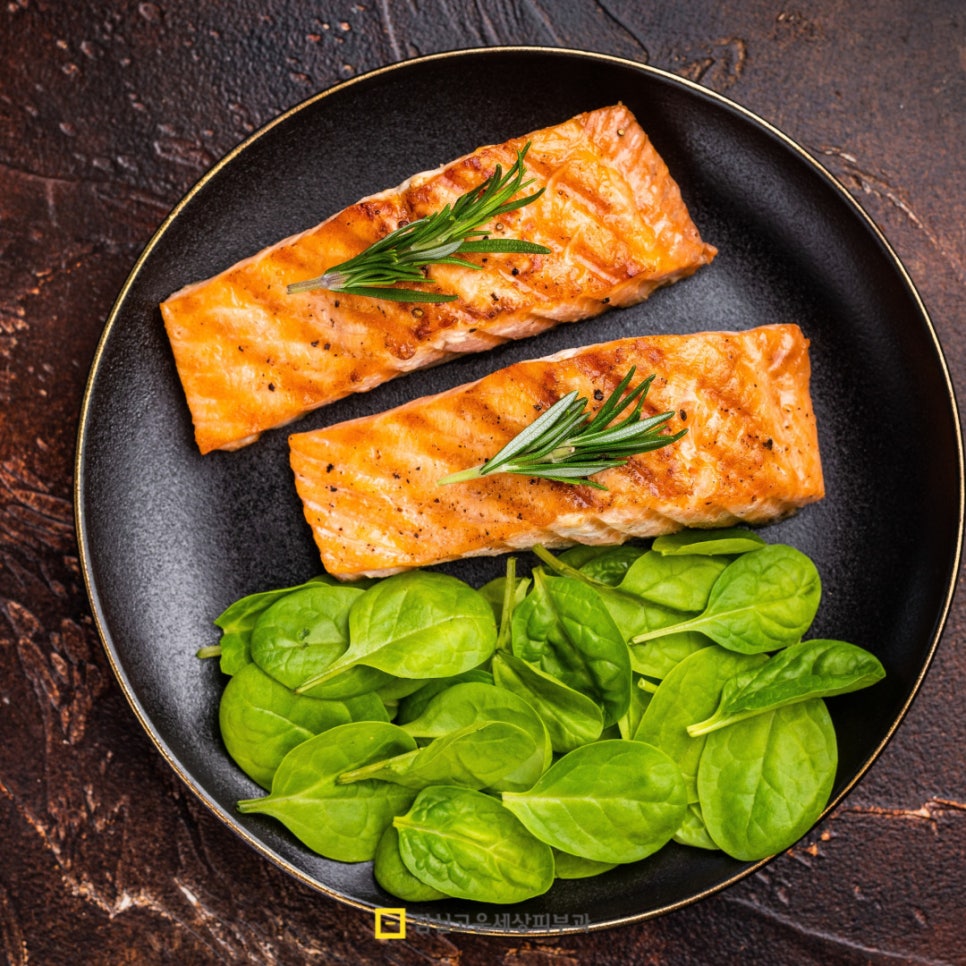
- Lunch: Enjoy grilled salmon as a salad with leafy greens (spinach, kale, etc.) and avocado.
The rich omega-3 fatty acids in salmon lower inflammation levels, the vitamins and minerals in leafy greens support skin regeneration,
and the monounsaturated fats in avocado contribute to maintaining hormone balance.
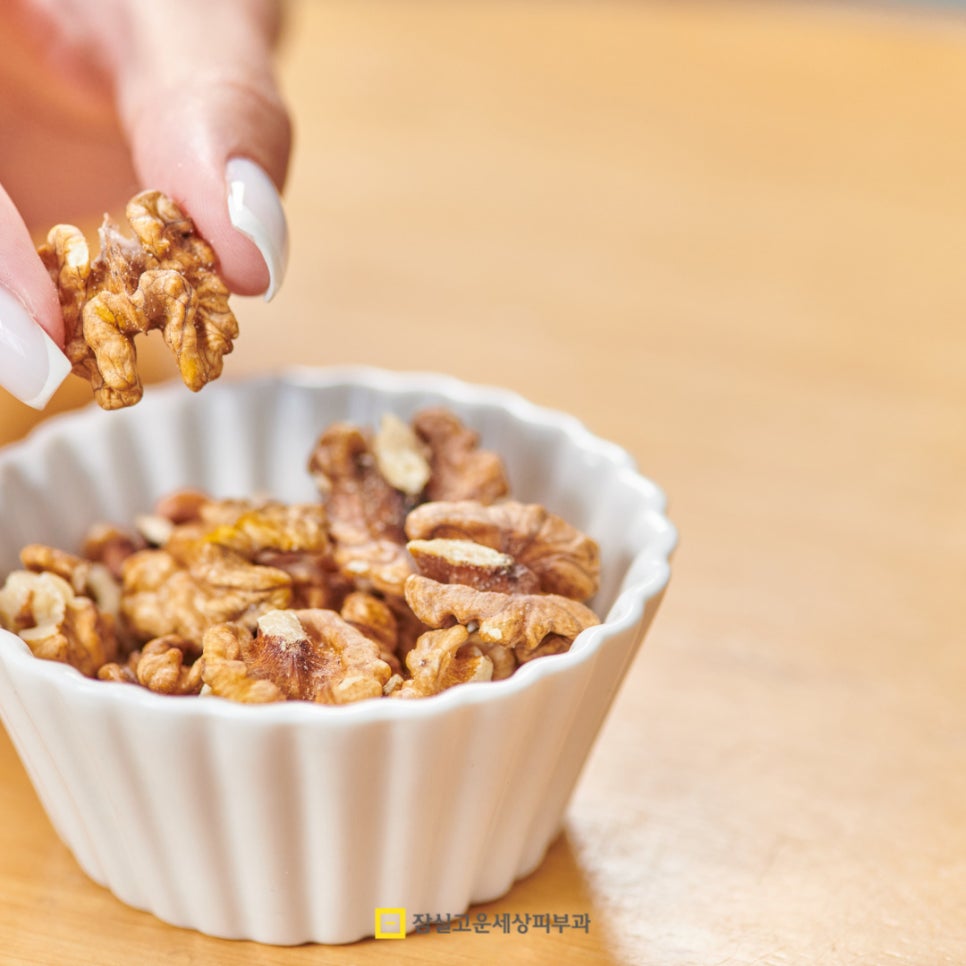
- Afternoon snack: A handful of walnuts is a convenient choice for replenishing omega-3 and zinc,
which are needed for the central nervous system and skin health. It can help stabilize blood sugar between meals while also offering an anti-inflammatory effect.
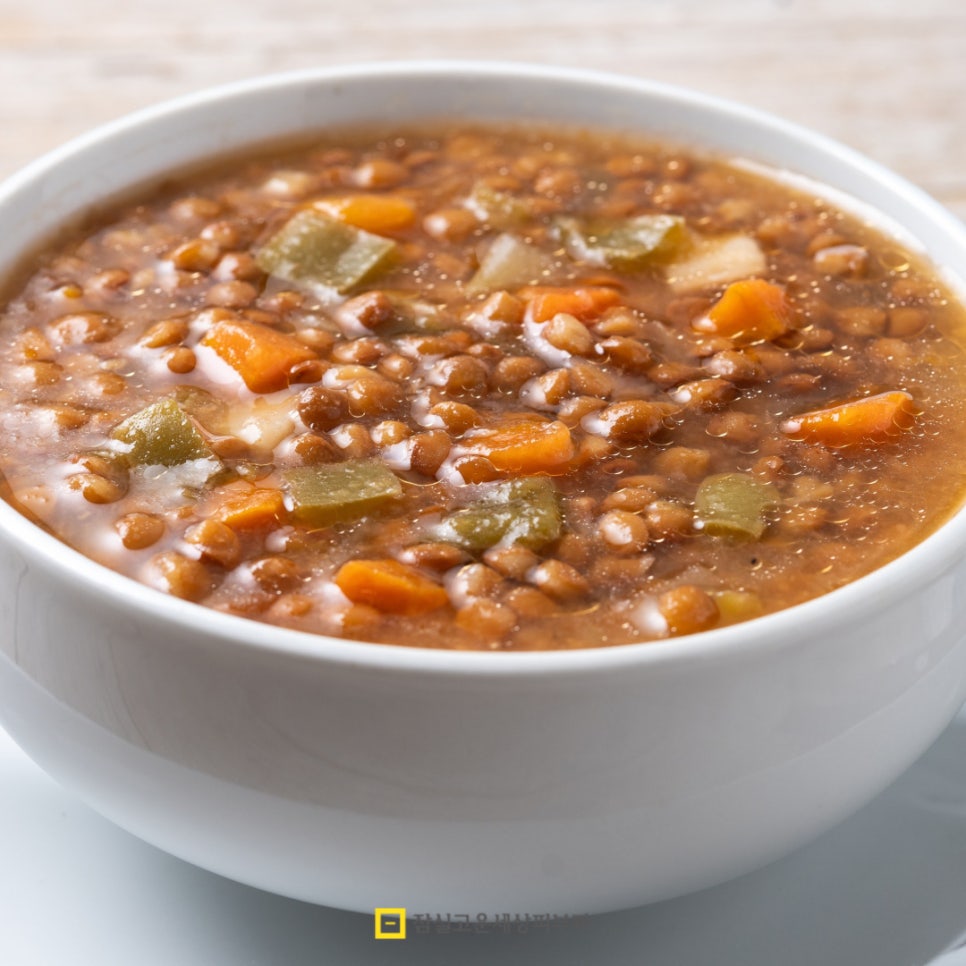
- Dinner: A vegetable soup with lentils and various vegetables (carrots, bell peppers, onions), along with steamed broccoli,
provides plant-based protein and zinc from lentils to help with wound healing, antioxidants from vegetables to recover from skin damage,
and vitamin C from broccoli to support collagen synthesis.
Adjust the portion sizes and ingredients of each meal according to your body type and activity level. This five-meal structure can serve as an example of a balanced diet
that helps manage skin inflammation and reduce acne occurrence.
- Create Synergy Through Integrated Care
Even if you faithfully follow an acne management diet, there is no guarantee that your skin will become clear overnight.
Because skin inflammation develops through the interaction of many factors, it is difficult to expect a complete solution from a single method alone.
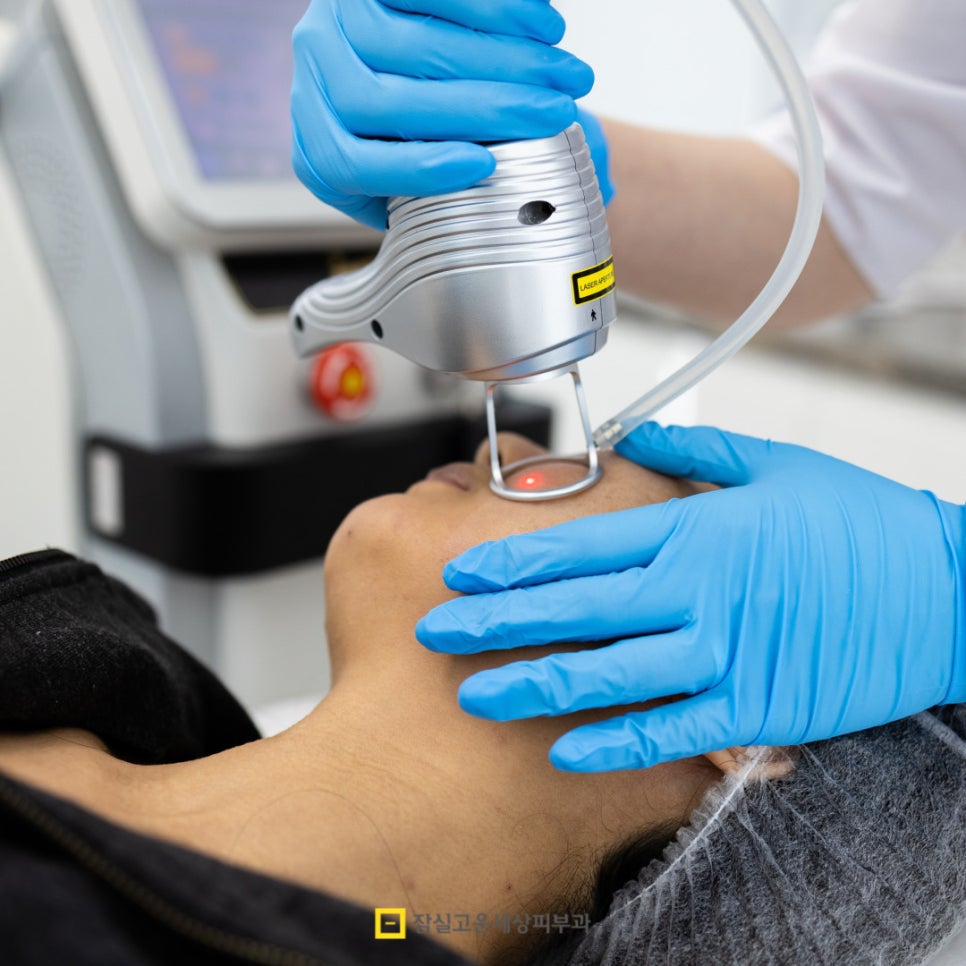
For example, if you manage lesions directly with topical treatments or procedures, and combine them with prescribed oral medications when necessary,
the inflammation-suppressing effect of the diet can be further maximized. At the same time, when stress increases,
hormone balance can be disrupted and sebum production can rise, so it is important to relieve psychological tension through meditation,
breathing techniques, and light exercise that help calm the mind.
In addition, securing enough sleep during which skin cell regeneration actively occurs (especially from 10 p.m. to 2 a.m.) provides the optimal conditions
for the internal environment created by diet and treatment to lead to skin regeneration.
In this way, only by combining various treatment methods such as topical treatment, oral medication, mental health management, and sleep alongside dietary changes
can each approach complement the others and bring about real skin improvement.
Since acne tendencies and lifestyle patterns differ from person to person, please consult thoroughly with a dermatologist and develop the most effective
“personal integrated care plan.”

A clear complexion completed by consistent dietary management
Whenever you worry about acne, it’s easy to hesitate and wonder, “Will these small changes really help?”
But an “acne management diet” becomes an important key to clearer skin, like fitting together puzzle pieces one by one.
First, reduce your intake of foods that worsen acne, such as sugar, refined grains, and fried foods,
and instead regularly eat vegetables, berries, and blue-backed fish rich in anti-inflammatory and antioxidant ingredients.
These dietary changes help ease inflammatory responses in the body, balance hormones,
and contribute to improving the environment inside pores over the long term.
Of course, it is difficult to expect noticeable results from just one or two attempts.
If you keep up the diet patiently, considering the skin cell turnover cycle (about 28 days),
you may experience the moment when the skin texture reflected in the mirror gradually changes.
Dietary adjustment is not a standalone treatment; it shows true synergy when combined with other care methods such as skincare, sleep,
and stress management.
Try gradually incorporating the steps introduced today into your daily life. Small actions will build up and become a reliable companion
that helps you move one step closer to clear, healthy skin.
Thank you.
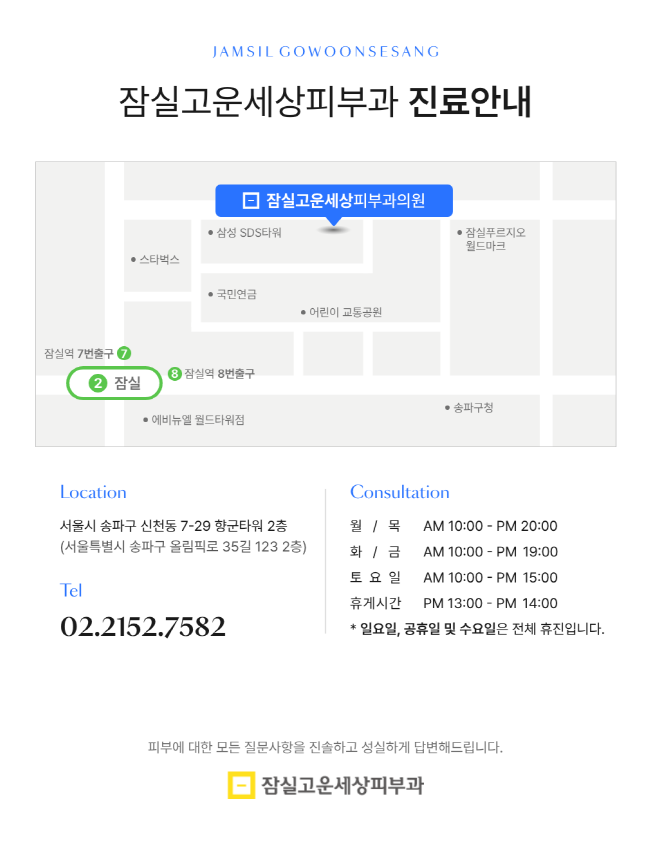
Directions to Jamsil Gounsesang Dermatology Clinic ↓
Jamsil Gounsesang Dermatology Clinic Treatment Information ↓
Jamsil Gounsesang Dermatology Clinic Website ↓
This article is provided by Jamsil Gounsesang Dermatology Clinic for the provision of medical information in accordance with Article 56, Paragraph 1 of the Medical Service Act. All procedures/surgeries carry the risk of side effects such as bleeding, infection, and nerve damage, so please proceed carefully after sufficient consultation with medical staff.