Inflammatory acne,
5-step
care method that addresses it from the root
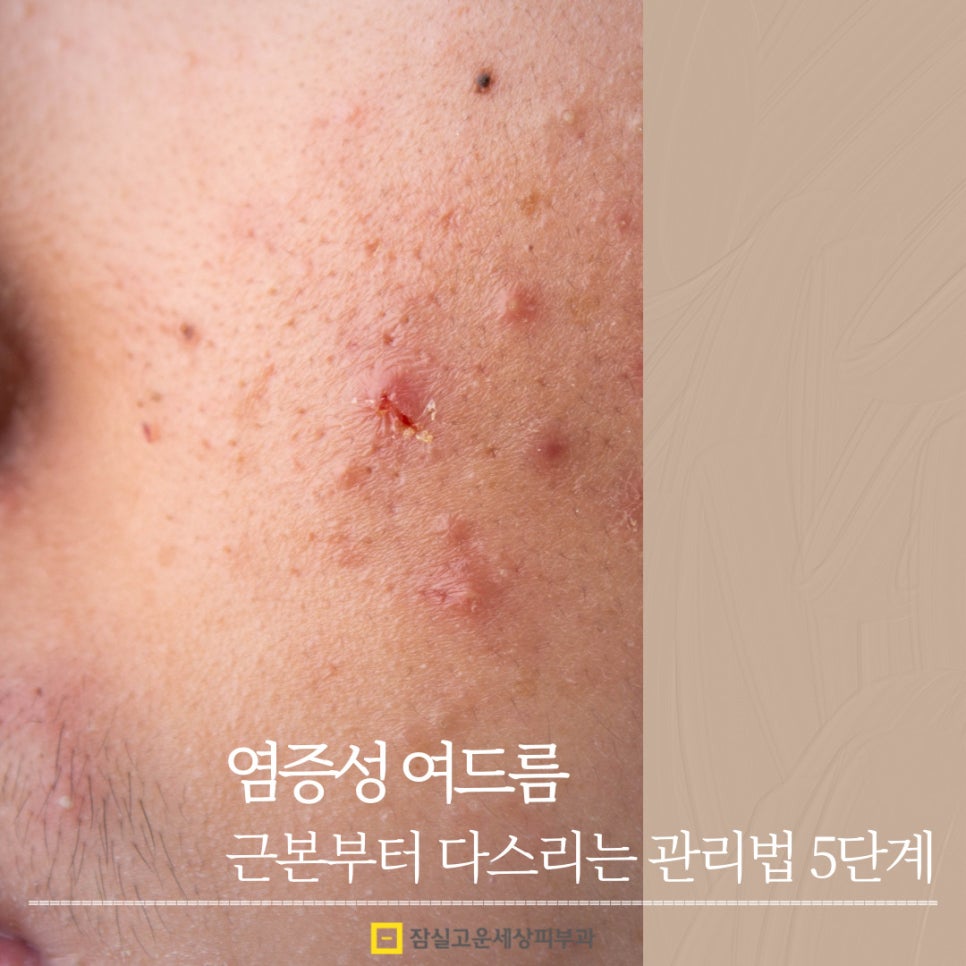
Hello. This is Jamsil Gounsesang Dermatology.
When a hard, red inflammatory acne lesion appears anywhere on your face and throbs even when you barely touch it, you can’t help but sigh in front of the mirror.
If it is left alone, inflammation can repeat and easily settle in as pigmentation or pitted scars, so quick intervention is most important. But it is not a problem that ends with simply using a topical medication.
To correct the inflammatory response inside the skin and prevent recurrence, an integrated approach that looks at four areas—procedures, external care, diet, and lifestyle habits—is needed.
Today, we will go over the five key steps of ‘acne care’ in detail so that you can no longer suffer from recurring red bumps.
- Quickly calming the red response with an anti-inflammatory injection
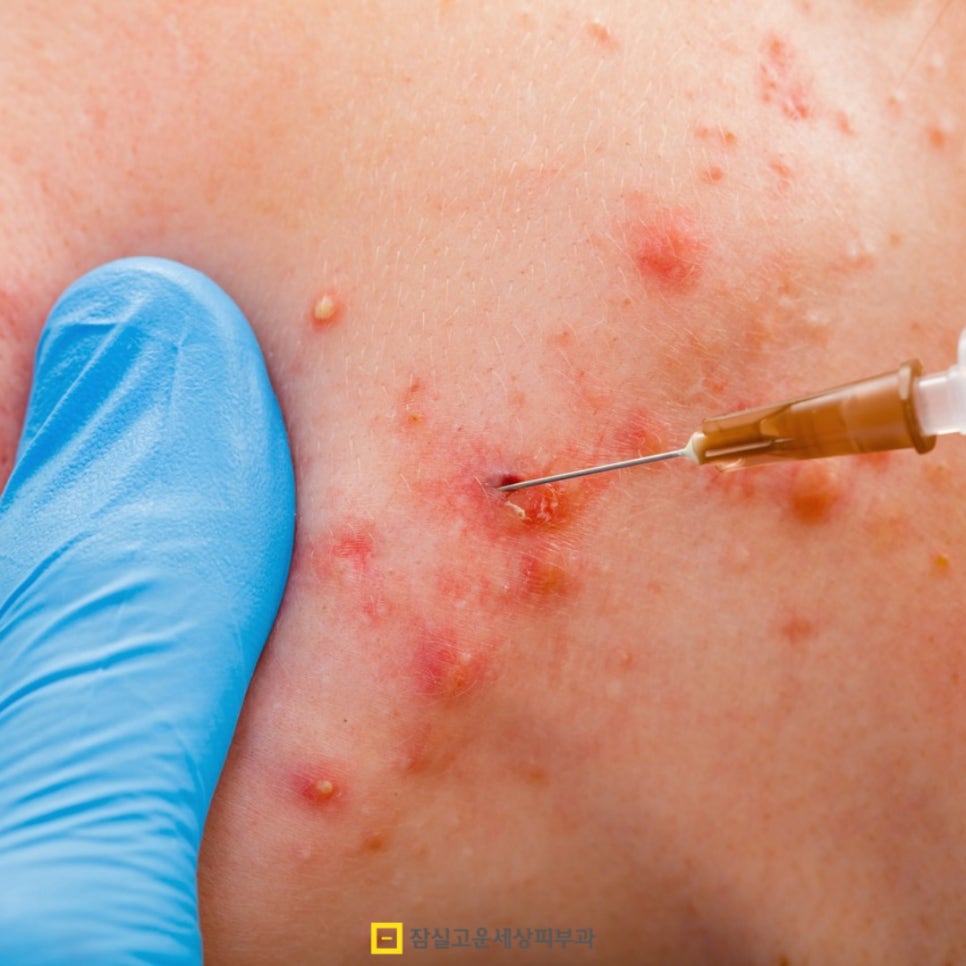
When a pustular acne lesion in the middle of the face becomes red and swollen, it hurts whether you touch it or leave it alone.
At times like this, a steroid injection provides a powerful calming effect. When triamcinolone is injected directly into the inflamed area, redness noticeably decreases within 32 days after the procedure, and the pain is also relieved.
Because the injection selectively suppresses inflammation, the chance of scarring is lower than with methods that involve cutting or squeezing the skin. However, if the procedure is repeated in the same area, side effects such as skin atrophy or pigmentation may occur, so it must be done only after sufficient consultation with a specialist.
After the procedure, you should thoroughly follow aftercare: apply sunscreen evenly, maintain moisture, and minimize outside irritation as much as possible. If this process is missed, the effect of the injection may be reduced, so careful aftercare is necessary to expect quick calming and clean skin recovery.
- Easing immediate heat and swelling with a cold compress
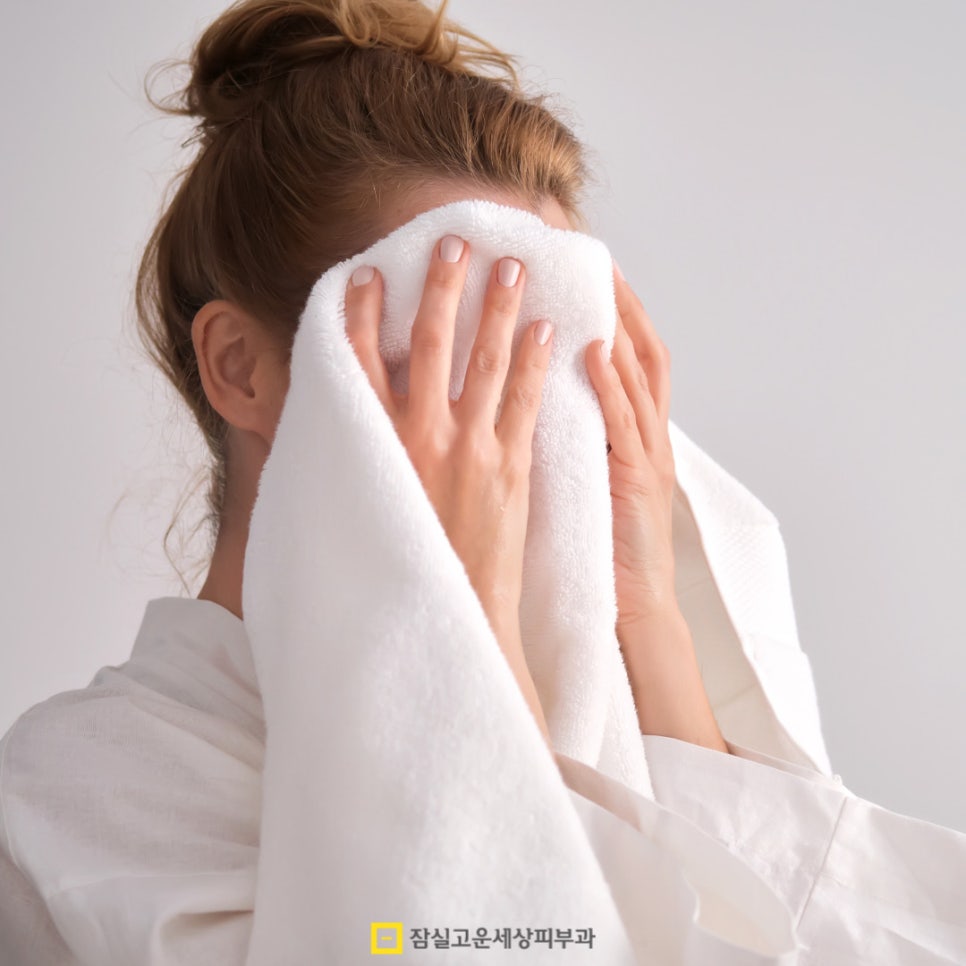
When an acne area feels hot and throbbing as if it is heating up, even a light touch becomes uncomfortable.
At times like this, the simplest and most immediate first aid is a cold compress.
Wrap ice in a clean towel or gauze and prepare it gently, then place it lightly on the inflamed area for about 5 to 10 minutes. As the skin surface temperature drops, the heat sensation quickly decreases. The cold stimulus constricts capillaries, which helps reduce swelling and ease pain.
However, if ice touches the skin directly, frostbite or irritation can occur, so be sure to wrap it in one more thin layer of cloth. Also, pressing too hard can damage the skin tissue, so it is safest to keep it lightly in place.
This small first-aid step can help calm red inflammation, even if only temporarily, and can be very useful in preparing for the next stage of treatment.
- Continuing care with anti-inflammatory and soothing functional cosmetics
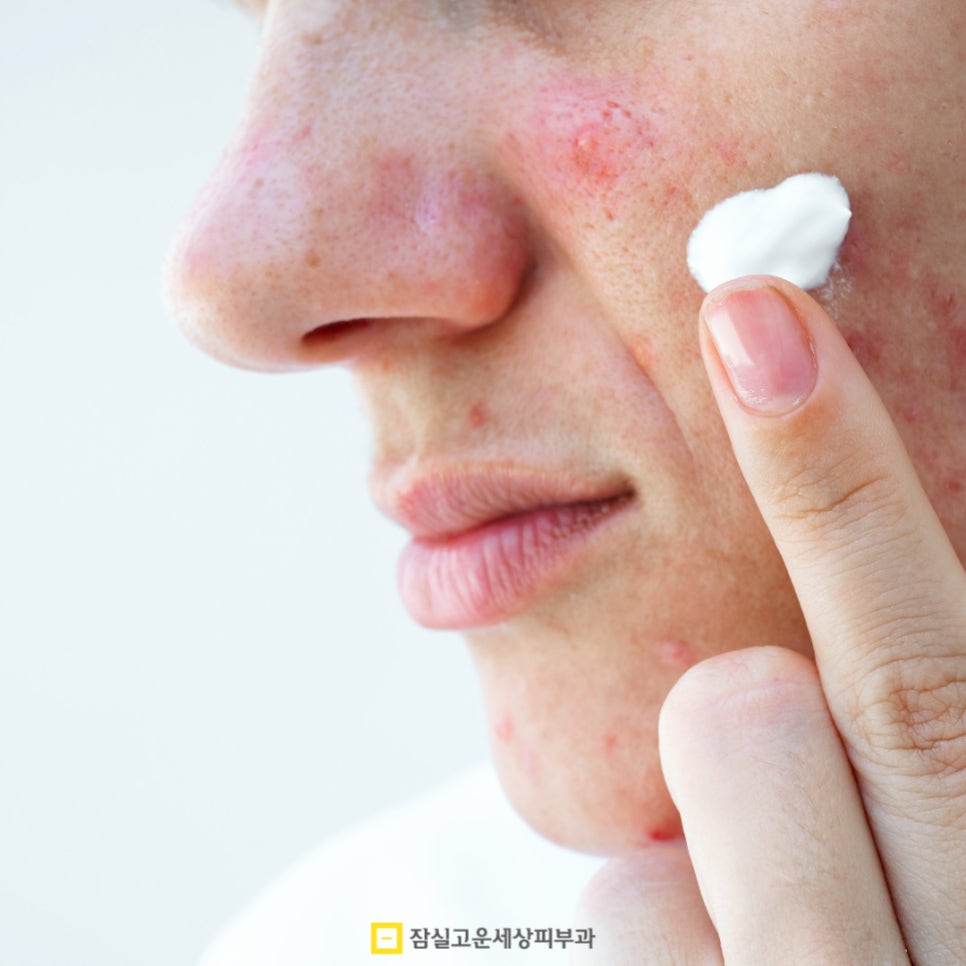
Even if inflammatory acne settles down once, it can quickly recur if the inflammatory response inside the skin has not completely disappeared. That is why, in addition to short-term procedures, anti-inflammatory and soothing ingredients should be consistently used in everyday skincare steps.
Salicylic acid (BHA) gently dissolves and helps remove dead skin cells and sebum lodged inside pores, and suppresses the growth of acne-causing bacteria to reduce early inflammation.
Niacinamide suppresses excess sebum secretion while reducing inflammatory responses and strengthening the skin barrier to prevent further irritation. In addition, azelaic acid has excellent anti-inflammatory and antibacterial effects, suppressing acne bacteria and also helping to reduce minor pigmentation.
Meanwhile, centella asiatica extract promotes the regeneration of damaged skin tissue and helps the inflamed area recover more quickly, and tea tree oil contributes to suppressing acne-causing bacteria through its natural antibacterial action.
If you choose cosmetics containing these ingredients and include them in your morning and evening routine, you can create an environment where the skin can recover its health on its own.
However, overusing any ingredient can instead cause irritation or dryness, so it is advisable to start with a low-concentration product once a day, observe your skin’s reaction, and then gradually increase the frequency of use or concentration.
- Managing internal inflammation through diet

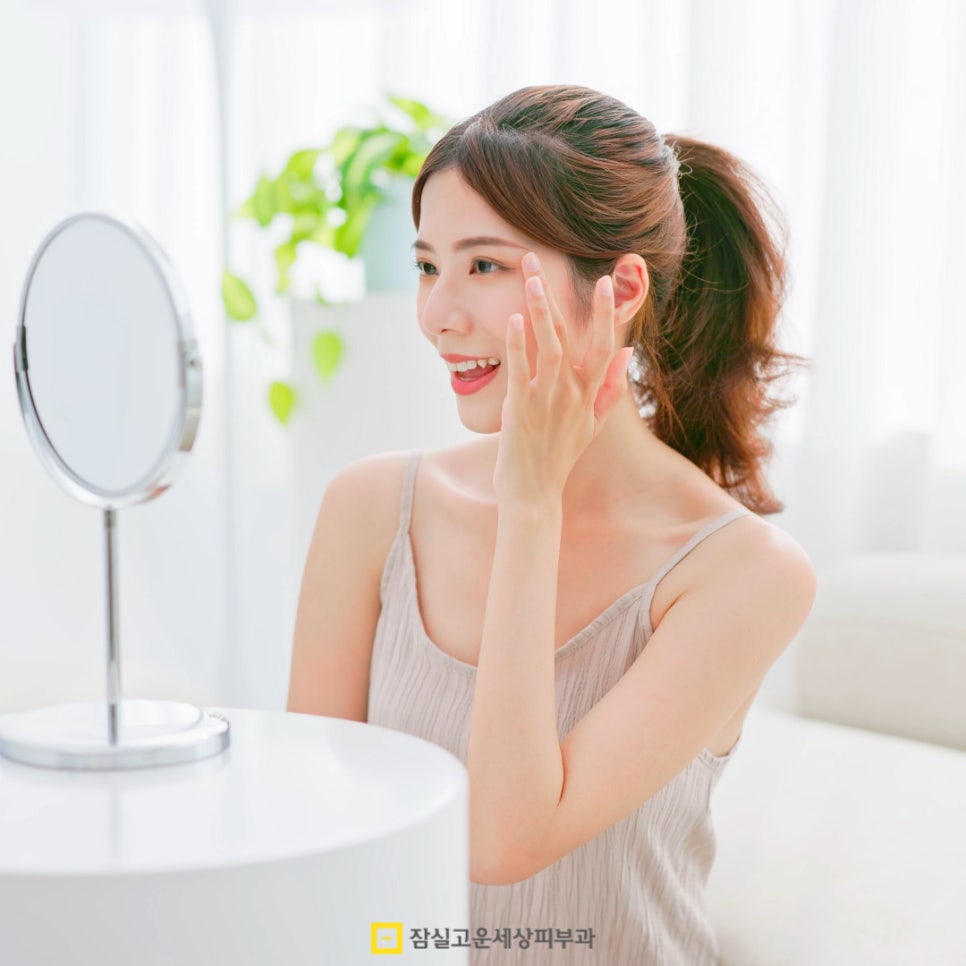
Each morning, when you look in the mirror and touch the acne area, you may feel discouraged.
When external care alone is not enough, the meal you put on the table becomes the key to managing skin inflammation.
Vegetables such as lettuce, cabbage, and tomatoes are rich in vitamins A, C, and E, which help regulate sebum secretion and suppress inflammatory responses. These vitamins reduce skin cell damage through antioxidant action and help prevent inflammation around pores from spreading.
The zinc and isoflavones found in beans also contribute to sebum balance and hormonal regulation, helping prevent acne from worsening.
Blue-backed fish such as mackerel and salmon are rich in omega-3 fatty acids, which reduce the production of inflammatory mediators in the body and help regulate immune responses. In addition, catechins found in green tea have strong antioxidant and antibacterial effects, suppressing the growth of acne-causing bacteria inside the skin and providing internal care that is just as important as externally applied products.
On the other hand, pork belly, fried foods, and carbohydrate foods with a high glycemic index (GI) can promote insulin secretion in the body, which may cause excessive sebum production and worsen inflammation.
Therefore, reduce your intake of these high-fat, high-sugar foods, and try building your diet around the vegetables, blue-backed fish, and green tea mentioned above. Small changes can accumulate, reduce inflammation in the body, and become a shortcut to clearer skin.
- Accelerating skin regeneration through lifestyle habits

If acne marks are not fading easily and it feels frustrating, be sure to secure sleep between 10:00 PM and 2:00 AM, the skin’s “golden time” for regeneration. During this period, growth hormone secretion in our body becomes more active, efficiently repairing damaged skin cells.
Also, when stress builds up, cortisol secretion increases, which can trigger excessive sebum production and worsen inflammation. On your commute or about 5 minutes before bed, try closing your eyes and doing light meditation or deep abdominal breathing. Deep breathing stabilizes both mind and body and lowers excessive stress responses, which also helps calm skin inflammation.
Finally, if you consistently do at least 30 minutes of aerobic exercise a day, the secretion of anti-inflammatory and immune-regulating substances in the body increases, inflammation is eased, and overall skin condition improves. Choose activities that moderately raise your heart rate, such as brisk walking, jogging, or cycling, and keep them up consistently.
When proper sleep habits, stress management, and regular exercise come together, you can feel the skin recovering much faster.
In closing,
Are you tired of recurring red inflammatory acne?
It is difficult to solve the problem fundamentally with just one method. Only when you calm early inflammation through procedures, care for the skin with anti-inflammatory soothing skincare, and improve diet and lifestyle habits together can you block the root causes of acne and prevent recurrence.
Please take your time and follow the five steps introduced today [anti-inflammatory injections, cold compresses, functional cosmetics, diet management, and proper lifestyle habits], approaching the problem calmly from within the skin. Small changes accumulated little by little every day will eventually become a shortcut to healthy, clear skin.
We hope this guide helps you experience skin that feels more comfortable than today.
Thank you!
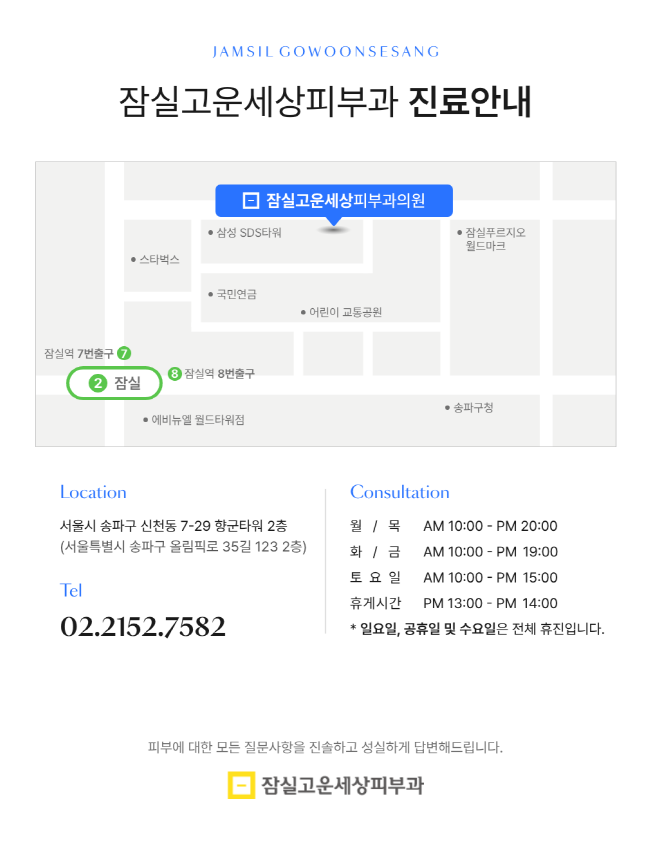
▼Directions to Jamsil Gounsesang Dermatology▼
▼Jamsil Gounsesang Dermatology Treatment Information▼
▼Jamsil Gounsesang Dermatology Homepage▼
This article is provided by Jamsil Gounsesang Dermatology for the provision of medical information in accordance with Article 56, Paragraph 1 of the Medical Service Act, and all procedures/surgeries may carry risks of side effects such as bleeding, infection, and nerve damage, so please proceed carefully after sufficient consultation with medical professionals.