Repeated white flaking and red spots,
may be psoriasis!
Hello! This is Jamsil Gounsesang Dermatology Clinic.
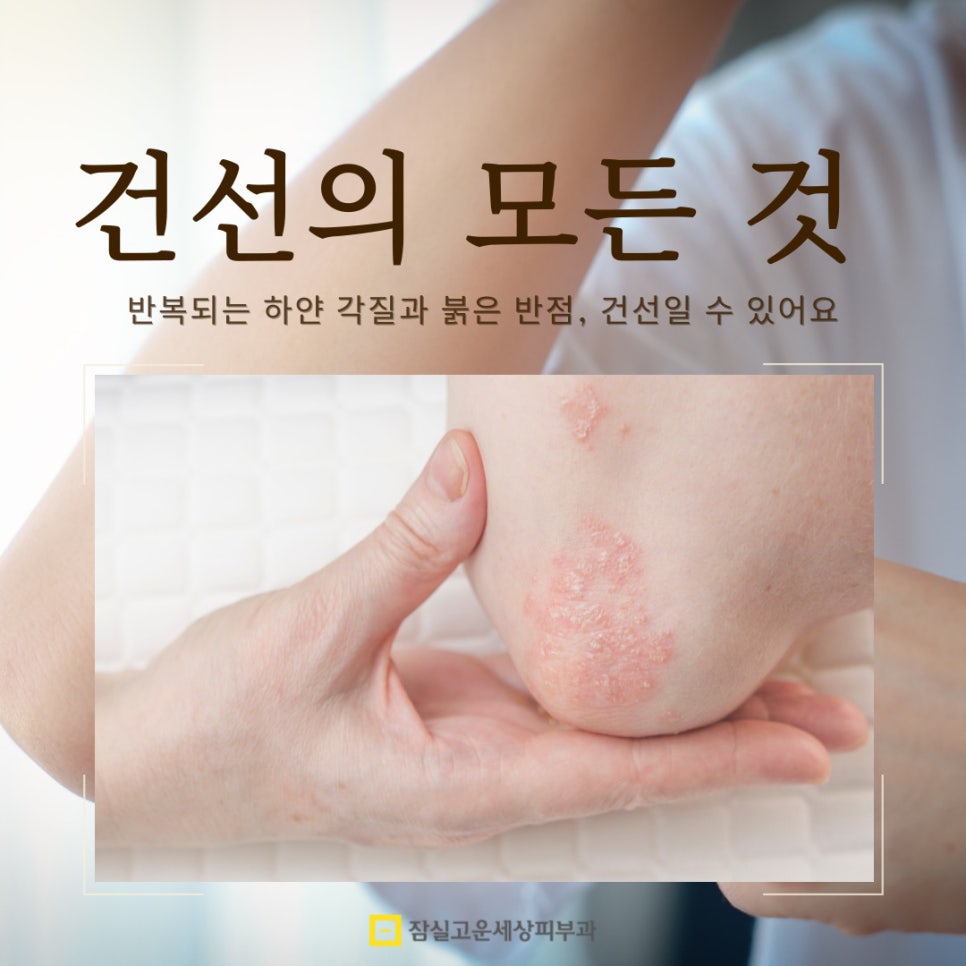
When red spots appear on the skin and, over time, a layer of white, thick flakes begins to cover them, most people think it is usually dryness or allergic dermatitis.
However, if these symptoms keep recurring in a specific area, and the flakes become thicker or spread further when scratched, it may be psoriasis rather than simple dry skin.
Psoriasis is not a condition caused only by external irritation or the environment. It is a chronic inflammatory disease caused by excessive immune responses in the skin itself and abnormal cell differentiation. Once it starts, it is difficult to improve naturally, and it requires consistent care. In particular, because it worsens and improves depending on seasonal changes, stress, colds, or medication use, many people experience long periods of discomfort without clearly understanding the cause.
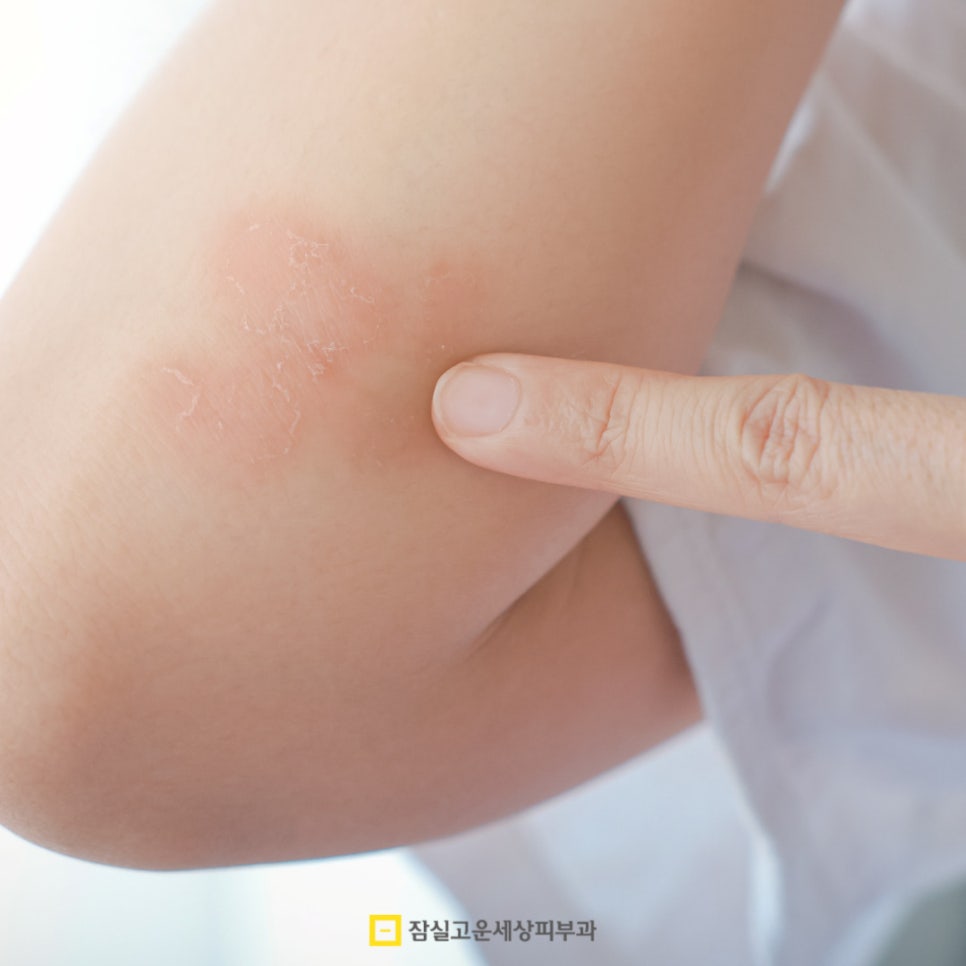
So why does psoriasis occur? What symptoms appear, and how should it be treated and managed? Also, how can it be distinguished from simple dry skin? Let’s take a detailed look at everything about psoriasis.
- Causes of Psoriasis: Malfunction of the Immune System
1.1 Immune cells attack the skin
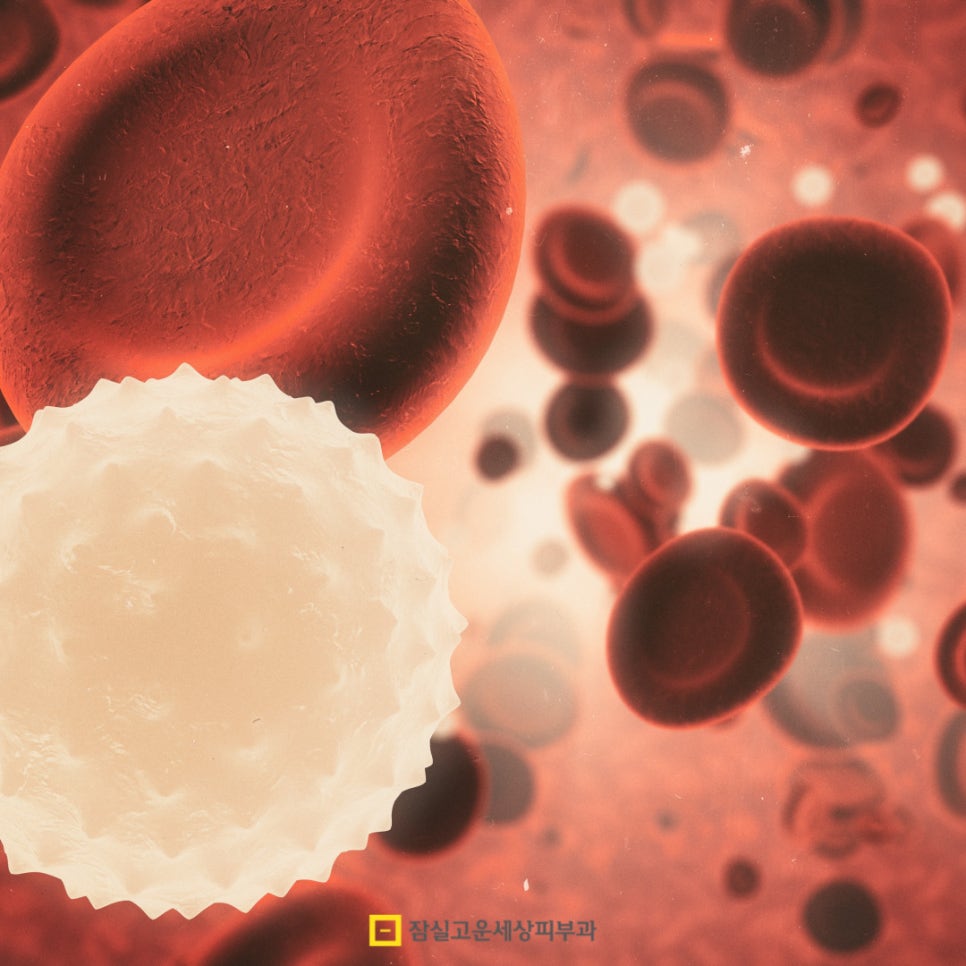
The most fundamental cause of psoriasis is an abnormal immune response. In normal skin, new cells are created and die in a cycle of about 28 days, but in skin with psoriasis, immune cells malfunction and the rate of skin cell division becomes abnormally fast.
As a result, even before the flakes are ready to shed, they quickly accumulate on the skin surface, creating thick silvery-white flakes (scaly flakes), and the skin enters a state of chronic inflammation. It is similar to a factory where production speeds up too much, so unfinished products keep piling up.
1.2 The interaction of genetic and environmental factors
This immune abnormality is influenced by both genetic and environmental factors. If someone in the family has psoriasis, the likelihood of developing it is higher, and various external factors can act as triggers.
Major triggers include viral infections such as colds, skin trauma, excessive drinking or smoking, certain medications (such as antihypertensives and antimalarial drugs), severe stress, and the dry climate of winter. In particular, emotional tension and lack of sleep are known to disrupt immune balance and are important factors that can activate psoriasis.
Interestingly, psoriasis is closely related to stress. Stress can worsen psoriasis, and psoriasis can cause stress, creating a vicious cycle in which symptoms worsen again.
- Symptoms of Psoriasis: How It Appears
2.1 Typical symptoms
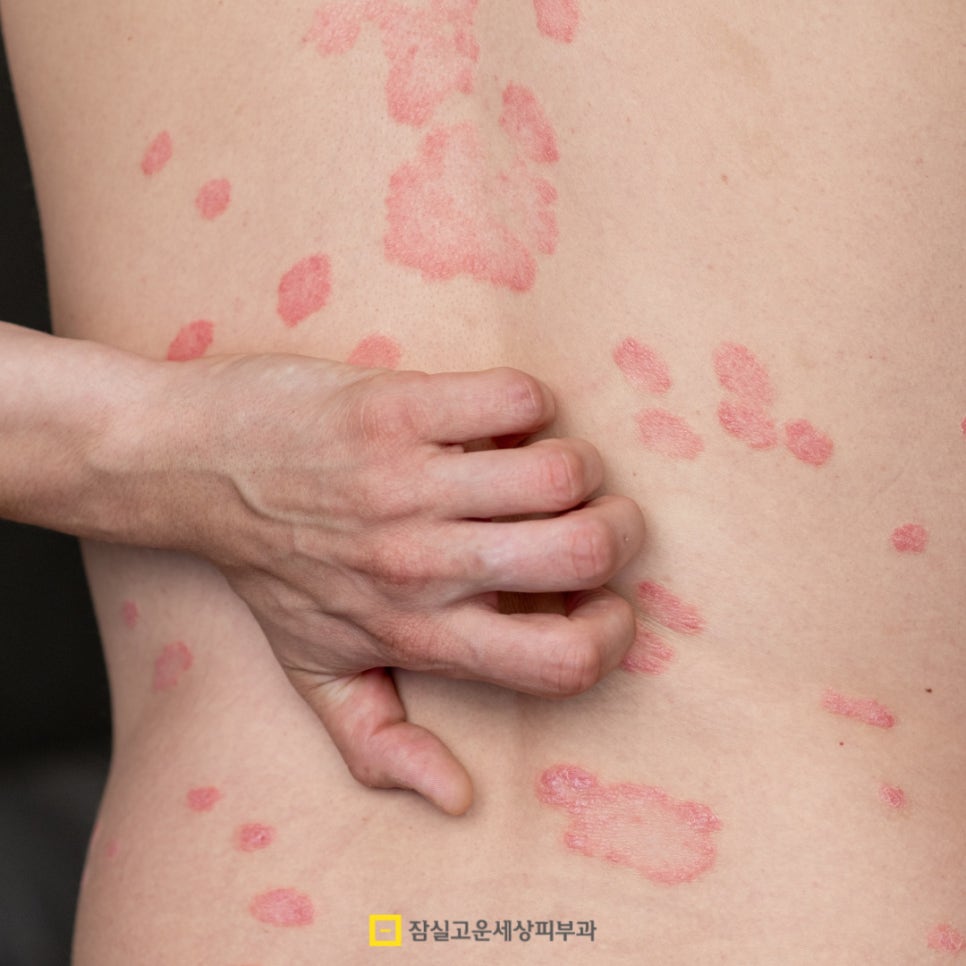
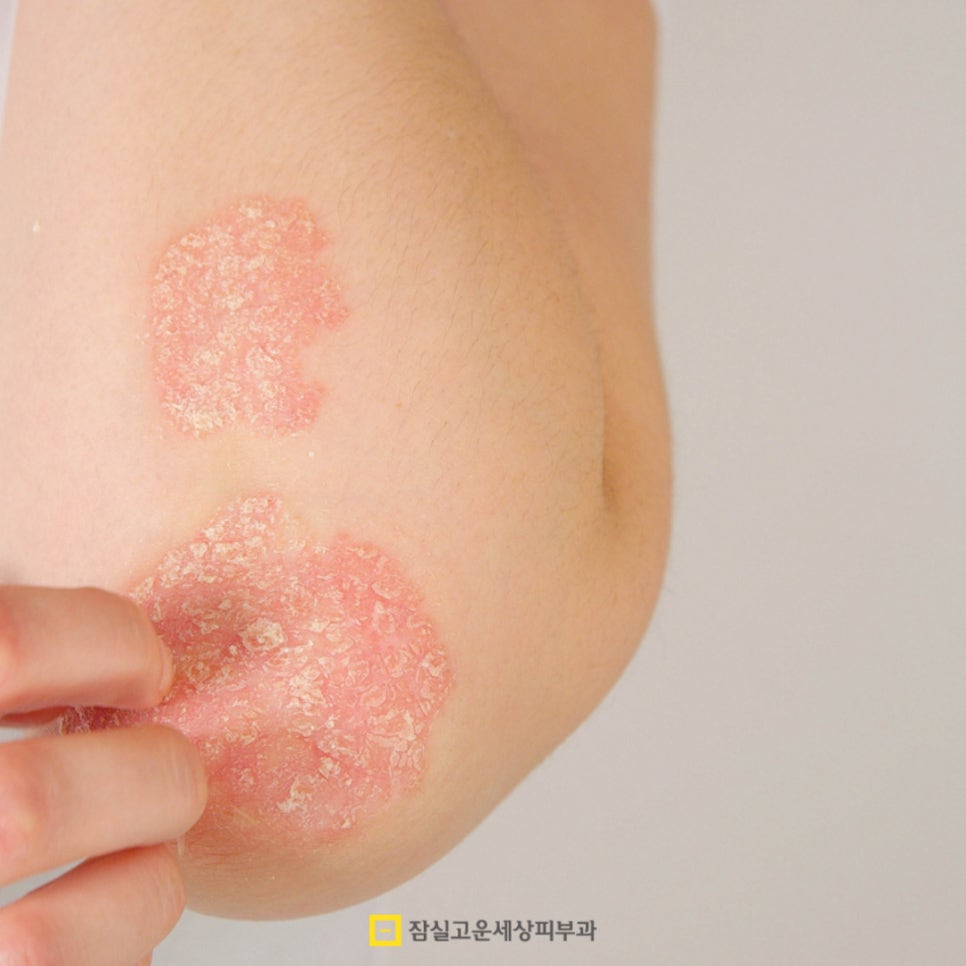
The most common symptom of psoriasis is the appearance of lesions covered with white flakes on red patches (erythema) on the skin. At first, they may look like small rashes, but they gradually grow larger, and the flakes become thicker and fall off like dandruff when scratched with a fingernail.
Psoriasis lesions most often appear on areas that experience frequent friction, such as the scalp, elbows, knees, buttocks, and lower back, and in severe cases, they can also affect the palms, soles, and nails. They often occur on areas that bend frequently, such as the knees and elbows.
2.2 Itching and other symptoms
Itching varies from person to person. Some people complain of very severe itching and pain, while others have no itching at all. Because of this difference, psoriasis is sometimes not suspected.
In addition to skin lesions, it can also progress to psoriatic arthritis, which is accompanied by nail deformities and joint pain, so caution is needed. In such cases, discomfort in daily life may become severe not only because of the skin but also because of arthritis symptoms.
2.3 Characteristic patterns of psoriasis
One of the characteristics of psoriasis is that it often appears symmetrically. For example, if it appears on one elbow, it often appears similarly on the other elbow as well. Symptoms also often vary by season, usually worsening in winter and improving in summer.
- Psoriasis Treatment: A Step-by-Step Approach
3.1 Basic treatment principles
Psoriasis is a condition in which control and management are more important than a complete cure. Treatment is selected step by step depending on the extent of the lesions, severity, and the patient’s lifestyle and health condition. Above all, consistent management is important.
3.2 Treatment for mild psoriasis
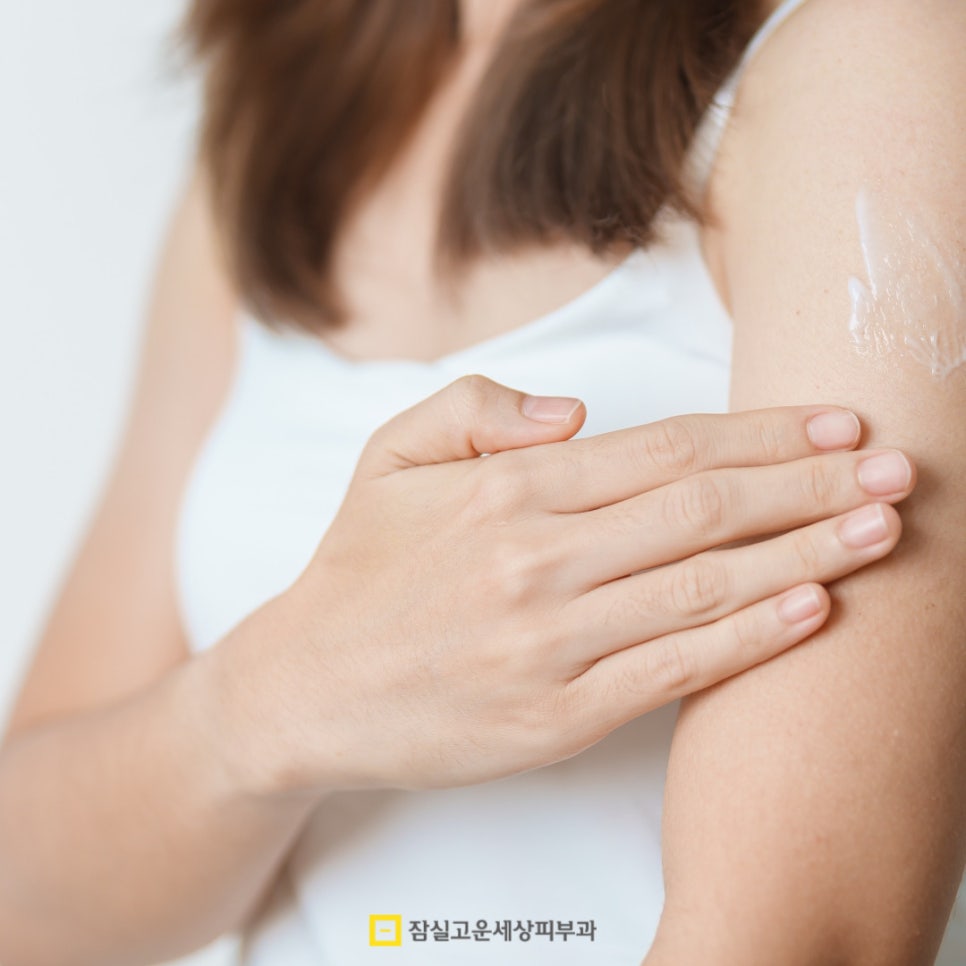
Mild psoriasis is mainly treated with topical therapy. Steroid ointments, vitamin D analogues, moisturizers, and keratolytics help reduce inflammation and suppress flake production.
Even when symptoms are limited to the scalp or hands and feet, these treatments are effective, and lifestyle care centered on reducing irritation with moisturization must be done together.
Moisturizing is especially the most basic part of psoriasis care. If the skin is dry, flakes form more easily, and itching can become worse.
3.3 Treatment for moderate to severe psoriasis
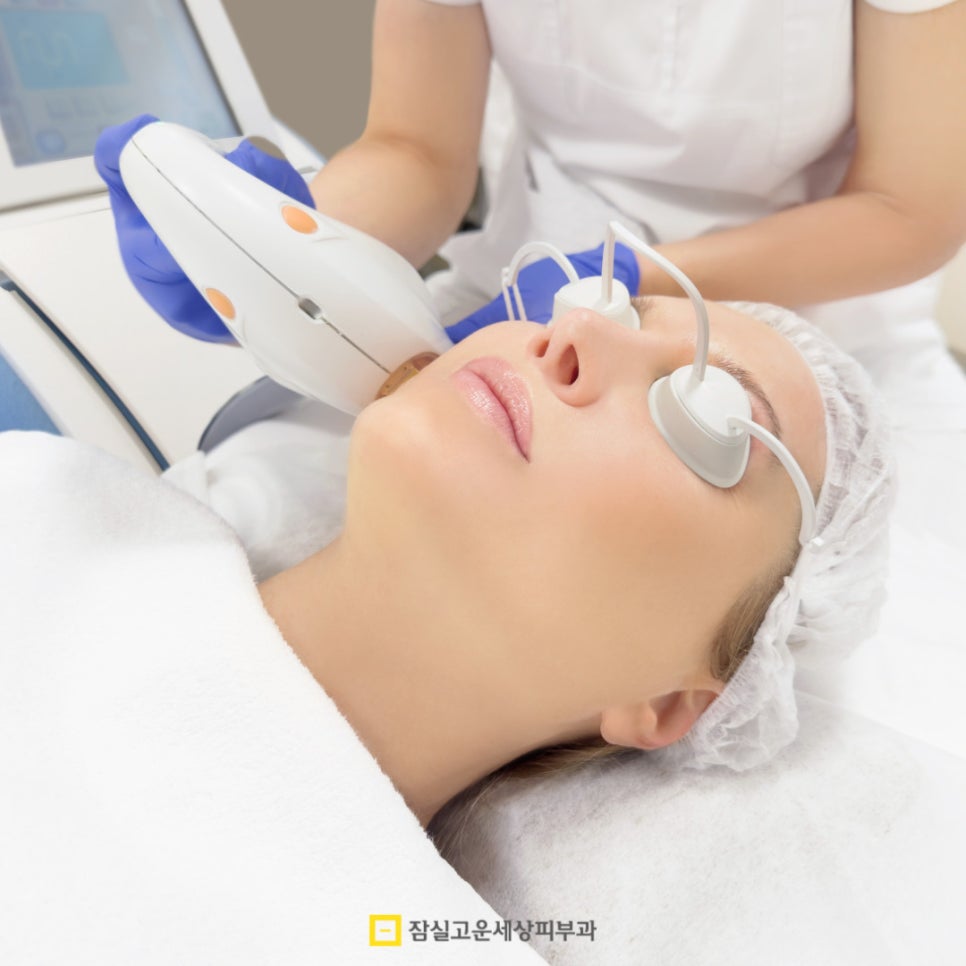
For moderate to severe psoriasis, topical treatments alone are limited in effectiveness, so phototherapy (UVB), systemic medications, and immunomodulators are used.
Phototherapy involves exposing the skin to ultraviolet light of a specific wavelength to regulate the overactive immune response. It has few side effects and tends to show results relatively quickly. Because it is a treatment received regularly at the hospital, it takes some time, but it is a safe and effective method.
3.4 Newer treatments
Systemic medications are used when lesions are widespread or repeatedly recur, and they must be taken while considering overall health, including liver and kidney function. More recently, biologics (immune protein inhibitors) have been introduced and are a major help in treating severe psoriasis.
They effectively control inflammation by blocking the action of specific immune proteins, and are especially effective for patients who did not respond to previous treatments. They are often used in injectable form, and although they are very effective, the drawback is that they are expensive.
- Psoriasis Management: Daily Care
4.1 Lifestyle management
In addition to treatment, reducing skin irritation and minimizing triggers in daily life are essential for long-term management. Adequate sleep, appropriate exercise, stress management, quitting smoking, and limiting alcohol help restore balance to the immune system. During winter, special attention is also needed for humidity and moisturizing care.
4.2 Skin care tips
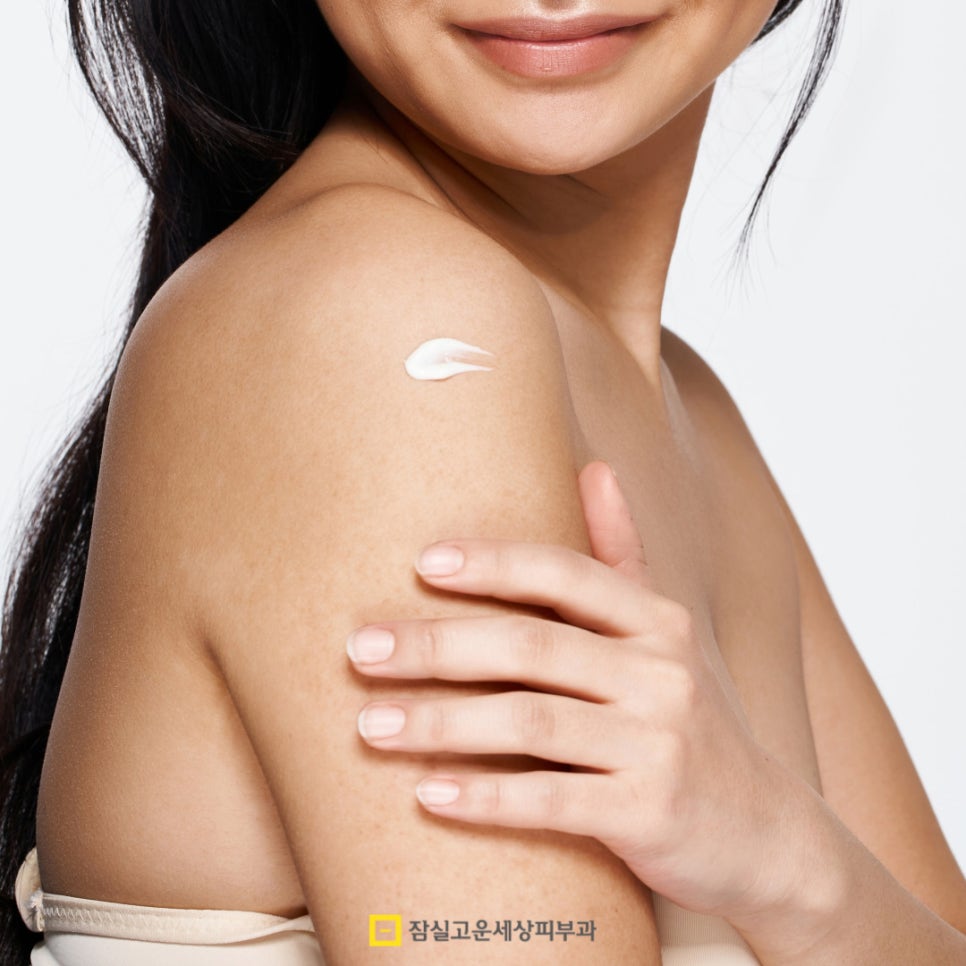
Moisturizing is very important. Apply moisturizer several times a day, and apply it within 3 minutes after bathing. Avoid showering with water that is too hot, and avoid scrubbing too hard.
Stress management is also very important. Try to reduce stress through regular exercise, enough sleep, and hobbies. Psoriasis is closely related to stress, so when the mind becomes calmer, the skin often improves as well.
- Myths and Facts About Psoriasis
5.1 Psoriasis is not contagious
Many people think psoriasis is contagious when they see it, but psoriasis is absolutely not contagious.
There may be a family history, but that is due to genetic predisposition, not contagion.
5.2 Psoriasis is difficult to cure completely
Psoriasis is a condition in which management is more important than a complete cure. However, with proper treatment and care, symptoms can be reduced to almost nothing and normal life is possible. What matters most is consistent care and regular checkups.
Psoriasis is not simply skin with a lot of flakes; it is a chronic disease caused by an imbalance in immune responses. Many people misunderstand it as dry skin, eczema, or seborrheic dermatitis and repeat unnecessary treatments for a long time before finally being diagnosed with psoriasis.
However, if psoriasis is properly managed early, it can be maintained without major disruption to daily life, and treatment options are now much more varied and precise than in the past.
Do not casually ignore repeated signals from your skin. The longer psoriasis is left untreated, the more it can spread and affect quality of life. Accurate diagnosis and consistent management are the most reliable ways to protect the balance of your skin and immune system.
Psoriasis is a manageable condition, so consult a specialist to find the treatment that is right for you.
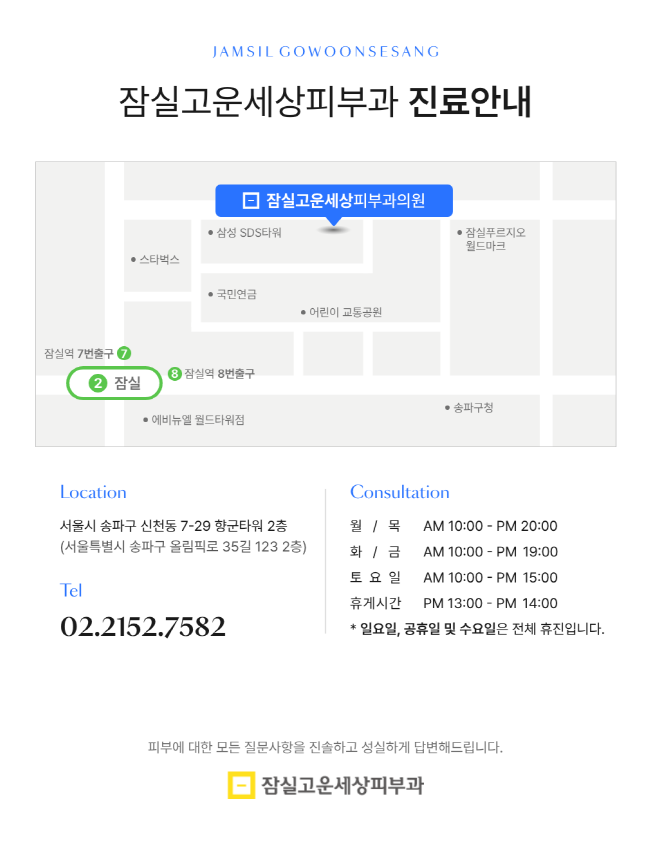
❤Directions to Jamsil Gounsesang Dermatology Clinic❤
❤Jamsil Gounsesang Dermatology Clinic Appointment Information❤
❤Jamsil Gounsesang Dermatology Clinic Website❤
This article was provided by Jamsil Gounsesang Dermatology Clinic for the purpose of providing medical information in accordance with Article 56, Paragraph 1 of the Medical Service Act. All procedures/surgeries carry the risk of side effects such as bleeding, infection, and nerve damage, so please proceed carefully after sufficient consultation with medical staff.