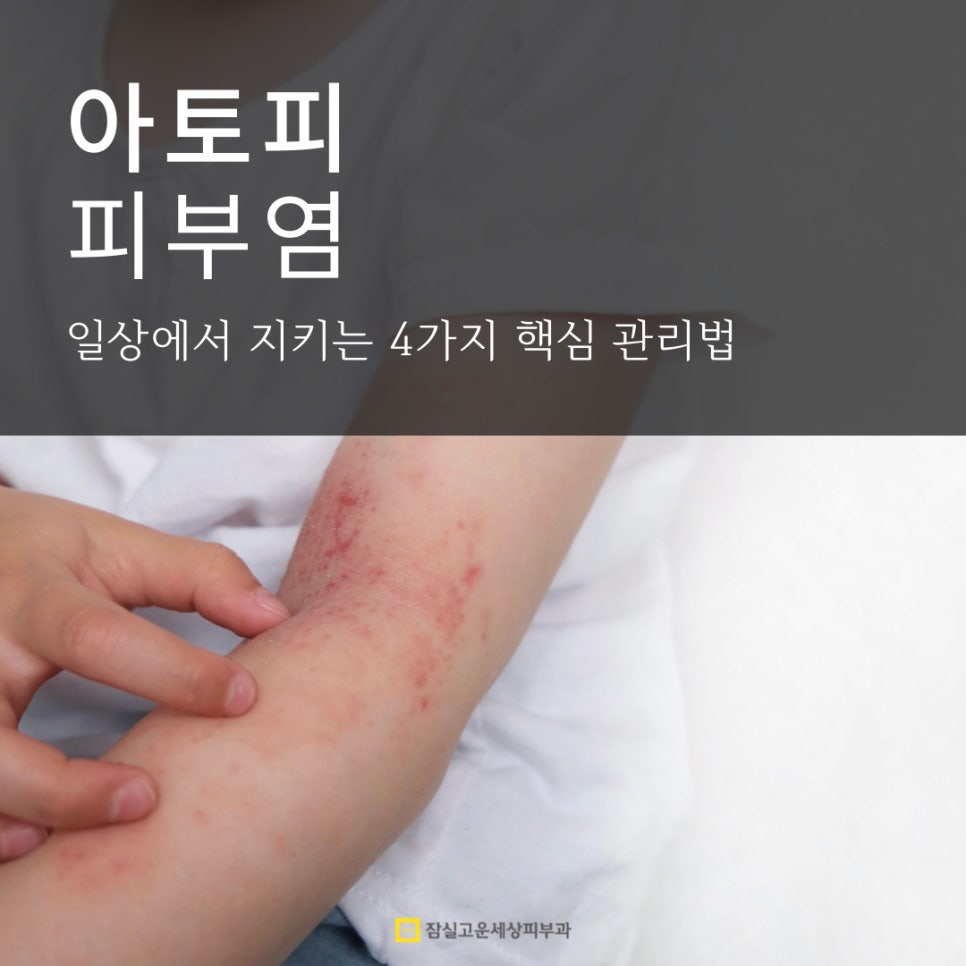
Atopic dermatitis,
4 key daily care methods
to follow in everyday life!
Hello.
This is Jamsil Gounsesang Dermatology!
The unbearable itch that keeps you tossing and turning all night,
and the frustration you feel when faced with visible red rashes
and cracked skin—these are experiences that anyone with
atopic dermatitis can relate to.
Atopic dermatitis is a chronic inflammatory disease that causes
more than just itching, and if treatment is delayed, it can greatly
reduce the quality of daily life and sleep.
To overcome this condition, relying only on ointments is not
enough.
Moisturizing thoroughly to restore the skin barrier, controlling
inflammation with medication prescribed by a specialist, and at
the same time improving habits that block small irritants in daily
life must all be done together to break the vicious cycle of itch.
From now on, we will explain in detail the four core practices
that form the foundation of atopic care [strong moisturizing,
accurate medication use, lifestyle habits that block irritants,
and use of adjunctive treatments] step by step. Through this
guide, the care routine you build little by little will become a
force that helps restore your skin’s natural stability.
- A moisturizing routine that keeps skin hydrated
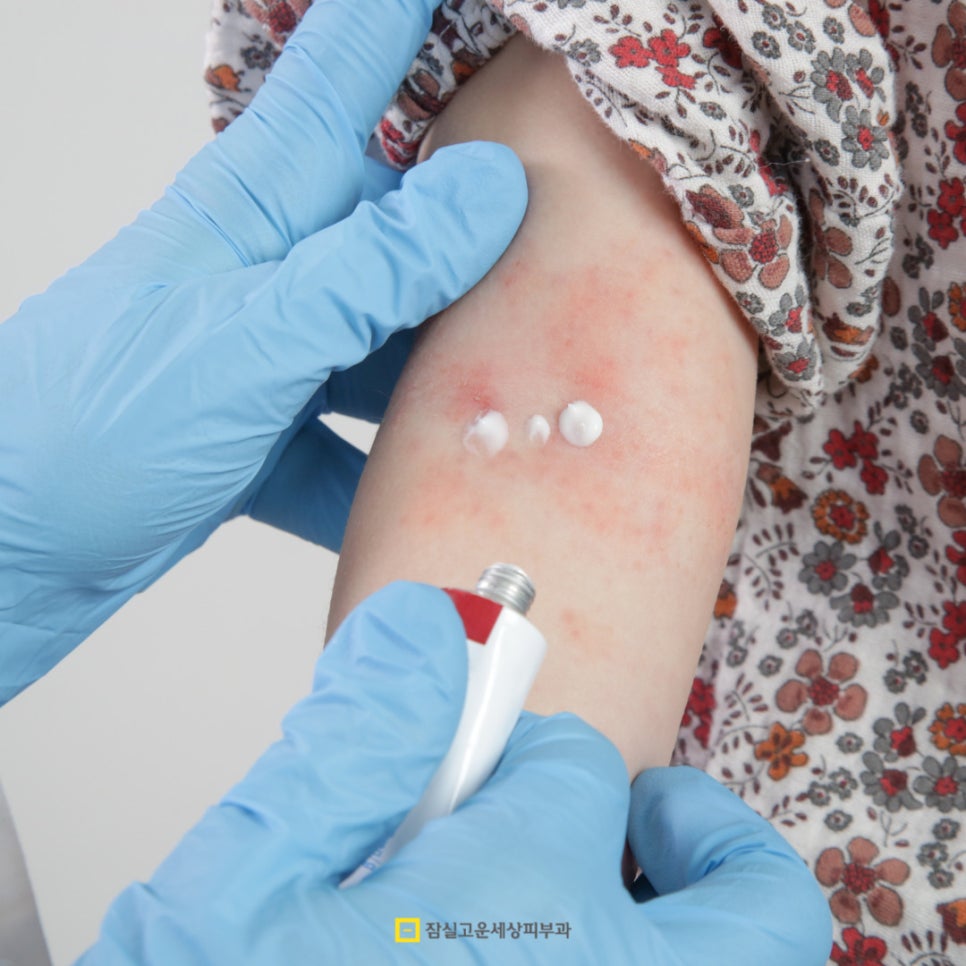
If you have atopic skin, you know how quickly it can become dry
from even a small amount of moisture. When your skin feels tight,
it is something anyone can notice.
When the skin barrier is damaged, dryness can return several
times a day, and the first thing you should focus on at that time
is “immediate moisturizing.”
After bathing or washing your face, while the skin is still damp,
apply a generous amount of moisturizer containing plenty of
ceramides and panthenol before all the moisture evaporates.
These ingredients help replenish the damaged skin barrier and
hold in moisture. When reapplying, it is better to gently press it
in so it absorbs rather than rubbing the skin.
In addition, the indoor environment should not be overlooked.
If humidity is maintained at 40–60%, moisture in the air helps
prevent water loss from the skin, making the moisturizing effect
even better.
Using a humidifier or simply hanging wet laundry indoors is
enough to regulate humidity, so be sure to practice this during
dry seasons.
If you consistently follow just these two steps, dryness will
decrease and itching will become much milder.
- Customized medication treatment to calm inflammation
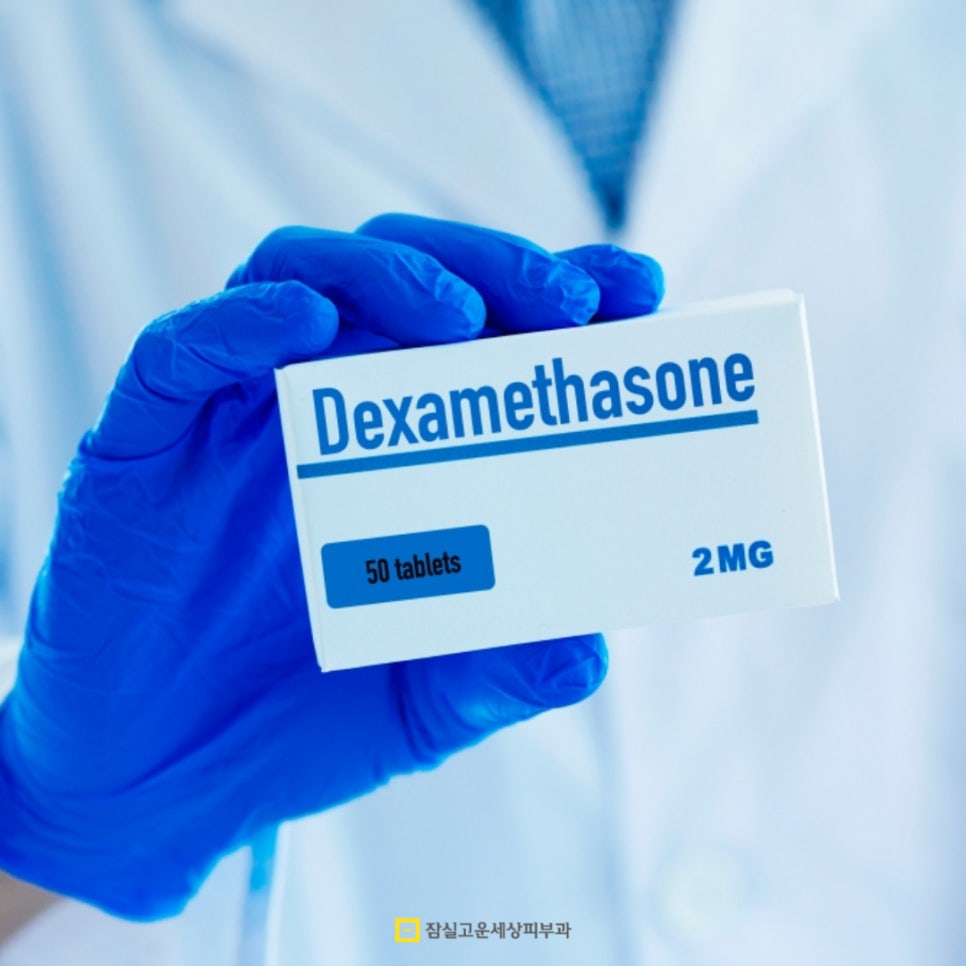
Itching and inflammation, two of the most distressing symptoms
of atopic dermatitis, can be effectively controlled with proper
medication treatment. Depending on a specialist’s diagnosis,
apply the following treatment options step by step.
- Topical steroids
: A first-line treatment that quickly calms itching and inflammation.
When applied to the affected area as an ointment or cream, redness
and itching can noticeably improve. However, long-term use of
high-potency steroids may cause side effects such as skin atrophy
and blood vessel dilation, so you must strictly follow the prescribed
dosage and duration of use.
- Topical immunomodulators
: These can be chosen as an alternative when using steroid ointment
is a burden or when side effects are a concern. They reduce itching
by regulating the overreaction of inflammatory cells, and they can
be used long term without changes in skin thickness or tone.
 3) Antihistamines
: If you often wake up at night because of itching, try using an oral
antihistamine to reduce awakenings during sleep. By blocking
histamine receptors, they lower itching signals and may also help
with restful sleep as an added benefit.
- Systemic immunosuppressants and biologics
: For patients with severe atopic dermatitis, oral immunosuppressants
or biologics such as dupilumab are used. They suppress widespread
inflammatory responses through systemic action and should be
carefully decided upon after consulting a specialist according to the
severity and the patient’s condition.
These medication treatments work best when used together with
moisturizing and lifestyle management, not on their own.
At each stage, adjust appropriately according to the specialist’s
instructions, and continue treatment safely by checking regularly
for any side effects.
- Cutting out irritants and
lifestyle habits that protect immunity

Have you ever noticed that each time rough synthetic fibers or coarse
wool collars touch your skin, the irritation leads to itching?
The more sensitive atopic skin is, the more carefully you should pay
attention to the clothes you wear every day. Choose soft cotton or
other natural fabrics that feel comfortable on the skin, such as silk,
to minimize friction.
To avoid the vicious cycle of absentmindedly scratching because of
itching and making the skin even redder, keep your nails trimmed short.
Especially when symptoms are severe, cold compresses can be a big
help. Placing an ice pack wrapped in a clean cloth or a cold towel on
the affected area for 5–10 minutes causes the blood vessels to constrict,
quickly calming itching and inflammation.
Daily habits that support a strong immune system are also important.
Going to bed at the same time every day and getting enough sleep
activates growth hormone secretion, which promotes skin regeneration.
Stress-relief methods such as light walking, yoga, and deep breathing
lower cortisol levels and reduce overall inflammation, helping ease
atopic symptoms.
If you keep up a daily routine that blocks irritants and balances the
body and mind, you can break the recurring cycle of itching and build
a solid foundation for managing atopic dermatitis.
- Putting out the embers of inflammation with adjunctive treatments
When atopic symptoms become more severe, basic treatment alone
may not feel sufficient.
In such cases, using adjunctive treatments can provide extra help in
suppressing inflammation and relieving itching.
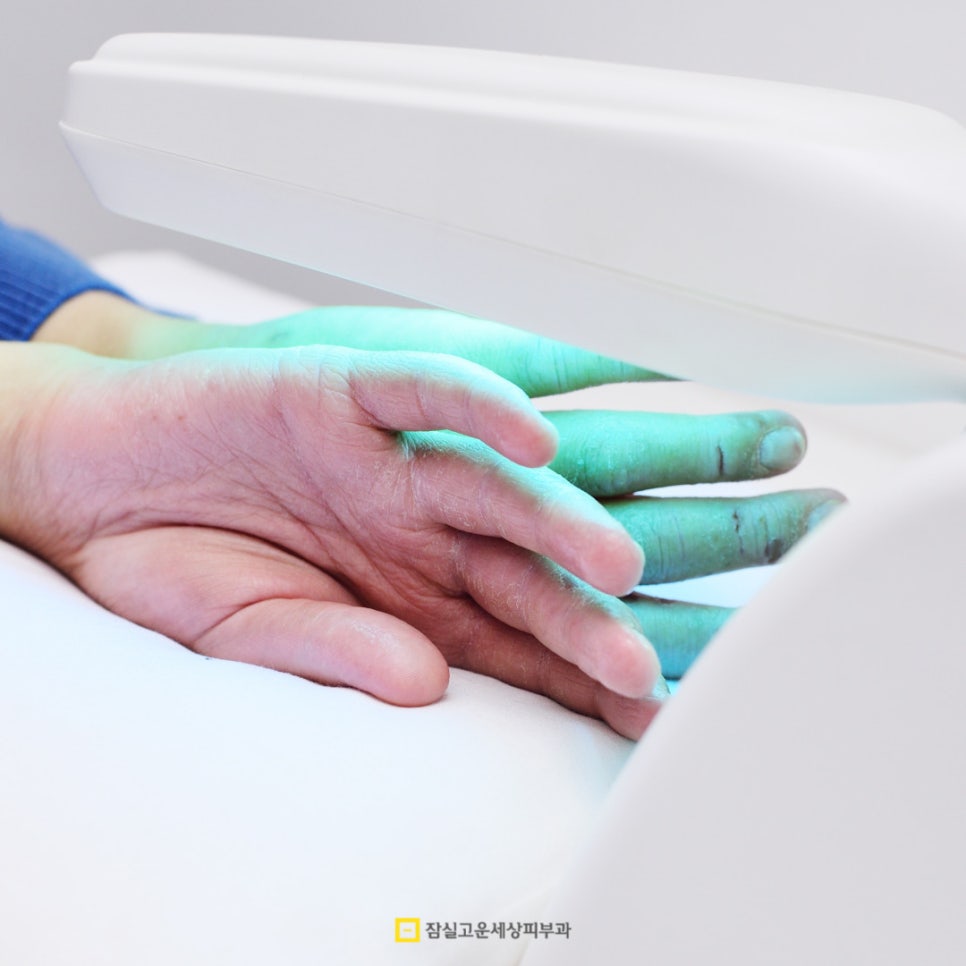
First, phototherapy (UVB) safely delivers controlled ultraviolet light at
the hospital to the skin, suppressing the overreaction of local
inflammatory cells. Even a short exposure each session can noticeably
reduce itching, and including it in a long-term treatment plan can help
lengthen the intervals between symptom flare-ups.
Another option is alternative therapies such as herbal baths or
aromatherapy. Baths using herbs known for their calming effects,
such as chamomile and lavender, can lower the skin’s surface
temperature and temporarily reduce itching. Gently massaging with
diluted lavender oil may also help calm both the skin and the mind
at the same time.
However, because the scientific evidence for these methods is still
limited, be sure to consult a dermatologist before trying them to
confirm whether they are appropriate for your skin condition, and make
a careful decision.
 Small actions that create big changes
Atopic dermatitis is not a condition that disappears in a short time.
Rather than aiming for a cure, a realistic strategy is to maintain a
state that can be tolerated so that itching and inflammation do not
consume daily life.
To do this, the four pillars—enhanced moisturizing, medication
therapy, lifestyle management, and adjunctive treatment—must be
practiced in an integrated way.
For example, after bathing, apply a generous amount of ceramide
moisturizer, use the steroid ointment prescribed by a specialist at the
proper frequency, choose clothing made of less irritating cotton,
and combine cold compresses with stress-relief techniques.
When these small daily habits come together to firmly protect the
skin barrier, you can gradually break free from the cycle of itching.
Of course, personalized management is needed depending on each
person’s symptoms and lifestyle, so based on the four key methods
introduced today, please continue consulting with a dermatologist and
complete a treatment routine optimized for you.
The skin remembers and reflects the habits we repeat.
As consistent practice accumulates, you will face healthier and more
stable skin conditions.
Thank you.
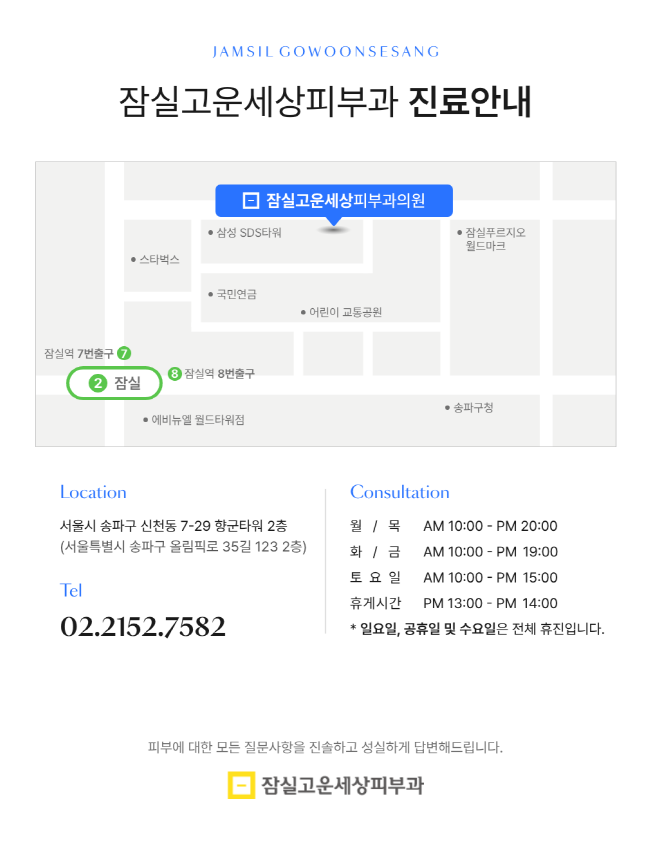
❤Directions to Jamsil Gounsesang Dermatology❤
❤Jamsil Gounsesang Dermatology Clinic Information❤
❤Jamsil Gounsesang Dermatology Website❤
This article is provided by Jamsil Gounsesang Dermatology for the provision of medical information in accordance with Article 56, Paragraph 1 of the Medical Service Act Advertising Regulations. All procedures/surgeries carry the risk of side effects such as bleeding, infection, and nerve damage, so please proceed carefully after sufficient consultation with medical staff.