Acne A to Z,
Don’t squeeze carelessly—
learn to tell it apart and care for it properly!
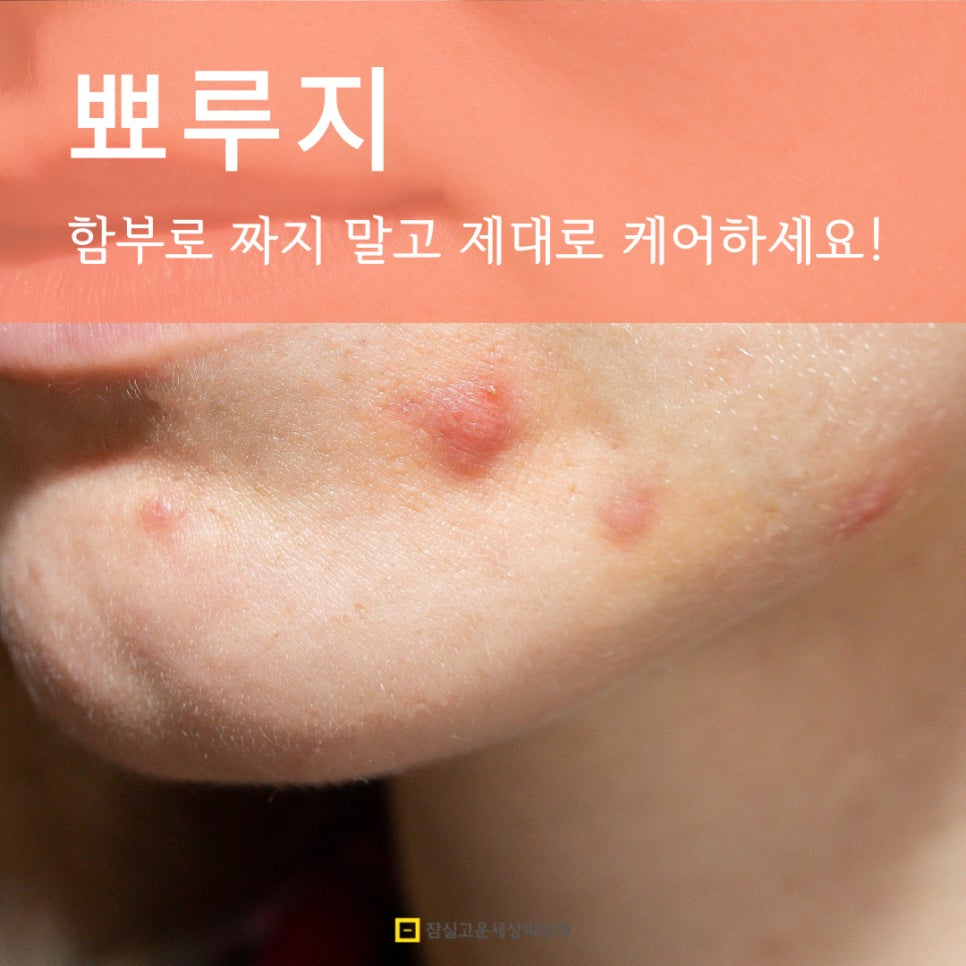
Hello, this is Jamsil Goeunsesang Dermatology Clinic.
“Oops, that small spot reflected in the mirror suddenly
looks more noticeable”
—most people have probably experienced that at least once.
Until you absentmindedly squeeze it, you may think it is acne,
but if you handle it the wrong way, there is a high risk that it can
lead to pigmentation and scarring.
The papular eruptions we call “acne” can actually appear as
a variety of skin conditions, not just acne—such as folliculitis,
rosacea, perioral dermatitis, flat warts, milia, and heat rash—so
rather than touching it carelessly with your hands, an accurate
diagnosis should come first.
Today, we will clearly identify what these small breakouts are
and walk through how to manage them safely.
We will look in order at: 1) the main conditions that cause
breakouts and how to differentiate them, 2) the key points of
proper diagnosis and treatment, and 3) lifestyle management
methods you can follow without squeezing them.
- Major Breakout Conditions and Key Points for Differentiation
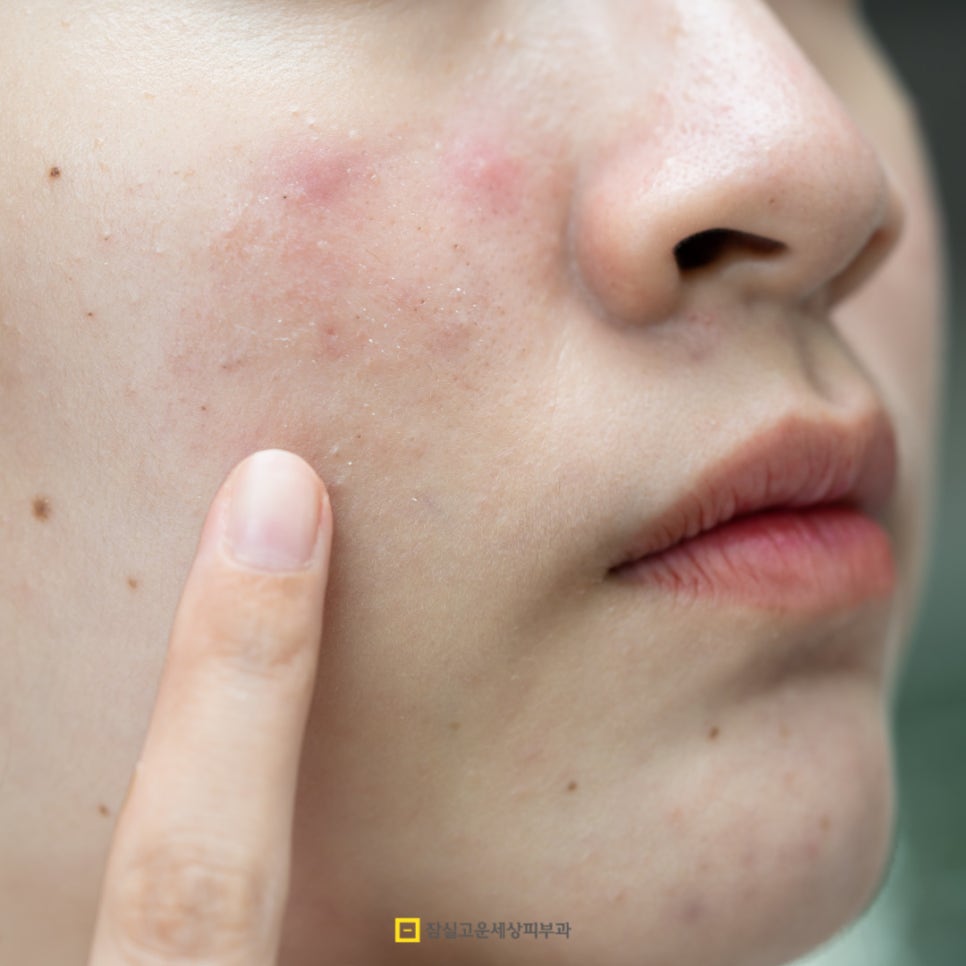
Those small bumps that make you think, “What is this?” every time
you look in the mirror are, in fact, often not acne at all. It is
important to accurately distinguish papular lesions that look like
breakouts so that appropriate treatment can be connected right away.
Acne is a chronic inflammatory change of the hair follicle and
sebaceous gland, and it is characterized by the sequential
appearance of papules, pustules, nodules, and cysts.
In particular, comedones—white or black plugs on the skin
surface, such as whiteheads and blackheads—are often present,
making it easy to conclude, “This is definitely acne.”
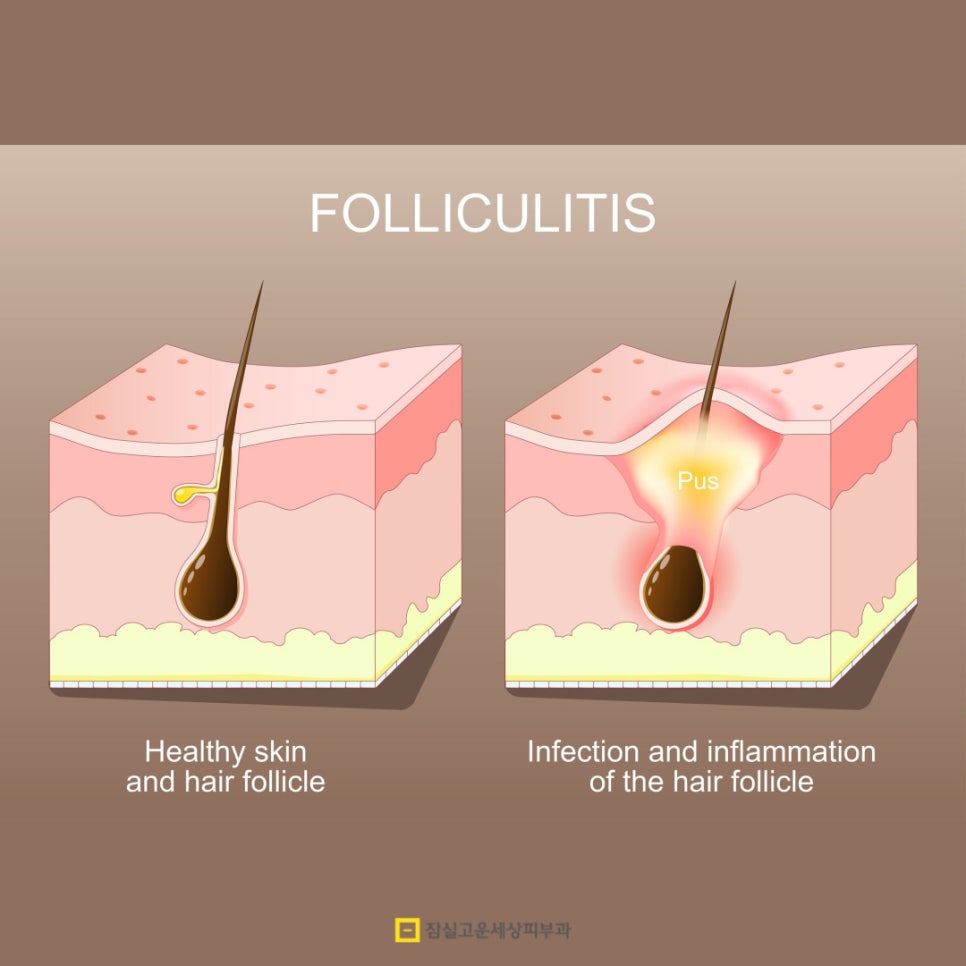
By contrast, folliculitis is an inflammatory condition caused by
bacterial infection of the hair follicle, and comedones are not
seen. Instead, pus collects within the lesion, and pain or tenderness
is accompanied, so when touched, the pressure tends to feel
stronger. Folliculitis often develops over a short period and may
differ from the pattern of adult acne.
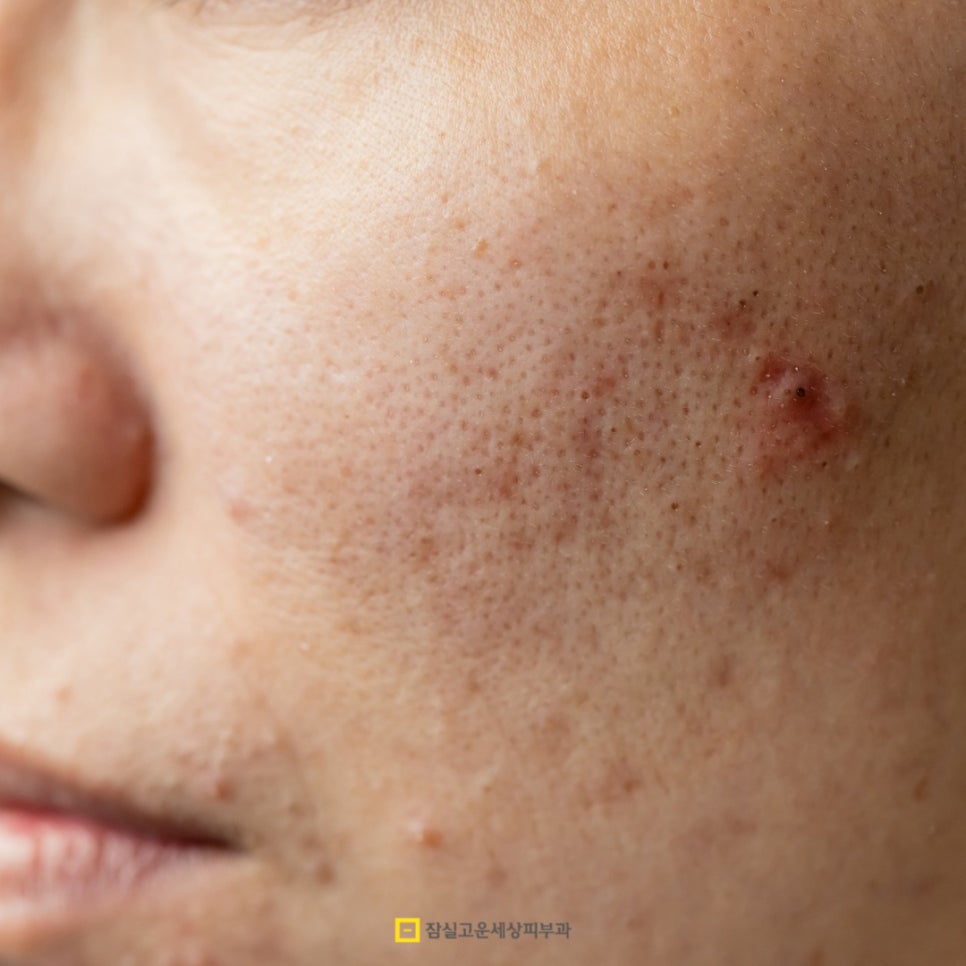
Rosacea is a condition in which flushing and visible capillary
dilation appear together, especially around the central face,
particularly around the nose and cheeks. It is common in middle-aged
women, and a burning or stinging sensation may accompany it.
Because it requires a completely different approach from acne
treatment, laser procedures are often used to treat the dilated
blood vessels.
Perioral dermatitis is accompanied by papules and pustules
limited to the area around the lip margins, along with flaking and
dryness. If it is mistaken for acne and treated with common
topical acne medications, dryness and irritation can become worse,
so it should be managed with methods similar to rosacea treatment,
such as steroid ointment or calcineurin inhibitors.
Flat warts and milia are non-inflammatory papules based on keratin,
not inflammation, and they do not have comedones or pustules.
In the case of warts, cryotherapy or curettage at a dermatology
clinic is used, and milia require physical removal with a small
needle.
Lastly, heat rash (miliaria) is a non-inflammatory eruption caused
by blockage of the sweat gland openings. Keeping the environment
cool and controlling itching with antihistamines can lead to rapid
improvement.
In this way, although they all look like “breakouts” on the surface,
their mechanisms of development and accompanying symptoms are
different, so accurate differentiation is the starting point for the
right treatment.
- Personalized Treatment Strategy After Accurate Diagnosis
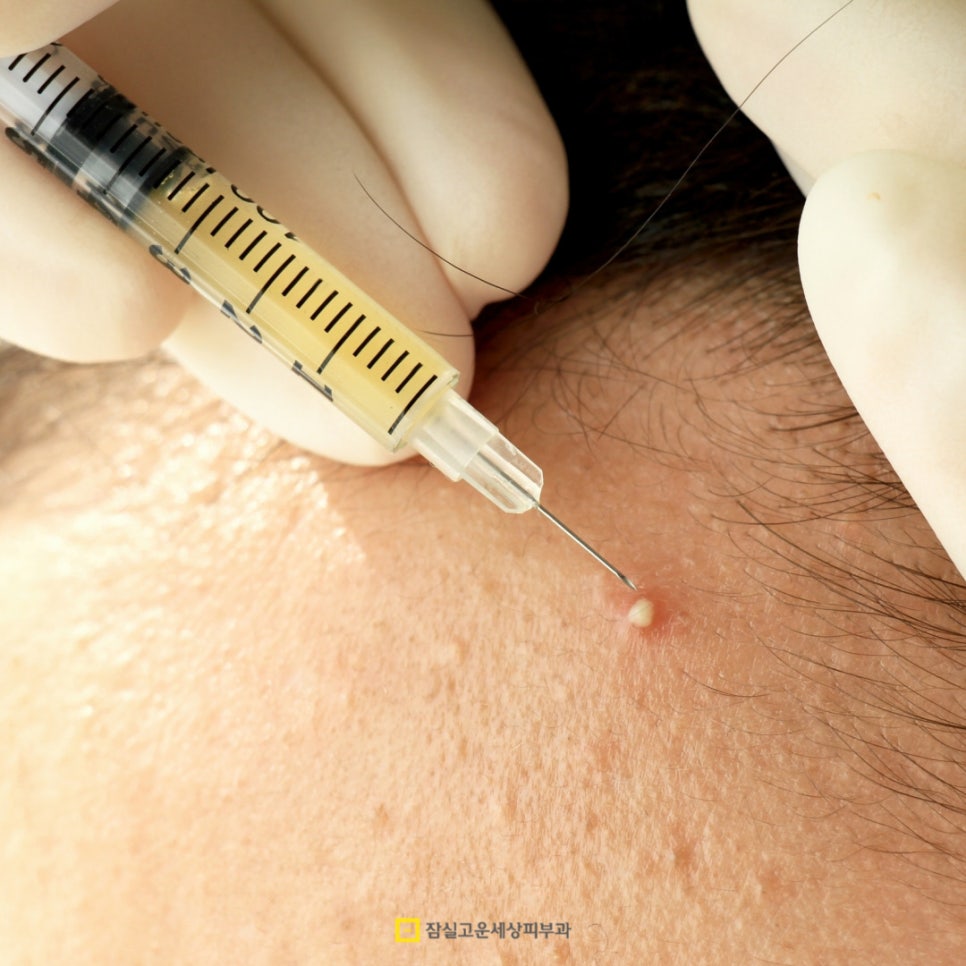
If you thought it was acne and casually squeezed it, but a papule
keeps recurring in the same spot, it may be time to suspect the
true cause of the breakout.
First, check whether comedones (whiteheads or blackheads) are present.
If comedones are confirmed, acne is more likely; however, if there
are no comedones and there is pus with tenderness, folliculitis may
be suspected.
If there is persistent flushing and fine blood vessel dilation in the
central face, rosacea is worth considering. If papules and dryness
are localized around the mouth, perioral dermatitis should be
considered. If necessary, a biopsy can be performed to rule out
fungal infection or psoriasis for a more accurate diagnosis.
Once a diagnosis is made, treatment appropriate to each condition
should be applied.
In acne, retinoids and benzoyl peroxide are used with antibiotics
to clear the pores and suppress inflammation. For folliculitis,
topical or oral antibiotics are used together with warm compresses
to control both bacterial growth and pus formation.
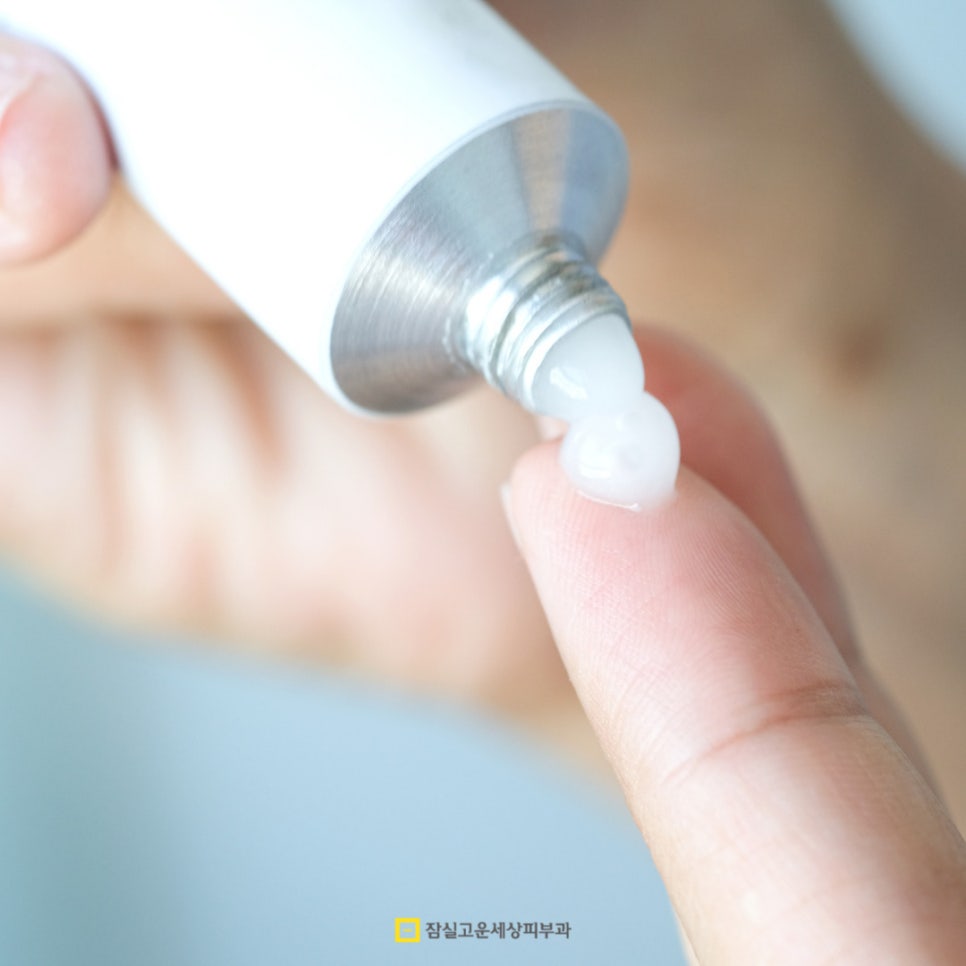
For rosacea patients, applying a low-irritation topical calcineurin
inhibitor or antifungal cream, along with laser treatment for the
dilated capillaries, can effectively reduce redness.
Perioral dermatitis should be calmed with steroid ointment or a
topical calcineurin inhibitor to soothe flaking and inflammation,
but acne medications can instead make it worse, so caution is
needed.
Non-inflammatory flat warts and milia are physically removed with
cryotherapy, curettage, or laser, while heat rash (miliaria) is
managed by keeping the environment cool and controlling itching
with antihistamines.
As you can see, even with a single breakout, the approach changes
completely depending on the cause and lesion type, so before
squeezing it with your hands, it is important to establish an
accurate treatment plan through a dermatologist’s diagnosis.
- Lifestyle Habits You Can Keep Without Squeezing
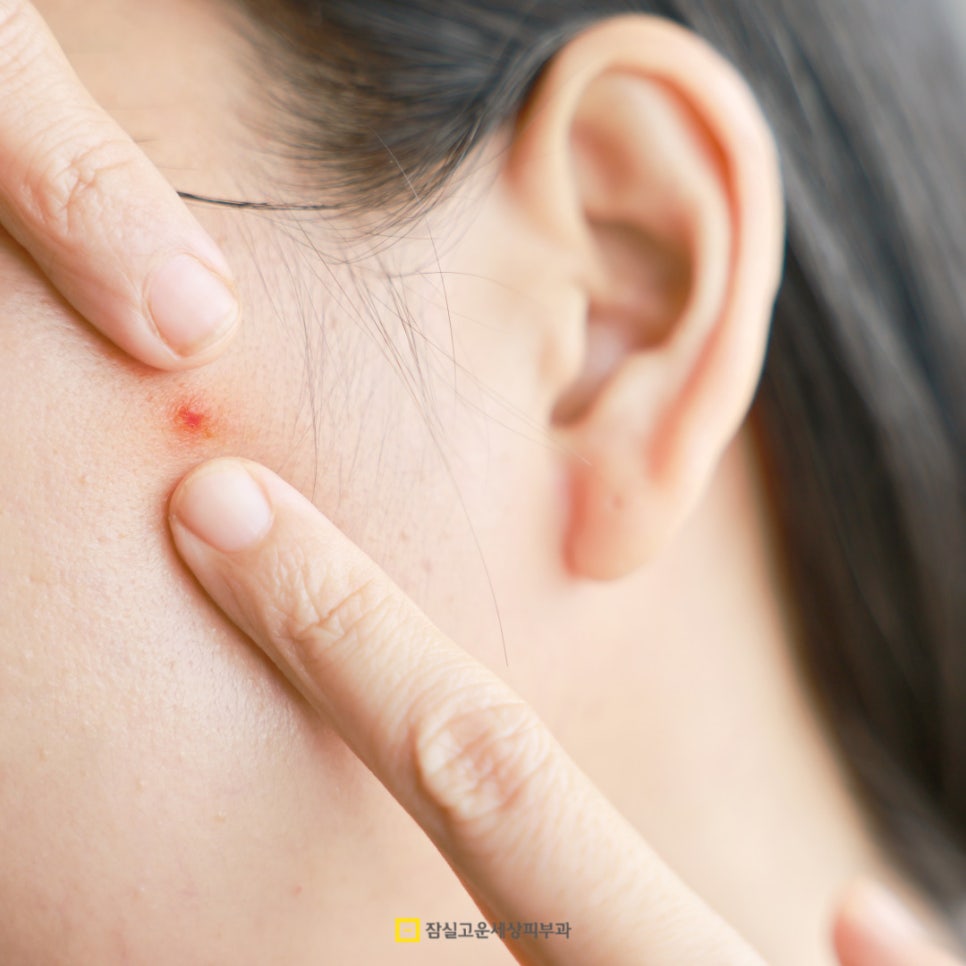
“That split second when your hand reaches out, and after you squeeze
that little breakout, it feels like the mark stays for a month—how
frustrating.” The habit of squeezing breakouts with your hands does
not only leave pigmentation or deep scars, but can also spread the
inflamed area more widely, so it is absolutely not recommended.
First, start by not touching it.
Instead of squeezing papules, use a small portable mirror to observe
the condition without putting your hands on your face, or place a
small bandage that can be bought at a pharmacy to block physical
irritation.
Keeping clean is the basics of breakout care.
Use a low-irritation, mildly acidic cleanser morning and night to
gently remove sebum and waste, but avoid excessive force and rinse
the skin thoroughly with lukewarm water to protect the skin barrier.
If you enjoy makeup, it is best to avoid excessive color cosmetics
and products containing oil or alcohol, as they can stimulate sebum
production and worsen breakouts. In particular, choose low-irritation
water- or gel-type products rather than oil-based products that can
easily clog pores.
Stress increases cortisol secretion, which promotes sebum production,
so you should make stress-management methods such as adequate sleep,
regular exercise, and meditation part of your daily routine.
Aim for 7 to 8 hours of sleep each day, and maintain balance in
body and mind through light aerobic exercise or breathing meditation
at least three times a week.
Lastly, maintain indoor humidity at 40–60% throughout all four
seasons, and especially during dry transitional seasons, apply plenty
of moisturizer to prevent skin dryness. As you build up these small
habits one by one, breakouts can noticeably decrease without
squeezing, and the path to healthy skin becomes much closer.

Smaller breakouts require more careful attention!
Even though breakouts look small, their causes and management methods
are all different, so from the start, it is most important not to
rush to squeeze them and to distinguish them accurately.
First, look at the types of breakouts such as acne, folliculitis,
rosacea, perioral dermatitis, flat warts, milia, and heat rash, and
carefully check for the presence of comedones, the lesion type, and
the location where they occur.
This determines the correct diagnosis and treatment direction.
Next, depending on the diagnosis, manage acne with retinoids,
benzoyl peroxide, and antibiotics; rosacea with antifungals,
calcineurin inhibitors, and laser; perioral dermatitis with steroids
and calcineurin inhibitors; flat warts with cryotherapy and
curettage; and heat rash with cooling and antihistamines.
Accurate prescriptions and procedures help relieve symptoms quickly
without recurrence.
Finally, if you practice daily habits such as not touching it,
using low-irritation cleansing, paying attention to product
ingredients, managing stress, and controlling the environment, your
skin can recover its health on its own without unnecessary irritation.
In particular, to prevent pigmentation and scarring, the effort not
to squeeze is essential above all else.
If you follow these three steps one by one, small breakouts will no
longer be frightening and can instead become a “signal” that tells
you about your skin condition, leading to proper care. Start taking
one step at a time from today.
Healthy skin condition is confidence itself.
Thank you.
❤Jamsil Goeunsesang Dermatology Clinic Directions❤
❤Jamsil Goeunsesang Dermatology Clinic Consultation Guide❤
❤Jamsil Goeunsesang Dermatology Clinic Homepage❤
This article is provided by Jamsil Goeunsesang Dermatology Clinic
for the purpose of providing medical information in accordance
with Article 56, Paragraph 1 of the Medical Advertising Act.
All procedures/surgeries carry the risk of side effects such as
bleeding, infection, and nerve damage, so please proceed carefully
after sufficient consultation with medical staff.