Acne in the summer,
It’s not just excess oil?!

Hello, this is Jamshil Gounsesang Dermatology Clinic!
When the real heat and humidity begin, it’s easy to feel flustered as sebum suddenly pours onto the skin, almost as if the heater has been turned on, and small red bumps start appearing one by one. If you leave this alone thinking, “If acne appears, it will go away on its own,” it can remain as scars and become a longer-lasting concern.
In particular, adult acne is not simply a matter of excess sebum. It is caused by a complex mix of factors, from hormonal changes inside the body to diet, sleep and stress, and even cosmetic ingredients and the surrounding environment. That is why the first and most important step is to figure out what is aggravating your acne.
Today, we’ll take a close look at the causes of acne through five key points below, and for each one, we’ll also share the basic principles for improvement.
- Hormonal imbalance and a surge in sebum
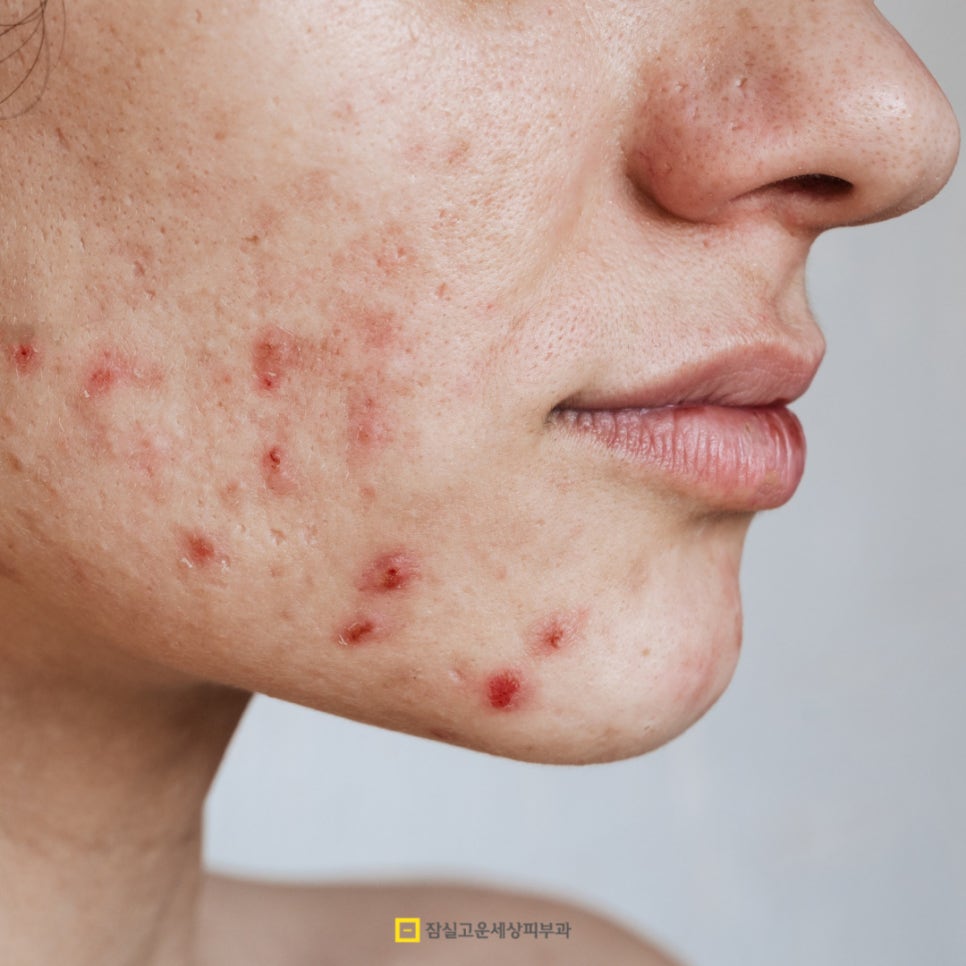
Have you ever washed your face in the morning only to feel oily again almost immediately?
Behind this excessive sebum production lies hormonal change. When male hormones (androgens) increase in adulthood as well as during puberty, the sebaceous glands are stimulated, sebum production rises sharply, and this sebum builds up in pores, making it easier for inflammatory acne to develop.
Also, after menopause, as the level of the female hormone estrogen decreases, the relative proportion of androgens can increase.
At this time, acne may appear for the first time or worsen further. If hormonal change is suspected, it is a good idea to check your hormone balance through blood tests and consult a dermatologist.
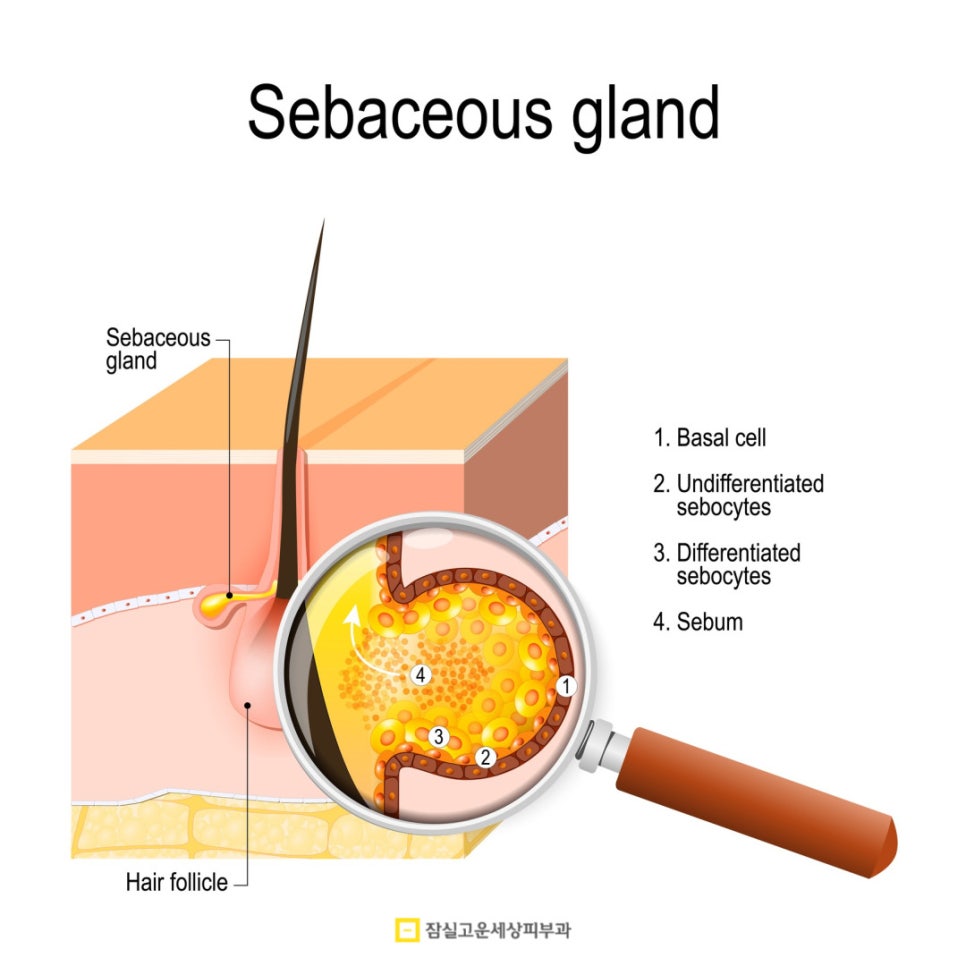
- Excess keratinization and pore blockage
Have you ever felt flustered because your skin felt stiff on the surface even after washing your face in the morning?
Our skin has a self-cleansing function that sheds millions of dead skin cells every day to keep itself clear. However, environmental stress such as fine dust and frequent air conditioner use, or an imbalance in oil and moisture, can prevent dead skin cells from shedding properly and cause them to accumulate excessively.
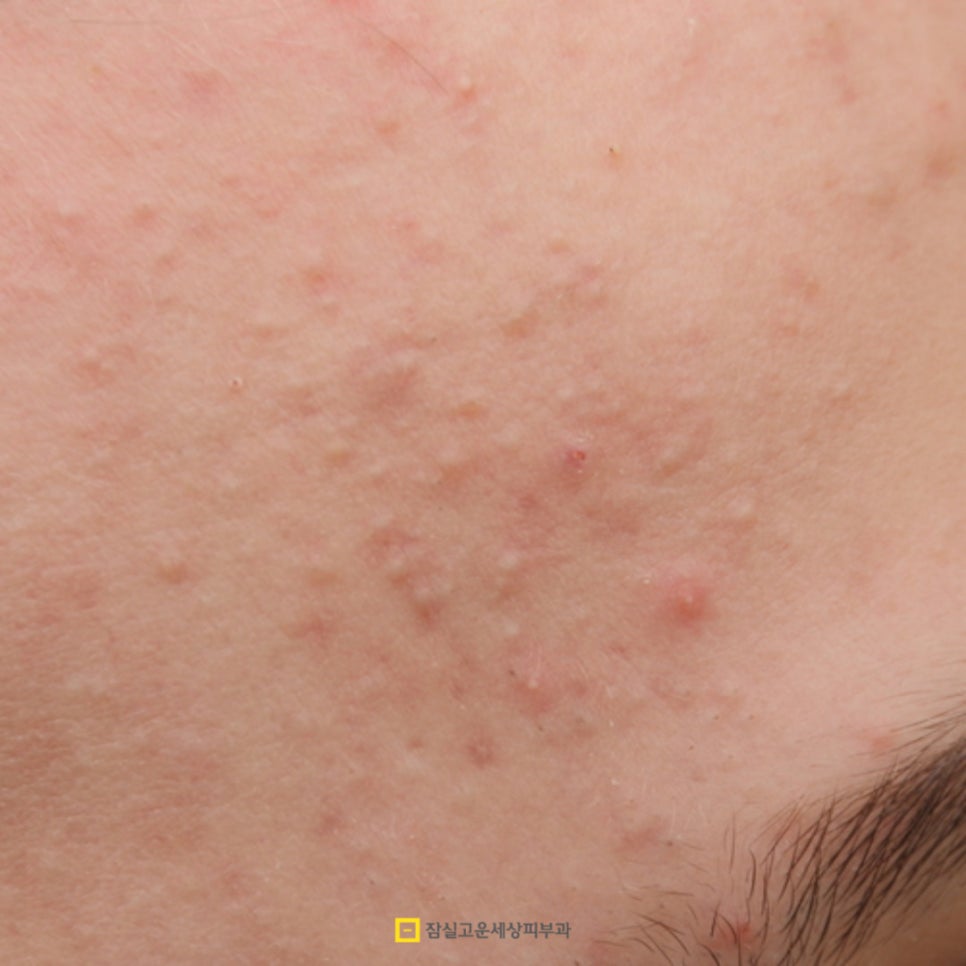
Dead skin cells that accumulate excessively gradually narrow the pore opening and block sebum from being released.
When pores are blocked like this, sebum cannot escape, whiteheads or blackheads form, and then acne bacteria can penetrate deep into the pores, leading to inflammatory lesions.
Therefore, balanced dead skin cell care is key to keeping pores clean.
After cleansing, use chemical peeling ingredients such as salicylic acid (BHA) and glycolic acid (AHA) about once or twice a week to gently dissolve dead skin cells, and choose a fine, gentle product for physical scrubs to minimize irritation.
After exfoliating, don’t forget to apply a low-irritation moisturizer and products containing soothing ingredients such as Centella asiatica and aloe vera to strengthen the skin barrier.
- Small cracks caused by external irritation and lifestyle habits
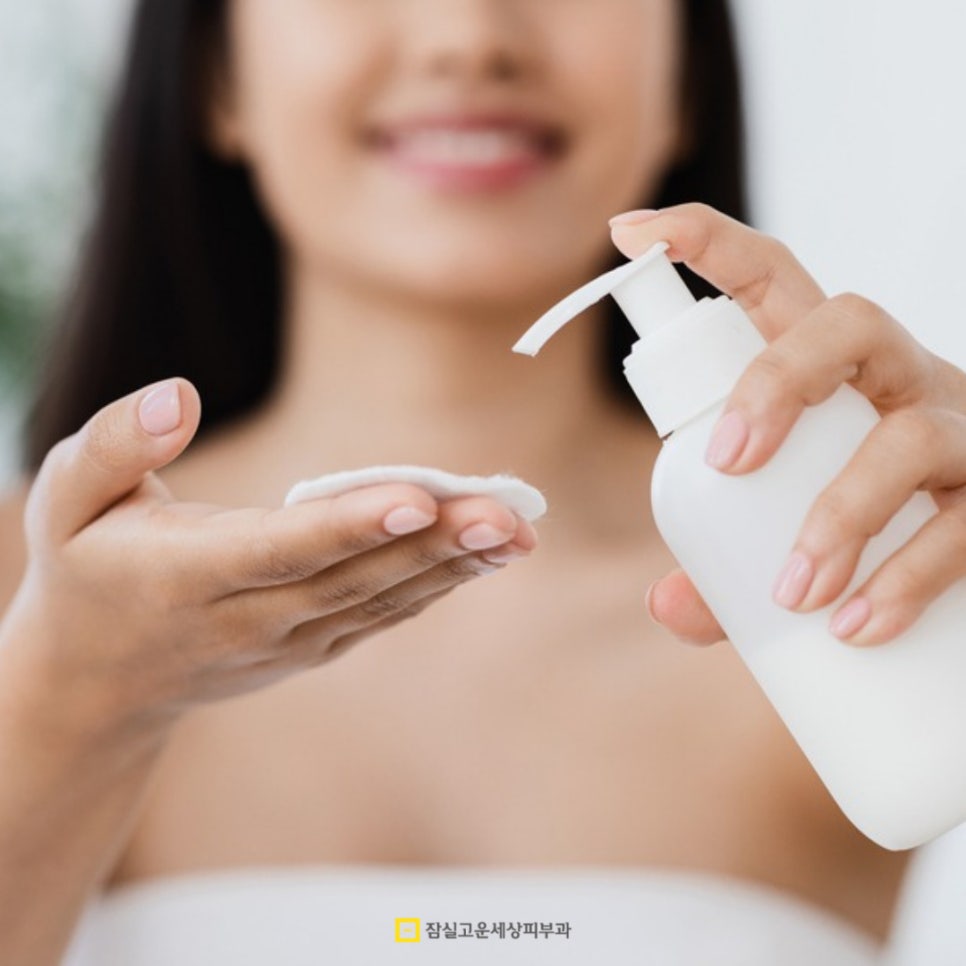
“I’ve always used the same skincare routine, so why did breakouts suddenly appear?”
Surprisingly, small irritations in everyday life can throw off the skin’s balance.
If makeup residue remains in the pores, or if cleansing ingredients left on your hands irritate your face even after washing, the skin barrier can be damaged and acne can worsen easily. In addition, ingredients from shampoo, conditioner, and styling products can get onto the forehead or temples and trigger inflammatory reactions.
Above all, the habit of touching your face often transfers bacteria from inside the pores to the skin surface and worsens inflammation, and squeezing blemishes at home can damage even the dermis, increasing the likelihood of scarring.
Therefore, when cleansing, use a mildly acidic cleanser to create enough foam and gently massage the face, then rinse thoroughly with lukewarm water and finish with cool water to help tighten the pores.
When extraction is necessary, it is safest to have it done in a treatment room at a specialist clinic using sterilized tools and proper technique. By minimizing external irritation in this way, you can create conditions that allow the skin to recover on its own.
- Diet and endocrine stimulation
“What change can a single sweet dessert leave on your face?”
Foods with a high glycemic index promote the secretion of insulin-like growth factor 1 (IGF-1) in the body. Carbohydrates that are digested quickly and raise blood sugar sharply, such as cake, bagels, carbonated drinks, and white bread, as well as dairy products like milk and cheese, can stimulate the sebaceous glands through IGF-1 and aggravate acne by promoting inflammatory responses.
On the other hand, there are also foods that help reduce inflammation.
Fish such as salmon and mackerel, which are rich in omega-3 fatty acids, contribute to cell membrane stabilization and suppression of inflammatory mediators, and plant oils containing gamma-linolenic acid (such as borage oil and evening primrose oil) help reduce inflammation.
In this way, eating a balanced diet of low-glycemic-index complex carbohydrates and anti-inflammatory foods can ease endocrine stimulation in the body and help manage both sebum production and inflammation.
- Lack of sleep and chronic stress

“Did it feel like the blemish marks became even more noticeable when you rubbed your eyes?”
This may be because the skin did not recover properly overnight.
Our body reaches its golden time for regenerating damaged skin tissue when growth hormone secretion peaks between 10 p.m. and 2 a.m. If you do not get enough sleep during this period, microdamage and inflammation remain by morning, and acne scars or hyperpigmentation can last much longer.
In addition, chronic stress continuously raises cortisol levels and excessively stimulates sebum production. As stress builds up, the skin barrier weakens and inflammatory reactions occur more easily, making it easy to fall into a vicious cycle of recurring acne.
Therefore, it is important to secure at least 7 hours of sleep every day and to consistently practice a stress-relief method that suits you, such as regular aerobic exercise, yoga, meditation, or hobbies. When sleep and stress are managed in balance, the skin can regain its natural regenerative ability and improve in a healthier way.

Finding your own cause and completing your care plan
“How great would it be if you could see the reason acne keeps coming back at a glance?”
But in reality, it is a complex puzzle in which five factors are intertwined and send small unwelcome visitors to the face. You need to examine step by step whether hormonal imbalance came first, whether dead skin cells are building up and blocking pores, or whether everyday irritants such as cosmetic residue or cleansing habits are the problem.
First, carefully observe your skin condition and figure out the main cause. For example, if oil suddenly becomes concentrated in the T-zone and breakouts happen frequently, suspect a possible hormonal change. If your skin texture feels rough and makeup sits unevenly, check for excessive dead skin cell buildup. After identifying the pattern in this way, consult a dermatologist to establish a personalized treatment plan.
Small lifestyle changes in daily life—a balanced diet, gentle dead skin cell care, cleansing that minimizes irritation, and adequate sleep and stress management—can gradually build up and ultimately open the path to clear, resilient skin.
Why not start putting one thing into practice today?
Thank you.
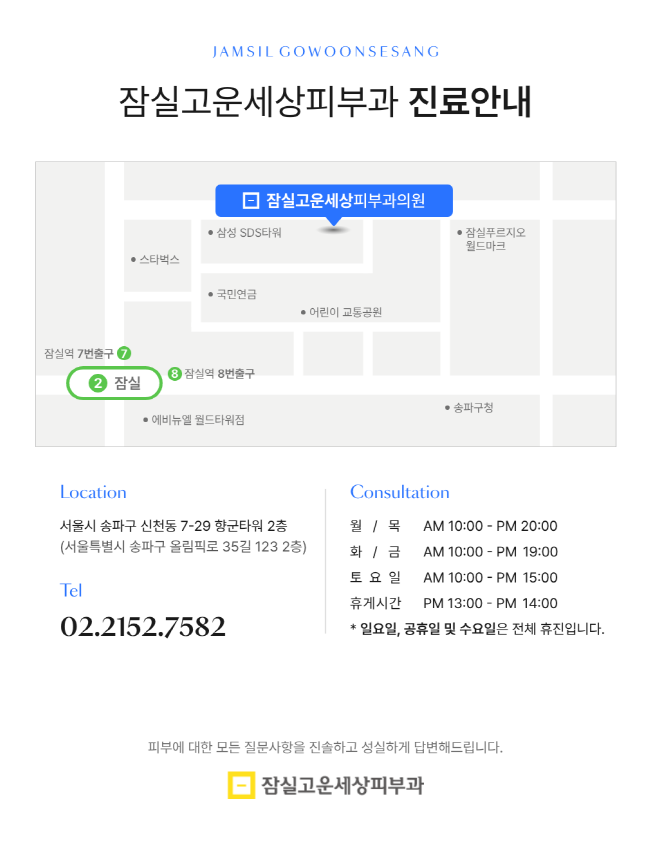
✨How to get to Jamshil Gounsesang Dermatology Clinic✨
✨Jamshil Gounsesang Dermatology Clinic Consultation Guide✨
✨Jamshil Gounsesang Dermatology Clinic Website✨
This post, provided by Jamshil Gounsesang Dermatology Clinic for the purpose of offering medical information in accordance with Article 56, Paragraph 1 of the Medical Advertising Act, is for informational purposes only. All procedures/surgeries carry the risk of side effects such as bleeding, infection, and nerve damage, so please proceed carefully after sufficient consultation with medical professionals.