"Red patches and itching,
it may not be acne."
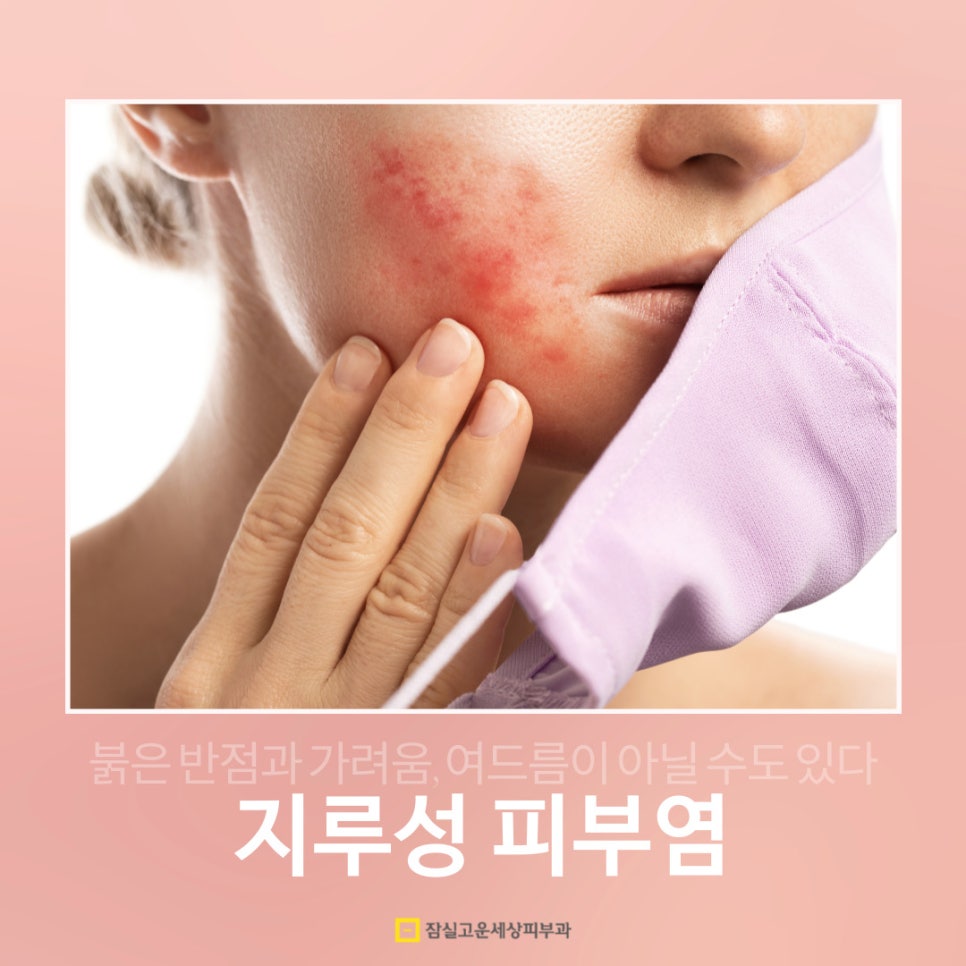
Hello, this is Jamsil Gounsesang Dermatology Clinic :)
Have you ever been surprised by red patches that suddenly appear
and itching when you look in the mirror in the morning?
If you squeeze what seems like acne, it may ooze for a while,
or scale-like flakes may stick to the scalp and even itch.
But did you know that this may not be acne, but rather
"seborrheic dermatitis"?
Seborrheic dermatitis is a chronic inflammatory disease caused
by a combination of excessive proliferation of the Malassezia
yeast, excess sebum production, and factors such as stress or
hormonal changes. Rather than aiming for a short-term cure,
this condition is best managed by controlling symptoms with
medication and preventing recurrence through lifestyle changes.
Today, to help you understand and manage seborrheic dermatitis
accurately, I will guide you in detail through five steps: 1)
causes and features, 2) differential diagnosis, 3) medication
options, 4) topical and skincare strategies, and 5) everyday
lifestyle improvements.
- Seborrheic dermatitis: why does it occur and what does it look like?
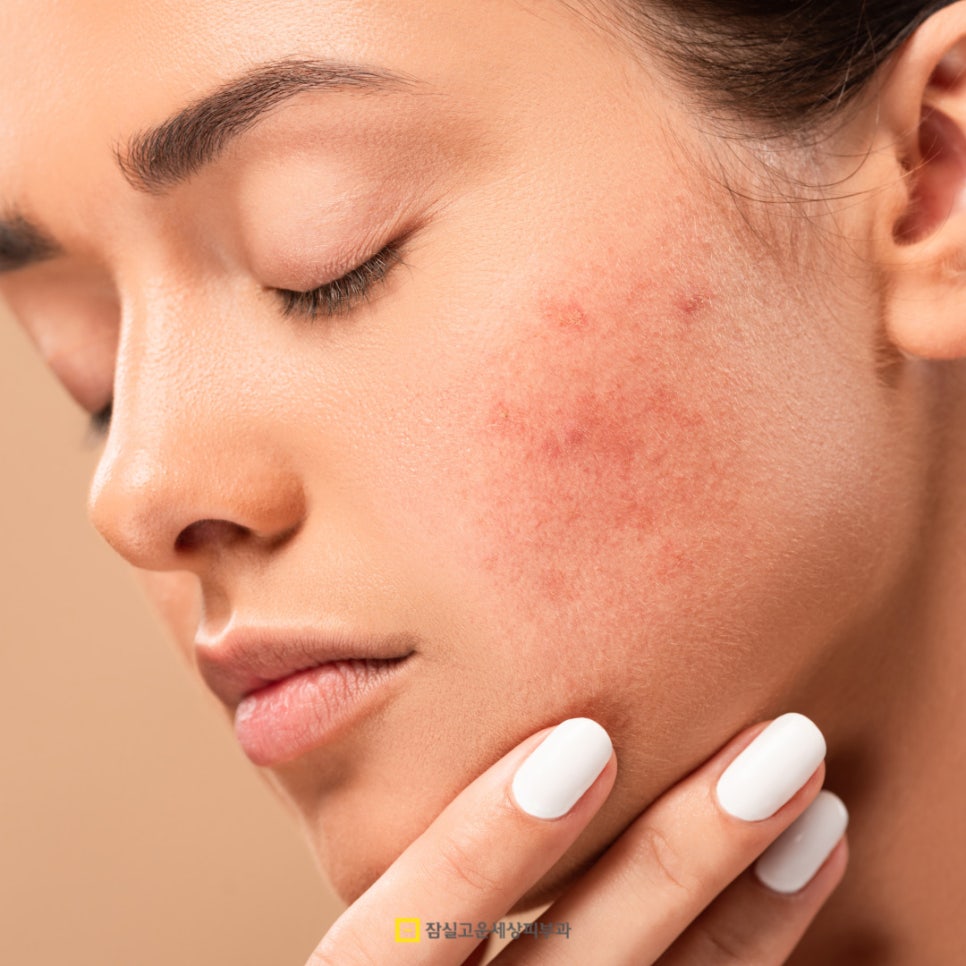
"When you look in the mirror, it can be startling to see what
looks like yellow scales sitting on top of red patches."
Seborrheic dermatitis begins when Malassezia, which normally
lives on the skin, combines with sebum and proliferates
excessively.
At this time, red patches appear on the skin, and scale-like
flakes may cover the area in a dry form or with an oily yellow
appearance, sometimes accompanied by itching or oozing.
It especially tends to recur and improve repeatedly in areas with
active sebaceous glands, such as the forehead, sides of the nose,
between the eyebrows, scalp, and chest. Because it is a chronic
inflammatory disease, it is important not to be satisfied with
short-term improvement, but to prevent worsening through proper
care whenever symptoms appear.
- Points to check when it is not acne
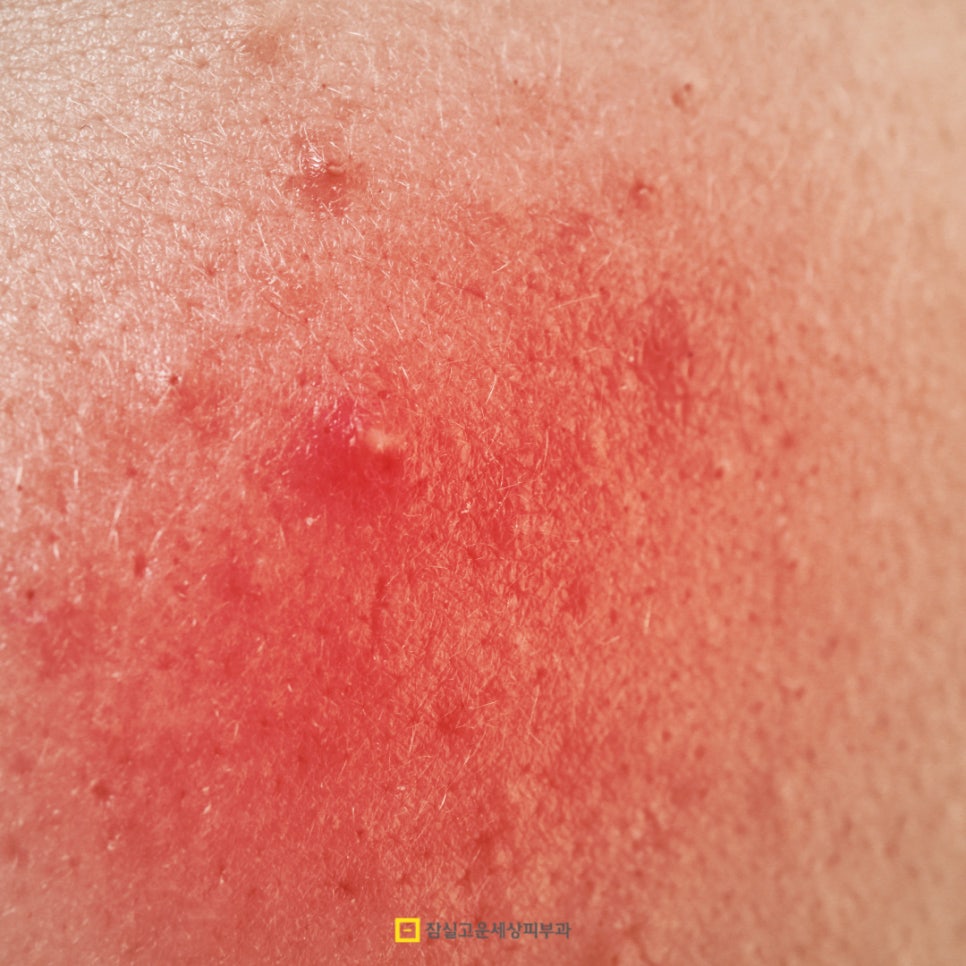
"It looks just as red and raised, so could it be acne?" is a
common question.
Seborrheic dermatitis may repeatedly appear as small red papules
that resemble acne, but the decisive difference is that the key
sign of acne, comedones (whiteheads and blackheads), does not
appear at all.
Also, when seborrheic dermatitis is suspected, it can be confused
with atopic dermatitis, psoriasis, or fungal infection. In such
cases, check whether the red patches are covered with oily yellow
scales (flakes).
When the skin lesions are complex or the affected areas overlap,
it is safer to receive a clear diagnosis through a biopsy to
confirm the type of inflammation and whether a causative organism
is present. By carefully examining the affected area and the
surface condition in this way, you can clearly distinguish it from
acne and establish the correct treatment direction.
- Seborrheic dermatitis: controlling it with these medications
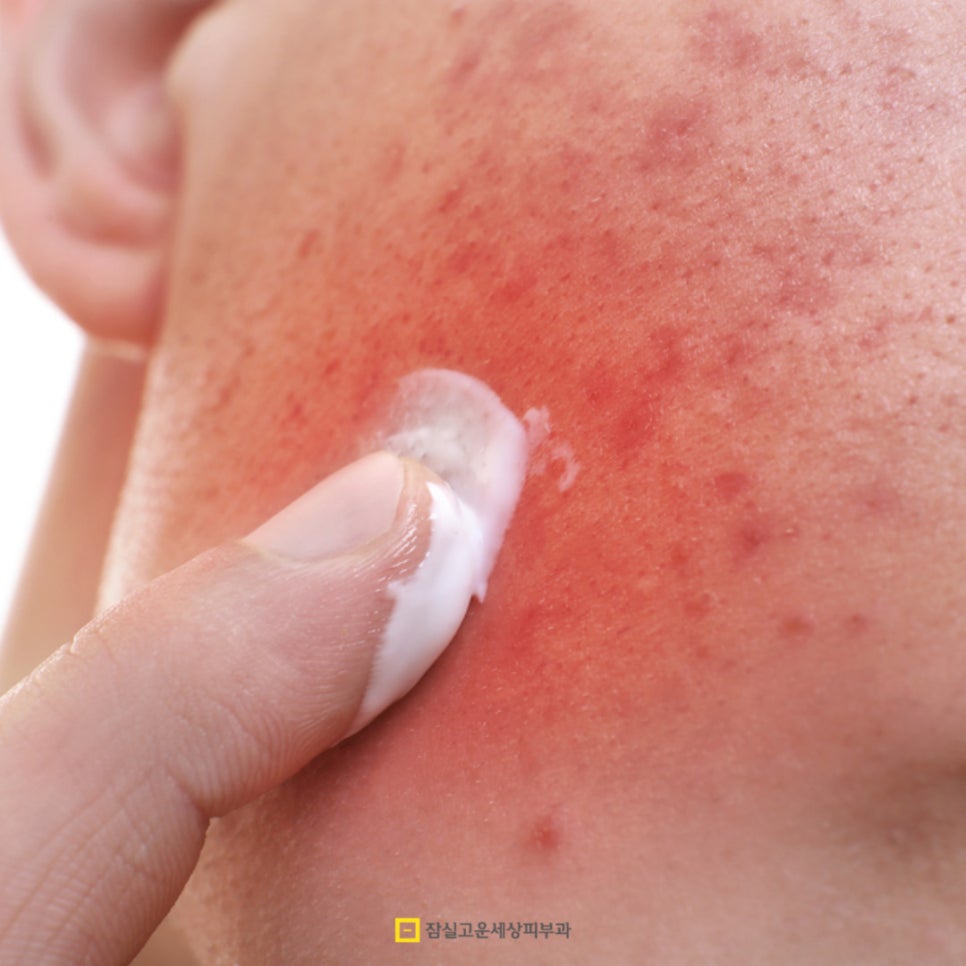
"When red patches gradually become darker and the scales become
thicker, you may feel unsure about what to apply."
Because seborrheic dermatitis is a chronic superficial
inflammation, medication is essential for quick calming and
preventing recurrence.
First, topical steroids are effective for suppressing inflammation
and immediately relieving itching. However, prolonged use carries
the risk of skin atrophy and side effects, so they should be used
intensively for a short period according to a specialist’s
instructions.
Antifungal agents inhibit the proliferation of Malassezia and
lower the recurrence rate. Depending on the situation, you may be
prescribed either a topical cream or an oral capsule.
Topical calcineurin inhibitors (tacrolimus, pimecrolimus) are
alternatives to steroids. They selectively block the activation of
inflammatory cells, minimizing skin irritation and making them
suitable for long-term management.
For scalp seborrheic dermatitis in particular, shampoo-type
treatments are convenient. In addition to antifungal ingredients,
products containing zinc pyrithione, selenium sulfide, and
ciclopirox can be used to gently remove dry or oily scales
(dandruff) once a day and help balance microorganisms in the
pores.
When these medications are used appropriately in combination,
redness, scales, and itching are noticeably reduced, and the time
until recurrence becomes longer. However, all medications have
instructions and duration of use, so rather than using them on
your own without a prescription, it is important to follow the
guidance of a dermatologist.
- From topical products to cleansing,
zero-irritation skincare
"Sometimes the itching doesn’t go away even after applying
something, and the face feels even more greasy, which is more
frustrating."
When you have seborrheic dermatitis, you should not simply focus
on moisturizing; you need to carefully check the ingredients of
every product that touches your skin.
First, avoid using oily ointments or skin lotions containing
alcohol, as they may increase skin irritation and worsen symptoms.
Instead, it is better to choose a low-irritation moisturizer made
with a low amount of preservatives and fragrance and formulated
without oil. For areas where the skin becomes sensitive, products
containing barrier-strengthening ingredients such as ceramides,
hyaluronic acid, and panthenol can be helpful.
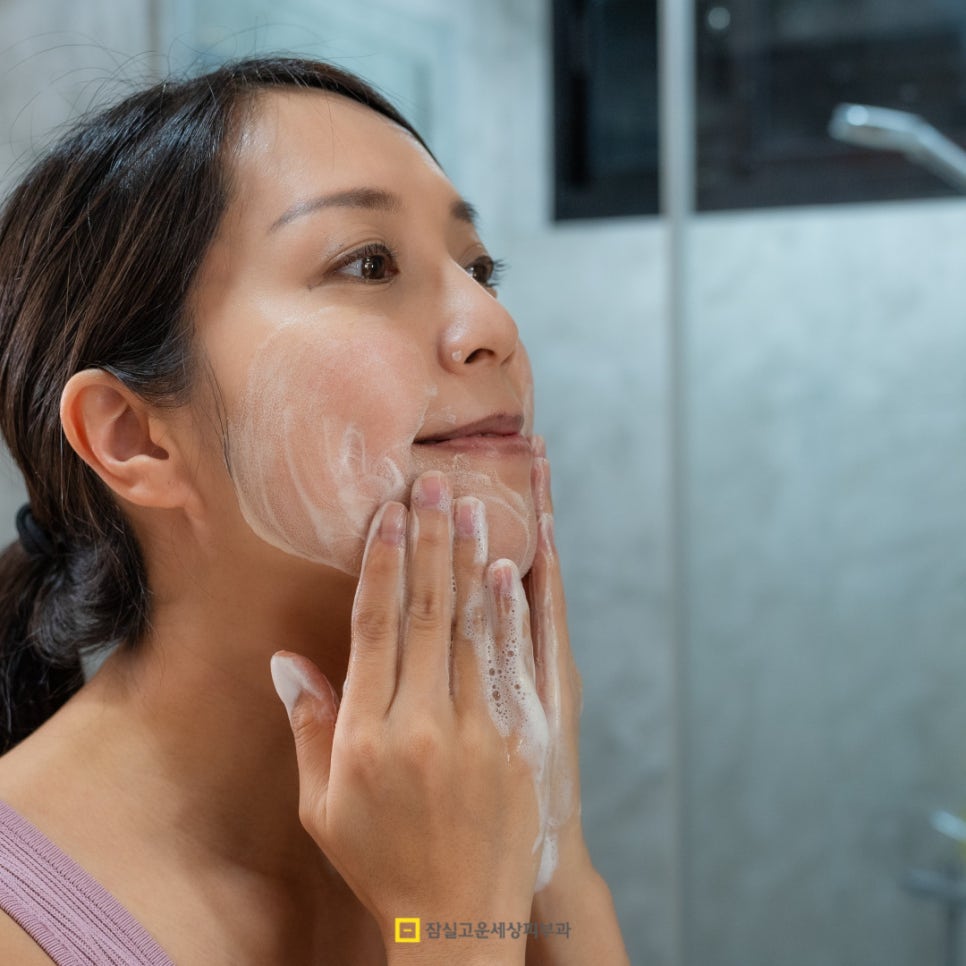
Cleansing also requires caution so that frequent washing does not
damage the skin barrier. Washing twice a day, morning and evening,
is appropriate, and gently remove impurities using lukewarm water
and a mild, low-irritation, slightly acidic cleanser. At this
time, avoid excessive foam or harsh scrubbing, and cleansing
lightly with a massaging motion using your fingertips is the key
to minimizing skin irritation.
By correcting your choice of topical products and cleansing
habits in this way, even sensitive skin can calm down gradually
and the frequency of recurrence can be reduced.
 5) Prevent recurrence through small changes in daily life
"Have you heard that when stress builds up, the face feels hot and
scales become more noticeable?"
Seborrheic dermatitis tends to worsen when the body’s overall
balance is disrupted, so correcting lifestyle habits is the key to
preventing recurrence.
5) Prevent recurrence through small changes in daily life
"Have you heard that when stress builds up, the face feels hot and
scales become more noticeable?"
Seborrheic dermatitis tends to worsen when the body’s overall
balance is disrupted, so correcting lifestyle habits is the key to
preventing recurrence.
 First, enough sleep and regular exercise are needed to reduce the
secretion of cortisol, the stress hormone.
By securing 7 to 8 hours of sleep every day and calming your mind
with light aerobic exercise, yoga, or meditation, inflammatory
responses in the skin will also naturally decrease.
First, enough sleep and regular exercise are needed to reduce the
secretion of cortisol, the stress hormone.
By securing 7 to 8 hours of sleep every day and calming your mind
with light aerobic exercise, yoga, or meditation, inflammatory
responses in the skin will also naturally decrease.
Vitamin C helps reduce inflammation through its antioxidant effect
and supports collagen synthesis, so it is good to steadily
supplement it through fruits, vegetables, or health supplements.
In addition, quitting smoking and drinking speeds up skin recovery
and strengthens the immune system as a whole. In particular, dry
or cold, windy environments can worsen seborrheic dermatitis, so
maintain indoor humidity at 40 to 60% and apply plenty of
moisturizer according to the season to protect the skin barrier.
By building up each small habit like this, the frequency of
seborrheic dermatitis recurrence will noticeably decrease, and you
can experience much more comfortable skin.
 Consistency removes the scales!
"Seborrheic dermatitis is not a condition that ends with one
treatment, but rather one that recurs like changing seasons."
However, if you understand the process well and respond
appropriately, the uncomfortable itching, redness, and scale-like
symptoms can gradually disappear.
-
Identify the cause
Because it occurs through a combination of Malassezia,
excess sebum, stress, and hormonal changes, the main cause of
inflammation should be identified through an accurate diagnosis
from the start.
-
Medication treatment
Use topical and oral steroids, antifungal agents, calcineurin
inhibitors, and other treatments to quickly calm acute
inflammation and itching, and for scalp-type cases, use
functional shampoos to remove dandruff and flakes.
-
Skincare
Avoid oily ointments and products containing alcohol, and protect
the skin barrier with low-irritation, oil-free moisturizers with
low amounts of preservatives and fragrance. Cleansing should be
done gently twice a day with lukewarm water and a mild cleanser.
-
Lifestyle improvement
Suppress cortisol, the stress hormone, through enough sleep,
regular exercise, and meditation, and strengthen immunity through
vitamin C intake and by quitting smoking and drinking.
-
Environmental management
Maintain indoor humidity at 40 to 60% and strengthen moisturizing
according to the season to prevent worsening caused by dry and
cold environments.
If you steadily build these five steps into your daily routine,
the symptoms of seborrheic dermatitis will no longer be an
embarrassing "unwelcome guest," but rather a "companion" you can
manage with your own care methods.
Start one small change today.
Consistency is the most reliable treatment.
Thank you.
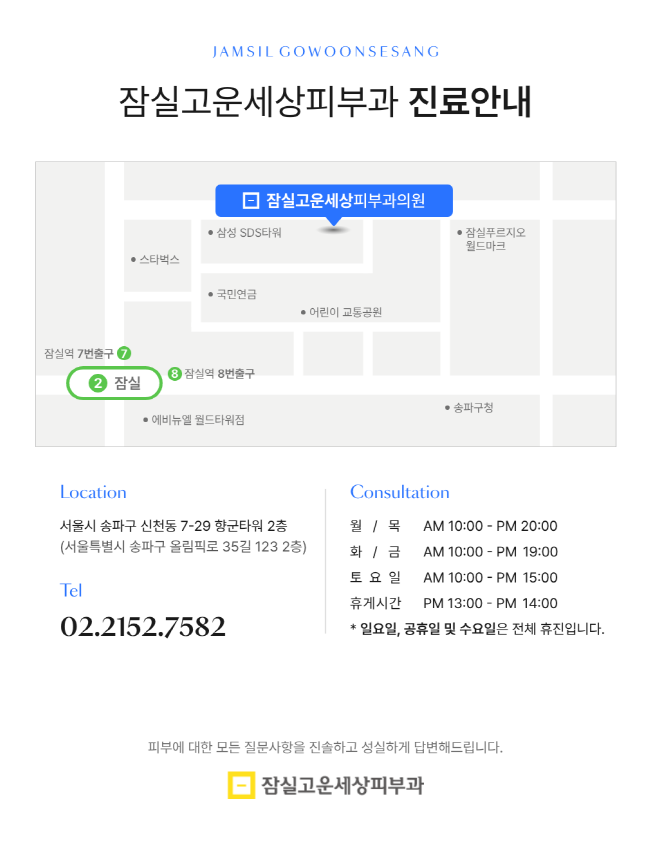
Directions to Jamsil Gounsesang Dermatology Clinic↓↓↓
Jamsil Gounsesang Dermatology Clinic information↓↓↓
Jamsil Gounsesang Dermatology Clinic website↓↓↓
This article is provided by Jamsil Gounsesang Dermatology Clinic
for the provision of medical information in accordance with
Article 56, Paragraph 1 of the Medical Advertising Act. All
procedures/surgeries carry the risk of side effects such as
bleeding, infection, and nerve damage, so please proceed
carefully after sufficient consultation with medical staff.