Teen skin,
The hidden risks behind makeup

Hello :) This is Jamsil Gounsesang Dermatology Clinic!
As the summer heat approaches, the desire to try the glamorous makeup you see on social media grows stronger. You may also want to swap colorful contact lenses with friends or boldly try a new base product recommended by a YouTuber.
But teen skin, which is still developing, has a thinner dermis and a skin barrier that has not fully formed yet. Because of that, even excessive color makeup or incorrect cleansing habits that leave residue after washing can clog pores and easily lead to contact dermatitis or acne.
So today, for “proper teen skin care,” let’s go over five key points you should never miss, step by step. At this age, when skin is especially sensitive, it is time not just to copy others, but to understand your own skin condition accurately and apply safe care methods suited to it.
- Understanding teen skin sensitivity
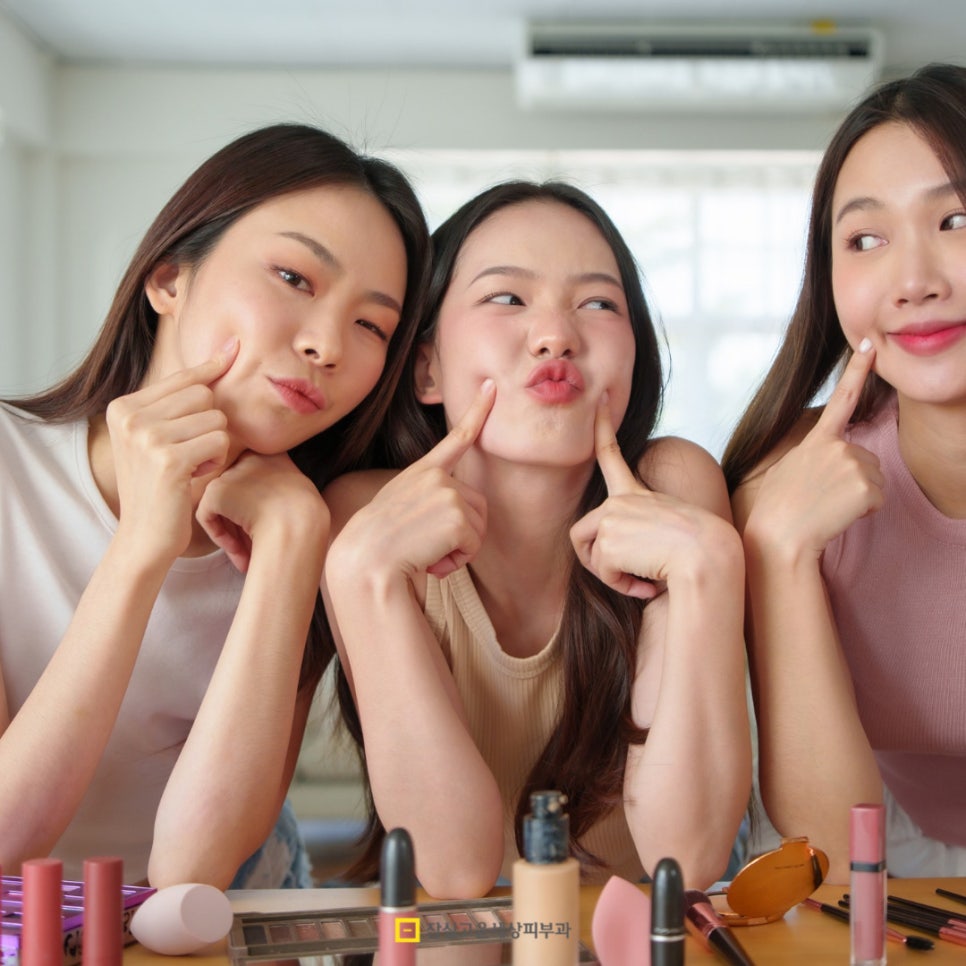
Does this sound familiar: “Even if I cleanse in the morning, my face gets oily again right away”?
During puberty, when androgen hormone secretion increases sharply in both boys and girls, the sebaceous glands are stimulated and sebum production can increase by 3 to 5 times. Normally, sebum helps wounds heal faster, but when it is produced in excess, it becomes food for acne-causing bacteria, and small inflammation can develop into pus-filled breakouts.
Teen skin has another characteristic as well. Because the skin barrier is not yet fully established and the dermis is relatively thin, active ingredients in adult cosmetics may be absorbed at 2 to 3 times the usual rate. As a result, even when using the same product, irritation may feel much stronger, and contact dermatitis or redness may appear more often.
Therefore, the first step for teens is to accurately identify their skin type.
Check your oil and moisture balance on your own, and start with basic products made with low-irritation, low-concentration formulas. After testing a small amount as a sample and checking how your skin reacts, gradually increase the steps to minimize sensitivity while still protecting skin health.
- The skill of reading product labels
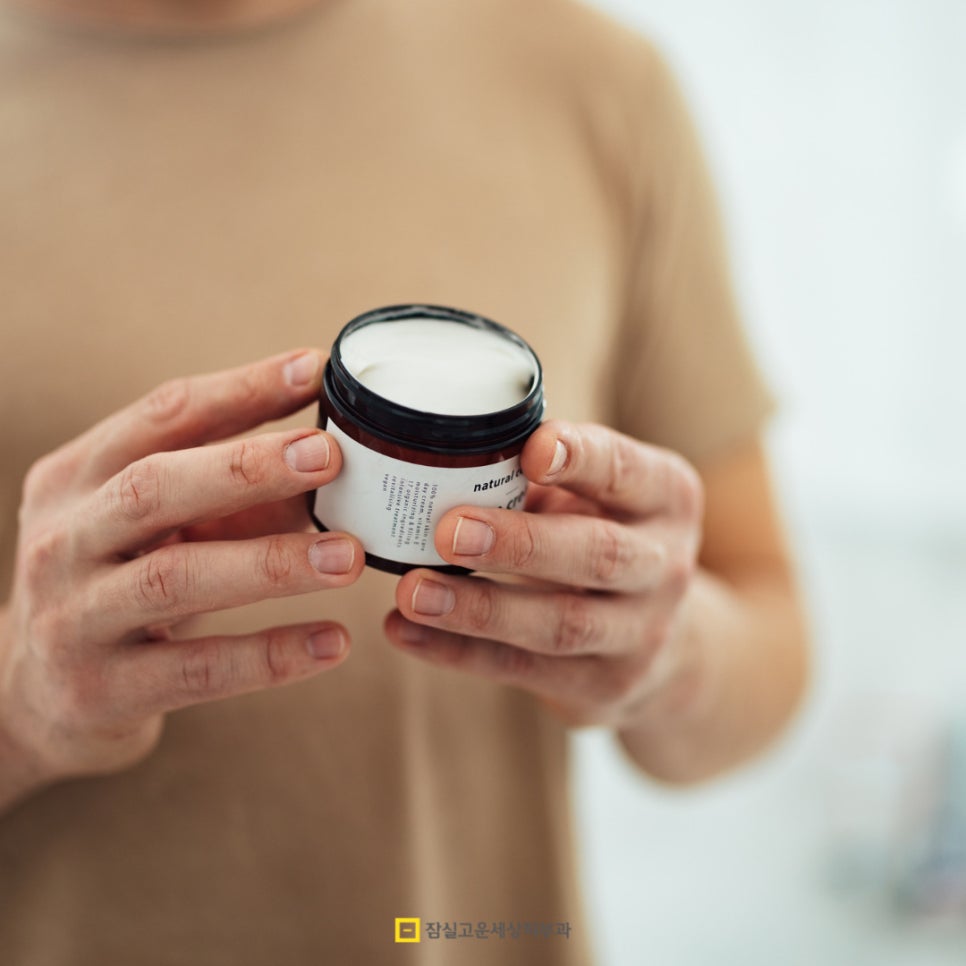
“Did you hear about a friend who said a cute pair of colored contacts could completely change the vibe, but then their eyes became itchy and red?”
Among teen beauty trends, colored contact lenses and eyelash extensions are appealing, but unverified products can cause conjunctivitis, keratitis, or contact dermatitis, so extra caution is needed.
When choosing makeup products, first look carefully at the “full ingredient list” printed on the outside of the container, leaving not a single character unchecked. After reading the instructions and precautions thoroughly, it is safest to actually do a skin test.
Apply a small amount behind the ear or on the inside of the arm and check for 24 hours to make sure there are no adverse reactions such as redness, itching, or swelling, then use it on the main area.
If preservatives such as parabens or dibutylhydroxytoluene (BHT) are included in excessive amounts, or if alcohol or fragrance is added, the product may irritate sensitive teen skin. It is better to choose products labeled “low irritation” or “fragrance-free” with low concentrations or no added fragrance. By choosing products a little more carefully like this, you can enjoy makeup safely without skin problems.
- Thorough cleansing and tool hygiene
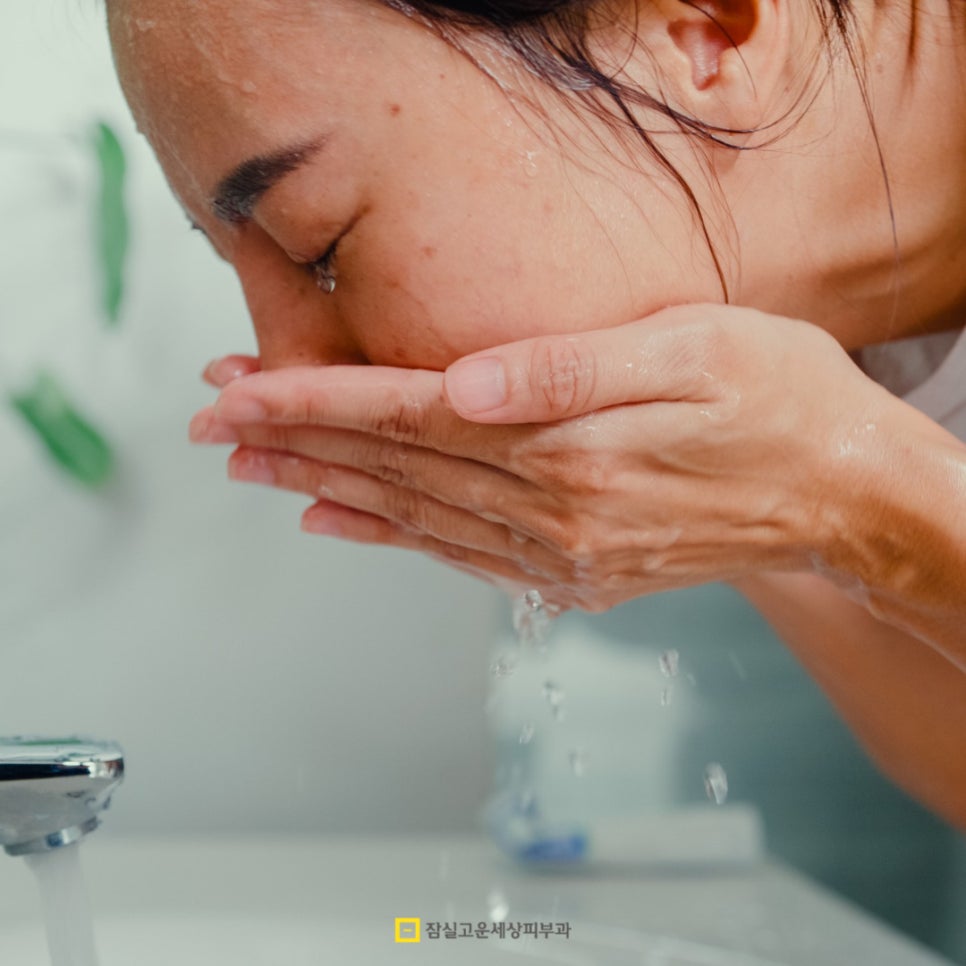
“Have you ever stood in front of the mirror in the morning and felt uneasy because it seemed like makeup residue from the night before was still left on your skin?”
If makeup and impurities remain in your pores, they can encourage breakouts and interfere with skin renewal, so cleansing is the most important first step.
First, use a cleansing oil or cleansing gel to gently dissolve base makeup and color cosmetics. At this time, gently massage the product over the entire face to fully break down cosmetic particles, then lightly rinse with lukewarm water.
Next, use a mildly acidic cleanser to work up enough foam and do a second cleanse. By removing impurities thoroughly in these two steps, you can minimize skin irritation while also washing away residue deep within the pores.
The hygiene of tools such as makeup brushes and puffs is just as important as cleansing. Remaining foundation and blush residue after use can cause bacteria to multiply, so wash them thoroughly with detergent at least once a week and let them dry completely.
These small habits add up and can greatly help you maintain clearer, healthier skin without breakouts.
 4) Restoring hormonal balance through lifestyle habits
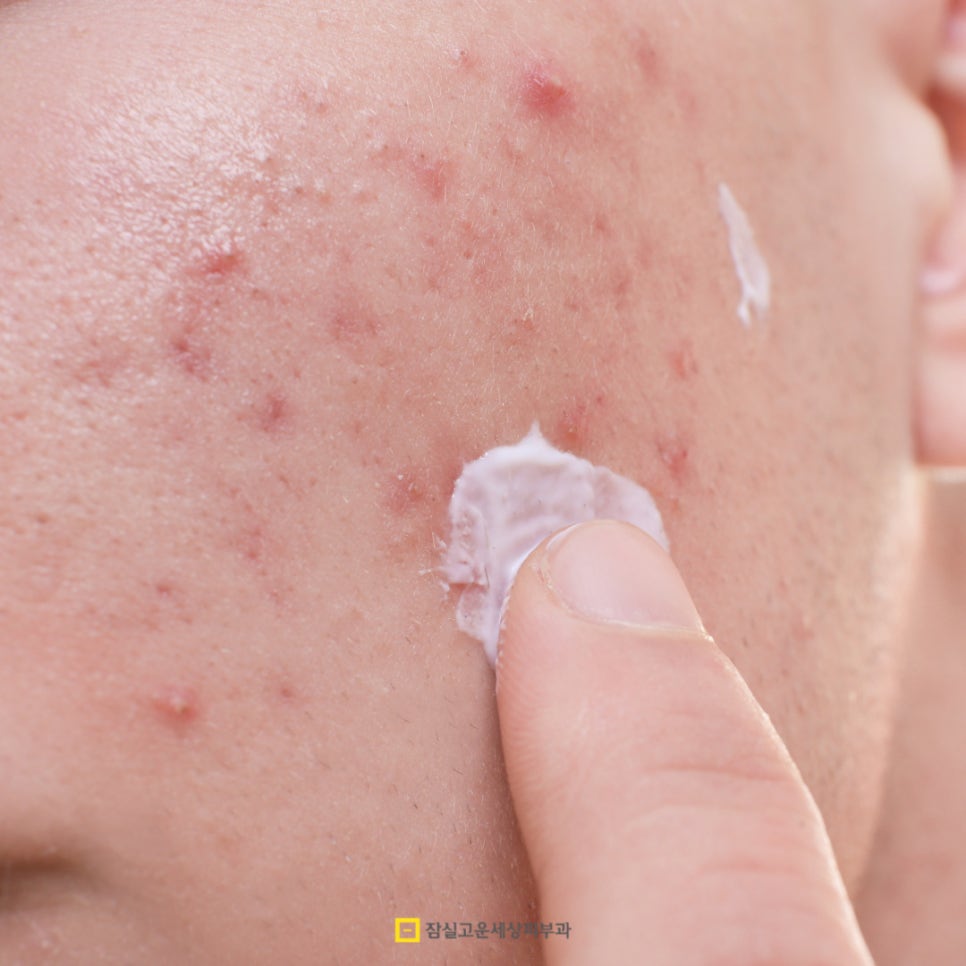
“Your skin has plenty to say if you’re eating late-night convenience store lunch boxes and energy drinks for meals and not getting enough sleep because you’re finishing homework.” Irregular meals and nutritional imbalance centered on instant foods can increase secretion of cortisol, the stress hormone, stimulate the sebaceous glands, and worsen acne.
4) Restoring hormonal balance through lifestyle habits
“Your skin has plenty to say if you’re eating late-night convenience store lunch boxes and energy drinks for meals and not getting enough sleep because you’re finishing homework.” Irregular meals and nutritional imbalance centered on instant foods can increase secretion of cortisol, the stress hormone, stimulate the sebaceous glands, and worsen acne.

To prevent this, a balanced diet centered on vegetables and fruits is essential.
Foods rich in vitamins and minerals help skin cell renewal and suppress inflammation through antioxidant action. Be sure to drink at least 1.5 to 2 liters of water a day to maintain your body’s hydration balance.
In addition, to protect the “golden time for skin renewal,” when growth hormone is most actively secreted from 10 p.m. to 2 a.m., getting 7 to 8 hours of sleep is important. To create a regular sleep pattern, reduce screen use before bed and try relaxing breathing methods in a dark environment.
Lastly, consistent stress management is a shortcut to improving skin recovery.
Practicing relaxation activities such as a light walk, stretching, or meditation for 10 minutes every day lowers cortisol levels and naturally eases skin inflammation. When you take care of meals, sleep, and stress together like this, your internal balance will improve and skin troubles will noticeably decrease.
- Makeup-free days and thorough UV protection
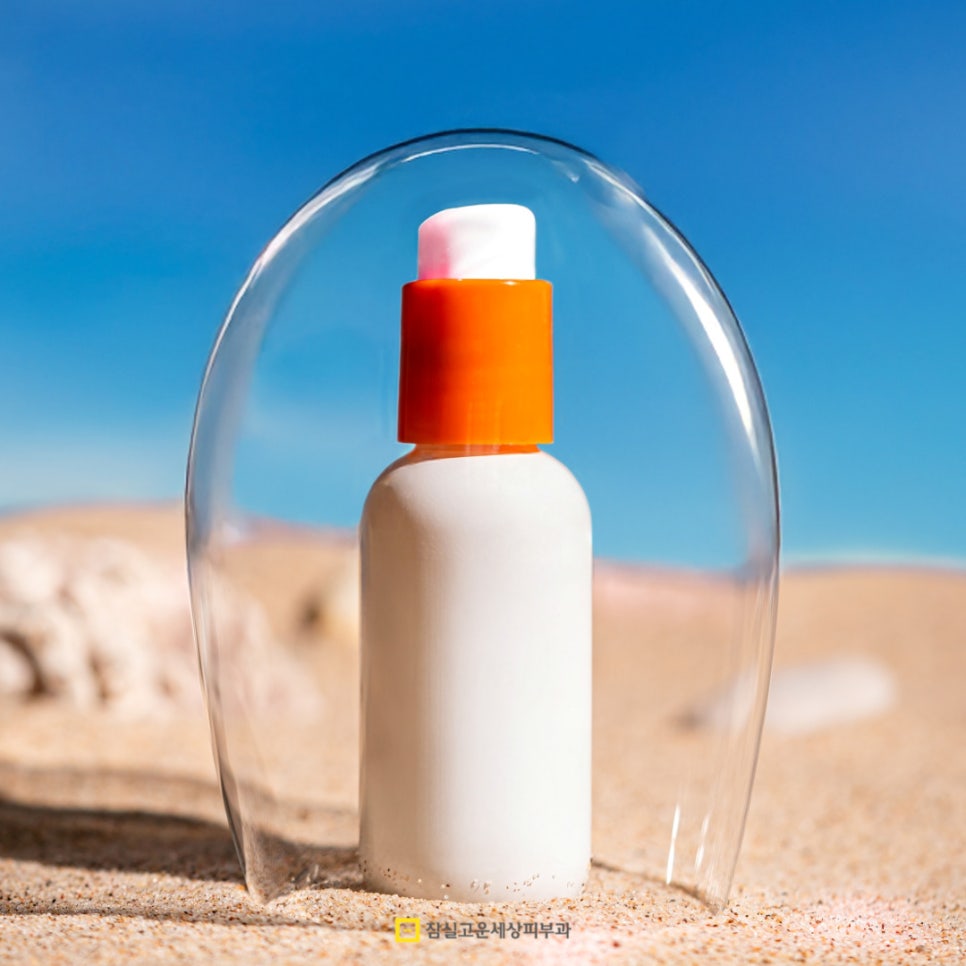
“If full makeup becomes a habit, your skin may start to feel exhausted too.”
If you cover your skin with makeup every day, sweat and sebum in the pores cannot escape, so breakouts repeat and the skin barrier recovers more slowly.
Set aside 1 to 2 “no-makeup days” per week. On these days, skip all color makeup and give your skin a rest so it can breathe and renew itself naturally.
Sunscreen is also a step you must not leave out.
Apply a product with SPF 30 or higher and PA+++ evenly to the face and neck at least 30 minutes before makeup. UVB causes burning, while UVA causes collagen breakdown and pigmentation inside the skin, so reapplying every 2 to 3 hours is recommended to maintain protection.
By reducing skin burden with makeup-free days and making sunscreen part of your routine, you can protect teen skin health without acne scars or hyperpigmentation.

Teen skin,
Care built one step at a time
Teen skin needs more careful care because of excessive sebum secretion caused by hormonal changes, a skin barrier that is not yet fully developed, and the high concentration of active ingredients in adult cosmetics that are sometimes used without much thought.
-
Understand teen skin sensitivity and start with low-irritation, low-concentration products suited to your skin type.
-
Read product labels to check paraben and BHT content, and choose products that are alcohol-free, fragrance-free, and low-irritation.
-
Maintain thorough cleansing and tool hygiene to completely remove makeup residue, and wash brushes and puffs once a week.
-
Balance cortisol and growth hormone through meal, sleep, and stress management, and keep a diet centered on vegetables and fruits with 7 to 8 hours of sleep.
-
Set 1 to 2 makeup-free days per week, and reapply sunscreen (SPF 30+, PA+++ or higher) every 2 to 3 hours.
As you steadily practice these five principles, healthy lifestyle habits will show up in your skin as well, reducing breakouts and helping you regain a firm skin texture. Just like getting back up every time you fall, small changes will accumulate and before long you’ll have confident skin.
Start one by one from today.
Thank you.
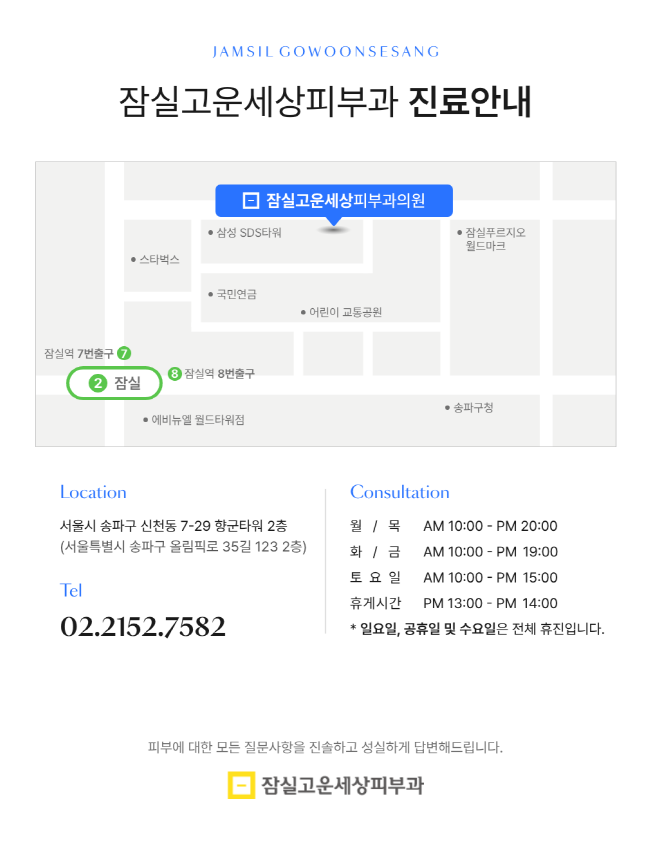
✨Jamsil Gounsesang Dermatology Clinic Directions✨
✨Jamsil Gounsesang Dermatology Clinic Information✨
✨Jamsil Gounsesang Dermatology Clinic Website✨
This article is provided by Jamsil Gounsesang Dermatology Clinic for the purpose of providing medical information in accordance with Article 56, Paragraph 1 of the Medical Service Act. All procedures/surgeries carry the risk of side effects such as bleeding, infection, and nerve damage, so please proceed carefully after sufficient consultation with medical staff.