The first step in managing melasma is
starting with your diet

Hello, this is Jamsil Gounsesang Dermatology Clinic.
In the peak of summer, when the sun shines especially intensely,
many people notice that their skin looks duller
and more blotchy every time they look in the mirror.
In particular, melasma and blemishes are greatly affected by the season,
and as UV rays become stronger in summer, they often
stand out more clearly. In fact, melasma is not just a problem
that stays on the surface of the skin, but a pigment disorder that
reflects signals from the body’s health and lifestyle habits.
Using sunscreen, parasols, hats, and other forms of external protection
can help prevent it to some extent, but in reality,
what you eat has a decisive impact on skin pigmentation.
In summer, sweat and sebum secretion increase, and it becomes easier
for the body to lack water. At times like this, consistently following
a balanced diet full of nutrients can further strengthen the skin’s
natural recovery and defense abilities.
Today, to help you manage melasma more effectively as midsummer arrives
and your concerns grow deeper, we will guide you step by step through
the foods and lifestyle habits you should make sure to include.
This is not just a list of foods that are “good to eat,” but a detailed look
at why these foods help alleviate melasma and how to put them into practice.
If you truly want to change your skin, we recommend starting today
by taking action from the dining table.
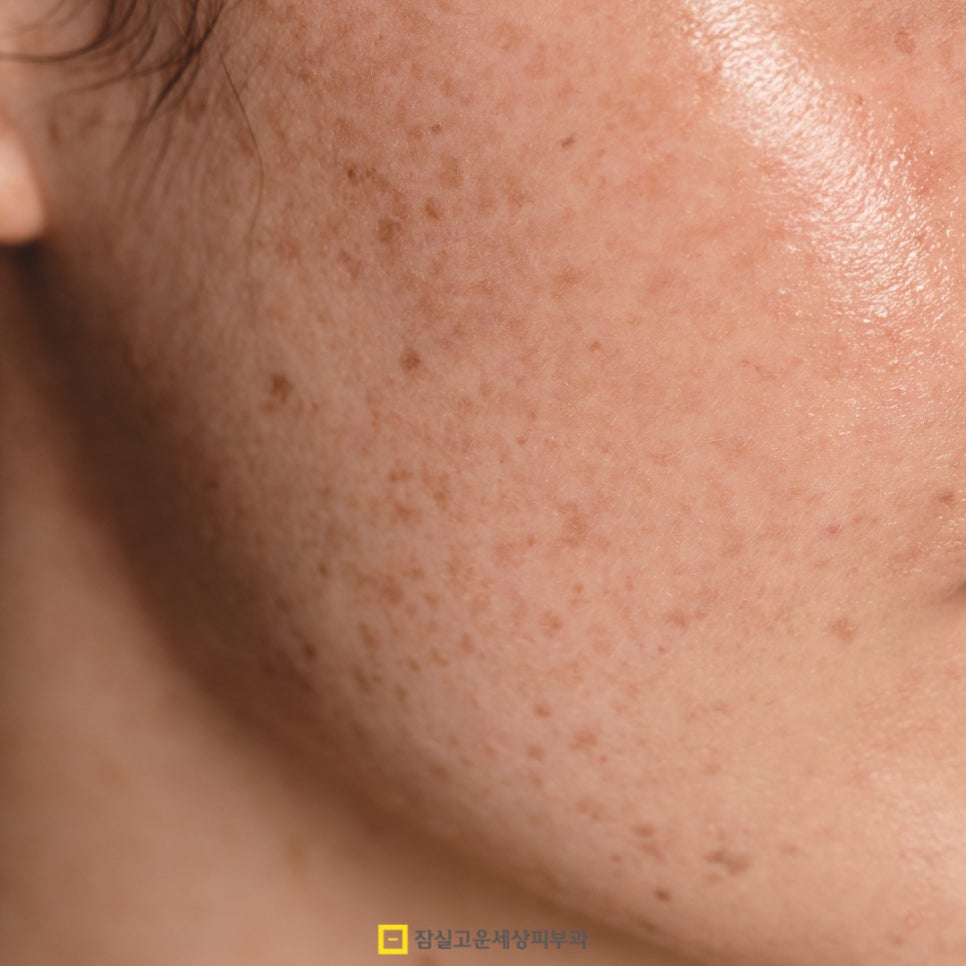
Antioxidant foods, the key to summer melasma care
The intense midsummer sun causes severe oxidative stress on the skin.
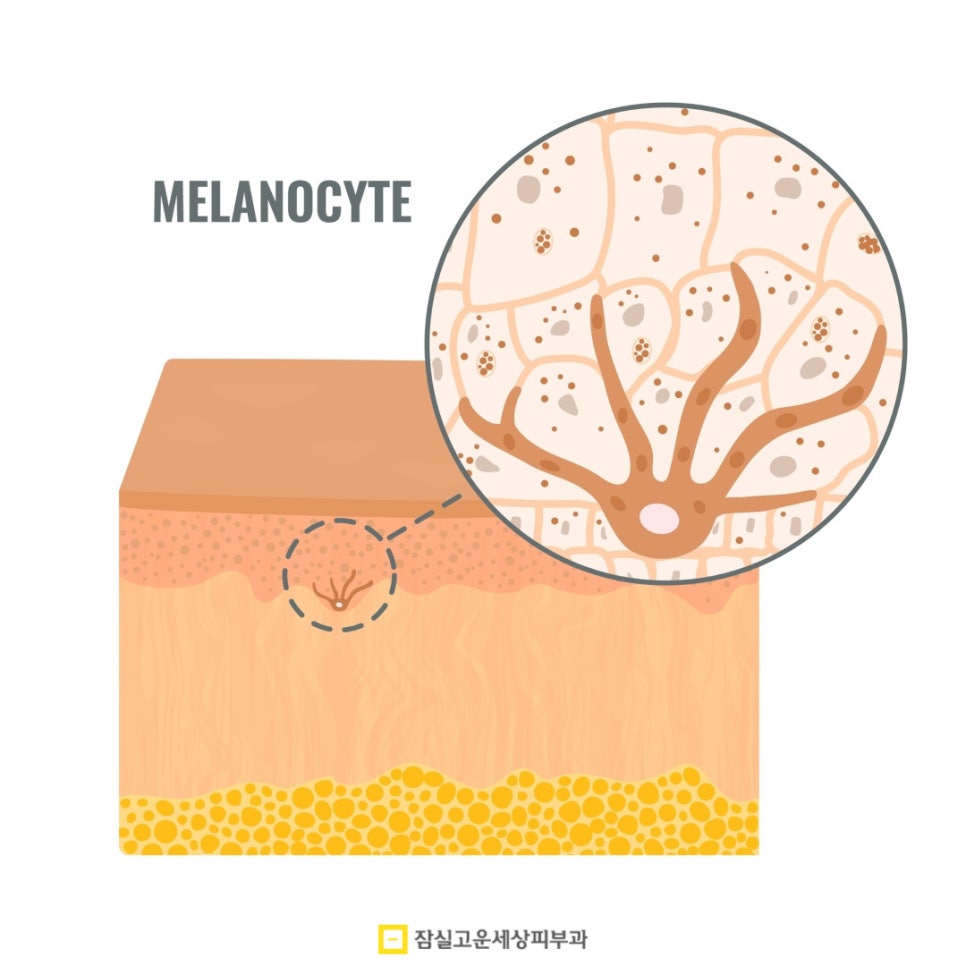
In particular, when UV rays penetrate deep into the skin, melanin pigment
is produced in excess, which is the main reason melasma and blemishes
become darker. At this time, what protects the skin and prevents cellular
damage is antioxidant ingredients.
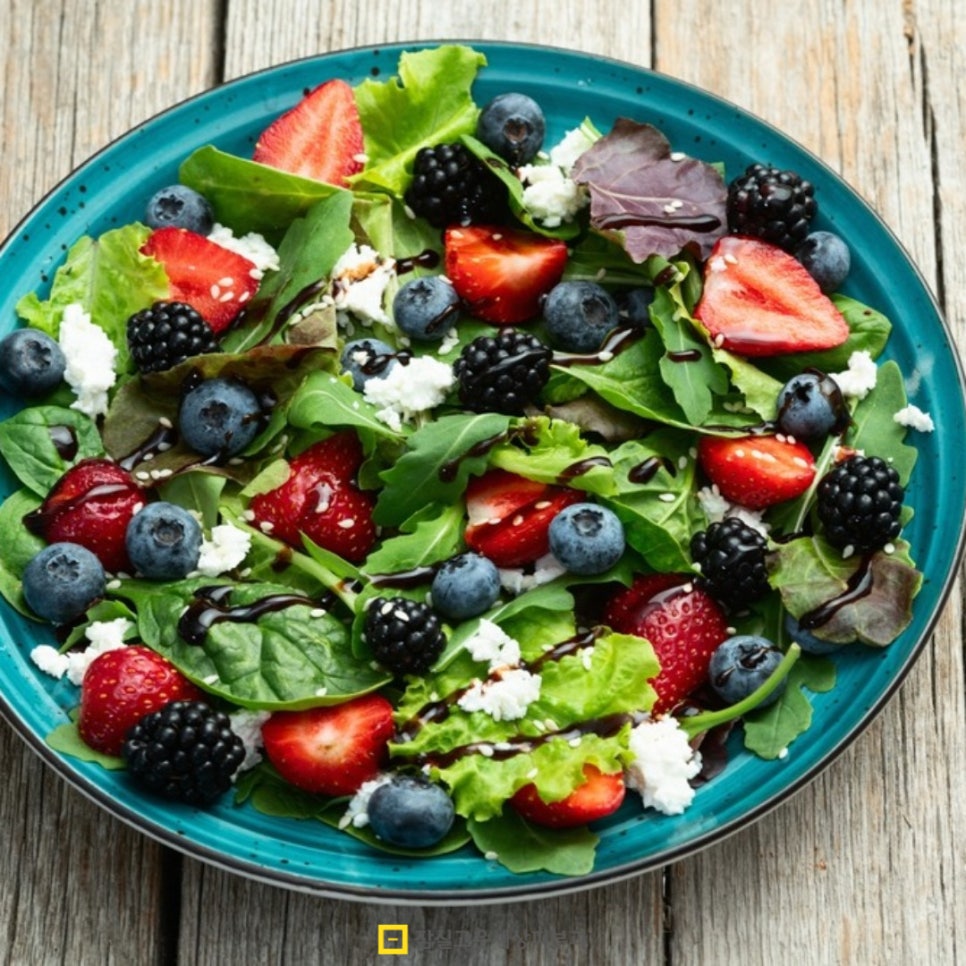
A variety of berries such as blueberries, strawberries, and raspberries
are rich in vitamin C and anthocyanins, powerful antioxidants,
and they greatly help make the skin tone clearer and brighter.
When consumed consistently, they can aid recovery from sun damage
and even help suppress the progression of pigmentation.
Green leafy vegetables such as spinach and kale also contain plenty
of vitamin E and beta-carotene, which help firmly protect the skin
from external irritation. Simply adding them once a day in the form of
a salad or seasoned vegetables during summer can strengthen the skin’s
defense.
Green tea is another summer health drink worth noting.
The catechins in green tea have strong antioxidant effects,
help soothe skin inflammation, and help reduce damage caused by
UV rays. Enjoying it as a cold iced green tea also helps with hydration.
Adding antioxidant-rich foods naturally into your daily diet like this
is the healthy way to reduce concerns about melasma in midsummer.
Vitamin C, the 'key' to melanin suppression
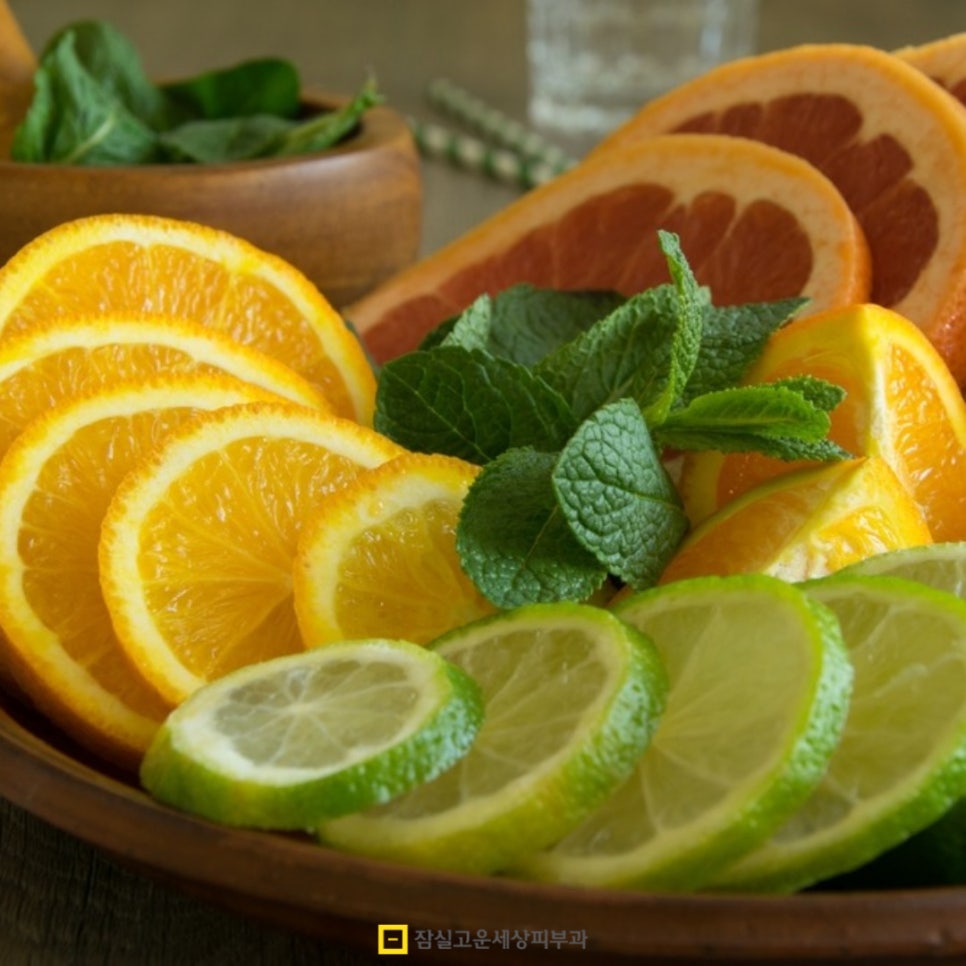
The main reason melasma becomes darker is the excessive accumulation
of melanin in the skin. At this time, vitamin C plays an important role
in effectively suppressing melanin synthesis and reducing existing
pigmentation.
Citrus fruits such as oranges, grapefruits, and lemons are 대표적인
sources of vitamin C in summer. Eating them one piece at a time or enjoying
them as juice can greatly help bring life back to tired skin.
Vegetables rich in vitamin C, such as bell peppers and broccoli, are effective
for keeping skin bright even under the hot sun. Because vitamin C is water-soluble,
it tends to be used up quickly in the body during midsummer, when sweating
and activity increase.
Especially for those who spend a lot of time outdoors, exercise, or are exposed
to the sun during their commute, making sure to include fresh fruits and
vegetables at breakfast or lunch helps prevent and improve melasma.
When melasma is a concern, just as much as external skin care matters,
so does getting enough vitamin C into your body. Developing the habit of
consistently taking in a little every day can eventually become the most
powerful weapon against summer melasma and pigmentation.
Vitamin E, the 'shield' for summer skin
Midsummer UV rays cause microscopic damage to skin cells and can easily
worsen melasma and pigmentation. Vitamin E is a representative antioxidant
nutrient that protects the skin from this kind of damage, and it is essential
for skin regeneration and protection.
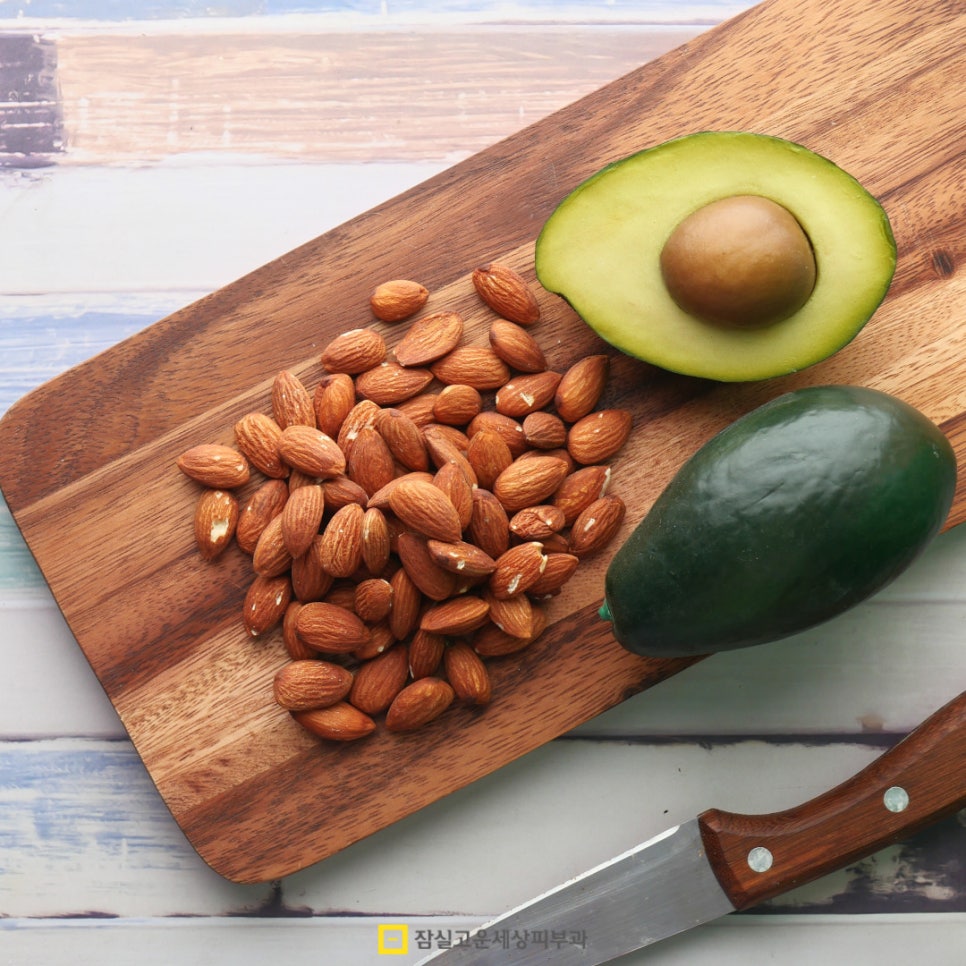
Almonds, sunflower seeds, and avocados are rich in vitamin E and also full of
unsaturated fatty acids, which add healthy radiance to the skin. In particular,
vitamin E forms a protective barrier on the skin’s surface, helping prevent
cell damage and moisture loss caused by UV rays.
Regularly eating a handful of nuts as a snack or adding them to salads or yogurt
can reduce dryness and redness in the skin and make it more resilient to irritation.
Above all, just as consistency is important in skin care, vitamin E also becomes
a reliable support for reducing melasma and maintaining healthy skin when small
habits of taking it daily build up over time.
If you want to protect your skin even under the summer sun, do not neglect your
vitamin E intake every day. Such careful effort creates visible changes in the
skin over time.
Omega-3, the secret to summer skin that resists irritation

In summer, skin can become more sensitive not only because of UV rays,
but also due to various external irritants such as temperature changes,
sweat, and masks. Omega-3 fatty acids are known as nutrients that suppress
inflammatory responses in the skin and strengthen the skin barrier.
Blue-backed fish such as salmon, mackerel, and tuna are 대표적인 sources
of animal-based omega-3. Consistent intake can help reduce redness, blemishes,
and minor inflammation caused by UV exposure. Plant-based omega-3 should
not be overlooked either. Walnuts, flaxseeds, and chia seeds are excellent
alternatives for those who find it difficult to eat fish, and they are also effective
for vascular health and skin hydration.
Omega-3 helps strengthen the connections between skin cells so that skin does
not easily break down under external stress. In fact, there are many anecdotal
reports that consistent omega-3 intake makes skin less sensitive and reduces
trouble.
In summer, if you are worried about melasma, try protecting your skin once more
through a diet rich in omega-3. This small change can lead to healthy skin that
remains stable even as the seasons change.
Zinc, a hidden helper for skin regeneration
In summer, UV exposure increases, and sweat and sebum secretion become more
active, so the skin can easily become irritated and damaged. At this time, zinc is
an essential mineral for skin health, playing an important role in cell regeneration
and wound healing. In particular, when the skin is exposed to irritation or external
damage, sufficient zinc supply helps damaged skin tissue regenerate more quickly
and strengthens the skin barrier.
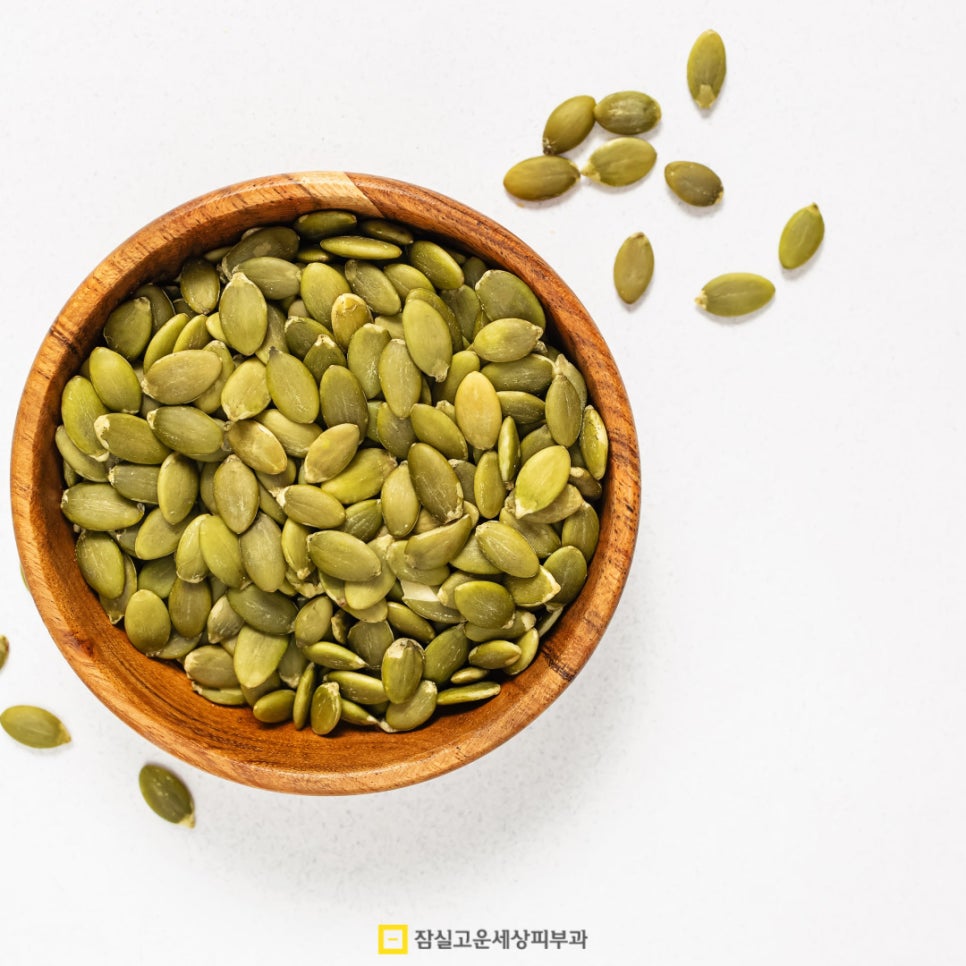
Representative zinc foods include pumpkin seeds, oysters, and legumes such as
chickpeas. Zinc is also closely connected to melanin metabolism, so it can help
prevent and alleviate melasma and pigmentation caused by UV rays. If your skin
easily becomes sensitive in summer and trouble or pigmentation changes occur
frequently, it is a good idea to make sure zinc-rich foods are included in your diet.
Above all, zinc is an essential mineral that the body cannot synthesize, so it must
be obtained through food. Just a small habit, such as a handful of pumpkin seeds
as a snack or adding chickpeas to a salad, can improve skin regeneration and
support melasma care.
If you want to prevent your skin from becoming tired and melasma from darkening
under midsummer UV exposure, make a conscious effort to include zinc. It can
become a key nutrient that helps with both skin recovery and melanin regulation.
Water-rich fruits and vegetables, the foundation of summer skin
In midsummer, hot weather, UV rays, and the temperature difference between indoors
and outdoors make skin dry easily and increase moisture loss. At times like this,
the first way to keep the skin hydrated from within is to drink enough water.
Of course, drinking water often helps, but including fresh fruits and vegetables
with high water content is also very helpful for skin health.
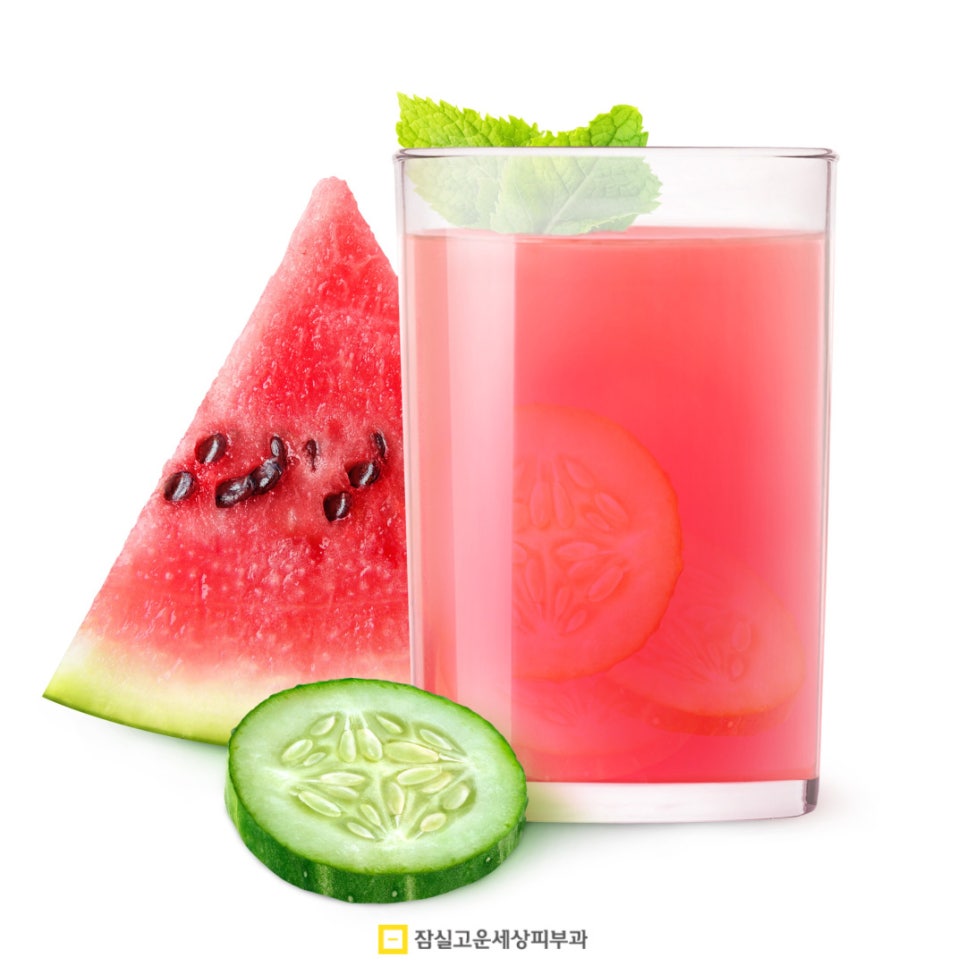
Cucumbers, watermelons, and celery are made up of more than 90% water,
so they help relieve thirst and directly supply moisture to skin cells. In particular,
cucumbers are low in calories but rich in vitamin C and minerals, helping keep skin
clear and firm, while watermelon contains lycopene, a natural antioxidant, which
can also reduce skin stress caused by UV rays.
When the skin is well hydrated, it is easier to maintain transparency and elasticity
on the outside, and it also gains stronger defense against melasma and pigmentation
caused by external irritation or UV rays. If you do not have a good habit of drinking
water in a busy daily routine, you can easily increase hydration by adding cucumber
or celery to your morning salad or including watermelon as a snack.
Summer skin moisture does not last long if you rely only on cosmetics.
The habit of filling yourself up with moisture from the inside through fresh fruits
and vegetables is what can become the first step in preventing melasma and other
skin problems. If you want to keep your skin clear and healthy, start following
a water-rich diet today.
Summer routines for preventing melasma
During the hot summer, melasma and pigmentation are more likely to become
distinct. Daily habits are the key factors that make the biggest difference in skin
health, especially in melasma care. When each practice, such as UV protection,
a proper diet, and thorough cleansing, builds up, you can maintain clear skin
even under the intense midsummer sun.
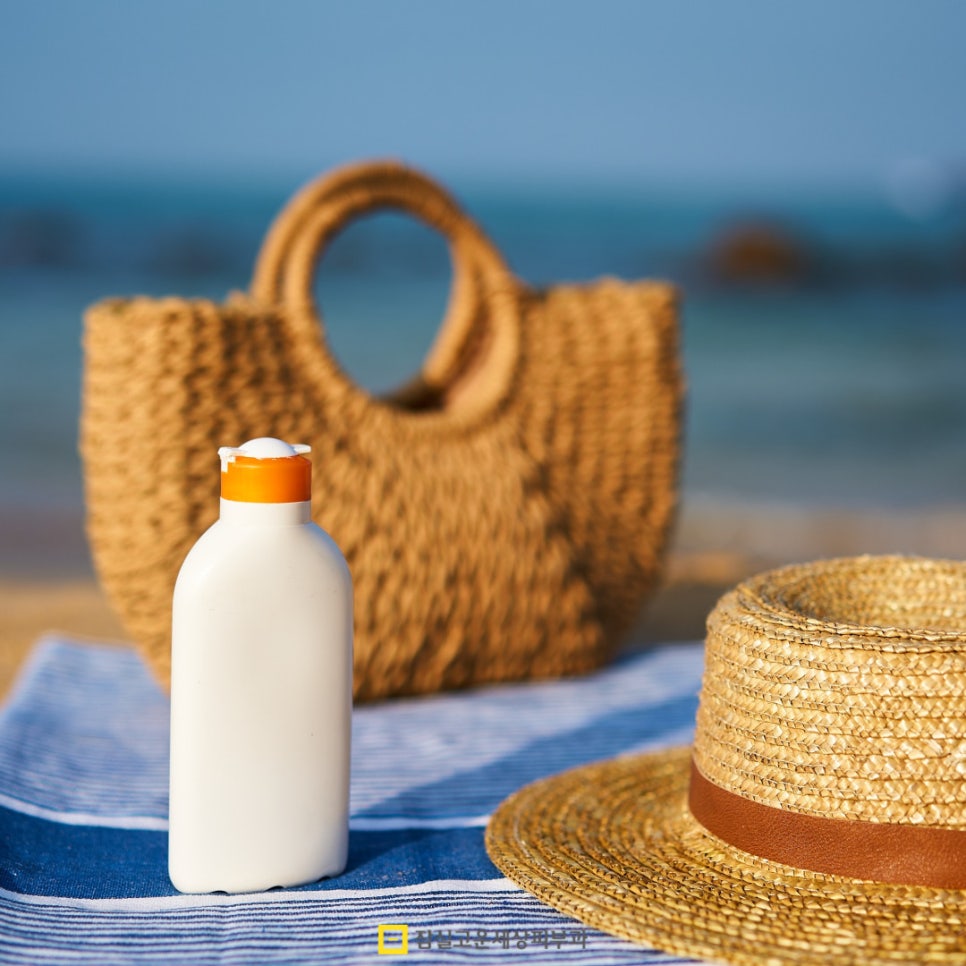
First, before going out, it is basic to apply sunscreen generously.
To effectively block UV rays, the biggest cause of skin aging and melasma,
carefully check the SPF and PA ratings when choosing a product, and spread it
evenly over a wide area. Especially in summer, when sweating, water activities,
and outdoor activities are frequent, reapplication every 2 to 3 hours is important.
One application of sunscreen cannot be expected to provide enough protection
throughout the entire day.
Next, you should also pay attention to your diet.
Fruits and vegetables rich in antioxidants, as well as enough hydration, play a big
role in keeping the skin clear and healthy. They also help recover cells damaged by
UV rays and suppress melanin production. Adding nutrients such as omega-3 and
zinc further strengthens the skin barrier, making the skin much less sensitive to
external irritation.

Also, in summer, sebum and sweat increase easily, so thorough cleansing is needed
to prevent waste and makeup residue from remaining on the skin. After gently
washing twice a day with a low-irritation cleanser, you should keep the skin moist
with a moisturizer suited to your skin. If hydration is insufficient, the skin may
become even more sensitive and weaker against irritation, so post-cleansing
moisture care should not be neglected.
Preventing melasma starts not with special efforts, but with small actions repeated
in daily life. If you consistently practice these four essentials—UV protection,
hydration, antioxidant nutrients, and thorough cleansing with moisturizing—it will
be a great help in maintaining bright, even skin even in midsummer.

Midsummer melasma prevention starts with
'small choices in daily life.'
The intense summer UV rays affect the skin deeply and can easily worsen melasma
and pigmentation. But one fact many people overlook is that the key to managing
melasma starts with the small habits and dietary choices repeated every day.
Melasma does not disappear overnight simply by blocking it from the outside.
Melanin production and cellular damage inside the skin gradually accumulate based
on what foods you usually eat, how much water you drink, and how well you protect
your skin from UV rays.
In particular, foods rich in antioxidant nutrients, vitamin C, vitamin E, omega-3,
and zinc have been scientifically proven to help keep skin clear, so it is necessary
to make a more conscious effort to include them during midsummer.
When this is combined with basic care such as sunscreen use, thorough cleansing,
moisturizing, and hydration, the skin gradually shows healthy changes.
If you find yourself sighing in front of the mirror more often because of melasma,
try changing your diet and habits little by little starting today. Even if noticeable
changes are not felt right away, consistency will build up and create clear, healthy
skin that is not afraid of the strong midsummer sun.
Your skin remembers your daily choices.
This summer, the moment you begin building your own skin health routine will
promise you a more confident tomorrow.
Thank you.
▼ Directions to Jamsil Gounsesang Dermatology Clinic ▼
▼ Jamsil Gounsesang Dermatology Clinic Treatment Information ▼

▼ Jamsil Gounsesang Dermatology Clinic Homepage ▼
This article was provided by Jamsil Gounsesang Dermatology Clinic to share medical information in accordance with Article 56, Paragraph 1 of the Medical Advertising Act. All procedures/surgeries carry the risk of side effects such as bleeding, infection, and nerve damage, so please proceed carefully after sufficient consultation with medical professionals.