Acne,
Not Just a Simple Breakout,
But a Signal from Daily Life
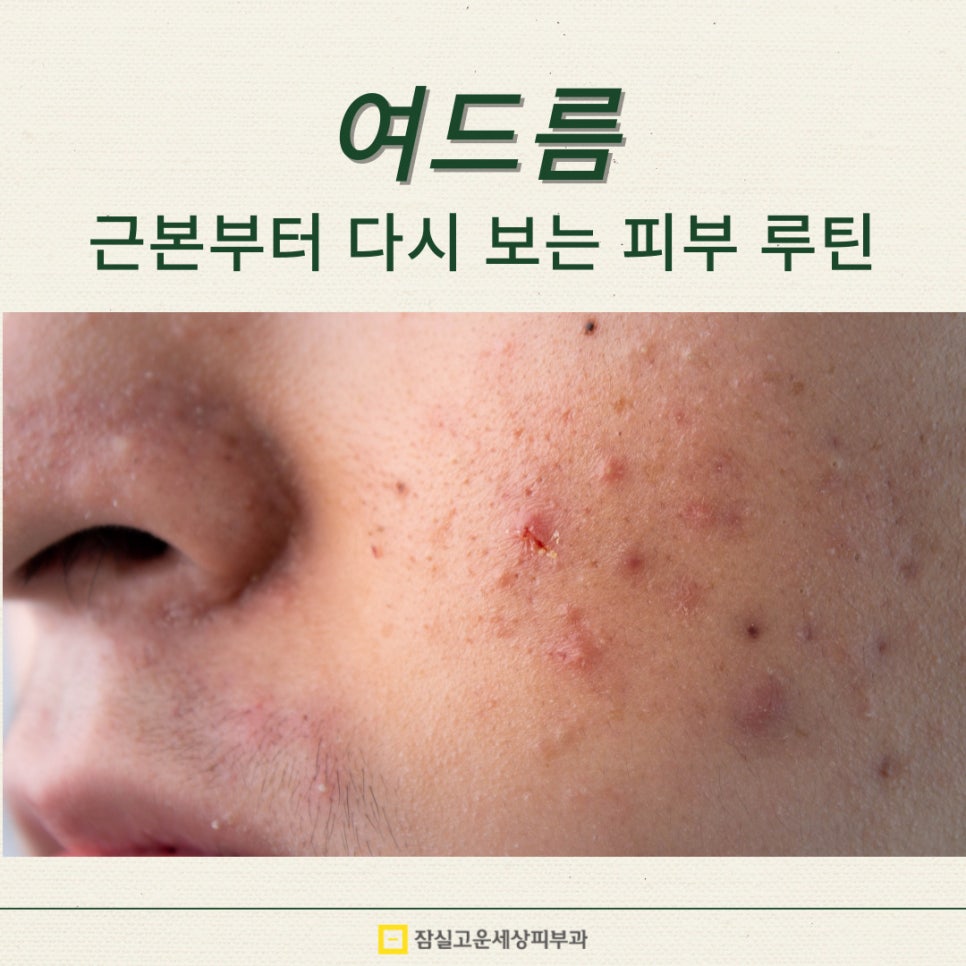
When the weather suddenly changes or a small change in your daily routine
comes along, have you ever felt that your skin reacts especially sensitively?
If you have acne-prone skin in particular, you will likely feel these changes
more strongly.
Acne is such a common skin concern that many people think of it as just a
simple breakout that clears up for a while and then comes back again. But in
reality, acne is not just a problem that happens on the surface of the skin.
That is because it is a complex signal that reflects the balance deep within
the skin, as well as our lifestyle habits.
Many people dealing with acne may wonder, “Why does it keep recurring so
often?” or “Why did it get worse again this time?” Rather than judging the
signal your skin sends only from the outside, you need to look carefully at the
underlying causes and also examine your own lifestyle patterns and habits.
Today, I will go through acne from the beginning, the factors that worsen it,
and practical management methods you can apply in daily life, step by step. If
you want to find the most realistic and systematic way to care for your skin,
I recommend reading this slowly.
- Start by checking the main causes of acne
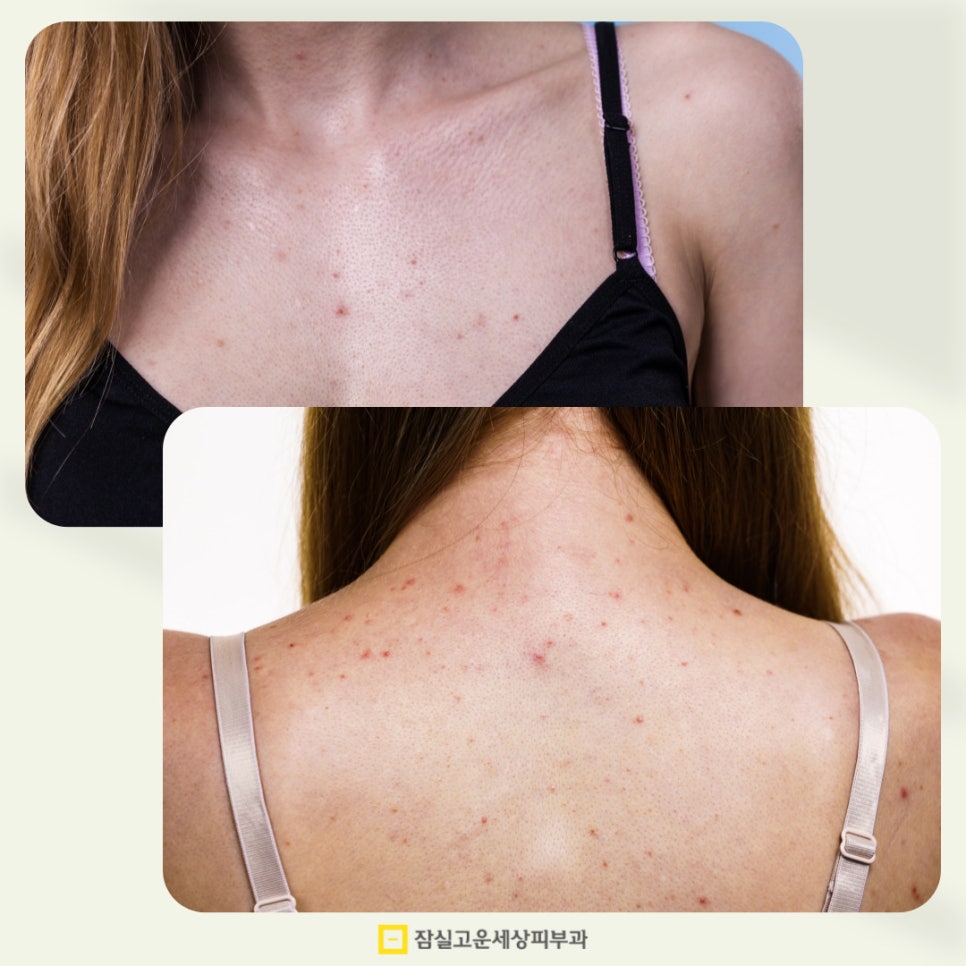
The root of acne: taking a close look at the causes first
Acne is a skin concern that can affect anyone, but there are times when it
feels much more severe than usual. It often appears on areas with developed
sebaceous glands such as the face, back, and chest, and this is by no means a
coincidence.
In fact, acne is not a skin condition that can be explained by a single cause.
It results from a combination of internal factors such as hormonal changes,
stress, and lack of sleep, as well as external factors such as improper
cleansing habits, fine dust, and skin friction caused by masks.
How busy you are in daily life, whether you have been sleeping well lately, or
whether you wore a mask for long periods on days with a lot of fine dust can
also affect acne worsening.
In particular, during seasonal transitions when the weather changes, the skin
produces more sebum and dead skin cells in order to adapt to the changing
environment, and in the process, waste materials accumulate more easily.
Eventually, the waste and sebum left inside the pores create an environment
where acne-causing bacteria can multiply, and small inflammation can begin
easily.
If skin troubles have become more frequent than usual, it is important not to
look only at the symptoms on the surface, but to check your lifestyle habits,
the surrounding environment, and your skin condition once again.
You should remember that acne is not only a skin issue, but a signal that is
connected to your overall physical condition and even the small habits of daily
life.
- Acne,
Do not touch it carelessly first
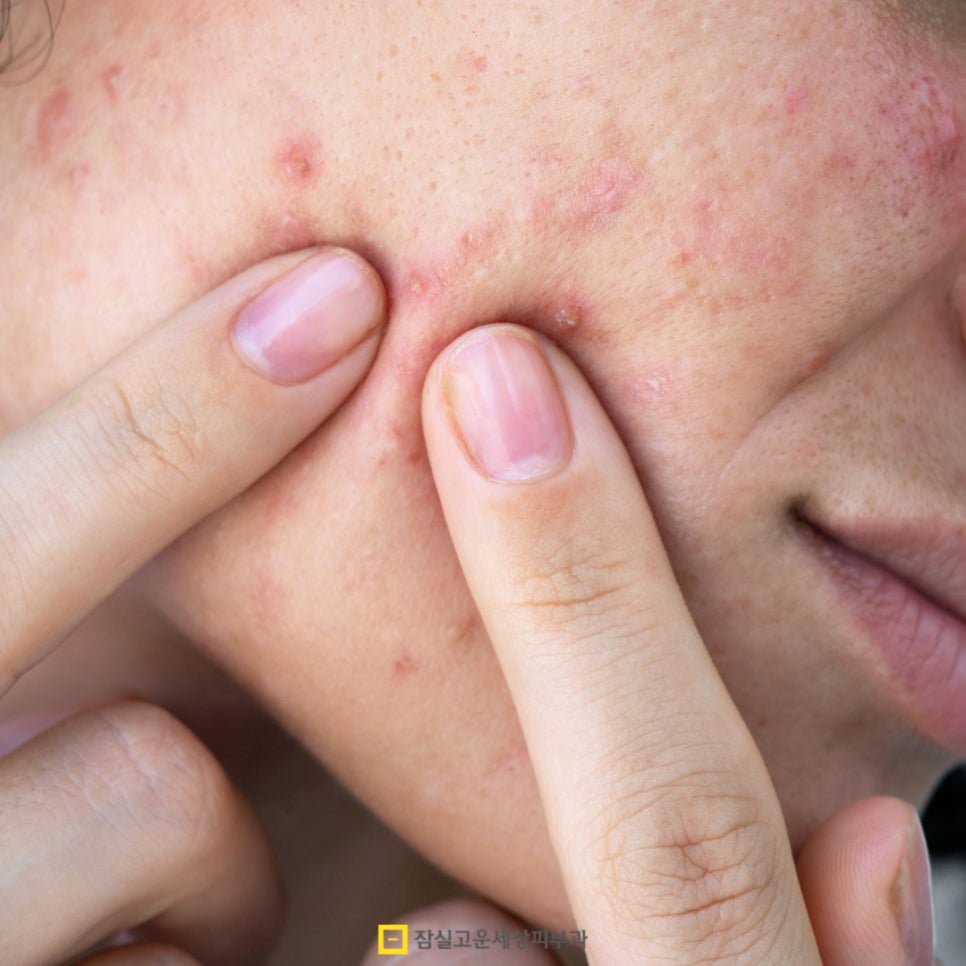
Acne: the moment you touch it yourself, it can start a vicious cycle instead
When acne becomes visibly inflamed, it is easy to think, “This is something I
can handle myself.” But the moment you squeeze it with your hands or rely on
home remedies, your skin may react more sensitively. In fact, while manual
extraction or incorrect treatment may seem to bring brief relief, the result can
be a greater burden on the skin, such as the spread of inflammation, scars, and
pigmentation.
Especially when acne is squeezed excessively, the “core” inside—the source of
sebum and inflammation—may not be completely removed, making recurrence in
the same area more likely. Through this process, the deep tissue of the skin is
often damaged, so rather than being just a simple breakout, it can leave deeper
and darker marks over time.
You should keep in mind that the desire to resolve it quickly on your own may
actually worsen the skin condition and make treatment more complicated. When
acne appears, the most important first step is to avoid touching it carelessly and
minimize the burden on the skin.
Do not forget that thinking about long-term healthy skin, rather than a
short-term fix, is the best choice for your skin.
- Skin type,
Customized treatment based on symptoms
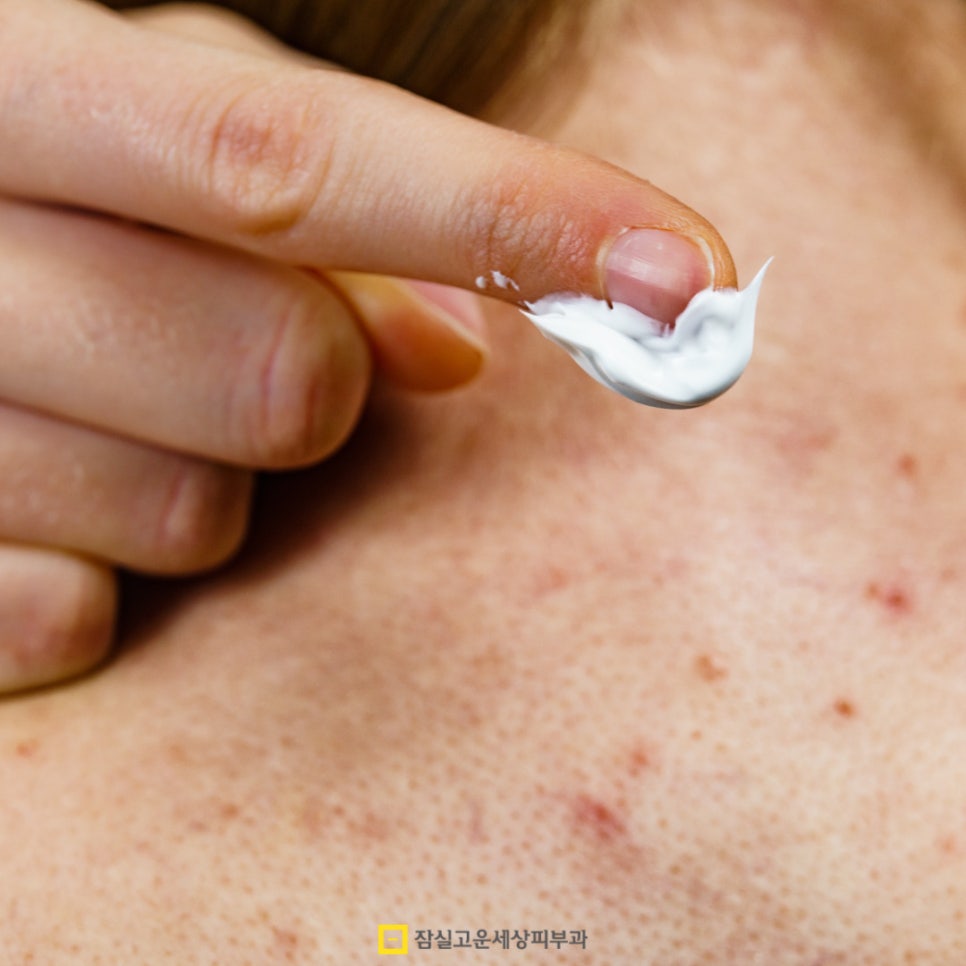
Acne is not simply a problem of sebum alone.
Multiple factors act at the same time, such as hormonal imbalance, excessive
sebum production, reduced immunity, cleansing habits, and friction caused by
masks.
Depending on the skin condition, antibiotics for suppressing inflammation,
sebum regulators, topical treatments (ointment), or if necessary, more active
treatment may be used. Above all, since the direction of treatment can vary
depending on skin type, the severity of acne, and lifestyle habits, it is advisable
to consult with medical staff sufficiently and establish a treatment plan that
suits you.
- If seborrheic dermatitis, acne, and facial redness
appear together
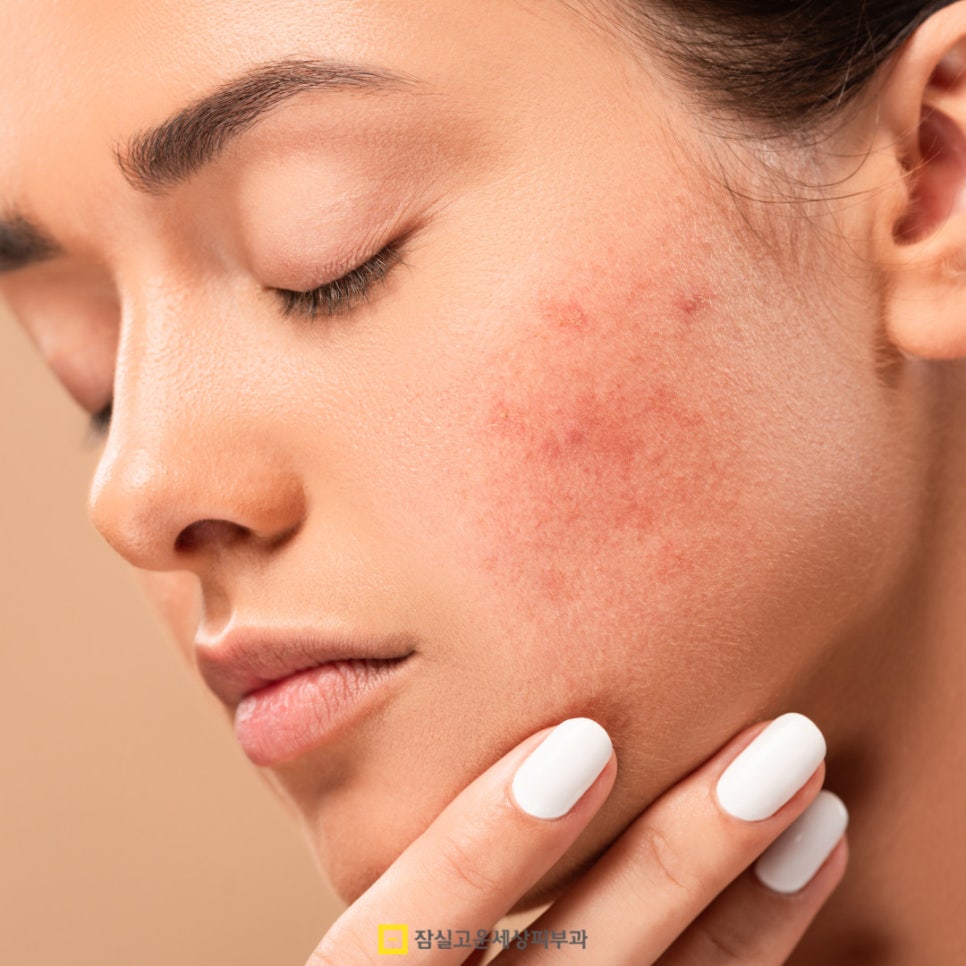
Seborrheic dermatitis, acne, and facial redness that appear together... signs
of complex skin troubles
If acne keeps recurring, your face becomes red easily, or itching and visible
flaking also appear, it may not be just a simple breakout. It may be a sign that
seborrheic dermatitis is also present.
Seborrheic dermatitis appears chronically, especially on the forehead, around
the nose, chin, scalp, and behind the ears, where sebum production is high,
and like acne, it often causes bumps and is accompanied by heat and persistent
redness. If itching or flaking also repeat, it may be a sign that the balance in
the skin has been disturbed even more.
These complex symptoms are not easily improved just by focusing only on acne
or temporarily changing several cosmetic products.
In particular, cosmetics containing irritating ingredients, excessive exfoliation,
and cleansing too frequently can instead weaken the skin barrier further and
cause inflammation to worsen.
At times like this, it is necessary to carefully review your usual lifestyle habits
and reduce one by one the elements that irritate the skin.
If multiple skin symptoms appear together, you should remember that it is time
to reconsider the overall condition and balance of the skin, not just a simple
breakout. Not overlooking the various signals your skin sends and checking the
causes one by one can be the starting point for healthy skin recovery.
- The basics of skin care,
Resetting lifestyle habits
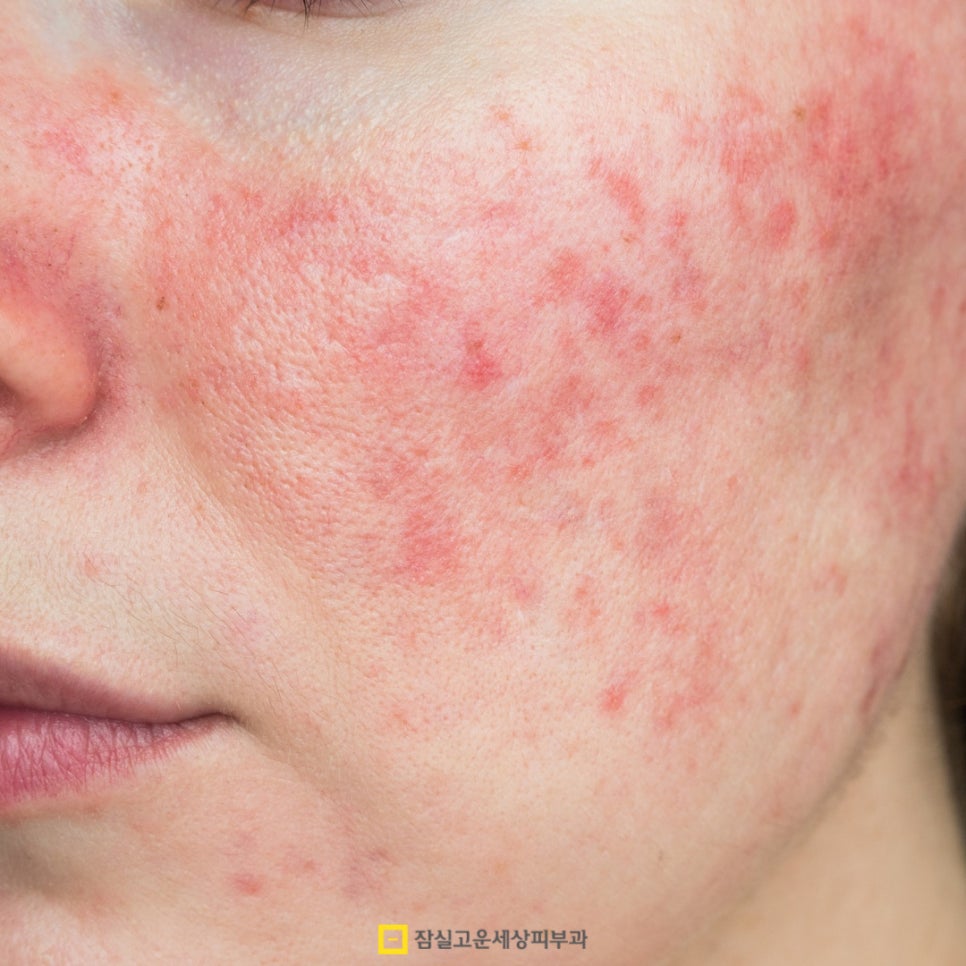
The foundation of skin problems such as acne and seborrheic dermatitis is
“reducing irritation.”
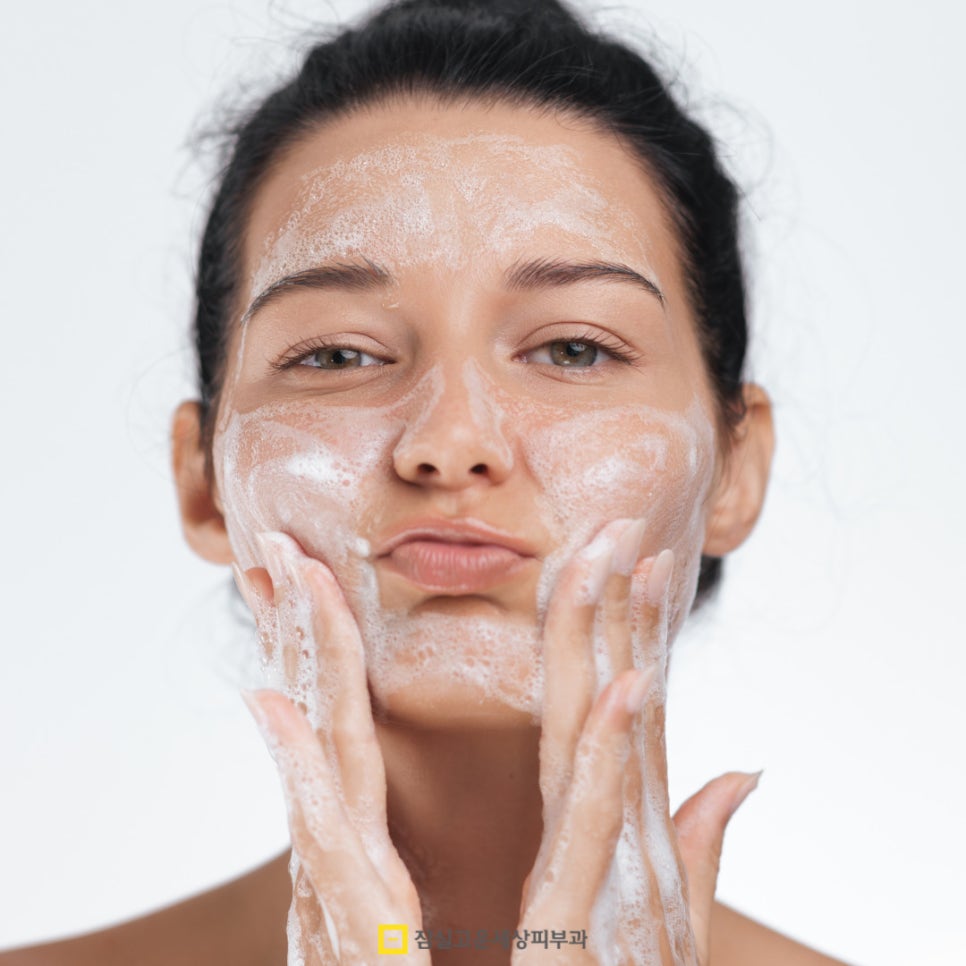
It is best to cleanse gently twice a day with a mildly acidic cleanser and avoid
excessive exfoliation and irritation.
If you neglect moisture supply, your skin may actually increase sebum
production and throw off balance, so it is good to use a light, refreshing
moisturizing cream or a soothing essence.
Also, oily foods, wheat-based foods, sugar, fried foods, alcohol, and smoking
can promote sebum production and inflammation, so dietary adjustments must
be done at the same time. Sleep and stress management are also key factors that
help the skin recover.
- Skin is a record of habits
The skin remembers habits; the real change in acne starts with a routine
Acne is not just a short-term breakout that appears and disappears depending
on the condition of the day, but the result of habits accumulated every day and
the balance within the skin being revealed.
If you let your guard down even a little or repeat poor habits, the skin will
respond immediately and send signals in the form of new breakouts. On the
other hand, if you manage it systematically and continue customized treatment
and practical daily habits consistently, even if the changes seem small at first,
the skin will gradually begin to change before you know it.
What matters in acne treatment and care is not being obsessed only with the
“right now” results, but faithfully following a routine that suits your skin type.
Even if you do not see changes in your skin today, steady effort will eventually
build up and at some point your skin will have changed into healthier skin.
Do not think of acne as just a simple skin issue; you need a change in
perspective to accept it as a signal from your body about daily life. In the end,
I want to emphasize once again that the fundamental change that restores skin
balance and health begins with setting the basics right.
Small changes in habits accumulate and change tomorrow’s skin.
The actions you start now can create the biggest changes.
Acne care, today’s choice
creates tomorrow’s skin.
Many people dealing with acne have likely had moments when they looked in
the mirror and thought, “When will it get better?” or “Do I really need to care
this much?”
But acne is by no means something to hide or brush off lightly.
Because the skin is a mirror that reflects all the signals of the body and daily
life, rather than focusing only on eliminating the visible breakout, you need to
calmly look back on why your skin changed and what habits and environments
led to repeated breakouts.
Above all, incorrect extraction, irritating home remedies, or indiscriminate
washing may seem like temporary solutions, but in the end, they only disturb
the skin’s balance further. The starting point of acne care is to look at your skin
objectively and steadily correct each lifestyle habit and care method one by one.
Even if dramatic changes do not come in a single day, a routine faithful to the
basics and steady effort will eventually change the texture of your skin.
The skin never forgets the small choices you make every day. Even if there are
no immediately noticeable results, the mindset of caring for yourself more today
and finding the real rest and balance your skin needs will be the starting point
of positive change. Do not struggle alone anymore. If needed, I recommend
building your own healthy routine one step at a time with expert advice.
Acne is never something to be ashamed of, nor something you have to endure
alone. If you continue taking time to care for yourself more and repeat
customized practices suited to your skin, one day you will be able to face the
mirror and see skin with a confidence unlike before.
The journey of acne care starts again from this moment.
Thank you.
↓ Directions to Jamsil Gounsesang Dermatology ↓
↓ Jamsil Gounsesang Dermatology Clinic Guide ↓
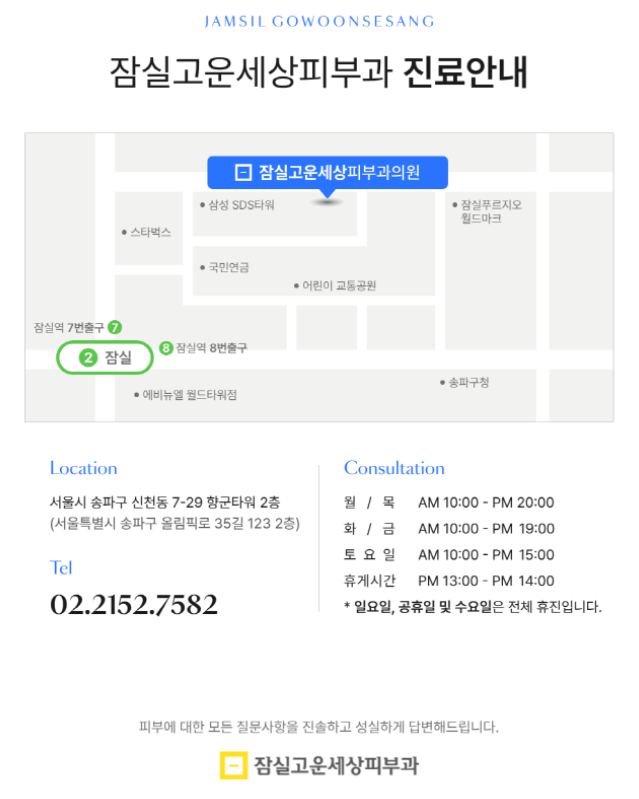
↓ Jamsil Gounsesang Dermatology Homepage ↓
This article is provided by Jamsil Gounsesang Dermatology for the provision of medical information in accordance with Article 56, Paragraph 1 of the Medical Advertising Act. All procedures/surgeries carry the risk of side effects such as bleeding, infection, and nerve damage, so please proceed carefully after sufficient consultation with medical staff.