To Protect Your Skin Health
Avoid “this food” as much as possible!

Hello, this is Jamsil Gounsesang Dermatology Clinic!
Skin health is shaped by what you eat.
As the weather gradually gets hotter and the summer sun grows stronger, many people find that every time they stand in front of the mirror, their skin concerns deepen—from small blemishes to oiliness and dryness.
Especially in an era when eating out, convenience meals, and sweet snacks have become part of everyday life, what you eat has become just as important as skin care in determining the condition of your skin.
Even if you use good cosmetics and take care of your skin carefully, you may have realized at least once that it is hard to expect healthy skin if your diet is not properly supporting it. In fact, healthy skin means more than just the absence of trouble; its natural glow and elasticity need to be intact.
To achieve this, it is basic not only to manage your skin in a way that suits it, but also to avoid eating habits that place a burden on the skin.
Today, I will specifically explain three foods you should definitely keep away from in daily life for the sake of skin health. Small changes in eating habits can be the beginning of protecting your skin.
- Flour and gluten-containing foods

“How do flour and gluten affect the skin, and why should we be careful?”
Bread, ramen, pizza, snacks, and many other foods we eat often contain flour. Flour contains a component called gluten, and this gluten can be the main cause of skin problems.
First, when you consume a lot of gluten, inflammation can occur in the intestines.
According to a 2018 paper published by the International Society of Dermatology, gluten can weaken the intestinal barrier in some people, and as a result, inflammatory substances in the body can spread throughout the bloodstream.
When inflammation increases in the body like this, the skin’s defense power also weakens, making various skin problems (acne, pimples, red patches, and so on) easier to develop or worsen.
Another important point is that flour-based foods quickly raise blood sugar.
When blood sugar rises quickly, the body secretes more of the hormone insulin, and this insulin stimulates the activity of the skin glands that produce sebum (oil), making pores clog more easily and acne more likely to develop.
In fact, a 2016 paper from the American Society for Nutrition reported research results showing that “people who frequently eat foods that raise blood sugar quickly, such as white bread and sweets, are more likely to develop acne.” In other words, it is not simply that “eating a lot of bread makes you gain weight”; it clearly affects the skin as well.

In summary, flour-based foods and gluten affect the skin in two ways.
First, they weaken skin defense by disrupting gut health and immunity, and second, they stimulate insulin and increase sebum production, which can lead to more frequent acne, pimples, and red breakouts.
So if your skin is sensitive or acne keeps recurring, reducing flour- and gluten-containing foods more than usual and switching to foods that digest slowly and are less irritating, such as rice, sweet potatoes, and vegetables, can be very helpful for skin health.
- Dairy products

“Dairy products can be a problem if you are sensitive to skin breakouts!”
Milk, cheese, yogurt, and other dairy products are easily accessible and good foods for getting calcium and protein, but for people who get acne often or have sensitive skin, they can cause more problems than expected.
When dairy is consumed regularly, the body increases a hormone called “insulin-like growth factor-1 (IGF-1),” which stimulates the skin’s sebaceous glands and increases sebum (oil) production.
Simply put, eating a lot of dairy means your face becomes oilier and pores clog more easily, making breakouts more likely.
For example,
among people who usually drink a glass of milk every morning or enjoy yogurt or cheese as snacks, many worry that pimples or acne seem to appear especially easily. In particular, if you are someone who has recurring acne around the chin or cheeks even after becoming an adult, simply reducing dairy intake a little or stopping it for a while may make your skin feel much calmer.
Of course, this does not apply to everyone, but if breakouts do not settle down easily no matter how much you manage them, checking the dairy in your diet may be practically helpful for improving your skin.
You can still get enough nutrition by using soy milk or nuts instead of milk, or vegetables and eggs instead of cheese, so trying a dietary change is a good option.
Just a little attention in daily life can reduce the frequency of skin breakouts, so if you are worried about recurring trouble, try adjusting your dairy intake starting today!
- Sugar and high-sugar foods

“Sugar and high-sugar foods: the ‘main culprits’ behind skin aging and breakouts”
People who like sweet foods should also pay attention to their skin health.
Cakes, cookies, soft drinks with lots of sugar, and even sweet coffee and summer treats like shaved ice may delight your taste buds, but they place a major invisible burden on the skin.
When you eat a lot of high-sugar foods such as sugar, your blood sugar rises rapidly.
At this time, a reaction called “glycation” occurs in the skin tissue, which is when sugar binds with proteins in the skin, especially collagen, causing them to harden and change.
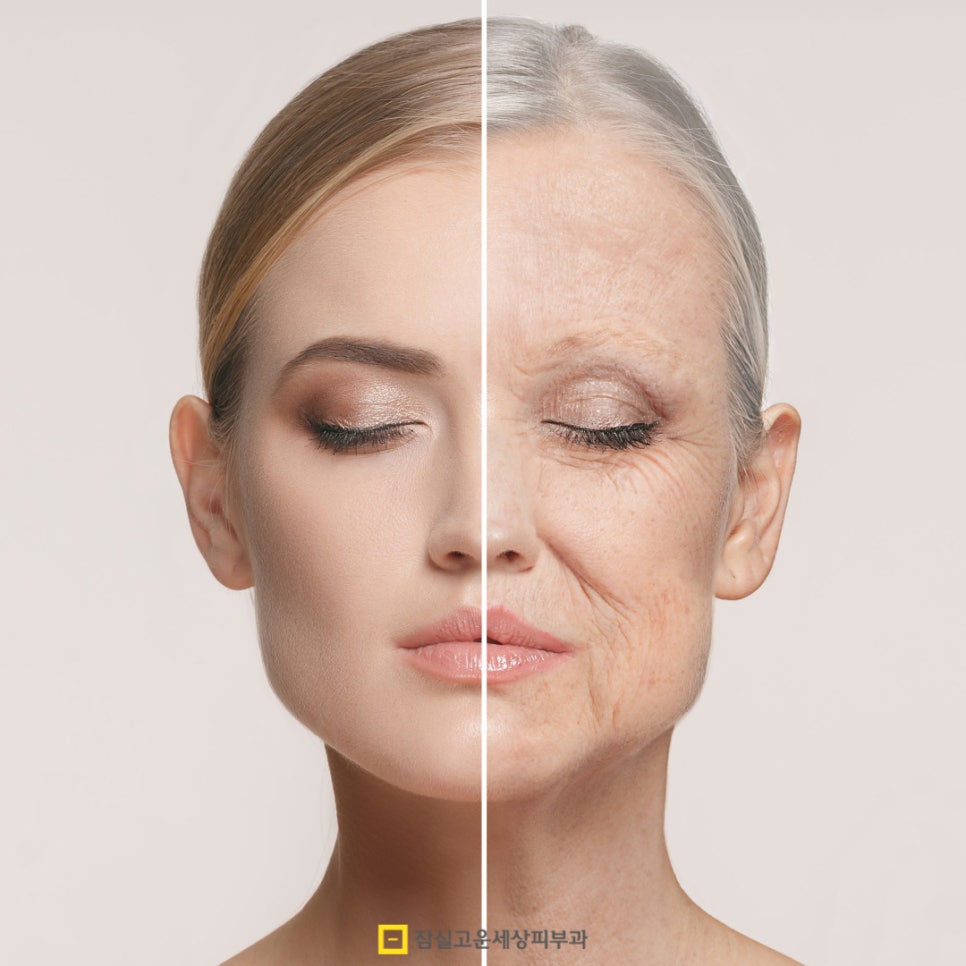
Collagen is a key component that maintains skin elasticity and firmness, so when glycation progresses, the skin is more easily stretched, fine lines increase, and aging can be accelerated.
In addition, high blood sugar easily triggers inflammatory reactions in the skin.
It irritates the skin and increases the likelihood of clogged pores and breakouts. In fact, many dermatology studies have repeatedly found that the higher a person’s sugar intake, the more severe acne, breakouts, and redness become.
Especially in summer, the skin is already under a lot of stress from ultraviolet rays, and if you add high-sugar snacks on top of that, the skin becomes even more sensitive, loses elasticity, and pigmentation and blemishes can appear more easily.
For example, someone who used to enjoy sweet desserts and drinks every evening reduced their intake and switched to fruit or nuts for snacks, and in many cases their skin became less red and breakouts decreased.
In other words, sugar and high-sugar foods are not just a cause of weight gain; they are a “hidden enemy” that promotes aging and inflammation deep within the skin and also triggers breakouts.
Starting today, try gradually reducing sugar intake and switching to snacks centered on fresh vegetables, fruit, and nuts. You may notice that your skin becomes much clearer and that fine lines and breakouts lessen.

Skin health starts with your diet.
The skin is a mirror of our body and mind.
The food you eat today without much thought, long-standing habits, and repeated small choices in daily life all become tomorrow’s skin.
Consciously reducing foods that can irritate the skin, such as flour, dairy, and sugar, and gradually practicing a healthier diet is the first step toward skin health.
Of course, changing your eating habits will not produce dramatic results right away.
However, consistent effort can break the vicious cycle of recurring skin problems and gradually improve the overall condition of your skin. The skin remembers every choice we make each day—meals, exercise, sleep, and stress management—and reveals the results as they are.

If you also add fresh vegetables and fruit, enough hydration, a balanced diet, and proper exercise, you will be able to feel a change from the inside out in your skin.
Please remember that small changes in habits add up to clearer, cleaner skin. Today’s dietary choices and management determine tomorrow’s skin.
For skin health, I recommend starting to practice better eating habits one by one from this very moment.
Thank you.
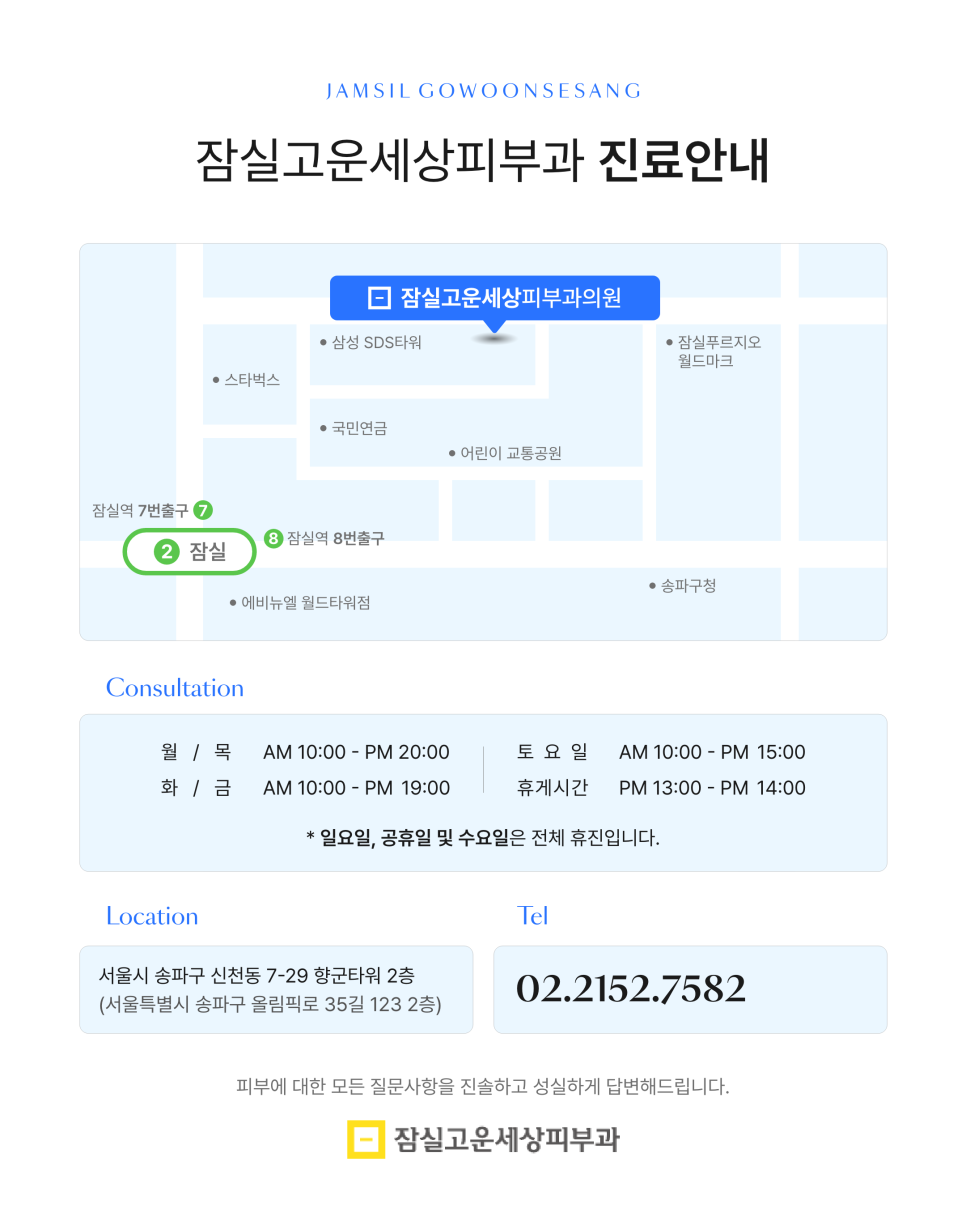
[Directions to Jamsil Gounsesang Dermatology Clinic]
[Information on Jamsil Gounsesang Dermatology Clinic treatment]
[Homepage of Jamsil Gounsesang Dermatology Clinic]
This post is provided by Jamsil Gounsesang Dermatology Clinic for the purpose of providing medical information in accordance with Article 56, Paragraph 1 of the Medical Service Act. All procedures/surgeries carry the risk of side effects such as bleeding, infection, and nerve damage, so please proceed carefully after sufficient consultation with medical professionals.