Recurrent acne,
when frustration builds up
Q&A you should know
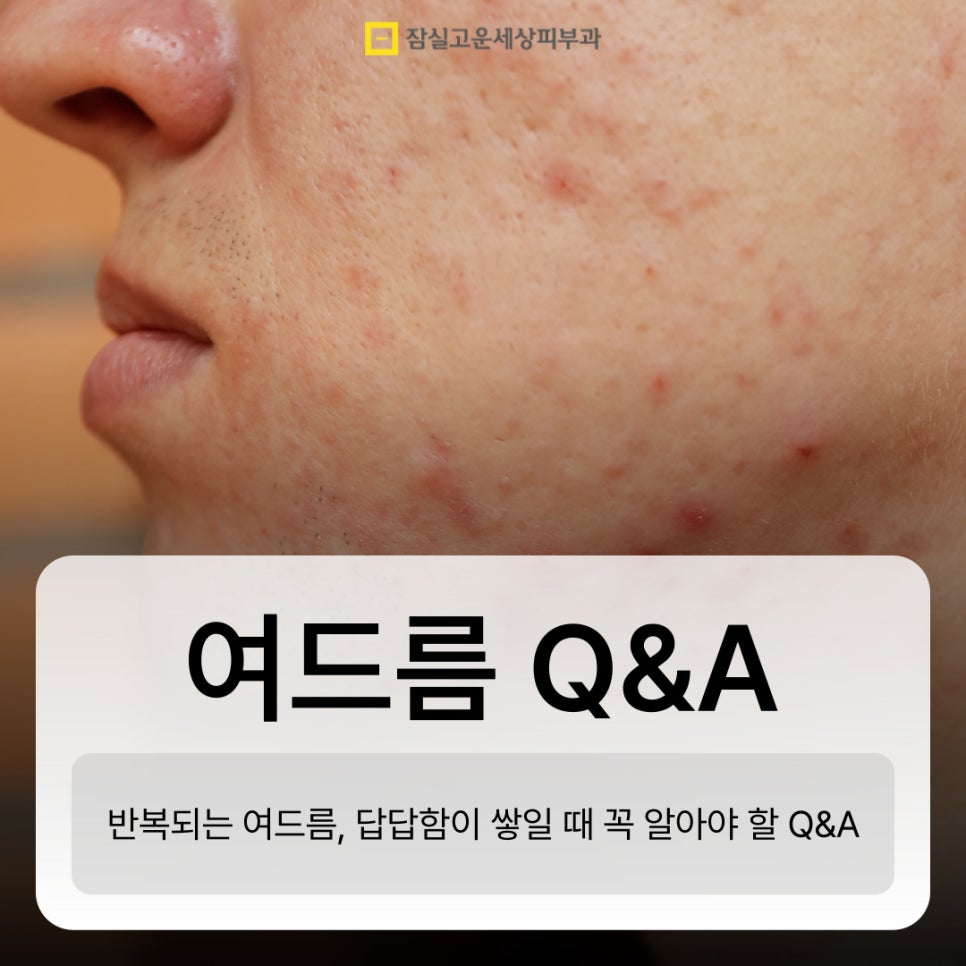
Acne is not just a skin problem that naturally goes away
after a certain period and ends as a temporary concern.
It can also reappear suddenly and repeatedly in adults
who have already gone through puberty. Even after trying
various forms of care, many people feel frustrated because
it does not calm down as easily as expected. Because acne
is tied to so many different causes and misconceptions,
an approach based on accurate information is needed.
In this post, we carefully explain acne-related questions
that many people actually wonder about, based on scientific
evidence and a dermatological perspective. We will go over
each point one by one so you can better understand the
signals your skin is sending and help you manage and
prevent it in a more systematic way.
Q. Can acne develop even if you are not in puberty?
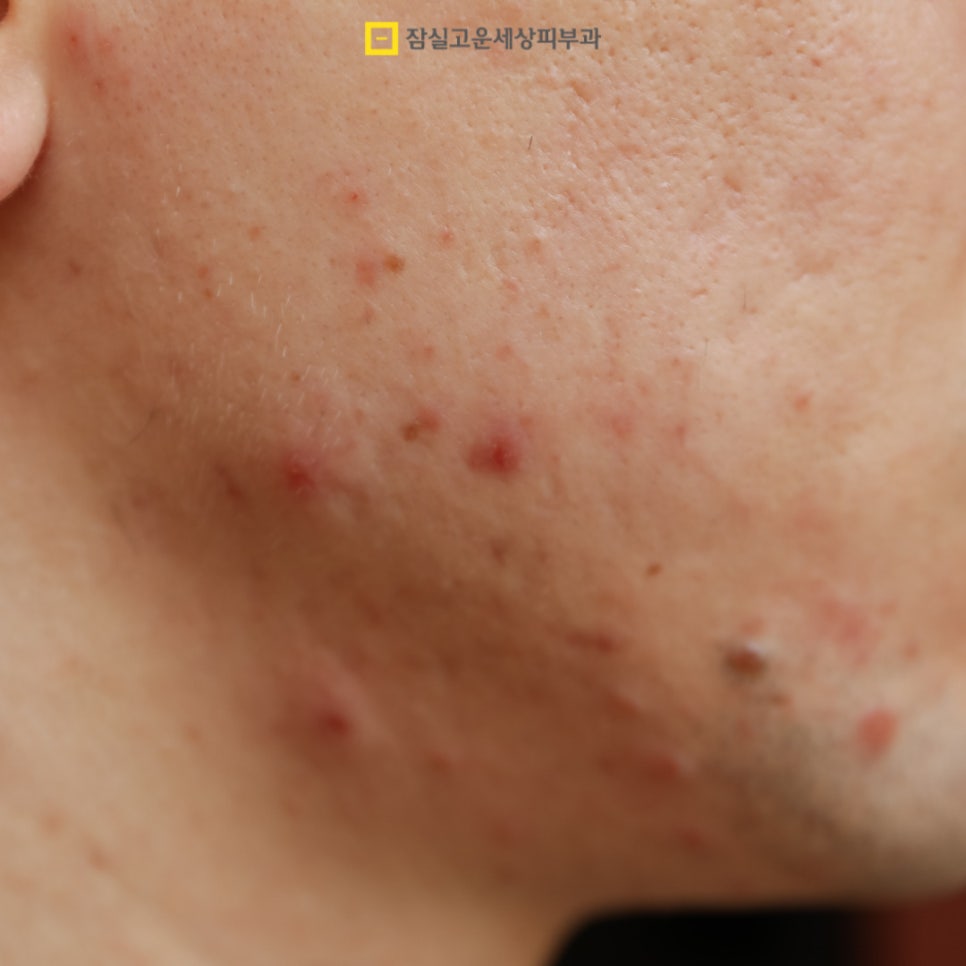
A. Recently, acne caused by stress, menstrual cycles,
and medication has been increasing in adults over their
20s, especially women.
There is a reason acne appears even when you are not in
puberty. Acne is not simply a symbol of adolescence.
Recently, it has been seen quite often in adults after their
20s, especially women who have started working and living
socially. If puberty was long behind you but acne keeps
coming back around the chin, cheeks, or around the mouth,
I want to point out first that you are not the only one.
Adult acne is closely related to environmental factors such
as stress, menstrual cycles, lack of sleep, medication,
and irregular eating habits. Pressure from work, school,
and daily life can change the skin’s hormonal balance,
and lifestyle patterns that continue late into the night,
meals that are hard to keep up with right away, or taking
certain medications can lead to skin trouble.
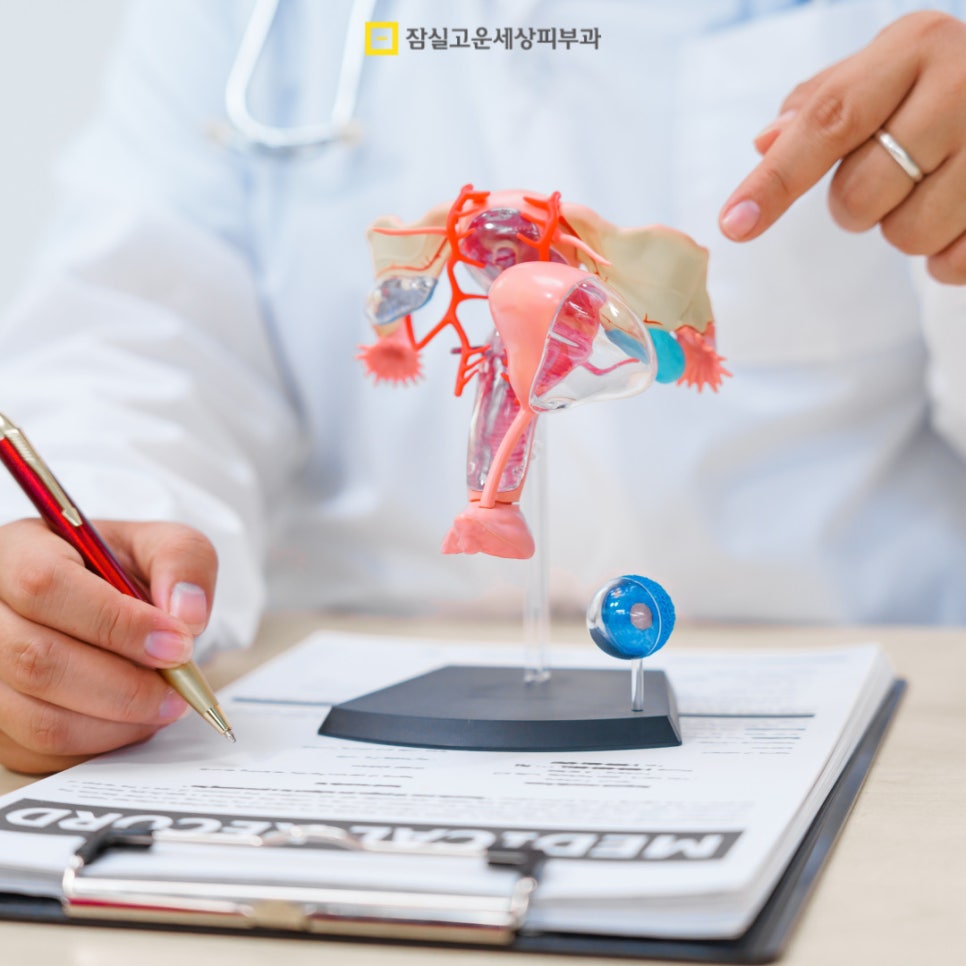
In particular, for women, hormonal changes before and after
the menstrual period repeat, and inflammatory acne tends
to concentrate on the chin and jawline. In fact, many adult
female patients who visit dermatology clinics these days say,
"I was fine after puberty, but acne has recently increased
again."
Because acne is not caused by a single factor but by a
combination of internal bodily changes, external
environment, and lifestyle habits, it is important not to
assume it is just a temporary phenomenon or try to solve it
on your own. Remember that when stress is worse than usual
or fatigue accumulates, the skin can react sensitively, and
if you notice changes, it is advisable to find a lifestyle
management and treatment plan that suits you through expert
consultation.
In this way, there is clearly a cause behind recurring acne,
regardless of age. Rather than worrying alone, if you find
the cause together with a specialist and continue steady
care and practice, you can sufficiently recover to healthier
skin.
Q. Can constipation or intestinal problems worsen acne?

A. Constipation or digestive problems can be aggravating
factors, but there is insufficient evidence to regard them
as a direct cause.
When acne gets worse, many people have probably wondered,
"Could it be because my intestines are not in good shape?"
In fact, some people feel that their skin condition becomes
more sensitive than usual when they have constipation or
digestive problems. However, based on current medical
research, there is insufficient evidence to conclude that
constipation or intestinal trouble is a 'major cause' that
directly triggers acne.
Of course, there is an opinion that if intestinal movement
slows down, waste removal may not happen smoothly, overall
circulation and metabolism may decline, and such changes
may indirectly affect the worsening of skin problems. In
practice, some people have experienced rougher skin and
recurrent breakouts when intestinal function declined due
to accumulated fatigue, stress, lack of sleep, and so on.
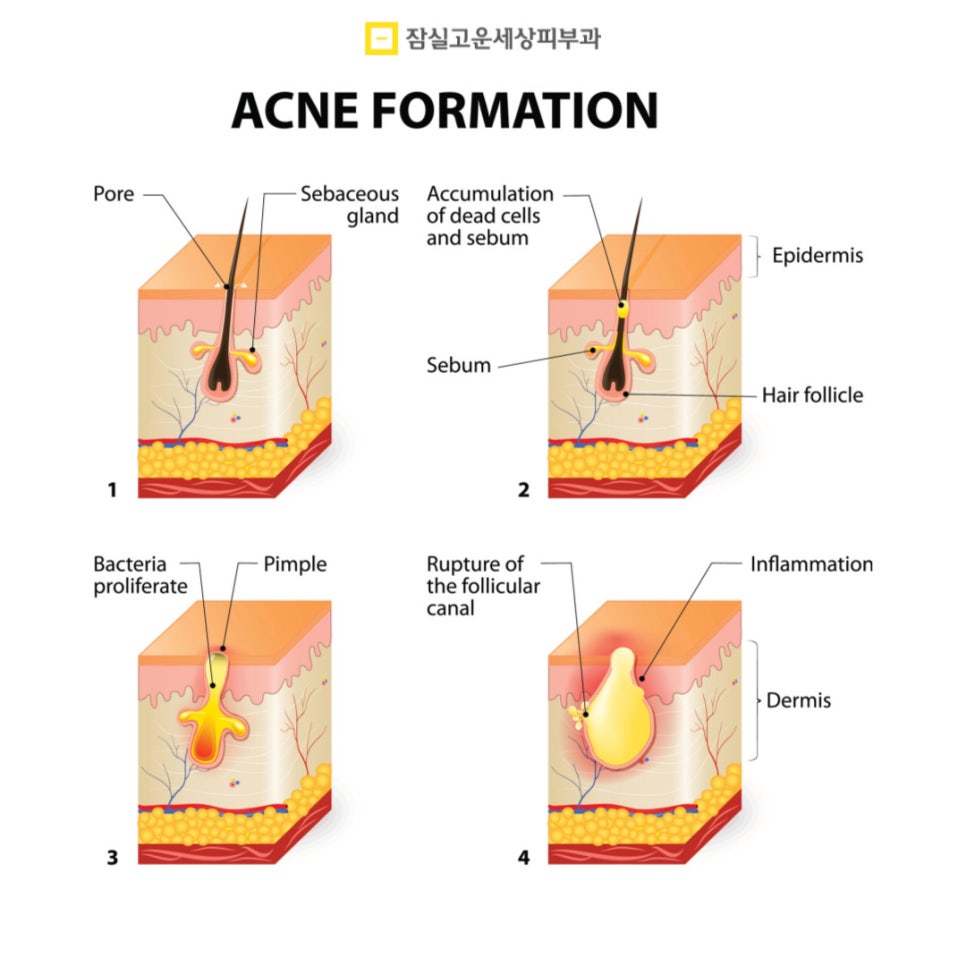
However, acne is a representative 'multifactorial condition'
that develops through the combined effects of sebum
production, dead skin cells inside pores, bacteria,
hormones, and lifestyle habits. Therefore, it is hard to say
that acne will improve immediately just by managing gut
health alone, and improving diet to relieve constipation,
drinking enough water, and exercising regularly can all have
a positive effect on the skin as part of basic health care.
Ultimately, the important point is that rather than focusing
too narrowly on gut health, it is more helpful for acne
prevention and relief to look broadly at your skin condition,
your overall lifestyle habits, and even stress management.
If sudden skin changes are accompanied by severe intestinal
trouble, it is advisable to also check for internal medical
causes.
Q. Should certain foods, such as chocolate, be avoided?

A. If there is a food that specifically worsens acne for
you, it is right to avoid it. However, rather than absolute
dietary restriction, adjust mainly toward foods with a high
glycemic index (GI).
Acne and food: eating habits that suit your skin are
important.
"It feels like my acne gets worse when I eat chocolate or
fried chicken."
Many people have this kind of experience, but it is true
that scientific evidence applying to everyone is still
insufficient. To date, research has not clearly concluded
that food directly causes acne, but if you have your own
'trigger,' it is wise to be careful.

If acne becomes especially severe or worsens after eating a
certain food, it is better to avoid that food for a while.
However, unrestricted dietary avoidance or excessive food
control can instead lead to nutritional imbalance. The
important thing is to carefully observe how your body
responds, reduce foods with a high glycemic index as much
as possible (white bread, sugar, drinks high in sugar, and
so on), and follow a balanced diet with fresh vegetables,
protein, and complex carbohydrates.
Food choice does not play a decisive role in acne care, but
if there are foods to which your skin reacts sensitively,
respecting that signal is also an important habit for healthy
skin care.
Q. Can you wear makeup if you have acne-prone skin?
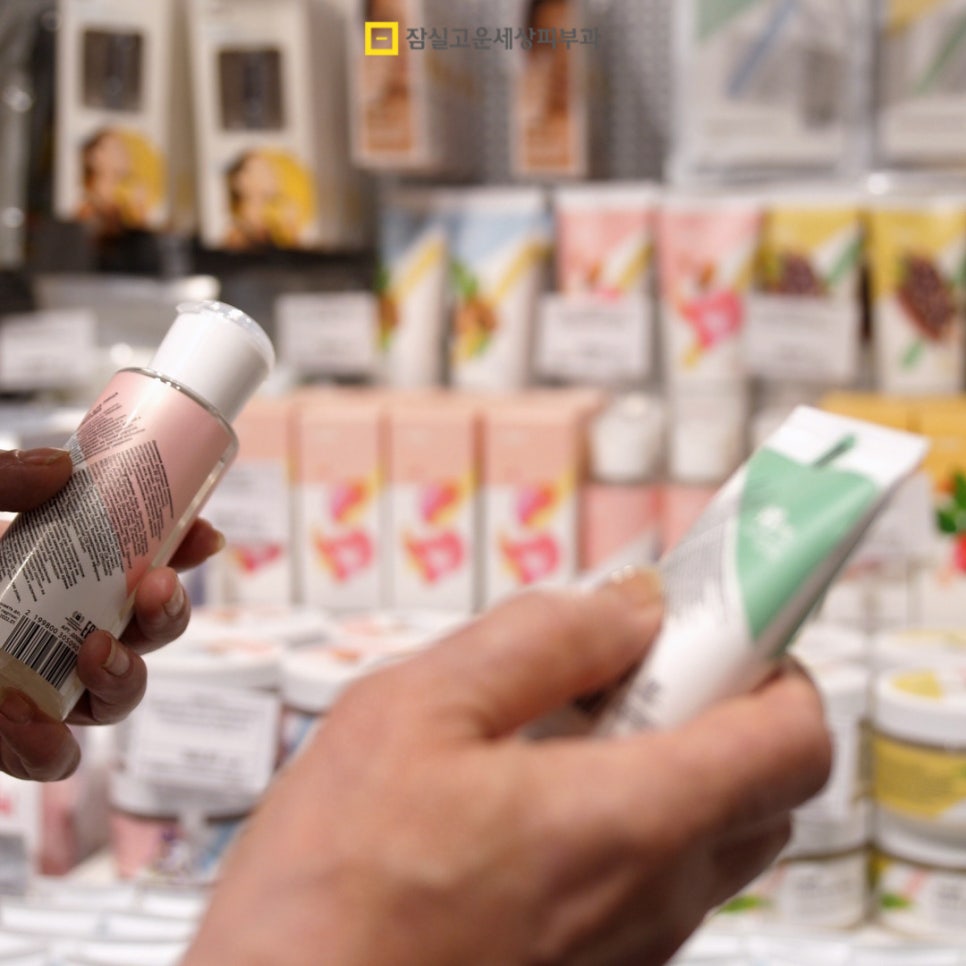
A. Use oil-free, non-comedogenic, and non-acnegenic
products, and after makeup, be sure to remove it completely
with a mild cleanser.
Acne-prone skin: should you stay away from makeup?
A wise choice is needed.
When acne keeps recurring, many people wonder whether it
would be better not to wear makeup at all. However, there
is no need to avoid makeup completely. If you choose
products that do not burden the skin and maintain thorough
cleansing, you can wear makeup safely enough.
For acne-prone skin, it is important to choose cosmetics
labeled oil-free, non-comedogenic, and non-acnegenic.
These products help prevent acne from worsening because
they do not excessively increase sebum production and do
not clog pores. Be sure to check for these labels when
choosing all base and color products, such as foundation,
sunscreen, and moisturizer.
Also, on days when you wear makeup, it is essential to
carefully remove makeup and impurities with a mild
cleanser. This is because any remaining residue can clog
pores and make acne worse.
In particular, do not forget to regularly wash and keep
puffs and brushes clean at all times.
Rather than giving up on makeup altogether, if you combine
products suited to your skin with a thorough cleansing
routine, you can confidently enjoy daily life even with
acne-prone skin.
Ultimately, what matters is a balanced attitude that
manages your skin in a way that fits your style and
situation, without overdoing it.
Q. Should acne be squeezed?
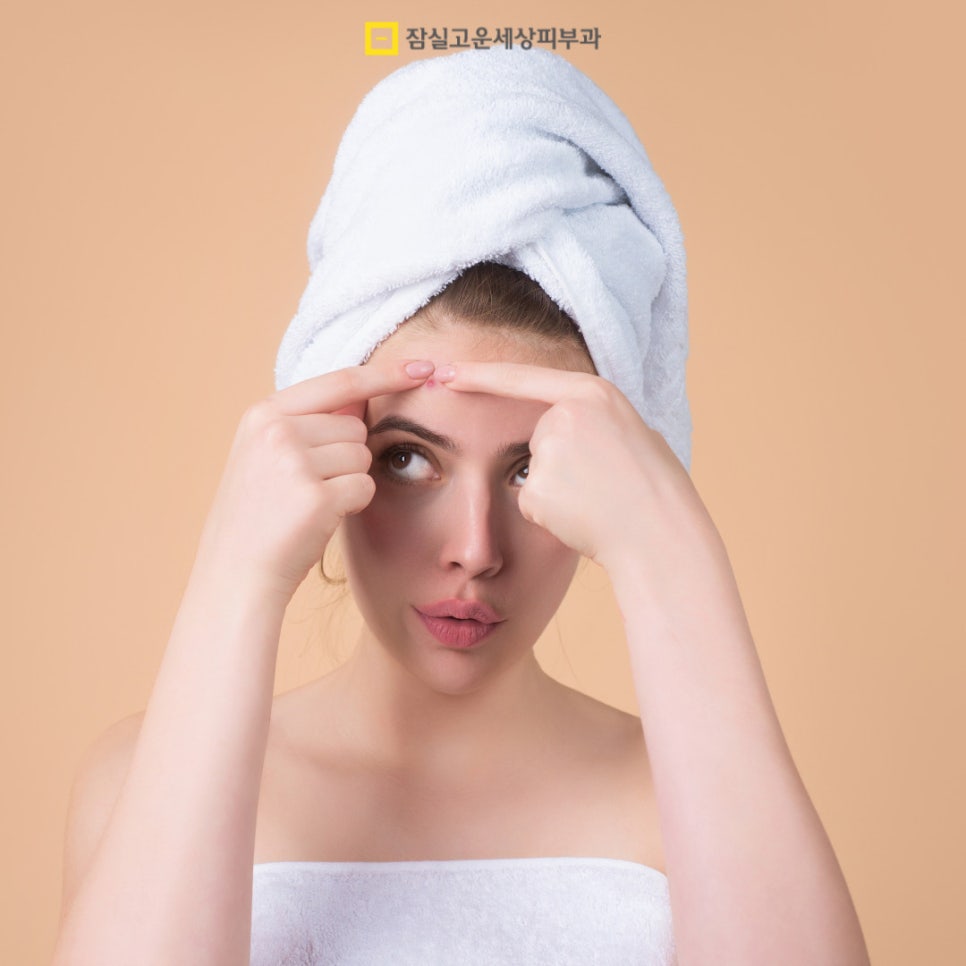
A. Non-inflammatory comedones (blackheads, whiteheads)
can be managed through professional extraction, but never
touch inflammatory acne at home. The risk of scarring is
high.
Safety rules you must remember
When acne appears, it is easy to touch it instinctively,
but the idea that 'squeezing it yourself will calm it down
faster' can be dangerous. In particular, inflammatory acne
(red, swollen pimples) has a very high chance of leading to
infection and scarring the moment you touch it. Scars can
remain for a long time once they form, and they may be
accompanied by hyperpigmentation or pitting, so caution is
needed.
On the other hand, if only the pore opening is blocked, as
with non-inflammatory comedones (blackheads, whiteheads),
these can be managed through extraction performed by a
dermatology specialist.
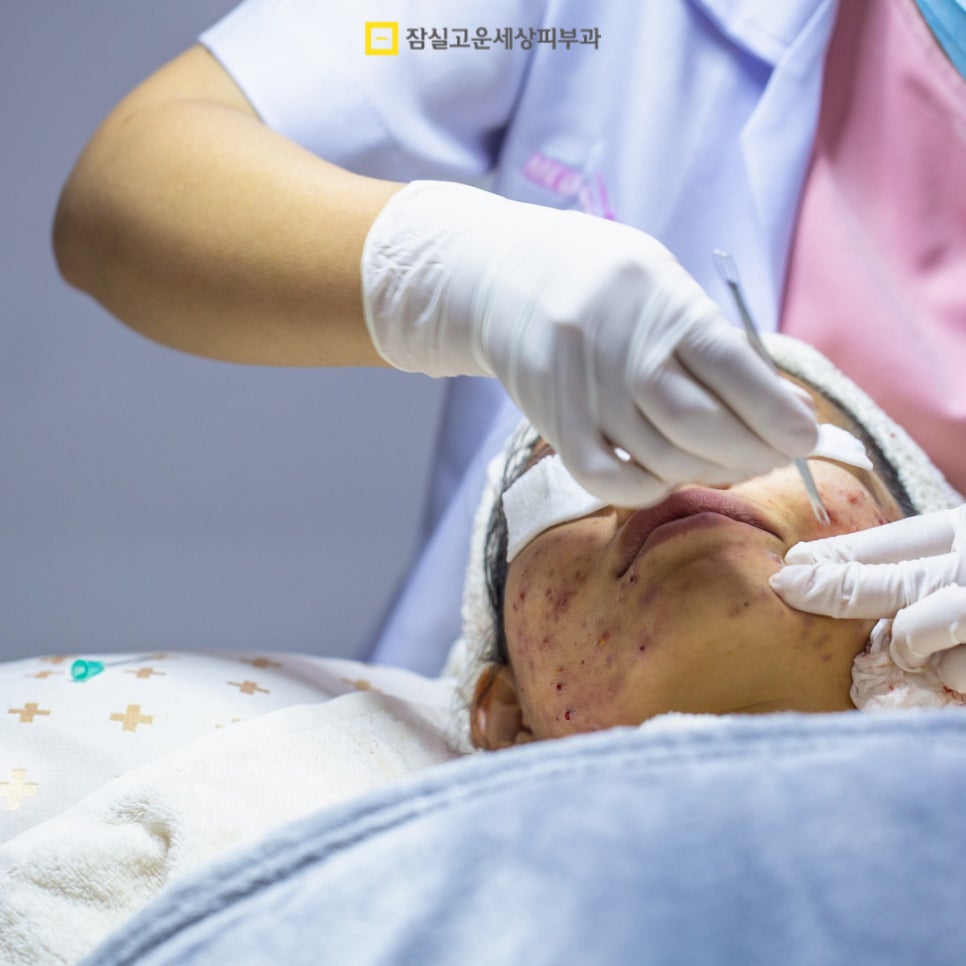
Extraction performed by a professional uses hygienic tools
and methods to empty the pores cleanly, minimizing the risk
of secondary infection or scarring.
Squeezing it yourself may seem relieving in the moment, but
it can further irritate the skin and create a vicious cycle
of chronic inflammation or recurrence.
When you are worried about acne, remember that it is best
not to handle it recklessly and instead manage it safely at
a dermatology clinic.
Q. Acne marks remain like spots.
How should they be treated?
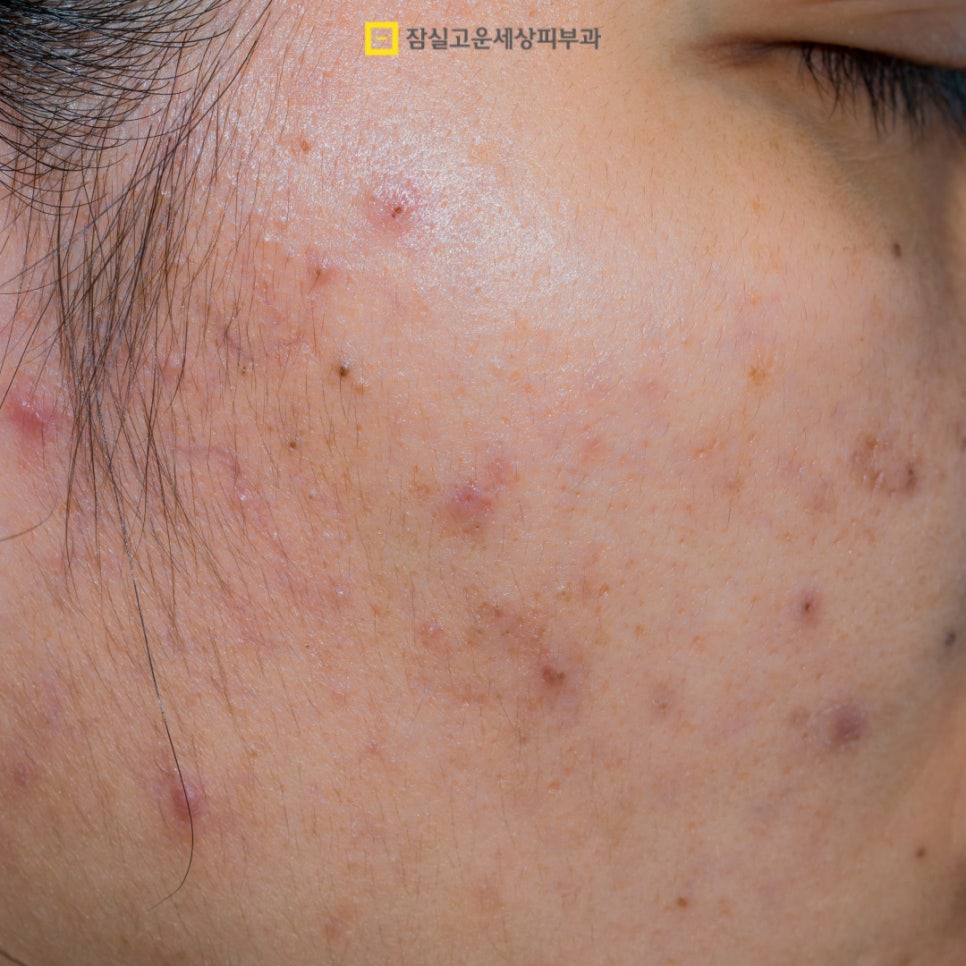
A. Pigmentation usually improves over time, but if it
persists for a long time, professional treatment such as
ointments or laser therapy may be needed.
Even after acne has calmed down, small spots or stains can
remain for a long time and weigh on your mind. In particular,
red or brown pigmentation can be difficult to cover with
makeup in everyday life, which causes stress.
Fortunately, most pigmentation tends to fade gradually over
time. However, if skin regeneration is reduced or UV
exposure is repeated, the color may become darker or remain
for a longer period.
In that case, focus on gentle moisturizing and sun
protection at home, and consider professional treatment such
as ointment therapy or laser treatment after consulting a
dermatology specialist. Above all, the most important thing
is to manage acne effectively from the beginning so that
marks do not form. If pigmentation lasts for more than 6
months or becomes progressively darker, do not worry alone
and get a professional examination.
Acne does have some aspects that time can resolve, but if
you do not dismiss it carelessly and instead combine it with
care suited to your skin, you can recover faster and in a
healthier way.
Q. If I take medicine, will I gain weight or have severe
side effects?
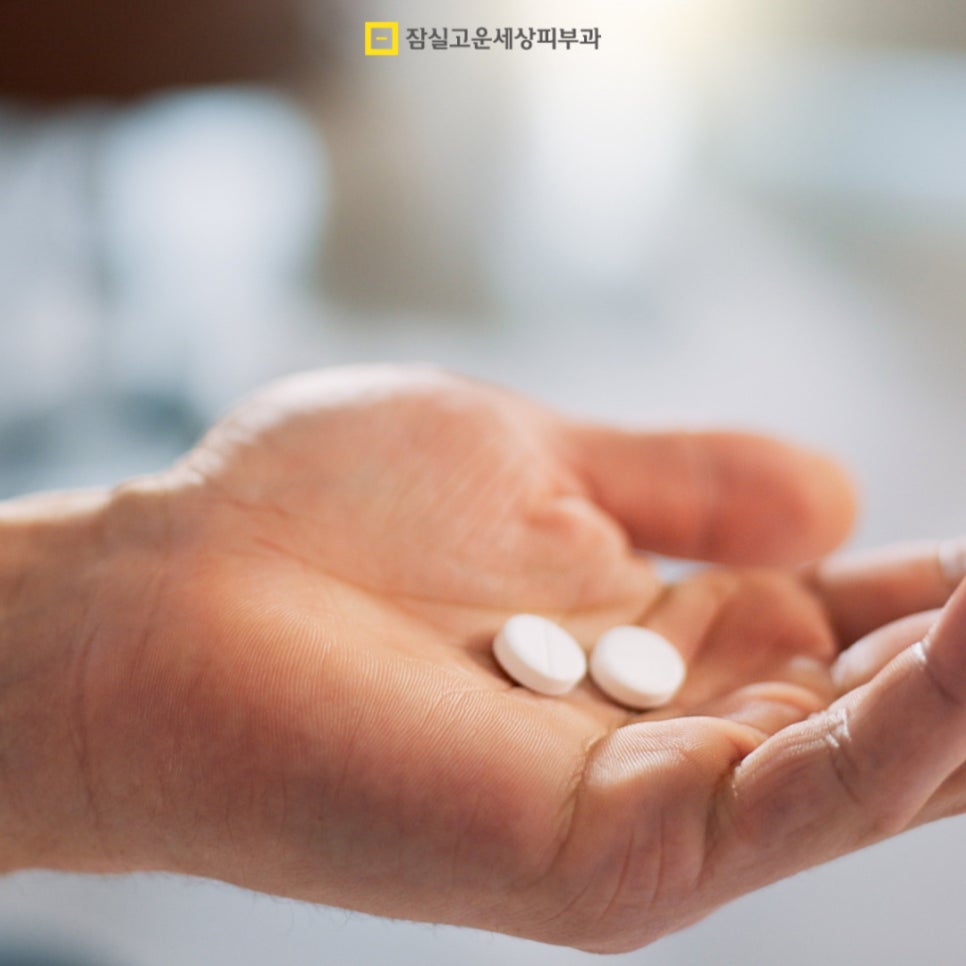
A. In general, antibiotics and vitamin A preparations do
not easily cause weight gain. However, regular checkups,
including liver function, are necessary, and women who may
become pregnant must be especially careful.
Many people worry that medicines prescribed for acne
treatment will make them gain weight or cause severe side
effects. In fact, commonly used antibiotics and vitamin A
derivatives (for example, retinoids) are generally not
medications directly associated with weight gain. However,
because they are taken into the body, various side effects
such as gastrointestinal discomfort, dryness, and changes in
liver function may occur depending on the individual.
In particular, vitamin A preparations require regular
checkups, including blood tests, liver function tests, and
checks of triglyceride levels. For women who may become
pregnant, it is essential to confirm whether pregnancy is
present before taking the medication and to use contraception
for a certain period during and after treatment.
These are all essential procedures for patient safety, so it
is important to follow the medical staff’s instructions
carefully during treatment.
Q. How long should acne be treated?
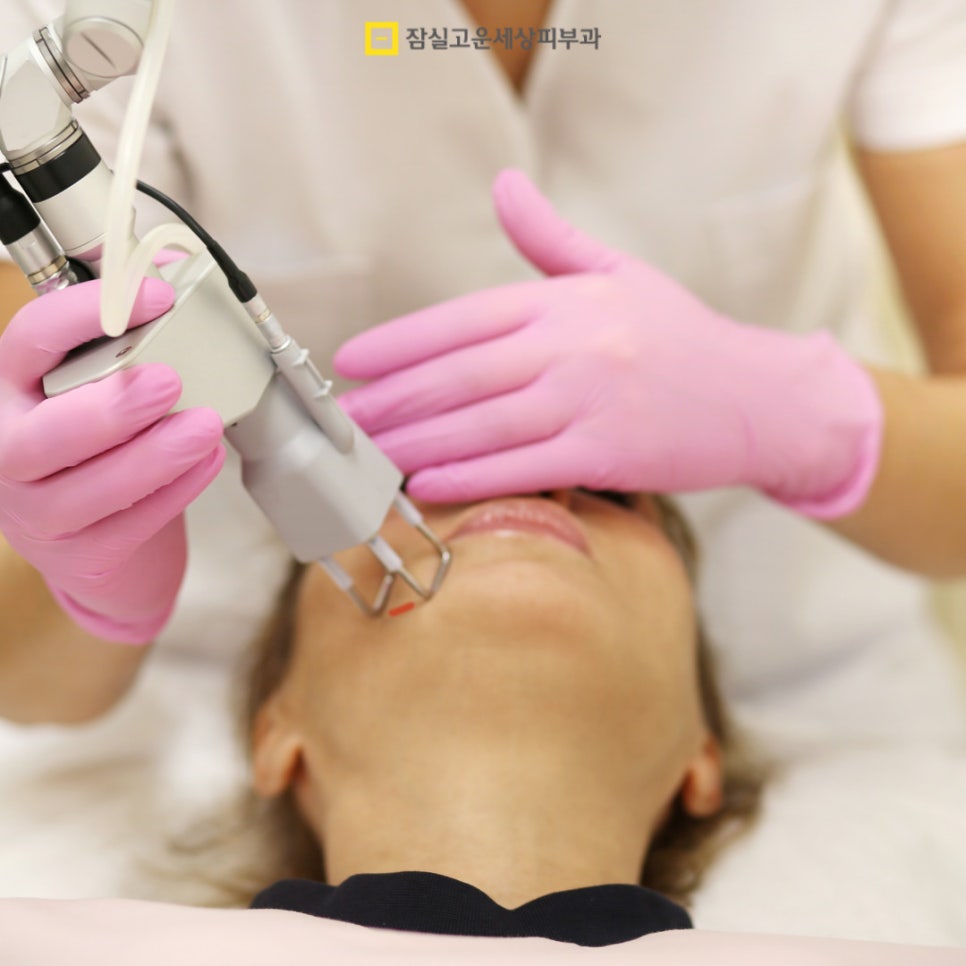
A. If you stop treatment on your own, it is easy for the
condition to recur. Only when steady care and lifestyle
habits go together can you maintain clear skin for a long
time.
Acne is not a condition that ends with just one or two
sessions of treatment.
If you stop treatment on your own just because symptoms
improve, the factors left under the skin can cause it to
recur at any time. This is why many people experience, "I
thought it was getting better, so I stopped the medicine,
but it got worse again."
The underlying causes of acne come from a variety of
factors, including sebum production, retained dead skin
cells, proliferation of acne bacteria, environmental
changes, and lifestyle habits. In other words, rather than
being satisfied with short-term improvement, steady care and
lifestyle improvement must go hand in hand in order to keep
skin clear for a long time.
Skin condition is also sensitive to many variables such as
season, stress, and sleep, which is why consistent care and
regular checkups are important.
Remember that treatment truly begins when your everyday
habits change as well. It is especially important to consult
thoroughly with a dermatology specialist and consistently
practice the care method that suits you.
The power of small actions,
is the starting point of acne care.
The power of small actions is the starting point of acne
care.
Acne is not just a cosmetic concern; it is a condition that
reflects changes in our bodies, lifestyle habits, and even
the stress of everyday life. Even in adults who have passed
puberty, it can appear in various forms depending on each
person’s lifestyle. That is why treatment and care also
require patience and consistency.
Above all, what matters is not being swayed by wrong common
beliefs or unsupported methods, but calmly practicing the
care methods that fit your skin and your life. Skin remembers
repeated habits. Small changes today, cleansing done a little
more carefully, sun protection, and the attentiveness to find
your own triggers all ultimately lead to healthier skin.
If your concerns are deepening right now, rather than trying
to find the answer on your own, talk with a dermatology
specialist and fully understand your skin together.
The answer may not be only one, but as steady care and
practice accumulate, your skin can clearly change for the
better.
Thank you.
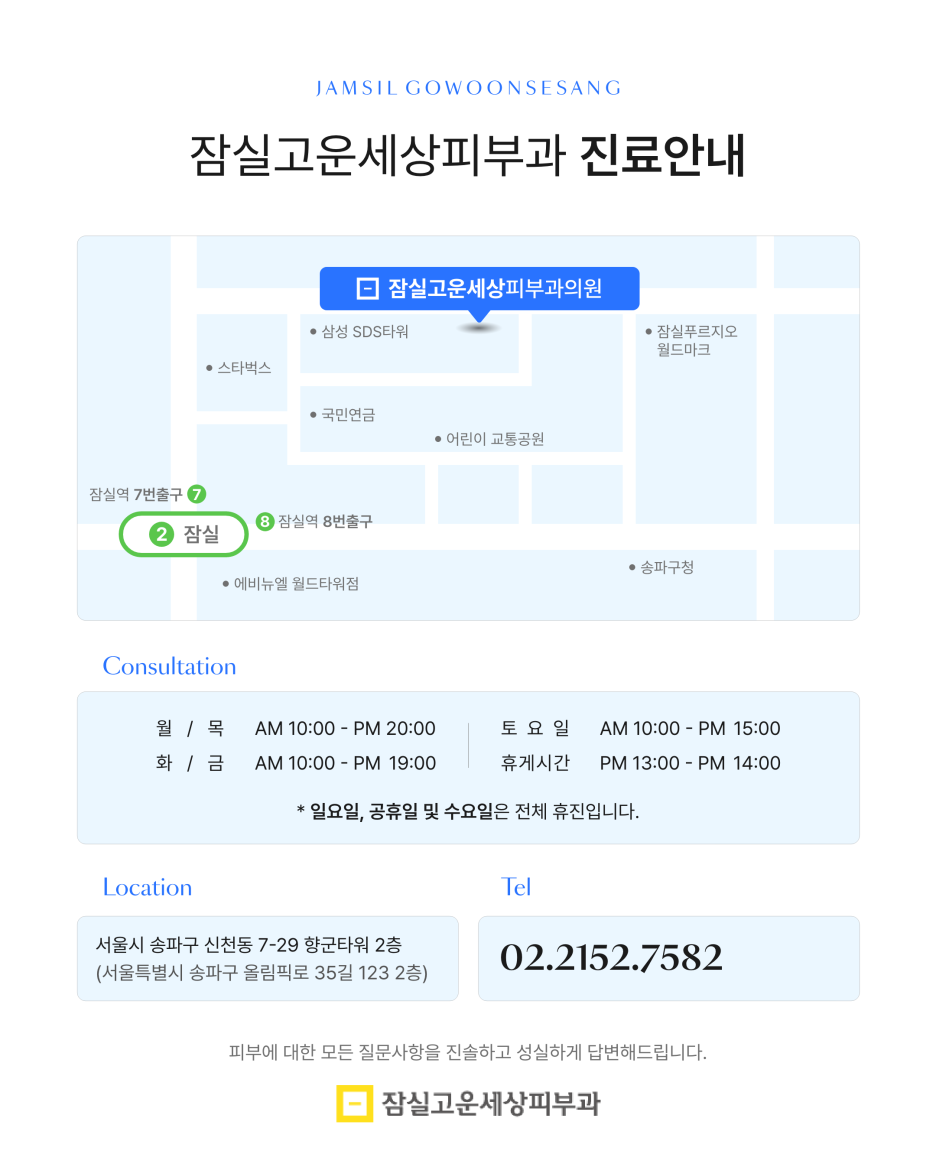
💙How to get to Jamshil Goウン Se-sang Dermatology Clinic💙
💙Jamshil Goウン Se-sang Dermatology Clinic information💙
💙Jamshil Goウン Se-sang Dermatology Clinic website💙
This post is provided by Jamshil Goウン Se-sang Dermatology Clinic
for the provision of medical information in accordance with
Article 56, Paragraph 1 of the Medical Service Act, and all
procedures/surgeries carry the risk of side effects such as
bleeding, infection, and nerve damage, so please proceed
carefully after sufficient consultation with the medical staff.