Atopic dermatitis management,
Healthy skin that starts with habits!
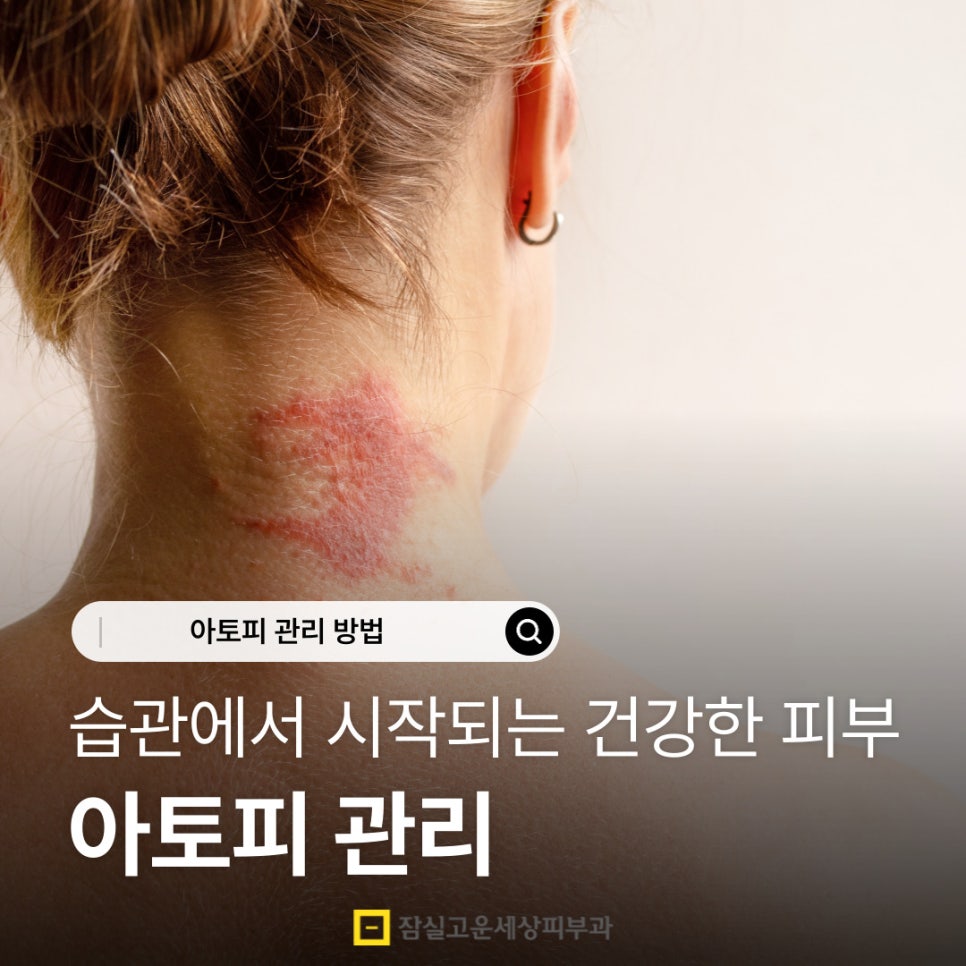
Hello! This is Jamsil Gounsesang Dermatology Clinic.
Skin that turns red easily even from water or wind, and continues to itch and develop rashes from minor
irritation. For patients with atopic dermatitis, this is a familiar part of everyday life. Especially during dry
seasons, changing weather, or times of high stress, skin that had once calmed down often becomes sensitive
again, and even ordinary daily life can become uncomfortable. Some children lose sleep from scratching every night,
and many adults also experience psychological stress because of recurring chronic inflammation.
Atopic dermatitis is not something that ends simply by applying ointment to the skin. Because it is a chronic
disease in which multiple factors such as genetics, environment, lifestyle habits, and immune responses act
in combination, more systematic and consistent care is essential for fundamental improvement.
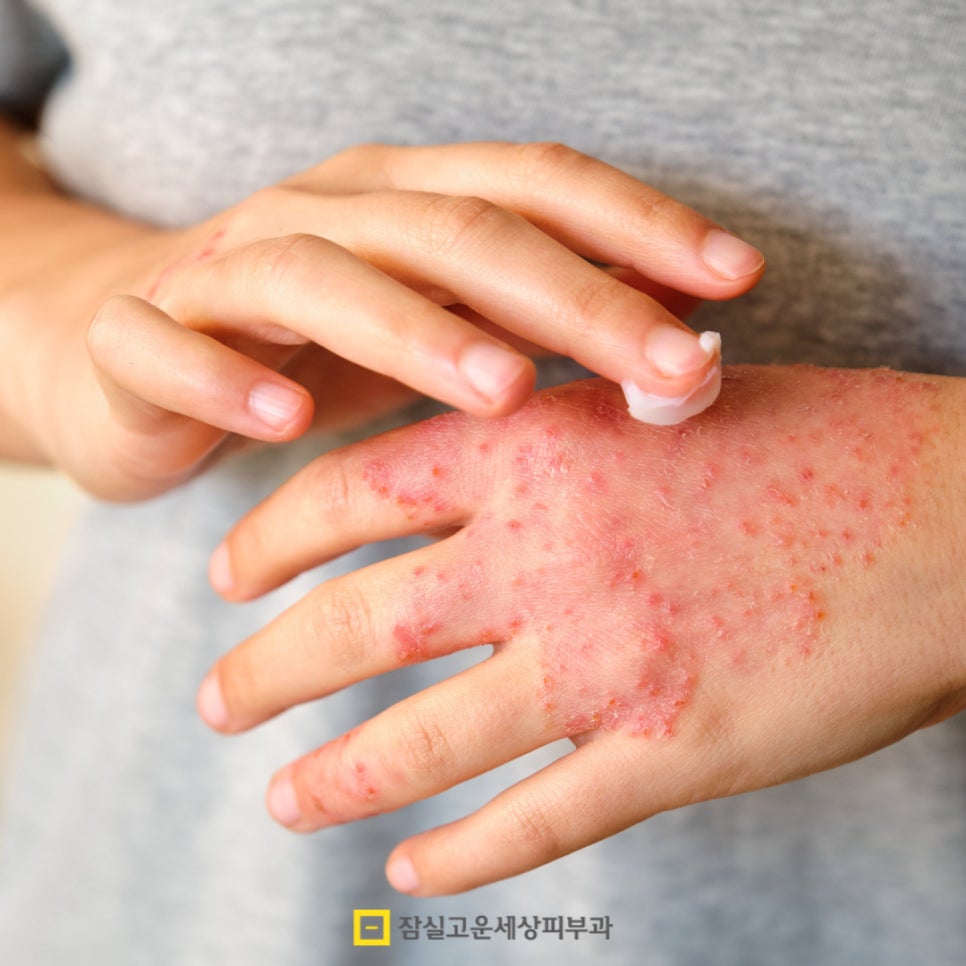
So today, we will go over the main causes of atopic dermatitis, how symptoms change by age group, the principles
of treatment that are actually helpful, and the care routines that must be followed in daily life. Symptoms and
progression differ from patient to patient, but please also remember that this is precisely why a personalized
approach is needed.
Changes in habits, and steady practice, change skin
health.
Atopic dermatitis is not a condition that is cured in a short period of time. But the repeated practice of small
actions in daily life can eventually lead to healthier and more stable skin. I hope we can think together today
about the start of that change.
- Main causes and characteristics of atopic dermatitis

Atopic dermatitis is not a disease that happens simply because the skin is sensitive. In fact, many patients
wonder, "Why does skin keep flaring up repeatedly only in our family?" There is a clear scientific reason behind
that.
First, genetic factors play an important role. If there is a family history of allergic diseases such as atopic
dermatitis, allergic rhinitis, or asthma, the likelihood that you will also develop atopy is higher. In particular,
if there is a defect in the gene called filaggrin, which helps strengthen the skin barrier, external irritants and
allergens can more easily penetrate the skin, making repeated inflammation and rashes more likely.
Second, weakness of the skin barrier makes the problem worse.
Compared with normal skin, the ability to retain moisture is often lower, and tiny wounds tend to form more
easily, so even small irritants can cause redness and severe itching. These skin characteristics make the skin
respond more sensitively to dry seasons or environmental changes such as fine dust.
Third, external environmental factors and abnormal immune responses also worsen atopy.
Whenever the surrounding environment changes, such as with yellow dust, pollen, indoor dust, or temperature
changes, the skin becomes more sensitive, and repeated inflammation may occur due to an excessive immune
response.
In this way, atopic dermatitis is not a disease that can be explained by a single cause. In particular, if you have
a constitution that easily becomes dry or a family with a history of allergies, you should remember that even
more careful daily management and prevention are necessary.
- How do atopic dermatitis symptoms differ by age?
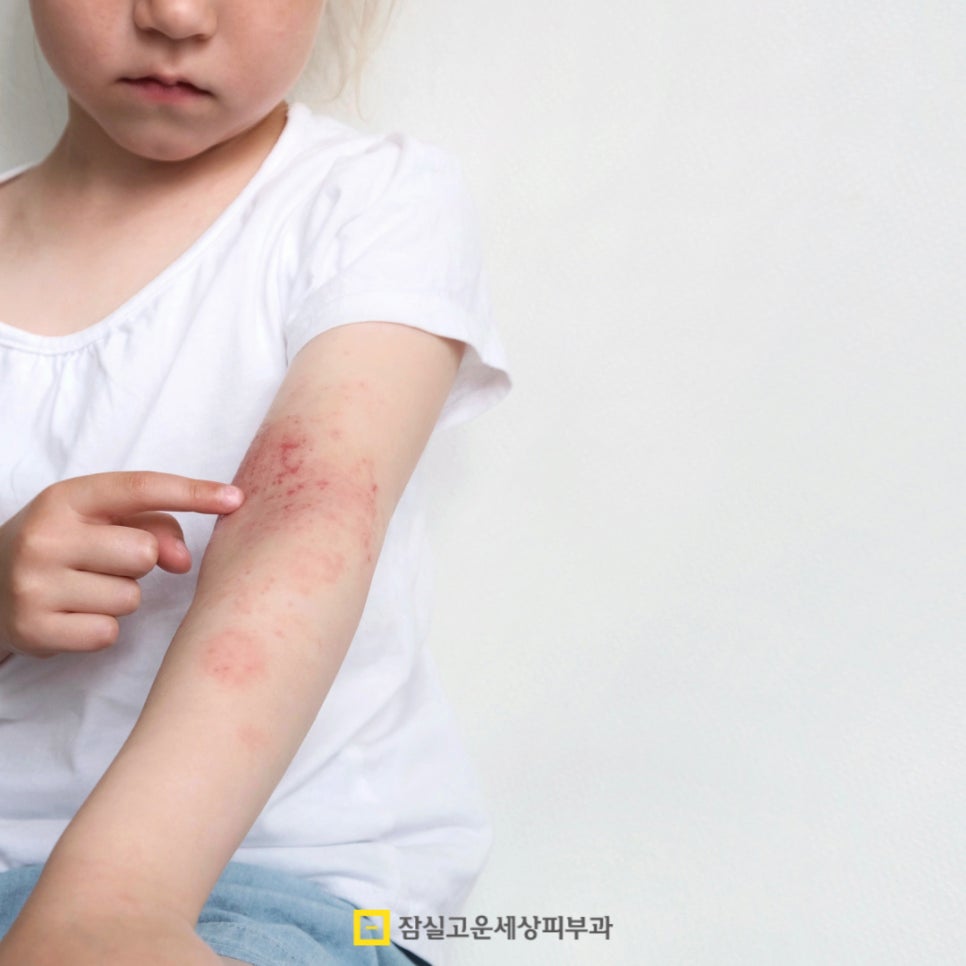
Atopic dermatitis shows slightly different symptoms, affected areas, and skin responses depending on age.
"Why did the rash that used to appear only on the cheeks in childhood spread to the neck, arms, and legs as an
adult?" This is a common question. In fact, because the skin characteristics and irritation responses of atopic
dermatitis change by age group, both children and adults need care suited to their condition.
- Infants under 2 years old:
Starting around 2 to 3 months after birth, the cheeks often become red, and in severe cases, itching and oozing
can appear quickly even from just touching the skin. This is the appearance that was once called "taeyeol"
(newborn heat rash) in the past. During this period, red rashes also commonly appear on the outer sides of the
arms and legs (the extensor surfaces).
- Children aged 2 to 10:
As children grow, the itchy rash tends to concentrate in areas where the skin folds frequently, such as the inside
of the elbows and behind the knees. If the habit of scratching becomes severe, oozing, crusting, and even
pigmentation changes can remain, so caution is needed. Symptoms may also appear on the neck, around the
ears, lips, and buttocks, causing ongoing discomfort for the child.
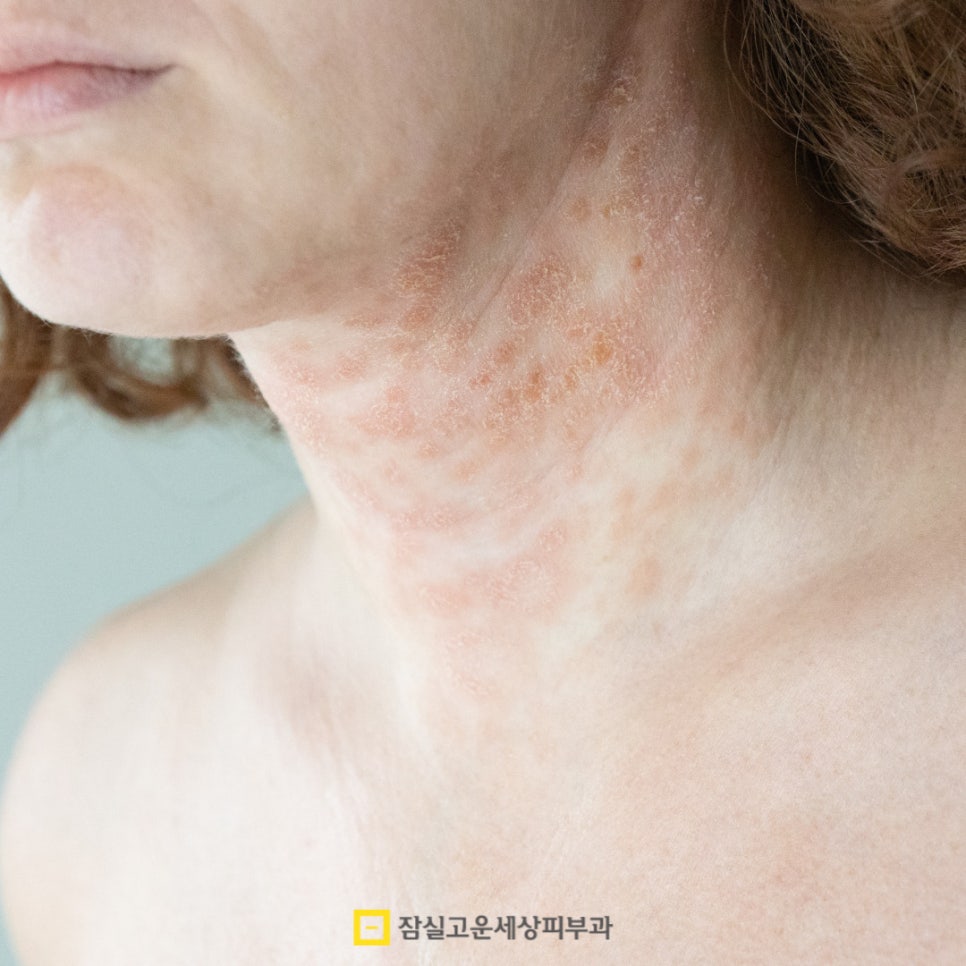
- Adolescents and adults:
After puberty, symptoms are not limited to the folds of the arms and legs, but may spread to various areas such
as the face, neck, eyelids, and lips. The skin is often chronically dry, with flaking, or people may feel discomfort
in daily life because of recurring eczema.
Because symptoms differ slightly by age group, it is easy to mistakenly think, "It got better when I was young,
so why is it getting worse again?" Understanding the skin characteristics of children and adults and applying
different living environments and care methods for each is the first step in managing atopic dermatitis.
- Atopic dermatitis, proper diagnosis and
treatment are the first step

Managing atopic dermatitis is not something that ends simply by applying medicine when symptoms appear.
The first step in proper treatment is an accurate diagnosis by a dermatologist. Because the symptoms and causes
of atopic dermatitis can vary so widely, it is very important to receive a diagnosis that suits you through
consultation with a specialist, rather than trying to judge and respond on your own.
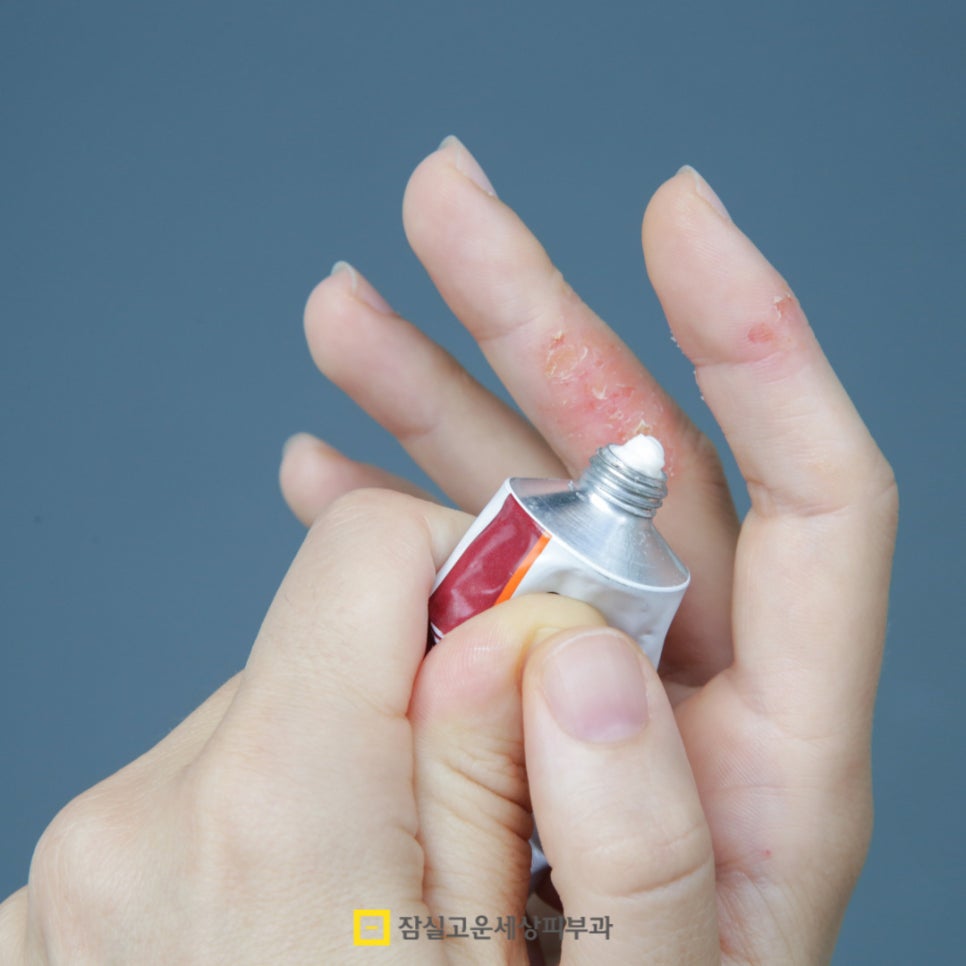
In actual clinical practice, topical steroids, topical immunosuppressants, and antihistamines are prescribed
according to symptoms. If necessary, antibiotics or phototherapy may be combined, and all of these treatments
vary depending on the individual patient's symptoms and aggravating factors. For example, personalized
treatment is needed while considering various situations such as severe itching, widespread eczema, or
accompanying bacterial infection.
During this process, various tests such as blood tests and allergy tests are used to carefully check a patient's
allergen triggers and skin immune status. It is safer to make a diagnosis and treatment plan that reflects age,
symptom location, living environment, and all other factors in the individual's situation.
Because atopic dermatitis is a chronic disease, it is important not only to relieve symptoms in the short term,
but also to continue ongoing observation and management. If you are wondering, "What treatment do I really
need? What method is truly right for my skin?" do not decide alone—consult a specialist.
Diagnosis and treatment are only the "starting point" of atopic dermatitis management; after that, consistent
care in daily life is the key. Based on an accurate diagnosis, you must combine personalized treatment that fits
your skin with improvements in lifestyle habits in order to move toward healthier skin.
- Lifestyle habits are the key to atopic dermatitis
management.

Atopic dermatitis is not a condition that can be managed with medication alone.
The small habits repeated every day are ultimately the most important key to symptom relief and preventing
recurrence. Especially for people with atopic skin that is sensitive to irritation, a little more careful attention and
practice are needed throughout daily life.

- Moisturizing, the first step in protecting the skin barrier
The most basic yet important care for atopic dermatitis is moisturizing. Right after showering or washing your
face, within 3 minutes before the moisture has completely dried, you need to apply a sufficient amount of
moisturizer as a habit. Especially in winter or in dry indoor environments, moisturizing several times a day is
necessary so that the skin barrier does not break down. Since moisture on the skin surface of atopic skin easily
evaporates, keeping the skin hydrated from time to time is the foundation for preventing worsening of symptoms.
- Minimize irritation as much as possible.
External irritation can quickly worsen atopic dermatitis. After exposure to sweat, dust, chemicals, detergents,
and similar irritants, wash them off promptly, and be sure to use only gentle neutral or mildly acidic cleansers.
Bathing should be kept short, within 5 to 10 minutes, and scrubbing with bath towels or exfoliating the skin must
be absolutely avoided. This is because it can injure the skin or further weaken the barrier.
- Identify allergen triggers accurately and avoid them.
People with atopic dermatitis may be especially sensitive to food allergies, house dust mites, and pet hair.
Through allergy testing, identify the factors affecting you accurately, and reduce exposure to those triggers as
much as possible. House dust mites live in large numbers in carpets, curtains, and bedding, so it is advisable to
wash bedding and covers regularly.

- Avoid dry environments.
If the skin becomes dry, inflammation can worsen, so adjust indoor humidity according to the season and
environment by using a humidifier or hanging out wet laundry indoors. The drier the environment, the more
sensitive the skin becomes, and even small irritants can easily cause problems.
- Diet and stress are both part of daily care.
Processed foods should be reduced as much as possible, and foods that worsen symptoms (for example, milk,
eggs, peanuts, etc.) should be restricted after consultation with a specialist. Also, since stress can disrupt
immune balance and make the skin more sensitive, efforts to manage stress in daily life through sufficient sleep,
regular exercise, and hobbies should be carried out together.
- Be careful with folk remedies; be sure to
consult a specialist before trying them

When living with atopic dermatitis, you may hear about many "good" methods from people around you, but there
is no guarantee that every folk remedy is safe for your skin. Unverified folk remedies or self-treatment methods
found online may feel like they temporarily calm the skin, but in the long term they can actually damage the skin
barrier and make irritation worse.
In particular, vinegar, natural oils, and herbs can be irritating depending on the skin condition, so it is not rare for
symptoms to worsen due to side effects.
Atopic dermatitis is not a simple skin problem, but a chronic condition that requires comprehensive management.
Therefore, when trying a new method, it is important to first consult a dermatologist thoroughly and check
whether it is appropriate for your skin condition and symptoms. Also, when symptoms become severe or cannot
be controlled well even with existing treatment, do not stop treatment on your own or rely only on folk remedies;
sticking consistently to regular visits and a personalized treatment plan is the shortcut to maintaining healthy
skin.

Atopic dermatitis management,
Start with small habits in daily life!
Atopic dermatitis is not a condition that improves overnight.
Even if noticeable changes do not come right away, please remember that today's small actions add up and
eventually lead to healthy skin. Habits such as applying enough moisturizer within 3 minutes after showering,
carefully washing away irritants like sweat and dust as soon as they occur, and making efforts to avoid your own
allergen triggers all accumulate over time, and your skin will gradually move toward recovery.
Whenever you feel worn out by recurring itching and dryness, it is important to check the basics once again.
Especially the small care routines that can be practiced in everyday life play a big role in preventing atopic
dermatitis from worsening over the long term and in strengthening the skin barrier.
Rather than becoming impatient for short-term effects, build your own consistent routine based on the diagnosis
and advice of a specialist. Even chronic symptoms eventually leave their mark on the skin when small daily
actions are repeated.
Please do not forget that today's habits lead to tomorrow's healthy skin, and that in difficult moments, the
safest approach is to seek help from a specialist and manage the condition systematically rather than worrying
alone. Thank you.
Jamsil Gounsesang Dermatology Clinic Directions↓↓
Jamsil Gounsesang Dermatology Clinic Information ↓↓

Jamsil Gounsesang Dermatology Clinic Homepage ↓↓
This post is provided by Jamsil Gounsesang Dermatology Clinic for the provision of medical information in accordance with Article 56, Paragraph 1 of the Medical Service Act. Since all procedures/surgeries carry the risk of side effects such as bleeding, infection, and nerve damage, please proceed carefully after sufficient consultation with the medical staff.