In summer,
do you know why
skin rashes keep recurring?

Hello! This is Jamsil Gounsesang Dermatology Clinic!
“The hot sun, high humidity, and sweat trapped under clothing.”
In summer, everyone has probably experienced some kind of skin concern at least once. Don’t red rashes that you usually brush off, or itching that does not easily calm down no matter how much you cool and scratch it, seem to happen more often and more easily in summer?
In fact, during this season, various types of skin rashes can appear all at once, from simple heat rash to contact dermatitis, sun allergy, hives, and fungal infections. That means the causes are not simple either, and not everyone improves with just one solution.
Especially when the temperature difference between indoors and outdoors is large, when you suddenly start sweating, or when you are unexpectedly exposed to sunlight, the skin reacts sensitively right away. In the face of these changes, worries such as “Am I the only one whose rash is this bad?” or “If I ignore it, will it get worse?” are only natural.
Summer skin rashes are more than just an inconvenience or a cosmetic issue; in severe cases, they can even lower quality of life. That is why, rather than relying on simple folk remedies or self-prescribed treatments, it is important to carefully understand what is happening to your skin and what prevention and care methods are right for you.
Today, we will go step by step through the causes of summer skin rashes, the representative types, prevention methods you can practice in daily life, and what to be careful about when symptoms become severe. Take the first step toward protecting your skin’s health with this article.
- Summer skin rashes,
why do they appear in so many different ways?

In the middle of summer, the experience of sweat pouring down your back or the back of your neck with just a little movement.
Everyone has probably experienced this at least once. In such hot and humid conditions, skin troubles that you usually do not notice tend to become especially noticeable. But even during the same season, they often appear with different symptoms from person to person, or even on different areas of the same person, which can be confusing.
As such, you should remember that summer skin rashes are very diverse in both type and cause.
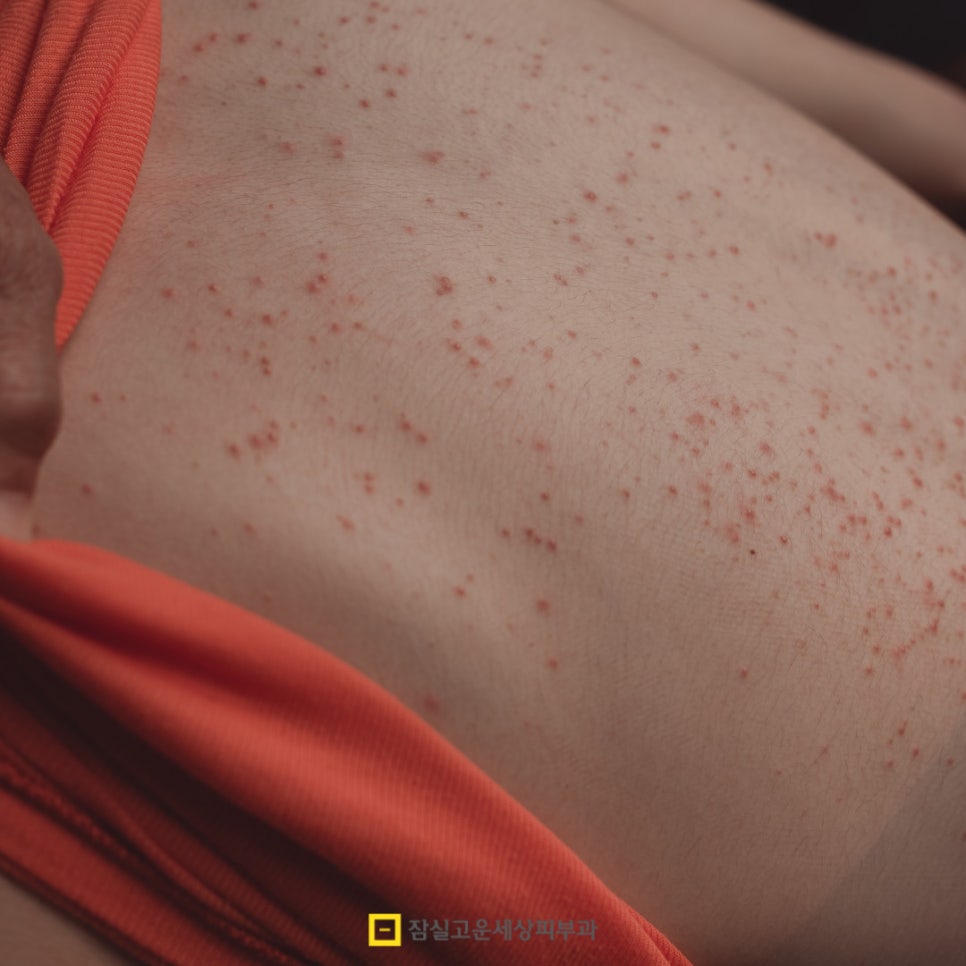
- Heat rash (miliaria)
: A typical rash caused by blocked sweat glands
When sweat stays on the skin for a long time in a hot, humid environment, it cannot escape from the skin and the sweat glands become blocked. At this point, small red rashes or blisters appear on the skin surface—this is heat rash. It usually develops in areas that frequently come into contact with clothing and are prone to sweat buildup, such as the neck, armpits, inner arms, and thighs.
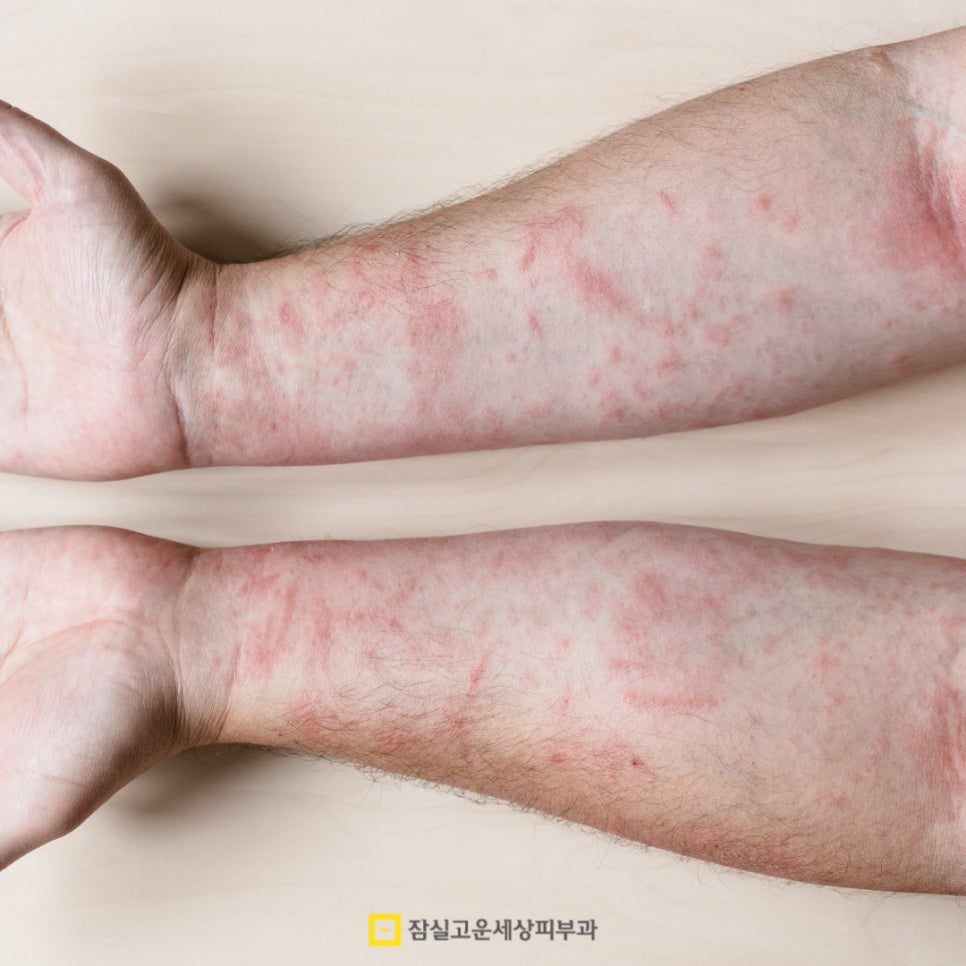
- Contact dermatitis
: Sweat, metal, detergent, and cosmetics can also be causes
In summer, the skin is directly exposed not only to sweat but also to various everyday products. In particular, when certain substances such as detergent, metal, some cosmetics, or plastic touch the skin, allergic reactions or inflammation can easily occur. This can cause itchy or red rashes, and even blisters; this is a typical case of contact dermatitis.
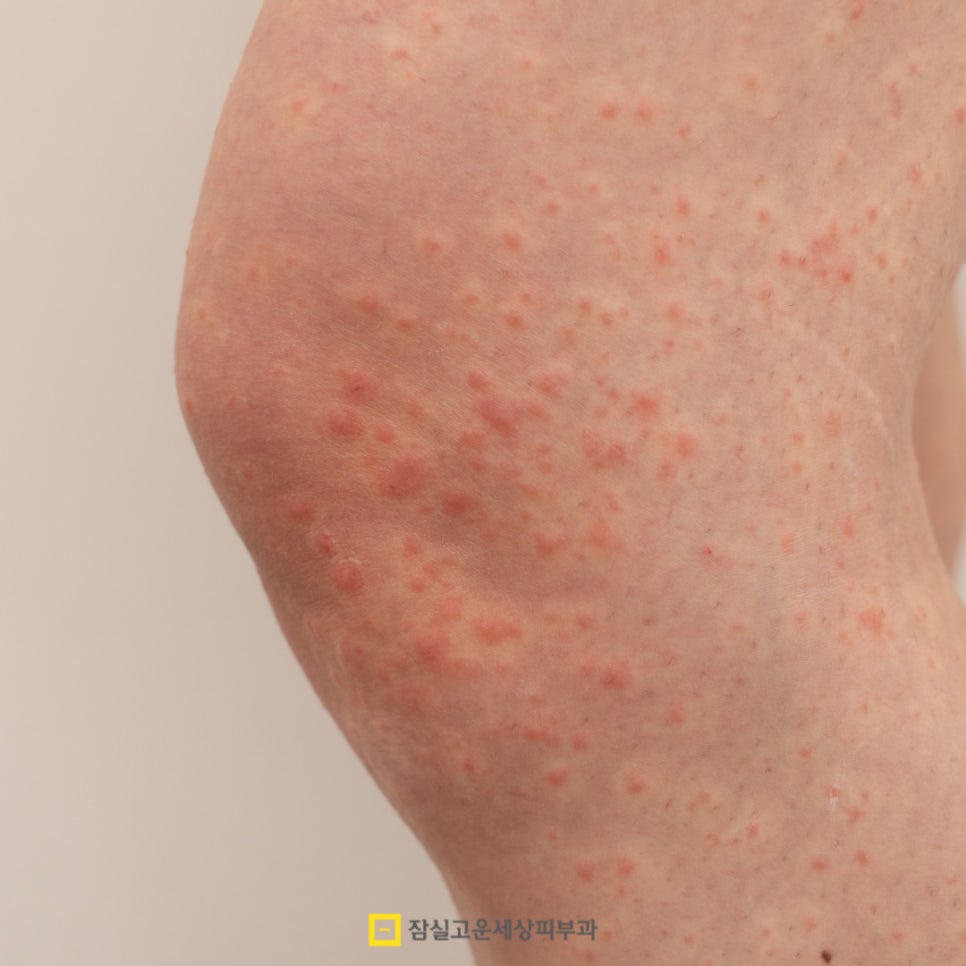
- Sun allergy (photosensitive skin condition)
: A sign of skin that is sensitive to ultraviolet rays
If, after sudden exposure to sunlight in summer, the skin becomes red and hot, swells up like hives, or develops blisters or swelling, you should suspect a sun allergy. In particular, skin that is sensitive to strong ultraviolet rays, such as in polymorphous light eruption (PLE), may develop symptoms quickly even after relatively short exposure.
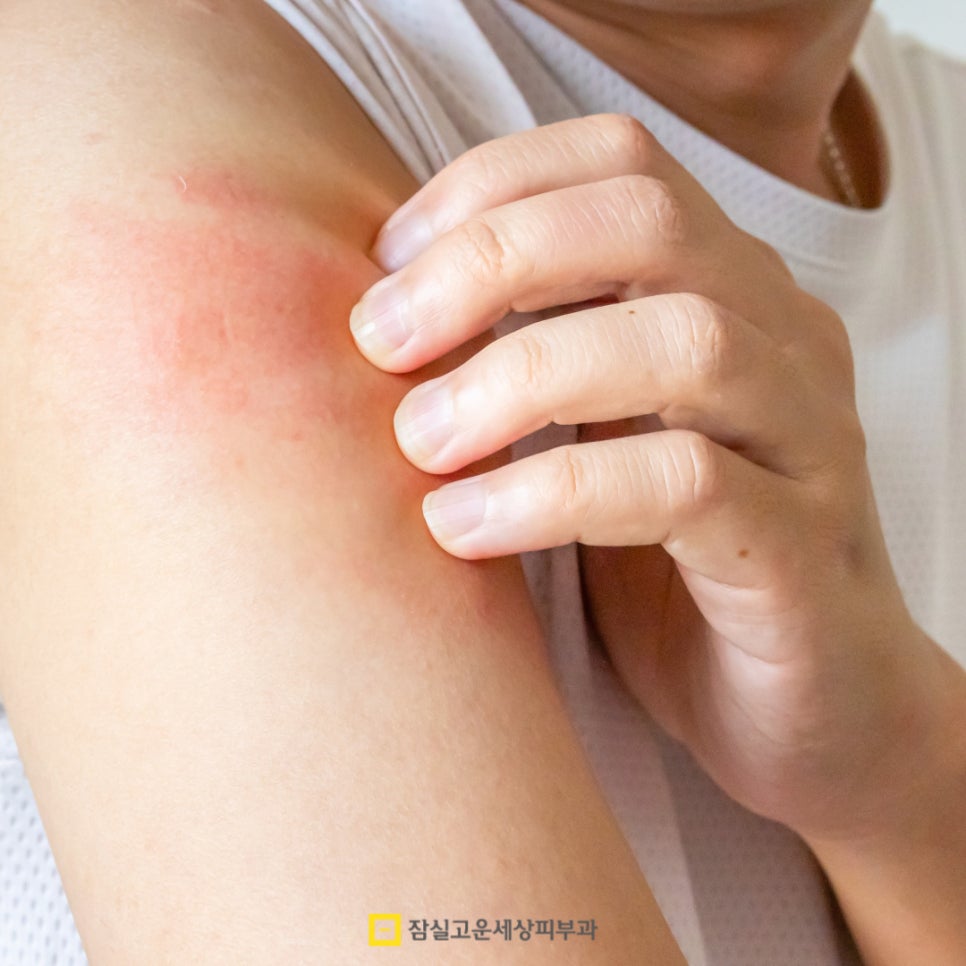
- Hives
: Sensitive to various triggers such as heat, sweat, and even food
Summer hives are not caused simply by heat. They can react sensitively even to triggers that are usually fine, such as sweat, cold air, or even certain foods. The skin suddenly becomes red and swollen, and the main feature is intense itching.
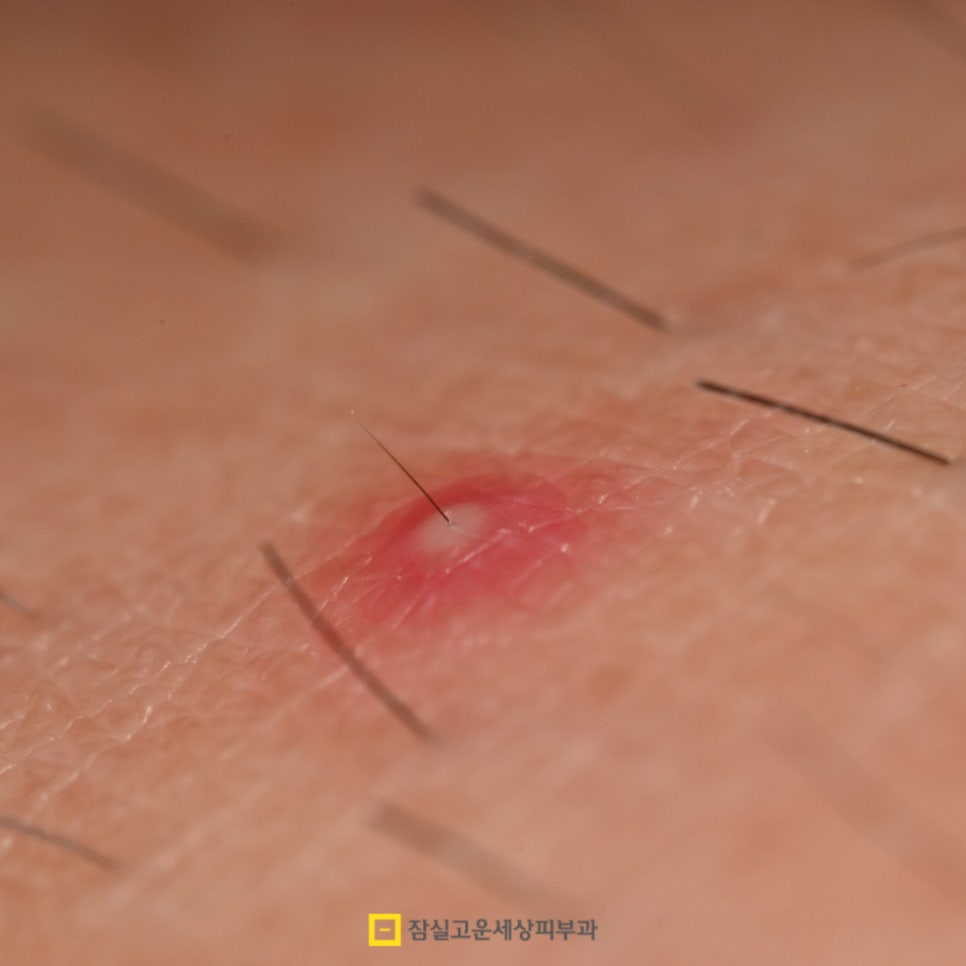
- Folliculitis
: Small bumps like millet seeds, with bacterial infection as the main cause
In hot weather, sweat and sebum increase, and bacteria multiply easily. As a result, inflammation develops in hair follicles, and folliculitis—small red bumps or pus-filled lesions that look like millet seeds—often occurs. It can commonly appear on shaved areas, the back, buttocks, and thighs, where contact is frequent.
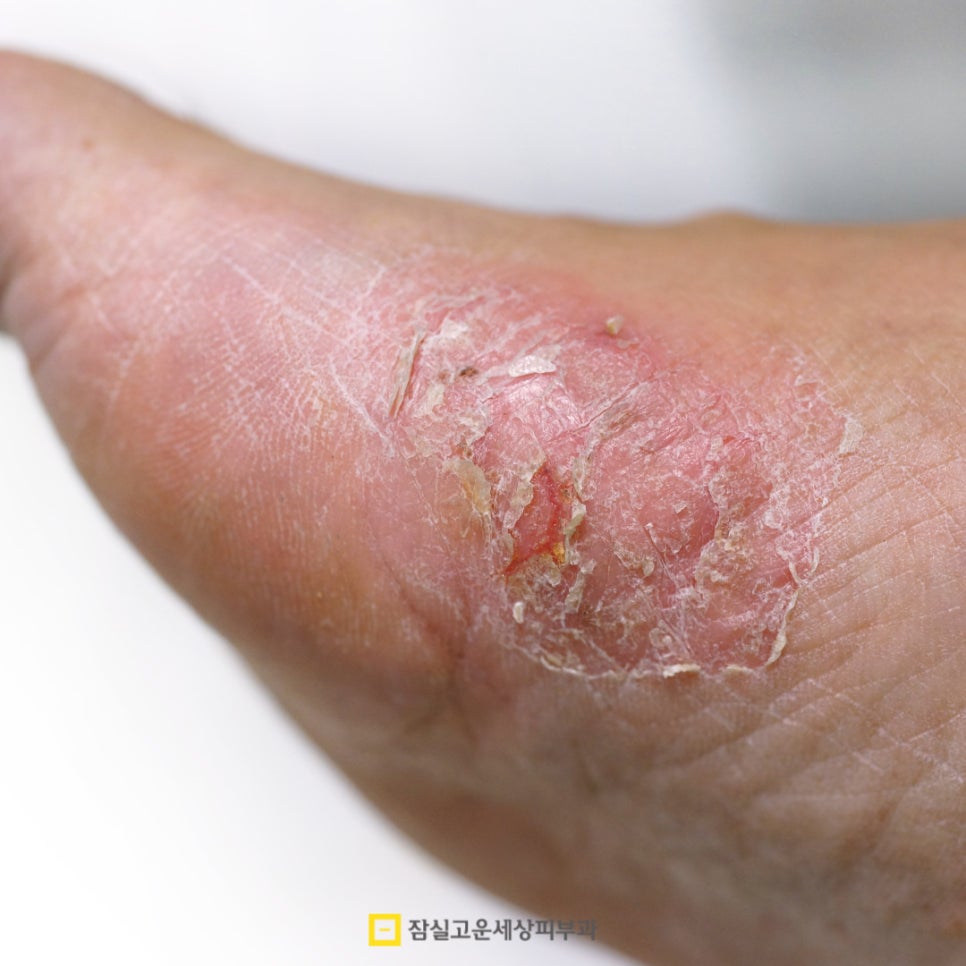
- Athlete’s foot and jock itch (tinea cruris)
: Fungal infections in humid areas
Fungal infections easily occur in areas that are difficult to ventilate, such as between the toes, the groin, and the armpits. If itching, red rashes, and skin peeling repeat, you should suspect athlete’s foot or jock itch (tinea cruris).
In this way, summer skin rashes do not happen for just one reason.
Because each symptom appears differently depending on the cause and environment, it is most important to carefully observe what changes appear on your own skin. Not missing the signals your skin sends, and practicing proper care and prevention, is the first step to getting through the summer healthily.
- Summer skin rashes,
prevent them like this

Summer skin rashes begin with small habits in daily life.
In summer, skin rashes are something everyone experiences at least once, and in truth, it is not easy to avoid their causes completely. But please remember that even small habits can reduce how often rashes occur and help prevent symptoms from worsening.
- Keep clean
: Basic, but the most important prevention method
In a season when you sweat a lot, it is more important than anything else to practice basic cleanliness habits such as showering and washing your face frequently. If sweat is left on the skin for too long, heat rash and various skin troubles can develop more easily, so after going باہر, gently wash your skin with lukewarm water.
After showering, it helps to dry your skin thoroughly with a dry towel so that it does not stay wet for too long. Also, for underwear and outerwear, it is better to choose well-ventilated natural fibers or materials that absorb sweat well, and change clothes frequently.
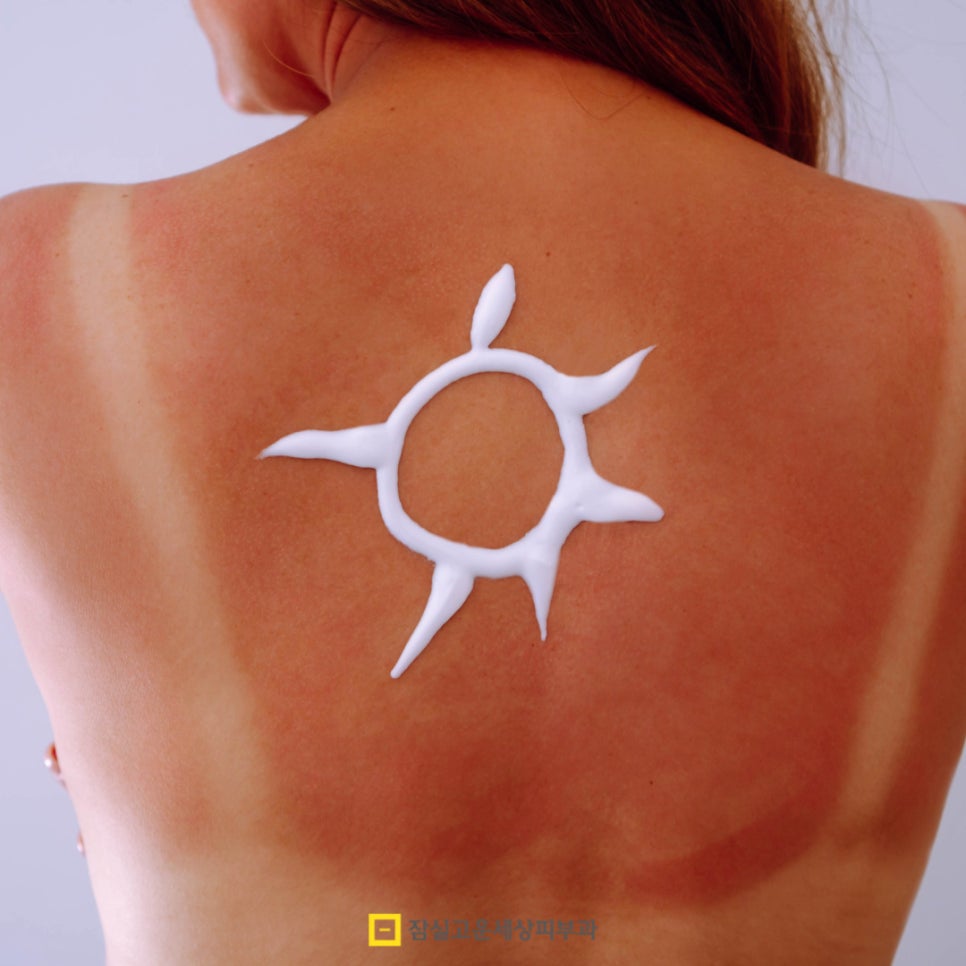
- Sun protection
: It needs to become part of daily life
Strong summer ultraviolet rays can cause a variety of problems, including skin allergies, photosensitive rashes, and pigmentation.
- Minimize skin irritation
: Small changes can make a big difference
Detergents with strong scents or strong irritation, synthetic fabrics that touch the skin directly, or cosmetics that may trigger allergies can place a burden on summer skin. Wearing clothing made of soft, gentle materials and using low-irritation cleansers and cosmetics is the surest way to reduce skin irritation. Using a small amount of heat rash powder on areas that sweat frequently may also help.
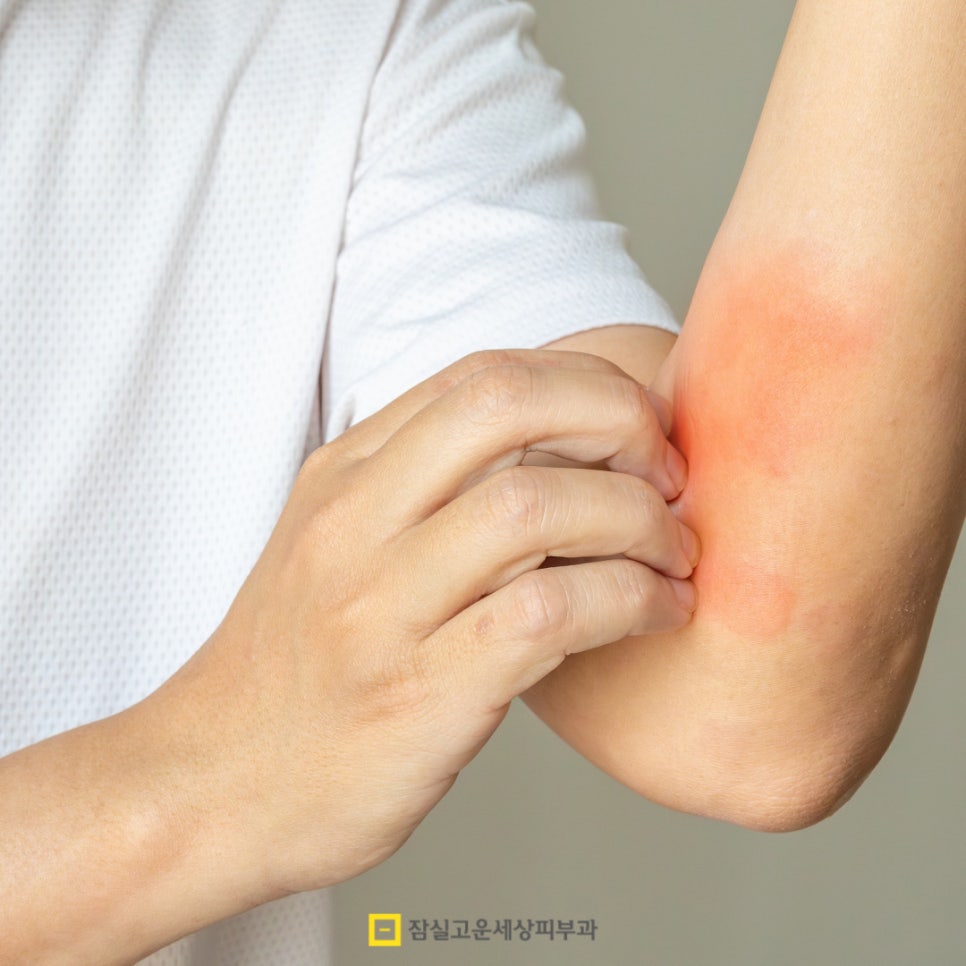
- Relieve itching
: The key is not to scratch
When an itchy area appears, it is easy to absentmindedly reach for it with your hand, but the more you scratch, the more irritated the skin becomes, which can lead to secondary infection or chronicity. If the itching is severe, apply a cool compress or use a moisturizer that helps soothe the skin. If necessary, it is safer to apply the ointment prescribed by a dermatologist.

- Proper treatment
: Do not leave it untreated; consult a specialist
If a skin rash appears more severely than usual or continues for more than a week, do not rely only on self-care. Because the appropriate treatment differs depending on the cause, it is important to get a diagnosis from a dermatologist to identify the exact cause and receive proper treatment.
- Summer skin rashes,
these are things you must be careful about.
Summer skin rashes: precautions you must remember
Most summer skin rashes can be prevented and relieved sufficiently through ordinary daily care, but if you become careless or take them lightly, they can lead to unexpected complications or chronicity. It is most important not to ignore even small signals from your skin and to respond properly at the right time.
- Prevent secondary infection
: Not scratching is the most effective prevention method
When a rash or itch develops on the skin, anyone will instinctively reach for it first. But repeated scratching damages the skin’s protective barrier, making it easier for outside bacteria to invade, and even a small rash can quickly worsen into a secondary infection with pus. In particular, infants, young children, and older adults need special care because their skin is delicate and their immunity is weak, so inflammation or infection can progress quickly even with minor irritation.
- Prompt medical attention is essential if severe symptoms are accompanied
Ordinary skin rashes usually remain relatively mild, but if sudden high fever, chills, difficulty breathing, or overall fatigue accompany the rash, you must visit a nearby medical facility without delay. These symptoms may not be a simple skin-limited rash, but a sign that immediate treatment is needed, such as a systemic infection or a serious allergic reaction. In particular, children, older adults, and people with chronic illnesses need an even faster response.
- Prevent chronicity
: Managing it early is the shortcut to reducing aftereffects
If you think of a skin rash as only a temporary itch and leave it untreated, repeated irritation can lead to chronic dermatitis. Chronic skin may become thicker, leave pigmentation behind, or easily have recurring troubles, so caution is needed. Starting with proper moisturizing, minimizing irritation, and treatment according to a specialist’s advice when necessary helps protect long-term skin health.
In this way, summer skin rashes do not end with simple discomfort; if managed incorrectly, they can lead to bigger problems. If your symptoms become even slightly worse than usual or you feel something is wrong, do not judge on your own—please be sure to seek help from a specialist.

The skin remembers repeated habits.
“Summer skin rashes, healthy habits create tomorrow’s skin.”
The skin never forgets the daily habits we build up every day.
The same is true of skin rashes that are common in summer. Sudden heat rash, allergic rashes, contact dermatitis, and more can happen to anyone, but small habits and careful management in daily life can completely change the outcome.
What may seem like minor actions—fully drying the skin after showering, avoiding going out during the strongest sunlight or applying sunscreen carefully, choosing well-ventilated clothes instead of tight, uncomfortable clothing—all play important roles in protecting skin health. In particular, areas that sweat frequently need extra attention to cleanliness, and when you feel itching, you should respond with a cool compress or soothing care rather than scratching.
Most importantly, if symptoms recur or do not improve with ordinary care, do not keep worrying about it alone; seek help from a dermatologist. If it is difficult to judge on your own, an accurate diagnosis and personalized treatment may be needed. If you find the cause early and manage it systematically, you can maintain healthy skin without bigger problems.
Summer skin rashes can be an inconvenience in themselves, but at the same time, they may be a small warning signal from your skin. Please do not forget that today’s habits and care ultimately determine tomorrow’s skin, and put them into practice. Consistent care and careful attention are the beginning of healthy summer skin.
Thank you.
How to get to Jamsil Gounsesang Dermatology Clinic ↓
Jamsil Gounsesang Dermatology Clinic treatment information ↓

Jamsil Gounsesang Dermatology Clinic website ↓
This post is provided by Jamsil Gounsesang Dermatology Clinic for the purpose of providing medical information in accordance with Article 56, Paragraph 1 of the Medical Service Act, and all procedures/surgeries carry the risk of side effects such as bleeding, infection, and nerve damage, so please proceed carefully after sufficient consultation with medical staff.