Acne extraction,
Why is it needed and how can it be done safely?

Hello, this is Jamsil Gounsesang Dermatology!
Many people, when they see a pimple rising in the mirror,
automatically reach for it first, but at the same time they worry,
“If I touch it for no reason, won’t it leave a scar?”
Especially these days, it is not uncommon to see posts online or on social media saying that “it’s better to just leave acne alone,” so many people feel confused.
However, depending on the type and characteristics of acne, extraction is absolutely necessary, and in fact, safely extracting it at the right time helps reduce scarring and pigmentation.
What matters is not squeezing it unconditionally, but understanding why it should be done and how it should be done. In this article, we will go over the need for acne extraction and the proper method step by step.
- Why acne extraction is needed

Acne begins when the opening of a hair follicle becomes blocked by dead skin cells and sebum.
As sebum builds up inside, oxygen is cut off, and in this environment, normal skin flora multiply and trigger an inflammatory response. When the inflammation worsens at this point, the surrounding dermal tissue is also damaged, increasing the likelihood that depressed scars or pigmentation will remain even after recovery.
Extraction is intended to expel this inflammatory material and excess sebum to the outside, preventing the inflammation from spreading deeper and minimizing tissue damage.
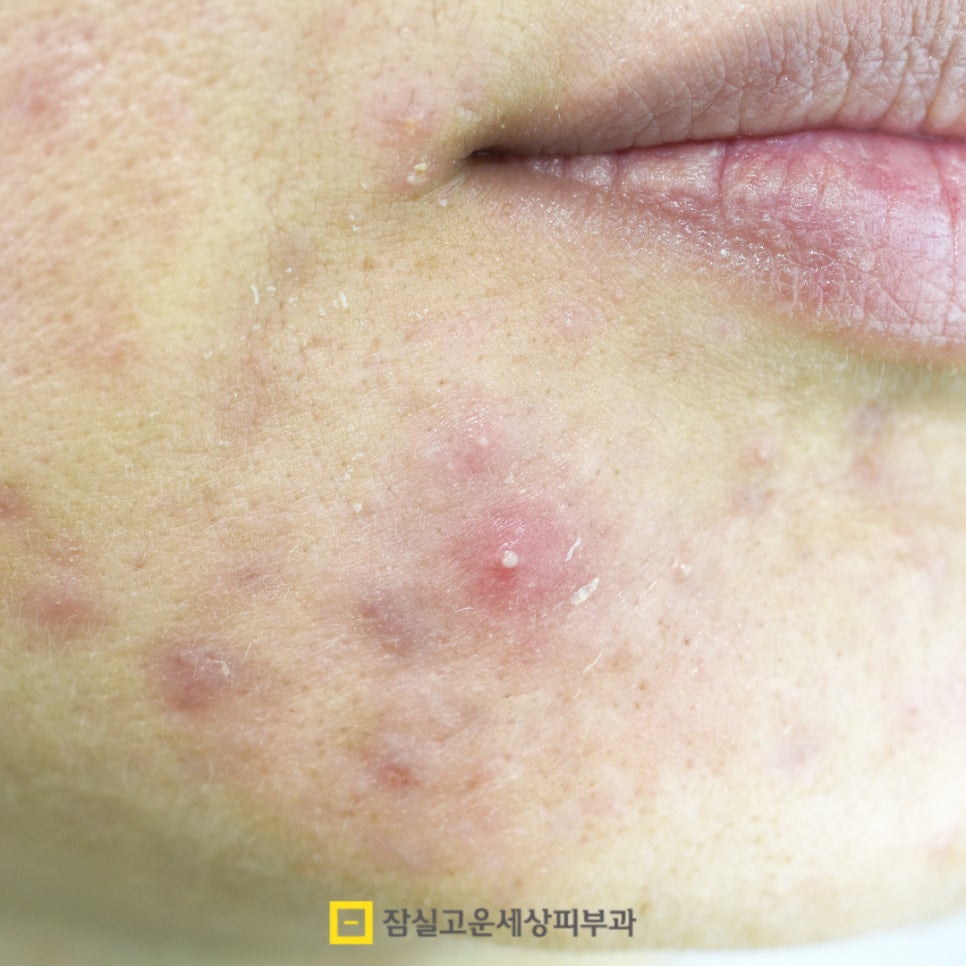
In particular, pustular acne that already contains pus, red swollen papules, pustular acne, and hard nodular acne need to be drained before the inflammation spreads to the dermal layer. If left as is, the skin’s regenerative layer can be destroyed, making scars deeper.
In other words, extraction is more of a therapeutic procedure than a cosmetic one, and if the timing and method are correct, it is effective in minimizing skin damage and speeding recovery.
Also, extraction becomes even more effective when combined with medication. In follicles where the contents have been removed, medication can penetrate more easily, helping suppress bacteria and reduce inflammation faster.
- Distinguishing the timing and targets for extraction
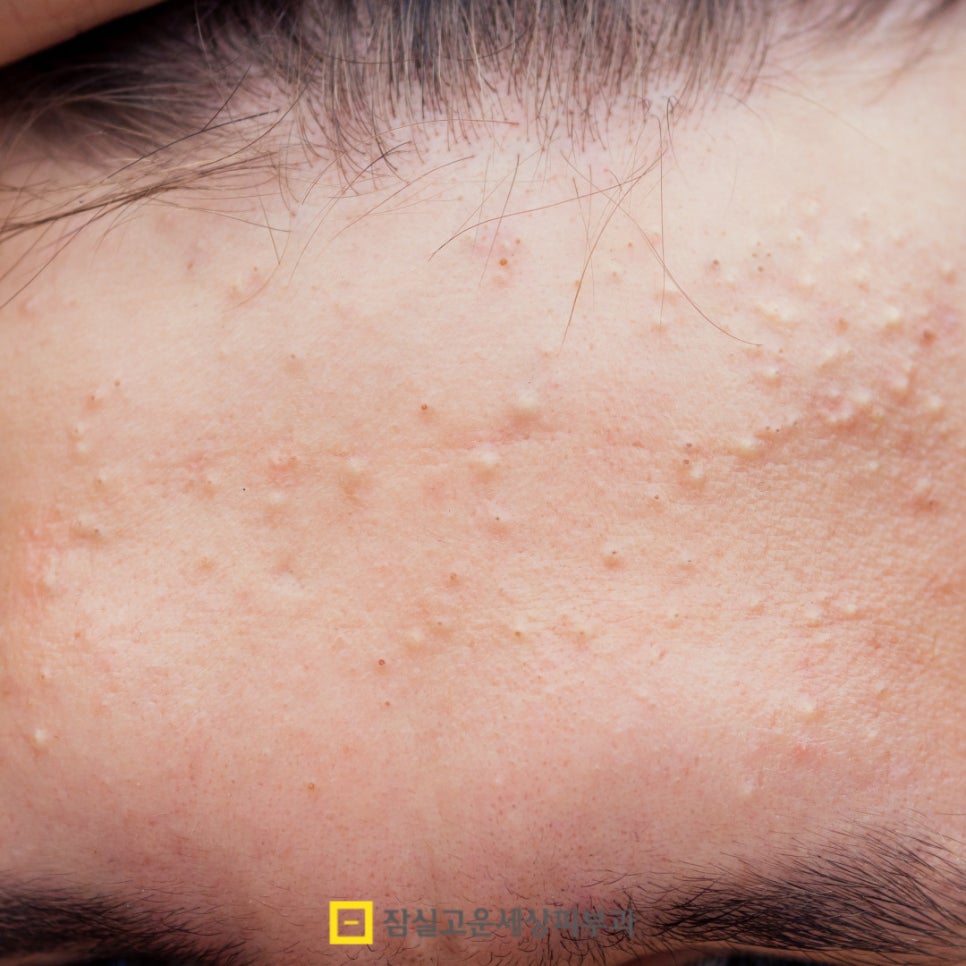
Not all acne is a candidate for extraction.
If the pore is still clogged with sebum but there is no inflammation, such as at the whitehead stage, or if the surface is bumpy but there is no redness, the condition can often improve sufficiently with exfoliating agents or topical medications rather than extraction. On the other hand, pustular acne in which pus is visible to the naked eye or pain is present should have the infectious material removed through extraction.
In particular, deeply embedded nodular acne in areas with active sebum secretion such as the jawline, cheeks, and forehead can lead to greater dermal damage over time and may result in pigmentation or depressed scars, so early extraction may be necessary depending on a specialist’s judgment.
Even if it has already burst, if the contents have not been completely drained, the inflammation can continue and the same area often recurs, so extraction and disinfection are also recommended in that case.
Some patients say, “If I wait a few more days, it will probably burst on its own,” but acne that bursts spontaneously often allows infection to spread to the surrounding skin, so caution is needed.
- Safe extraction method
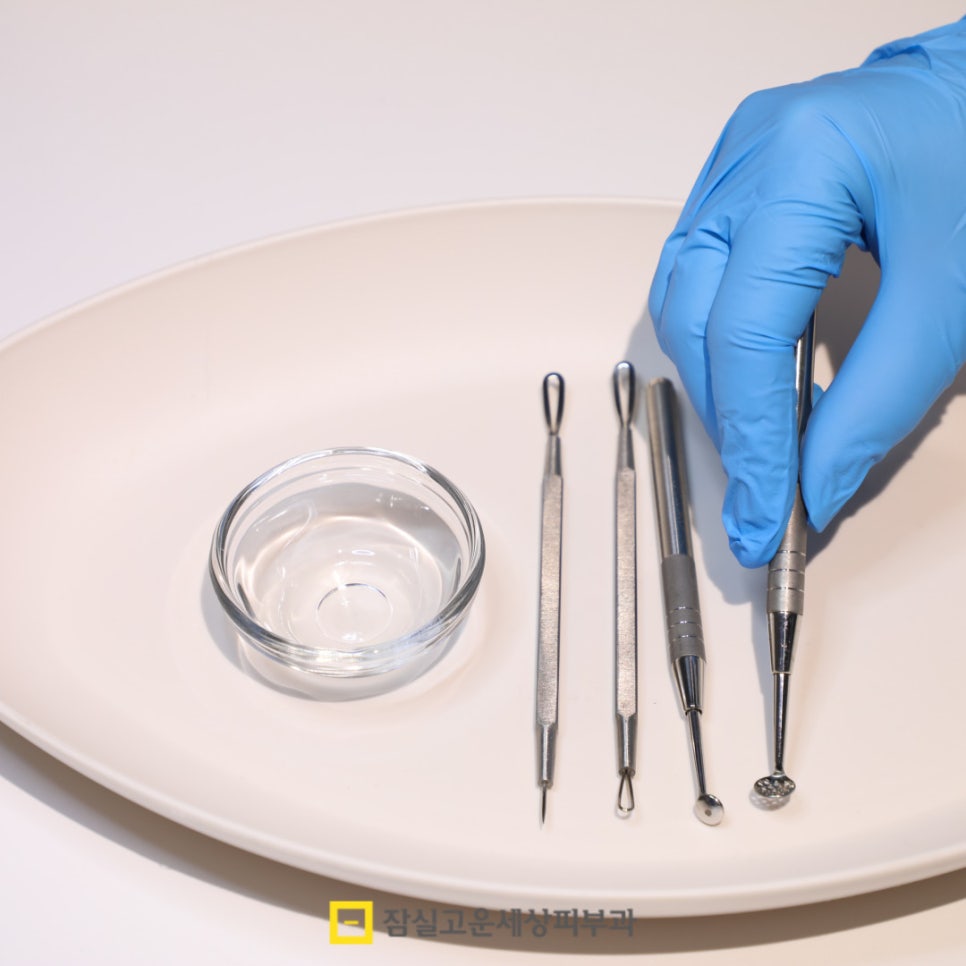
The one thing that should be avoided most in acne extraction is squeezing it with bare hands.
Unhygienic hand extraction can cause bacterial infection and deeply damage the skin barrier, which can actually worsen inflammation.
For safe extraction, the following principles are important.
First, hygiene before and after extraction is essential.
Wash your hands thoroughly with soap, and wear sterile gloves if possible. The extraction area should be wiped with disinfecting alcohol or chlorhexidine to minimize bacterial infection.
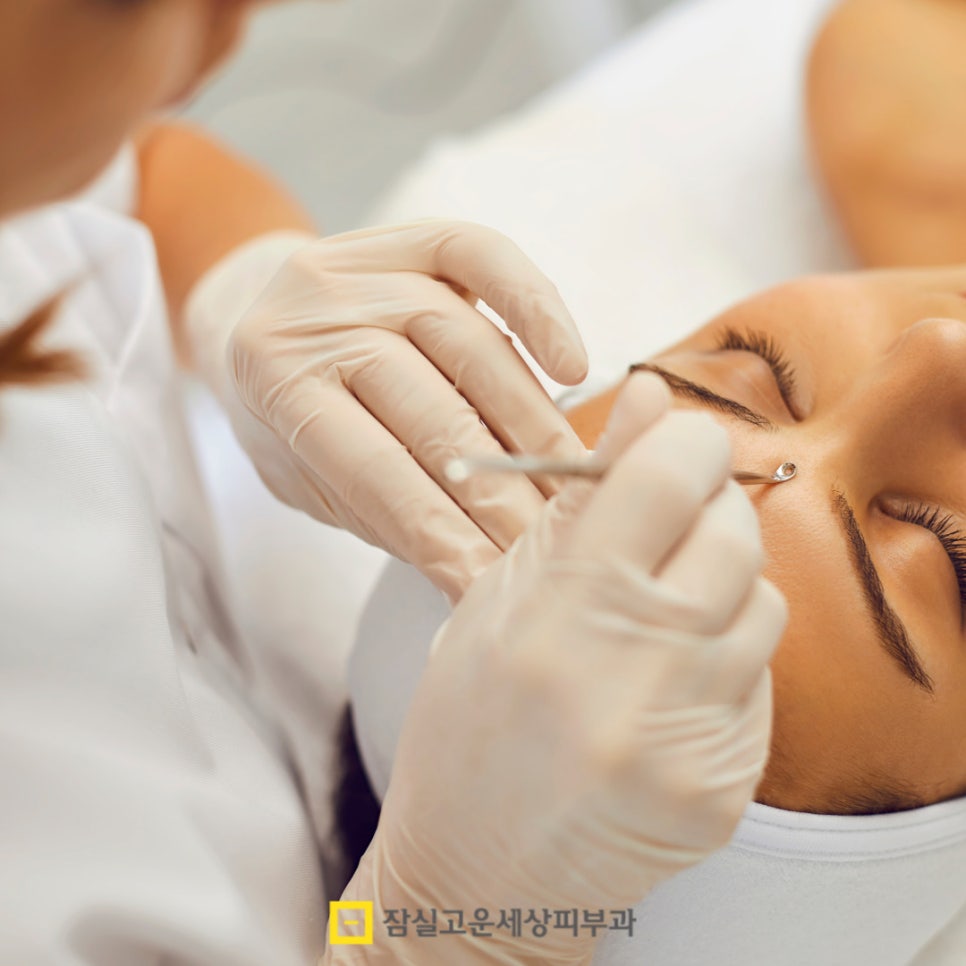
Next, a sterile comedone extractor must be used, and after accurately targeting the center of the acne, pressure should be applied gradually from the surrounding area so that the contents in the center are naturally expelled.
At this point, applying too much force can damage the dermis and rupture capillaries, so the pressure should be adjusted gradually. After the contents have been expelled, an antibiotic ointment is applied, and if needed, cold compresses or soothing treatment are combined to relieve swelling and redness. In severe cases, laser treatment or radiofrequency treatment may also be used immediately after extraction to promote regeneration.
- When you should not extract acne yourself
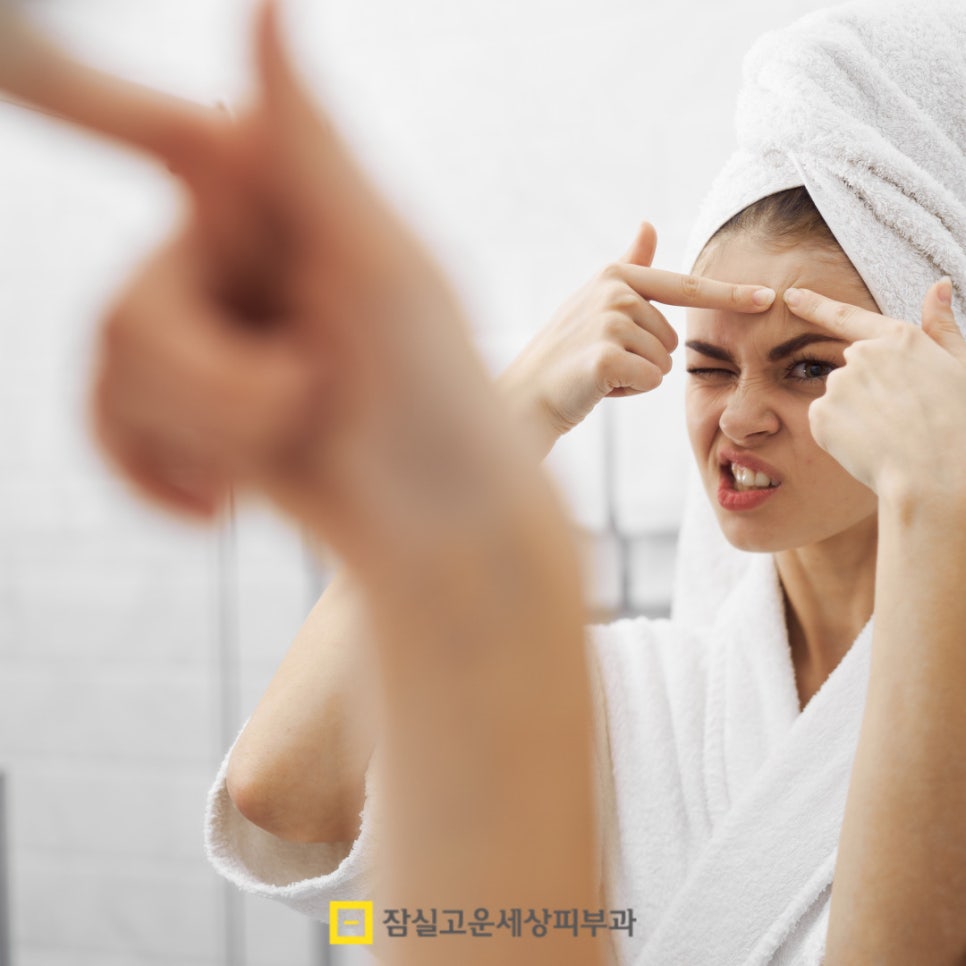
Deeply seated nodular acne, areas where scars are especially noticeable such as the jawline or beside the nose, and cases where inflammatory acne is spread across the entire face in multiple lesions must be treated at a medical facility. Also, if fluid continues to ooze after extraction or the area becomes increasingly red and hot, you should seek medical attention immediately.
If you try to force extraction at home in these situations, the inflammation can spread to deeper layers and the risk of recurrence increases. In particular, skin in adolescence, when acne commonly develops, or skin with sensitivity, is more easily damaged, so specialist care should come first.
Acne extraction is not simply a process of making the skin look better; it is a treatment with the therapeutic purpose of preventing worsening inflammation and minimizing skin damage. Not all acne is a target, and it is safe only when performed at the appropriate time for cases with clear inflammation and pus.
A sterile instrument, hygiene management, appropriate pressure and angle, and care after drainage must all be in place for the skin to recover quickly. In contrast, indiscriminate hand squeezing greatly increases the risk of bacterial infection, scarring, and pigmentation.

What matters more than “to squeeze or not” is “when and how to squeeze.”
Acne can lead to scars if the timing is missed, but improper extraction can leave even deeper wounds.
Therefore, it is important not to squeeze unconditionally, but to judge the timing for extraction carefully and perform it in a hygienic and safe way.
If possible, it is safest to have the procedure done by a dermatologist, and if you must extract it yourself, you should at least strictly follow hygiene and proper technique. Please remember that the key to acne care is not “what you do,” but “how you do it.”
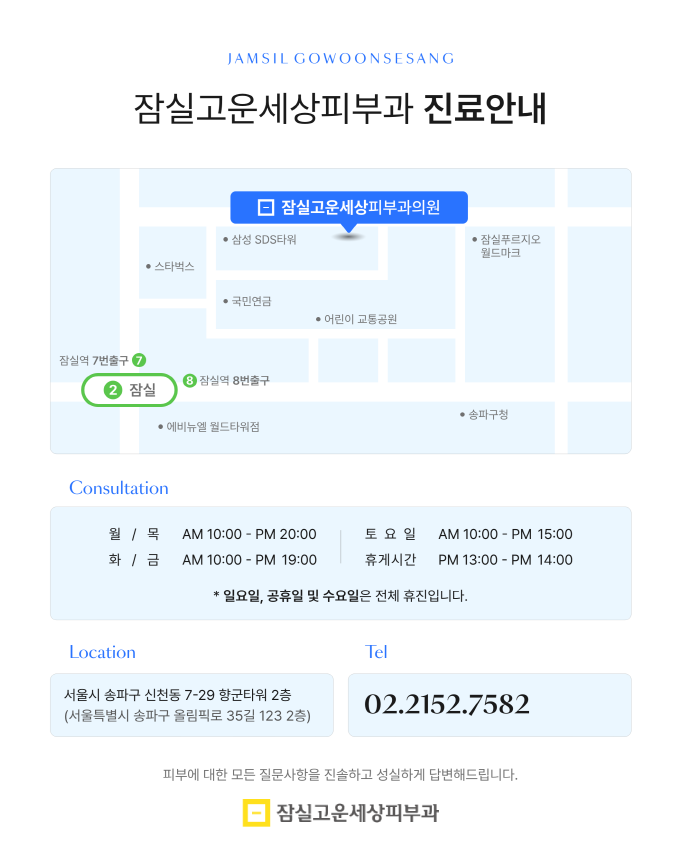
[Directions to Jamsil Gounsesang Dermatology]
[Consultation information for Jamsil Gounsesang Dermatology]
[Jamsil Gounsesang Dermatology website]
In accordance with Article 56, Paragraph 1 of the Medical Advertising Act, this post is provided by Jamsil Gounsesang Dermatology for the purpose of providing medical information. All procedures/surgeries carry the risk of side effects such as bleeding, infection, and nerve damage, so please proceed carefully after sufficient consultation with the medical staff.