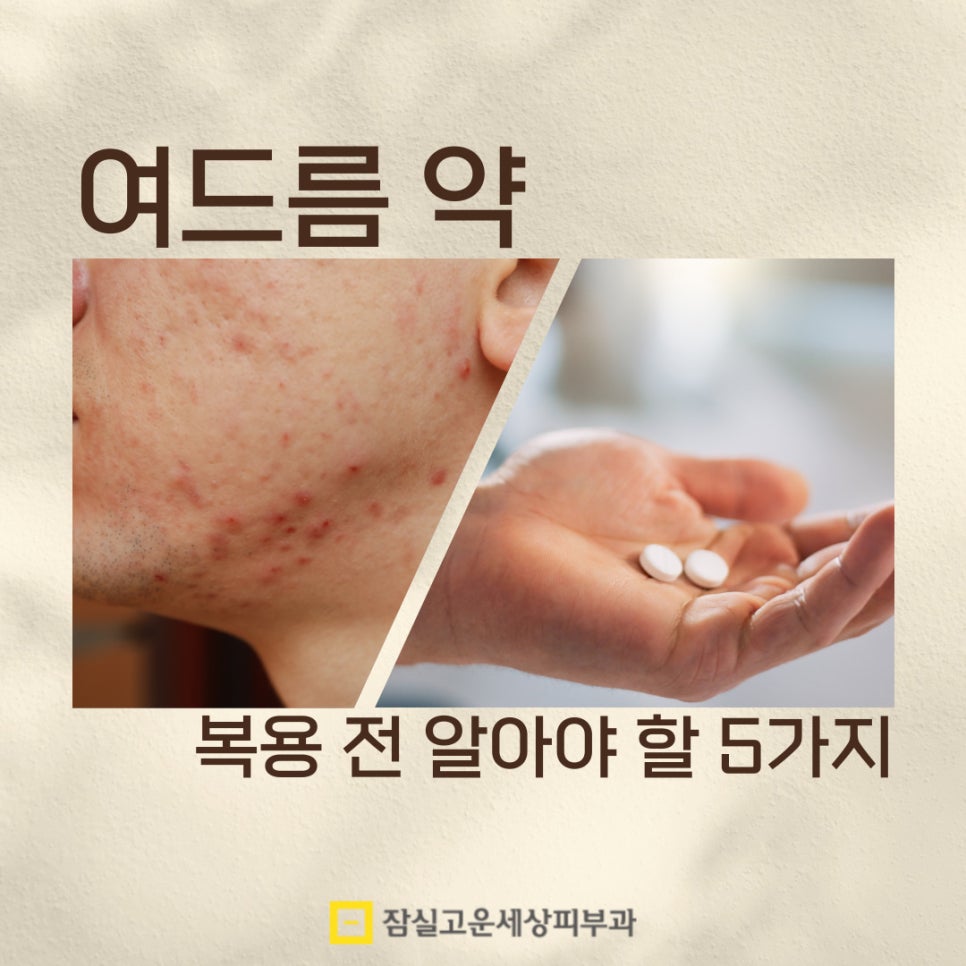
Acne Medication: What You Need to Know Before Taking It
5 Key Points
Hello! This is Jamshil Gounsesang Dermatology Clinic!
When starting acne treatment, one of the most common questions we hear in the consultation room is, “Will it get better if I just take the medication?” Medication does play an important role in acne treatment, but if you rely only on medicine and neglect other care, it may be difficult to get the results you expect.
Also, because each medication has a different duration of use, and its side effects and care instructions vary slightly, starting without proper knowledge often leads people to give up halfway or struggle with recurrence.
Today, based on five questions patients often ask, I will explain step by step what you should know before taking acne medication.
- Can acne be treated with medication alone?
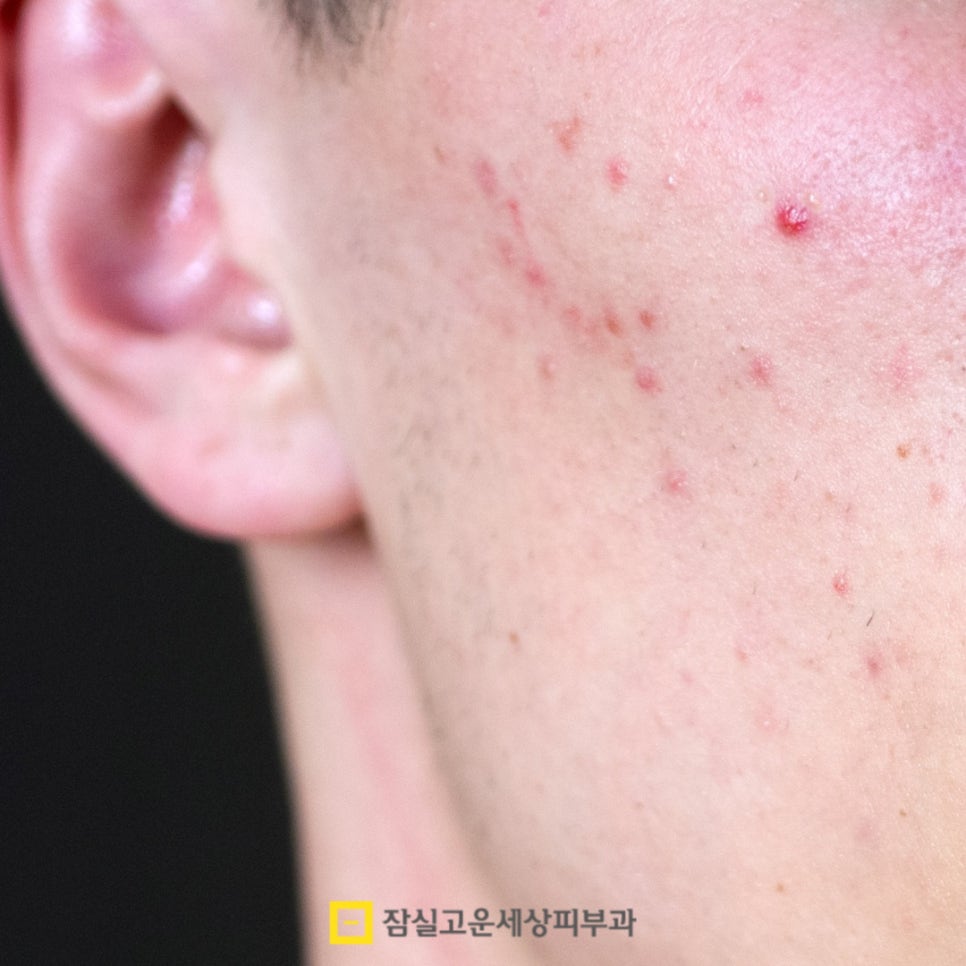
If your acne is not severe and only occasional red pimples appear here and there, medication alone may be enough to improve it. For example, oral antibiotics reduce the number of bacteria that create inflammation in the skin, helping to calm swelling and redness, while topical treatments (ointments or gels) gently loosen built-up dead skin inside the pores and help prevent new acne from forming.
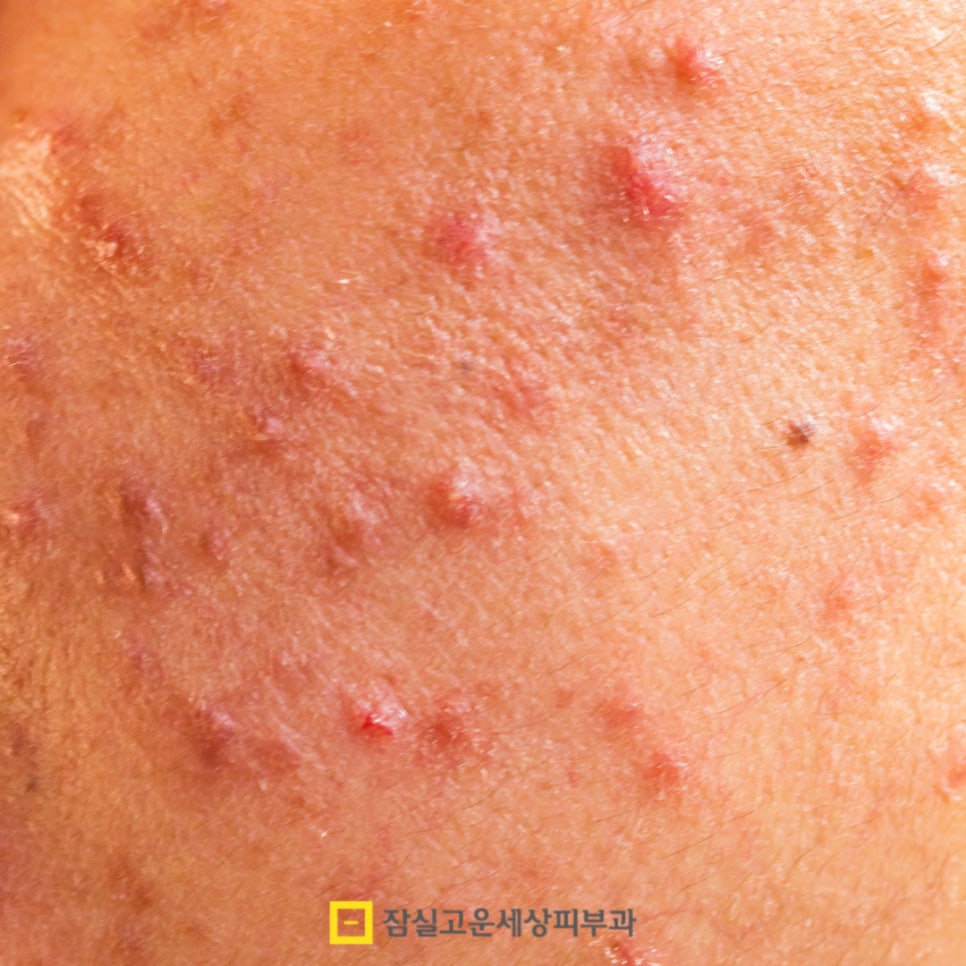
However, if there are already deep scars in the skin, or if there is a lot of sebum across the face and acne keeps appearing nonstop, medication alone has its limits.
It is similar to putting out the flames in a house fire without cleaning up the damage or making repairs to prevent it from happening again.
In such cases, medication should be combined with treatments such as extraction, laser, peeling, or lifestyle correction to achieve long-term stability.
- Will taking acne medication for a long time make you gain weight?

Most acne medications (antibiotics, topical agents, low-dose sebum regulators) are not directly related to weight gain. Even so, stories like “I gained weight after taking the medication” often happen because people’s appetite returns after their acne improves, or because their activity level decreases due to changes in daily habits.
However, in very rare situations where short-term high-dose steroids are needed, swelling and weight gain can occur. But in typical acne treatment, long-term steroid use is rarely used, so you do not need to worry too much.
- How should you care for your skin while taking a sebum regulator?
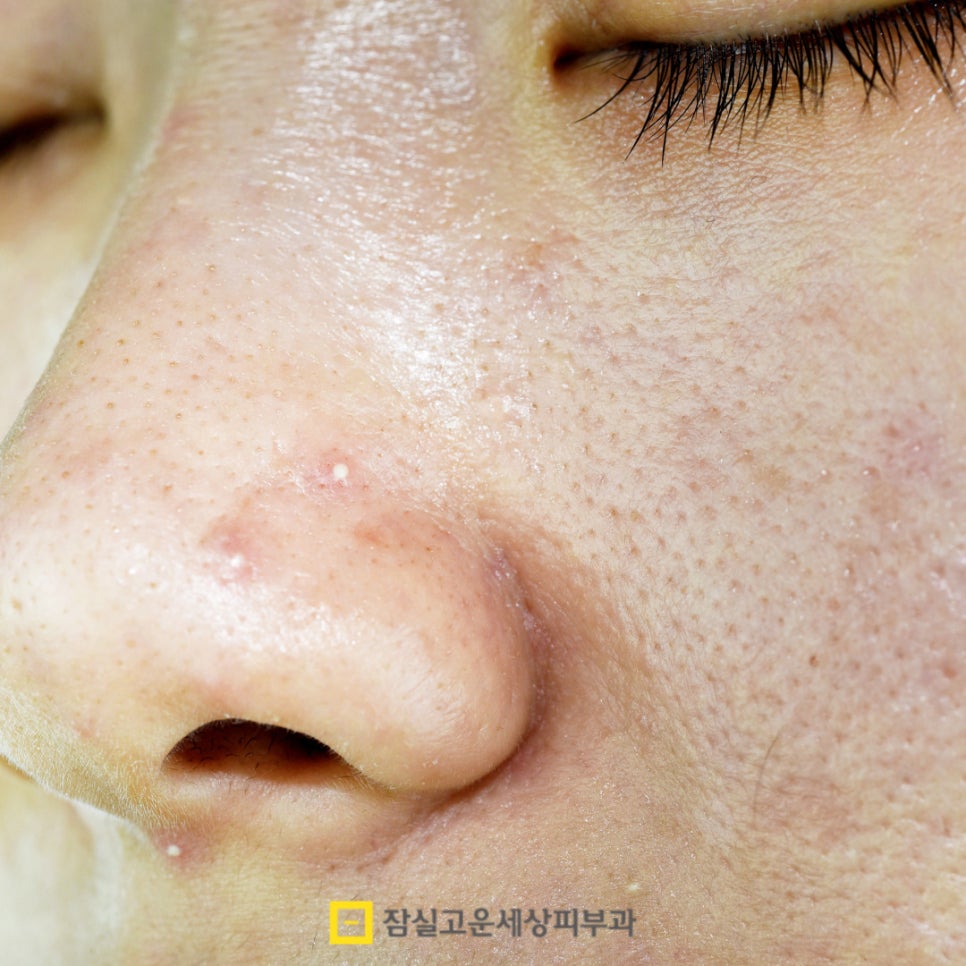
Sebum regulators (the isotretinoin family) are effective at clearly reducing sebum secretion, but they also cause dryness of the skin and mucous membranes. In the early stages of taking them, it is common for the lips to crack easily, the face to feel tight, and flaking to occur.
At this time, it is important to wash your face only twice a day with a gentle cleanser, and to apply moisturizer right after cleansing so that moisture does not escape. A moisturizing cream containing ceramides or hyaluronic acid can help restore the skin barrier.
Before going out, you should definitely apply sunscreen, and for lip dryness, it is good to apply lip balm frequently. Also, because the skin’s regeneration speed may slow down while taking the medication, irritating procedures such as peeling or strong laser treatments should only be done after consulting a specialist.
- How long should acne medication be taken?
How long you should take the medication depends on the severity of the acne, the type of medication, and how your body responds to it.
Oral antibiotics are usually recommended for about 6 to 12 weeks, and at most within 3 to 4 months. This is because taking them for too long can lead to “resistance,” where bacteria adapt to the medication.
Sebum regulators are aimed at reaching the cumulative dose per body weight (roughly 120 to 150 mg/kg), and are usually taken for about 4 to 8 months. Topical treatments are often used for a few more months even after stopping oral medication to help prevent recurrence.
The important thing is that even if your skin looks clear on the surface, stopping without consulting your doctor makes recurrence more likely. Since medication treatment requires time to gradually change the environment inside the skin, it is best to follow the recommended duration.
- Are there no side effects from acne medication?
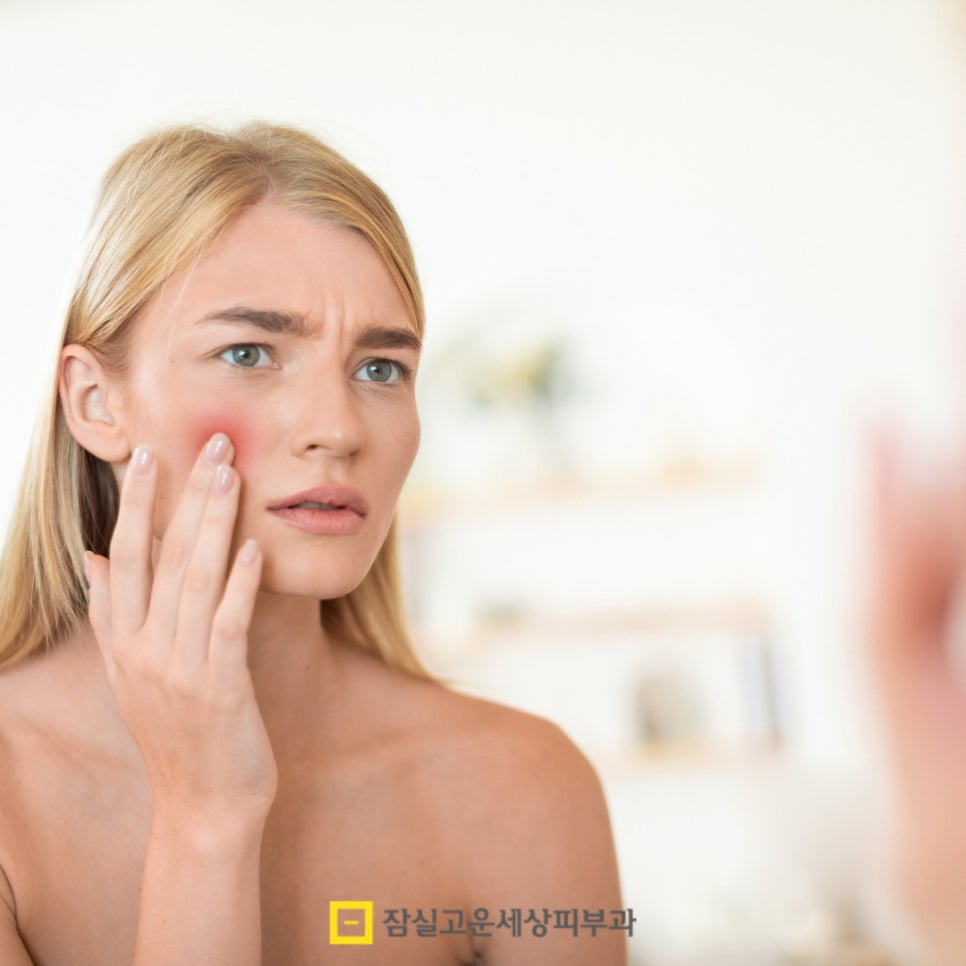
All medications have the possibility of side effects.
Oral antibiotics may rarely cause heartburn or increased sensitivity to sunlight, and sebum regulators have been reported to cause dry skin and lips, nosebleeds, and increased liver enzyme levels or triglyceride levels. Topical treatments may cause stinging, redness, or dryness when first applied.
Fortunately, most of these are temporary and can be relieved with moisturizing, sun protection, and dose adjustment. However, if the symptoms are severe or seem unusual, it is safest to stop the medication temporarily and seek medical care right away.

Acne medication is effective at calming inflammation and reducing the formation of new acne, but medication alone cannot solve every problem. Better long-term results can be achieved when medication treatment is combined with lifestyle management and, when needed, procedures. The duration of use, method, and side-effect management must be adjusted through consultation with a specialist, and not stopping on your own is key to preventing recurrence.
Safely, steadily, and systematically
The purpose of taking acne medication is not simply to make acne go away quickly, but to improve the skin environment and reduce recurrence. If accurate information, a treatment plan, and lifestyle management are carried out together, you can expect much more stable and long-lasting skin improvement.

If you do not rush and steadily build even small changes, you will be able to see for yourself that the skin in the mirror becomes healthier and healthier. Please remember that acne treatment is not a sprint but a marathon, and start one step at a time from today.

There may be brief dryness or discomfort during the treatment process, but this is a natural stage your skin goes through to become healthier. If you do not give up and continue as planned, the day when you can maintain clear and confident skin will come much sooner.
Thank you :)
[How to visit Jamshil Gounsesang Dermatology Clinic]
[Jamshil Gounsesang Dermatology Clinic consultation information]
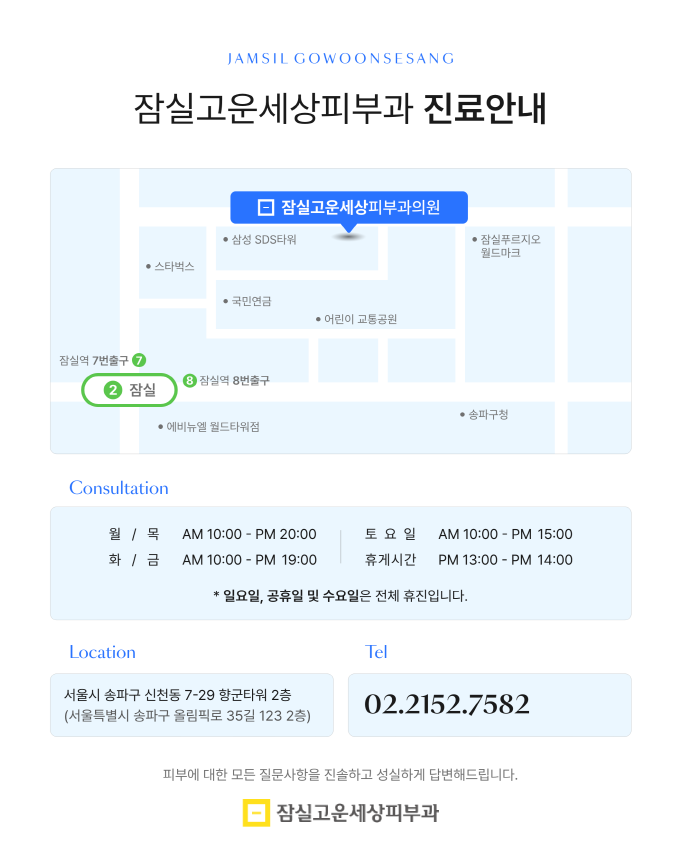
[Jamshil Gounsesang Dermatology Clinic website]
This post is provided by Jamshil Gounsesang Dermatology Clinic for the purpose of providing medical information in accordance with Article 56, Paragraph 1 of the Medical Service Act. Since all procedures/surgeries carry the risk of side effects such as bleeding, infection, and nerve damage, please proceed carefully after sufficient consultation with the medical staff.