Our child’s puberty acne,
when and how should we manage it?
Hello.
This is Jamsil Gounsesang Dermatology Clinic :)
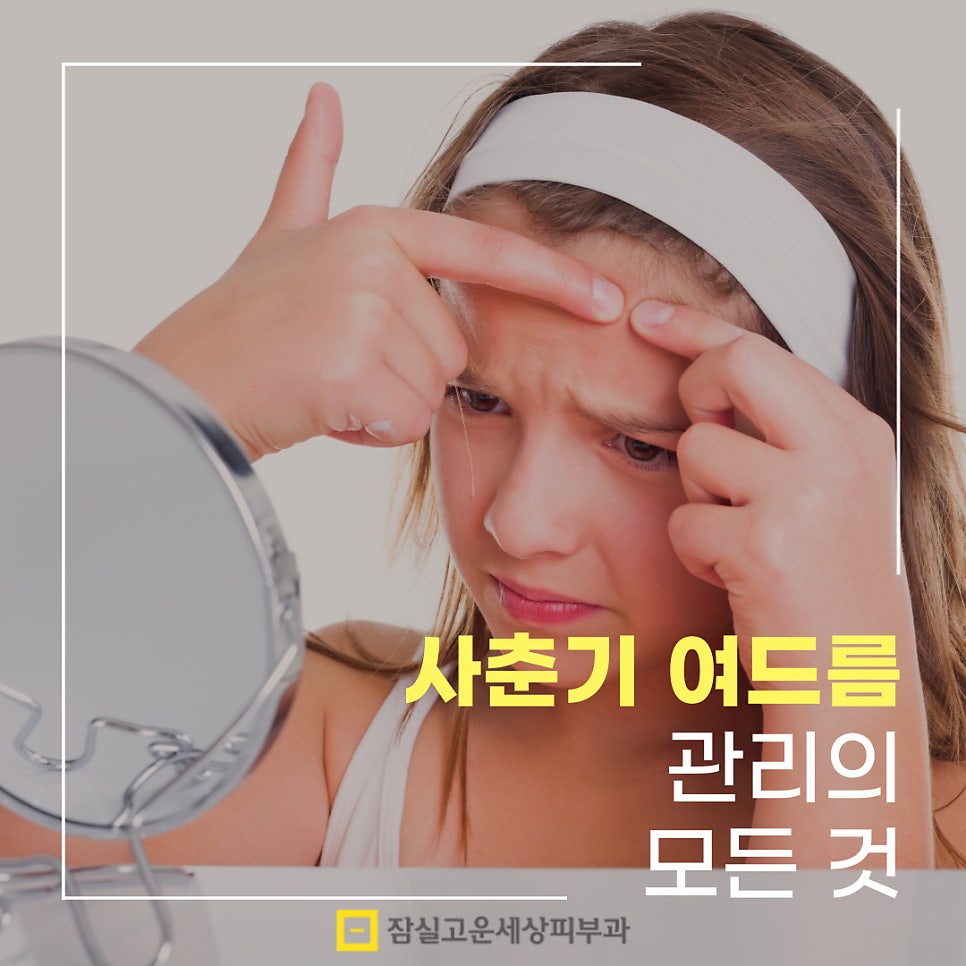
As children enter middle school, acne begins to appear little by little on their faces. At first, it may seem minor and easy to overlook, but before long it spreads to the forehead, cheeks, and chin, and when the skin becomes red and blotchy, it is hard not to worry. Thoughts like, “I had it too; it goes away after puberty” may come to mind, but is that really true?
Puberty acne is not simply a “sign of growing up.” If it is not properly managed, it can lead to scars or pigmentation that remain for life. In addition, children at this age are sensitive about their appearance, so even the condition of their skin can greatly affect their confidence. That is why it is important for parents to know the right information and set the direction early.
In this post, we will explain why puberty acne happens, how you can help manage it at home, and when treatment should begin.
Why acne becomes especially common during puberty
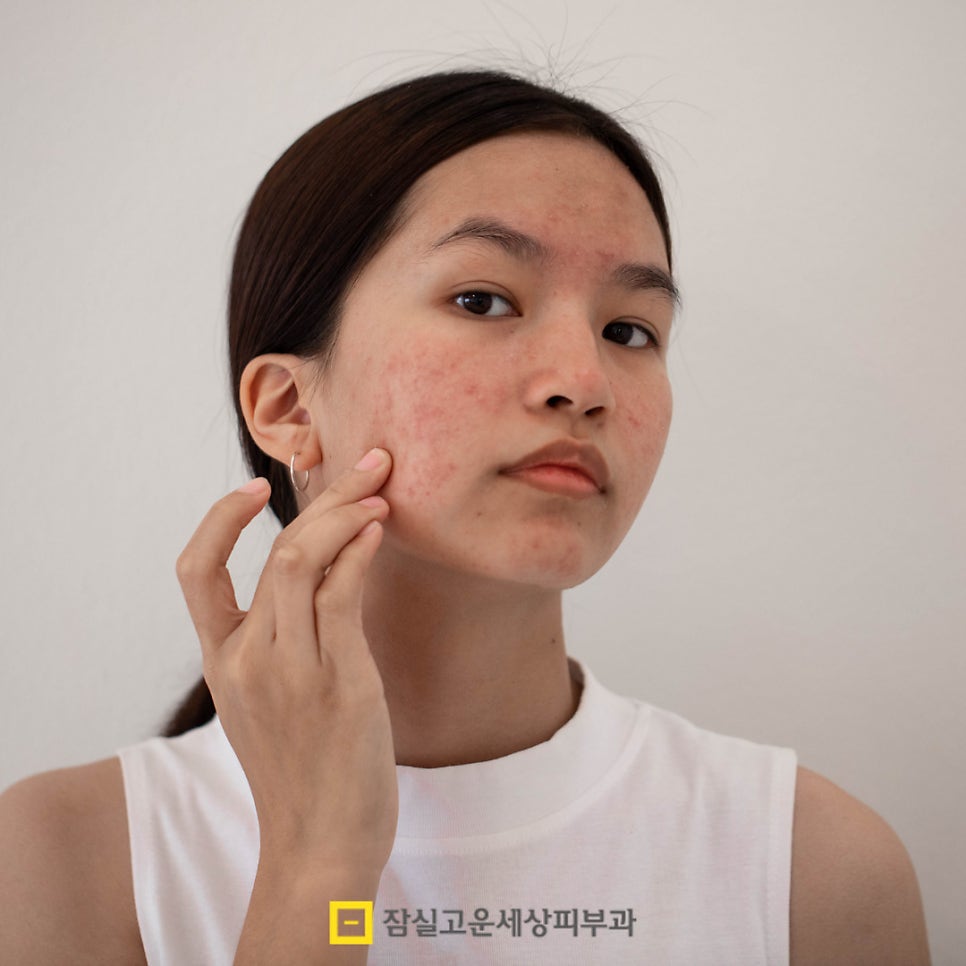
During puberty, hormonal changes begin in earnest. In particular, as the male hormone androgen increases, the sebaceous glands enlarge and sebum production rises to the point that the skin can look oily several times a day. In this environment, pores become easily clogged, and dead skin cells and dust build up in the clogged areas, preventing sebum from draining properly. Because the inside is a sealed space with little oxygen, it becomes an ideal environment for skin bacteria to grow.
In addition, habits such as absentmindedly resting the chin on the hand, hair frequently touching the face, or not being able to wash off sweat right after exercise can worsen acne. Also, holding a smartphone close to the face during calls or touching the face after handling a phone with dirty hands can transfer bacteria and contaminants to the skin. These small everyday habits accumulate and create an environment in which acne develops easily and keeps recurring during puberty.
How to approach puberty acne
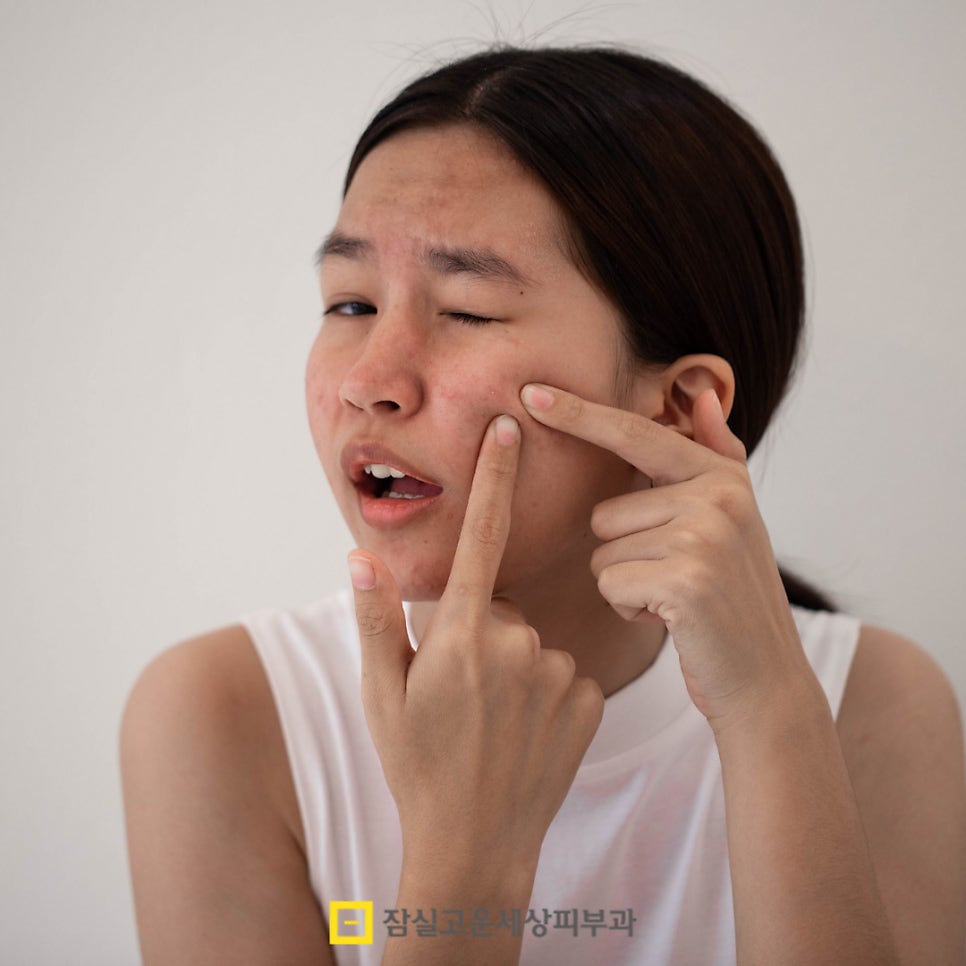
When you see acne on a child’s skin, it is natural to think, “I should squeeze it and get rid of it.” However, forcing it out with your hands can spread inflammation deeper into the skin and greatly increase the risk of scarring. Because puberty acne is influenced by hormones for several years, it cannot be completely eliminated in a short time. Instead, the goal should be to prevent inflammation from worsening and to manage it in a way that does not leave scars.
For example, if there are only a few small pimples on the forehead, cleansing and lifestyle management may be enough to improve the skin. But if red, firm acne frequently appears around the cheeks and chin, and pus develops, leaving it untreated can damage the collagen layer beneath the skin. Therefore, it is necessary to observe the size, color, and pain level of the child’s acne and set a “decision standard” so that mild cases can be managed at home while severe cases are seen at a clinic.
How to manage puberty acne

First, build a cleansing routine.
Wash the face twice a day, in the morning and evening, and also do a light cleanse after exercise or after sweating heavily in physical education class. Choose a cleanser that foams well but is not irritating, and after lathering it sufficiently in the palms, apply it to the skin and gently wipe the face. After cleansing, have the child pat the skin dry with a clean towel.
Second, moisturizing is essential.
Even if the skin looks oily, when it lacks moisture it produces even more sebum. Use a light hydrating cream or lotion morning and night to help balance oil and moisture.
Third, do not touch it with your hands.
When children squeeze acne in front of the mirror, it may feel satisfying at the moment, but many times it later leaves red marks or depressed scars. It is equally risky for parents to squeeze it themselves. If needed, it is safer to receive dermatology care for hygienic extraction.
Fourth, manage lifestyle habits.
Oily foods, snacks, sugary drinks, and frequent late-night snacks can stimulate sebum production, so it is best to reduce them. Items that touch the face, such as pillow covers, masks, and towels, should be washed at least 2 to 3 times a week, and using a detergent that is less irritating to the skin can also help.
Is dermatology treatment really necessary?
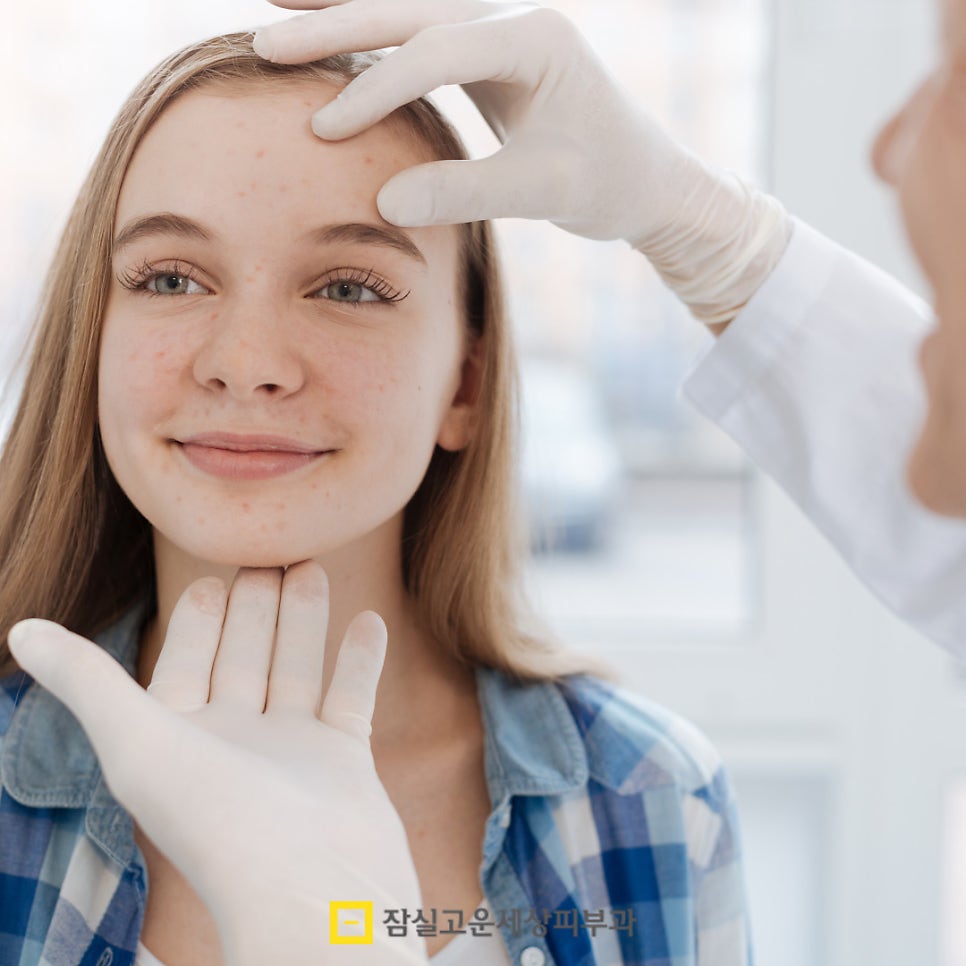
If the acne is mild and limited to the forehead or around the nose, it may improve enough with lifestyle management alone. However, if red inflammatory acne continues for more than a month, or if it spreads across the face and is accompanied by pain, it is better not to wait any longer and to begin professional treatment.
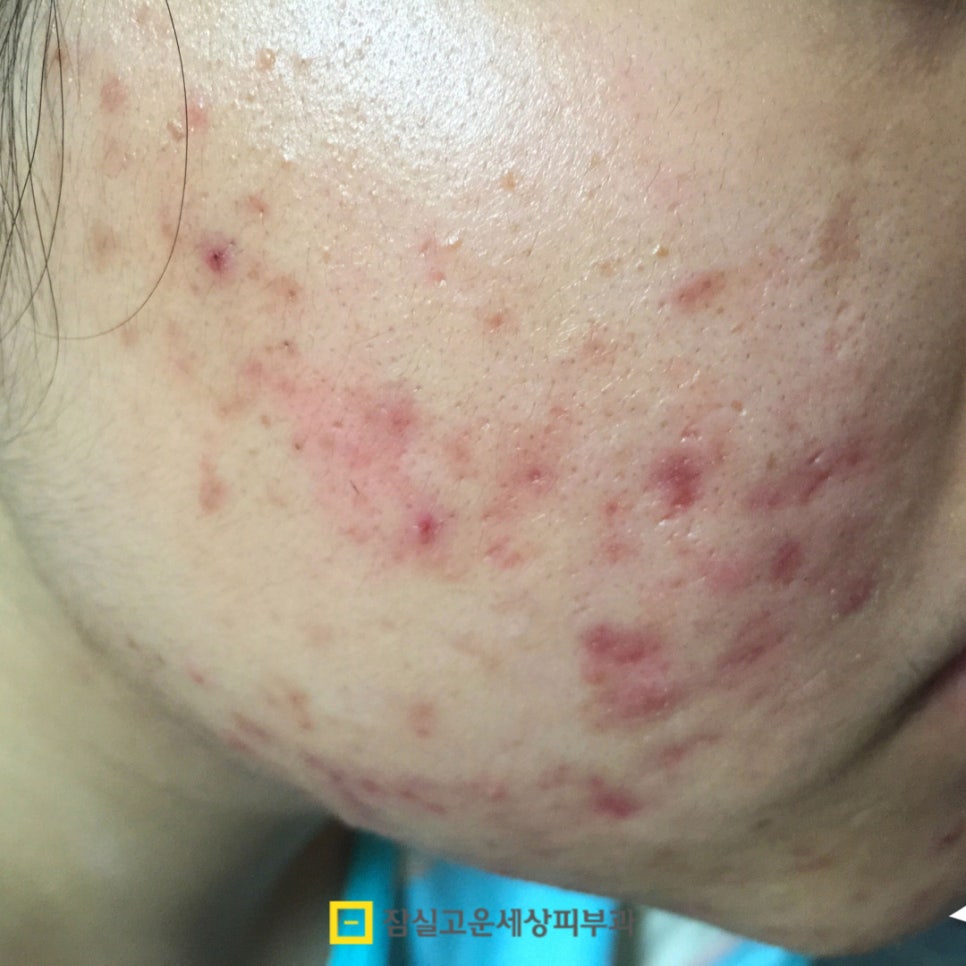
At the clinic, treatment is customized by combining medication with anti-inflammatory and antibacterial effects, extraction to help prevent scarring, and lasers to reduce inflammation, depending on the situation. In particular, if scarring has already begun, delaying treatment allows it to deepen and lengthens the treatment period. Parents should check their child’s skin regularly, and if it does not improve with lifestyle management, it is safest to seek medical care right away.
Puberty acne is caused by a sharp increase in sebum production due to hormonal changes, and it can easily worsen depending on lifestyle habits and hygiene. At this stage, acne is not simply a problem that “gets better with time”; if ignored, it is a skin signal that can leave scars and pigmentation behind.
There are four main things parents should do.
First,
Guide the child so they can follow proper cleansing and moisturizing habits on their own.
Second,
Reduce squeezing or touching the acne, and if necessary, have it professionally extracted.
Third,
Help maintain a clean diet and a clean environment (pillow, mask, towels).
Fourth,
Check the condition of the acne regularly, and if there is no improvement with lifestyle management, begin treatment without delay.
Following just these four principles can help prevent acne from worsening and greatly increase the chances that your child can go through adolescence with scar-free skin.

A parent’s attention protects a child’s skin.
Puberty acne is an important issue that affects not only a child’s skin health, but also psychological confidence and interpersonal relationships. Rather than vaguely expecting that it will improve on its own as the child grows, it is much wiser to check daily habits now and build proper care routines.
Basic principles such as cleansing, moisturizing, diet, and cleanliness last much longer when parents help maintain them together. In addition, if signs of worsening acne appear or scarring begins, the quickest way to protect a child’s skin is not to delay treatment and instead seek professional help right away.
In the end, the first step toward helping a child have healthy skin for life begins with a parent’s careful attention and consistent care. From now on, we recommend making it a habit to take one more look at your child’s skin every day.
Thank you.
< How to get to Jamsil Gounsesang Dermatology Clinic >
< Jamsil Gounsesang Dermatology Clinic Information >
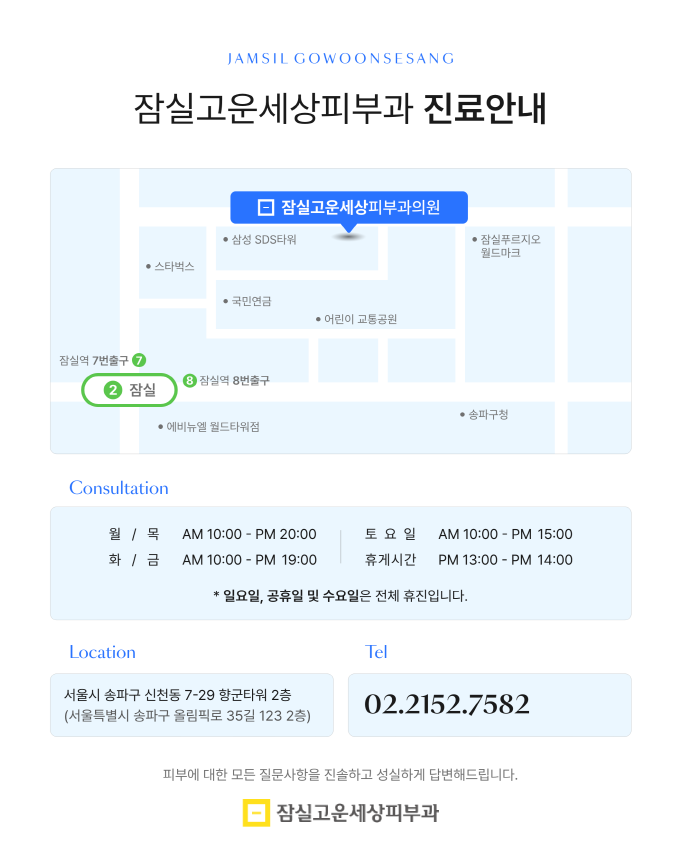
< Jamsil Gounsesang Dermatology Clinic Homepage >
This post is provided by Jamsil Gounsesang Dermatology Clinic for the purpose of providing medical information in accordance with Article 56, Paragraph 1 of the Medical Service Act. All procedures/surgeries carry the risk of side effects such as bleeding, infection, and nerve damage, so please proceed carefully after sufficient consultation with medical professionals.