
Hello! This is Jamsil Gounsesang Dermatology!
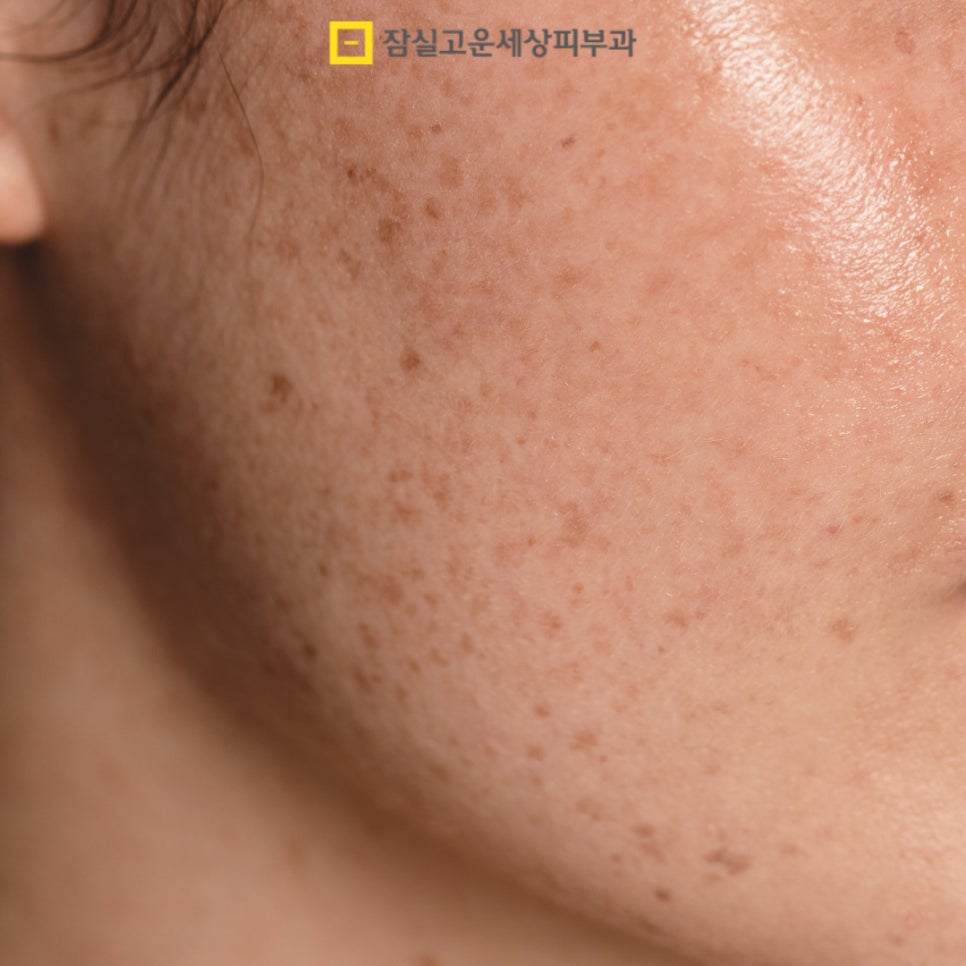
Every time you look in the mirror, melasma remains on your face like a stain,
and even when you put on makeup, it may not be fully covered and can look more
define under certain lighting. During seasonal changes or periods of fatigue,
it can seem to darken even more, so if care is neglected, it can quickly become noticeable.
When you search online, folk remedies such as aloe packs, potato packs, and
vinegar face washes are easy to find, but in reality their effects are
limited, and in many cases they can irritate the skin and even worsen melasma.
The problem is that melasma is not simply pigment that forms on the epidermis,
but a complex condition that arises as the deeper structures and environment
within the skin change together.
So why does melasma not go away easily, and why does it recur so often even
after treatment? Today, I will explain everything from the causes of melasma
to the treatment principles that reduce recurrence, as well as effective
approaches.
- The Complex Reasons Melasma Develops
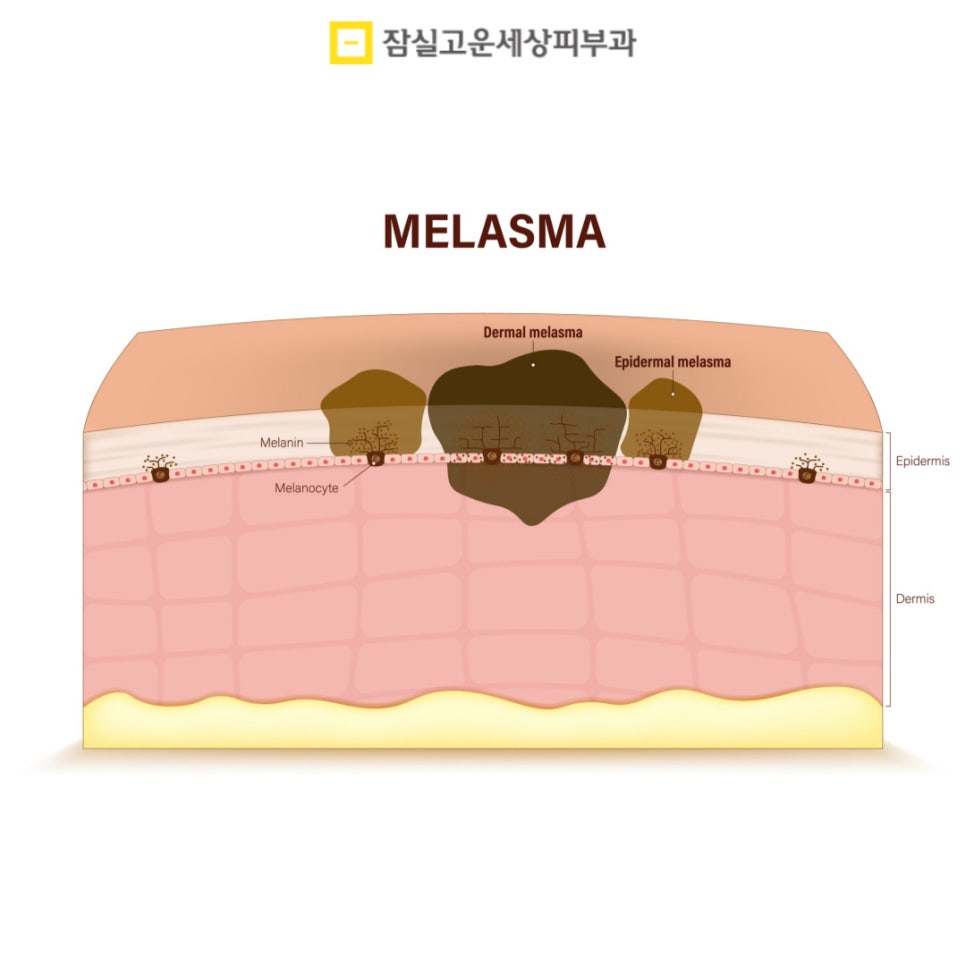
Melasma is not simply a condition in which the skin becomes darker after
sun exposure. In addition to ultraviolet exposure, it can easily develop during
periods of major hormonal change in women, such as pregnancy, childbirth, or
the time before and after menopause. If there is a family history, frequent
exposure to heat through one’s work environment, lack of sleep, or chronic
stress, the risk becomes even higher.
The problem is that the pigment does not accumulate only on the skin surface
(epidermis), but often settles deeply into the dermis. Pigment in the dermis is
closely connected to the skin barrier, blood vessels, and the surrounding
cellular environment, so it does not easily disappear with simple whitening
products or surface-level treatments alone.
Aloe, potato packs, and vinegar face washes, which are often mentioned as folk
remedies, may give a temporarily cool and brighter feeling, but if repeated over
time, they can irritate the skin and damage the barrier, potentially worsening
pigmentation. In particular, when deep melasma is present, such irritation can
trigger pigment responses in deeper areas and make the color darker.
- The Real Reason Melasma Is Difficult to Treat
In many cases, only the visible melasma is considered and procedures target
melanin pigment alone. However, melasma is a condition in which pigment lesions
are intertwined with basement membrane damage, excessive vascular response in
the dermis, and abnormal proliferation of fibroblasts.
For example, if a strong laser is repeatedly directed only at the epidermis, the
basement membrane at the epidermal-dermal junction can be damaged. This
basement membrane is an important structure that supports the skin and prevents
melanin from flowing downward. If it is damaged, melanin can deposit more deeply
and melasma can worsen. This is what post-inflammatory hyperpigmentation (PIH)
is.
In other words, melasma treatment is not simply a matter of “removing pigment”;
it is a complex treatment in which skin structure must be restored and the
possibility of recurrence must also be reduced.
- Treatment Principles That Also Consider Recurrence
In melasma areas, in addition to pigmentation, microvessels are often dilated,
or the collagen and elastin structure may be disrupted. Also, when fibroblasts
increase abnormally due to aging or damage, the signals that produce melanin are
easily activated within the skin.
If only the pigment is removed in this state, the internal skin environment
remains unchanged, so pigmentation can return over time. Therefore, melasma
treatment needs to remove pigment while also repairing the damaged basement
membrane, stabilizing vascular responses, and controlling excessive fibroblasts.
This comprehensive treatment approach lengthens the interval before recurrence
and helps maintain a lighter pigmentation state for longer.
- Advantages of RF Microneedling Devices Such as Sylfirm
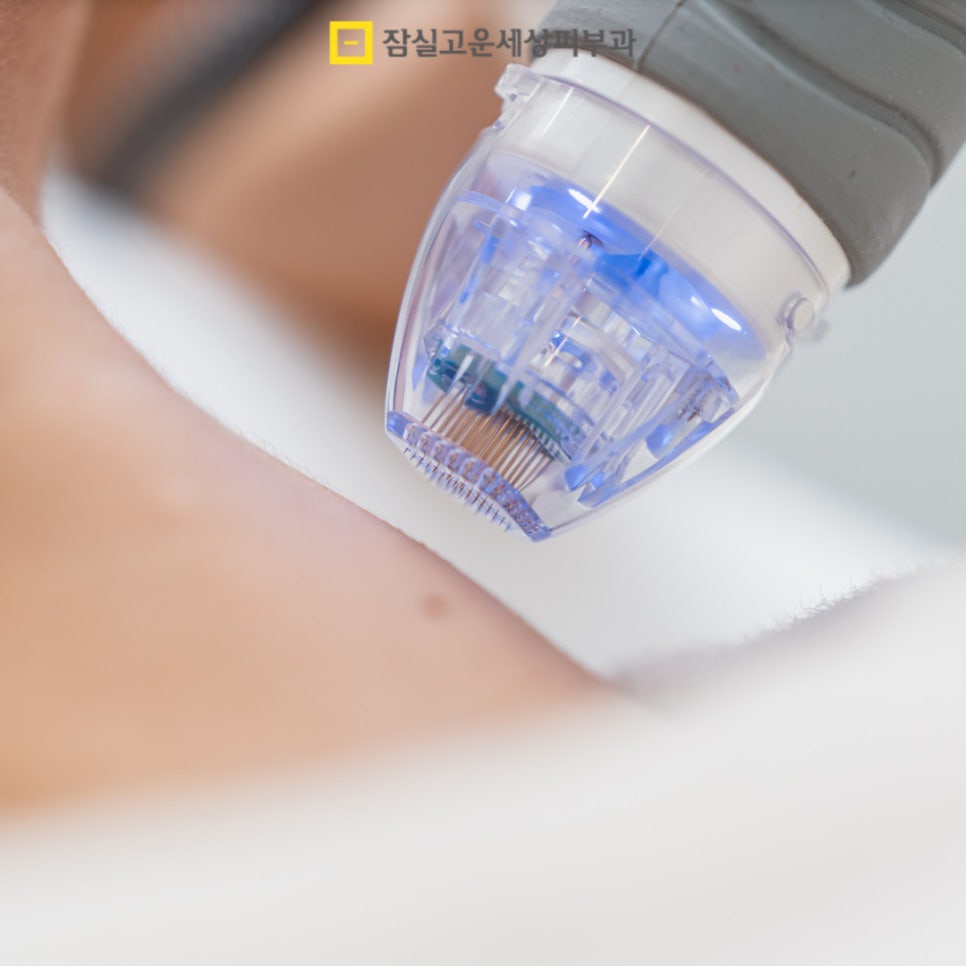
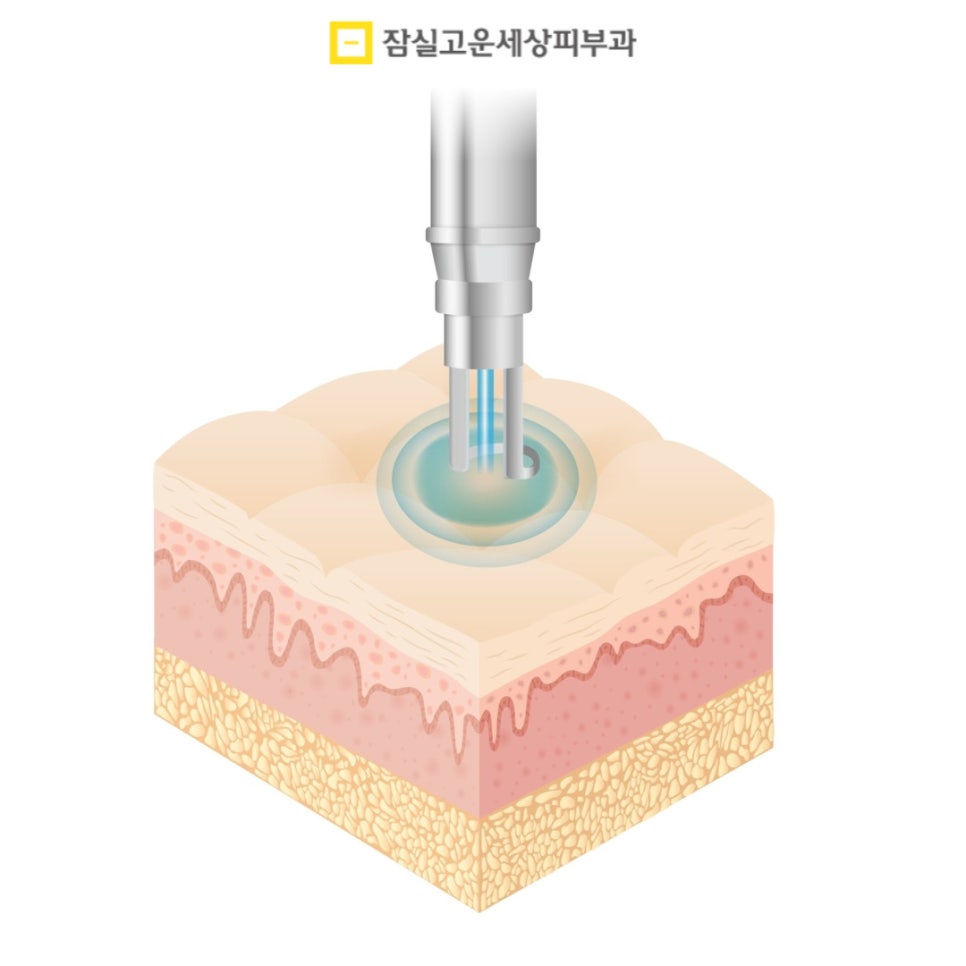
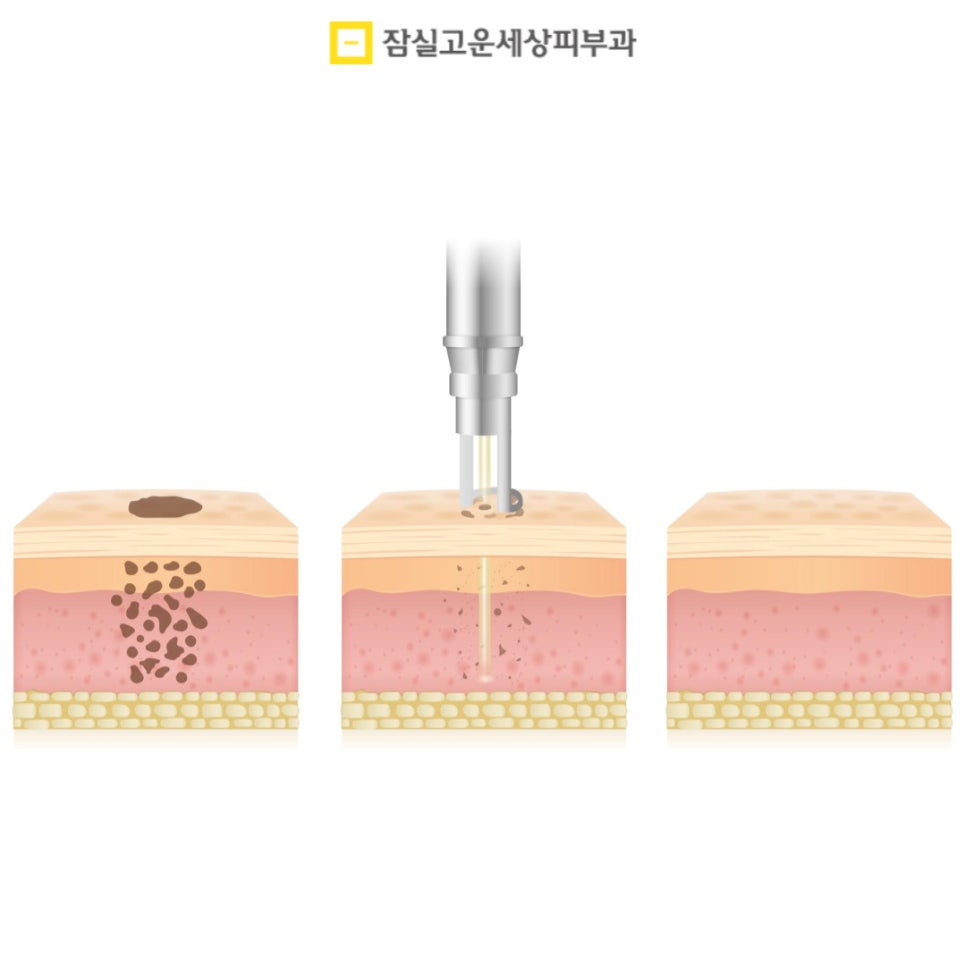
RF microneedling devices such as Sylfirm can help address these complex causes
of melasma at the same time. Fine needles (microneedles) are inserted directly
into the dermis and deliver radiofrequency energy. At this time, only minimal
heat is applied to the epidermis, while broad and even heat is delivered deep
within the dermis.
Patented devices spread this energy in a droplet shape, minimizing epidermal
damage while evenly stimulating the basement membrane, blood vessels, and the
collagen structure of the dermis. As a result, basement membrane recovery,
reduction of excessive vascular response, and control of excessive fibroblasts
occur simultaneously.
During this process, dermal regeneration is promoted, and not only pigmentation
but also associated skin concerns such as fine wrinkles, redness, and enlarged
pores may improve together. Above all, because it reduces epidermal damage, it
has the advantage of lowering the risk of PIH that can occur after traditional
laser procedures.
- Why Choosing the Treatment Device Matters
For melasma treatment, the key is not simply choosing the strongest device, but
selecting one that can secure both safety and effectiveness according to the
patient’s skin condition. RF microneedling devices such as Sylfirm target
pigment, blood vessels, and skin regeneration together, allowing multiple causes
of melasma to be addressed at once.
However, even with the same device, results can vary greatly depending on the
operator’s skill, energy settings, and number of treatment sessions. If too high
a level of energy is used at once, there is a risk of epidermal damage and
worsening pigmentation; if too low, the effect may be insufficient. Therefore,
after sufficient consultation with experienced medical staff, it is safest and
most effective to gradually increase treatment intensity while monitoring the
skin’s response.

Melasma is a condition in which pigment is deposited deeply into the dermis due
to a combination of factors such as ultraviolet exposure, hormonal changes,
heredity, heat stimulation, and stress. Procedures that simply remove melanin
can increase the risk of basement membrane damage and recurrence, and may even
worsen pigmentation.
To reduce recurrence, pigment removal must be carried out together with basement
membrane recovery, reduction of excessive vascular response, and control of
fibroblasts. For this, RF microneedling devices such as Sylfirm may be helpful.
Ultimately, the key to melasma treatment is a “comprehensive treatment” that
restores not only the skin surface but also the internal structure, and safe,
durable results can be expected only when supported by devices suited to the
skin condition and the know-how of experienced practitioners.
The goal of melasma treatment is to prevent it from coming back
If melasma is seen only as a problem of removing the visible pigment in front of
you, it will quickly return, and repeated treatment may make the skin more
sensitive. The important thing is to accurately identify the causes of pigment
formation and improve the internal skin environment to create a state in which
melasma is less likely to develop.

If you are currently troubled by melasma, rather than expecting quick changes
through strong stimulation, choose a method that improves the skin all the way
down to its deeper layers. That way, you can achieve much more stable and
positive results in the long battle against melasma.
Thank you.
- Jamsil Gounsesang Dermatology Website -
This post is provided by Jamsil Gounsesang Dermatology for the purpose of
providing medical information in accordance with Article 56, Paragraph 1 of the
Medical Service Act. All procedures/surgeries carry the risk of side effects
such as bleeding, infection, and nerve damage, so please proceed carefully after
sufficient consultation with medical staff.