Oral collagen,
can it really help your skin?

Hello :)
This is Jamsil Gounsesang Dermatology Clinic.
You have probably heard of collagen at least once.
It is one of the most common topics that comes up when people talk about skin elasticity and wrinkle improvement. That is why the phrase “contains collagen” is so common on pharmacy products, online shopping malls, and even café drinks.
But when it comes time to actually take it, questions naturally arise: “Will oral collagen really help the skin?”, “If I just keep taking it, can I look younger?”
In this post, I will summarize what collagen does in the body, how oral collagen works and its limitations, and the principles behind procedures that directly promote collagen production. I hope this helps correct misconceptions and start collagen care wisely.
- What collagen does in the skin and
why it decreases

Collagen acts as the framework of the dermis.
Interwoven collagen fibers support the skin’s thickness and elasticity like a net, while elastin and hyaluronic acid fill the spaces between them to maintain moisture. The main types are Type I and Type III collagen: Type I acts as a firm pillar, while Type III serves as a flexible supporting pillar.
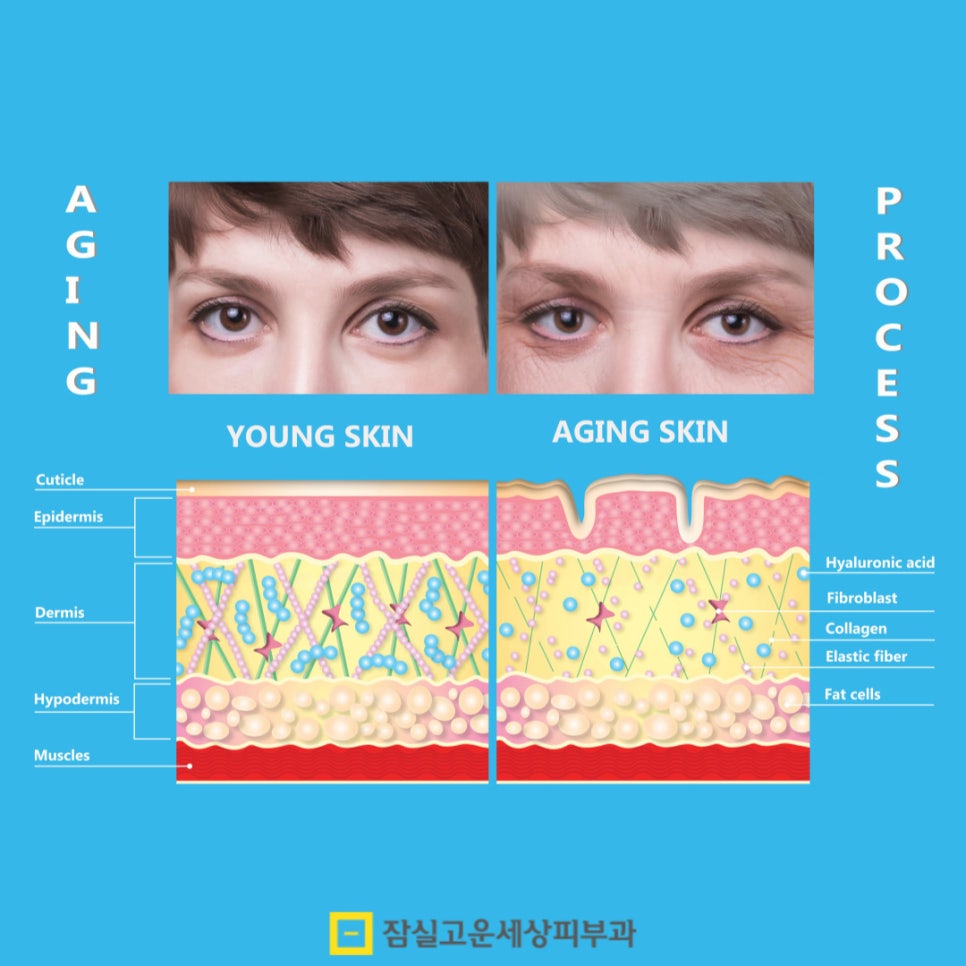
However, as we age, fibroblasts’ ability to synthesize collagen declines, and ultraviolet rays, smoking, excessive sugar intake, lack of sleep, and chronic stress activate MMPs (collagen-degrading enzymes), breaking down existing fibers more quickly. In addition, glycation reactions make collagen stiff and accelerate the loss of elasticity. During this process, the epidermis gradually becomes thinner, and fine lines turn into deeper wrinkles. In the end, the double burden of producing less and breaking down faster is the core of aging.
- How oral collagen is used in the body

Oral collagen does not immediately attach to the skin after ingestion.
During digestion, it is first broken down into amino acids and short peptides, especially di- and tripeptides containing hydroxyproline. These small fragments travel through the bloodstream throughout the body, and when they reach fibroblasts, they serve both as raw material and as signals that promote synthesis.
In addition, the body distributes collagen materials according to priority, so they are used not only in the skin but also in various tissues such as joints, tendons, blood vessels, and muscles.
Because of this, creating an environment in which the skin can actively use those materials is more important than simply increasing intake. This process must be supported by a balance of vitamin C, iron, copper, and amino acids, while minimizing factors that break down collagen to maximize the effect.
- Lifestyle habits that enhance the effects of intake
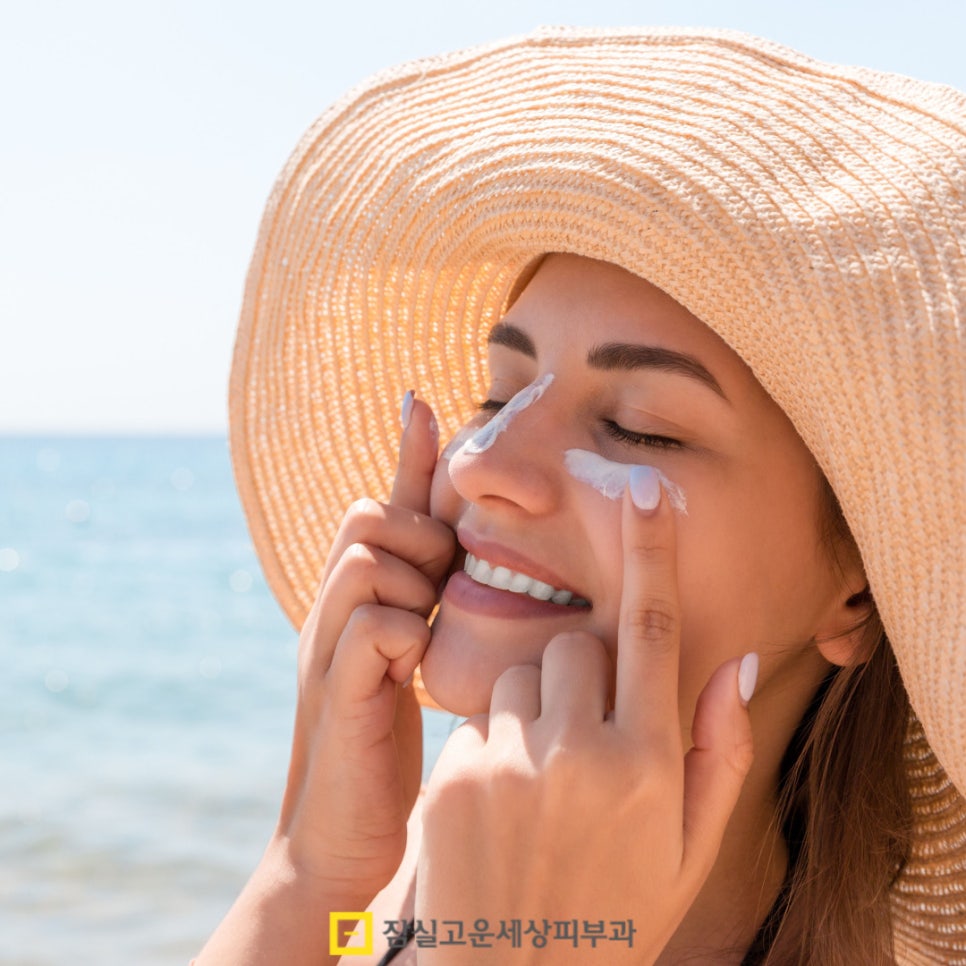
If oral collagen is the process of supplying raw material, then caring for and protecting it so it lasts is just as important. First, sunscreen is essential. In particular, UVA penetrates clouds and glass and reaches the dermis, so regardless of the weather or whether you are indoors or outdoors, you need to apply enough sunscreen with appropriate SPF and PA ratings. When you are outside for long periods, reapplying every 2 to 3 hours helps maintain its effect.

It is also important to reduce sugar intake.
Frequent consumption of sweet drinks or late-night snacks causes a reaction called glycation, which makes collagen stiff and reduces elasticity. The skin may also become dull yellow and rough.
Smoking is also an enemy of collagen. It interferes with blood circulation and increases oxidative stress, which disrupts synthesis, so quitting is strongly recommended.
Sleep and stress management are also essential.
During deep sleep, recovery hormones are released, and collagen synthesis is most active during this time. If you also meet your daily protein intake and supplement with vitamin C from fruits and vegetables, synthesis efficiency becomes even better.

Finally, combining light strength training improves blood flow and activates growth signals, enhancing fibroblasts’ ability to produce collagen.
In short, oral collagen plays the role of replenishing raw materials, and its effects become noticeable only when lifestyle habits that help the body use those materials well are in place.
- How to take it, product selection, and precautions
When choosing a product, be sure to check whether it is a low-molecular-weight collagen peptide and whether the average molecular weight is listed. In general, around 1,000 daltons is considered favorable for absorption.
It is best to take the recommended daily amount consistently, usually once a day at the same time. If taking it on an empty stomach causes discomfort, it is fine to take it between meals.
In addition, vitamin C can be taken together with it or separately at another time of day.
However, if you have kidney disease, gout, or a history of specific protein allergies, you must consult a professional before taking it, and if you are pregnant or breastfeeding, adjustments may be needed depending on your individual situation. You should also check for duplicate intake of additives or sweeteners from other health supplements.
- The help of procedures that directly
promote collagen production
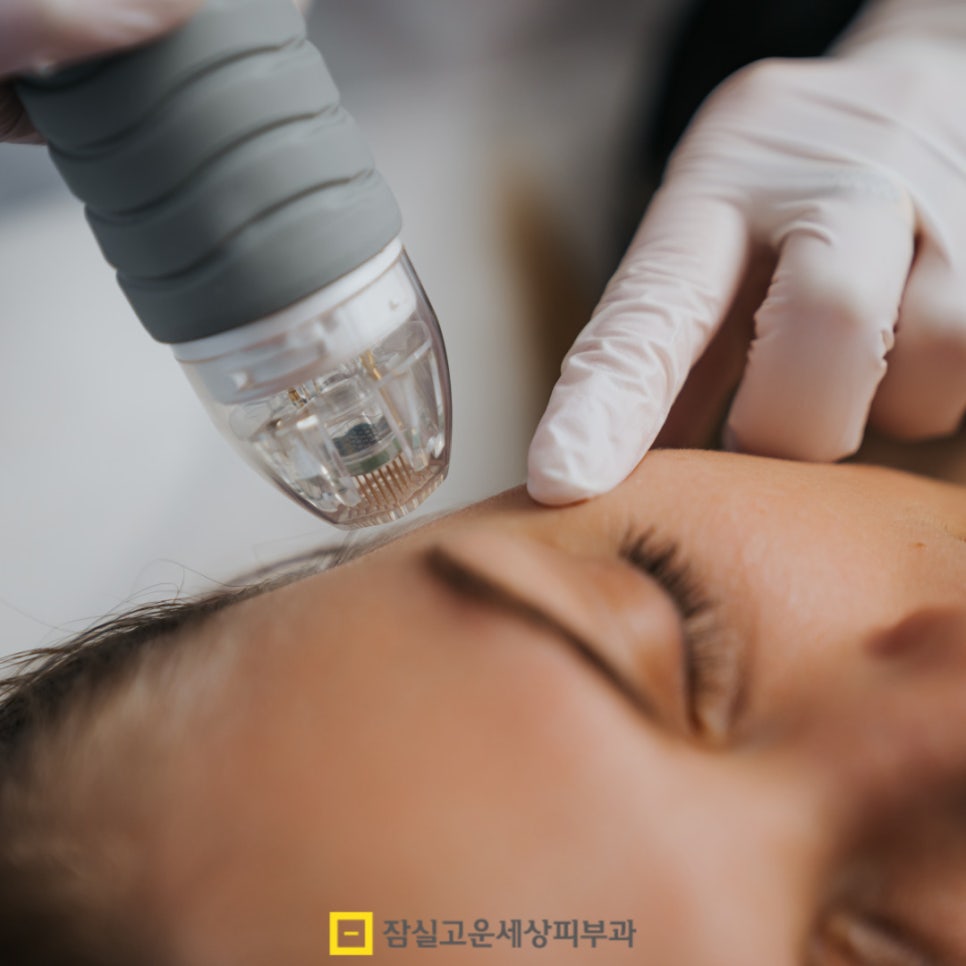
Procedures that increase collagen can be broadly divided into two methods.
The first is regenerative stimulation. Fractional laser is a representative example: it creates microscopic columns of heat in the dermis to induce the wound-healing process. At this time, fibroblasts become active and new collagen and elastin are produced.
In addition, radiofrequency microneedling devices such as Sylfirm deliver energy deep into the dermis through tiny needles, minimizing damage to the epidermis while evenly heating the entire dermal layer to promote collagen regeneration.
High-intensity focused ultrasound (HIFU) forms coagulation points at the boundary between the SMAS layer and the dermis to induce long-term tightening, while monopolar radiofrequency heats a wide area evenly to help with immediate skin contraction and subsequent collagen production.
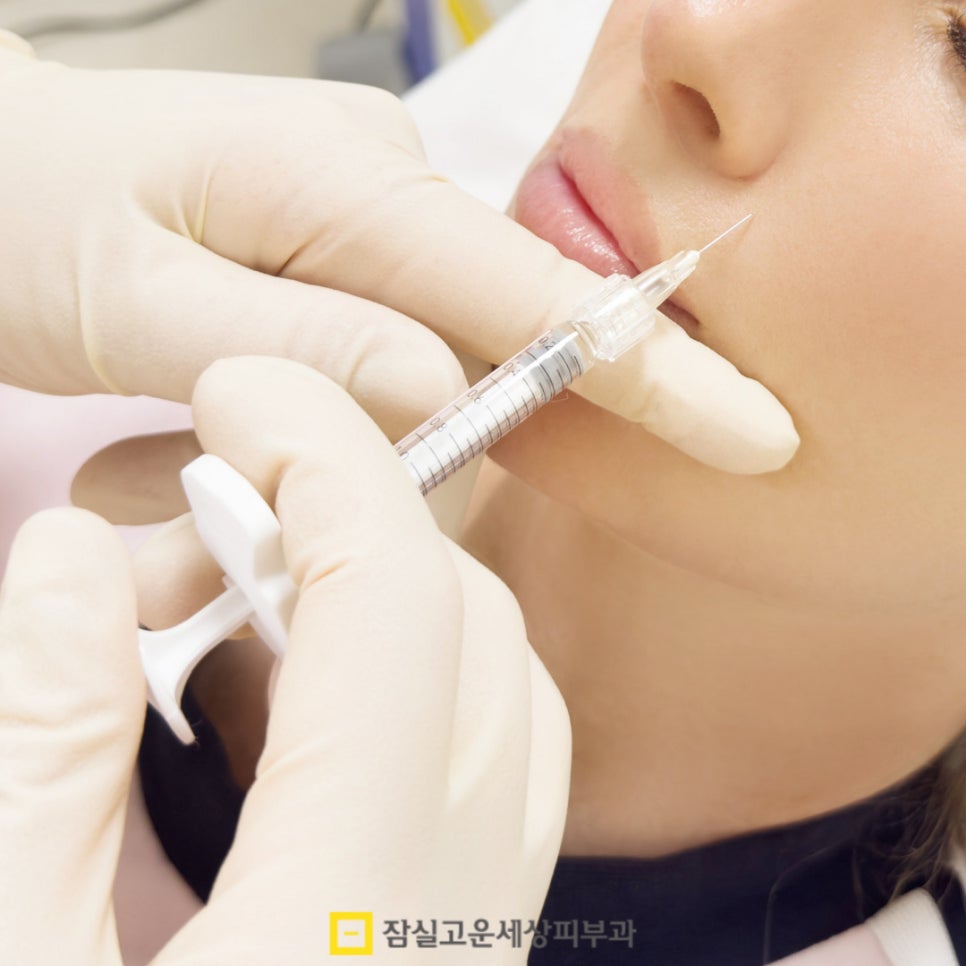
The second is regenerative stimulation plus raw material supply.
A representative example is skin booster procedures, which inject hyaluronic acid, polynucleotides (PN), peptides, amino acids, and similar ingredients directly into the dermis to supply synthetic raw materials while the injection process itself causes micro-injury and promotes the regenerative response. This method provides both material and signals at the same time, so improvements in skin thickness and density can often be felt in the short term.
However, post-procedure care is very important no matter which method is used. Sun protection, sufficient moisturizing, and minimizing irritation are basic requirements, and excessive sugar intake, alcohol, and strenuous exercise should be avoided because they increase inflammatory responses and interfere with synthesis. In addition, combining oral collagen with vitamin C and protein can maximize the synergy of “raw material replenishment + factory operation.”
Collagen, which helps maintain skin elasticity and texture, takes a long time and considerable effort to recover once it breaks down.
That is why it is far more efficient to start small lifestyle habits and care routines while your skin is still in good condition, rather than waiting until visible changes have already appeared.
Ultimately, collagen care is not a sudden event done for a special day, but a long-term investment built up 조금씩 every day. Starting small changes now is the most reliable way to keep your skin firm and healthy for years to come.
Thank you!
🍀 How to Visit Jamsil Gounsesang Dermatology Clinic 🍀
🍀 Jamsil Gounsesang Dermatology Clinic Guide to Treatment 🍀

🍀 Jamsil Gounsesang Dermatology Clinic Website 🍀
This post is provided by Jamsil Gounsesang Dermatology Clinic for the purpose of providing medical information in accordance with Article 56, Paragraph 1 of the Medical Service Act. All procedures/surgeries carry the risk of side effects such as bleeding, infection, and nerve damage, so please proceed carefully after sufficient consultation with medical professionals.