Acne laser treatment,
how does it work,
and how many sessions are needed?
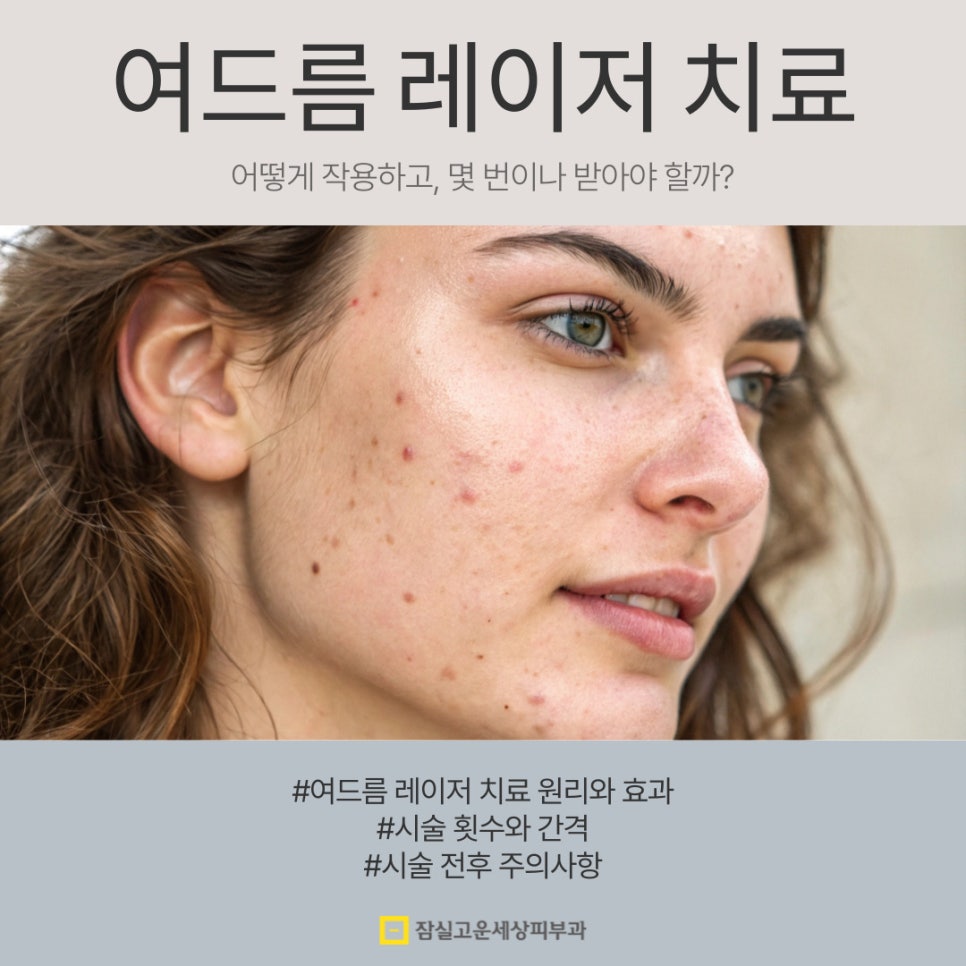
Acne is not simply a small pimple that appears on the skin.
It is a complex skin
problem that can lead to inflammation, pigmentation, and scarring. In particular, repeated or severe acne can leave damage deep in the dermis, making it more likely to progress to scars if treatment is delayed or managed improperly.
Of course, in the early stages of acne, medication and lifestyle management alone often lead to improvement. However, if recurrence is frequent or scars and marks are already present, a more active treatment may be needed. Among these, laser treatment aims to reduce inflammation, lessen pigmentation and redness, and even help remodel damaged skin structure, making it an important option for acne care.
Today, we will take a step-by-step look at how acne laser treatment works, what effects can realistically be expected, and how many sessions are needed.
- Basic Principles of Acne Laser Treatment
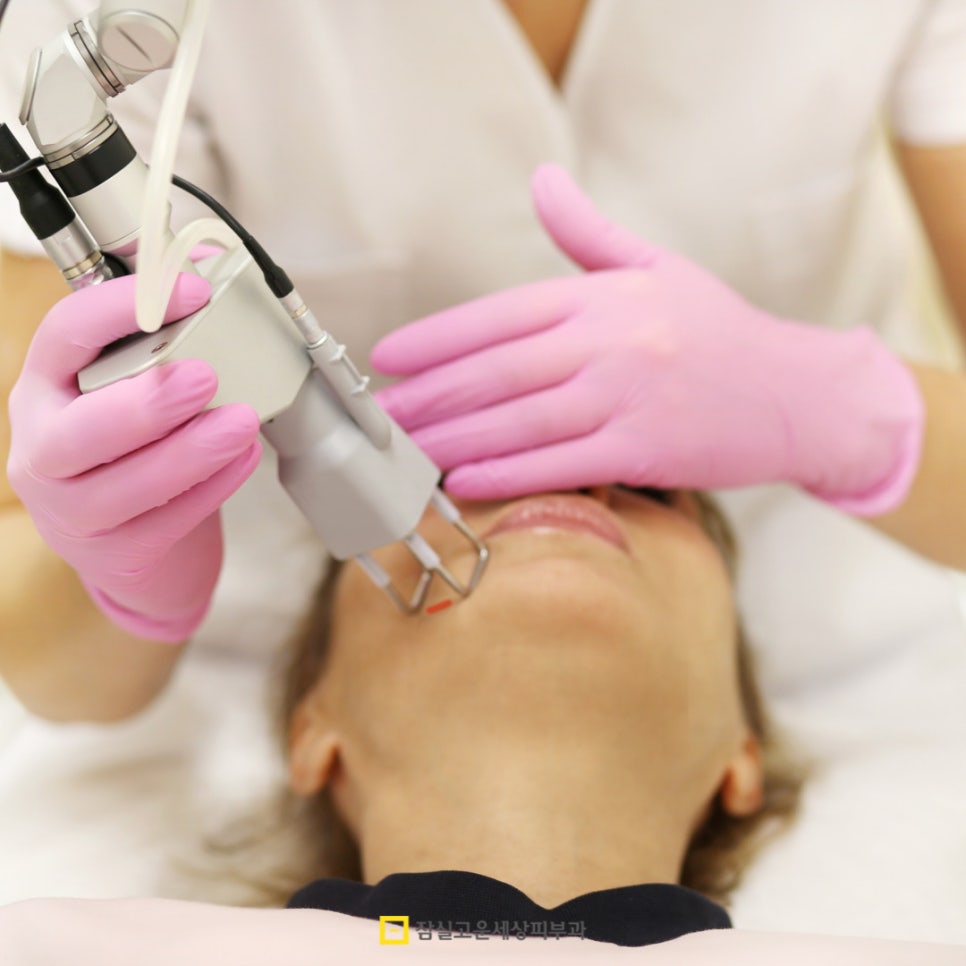
(1) Acting on target tissue with light and heat
Laser treatment is a method designed to deliver specific wavelengths of light energy to the skin in short, intense bursts so that it selectively acts only on the target tissue. Depending on the wavelength, the target absorbed and the depth of penetration differ.
For example, PDL (Pulsed Dye Laser, 585~595nm) is selectively absorbed by hemoglobin in blood vessels, making it effective for reducing the red inflammation of active acne and red marks (erythema).
CO2 lasers are strongly absorbed by water, precisely cutting and vaporizing the epidermis and dermis to induce skin regeneration. Erbium:YAG lasers cause less thermal damage than CO2 lasers, making them useful for thin resurfacing of the epidermis and allowing for relatively faster recovery. Microneedle radiofrequency minimizes epidermal damage while directly delivering radiofrequency energy to the dermis to promote collagen regeneration, and it is used when improving problems within the dermis without affecting the epidermis.
Because the depth of action and targets differ among these lasers, they are applied alone or in combination depending on the stage of acne (active lesions, marks, or scars).
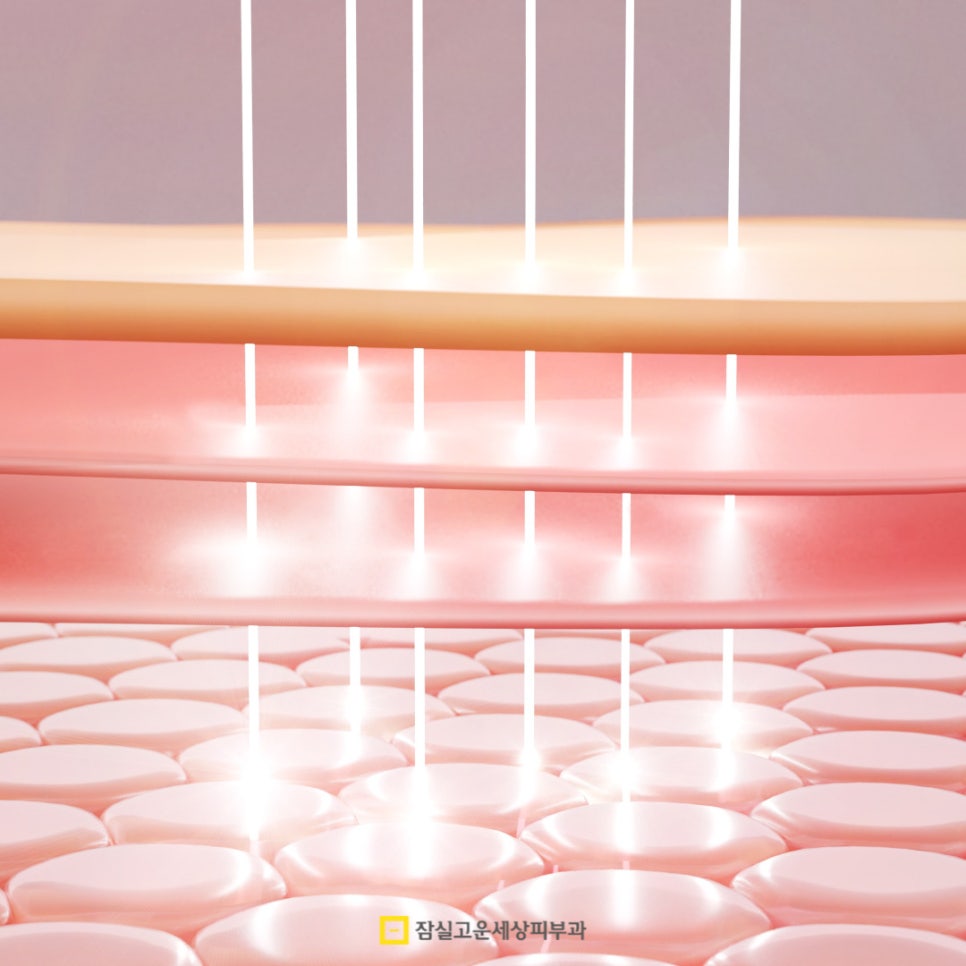
(2) Combined effects of regeneration, anti-inflammation, and sebum suppression
The purpose of laser treatment is not simply to remove visible acne.
First,
it relieves swelling and pain by controlling the blood vessels and immune response in inflamed areas through anti-inflammatory action.
Second,
through the effect of promoting regeneration, thermal stimulation activates fibroblasts to help produce new collagen and elastin, reorganizing damaged skin structure.
Finally,
there is a sebum-suppressing effect.
Certain wavelengths (for example, a 1450nm diode laser) directly thermally damage the sebaceous glands, reducing their size and activity and lowering the risk of recurrence.
Ultimately, when these three effects work together, they can help prevent acne progression, improve skin texture and elasticity, and even reduce how often acne comes back.
- Treatment Effects and Expected Changes
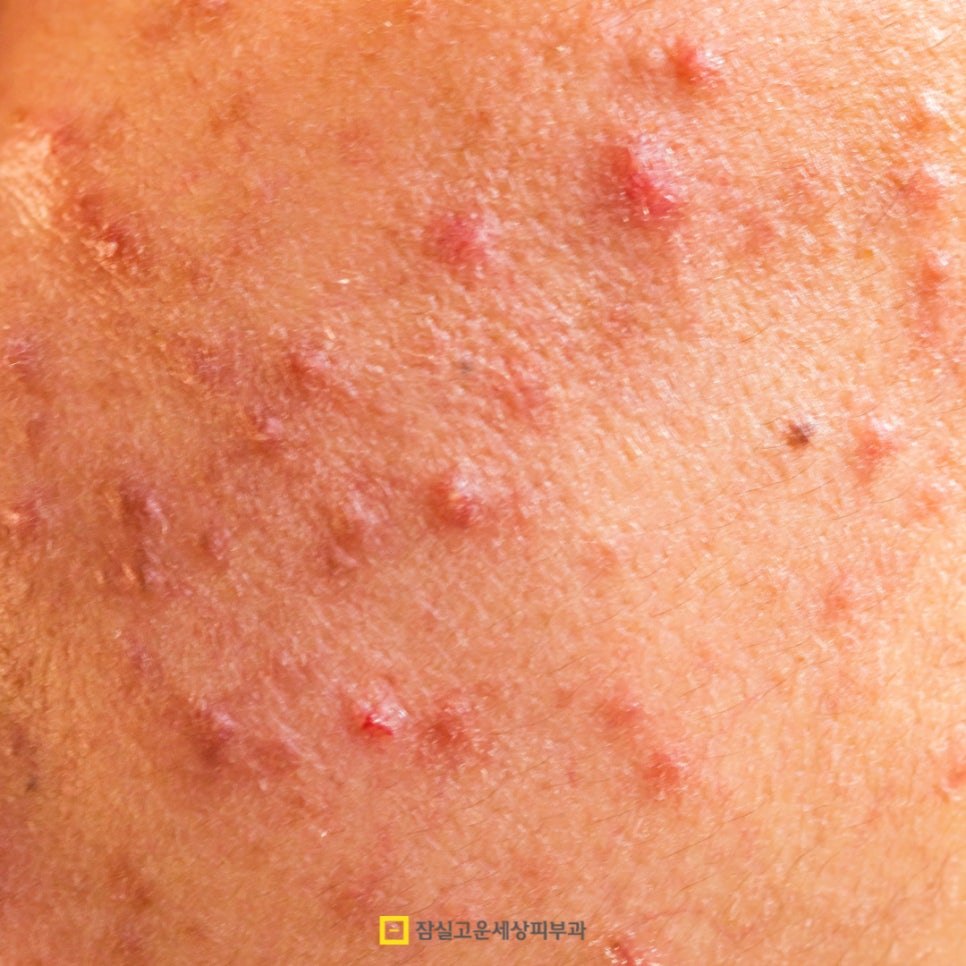
(1) Effects during the active acne stage
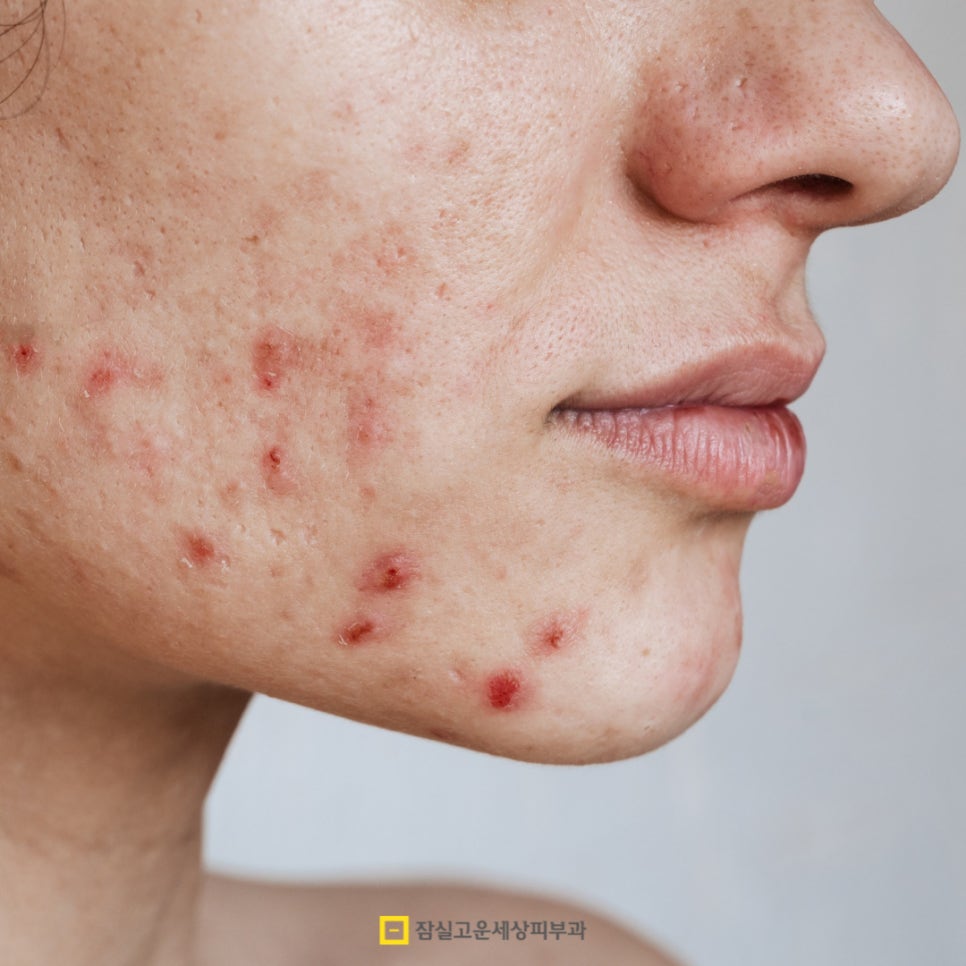
When there are many red, swollen inflammatory acne lesions, PDL or anti-inflammatory radiofrequency lasers can be effective.
These devices selectively destroy or suppress the function of blood vessels in inflamed areas, reducing swelling and pain.
At the same time, they help prevent the inflammatory response from spreading to surrounding areas.
Immediately after the procedure, redness may temporarily become more pronounced. However, this is part of the process of regulating the vascular response, and it usually stabilizes after 2 to 3 days.
Most importantly, receiving treatment at this stage can greatly reduce the risk of progressing to scars.
(2) Improvement of pigmentation and red marks
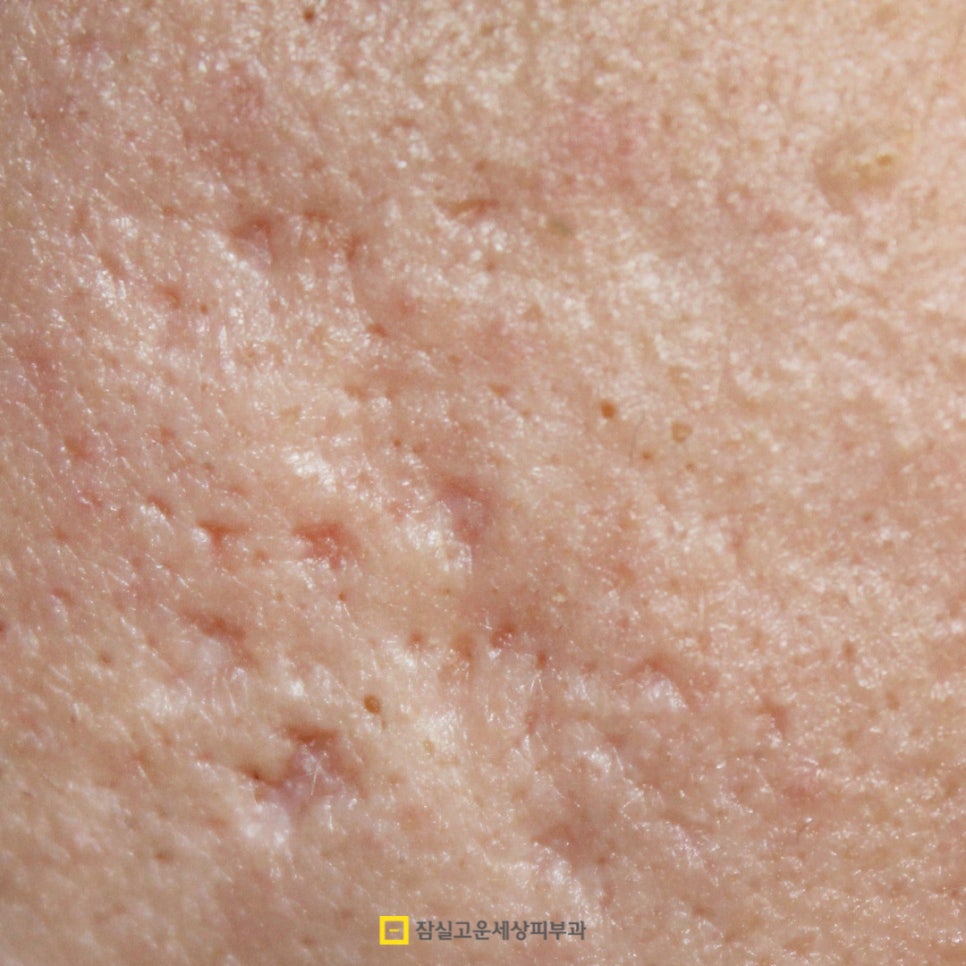
The brown or red marks that remain after acne calms down are post-inflammatory hyperpigmentation (PIH) and post-inflammatory erythema (PIE), respectively. PIH occurs when melanin production increases excessively due to inflammation, while PIE occurs when dilated capillaries continue to persist for a long time after inflammation.
Using pigment- and vascular-targeting lasers (such as PDL, Q-switched lasers, and picosecond lasers) can break down melanin or constrict dilated blood vessels, helping marks fade more quickly.
This can shorten a recovery process that would naturally take several months into a matter of weeks.
(3) Improvement of scars and skin texture
Because acne scars involve damage to skin structure and fibrosis in the dermis, treatments focused only on the epidermis are difficult to resolve the problem. CO2 fractional lasers, Erbium:YAG lasers, and microneedle radiofrequency create micro-injuries in the dermis and stimulate new collagen production during the healing process, remodeling skin structure.
In addition, for rolling and boxcar scars, combining treatment with subcision is more effective, and for deep, narrow ice pick scars, ablative CO2 lasers are advantageous.
To maximize results, the approach must be adjusted according to the type of scar.
- Number of Sessions and Treatment Intervals
(1) Recommended number of sessions by condition
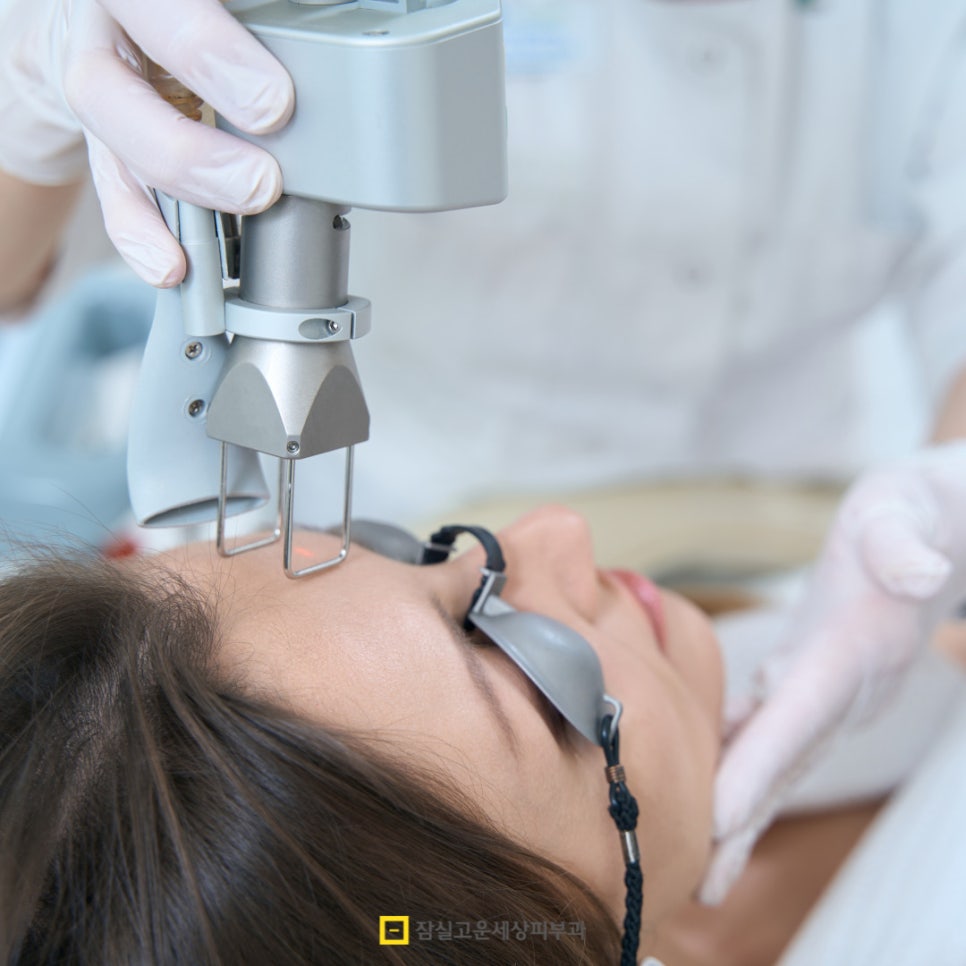
For active acne treatment, 3 to 5 sessions are often performed at 2 to 4 week intervals; for mark treatment, 3 to 6 sessions at 3 to 4 week intervals; and for scar treatment, 4 to 8 or more sessions at 4 to 6 week intervals. These intervals are determined by comprehensively considering the depth of the lesions, skin type, recovery speed, and regeneration cycle. In particular, for scar treatment, it is best to maintain a 4 to 6 week interval to reflect the collagen regeneration cycle.
(2) Consistency creates results
Laser treatment is not completed with a one-time procedure; it is a gradual recovery-type treatment that helps the skin’s own regeneration process. That is why it must be received consistently at regular intervals. There may be little change after the first one or two sessions, but noticeable improvement often appears after the third or fourth session. In particular, because cumulative effects are important in scar treatment, not stopping treatment midway is what determines the outcome.
- Precautions Before and After the Procedure
(1) Before the procedure
Starting one week before the procedure, you should stop using strong scrubs, high-concentration peeling agents, and retinoids (such as tretinoin and adapalene) to protect the skin barrier. If the procedure is performed while the skin barrier is weakened, recovery slows and the risk of side effects increases. Also, if there is an active infection (for example, herpes simplex), it is safer to postpone the procedure.
(2) After the procedure
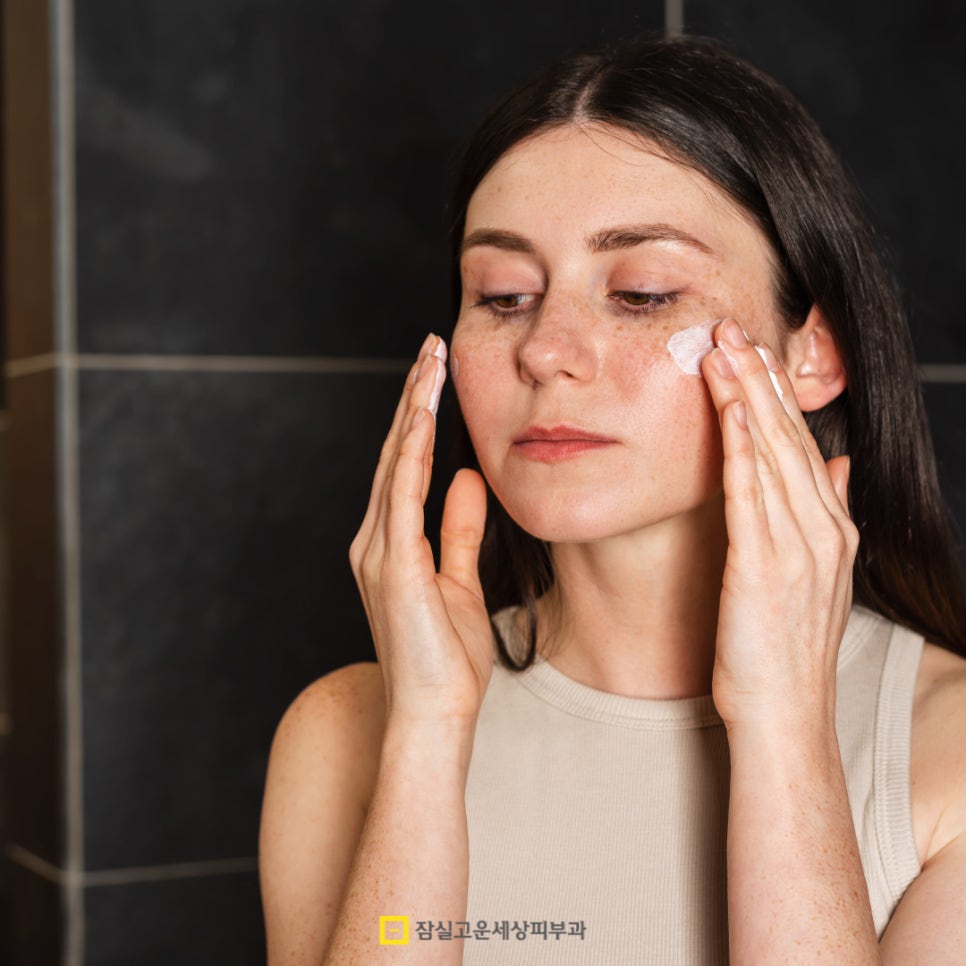
After laser treatment, the skin becomes temporarily sensitive and more vulnerable to ultraviolet rays. Therefore, sunscreen must be used, and direct sun exposure should be minimized.
It is important to wait for scabs to fall off naturally and not pick them off forcibly. Behaviors that rapidly raise skin temperature, such as saunas or intense exercise, should be avoided for 1 to 2 days, and regenerative creams and moisturizers should be applied sufficiently to optimize the skin’s recovery environment.
Acne laser treatment is not simply a device for removing red acne;
it is a comprehensive treatment process that calms inflammation within the skin,
restores damaged tissue, and suppresses recurrence. Because each laser differs in its target and depth of action, an accurate diagnosis by a dermatologist and a treatment plan tailored to the condition are more important than anything else.
In particular, scar treatment is difficult to resolve perfectly in a short period of time and must be approached long-term in line with the skin’s regeneration cycle. Even during treatment, lifestyle habits and home care should be combined to prevent new acne from forming. After treatment, continuing sun protection, adequate moisturizing, sebum control, and stress management is key to preventing recurrence and improving skin quality.
Ultimately, it is best to understand acne laser treatment not as a one-time solution, but as a medium- to long-term project to improve skin health.
Thank you.
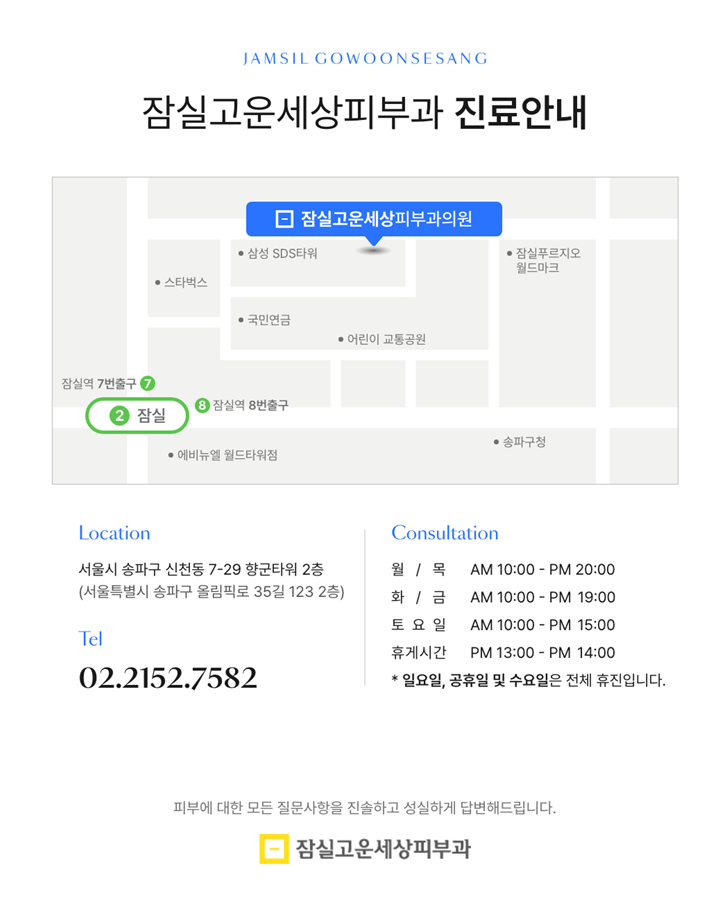
[Directions to Jamsil Gounsesang Dermatology]
[Clinic Information for Jamsil Gounsesang Dermatology]
[Jamsil Gounsesang Dermatology Homepage]
This post is provided by Jamsil Gounsesang Dermatology for the provision of medical information in accordance with Article 56, Paragraph 1 of the Medical Service Act. All procedures/surgeries carry the risk of side effects such as bleeding, infection, and nerve damage, so please proceed carefully after sufficient consultation with medical staff.