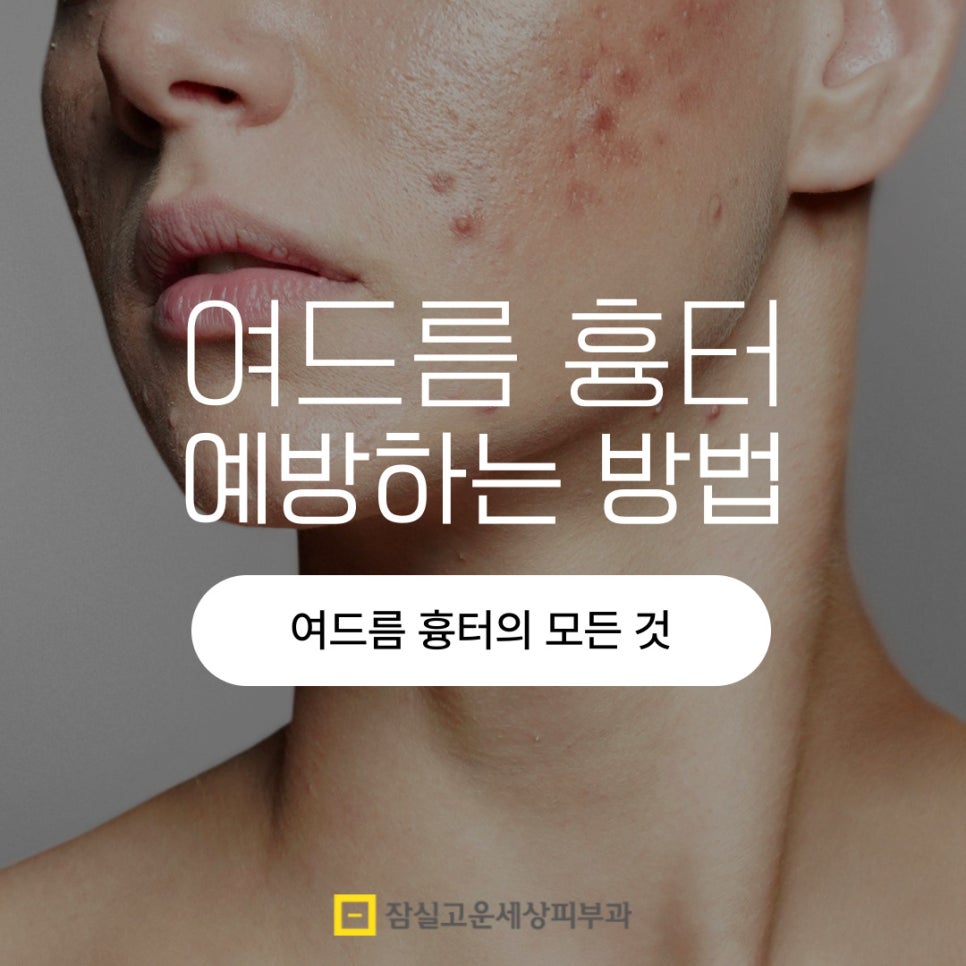
Acne, Why Does It Leave Scars?
And How Can You Prevent Them?
Hello.
This is Jamsil Gounsesang Dermatology Clinic :)
When acne appears, many people think, “It’ll probably go away in a few days,”
and leave it alone, or have the experience of standing in front of the mirror and
squeezing it right away.
But acne is not just a red pimple on the skin;
it is an inflammatory disease that affects the skin deep inside.
When this inflammation damages the skin’s structure, a scar can remain in its place.
The bigger problem is that scar treatment is much more
complicated and takes far longer than acne treatment. There are
many treatment methods, but it is difficult to return the skin completely
to the condition it was in before scarring occurred.
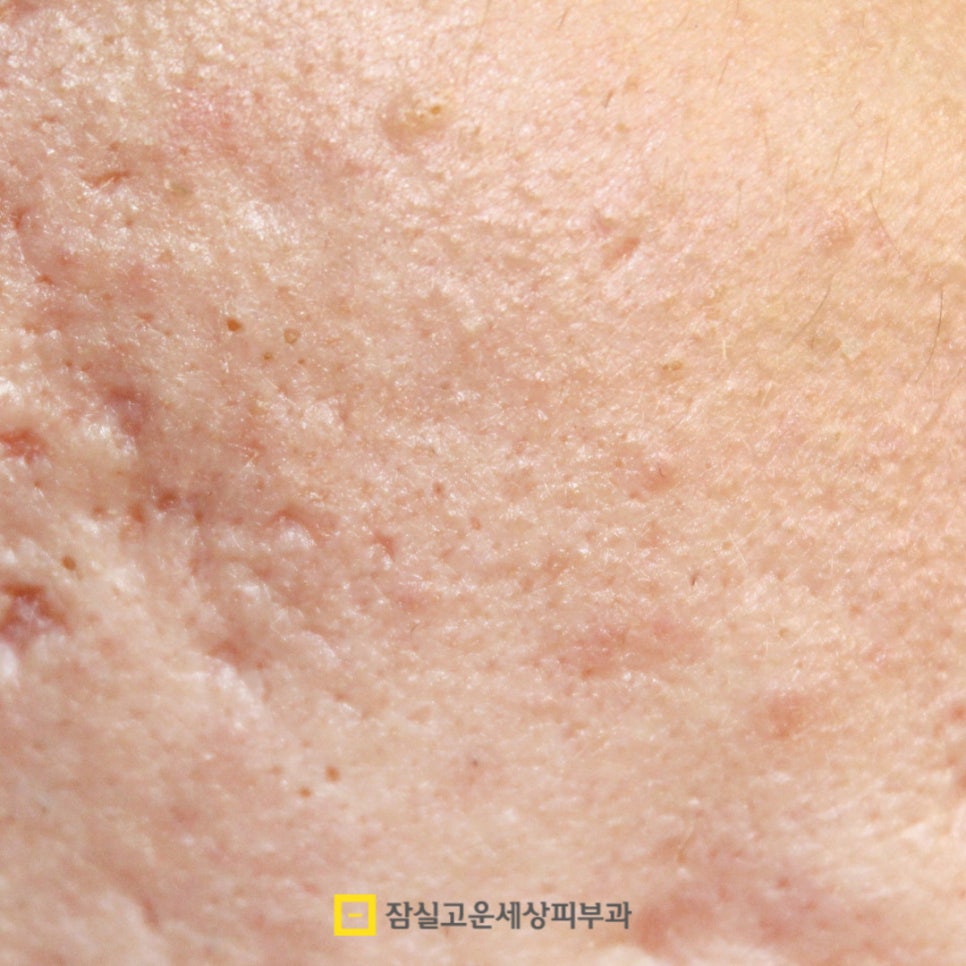
So the most important thing is to prevent scars before they form.
Today, I’ll explain step by step why acne scars form, in what cases
they become more severe, and the specific ways to prevent them.
Why Do Acne Scars Form, and Why Do They Become Severe?
(1) Damage to Skin Structure and Imbalance in Regeneration
Acne is an inflammatory skin disease that occurs around
the sebaceous glands and hair follicles.
When sebum and dead skin cells accumulate inside the follicle, a comedo is formed,
and when bacteria (especially Cutibacterium acnes)
proliferate there, an inflammatory response begins. If the inflammation
spreads beyond the epidermis into the dermis, the collagen fibers and elastic fibers
that serve as the skin’s framework are destroyed.
The skin activates fibroblasts to produce new collagen in order to repair the damaged area,
but problems occur when this process loses balance. If not enough collagen is
restored, a sunken “atrophic scar” forms; conversely,
if too much is produced, a raised “hypertrophic scar” or keloid may develop.
In particular, the deeper the damage extends into the lower dermis or subcutaneous fat layer,
the weaker the regenerative capacity becomes, and the scar’s shape becomes more irregular.
(2) Worsening Damage Due to Untreated Inflammation
If acne is left untreated, the inflammatory period becomes longer.
When inflammation continues for a long time, it destroys surrounding tissue as well,
expands the damaged area, and increases the likelihood that scars will remain deep and wide.
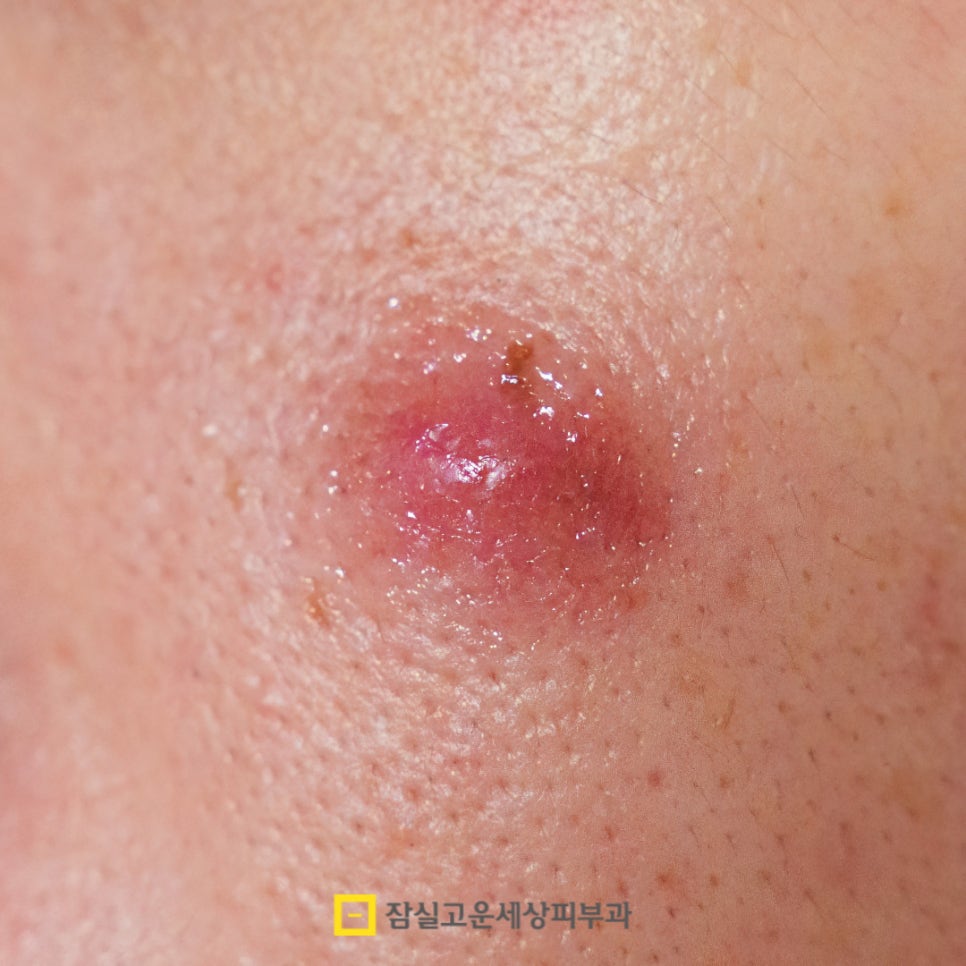
In particular, nodular or cystic acne allows inflammation to spread beyond the boundary between the epidermis and dermis and into the subcutaneous fat layer. In such cases, the skin surface becomes uneven,
and even after recovery, structural damage in the dermis is clearly visible.
In addition, when inflammation repeatedly occurs in the same area, the skin’s regeneration
process becomes increasingly distorted, leading to complex scar formation.
How Improper Care Makes Scarring Worse
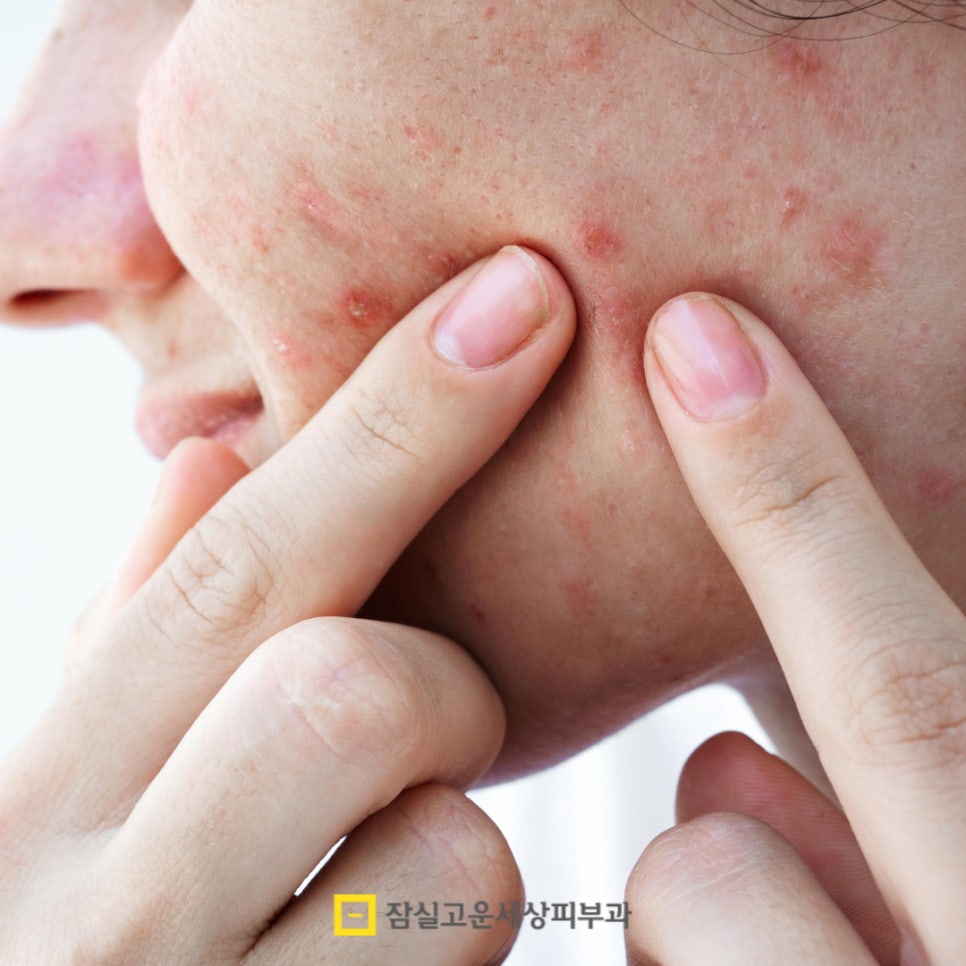
(1) Unhygienic Extraction and Squeezing by Hand
Squeezing with your hands leaves far more damage than you might expect.
If pressure is applied incorrectly, the inflammation does not come out upward;
instead, it spreads sideways or downward, further damaging the surrounding dermis.
If extraction is done without sterilization, bacteria can penetrate deep into the follicle,
causing a secondary infection, which worsens both pigmentation and scarring.
Extraction performed at a dermatology clinic uses sterile equipment,
and because the follicle opening is minimally incised to secure a drainage path,
tissue damage can be minimized.
(2) Irritating At-Home Care Habits
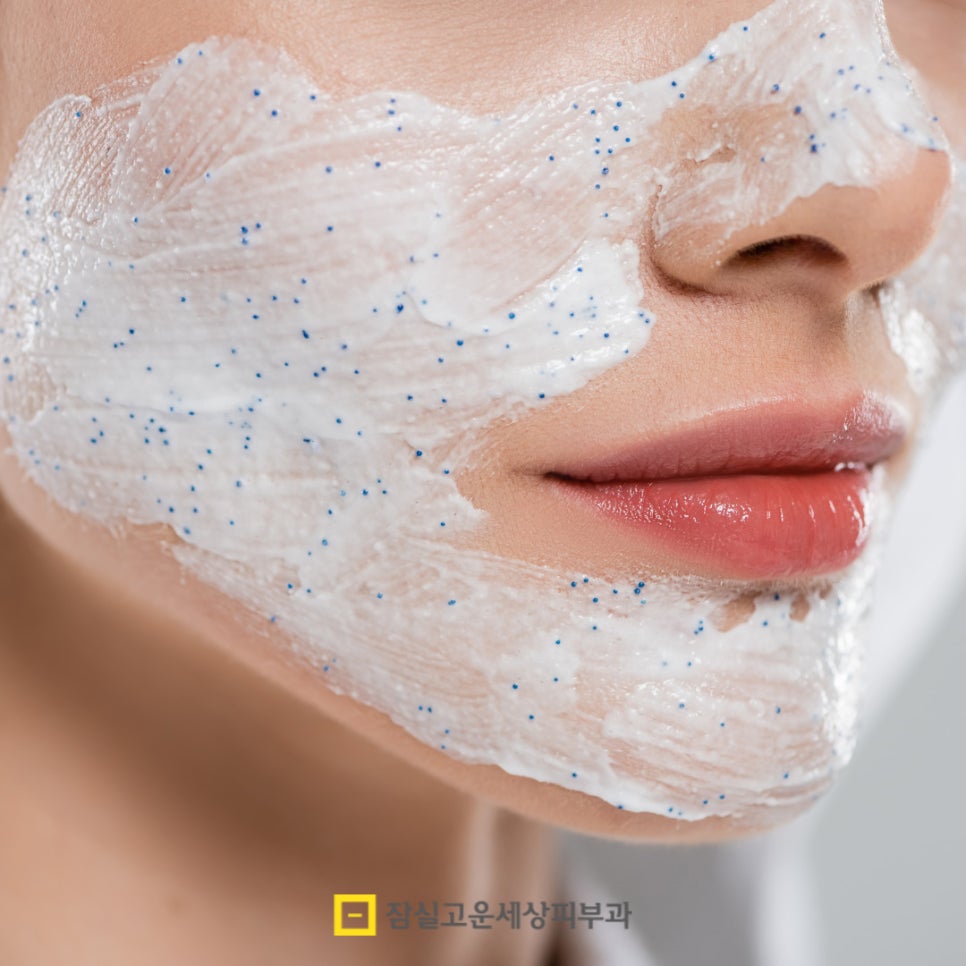
Strong scrubs, high-concentration peels, and excessive exfoliants damage the skin barrier
and allow inflammation to progress more deeply. Repeating such irritation while acne is present
reduces the skin’s recovery speed and increases the likelihood of scarring.
Also, leaving thick makeup on for long periods clogs pores,
prevents sebum from being discharged smoothly, and can worsen acne.
If you must wear makeup, it is best to use non-comedogenic products and cleanse immediately
after returning home.
Key Care for Preventing Scars
(1) Early Suppression of Inflammation
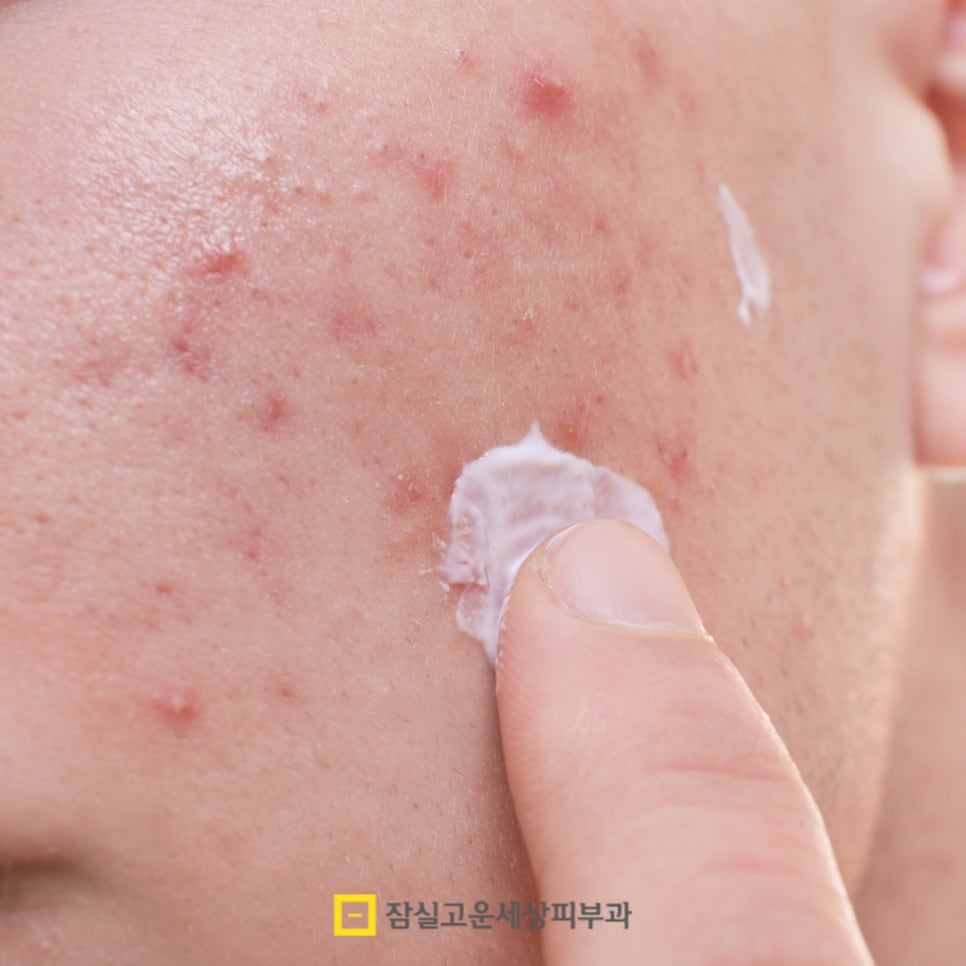
The most important thing is to treat acne early, when it is red and painful.
At this stage, quickly calming the inflammation through topical antibiotics, oral antibiotics,
steroid injections, or laser treatment if needed at a dermatology clinic can greatly reduce the chance of it progressing into scars.
In particular, nodular and cystic acne should be treated within a few days.

(2) Creating an Environment That Supports Skin Regeneration
For the skin to recover, the damaged area must receive enough moisture and nutrition,
and sun protection must be thorough. UV rays worsen post-inflammatory hyperpigmentation
and make scar edges stand out more clearly.
Choosing a high-SPF mineral sunscreen
(based on zinc oxide and titanium dioxide)
can minimize irritation.

(3) Preventing Recurrence
If acne keeps recurring in the same area, scars accumulate.
To prevent this, sebum production and pore condition must be managed long term. Using retinoids (tretinoin,
adapalene), salicylic acid, glycolic acid, and similar ingredients appropriately can reduce dead skin cells inside the pores and help sebum drain more smoothly. However, these ingredients may irritate the skin,
so they should always be used under the guidance of a professional.
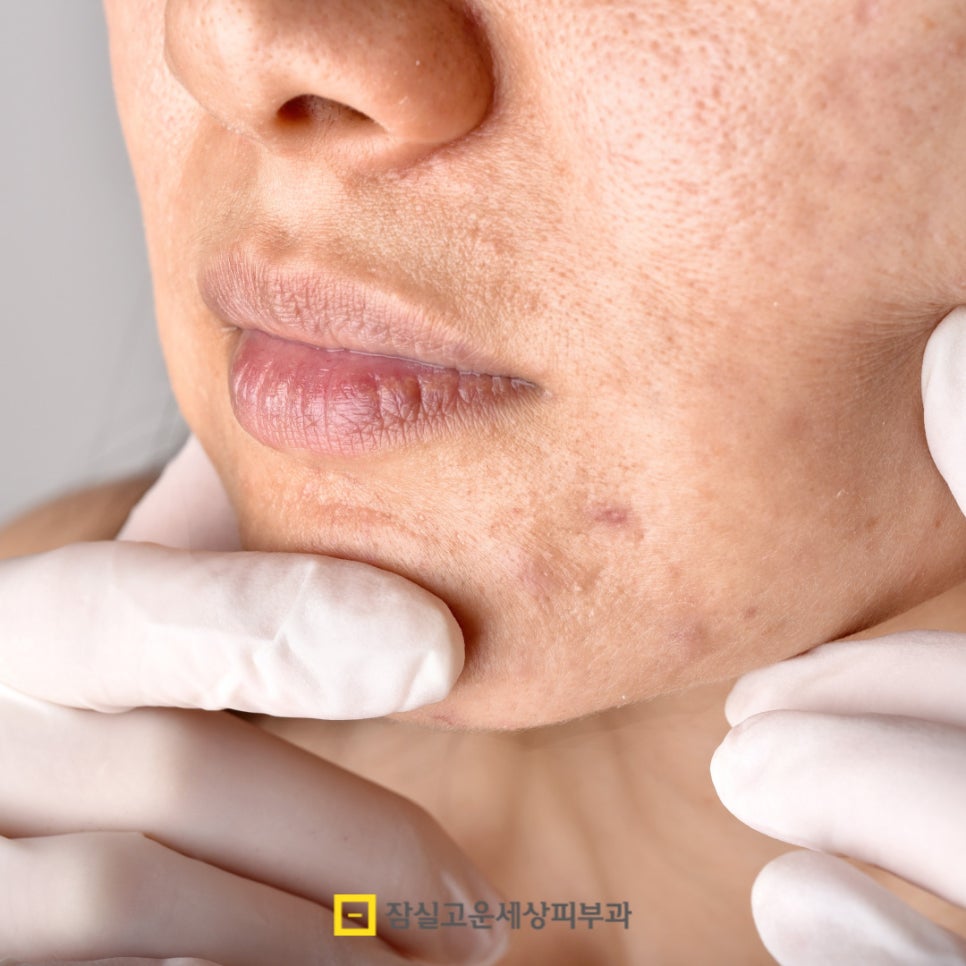
Acne scars result from damage to the dermis and an imbalance in the inflammatory response,
and the risk increases when acne is left untreated or managed incorrectly.
For prevention, these three points are key:
- Early treatment of inflammation
- Creating an environment that supports skin regeneration
- Preventing recurrence
If scars have already formed, it is best to begin combination treatment tailored to the shape and depth of the scars as early as possible.

Everyone experiences acne, but the scars it leaves can remain for life.
Even a small pimple should not be brushed off with the thought that “this is fine.”
If it is treated early, the path to scarring can be firmly blocked. With proper care and help from a professional, the skin can be kept much healthier and smoother. In the end, the essence of acne care
is “not creating scars,” and that is the smartest way to protect long-term skin health.
- Jamsil Gounsesang Dermatology Clinic Website -
This post is provided by Jamsil Gounsesang Dermatology Clinic for the purpose of providing medical information in accordance with Article 56, Paragraph 1 of the Medical Service Act, and all procedures/surgeries carry the risk of side effects such as bleeding, infection, and nerve damage. Please proceed carefully after sufficient consultation with medical professionals.