Acne: Why Does It Keep Coming Back Even After Treatment?
And How to Reduce Recurrence
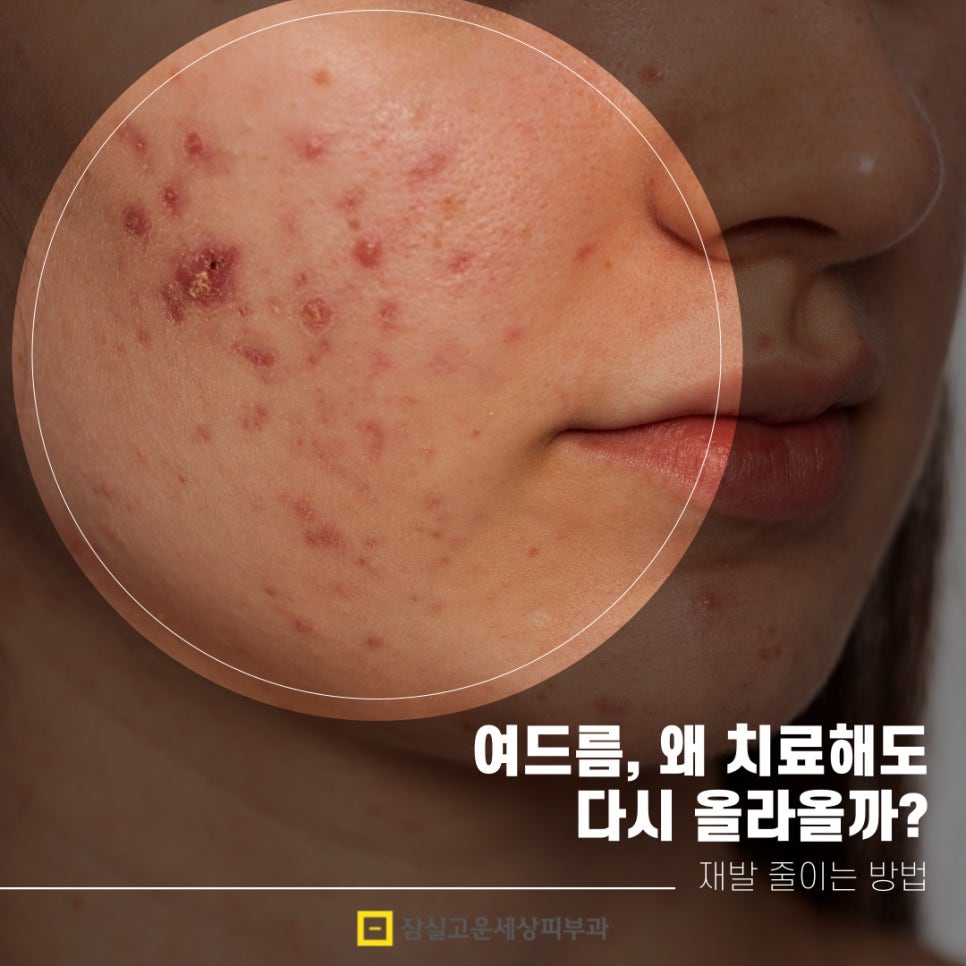
Hello, this is Jamsil Gounsesang Dermatology Clinic.
After acne treatment, your skin in the mirror can look much clearer, which naturally puts you at ease. But when red pimples start appearing again after a month or two, you may think, “I got treatment, so why is it coming back?”
In fact, acne is not simply a problem limited to the skin’s surface. It is a chronic condition in which the skin environment, lifestyle habits, hormonal changes, and genetic factors are all intricately connected. That is why cases where it is “completely over” after one treatment are rare, and it often settles down temporarily before recurring again.
Recurrence also looks different from person to person.
Some people keep getting breakouts in the same area, while others may see it spread more widely than before. Even for the same patient, the frequency and intensity of recurrence can vary depending on the season, lifestyle patterns, and stress levels.
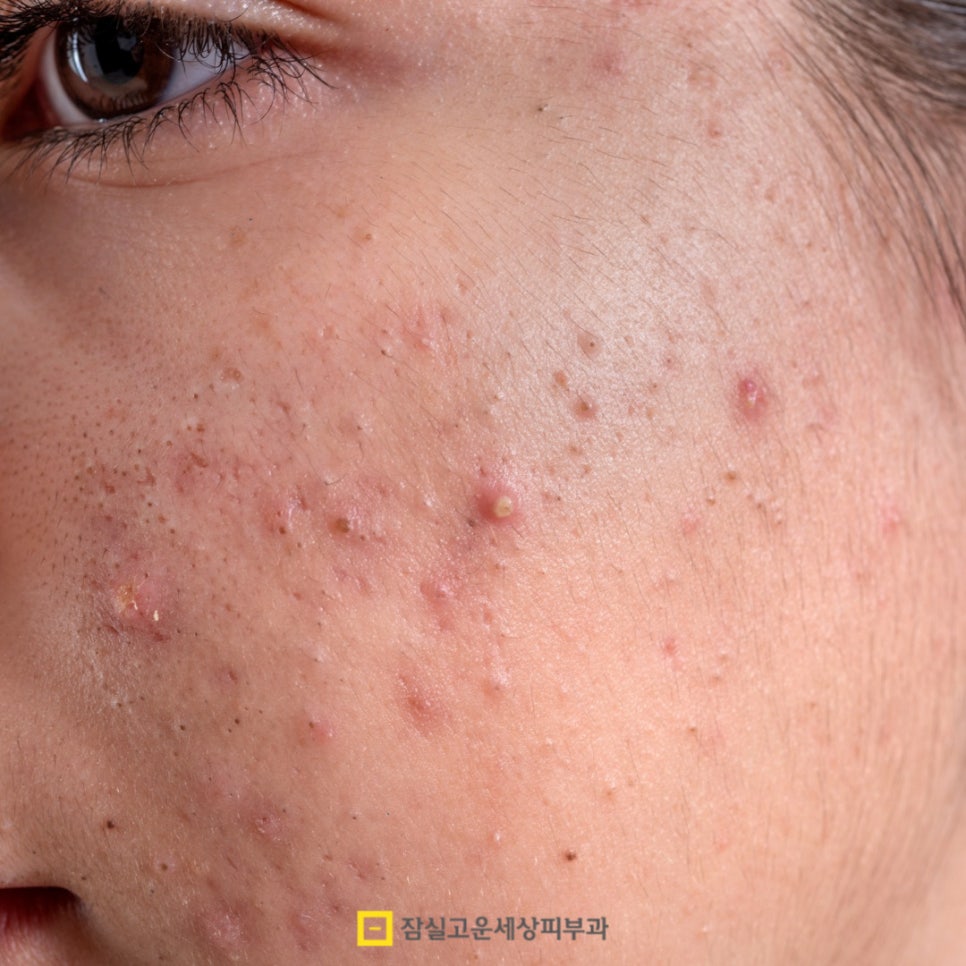
Today, I will explain in more depth why acne recurs even after treatment, and what conditions must be in place during treatment to minimize the possibility of recurrence.
- Why Does Acne Recur?
(1) When the underlying cause remains unchanged
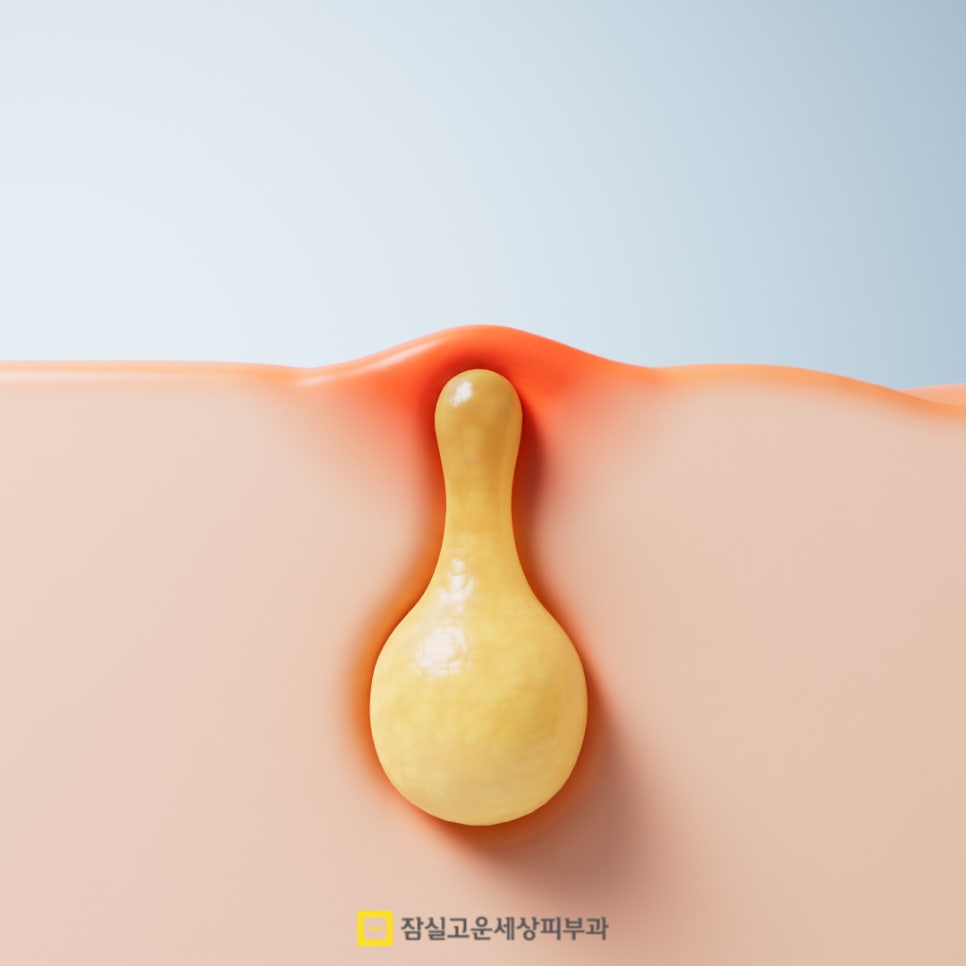
The direct cause of acne is the blockage of sebum and dead skin cells in the hair follicle, followed by bacterial growth inside it, which leads to inflammation. In this process, the size and activity of the sebaceous glands play an important role.
When the sebaceous glands are large and highly active, even if inflammation is calmed from the outside, excess sebum is still being secreted internally. If dead skin cell shedding is not smooth in this state, the hair follicle becomes clogged, and dormant lesions can become active again.
Also, if the skin barrier is weakened, it can react sensitively to external irritation and inflammation can develop easily. For example, if the skin’s protective barrier is damaged by dry seasons, frequent washing, or using harsh scrubs, acne will recur more easily than before.

(2) Lifestyle habits and environmental factors
Even after treatment, if irregular sleep, a diet centered on high sugar and high fat, ongoing stress, or frequent drinking continue, hormonal balance can be disrupted and sebum production increases. In particular, diets that raise insulin levels (for example, sweets, white bread, and ramen) stimulate androgen activity and promote sebum secretion.
For women, hormone-related conditions such as the menstrual cycle, taking oral contraceptives, and polycystic ovary syndrome (PCOS) are also important causes of acne recurrence. In addition, if your job or environment frequently exposes you to dust, sweat, or oiliness (for example, kitchens, gyms, or outdoor work), pores can become clogged and acne can keep recurring. The habit of not washing off sweat soon after exercise can also trigger recurrence for the same reason.
(3) When treatment only suppresses symptoms
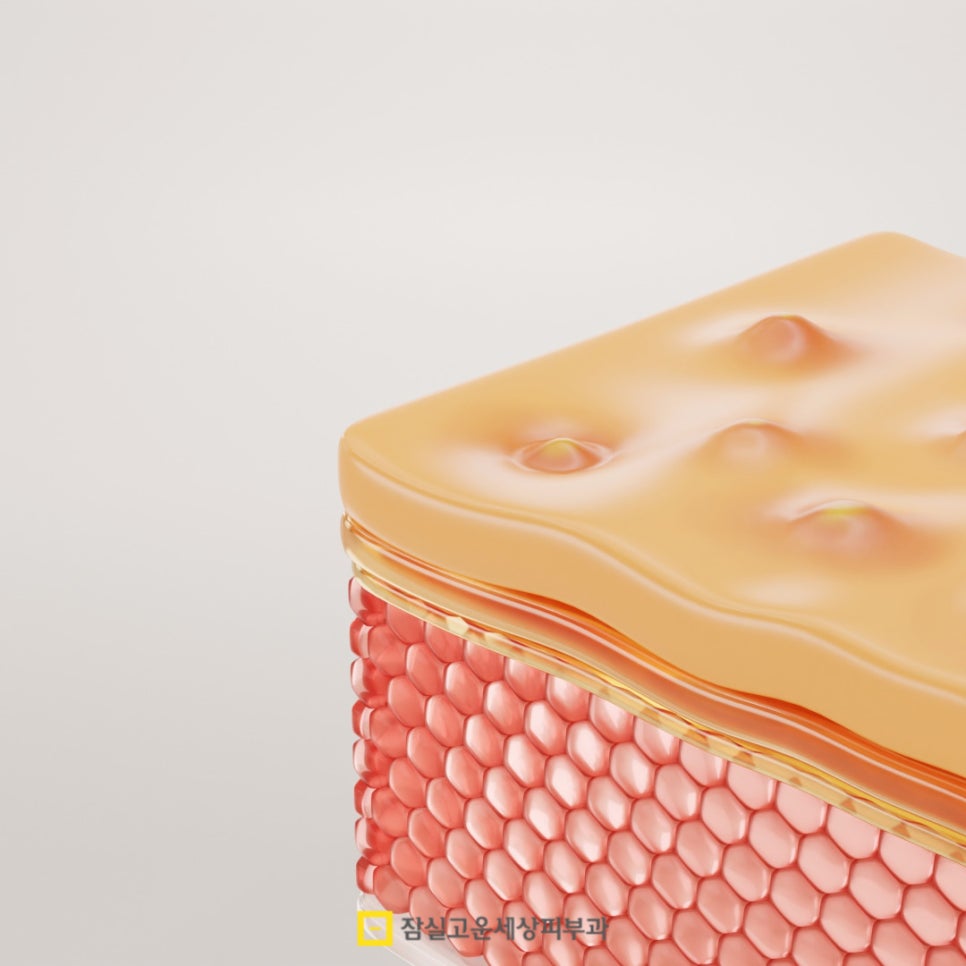
Acne treatment has two major goals: relieving symptoms and preventing recurrence. However, many people focus only on reducing early redness and pain, and do not move on to the maintenance phase afterward. When that happens, it may look as though the skin has temporarily calmed down on the surface, but the internal skin environment remains favorable for acne to develop.
For example, if inflammatory acne is treated only with a short course of antibiotics or anti-inflammatory laser and then stopped, underlying lesions may remain while sebaceous gland activity continues unchanged. Over time, these dormant lesions can reactivate and acne recurs.
- Conditions for Acne Treatment
That Minimizes Recurrence
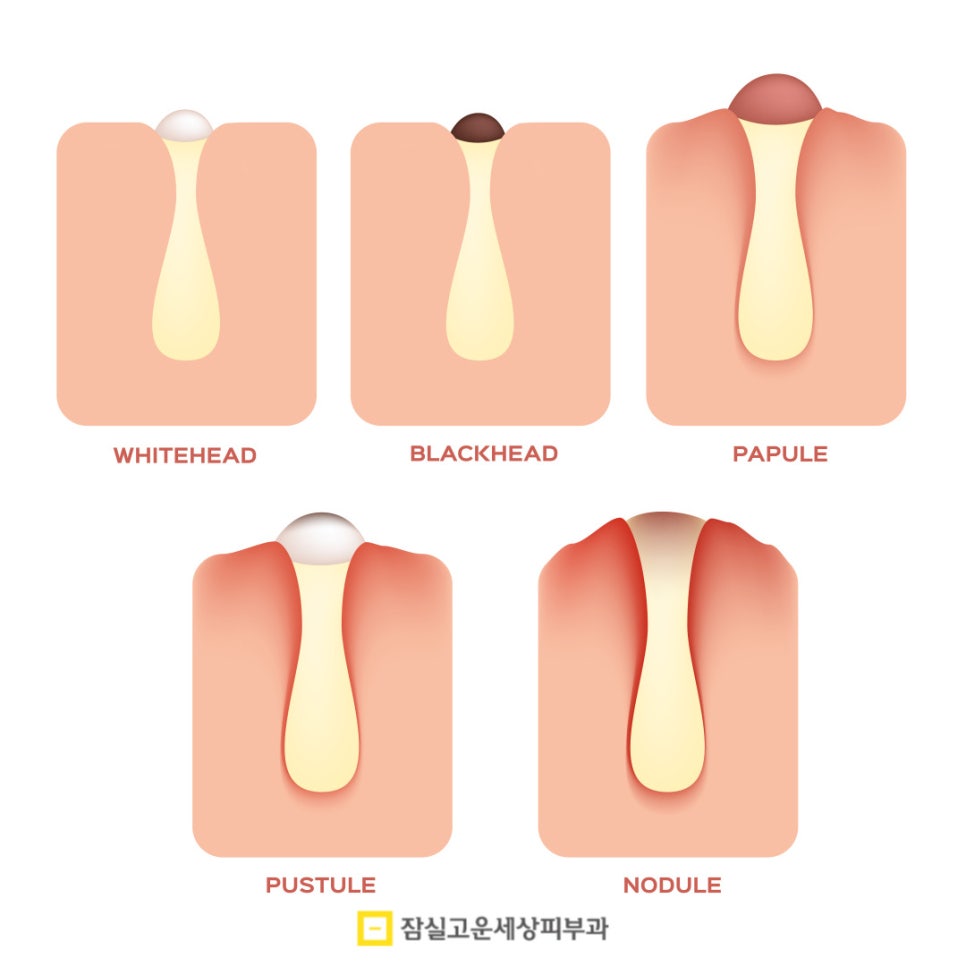
(1) Customized treatment tailored to the cause
Because the causes of acne differ from patient to patient, an accurate diagnosis is needed before treatment.
The approach is divided into types such as excess-sebum type, recurrent-inflammatory type, and type with pigmentation or scarring. For example, if it is an excess-sebum type, treatment to suppress sebaceous glands (such as laser or medication) is combined, and if it is a recurrent-inflammatory type, using anti-inflammatory laser together with oral medication is effective in breaking the inflammation cycle.
In addition, the treatment plan should not stop at short-term prescriptions; it needs a comprehensive management plan that includes lifestyle habits.
Through this, the effect of treatment expands from simply relieving current symptoms to preventing future recurrence.
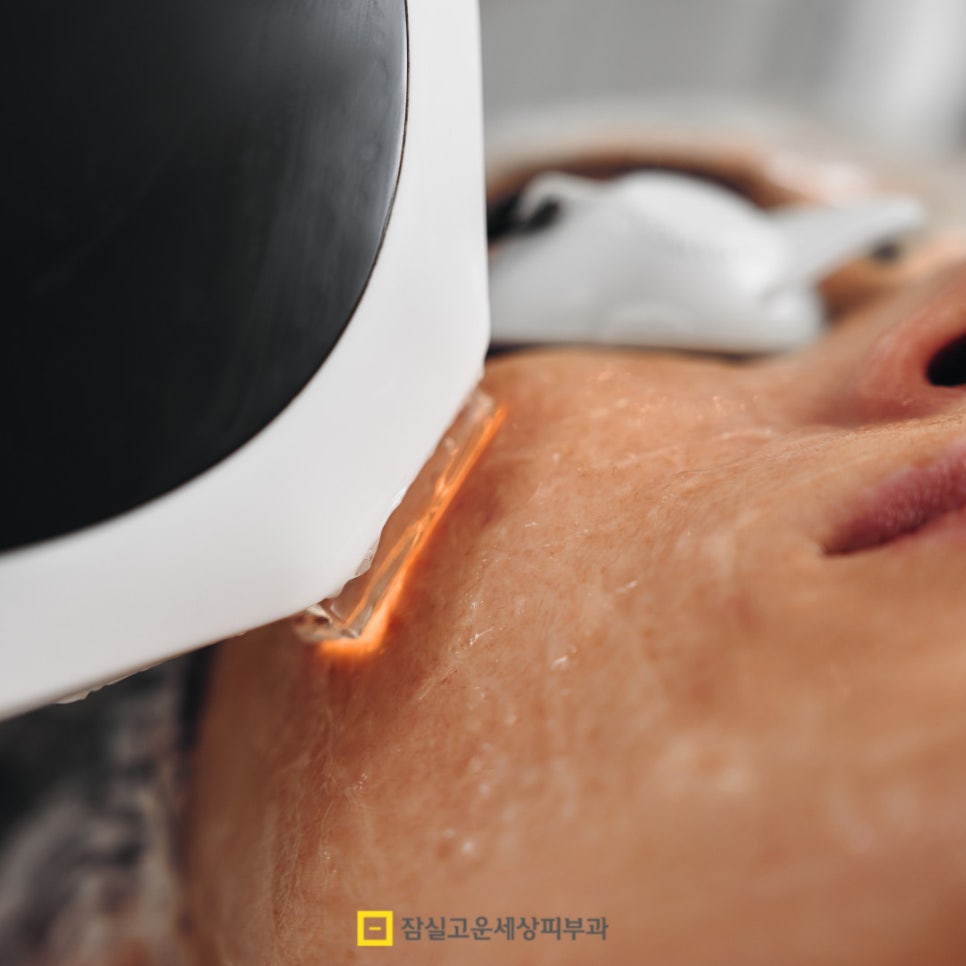
(2) Continue with maintenance treatment after the acute phase is calmed
If you suddenly stop treatment just because acne has become less active, dormant lesions left in the skin can reactivate.
Therefore, after the acute phase has calmed, treatment should naturally transition into maintenance therapy. Maintenance therapy is the stage that stabilizes the sebaceous glands and pore environment in the skin over the long term.
For example, using retinoids (such as tretinoin or adapalene) in small amounts over a long period, periodically performing low-output laser treatment to suppress sebaceous glands, and regulating dead skin cells once or twice a week are common approaches.
If this process is continued for at least 3 to 6 months, the likelihood of recurrence can be significantly reduced.

(3) Correct lifestyle habits at the same time
For acne, treatment and lifestyle habits must go hand in hand for recurrence prevention to be more effective. Regular sleep, a balanced diet, and stress management are essential. For cosmetics, it is better to use non-comedogenic products to minimize pore blockage, and to avoid rubbing too hard when cleansing.
After exercise, sweat should be washed off as soon as possible, and wearing clothing with good sweat absorption also helps.
These small habit changes are important factors in protecting skin health over the long term.
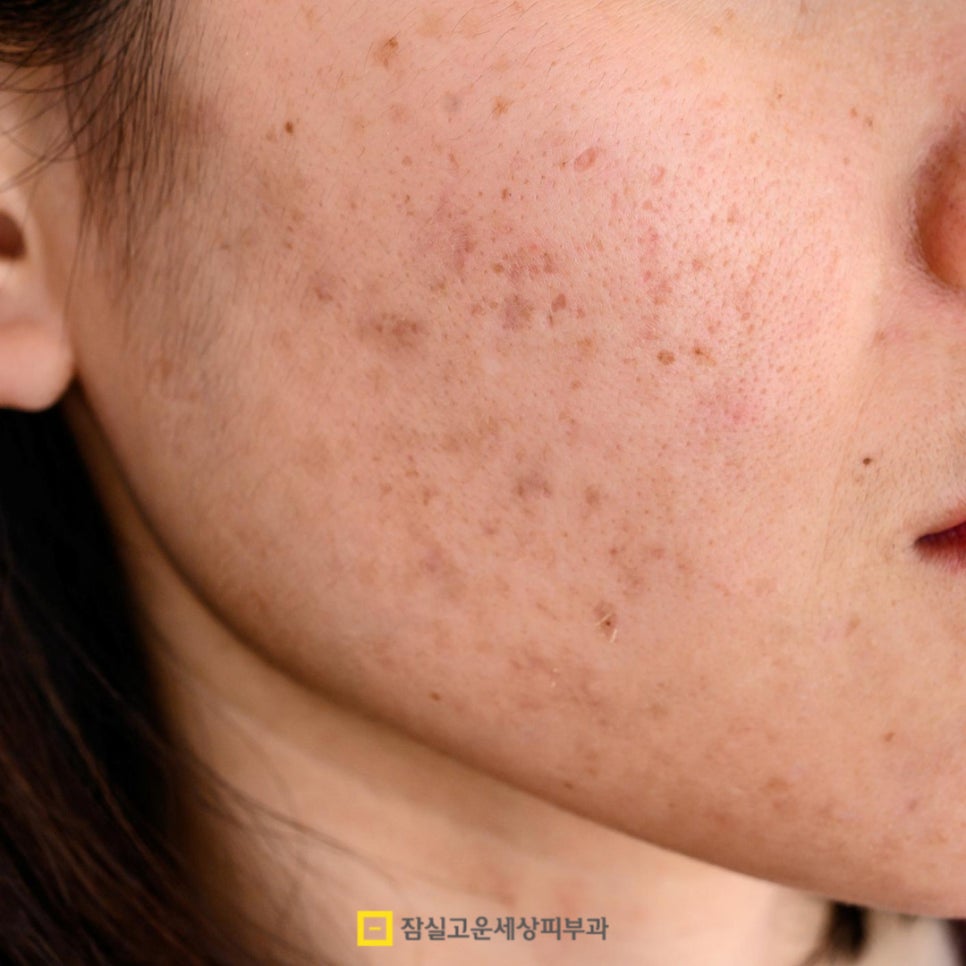
(4) Manage scars and marks at the same time
When acne recurs, scars and marks accumulate and the skin texture becomes increasingly uneven. That is why it is a good idea to treat existing scars and marks along with recurrence-prevention treatment.
At dermatology clinics, problems like these are addressed by combining CO2 fractional laser, Er:YAG laser, and microneedle radiofrequency. This improves pore structure and surface texture during the skin-repair process, which also helps reduce the risk of new acne developing.

Acne is not a condition that ends once it is treated!
If the internal skin environment and lifestyle habits remain the same, it can reappear at any time after treatment. That is why preventing recurrence requires more than simply calming the inflammation in front of you; the skin’s internal structure, sebum secretion patterns, and lifestyle habits must all be improved together.

In particular, even if you see results early in treatment, continuing maintenance treatment and care habits for at least 3 to 6 months is key to preventing recurrence. During treatment, you should also review your lifestyle habits and adjust your care methods according to your skin condition.
In the end, what matters is customized treatment that fits your skin and consistency. Only when these two are supported can the return of acne be delayed as much as possible and skin health be maintained for a long time.
[ Directions to Jamsil Gounsesang Dermatology Clinic ]
[ Jamsil Gounsesang Dermatology Clinic Information ]
[ Jamsil Gounsesang Dermatology Clinic Website ]
This post is provided by Jamsil Gounsesang Dermatology Clinic for the purpose of providing medical information in accordance with Article 56, Paragraph 1 of the Medical Service Act. All procedures/surgeries carry the risk of side effects such as bleeding, infection, and nerve damage, so please proceed carefully after sufficient consultation with medical professionals.